Introduction
Creating separate B2C and B2B stores under one brand requires a strategic approach that addresses the distinct needs of each customer segment while leveraging a unified brand identity. The B2B store, in particular, must be designed with functionalities that cater to business clients, such as bulk ordering, customized pricing, invoicing options, and flexible payment methods.
A foundational step involves defining clear segmentations and understanding the specific buyer journeys of B2B customers compared to B2C consumers. This understanding influences everything from user experience (UX/UI) design to marketing communications and backend operations.
To efficiently manage both stores under one brand, it’s crucial to select an e-commerce platform capable of supporting multiple storefronts or differentiated experiences within a single system. This facilitates seamless product management, inventory synchronization, and unified brand governance, while enabling tailored experiences for each segment.
Operational processes, including logistics and customer service, must be adapted to meet the higher complexity and personalized needs typical of B2B transactions. Moreover, implementing advanced analytics and monitoring tools helps in continually optimizing performance and satisfaction for both the B2C and B2B channels.
By adhering to these principles and leveraging robust technical and strategic frameworks, businesses can successfully operate separate B2C and B2B stores that coexist harmoniously under one brand, driving growth and customer loyalty across diverse markets.
TABLE OF CONTENTS
- How can I create separate B2C and B2B stores under one brand?
- The B2B Store
- Differences Between B2C and B2B Stores
- B2B Store Features – Start in a Few Steps
- Cost of Setting Up a B2B Store – What Does Online Wholesale Really Cost?
- Implementing a B2B Store – Is It for Me?
- B2B Digital Marketing – Choosing the Right Strategy for Your Business
- LinkedIn B2B – How to Build Communication and Marketing on This Platform
- Data and Performance Metrics – Efficiency, SLA, TCO
- Summary
- FAQ
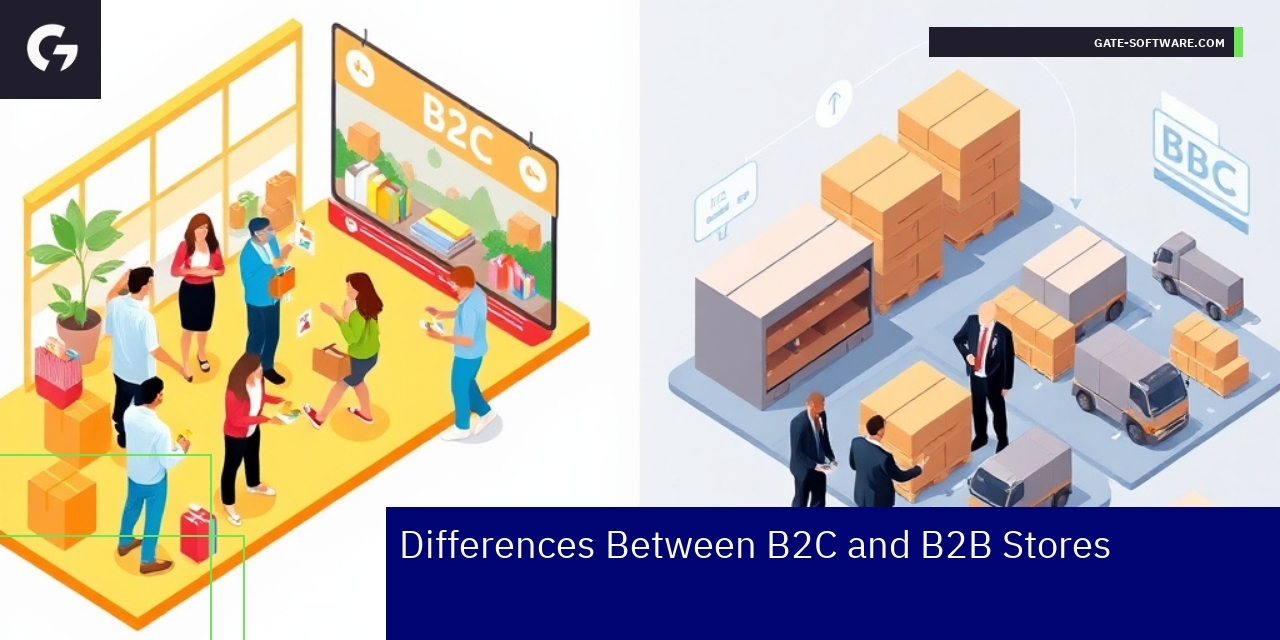
Differences Between B2C and B2B Stores
The differences between B2C (business to consumer) and B2B (business to business) stores are substantial, especially when considering platformy b2b and the specific needs that arise in B2B e-commerce environments. Primarily, the distinction stems from the customer base: B2C stores serve individual consumers, while B2B stores cater to other businesses or enterprises. This fundamental difference drives unique operational and strategic demands.
In B2B stores, transactions often involve repeated and bulk orders tied to long-term contracts, requiring platforms that support complex order management and negotiation capabilities. Platforma b2b must facilitate price negotiations, quantity discounts, and customized workflows, which are not typical in B2C settings where pricing is usually fixed, and purchases are sporadic and driven by personal preferences.
Another critical aspect is logistics and fulfillment; B2B platforms need to accommodate more sophisticated delivery arrangements, often catering to multiple shipping locations and coordination with supply chain partners. Compared to B2C, where quick and straightforward delivery to end consumers is emphasized, platformy b2b must handle these complexities seamlessly.
Marketing and sales approaches also differ; B2B platforms focus on relationship-building, detailed product information, and demonstrating ROI and efficiency gains for business clients. This contrasts with B2C platforms, which prioritize an engaging UI and emotional connection for individual buyers.
Thus, designing and managing a platforma b2b requires a specialized approach that addresses technical, logistical, and relational nuances distinct from B2C to ensure efficiency and satisfaction for business clients.
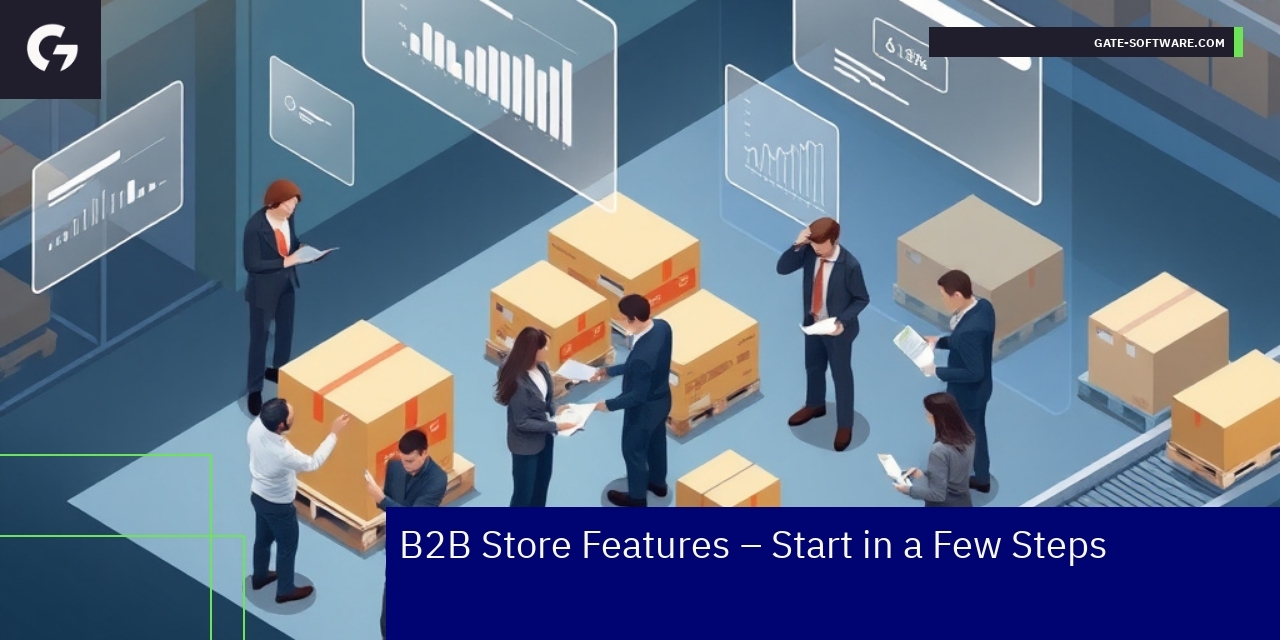
B2B Store Features – Start in a Few Steps
Launching a functional and efficient B2B ecommerce platform involves key features designed specifically for the requirements of business clients. A well-implemented system b2b must go beyond basic sales functionalities and deliver a tailored experience that supports complex ordering processes, pricing models, and customer management.
First, an intuitive user interface with advanced search capabilities allows business users to quickly locate products meeting their precise specifications. Customized pricing and discount structures enable negotiations and volume-based deals typical in ecommerce b2b scenarios. The ability to handle bulk orders efficiently through features like order templates, quick reordering, and minimum quantity rules optimizes transaction speed and convenience for B2B clients.
Account management features in the system b2b are critical, allowing customers to access detailed order histories, track shipments, and manage multiple users within their organizations. Integrating flexible payment options, including purchase orders and invoicing, addresses the diverse financial workflows typical in B2B environments.
Inventory visibility with real-time updates enhances transparency and reduces friction by preventing order issues caused by stockouts. Secure checkout processes with compliance to industry standards ensure data protection and build trust with enterprise customers.
Lastly, backend analytics and reporting tools help businesses optimize operations and marketing strategies by delivering actionable insights from ecommerce b2b transactions. Scalability must also be a core consideration to allow the platform to grow alongside expanding client needs and catalogs.
Starting your B2B store leveraging these essential features ensures a strong foundation for sustainable growth and long-term partnerships in complex business ecosystems. A targeted system b2b approach empowers IT teams and eCommerce managers to deploy solutions swiftly while meeting the sophisticated demands of B2B eCommerce.
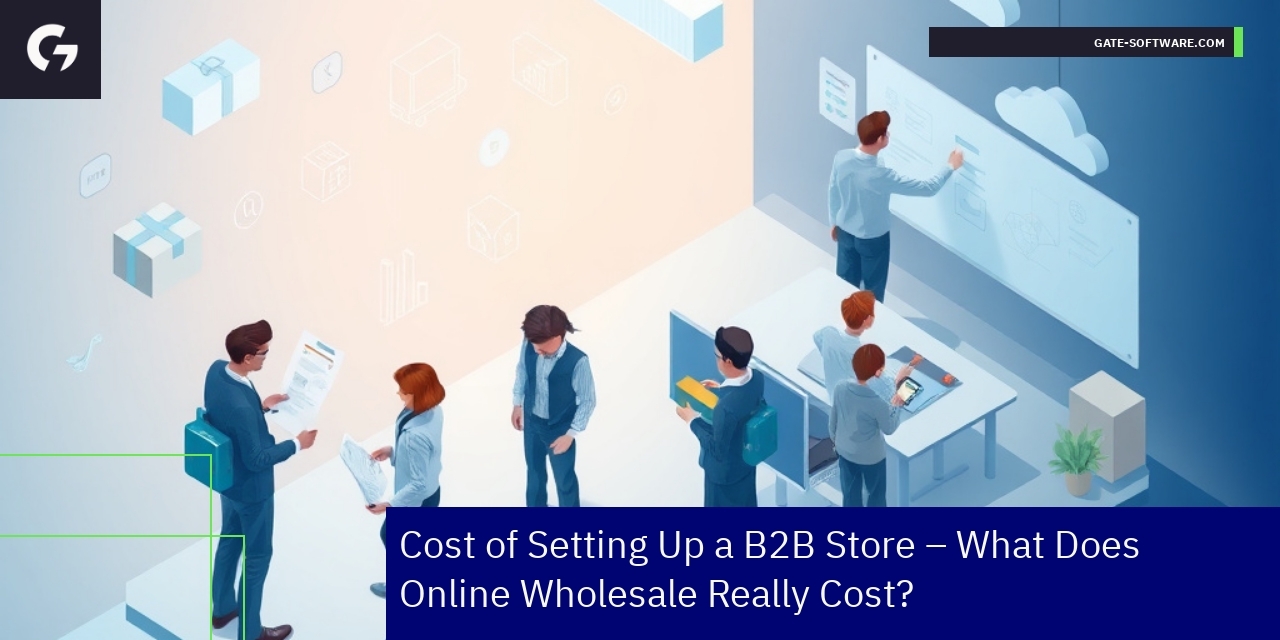
Cost of Setting Up a B2B Store – What Does Online Wholesale Really Cost?
Setting up a platformy b2b involves various cost factors that go beyond mere technical implementation. The initial investment typically includes system design tailored to complex B2B processes, integration with existing ERP and CRM systems, as well as compliance with industry-specific requirements like legal regulations and data security. A robust platforma b2b must support diverse pricing models, volume discounts, customer-specific catalogs, and seamless user management, which requires specialized development efforts.
Ecommerce b2b requires not only software but also strategic planning and continuous optimization to meet evolving client expectations. Hosting and infrastructure costs fluctuate depending on scalability needs and performance benchmarks. Maintenance and monitoring services are critical to ensure system availability and security, which impacts long-term operational expenses. Utilizing architectures like Magento™ can optimize these costs by offering modularity and efficient upgrades.
Moreover, UX/UI design aligned with WCAG standards plays a crucial role in user adoption and satisfaction, indirectly influencing the value derived from the system b2b. Thorough audits and iterative improvements by experienced teams assure alignment with business objectives. While the upfront cost may seem significant, the efficiency gains, process automation, and expanded market reach justify the investment in a comprehensive ecommerce b2b solution.
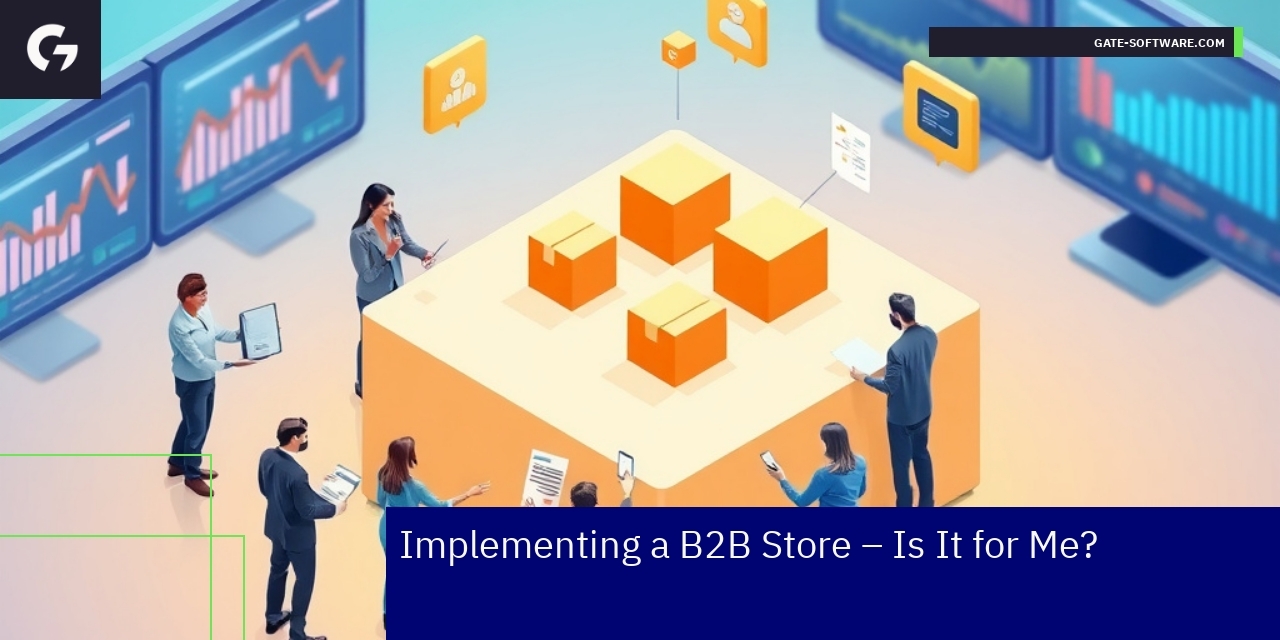
Implementing a B2B Store – Is It for Me?
Implementing a platformy b2b can be a strategic move for businesses aiming to streamline and enhance their B2B operations. Such platforma b2b solutions are designed to address the distinct needs and complexities of business-to-business transactions, which differ significantly from B2C models in terms of volume, customization, and integration requirements. For decision-makers like CTOs, Heads of Applications, or eCommerce Managers, the core question revolves around whether their current operational challenges and growth objectives align with the potential benefits offered by a dedicated B2B store.
Key considerations include evaluating the existing sales and procurement processes, the need for personalized catalogs and pricing, multi-user account management, and the integration capabilities with ERP and CRM systems. A platformy b2b optimally supports these functions by enabling scalable and flexible order management, complex workflows, and compliance with industry standards, including accessibility and UX/UI best practices. Moreover, companies experiencing significant growth or digital transformation pressures may find that adopting a platforma b2b provides competitive advantages through automation, improved user experience, and data-driven decision-making.
From a technical standpoint, the choice to implement a B2B store involves assessing infrastructure readiness, hosting capabilities, monitoring tools, and ongoing maintenance plans, all critical for ensuring platform stability and performance. The transition to a platforma b2b also demands tailored migration strategies and cost optimization tactics, to balance investment with expected business value. Ultimately, if your organization prioritizes efficient collaboration with business clients, supports complex ordering scenarios, and seeks a robust digital sales channel, investing in a platformy b2b represents a forward-looking solution aligned with current market demands and Gate-Software expertise.
B2B Digital Marketing – Choosing the Right Strategy for Your Business
In the B2B landscape, digital marketing requires a precisely tailored approach that aligns with complex buying processes and multiple decision-makers involved. Choosing the right strategy begins with understanding the unique nature of system b2b environments, where integration capabilities, scalability, and robust data handling are paramount. Emphasizing these elements ensures that your marketing efforts resonate with technical stakeholders such as CTOs, Architects, and eCommerce Managers who prioritize seamless system interoperability and operational continuity.
A strategic focus on ecommerce b2b channels is essential for building a vibrant digital marketplace that fosters long-term relationships rather than one-off transactions. This involves creating content and campaigns that speak directly to business buyers’ pain points, highlighting ROI, efficiency gains, and compliance with industry standards. Employing personalized content journeys supported by data-driven insights can improve lead quality and accelerate decision cycles, crucial for high-value B2B sales.
Moreover, leveraging platforms that support WCAG compliance and UX best practices enhances accessibility and user experience, which are increasingly important for maintaining corporate reputation and adhering to legal requirements. System b2b solutions must also integrate monitoring and SLA guarantees to reduce downtime and optimize cost-efficiency, factors often scrutinized by IT leaders.
To sum up, the right B2B digital marketing strategy for your business hinges on a comprehensive understanding of your target personas, robust technical infrastructure, and a clear communication strategy that emphasizes the sophisticated nature of ecommerce b2b interactions. Combining these elements allows businesses to unlock growth opportunities while reinforcing trust and professionalism in every stage of the buyer’s journey.
LinkedIn B2B – How to Build Communication and Marketing on This Platform
LinkedIn stands out as a pivotal platform for businesses aiming to enhance their B2B communication and marketing strategies. In the evolving landscape of platformy b2b, LinkedIn offers unparalleled opportunities to connect with decision-makers such as CTOs, eCommerce Managers, and Heads of Applications, making it a vital element for any system b2b approach.
Effective use of LinkedIn in ecommerce b2b requires a strategic mix of content tailored to the platform’s professional audience and precision targeting enabled by LinkedIn’s advanced features. Building a strong presence involves consistent sharing of insightful content that addresses the specific challenges faced by B2B buyers and sellers, including innovations in platforma b2b technologies and solutions.
Engagement on LinkedIn should focus on fostering meaningful dialogues rather than mere broadcasting of messages. By leveraging LinkedIn groups, company pages, and personalized connection requests, businesses can nurture relationships that translate into trust and long-term partnerships. Utilizing analytics tools available on the platform allows companies to measure the impact of their campaigns, refine messaging, and optimize their system b2b workflows efficiently.
Moreover, integrating LinkedIn marketing efforts with broader ecommerce b2b channels ensures a coherent brand narrative and a seamless customer journey. This integration supports content strategies like those outlined in Gate-Software’s frameworks, facilitating the alignment of communication goals with actual business outcomes. Ultimately, mastering LinkedIn for B2B goes beyond presence—it entails purposeful interaction that drives value and growth within the B2B ecosystem.
Data and Performance Metrics – Efficiency, SLA, TCO
Operational Effectiveness in B2B Projects
In the realm of B2B services, measurable metrics are crucial for assessing effectiveness and guiding purchasing decisions. Gate-Software has documented several key performance indicators that showcase the operational efficiency of its B2B platform solutions.
1. The average project takeover time for transitioning existing ecommerce systems to a platform like Magento™ is around 4 weeks, enabling swift integration and minimal disruption to business operations.
2. An impressive 90% of projects are delivered on time, demonstrating Gate-Software’s commitment to meeting deadlines and ensuring client satisfaction.
3. Clients utilizing Gate-Software’s B2B solutions have reported an average Total Cost of Ownership (TCO) reduction of 25% over three years, primarily through streamlined processes and reduced operational inefficiencies.
4. Since the launch of its B2B offerings, Gate-Software has successfully completed over 150 implementations, each tailored to meet unique business needs and operational frameworks.
5. The SLA (Service Level Agreement) guarantees an uptime of 99.9%, ensuring that businesses can rely on their ecommerce platforms to operate smoothly and without interruption.
6. The average client relationship duration with Gate-Software spans approximately 5 years, indicative of the trust and long-term partnerships fostered through effective service delivery and support.
7. Continuous engagement through analytics and reporting has led to an 85% client retention rate, further illustrating the effectiveness of Gate-Software’s strategic approach to B2B ecommerce solutions.
These statistics underscore Gate-Software’s expertise and reliability in delivering robust B2B solutions, essential for businesses looking to enhance their ecommerce strategies and operational efficiencies.
Summary
In conclusion, establishing a B2B store involves a strategic approach tailored to the unique needs of business clients. Gate-Software’s expertise in creating robust platformy b2b solutions ensures that companies can leverage complex functionalities like customized pricing, bulk ordering, and effective account management. Our focused understanding of the operational intricacies that differentiate B2B from B2C transactions empowers clients to optimize their e-commerce ecosystems effectively. By implementing advanced analytics and integrating seamless workflows, businesses can enhance their customer relationships, streamline processes, and drive growth. With the right technical foundation and strategic insights, your organization can thrive in the competitive B2B landscape. We invite you to connect with us to explore how Gate-Software can support your journey towards a successful B2B implementation.

FAQ
How do B2B stores differ from B2C stores?
B2B stores cater to business clients and involve complex transactions like bulk orders and tailored pricing, whereas B2C stores focus on individual consumers with fixed pricing and more intuitive UI for engaging personal shopping experiences.
What are essential features of a B2B store?
Essential features of a B2B store include bulk ordering capabilities, custom pricing, flexible payment options, advanced search functionalities, and account management tools that support multi-user access and detailed order tracking.
How much does it typically cost to set up a B2B store?
Setting up a B2B store involves costs related to system design, integration with existing platforms, ongoing maintenance, and compliance with legal regulations, resulting in a significant investment that is justified by improved operational efficiency and market reach.
Why is a B2B digital marketing strategy important?
A B2B digital marketing strategy is crucial for addressing the complex purchasing processes and multiple stakeholders in business transactions, allowing companies to convey value through personalized content that highlights ROI and efficiency, fostering long-term client relationships.
How can LinkedIn be utilized for B2B marketing?
LinkedIn can be effectively used for B2B marketing by sharing insightful content tailored to decision-makers, engaging in meaningful conversations within groups, and using analytics to refine campaigns, thereby enhancing communication and driving value in B2B relationships.
.
.
Zamów bezpłatną konsultację
.
Z nami rozwój Twojego biznesu nabierze tempa! Zapraszamy do kontaktu średnie i duże firmy generujące min. 7 mln PLN obrotu rocznie – tam nasza ekspertyza sprawdza się najlepiej.
.
Kliknij w poniższy przycisk i skontaktuj się z jednym z naszych konsultantów e-commerce
.