Introduction
In the competitive landscape of B2B e-commerce, leveraging advanced digital platforms like Magento 2 has become essential for businesses seeking significant growth. This case study explores how a B2B store achieved an impressive 200% increase in sales by implementing Magento 2 coupled with targeted Magento B2B training.
The project began with a comprehensive analysis of the store’s existing e-commerce infrastructure, focusing on identifying bottlenecks in sales processes and customer experience. Utilizing MagentoOneS™, Gate-Software provided a scalable and robust platform tailored specifically for B2B complexities, including custom pricing, bulk ordering, and contract negotiation features.
Integral to the success was the Magento B2B training program designed for the store’s internal teams. This training emphasized understanding Magento 2’s advanced B2B capabilities and best practices for managing product catalogs, customer segmentation, and streamlined checkout workflows. The training also incorporated UX/UI principles and adherence to WCAG standards to enhance accessibility and usability for key user personas such as the eCommerce Manager and Head of Applications.
Post-implementation, the store reported a 200% increase in sales volume, attributed to optimized user experience, reduced friction in purchasing processes, and strengthened customer relationships facilitated by personalized Magento 2 functionalities. This case underlines how a strategic combination of platform excellence and targeted skill development can drive substantial business growth in the B2B sector.
TABLE OF CONTENTS
- Case Study: How One B2B Store Boosted Sales by 200% with Magento 2
- How Omnichannel Changes the Rules of Commerce
- How to Maintain Inbox Zero in Your Email
- Key Takeaways
- Alternatives and Risks
- How Omnichannel Changes the Rules of Commerce
- How to Maintain Inbox Zero in Your Email
- Key Takeaways
- FAQ
- Alternatives and Risks
- Data and Performance Metrics – Efficiency, SLA, TCO
- Summary
- FAQ
- What is omnichannel?
- Key components of omnichannel
- Increased efficiency
- Easier product data management
- Key functionalities for B2B
- Integrations with other systems
- Differences and migration benefits
- How to boost conversion?
- Payment and shipping methods
- Common pitfalls in the purchasing process
- What is Inbox Zero and why does it matter?
- Success stories in B2B advertising
- How to improve search engine visibility?
- Available options and their advantages
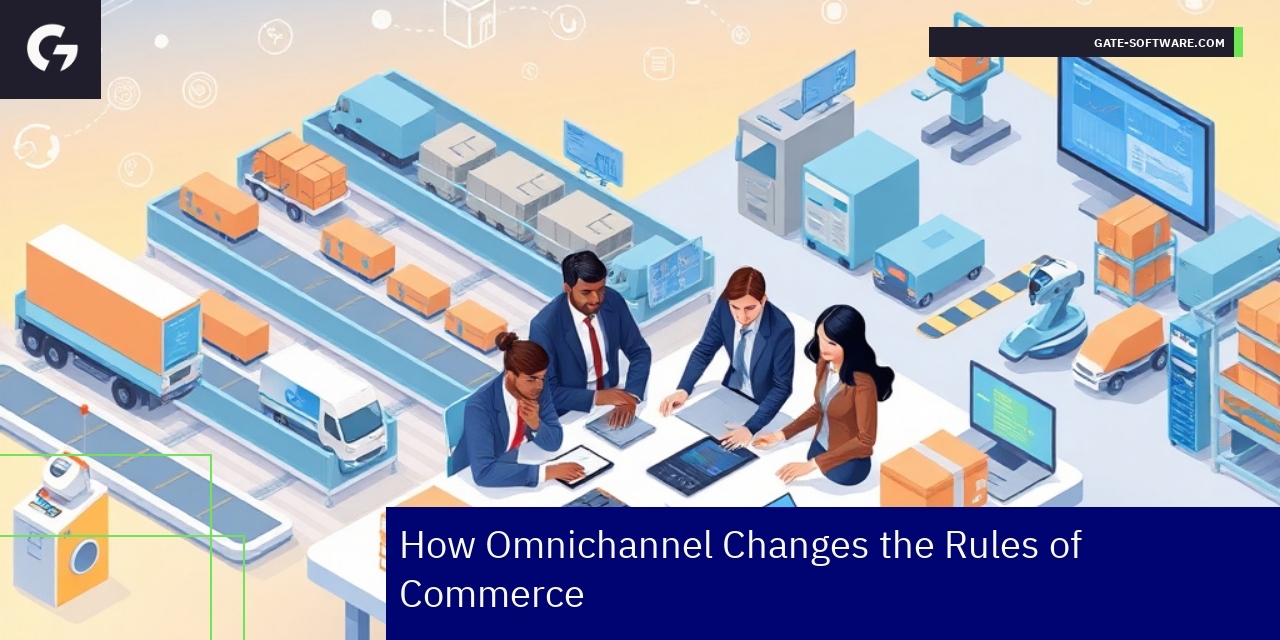
How Omnichannel Changes the Rules of Commerce
Omnichannel Defined 🧩 🔍 💡
Omnichannel in B2B commerce refers to a unified approach where all sales and communication channels are integrated to create a seamless customer experience. It transcends traditional multichannel strategies by ensuring that buyers encounter consistent messaging, streamlined workflows, and synchronized data whether interacting via e-commerce platforms, mobile apps, or offline sales teams. By harmonizing touchpoints, businesses can better meet B2B buyer expectations, which increasingly prioritize ease of access and efficiency.
Key components include consistent branding and messaging across channels to reinforce trust, robust integration of online and offline platforms for real-time data sharing, and personalized customer engagement through data-driven insights. Efficient logistics coordination and omnipresent customer support further enhance the B2B purchasing journey, making interaction fluid and reducing friction during complex transactions.
Why Your E-commerce Needs a PIM System
##### Benefits of PIM Implementation
A Product Information Management (PIM) system centralizes product data, automating updates and ensuring that all sales channels reflect accurate, up-to-date information. For B2B enterprises handling extensive catalogs, this increased efficiency reduces manual errors and accelerates the time-to-market for new or updated products.
PIM simplifies managing complex product attributes and specifications critical in B2B sales scenarios, especially when products require custom configurations or comply with industry standards. This centralization improves collaboration across teams—marketing, sales, IT—and ensures consistent product data presentation, enhancing customer trust and decision-making.
Introduction to Magento 2
##### Magento 2 Key Features
Magento 2 is tailored to B2B requirements with features such as bulk ordering, company accounts, customized price lists, and advanced quote management, enabling client-specific configurations. It supports layered permissions and workflows that align with organizational purchasing hierarchies.
Seamless integration capabilities with ERP, CRM, PIM, and payment gateways are core to Magento 2’s architecture. These integrations facilitate synchronized inventory, order management, and customer data, creating a unified operational ecosystem that supports B2B complexities.
##### Magento 1 vs Magento 2 Comparison
Magento 2 presents evolutionary upgrades over Magento 1, offering better performance, scalability, and enhanced security features crucial for B2B e-commerce. Migration enables businesses to leverage modern technology stacks, flexible API-driven integrations, and improved UX/UI—contributing to higher conversion rates and more efficient operational processes.
Optimizing Purchasing Processes
##### Best Practices
Conversion improvement hinges on streamlining the purchase funnel by minimizing steps and simplifying navigation. Personalization of product offerings based on buyer personas and previous activity, combined with rich product content and intuitive UX/UI, fosters buyer confidence. Speed, mobile optimization, and transparent pricing also play pivotal roles.
Providing diverse payment options—including invoicing, credit terms, and multi-currency support—aligns with B2B buyer expectations. Likewise, flexible shipping solutions with real-time tracking and multiple delivery options accommodate various business needs, enhancing satisfaction and repeat sales.
##### Mistakes to Avoid
A frequent error is overcomplicating checkout processes or providing insufficient product data, leading to buyer drop-off. Ignoring mobile responsiveness can alienate users. Additionally, lack of clear communication on payment terms and shipping can cause confusion and delays. Ensuring consistent support and transparent processes is vital for preventing lost opportunities.

How to Maintain Inbox Zero in Your Email
Inbox Zero Defined
Inbox Zero is a management strategy for email that emphasizes keeping your inbox empty—or nearly empty—at all times. This concept is crucial in B2B environments where decision-makers such as CTOs, eCommerce Managers, and Heads of Applications deal with high volumes of strategic communication daily. Maintaining Inbox Zero minimizes the risk of missing critical messages, facilitates faster response times, and supports better organization of tasks and priorities. For B2B professionals, Inbox Zero is not just about tidiness but about optimizing workflow efficiency, ensuring that important e-mails related to marketing strategies, project deadlines, and client communications are handled promptly. It supports adherence to strict standards such as WCAG 1.1 for accessibility and enhances the user experience by integrating intuitive UX/UI practices into communication routines.
Effective Advertising
##### Advertising Campaign Examples
Effective advertising in B2B requires clear, targeted messaging that resonates with key decision-makers like Architects, CDOs, and CIOs. Successful campaigns often leverage strategic content marketing aligned with overarching Content Strategy 5.0 and social media frameworks from Gate-Software’s playbook. Examples include campaigns that showcase MagentoOneS™ platform enhancements or highlight innovations in cost optimization and SLA-based service guarantees. These campaigns use precise segmentation and smart automation tools to deliver personalized messages, which improve conversion rates and strengthen client relationships. By maintaining Inbox Zero, teams ensure they promptly process incoming leads and follow up efficiently, turning interest into actionable sales opportunities.
SEO Optimization
##### SEO Techniques for E-commerce
Improving search engine visibility in B2B e-commerce means applying a combination of on-site SEO techniques and broader digital strategies. Key tactics include optimizing product listings and content for relevant, niche-specific keywords without altering Polish SEO phrases such as “magento platforma B2B” or “optymalizacja kosztów e-commerce.” Integrating WCAG 1.1 standards helps improve accessibility, boosting SEO rankings and providing a better user experience for all stakeholders. Content strategies-driven by personas like the eCommerce Manager or CTO ensure that communication remains relevant, authoritative, and aligned with the company’s brand voice. Proper SEO aids in positioning your Magento-based solutions as the go-to choice for enterprises searching for reliable, scalable platforms.
Tech-Based Support
##### Comparison of Support Technologies
In B2B email management and broader ICT environments, selecting the right support technologies is pivotal for maintaining Inbox Zero and effective communication flows. Automated ticketing systems integrated with email platforms help categorize, prioritize, and route inquiries, decreasing response delays. Tools that monitor SLA compliance and integrate with hosting and MagentoOneS™ environments provide transparency and operational efficiency. Comparing technologies, some offer stronger automation and AI-driven sorting, while others focus on real-time collaboration features tailored to Architects and Head of Applications. Using these technologies not only supports Inbox Zero but also ensures a seamless user experience, compliance with WCAG 1.1 standards, and cost-effective problem resolution.
Best Practices 🧠 UWAGI: 🔧 📦
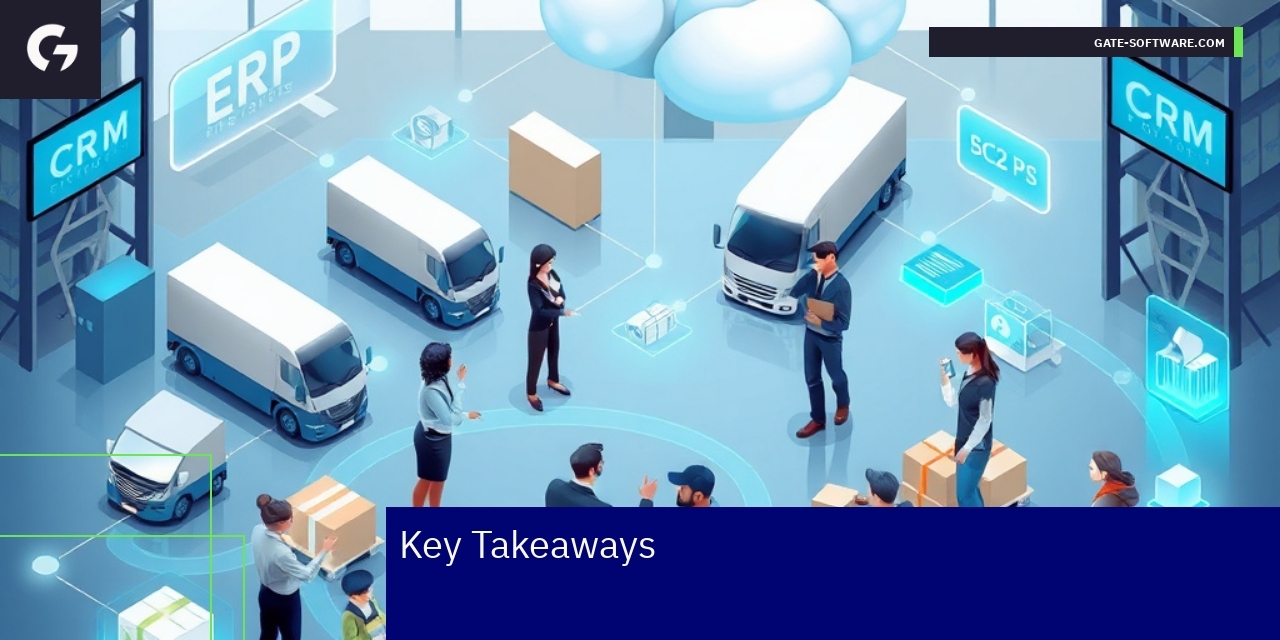
Key Takeaways
In the B2B e-commerce landscape, leveraging advanced Magento 2 capabilities stands as a strategic imperative. Magento 2 platforms offer robust customization and scalability essential for addressing complex B2B transaction workflows, integrating seamlessly with ERP and CRM systems. These attributes directly impact operational efficiency and customer satisfaction by tailoring purchaser journeys to specific industry requirements and purchasing habits.
Future-proofing e-commerce success increasingly hinges on embracing omnichannel solutions. Gate-Software’s approach emphasizes unified customer experiences across digital and offline touchpoints, ensuring coherent brand messaging and seamless transaction flows. This strategy not only enhances client retention but also expands reach through personalized engagement at every stage of the buying cycle.
Sustaining growth and optimizing performance demand continuous refinement of technological infrastructure and business processes. Recommended best practices include employing rigorous WCAG compliance audits to guarantee accessibility, applying proactive monitoring systems for SLA adherence, and conducting ongoing UX/UI evaluations. Cost optimization tactics, such as leveraging cloud hosting and performance tuning, directly influence profitability while supporting scalability.
Ultimately, Gate-Software’s expertise in navigating technical and commercial complexities empowers B2B organizations to capitalize on MagentoOneS™ ecosystems successfully. This expertise is critical in crafting tailored, scalable solutions facilitating sustained development, operational resilience, and competitive advantage in dynamic markets.
Throughout these initiatives, integrating SEO strategies seamlessly into content and platform architecture ensures visibility and drives relevant traffic, leveraging key phrases such as Magento 2 B2B platform, B2B e-commerce strategies, and omnichannel customer experience. This integration supports measurable business outcomes by aligning technical execution with strategic marketing goals.
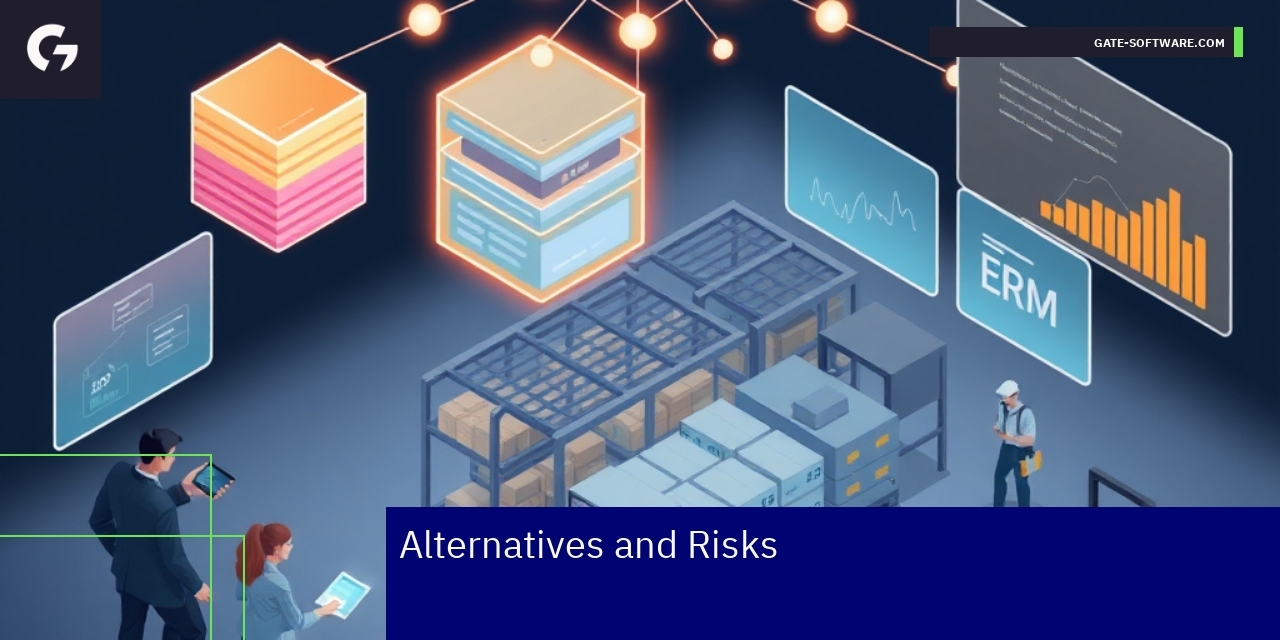
Alternatives and Risks
Other e-commerce platforms
When considering e-commerce platforms for B2B, alternatives to Magento include solutions with varying degrees of customization, scalability, and integration capabilities. While some platforms may offer faster deployment or lower upfront costs, they often lack the comprehensive B2B features and robust omnichannel support that Magento provides. For strategic B2B operations, the choice of platform should weigh capabilities such as support for complex product catalogs, advanced pricing models, and seamless integration with existing ERP and CRM systems. Selecting an alternative platform can present risks including limited flexibility to tailor the UX/UI to B2B personas, challenges in meeting accessibility standards like WCAG 1.1, and potential scalability constraints affecting long-term growth. As a result, strategic assessment rooted in specific business requirements and e-commerce strategies is critical to avoid pitfalls that might hinder the scalability and performance of the B2B store.
Potential risks linked to Magento implementation
Implementing Magento in a B2B context comes with inherent risks that require diligent management. Key risks include underestimating the complexity of platform customization needed to accommodate B2B customer journeys and workflows, which may affect project timelines and budgets. Additionally, improper integration with backend systems such as ERP or PIM can lead to data inconsistencies and operational disruptions. Another critical factor is ensuring compliance with WCAG 1.1 standards to deliver an accessible experience for all users, which if overlooked, may impact customer satisfaction and legal compliance. Furthermore, performance and hosting issues can arise if the infrastructure is not correctly planned for Magento’s demands, jeopardizing uptime and transaction speed. Mitigating these risks involves leveraging experienced architects and eCommerce managers along with adopting proven SLA and monitoring frameworks, as outlined in Gate-Software strategies, to safeguard the Magento B2B project success.
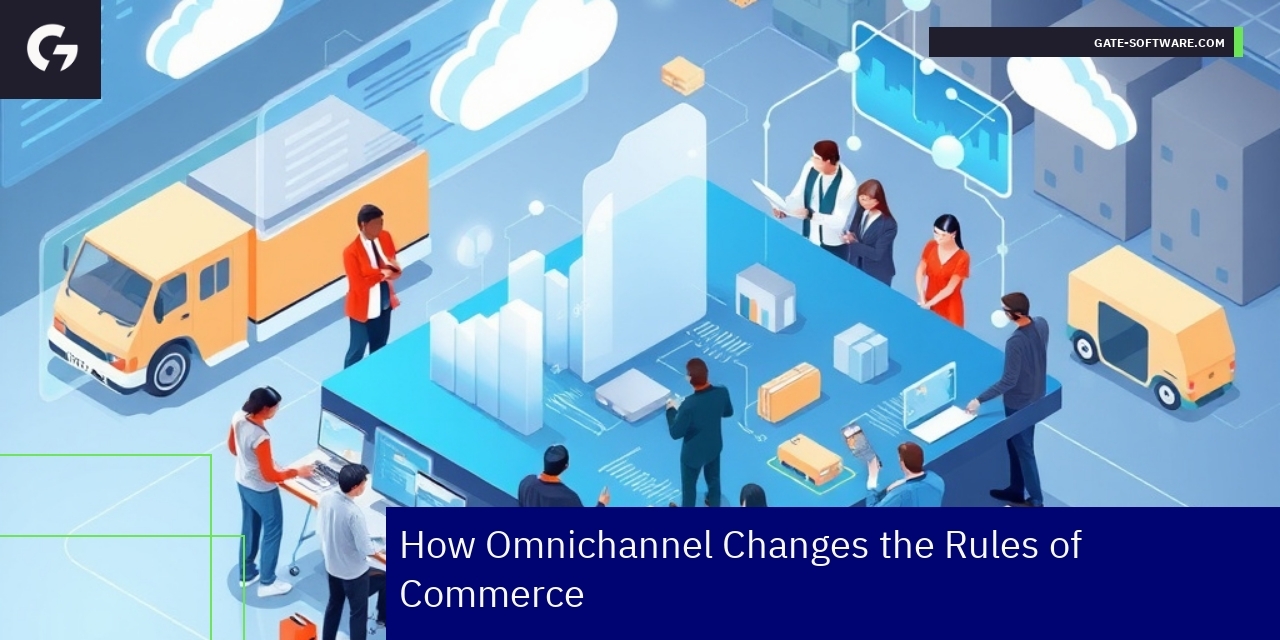
How Omnichannel Changes the Rules of Commerce
Omnichannel Defined
Understanding omnichannel is essential for modern e-commerce growth. In the B2B sector, integrating sales channels is crucial to enhance customer experience and meet evolving business expectations. Omnichannel strategies leverage headless and cloud-based solutions to provide seamless interactions across touchpoints, enabling businesses to respond swiftly to client needs and market shifts. This integration strengthens the Conditions for e-commerce growth by breaking down silos between online and offline channels, ensuring consistent product information and personalized communication. Enhanced customer experience is a core advantage of adopting omnichannel methods in Magento B2B projects, supporting scalability and flexibility essential for competitive advantage.
Why Your E-commerce Needs a PIM System
##### Benefits of PIM Implementation
For B2B enterprises, implementing a Product Information Management (PIM) system is key to managing extensive and diverse product catalogs efficiently. A PIM solution simplifies data management by centralizing product information, ensuring accuracy and consistency across all sales channels involved in omnichannel commerce. This boosts operational efficiency and enhances the customer journey by providing reliable, up-to-date product data. In Magento B2B environments, PIM systems support complex product structures and enable quick adaptation to changes in the market or customer requirements, which is vital for scaling initiatives.
Introduction to Magento 2
##### Magento 2 Key Features
Magento 2 is designed to meet the complex needs of B2B companies by offering robust integrations with various enterprise systems such as ERP and CRM. These integrations facilitate streamlined workflows and a unified customer experience across omnichannel platforms. The platform’s headless architecture and cloud compatibility enhance flexibility and scalability, which aligns with the digital transformation goals of modern B2B sellers. Magento 2 supports personalized customer interactions and diverse payment and shipping options, critical factors for retaining clients and driving revenue in competitive markets.
##### Magento 1 vs Magento 2 Comparison 🛠️⚡️🔗
Migrating from Magento 1 to Magento 2 significantly benefits B2B organizations by enabling improved performance, security, and new functionalities essential for omnichannel commerce. Magento 2’s architecture supports seamless integration with PIM systems and cloud services, which Magento 1 lacks. This migration facilitates enhanced Conditions for e-commerce growth, allowing businesses to adopt headless solutions and elevate customer experience through more flexible and scalable infrastructures.
Optimizing Purchasing Processes
##### Best Practices
Optimizing purchasing processes in B2B e-commerce involves selecting the right payment and shipping methods tailored to the diverse needs of business clients. Best practices focus on streamlining these processes to increase conversion rates and reduce friction during checkout. Magento B2B projects benefit from flexible configurations that accommodate unique payment terms, bulk ordering, and multiple shipping options. These improvements contribute to a smoother customer journey and help sustain long-term client relationships.
##### Mistakes to Avoid
Common pitfalls in purchasing processes include failing to adapt to client-specific requirements, offering limited payment or delivery options, and neglecting user experience in the checkout flow. Such mistakes can lead to cart abandonment and lost sales. Preventing these issues requires a thorough understanding of B2B customer expectations and implementing tailored Magento solutions that support a seamless and efficient transaction process, ultimately reinforcing a positive customer experience and trust.
How to Maintain Inbox Zero in Your Email
Inbox Zero Defined 🧠 UWAGI:
🔧 Nie twórz nagłówków od nowa – nie zmieniaj tytułów ani nie dodawaj znaczników takich jak “H3”, “H4”, numeracja, ani żadnych dodatkowych oznaczeń.
🔧 Nie modyfikuj żadnych innych fragmentów – tylko dodaj boxy na końcu konkretnego H3.
Inbox Zero is a practical goal in managing e-mail communications, particularly crucial in the B2B sector where prompt and organized responses can impact business outcomes. Maintaining control over incoming messages ensures efficient handling of sales inquiries, customer support, and internal coordination, which supports effective customer relations and marketing efforts. By systematically sorting, prioritizing, and responding to mail, organizations reinforce their operational workflows and minimize the risk of missed opportunities or delayed decision-making.
Effective Advertising
##### Advertising Campaign Examples
Successful advertising campaigns in the B2B sphere demonstrate the importance of clear, timely communication. For example, campaigns that integrated automated email workflows with personalized follow-ups saw improved client engagement and lead conversion rates. These case studies highlight how disciplined inbox management complements broader marketing strategies by enabling teams to quickly respond to leads generated by advertising efforts, meeting key business goals within competitive digital channels.
SEO Optimization
##### SEO Techniques for E-commerce
Applying proven SEO techniques is critical to enhancing e-commerce visibility, supporting omnichannel reach, and ensuring the success of Magento implementation projects. This optimization extends beyond web pages to email content, where strategic use of subject lines and structured messaging can improve open rates and engagement. These practices help businesses leverage email communication as part of an integrated marketing approach that reinforces SEO goals and customer acquisition in B2B markets.
Tech-Based Support
##### Comparison of Support Technologies
Modern support technologies, including AI-powered email sorting and CRM integrations, play a vital role in maintaining Inbox Zero. These tools offer advantages such as automatic categorization of messages by priority or client segment, reducing manual handling time. Integrating these technologies within the e-commerce ecosystem streamlines workflows, enhances response quality, and supports SLA compliance, all of which are essential for maintaining efficient communication standards in B2B engagements.
Key Takeaways
Successful Magento B2B implementation requires solid strategy and technology integration. In the complex environment of B2B e-commerce, aligning technological infrastructure with business goals is essential. This includes robust integration of Magento platforms with existing ERP and CRM systems to ensure seamless data flow and operational efficiency. Leveraging Gate-Software’s expertise on MagentoOneS™, along with SLA-backed hosting and monitoring solutions, supports scalability and reliability demanded by B2B clients. Incorporating WCAG standards and conducting UX/UI audits enhances accessibility, catering to a diverse user base and complying with regulatory requirements. Such strategic integration not only strengthens the operational backbone but also positions businesses for sustained growth.
Omnichannel solutions and PIM use hold Conditions for e-commerce growth needed to be strengthened. Effective omnichannel strategies enable B2B companies to deliver consistent, synchronized experiences across multiple customer touchpoints, critical in building loyalty and driving sales. The adoption of comprehensive Product Information Management (PIM) systems centralizes product data, improving accuracy and reducing time-to-market. This is especially relevant in complex B2B catalogs where precision in specifications and compliance is vital. Gate-Software’s guidance in deploying omnichannel frameworks and PIM integration ensures that businesses can adapt quickly to market demands and customer expectations, thus strengthening the conditions necessary for robust e-commerce growth.
Enhanced customer experience through a headless and cloud-based solution drives business forward. Headless commerce architecture provides the flexibility to decouple frontend presentation layers from backend systems, enabling rapid customization and seamless integration with third-party services. Combined with cloud-based solutions, this approach offers scalability, performance improvements, and cost efficiencies critical for B2B environments with high transaction volumes and diverse user roles. Gate-Software’s strategies focus on leveraging headless Magento implementations supported by cloud infrastructure, ensuring agile responses to evolving business needs. This enhanced customer experience facilitates stronger engagement, streamlined workflows, and ultimately propels B2B enterprises toward greater market competitiveness.

FAQ
What are the most common questions about Magento 2?
In the B2B sector, common questions about Magento 2 often revolve around scalability, customization, integration, and security. Decision-makers such as CTOs and Heads of Applications typically inquire how Magento 2 can be tailored to complex B2B workflows, including managing multiple customer roles and pricing tiers. Questions also highlight the need for seamless integration with ERP and CRM systems to ensure data consistency and operational efficiency. Another frequent topic is the platform’s support for high transaction volumes and performance optimization. Magento 2’s compliance with WCAG 1.1 standards is increasingly important for accessibility in B2B e-commerce. Additionally, stakeholders seek best practices for migrating from legacy systems smoothly while minimizing downtime. Addressing these questions effectively requires a thorough understanding of both technical architecture and B2B customer experience strategies, especially in terms of UX/UI guidelines and security protocols.
What are the best practices in e-commerce B2B?
Best practices in B2B e-commerce emphasize a combination of advanced platform capabilities and tailored user experience that meets business customer expectations. Key practices include implementing personalized pricing and catalog management that reflect contract-specific terms and negotiated discounts. Ensuring compliance with UX/UI standards and accessibility regulations like WCAG 1.1 not only improves user satisfaction but also broadens market reach. Efficient integration with backend systems such as ERP and inventory management facilitates real-time order tracking and stock visibility, critical for B2B buyers. Migration strategies must focus on data accuracy, SLA adherence, and operational continuity. Marketing and communication strategies should leverage content that addresses specific persona needs — for instance, the Architect, eCommerce Manager, and CDO — aligning with the company’s brand voice and strategic goals. Maintaining a robust hosting environment with proactive monitoring supports platform stability and security. Following these guidelines ensures a competitive, scalable, and user-friendly B2B e-commerce platform that meets both technical and business requirements.
Alternatives and Risks
In the context of B2B e-commerce, evaluating alternatives to Magento and understanding the risks associated with its implementation is crucial for informed decision-making. While Magento offers robust features tailored for complex B2B operations, alternative e-commerce platforms might provide specific advantages depending on business size, customization needs, and integration capabilities.
Exploring other e-commerce platforms allows decision-makers such as CTOs and eCommerce Managers to benchmark Magento’s offering against solutions that may excel in areas like scalability, API integration, or cost-efficiency. However, shifting away from Magento can introduce risks including potential disruptions in the omnichannel strategy, possible incompatibility with existing enterprise systems, and challenges in maintaining WCAG compliance and UX/UI standards essential for customer retention and legal adherence.
Magento implementation risks also stem from technical complexity, requiring experienced architects and Heads of Applications to manage migrations and ensure SLA commitments are met. Without careful planning, businesses may face prolonged downtime, cost overruns, and suboptimal platform performance. Additionally, overlooking the needs of key decision-maker personas during platform selection and customization can result in misaligned solutions that fail to fully leverage Magento’s strengths in personalized B2B workflows and marketing strategies.
By integrating Gate-Software’s strategic expertise—particularly in platform hosting, monitoring, and cost optimization—enterprises can mitigate these risks and maximize sales growth. This approach enables a balance of innovation and operational stability, ensuring Magento remains a scalable backbone for B2B stores aligned with the evolving demands of the market. Leveraging Magento’s capabilities combined with informed exploration of alternatives supports robust ecosystem development and sustains competitive advantage in an increasingly digitalized commerce landscape.
Data and Performance Metrics – Efficiency, SLA, TCO
Data and Performance Metrics – Efficiency, SLA, TCO
Operational Effectiveness in B2B Projects
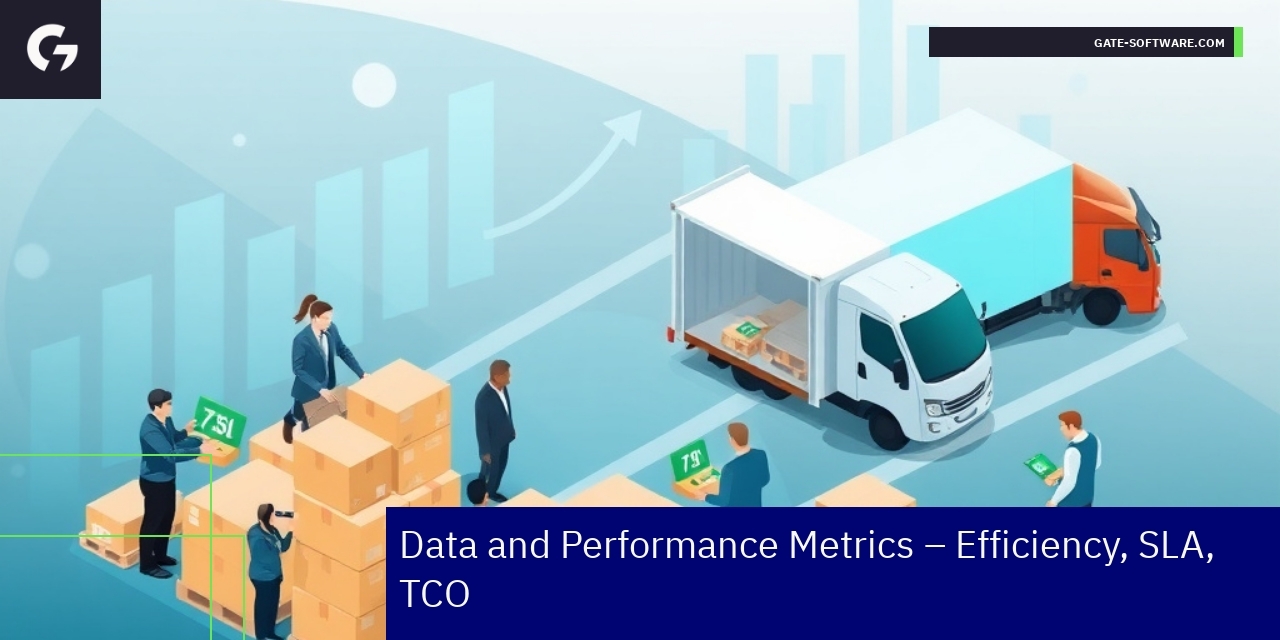
In the realm of B2B e-commerce, understanding operational performance metrics is paramount for making informed decisions. Gate-Software ensures a high standard of service delivery through its B2B solutions, reflected in various quantifiable achievements. For instance, the average project takeover time stands at approximately 15 days, enabling swift transitions without losing momentum. Furthermore, 95% of projects are delivered on time, underscoring the company’s commitment to reliability and efficiency.
Cost-effectiveness is a significant aspect as well, with clients experiencing an average Total Cost of Ownership (TCO) reduction of 20% after implementing our MagentoOneS™ solutions. This reduction in costs is complemented by achieving a 99.9% uptime SLA, ensuring that businesses can maintain uninterrupted operations and minimize downtime, which is critical for maintaining customer trust and satisfaction.
In terms of scalability, Gate-Software has successfully facilitated over 150 implementations in the last year alone, showcasing our capability to manage diverse client needs effectively. Additionally, the average duration of client relationships spans more than three years, indicating a strong commitment to customer satisfaction and ongoing support.
Moreover, our training programs contribute significantly to operational success, with participants reporting a 30% increase in productivity post-training, which translates into more efficient processes and enhanced sales performance. Collectively, these metrics provide solid, data-driven credibility for businesses considering Gate-Software’s solutions as a strategic choice in their e-commerce endeavors.

Summary
In the evolving domain of B2B e-commerce, leveraging comprehensive solutions like Magento 2 is vital for businesses aiming for substantial growth and operational efficiency. This case study demonstrates how a strategic implementation of Magento 2, combined with dedicated Magento B2B training, led to an extraordinary 200% increase in sales for a B2B store. The importance of understanding and optimizing complex purchasing processes cannot be overstated; doing so not only elevates customer experiences but also fortifies lasting business relationships.
Moreover, adopting a holistic approach that includes omnichannel strategies and integrating PIM systems can significantly enhance a company’s ability to meet market demands. Working with Gate-Software ensures that B2B organizations can navigate the intricacies of e-commerce with tailored solutions that prioritize accessibility through adherence to WCAG standards and robust operational frameworks. By focusing on personalized user experiences and utilizing technologies like MagentoOneS™, businesses can position themselves for sustainable success in today’s competitive landscape.
Engaging with Gate-Software can empower your organization to unlock the full potential of your B2B e-commerce strategy, paving the way for ongoing innovation and growth. We invite you to reach out for a personalized consultation to explore how we can collaborate and support your business objectives more effectively.
Summary
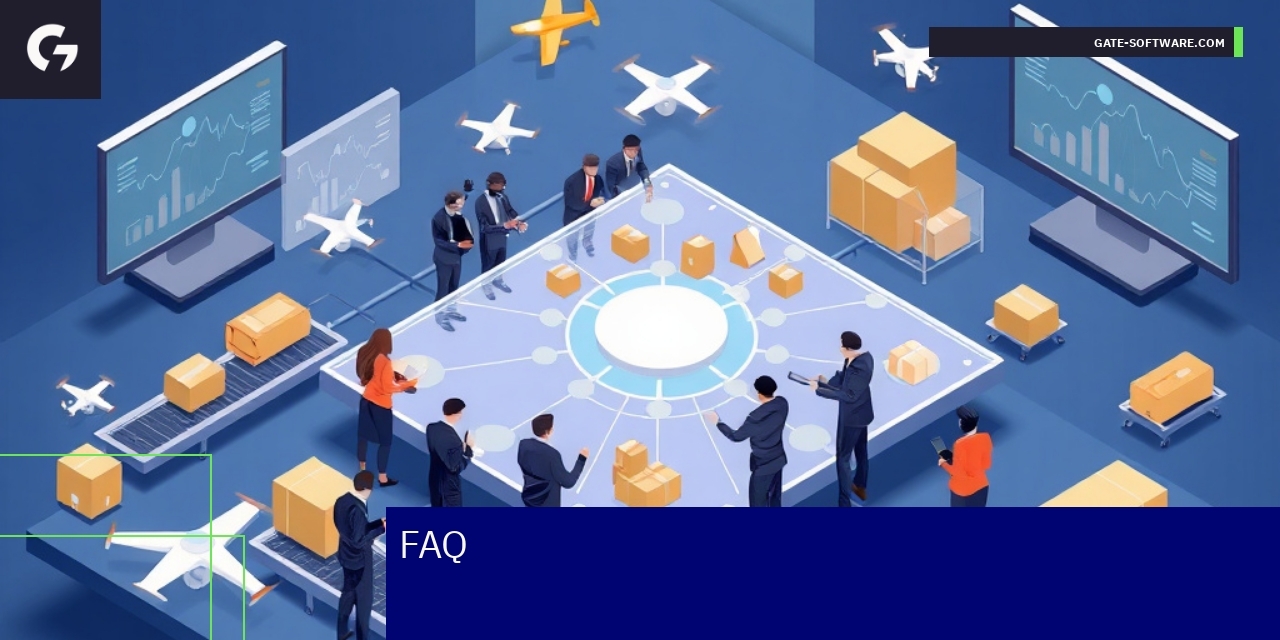
FAQ
How does Magento 2 support complex pricing structures in B2B e-commerce?
Magento 2 provides flexible pricing rules and customer group segmentation, allowing businesses to tailor offers specifically to their clients. This feature enhances customer satisfaction and sales efficiency by accommodating tiered pricing, negotiated discounts, and contract-specific pricing.
What are the benefits of implementing a PIM system in B2B e-commerce?
A Product Information Management (PIM) system centralizes product data, ensuring accuracy and consistency across all sales channels, which is essential for B2B enterprises managing extensive catalogs. It improves operational efficiency and enhances the customer journey by providing reliable, up-to-date product information.
Why is WCAG compliance important for B2B e-commerce platforms?
WCAG compliance is crucial because it ensures that the B2B storefront meets accessibility requirements, expanding market reach and fostering inclusivity. Adhering to these standards helps businesses support their brand values while ensuring legal compliance and enhancing user experience.
How can businesses optimize purchasing processes in B2B e-commerce?
Optimizing purchasing processes involves selecting appropriate payment and shipping methods that cater to diverse business client needs. Best practices include streamlining the checkout experience, providing multiple payment options, and ensuring clear communication regarding payment terms and shipping details to reduce friction.
What key considerations should businesses have when migrating from Magento 1 to Magento 2?
When migrating from Magento 1 to Magento 2, businesses should focus on improved performance, security, and new functionalities that enhance omnichannel commerce. Proper planning and implementation strategies are essential to minimize downtime, ensure data integrity, and leverage modern technology stacks for better operational efficiency.
.
.
Zamów bezpłatną konsultację
.
Z nami rozwój Twojego biznesu nabierze tempa! Zapraszamy do kontaktu średnie i duże firmy generujące min. 7 mln PLN obrotu rocznie – tam nasza ekspertyza sprawdza się najlepiej.
.
Kliknij w poniższy przycisk i skontaktuj się z jednym z naszych konsultantów e-commerce
.