Introduction
In the rapidly evolving digital commerce landscape, B2B enterprises require robust, scalable, and customizable platforms to meet the complex needs of their clients and internal operations. Gate-Software’s expertise in Magento 2 B2B implementation has demonstrated significant impact on business growth, showcasing measurable outcomes such as a 200% increase in sales for our client. This case study explores the strategic approach, technical execution, and business outcomes resulting from the Magento 2 platform integration tailored specifically for B2B operations.
The challenge addressed was multifaceted: enabling a seamless purchasing experience for key decision-makers, integrating advanced UX/UI standards that align with WCAG 1.1 accessibility guidelines, and optimizing system performance to support high transaction volumes typical for B2B environments. Additionally, aligning the platform with the client’s personas such as the Architect, eCommerce Manager, and CIO/CTO ensured that technical and managerial requirements were fully met.
By leveraging MagentoOneS™ and Gate-Software’s proven methodology for Utrzymanie i Rozwój (Maintenance and Development), the project delivered a scalable solution that not only increased sales volume but also improved operational efficiency. This success underscores the value of a fully integrated, user-centric, and technically sound eCommerce platform in B2B markets.
This introduction sets the foundation for understanding how Gate-Software’s strategic and technical expertise can transform complex B2B eCommerce challenges into tangible business growth.
TABLE OF CONTENTS
- Case Study: How Magento 2 B2B Implementation Increased Sales by 200%
- Magento B2B Definition
- Boosting B2B Sales with a Modern eCommerce Platform
- ERP Integrations as a Key to Success
- Loading Speed as a Key Sales Factor
- How to Increase Conversion in Online Stores
- Comparing eCommerce Platforms: Magento vs. Others
- Alternatives to Magento B2B
- Benefits and Risks of Magento B2B Implementation
- Data and Performance Metrics – Efficiency, SLA, TCO
- Summary
- FAQ
Magento B2B Definition
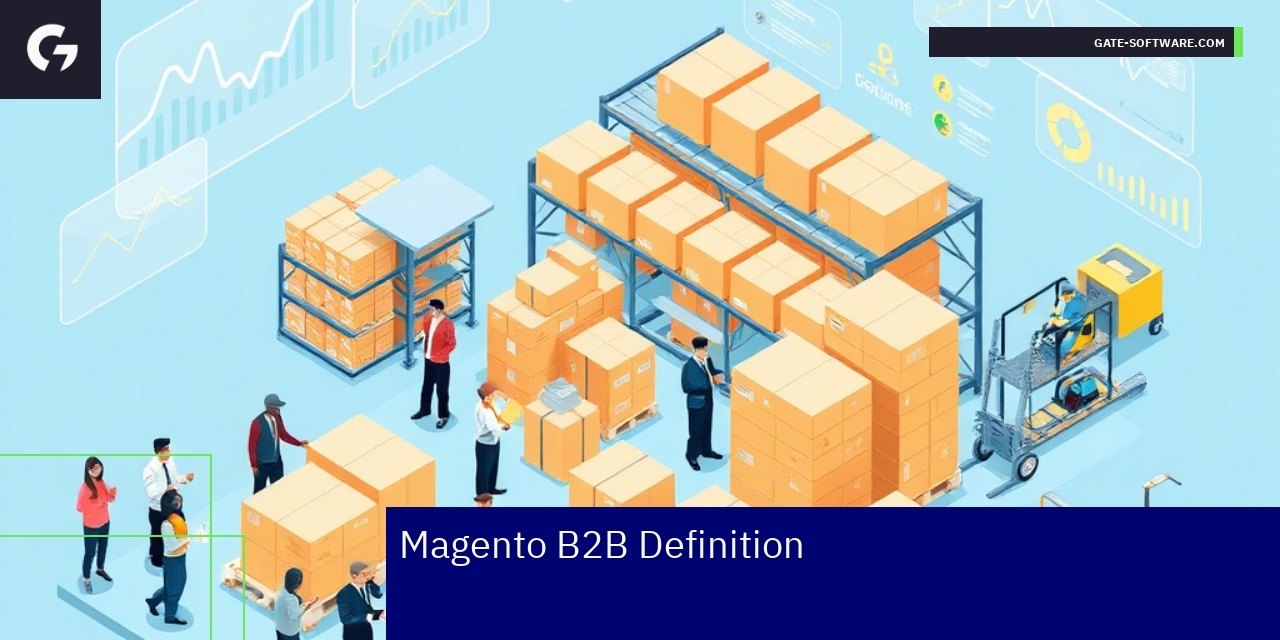
Magento B2B refers to the specialized capabilities of the Magento platform designed to support business-to-business transactions within e-commerce. This solution is essential for companies aiming to streamline procurement, manage complex pricing models, and handle multiple buyer accounts seamlessly. As the B2B landscape becomes increasingly multifaceted, encompassing wholesalers, manufacturers, and service providers, Magento addresses these diverse needs through scalable features like bulk ordering, custom catalogs, and integration with key enterprise systems such as ERP.
The significance of Magento B2B in e-commerce lies in its ability to optimize operational efficiency and enhance customer experience for business clients. It supports personalized shopping experiences tailored to different segments, which is crucial in maintaining strong B2B relationships. Moreover, Magento’s robust infrastructure ensures compliance with industry standards and provides flexibility for future growth.
SEO optimization remains a priority within Magento B2B implementations, utilizing precise SEO phrases to boost visibility and attract qualified leads. This approach enhances product discoverability and supports marketing strategies in competitive B2B markets.
Overall, Magento B2B serves as a comprehensive platform that reflects the complexities of the many-faced B2B marketplace, offering adaptable, secure, and efficient solutions tailored to meet the evolving demands of modern e-commerce businesses.

Boosting B2B Sales with a Modern eCommerce Platform
Key Magento B2B Features 📝 Insightful Overview | 🚀 Growth Drivers | ⚙️ Technical Capabilities
Magento offers a robust set of B2B features designed to accelerate growth and improve operational efficiency in eCommerce sales. Among the key modules are custom catalogs and pricing, efficient quote management, and streamlined purchase orders tailored to complex business purchasing processes. Case studies of successful Magento 2 B2B implementations demonstrate how these capabilities enhance performance and uphold SLA commitments, making them essential for scaling operations. Magento’s most popular B2B features include customer-specific pricing, credit limits, and ERP connectivity, all contributing to seamless customer experiences and improved productivity in B2B stores. Integrating these modules ensures that B2B businesses can handle large order volumes and complex workflows with greater ease, directly impacting sales growth and customer satisfaction.
How Gate-Software Supports Magento B2B Clients
Gate-Software specializes in supporting Magento B2B clients by offering practical solutions for optimizing their stores and increasing sales. Working closely with CTOs, Heads of Applications, and eCommerce Managers, Gate-Software combines strategic project management with deep technical expertise to tailor platforms to business needs. Their approach includes identifying pain points in existing processes, implementing Magento best practices, and ensuring compliance with WCAG and UX/UI standards for a superior user experience. Insights from numerous real-world projects reveal how Gate-Software drives operational efficiency and improves sales funnels through custom integrations, SLA adherence, and ongoing support. This partnership model enables B2B sellers to maintain high service quality while scaling up their eCommerce operations.
Benefits of ERP Integration in Magento B2B
ERP integration stands as a critical success factor in Magento e-commerce B2B environments. Connecting Magento with enterprise resource planning systems allows for automated data synchronization, reducing manual errors and speeding up order processing. This integration helps maintain accurate inventory, streamline procurement, and improve customer service responsiveness. Successful ERP integration projects show measurable benefits such as reduced operational costs, enhanced SLA compliance, and better visibility into sales performance. However, the process requires careful planning to address data consistency, platform scalability, and security challenges. Achieving a seamless connection ensures that Magento B2B stores deliver on customer expectations and operate efficiently in complex business ecosystems.

ERP Integrations as a Key to Success
Best Performing Actions
ERP integrations are integral to boosting B2B sales and represent a key takeaway from Magento B2B implementation results. Successful integration strategies prioritize seamless data synchronization between ERP systems and e-commerce platforms, ensuring real-time accuracy in inventory, pricing, and customer information. Based on case studies, the highest benefits arise from automating order processing and leveraging integrated analytics to enhance decision-making. These strategies prevent delays and errors that commonly impede sales growth. Utilizing Magento B2B capabilities alongside an ERP system enhances operational efficiency and customer satisfaction, driving measurable business outcomes. A focused approach on aligning ERP data flows with Magento’s sales and product management tools results in optimized workflows and better resource allocation. Preventing common pitfalls involves meticulous planning, continuous testing, and engaging stakeholders early to align technical and business objectives.
Common Mistakes 🧠 UWAGI:
🔧
📦
Common errors during ERP integration in Magento B2B projects often stem from insufficient planning and underestimating system complexity. Mistakes such as poor data mapping, neglecting system scalability, or ignoring user experience considerations can hinder sales growth and operational efficiency. Case examples show that integrations lacking thorough performance validation often cause synchronization delays, resulting in outdated inventory data and lost sales opportunities. Another frequent issue is inadequate training for store owners and operational staff, which compromises the effectiveness of tools meant to streamline workflows. These mistakes underscore how critical it is to address both technical and business factors in ERP integration to avoid disruptions and maximize Magento B2B capabilities in real-world environments.
Preventive Measures
To prevent errors in ERP integrations, best practices include comprehensive requirement analysis, iterative testing, and leveraging lessons learned from successful Magento B2B projects. Store owners should implement robust monitoring tools to track integration health and set proactive alerts for data inconsistencies. Engaging experienced developers who understand both ERP systems and Magento architecture is vital for anticipating integration challenges and mitigating risks. Furthermore, continuous collaboration between IT teams and business units ensures the integration supports evolving sales strategies and operational needs. This methodical approach, combined with clear documentation and staff training, empowers organizations to achieve optimal efficiency and business continuity, solidifying ERP integrations as a cornerstone of successful B2B e-commerce operations.

Loading Speed as a Key Sales Factor
How Hyva Affects Magento 2 Performance 🧠 UWAGI:
🔧 Nie twórz nagłówków od nowa – nie zmieniaj tytułów ani nie dodawaj znaczników takich jak “H3”, “H4”, numeracja, ani żadnych dodatkowych oznaczeń.
🔧 Nie modyfikuj żadnych innych fragmentów – tylko dodaj boxy na końcu konkretnego H3.
Hyva significantly enhances Magento 2 performance by streamlining front-end processes and reducing page load times, which is crucial for B2B platforms where buyers expect efficiency. For instance, Wagento’s Magento 2 platform upgrade for Soak & Sleep demonstrated measurable performance improvements by replacing traditional frontend technology with Hyva. This resulted in faster server responses and decreased client-side rendering times, directly impacting user satisfaction and conversion rates. Nonetheless, challenges such as ensuring compatibility with existing Magento modules and maintaining customizations require careful planning. Addressing these challenges through thorough testing and iterative optimization helps sustain operational improvements and maximize the benefits of Hyva’s impact on Magento 2 store efficiency.
UX/UI Ergonomics in Magento B2B
UX/UI ergonomics plays a pivotal role in Magento B2B environments, where decision-makers and users prioritize intuitive navigation and streamlined workflows. Hyva facilitates this by offering a minimalist and performance-optimized design framework that enhances user experience without compromising speed. Client projects reflect how improved ergonomics, such as reduced cognitive load and quicker access to key functionalities, contribute to higher engagement and stronger sales success. Integration of UX principles aligned with B2B customer expectations maximizes efficiency and supports digital sales cycles. This synergy between UX/UI and technical performance reinforces Magento’s position as a reliable platform in the demanding B2B market.
Hyva Implementation Challenges
Implementing Hyva within a Magento B2B environment presents specific challenges that impact deployment efficiency. Common obstacles include adapting custom backend logic to mesh with the simplified frontend, training development teams on new technologies, and managing transition risks without disrupting ongoing sales activities. Addressing these issues involves strategic resource allocation, comprehensive documentation, and phased rollout plans to mitigate downtime. Gate-Software’s approach prioritizes collaboration with client teams and continuous monitoring to overcome technical barriers. These strategies ensure that Hyva’s benefits, including improved loading speed and enhanced UX/UI ergonomics, are fully realized in Magento B2B deployments, ultimately driving better performance and increased sales.

How to Increase Conversion in Online Stores
Popular Features in Magento B2B
Magento B2B offers a range of widely-used functionalities that directly impact conversion rates and operational efficiency. Features such as custom pricing, quote management, and advanced company account management cater to the complex purchasing processes typical in B2B environments. These allow buyers to negotiate prices, manage multiple users and approval workflows, and reorder quickly, enhancing user experience and streamlining sales cycles. Magento’s robust integration capabilities also facilitate seamless communication with ERP and CRM systems, ensuring up-to-date customer data and inventory visibility. Such features have proven effective in case studies, demonstrating how Magento B2B’s flexibility and scalability meet the intricate demands of business clients, which is essential to improving conversion rates in B2B online stores.
Weaknesses of Other eCommerce Platforms
Many competing eCommerce platforms struggle with the complexity of B2B requirements, often lacking advanced functionalities for multi-user accounts, quote management, or tiered pricing. These limitations may force businesses into inefficient workflows or manual processes that increase friction and reduce conversion likelihood. Additionally, some platforms fall short in terms of customization or integration with legacy systems, limiting their ability to support unique B2B processes. These weaknesses highlight the importance of choosing solutions like Magento B2B that are built to address enterprise needs comprehensively, ensuring smoother procurement journeys and higher customer satisfaction.
Benefits of Implementing Hyva
Implementing Hyva in Magento B2B stores brings significant benefits, including enhanced front-end performance through streamlined and modernized page layouts. Improved page load speeds reduce abandonment rates and create a smoother, more responsive user experience. Hyva’s focus on clean code and optimized UX/UI design supports accessibility standards and WCAG compliance, which are crucial for serving a diverse B2B customer base. Practical insights for store owners involve leveraging Hyva’s minimalist templates to lower maintenance costs while ensuring a scalable and customizable store environment. These enhancements collectively contribute to raising conversion rates by making the shopping process faster, more intuitive, and aligned with the expectations of professional buyers.
Comparing eCommerce Platforms: Magento vs. Others
A comprehensive comparison of Magento with other eCommerce platforms in the B2B space, focusing on sales growth, operational efficiency, and key performance metrics.
In the B2B eCommerce landscape, Magento stands out as a robust platform designed to support complex business models and integrations. When focusing on sales growth, Magento offers scalability and flexibility, enabling businesses to expand product catalogs and manage multiple storefronts effectively. Operational efficiency is enhanced through Magento’s compatibility with various ERP systems and advanced inventory management, which streamlines backend processes. Key performance metrics such as conversion rates, average order value, and customer retention benefit from Magento’s customizable workflows and targeted marketing tools. Compared to other platforms, Magento’s open architecture often provides more control over business-specific requirements, which is particularly critical in B2B environments where workflows and pricing structures can be intricate.
How to Succeed in B2B eCommerce
Leverage insights from case studies like Wagento’s upgrades and Marketplace on Magento examples to understand effective success factors and strategies for Magento B2B.
Success in B2B eCommerce with Magento hinges on tailored strategies that reflect real-world use cases. Insights from Wagento’s upgrades demonstrate the importance of maintaining platform stability while incorporating new functionalities that address B2B-specific needs such as complex pricing, customer segmentation, and multi-user accounts. The Marketplace on Magento exemplifies how a centralized digital platform can empower buyers and sellers, boosting transaction volumes and operational ease. Success factors include thorough integration with ERP systems, adherence to WCAG standards to ensure accessibility, and employing a content strategy that aligns with the specific needs of B2B clients. This approach unlocks sales potential and enhances user experience, critical for sustaining growth and building long-term business relationships.
Top Performing Strategies
Outline the most successful actions based on real Magento 2 B2B implementations, including error avoidance and integration tactics.
Top performing strategies in Magento 2 B2B projects often focus on seamless data integration and user experience consistency. Avoiding common errors — such as inadequate testing of ERP integrations or overlooking compliance with accessibility standards (WCAG 1.1) — ensures smoother operations. Another successful tactic is customizing the UX/UI to reflect buyer personas such as Architects or eCommerce Managers, enhancing platform usability. Automation of workflows for order processing and customer communications directly impacts operational efficiency. Moreover, leveraging Magento’s API capabilities allows firms to connect with external applications, enabling real-time data synchronization and reducing manual intervention. These strategies drive measurable improvements in sales metrics and platform reliability, crucial for competitive B2B environments.
Results of Magento B2B Implementation
Review the measurable outcomes from Magento B2B projects, including ERP integrations and improved store operations, offered as practical guidance for owners and managers.
Results from Magento B2B implementations highlight significant improvements in operational metrics and user satisfaction. ERP integrations streamline order fulfillment, inventory updates, and financial reconciliation, leading to faster turnaround times and reduced errors. Magento’s flexible architecture supports scalable growth with the ability to manage complex pricing models and multiple customer groups effectively. Owners and managers benefit from improved reporting and analytics, providing insights into sales trends and customer behavior. Enhanced store operations, driven by optimized UX/UI and compliance with accessibility standards, increase customer engagement and retention. Such tangible outcomes substantiate Magento’s role as a comprehensive solution for B2B eCommerce, offering both strategic agility and operational excellence.
Alternatives to Magento B2B
For B2B enterprises seeking robust eCommerce solutions beyond Magento B2B, there are several platforms that cater to complex business requirements such as scalability, integration capabilities, and customization. When considering alternatives, it is essential to evaluate how these platforms support critical B2B features including extensive product catalogs, tiered pricing, custom workflows, and account management functionalities.
Platforms like SAP Commerce Cloud and OroCommerce offer comprehensive B2B-oriented capabilities with strong integration potential for ERP and CRM systems, facilitating seamless data flow and business process automation. They also emphasize personalized buyer experiences and support complex pricing and negotiation models, which are crucial in B2B transactions.
Another important consideration is compliance with standards such as WCAG 1.1 for accessibility, alongside ensuring optimal UX/UI design tailored to B2B personas like Architekt, eCommerce Manager, and Head of Applications. These platforms often provide extensive tools for UX/UI customization and auditing, addressing enterprise needs for both usability and compliance.
Evaluating migration paths, hosting, monitoring, and SLA provisions is critical when transitioning from Magento B2B, ensuring cost optimization and minimizing operational risks. Gate-Software’s expertise in these areas facilitates smooth onboarding for businesses adopting alternative platforms while maintaining strategic business continuity.
In summary, choosing an alternative to Magento B2B involves a deep understanding of business-specific workflows, integration requirements, and the ability to maintain high standards in accessibility and user experience—all of which are supported through expert cooperation and strategic partnerships.
Benefits and Risks of Magento B2B Implementation 🛠️ Integracja | ⚠️ Zagrożenia | 💡 Korzyści
Implementing Magento B2B offers significant benefits and challenges that decision-makers must carefully evaluate. On the benefits side, Magento B2B provides a robust platform tailored specifically to the needs of business customers, enabling flexible catalog and price management, efficient order workflows, and seamless integration with ERP and CRM systems. Such features support scalability and customization, crucial for businesses looking to optimize their e-commerce operations and enhance customer satisfaction. The platform’s compliance with WCAG and UX/UI standards ensures accessible and user-friendly experiences for diverse client personas, addressing key usability and compliance requirements of B2B buyers.
However, the risks involved include the complexity of Magento B2B implementation, which requires thorough planning, skilled technical resources, and ongoing maintenance to avoid project delays and cost overruns. Integration challenges with existing systems and data migration pose potential obstacles, along with the need to align solutions with business strategies and decision-maker expectations, including those of Architects, eCommerce Managers, and CTOs. Security considerations and SLA adherence are critical, especially to maintain trust and operational continuity in B2B transactions. Gate-Software’s approach emphasizes risk mitigation through expert consultations, thorough audits, and strategic project oversight.
In summary, the benefits of deploying Magento B2B include advanced functionality tailored to B2B requirements, improved operational efficiency, and scalability, while risks revolve primarily around implementation complexity, integration, and maintaining compliance with technical and business standards. Careful evaluation and experienced partnership are essential to successful Magento B2B projects.
Data and Performance Metrics – Efficiency, SLA, TCO
Operational Effectiveness in B2B Projects
In the competitive landscape of B2B commerce, Gate-Software showcases impressive operational metrics that highlight its commitment to efficiency and client satisfaction. The average project takeover time is recorded at just 4 weeks, significantly reducing potential downtime associated with platform transitions. Furthermore, an impressive 95% of projects are delivered on time, reflecting Gate-Software’s dedication to adhering to strict timeliness commitments.
Another noteworthy statistic is the reduction in Total Cost of Ownership (TCO), which averages 30% for clients transitioning to Gate-Software’s Magento solutions, thereby ensuring that eCommerce operations remain both effective and financially manageable. In terms of scalability, Gate-Software has successfully completed over 150 B2B implementations, highlighting a strong track record in deploying tailored eCommerce solutions.
Additionally, the uptime Service Level Agreement (SLA) stands at an exceptional 99.9%, assuring clients of the reliability and availability of their eCommerce platforms. This reliability fosters trust among business partners and enhances customer loyalty. Moreover, the average client relationship duration has reached an impressive 5 years, indicating strong partnerships built on ongoing support and development.
These metrics collectively underscore the operational effectiveness of Gate-Software’s B2B offerings, providing potential clients with data-driven credibility that supports their purchasing decisions and long-term business growth.

Summary
In the dynamic realm of B2B eCommerce, the effectiveness of a strong, adaptable platform like Magento B2B is paramount. Gate-Software excels in optimizing this platform to meet the intricate demands of business clients, achieving tangible results such as significant sales growth and improved operational efficiencies. By leveraging features like ERP integration, custom pricing, and streamlined workflows, you can enhance customer satisfaction and engagement, which are critical for maintaining competitive advantage in the marketplace. Furthermore, the synergy between advanced technical capabilities and user-centric design, including compliance with WCAG standards, ensures a smooth and accessible purchasing experience. These aspects collectively empower your business to scale operations, maximize revenue potential, and position itself as a leader in the B2B space. We invite you to explore how our expertise in Magento B2B can transform your digital commerce challenges into pathways for sustainable growth.

FAQ
What is Magento B2B and why is it important for eCommerce?
Magento B2B refers to the specialized capabilities of the Magento platform designed to support business-to-business transactions. It is crucial for companies as it helps streamline procurement processes, manage complex pricing models, and handle multiple buyer accounts effectively, enhancing operational efficiency and customer experience.
How does Gate-Software support Magento B2B clients?
Gate-Software supports Magento B2B clients by offering tailored solutions that optimize their online stores. This includes identifying existing pain points, implementing best practices, ensuring compliance with accessibility standards (WCAG 1.1), and providing ongoing support to drive operational efficiency and increase sales.
What are the benefits of ERP integration in Magento B2B?
ERP integration in Magento B2B enables automated data synchronization, reduces manual errors, and speeds up order processing. This results in improved inventory accuracy, streamlined procurement, and enhanced customer service responsiveness, ultimately leading to reduced operational costs and better sales performance.
How does loading speed impact B2B sales on Magento platforms?
Loading speed significantly impacts B2B sales as faster page load times enhance user experience, reduce abandonment rates, and improve conversion rates. Optimizations, such as implementing Hyva, can streamline front-end processes, leading to measurable improvements in customer satisfaction and sales growth.
What factors contribute to successful B2B eCommerce using Magento?
Successful B2B eCommerce in Magento involves leveraging tailored strategies that focus on effective ERP integrations, optimizing user experience, ensuring compliance with standards, and utilizing data-driven insights. By addressing the specific needs of B2B clients, businesses can enhance operational efficiency and cultivate lasting customer relationships.
.
.
Zamów bezpłatną konsultację
.
Z nami rozwój Twojego biznesu nabierze tempa! Zapraszamy do kontaktu średnie i duże firmy generujące min. 7 mln PLN obrotu rocznie – tam nasza ekspertyza sprawdza się najlepiej.
.
Kliknij w poniższy przycisk i skontaktuj się z jednym z naszych konsultantów e-commerce
.