Introduction
In the evolving landscape of B2B commerce, wholesalers and online shops require modern, scalable, and secure solutions that address both operational complexity and the expectations of demanding business clients. Gate-Software’s B2B Store solutions focus on delivering tailored platforms that streamline large-volume transactions, support complex pricing models, and provide advanced user management. These capabilities ensure seamless procurement processes and efficient order handling, crucial for businesses operating in wholesale markets.
Our approach emphasizes integration with Magento™, enabling robust e-commerce performance combined with scalability and customization. Incorporating UX/UI best practices aligned with WCAG standards ensures platforms are intuitive and accessible, enhancing user experience for all client personas such as eCommerce Managers and CTOs. Gate-Software’s B2B strategies incorporate sophisticated backend architectures that allow Head of Applications and Architects to maintain flexibility while optimizing costs and uptime with managed hosting and SLA-backed services.
By leveraging data-driven insights and focusing on business-critical challenges, Gate-Software offers solutions that not only meet current market demands but also anticipate future growth and technological advancements, empowering wholesale and B2B online shops to thrive competitively.
TABLE OF CONTENTS
- B2B Store – Modern Solutions for Wholesalers and Online Shops
- What Is a B2B Store?
- Types of B2B Stores
- Features of B2B Stores
- Benefits and Advantages of B2B Stores
- Choosing a B2B Store
- How to Buy in a B2B Store
- Integrating Online Stores with Wholesalers
- Omnibus Directive in B2B – What to Know?
- B2B Digital Marketing – Choosing the Right Strategy
- LinkedIn for B2B – Building Communication and Marketing
- FAQ – Frequently Asked Questions
- Alternatives to B2B Stores
- Data and Performance Metrics – Efficiency, SLA, TCO
- Summary
- FAQ
What Is a B2B Store?
Definition of a B2B Store
A B2B store is a platform that enables the sale of products and services between businesses. This definition connects directly to what is B2B ecommerce and highlights the difference from B2C ecommerce. Unlike B2C platforms that target individual consumers, B2B stores focus on transactions between companies, often involving larger quantities and specialized pricing. These platforms are designed to accommodate the complexities of business purchasing processes, such as bulk orders, customized pricing, and extended payment terms. The structure and features of a B2B store are tailored to meet the specific needs of businesses, making it essential to understand what is B2B ecommerce to grasp the full scope of such systems.
How Does a B2B Store Work?
Understanding how a B2B store operates involves exploring processes and interactions within the system. What is B2B ecommerce? How is it distinct from other models? Typically, a B2B store allows businesses to create dedicated accounts, access personalized catalogs, and manage orders through streamlined workflows. It supports quotation requests, bulk purchasing, and negotiated prices, which are features less common in B2C environments. Additionally, B2B stores often integrate with ERP and CRM systems to facilitate smooth operations and data synchronization. This operational complexity also clarifies the rise of hybrid B2B/B2C models, where a single platform serves both business clients and individual consumers, offering flexibility in purchasing processes.
Capabilities and Applications
B2B stores offer diverse uses across industries. What is wholesale ecommerce and its applications? Wholesale ecommerce, a subset of B2B, involves selling products in bulk to retailers or other businesses, emphasizing efficiency and scalability. Capabilities of B2B stores include advanced product catalog management, custom pricing tiers depending on client profiles, and detailed analytics for better decision-making. Practical use cases highlight industries such as manufacturing, wholesale distribution, and service providers who rely on these platforms to streamline procurement and inventory management. Through these capabilities, B2B stores foster stronger business relationships and optimize purchasing processes, reflecting the broader context of B2B ecommerce environments.
Order Process Automation
Types of B2B Stores
B2B Stores on E-commerce Platforms
B2B stores on e-commerce platforms are often built on robust, scalable technologies designed to manage complex product catalogs, pricing tiers, and customer hierarchies typical of wholesale operations. These platforms offer enterprise-grade security, integration capabilities with ERP and CRM systems, and support for multi-channel sales strategies. A Review of the most popular e-commerce platforms powering B2B stores, emphasizing how to choose the platform to power your wholesale ecommerce website successfully, reveals that factors such as customization options, scalability, and compliance with industry standards are critical in platform selection. For CTOs and eCommerce Managers, choosing a platform that aligns with long-term business goals and technical architecture ensures flexibility and efficiency in managing B2B sales workflows, pricing structures, and user access controls. Platforms designed specifically for B2B also tend to include features like bulk ordering, quote management, and customer-specific catalogs, which are essential for addressing the unique requirements of wholesale ecommerce.
B2B Stores Based on WordPress
WordPress-powered B2B stores offer distinct advantages, particularly in terms of flexibility and ease of use compared to traditional e-commerce platforms. Utilizing WordPress for B2B stores allows businesses to leverage its extensive ecosystem of plugins and themes, facilitating customization without heavy development overhead. The advantages of utilizing WordPress for B2B stores, illustrating flexibility and ease of use compared to traditional e-commerce platforms, make it an attractive option for organizations seeking cost-effective solutions that do not compromise on functionality or user experience. For Heads of Applications and eCommerce Managers, WordPress provides a streamlined content management system combined with e-commerce capabilities through WooCommerce or other plugins, enabling quick deployment and ongoing content updates. Additionally, WordPress supports SEO best practices crucial for driving traffic and converting business leads, making it a viable platform for wholesale ecommerce website success.
Features of B2B Stores
Customer Relationship Management (CRM)
In B2B ecommerce, systemy CRM play a crucial role in supporting sales by managing customer relationships smoothly. Unlike B2C transactions that are often single and transactional, B2B involves long-term partnerships and complex purchasing decisions. Effective CRM systems enable businesses to track interactions, preferences, and purchase history, helping tailor offers precisely to client needs. This personalized approach is essential in what is B2B ecommerce and the competitive dynamics compared to B2C ecommerce, ensuring that companies can build and maintain strong, value-driven relationships. Furthermore, CRM tools support sales teams by providing clear visibility into client statuses, automating follow-ups, and enabling seamless communication workflows, which altogether enhance the ability to respond quickly and accurately to client demands.
Order Process Automation
Benefits of automating ordering workflows within B2B stores to increase efficiency and reduce manual work are particularly pronounced given the complex nature of B2B transactions. Automation simplifies order placement, reduces human errors, and accelerates order processing by integrating inventory management and invoicing systems. This not only helps avoid costly mistakes but also frees staff from repetitive manual tasks, enabling a shift towards more strategic activities. Automating these workflows ensures faster turnaround times and improves overall operational productivity. Such automation is integral for staying competitive, as B2B ecommerce typically involves larger order volumes and longer sales cycles compared to B2C, demanding streamlined, reliable processes to keep pace with customer expectations and market requirements.
Benefits of Integration
Tip: Seamless integration between online stores and wholesalers enables real-time inventory visibility and streamlined order handling. This reduces risks of stockouts or overstocking, enhances demand forecasting, and improves cash flow management. Such integration is vital in B2B environments where transaction volumes are high and accuracy is crucial for maintaining operational efficiency and a competitive advantage.
Benefits and Advantages of B2B Stores
Reducing Operating Costs
B2B stores significantly contribute to lowering operational expenses, a critical factor in what is wholesale ecommerce’s appeal. By automating core business processes such as order management, invoicing, and inventory control, companies can reduce manual labor and minimize costly errors. This automation streamlines workflows reducing the need for large sales teams and lowering personnel costs tied to order processing and customer support. Furthermore, B2B platforms facilitate bulk purchasing and wholesale pricing models, enabling enterprises to achieve better cost efficiency in procurement. Transitioning from traditional sales channels to digital B2B stores also reduces overhead expenses, such as physical storefronts, utility costs, and printed catalogs. Enhanced inventory management integrated within B2B e-commerce solutions prevents overstocking and optimizes stock turnover, improving cash flow and further lowering storage costs. These combined efficiencies translate directly into lower operational expenses, reinforcing why wholesale ecommerce continues to gain traction among B2B companies.
Increasing Sales Efficiency
The positive impact of B2B stores on the speed and effectiveness of sales processes, tied to key differences between B2B and B2C ecommerce, is evident in several areas. B2B platforms accelerate sales cycles through faster order processing and digital approvals, replacing lengthy manual workflows with automated systems. Personalized account experiences in B2B stores allow for customized pricing, negotiated terms, and tailored product catalogs, enabling buyers to quickly find and purchase the exact goods relevant to their needs. This personalization, coupled with data-driven insights, empowers sales teams and decision-makers to optimize offers, forecast demand, and better serve customer needs. B2B ecommerce platforms also support scalability by digitizing repetitive sales tasks, allowing businesses to handle increased order volumes without proportionally expanding sales staff. These capabilities collectively enhance sales speed, improve customer satisfaction, and increase the overall effectiveness of sales operations within B2B environments.
Choosing a B2B Store
How to Evaluate B2B Platforms
Selecting the right platform for your wholesale ecommerce website is crucial and involves several essential criteria and considerations for selecting the best platform, directly answering how to choose the platform to power your wholesale ecommerce website. Key factors include scalability to accommodate growth, integration capabilities with existing ERP and CRM systems, and robust security features tailored for B2B transactions. Performance and reliability, especially under high transaction volumes, are vital alongside user experience aspects optimized for professional buyers. Another critical consideration is compliance with standards such as WCAG 1.1 to ensure accessibility. Cost evaluation should extend beyond initial licensing fees to include implementation, ongoing maintenance, and potential custom development costs. A flexible architecture enabling future innovations and easy feature extensions supports evolving business needs. Engaging stakeholders like the Architect, eCommerce Manager, and CTO during the platform selection process ensures alignment with technical and business goals, ultimately contributing to a successful deployment.
Comparison of Popular Platforms (A vs B)
An analysis contrasting features and costs of various B2B platforms to aid decision-making reveals significant differences that impact the total cost of ownership and operational effectiveness. Platform A may offer expansive out-of-the-box B2B functionalities such as advanced pricing models, customer segmentation, and bulk ordering, while Platform B focuses more on customization and integration flexibility at a potentially higher implementation cost. When assessing platforms, consider licensing models—subscription versus perpetual licenses—and the scalability limits to avoid constraints on growth. Additionally, evaluate the platforms’ compliance with standards and their support for optimized UX/UI catering to B2B personas. Transparent cost structures avoiding hidden expenses are essential to ensuring that investments align with budget forecasts. Thorough comparisons should also include SLA provisions for uptime and technical support, aspects critical for minimizing disruptions in B2B commerce. Such detailed evaluations empower decision-makers to make informed choices aligned with strategic business and technical objectives.
How to Buy in a B2B Store
Steps to Complete a Purchase
Navigating a B2B ecommerce environment requires a clear understanding of the purchase process to optimize efficiency and minimize delays. A step-by-step guide for customers navigating the purchase process in a B2B ecommerce environment typically begins with user authentication and verification, ensuring that only authorized personnel can place orders. Next, selecting products often involves complex configurations and bulk order options tailored to business needs, unlike B2C transactions. Approval workflows are integral, often necessitating multi-tier authorization before finalizing purchases, which safeguards compliance and budget adherence. Integration with ERP and inventory management systems helps maintain real-time stock data and order tracking, providing buyers with transparent visibility. Payment methods in B2B stores generally include invoicing and credit arrangements rather than immediate payment gateways, emphasizing trust and long-term relationships. Understanding these sequential steps ensures smoother transactions and optimized procurement cycles.
Common Purchasing Mistakes
Avoiding pitfalls frequently encountered in B2B transactions is critical for operational efficiency and maintaining business partnerships. Common errors include neglecting to verify supplier credentials or failing to adhere to internal procurement policies, which can delay order processing or lead to increased costs. Misunderstandings about product specifications or order minimums often result in unsuitable purchases or stock imbalances. B2B vs. B2C ecommerce FAQ insights highlight the importance of recognizing that B2B purchasing typically involves longer decision-making cycles and more stakeholders, which requires patience and thorough communication. Additionally, overlooking invoice terms, delivery schedules, or return policies can strain business relations. Implementing robust digital tools and close collaboration with suppliers can mitigate these errors, ensuring that purchasing activities align with strategic objectives and deliver expected value.
Integrating Online Stores with Wholesalers
Benefits of Integration
Integrating online stores with wholesalers brings significant advantages in optimizing inventory management and order handling. By establishing seamless communication channels between the retail and wholesale systems, businesses can achieve real-time inventory visibility, reducing the risks of overstocking or stockouts. This integration enables more accurate demand forecasting and replenishment processes, ensuring that inventory levels align closely with market needs. Consequently, companies can minimize holding costs and improve cash flow management. Additionally, streamlined order handling processes reduce manual errors and processing time, enhancing operational efficiency. This connectivity supports faster response times to customer orders and facilitates better collaboration between sales and supply chain teams. How connecting online stores with wholesalers can optimize inventory management and order handling is crucial for maintaining competitive advantage in the B2B sector, where transaction volumes are high and accuracy is paramount.
Integration Methods
Achieving effective integration between online stores and wholesalers involves several technological approaches tailored to the complexity and scale of business operations. Common methods include API-based integrations that allow real-time data exchange, ensuring up-to-date inventory and order status synchronization. Middleware platforms can facilitate data transformation and workflow automation, bridging differences in system architectures and data formats. EDI (Electronic Data Interchange) remains a reliable standard in B2B transactions, enabling batch processing of orders and invoices securely and efficiently. Cloud-based integration platforms offer scalability and flexibility, supporting dynamic business needs and multi-channel sales environments. Overview of available technologies and approaches for effective integration indicates that choosing the right method depends on factors such as existing IT infrastructure, transaction volume, and required data granularity. Well-implemented integration solutions not only enhance operational workflows but also provide strategic insights through consolidated data analysis.
Omnibus Directive in B2B – What to Know?
Regulatory Changes
The Omnibus Directive introduces significant key updates in legislation affecting B2B trading and ecommerce. These regulatory changes primarily aim to enhance transparency, fairness, and consumer protection within the B2B ecommerce landscape. Businesses must now navigate stricter rules regarding pricing transparency, product information, and contract terms, ensuring that B2B transactions meet higher standards. This directive also harmonizes national laws across EU member states, reducing legal fragmentation and simplifying compliance for cross-border B2B ecommerce operations. For CTOs and eCommerce Managers, understanding these updated regulations is crucial for adapting platform functionalities and compliance mechanisms. Store management systems must incorporate new workflows to handle disclosures and reporting obligations effectively, aligning with the directive’s requirements to avoid penalties. Overall, these legislative reforms underscore the need for robust governance frameworks within B2B ecommerce platforms, addressing both operational risks and strategic opportunities.
Impact on B2B Operations
The consequences of the directive on store management and compliance requirements are extensive and multifaceted across B2B operations. From an operational standpoint, businesses must upgrade their ecommerce platforms to support enhanced transparency measures, including detailed product descriptions and clear pricing breakdowns. This impacts data management, UX/UI design, and internal processes related to contract management. The directive’s compliance demands necessitate ongoing monitoring and auditing capabilities integrated into the eCommerce environment, reinforcing accountability and reducing risks of non-compliance. For roles such as the Head of Applications and CTO/CTO, this means prioritizing technical solutions that ensure seamless integration of compliance controls without compromising user experience or system performance. Additionally, these changes may influence vendor relationships, requiring more stringent contractual frameworks and communication standards. In essence, the Omnibus Directive compels B2B enterprises to adopt a holistic approach towards compliance, combining legal insight with technical expertise to sustain competitive and regulatory alignment.
B2B Digital Marketing – Choosing the Right Strategy
Examples of Effective Strategies
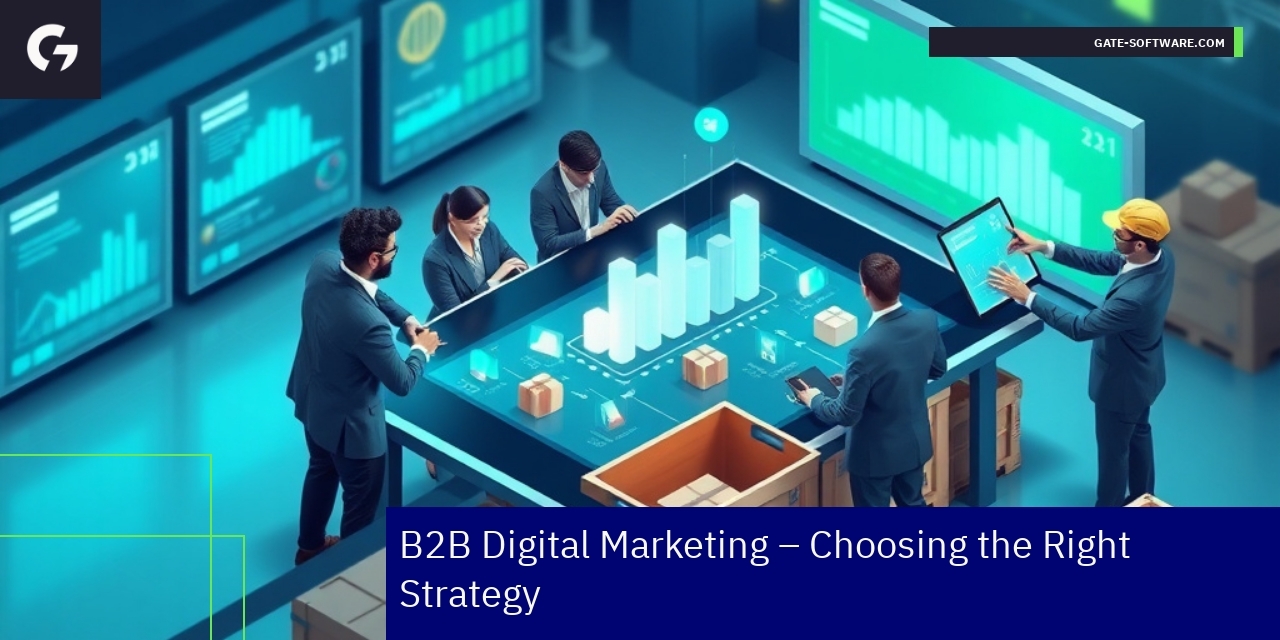
Effective B2B digital marketing strategies often center on leveraging data-driven insights to tailor campaigns that resonate with decision-makers such as CTOs, eCommerce Managers, and Heads of Applications. Incorporating Case studies showcasing successful B2B campaigns and approaches is essential to illustrate tangible outcomes and build trust among stakeholders. Successful strategies frequently include personalized content marketing, account-based marketing (ABM), and integration of UX/UI optimizations aligned with WCAG standards, ensuring accessibility and enhanced user experience on platforms like Magento. Leveraging marketing automation and analytics enables precise targeting and ongoing optimization of campaigns, which is crucial for complex B2B buying cycles. By consistently applying these strategies, companies can better align their messaging and offerings with the technical and strategic priorities of their B2B clientele.
Implementation Checklists
To implement effective B2B marketing strategies, decision-makers should follow actionable lists to help implement effective marketing strategies tailored to B2B ecommerce. Begin by defining clear buyer personas inspired by profiles such as Architect, CDO, and CIO/CTO to ensure targeted communication. Next, audit current digital platforms for UX/UI and compliance with accessibility standards to minimize friction in customer journeys. Integrate CRM and marketing automation tools to facilitate lead nurturing and track campaign performance metrics accurately. Develop content that not only satisfies SEO criteria but also addresses critical business challenges faced by B2B buyers. Finally, conduct regular reviews of campaign performance, leveraging Case studies showcasing successful B2B campaigns and approaches to guide adjustments. This checklist approach provides a structured path for marketing teams and technical leaders to collaborate effectively, maximizing both reach and conversion in B2B ecommerce contexts.

LinkedIn for B2B – Building Communication and Marketing
How to Use LinkedIn Effectively?
Leveraging LinkedIn effectively in B2B environments requires a strategic approach aligned with the professional goals of decision-makers such as CTOs, Heads of Applications, and eCommerce Managers. LinkedIn serves as a vital platform to strengthen relationships, share valuable insights, and position the brand as a thought leader. Best practices for leveraging LinkedIn to strengthen B2B communication and marketing efforts include focusing on precise audience targeting, delivering content that addresses real business challenges, and ensuring consistent engagement with key personas such as Architects, CDOs, and CIO/CTOs. Emphasizing bespoke messaging tailored to industry trends and platform capabilities enhances outreach success. Integrating data-driven insights and analytics to monitor performance and adapt messaging ensures ongoing improvement and relevance.
Successful Campaign Examples
Analysis of impactful LinkedIn campaigns that drove results in B2B contexts reveals that campaigns emphasizing clear value propositions, authentic storytelling, and aligning content with the buyer’s journey significantly enhance engagement and conversion rates. Successful examples often incorporate multi-format content such as case studies, expert interviews, and technical deep-dives that resonate with decision-makers’ priorities. Campaigns that integrate rigorous audience segmentation, combined with compelling calls to action and optimized timing, demonstrate measurable improvements in lead generation and nurturing. Furthermore, utilizing LinkedIn’s advanced tools like Sponsored Content and InMail can amplify reach and precision, reflecting best practices for leveraging LinkedIn to strengthen B2B communication and marketing efforts while maximizing ROI.
FAQ – Frequently Asked Questions
Understanding B2B ecommerce is essential for decision-makers seeking to optimize their digital sales channels. B2B ecommerce differs significantly from B2C ecommerce in its complexity and customer requirements. In B2B environments, transactions typically involve larger volumes, negotiated pricing, and customized purchase processes tailored to businesses rather than individual consumers. This necessitates platforms that offer advanced user roles, account management, and integration capabilities with corporate ERP systems.
Another critical trend is the emergence of hybrid B2B/B2C models. These models allow companies to serve both business clients and retail consumers through a unified platform, facilitating seamless operations and a broader market reach. Implementing such hybrid systems demands agile architectures capable of handling diverse pricing strategies, customer segmentation, and compliance with distinct regulatory requirements.
Gate-Software emphasizes solutions built on Magento™, ensuring robust performance, scalability, and adherence to WCAG standards for accessibility. Effective B2B stores also benefit from clear UX/UI guidelines that align with the behaviors and expectations of professional buyers and procurement teams. Moreover, integrating comprehensive analytics and marketing automation supports strategic decision-making and customer engagement.
Answers to common questions about B2B stores frequently highlight these operational and technical distinctions from B2C ecommerce. Embracing emerging hybrid approaches provides competitive advantages by enabling flexible customer journeys and enhanced service offerings. Therefore, understanding what is B2B ecommerce compared to B2C ecommerce and how hybrid B2B/B2C models function is vital for modern e-commerce strategy development.
Alternatives to B2B Stores
Comparison with Other Sales Models
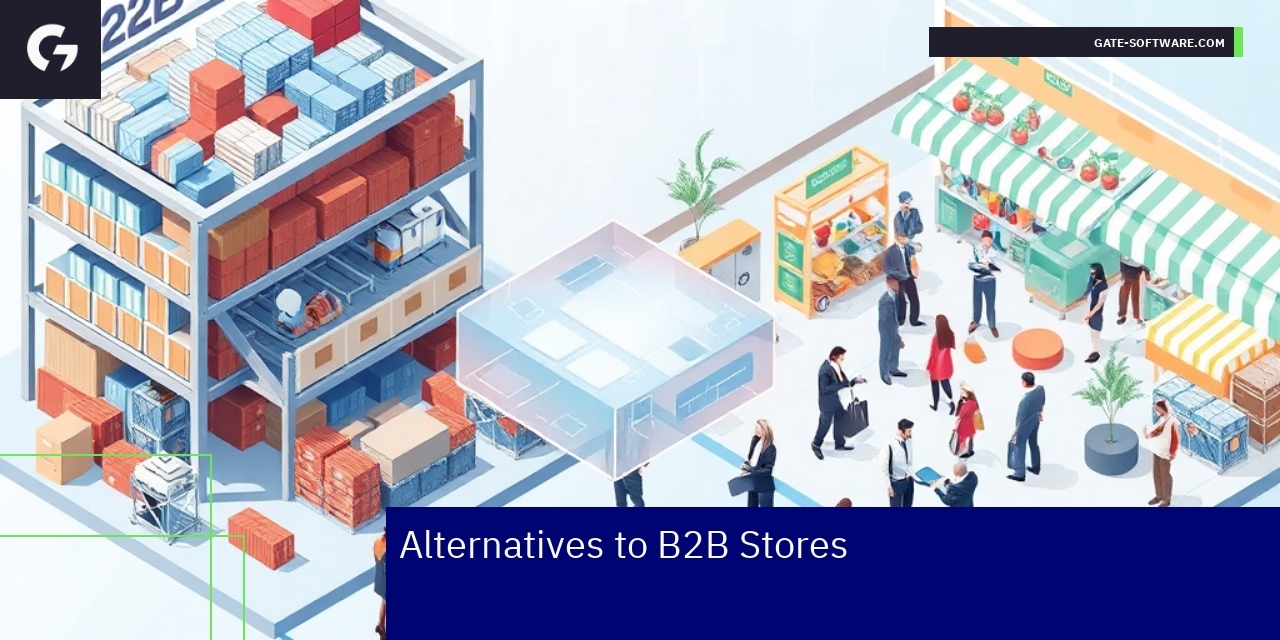
In evaluating how B2B stores perform relative to other models of selling, it is crucial to consider the unique requirements and challenges faced by B2B enterprises. Unlike standard B2C stores, B2B platforms demand more complex workflows, including multi-tier pricing, bulk order management, and intricate approval processes. These needs often make traditional B2B stores less flexible compared to alternative sales models that may leverage hybrid or marketplace approaches. The 14 key differences between B2B and B2C ecommerce and beyond highlight that B2B transactions typically involve longer sales cycles, more stakeholders, and higher integration demands with internal systems such as ERP and CRM.
Furthermore, alternative models such as direct sales platforms, partner portals, or specialized marketplaces offer varying degrees of customization and control that can support specific business strategies. Evaluating how B2B stores perform relative to other models of selling involves understanding these operational complexities and the impact on buyer experience, scalability, and technological integration. Each alternative presents benefits around agility, cost-efficiency, or broader market access but might require trade-offs in data security, user experience, or process automation.
Ultimately, reflecting on the 14 key differences between B2B and B2C ecommerce and beyond underlines the need for solutions that not only replicate basic store functions but also address advanced B2B requirements like personalized pricing, contract management, and compliance. Selecting the optimal sales model depends on matching these capabilities with the company’s strategic priorities and technical ecosystem. Evaluating how B2B stores perform relative to other models of selling thus becomes an exercise in balancing operational depth with digital innovation to deliver seamless and efficient commerce.
Data and Performance Metrics – Efficiency, SLA, TCO
Operational Effectiveness in B2B Projects
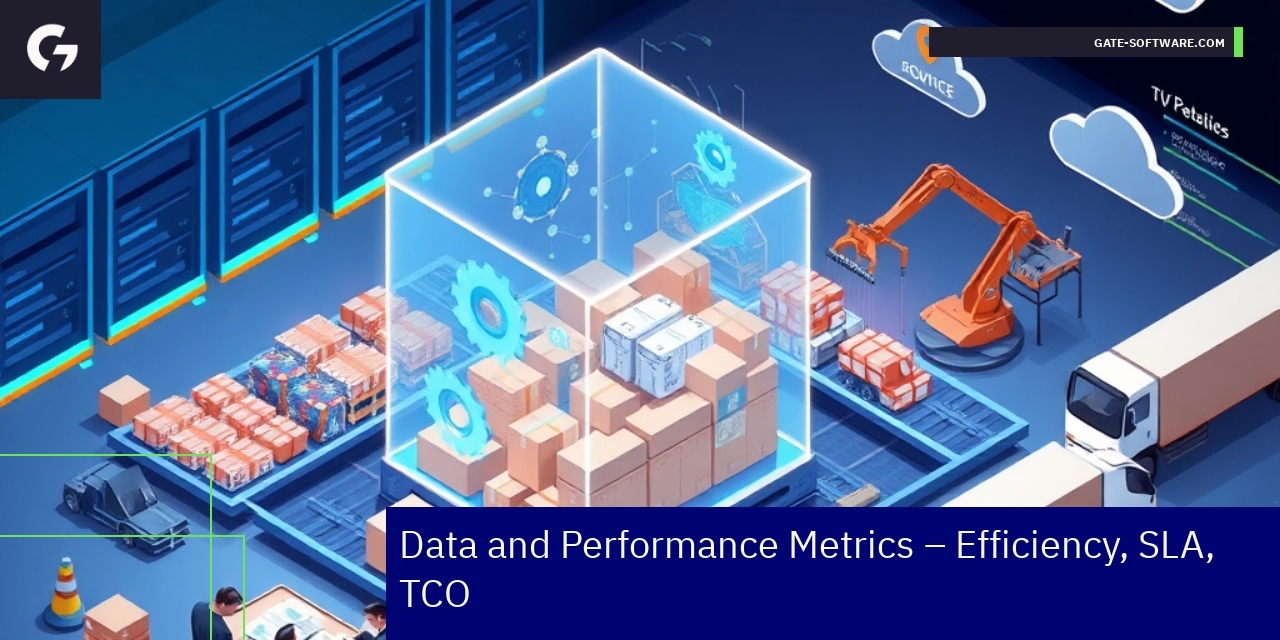
In analyzing the operational effectiveness of Gate-Software’s B2B services, several key metrics provide a clear picture of performance and efficiency. First, the average project takeover time is approximately 10 business days, allowing for a swift transition without sacrificing quality or thoroughness. Moreover, Gate-Software has successfully maintained a 95% on-time project delivery rate, ensuring that clients can rely on timely implementations that meet their strategic goals.
When it comes to cost efficiency, clients experience an average Total Cost of Ownership (TCO) reduction of about 20% following the adoption of Gate-Software’s B2B solutions. This reduction is primarily attributed to streamlined operations, efficient resource management, and the optimization of supply chain processes.
Furthermore, the company reports an impressive uptime SLA of 99.9% across its hosted services, a critical factor in ensuring the reliability necessary for B2B operations where downtime can lead to significant losses. The average duration of client relationships spans approximately 5 years, reflecting Gate-Software’s commitment to maintaining long-term partnerships that drive mutual growth.
In terms of implementation scope, Gate-Software has facilitated over 200 successful B2B platform implementations, showcasing its extensive experience and capability in navigating the complexities of B2B ecommerce. These metrics collectively reinforce Gate-Software’s position as a leader in providing efficient and effective solutions tailored to the needs of B2B enterprises.
Summary
In the competitive landscape of B2B commerce, choosing the right digital solutions is critical for enhancing operational efficiency and maximizing sales potential. Gate-Software’s B2B Store solutions provide tailored platforms that cater to the unique needs of businesses, enabling seamless transaction handling, complex pricing management, and superior user engagement. By integrating with Magento™, businesses can leverage robust e-commerce capabilities while ensuring flexibility and scalability to accommodate future growth. Our focus on UX/UI best practices guarantees an intuitive experience, aligning with the demands of various stakeholders, from eCommerce Managers to CTOs.
Moreover, our commitment to data-driven insights allows us to anticipate market changes and proactively address business challenges. Leveraging advanced CRM systems and automating order processes further enhances operational productivity, ultimately leading to improved cost efficiency and sales performance. As you navigate your B2B digital transformation, Partnering with Gate-Software positions your business for sustained competitive advantage and growth. We invite you to reach out for deeper discussions on how our solutions can align with your strategic goals and elevate your business operations.
Summary
FAQ
What is a B2B store?
A B2B store is a platform that facilitates the sale of products and services between businesses, focusing on large quantities, customized pricing, and complex purchasing processes, as opposed to B2C platforms targeting individual consumers.
How does a B2B store work?
B2B stores operate by allowing businesses to create dedicated accounts, access personalized catalogs, and manage orders through streamlined workflows. They support features such as quotation requests, bulk purchasing, and integration with ERP and CRM systems for efficient operations.
Why is order process automation important in B2B stores?
Order process automation is crucial in B2B stores because it reduces errors, accelerates order processing, and frees up staff to focus on strategic tasks. This leads to improved operational efficiency and a competitive advantage in handling large transaction volumes.
How do B2B stores reduce operational costs?
B2B stores lower operational expenses by automating key business processes such as order management and inventory control, minimizing manual labor, and optimizing procurement costs through bulk purchasing and wholesale pricing models.
What factors should be considered when choosing a B2B platform?
When selecting a B2B platform, it is essential to evaluate scalability, integration capabilities with ERP/CRM systems, security features, user experience tailored for business buyers, and the total cost of ownership, including implementation and maintenance costs.
.
.
Zamów bezpłatną konsultację
.
Z nami rozwój Twojego biznesu nabierze tempa! Zapraszamy do kontaktu średnie i duże firmy generujące min. 7 mln PLN obrotu rocznie – tam nasza ekspertyza sprawdza się najlepiej.
.
Kliknij w poniższy przycisk i skontaktuj się z jednym z naszych konsultantów e-commerce
.