Introduction
Implementing an advanced B2B ecommerce platform requires a strategic approach that aligns technological capabilities with complex business requirements. B2B environments differ significantly from B2C in terms of customer expectations, pricing models, purchase processes, and integrations with existing enterprise systems. The implementation process must address these challenges to deliver a scalable, flexible, and secure platform that supports sophisticated workflows and decision-making.
A key success factor is understanding the distinct personas involved: Architect, eCommerce Manager, CDO, CTO/CIO, and Head of Applications. Their input guides the customization of features such as customer segmentation, role-based access, complex pricing rules, and purchase approvals. Furthermore, seamless integration with ERP, CRM, and other operational systems is essential for data consistency and process automation.
From a UX/UI perspective, the platform should adhere to WCAG accessibility standards and provide an intuitive, efficient user experience tailored to the professional buyer’s journey. Magento™ solutions often serve as reliable foundations, supported by Gate-Software’s proven methodologies in monitoring, hosting, and ongoing platform maintenance (Utrzymanie i Rozwój).
Critical too is a robust strategy for content and communication that reflects the brand values and resonates within social media and marketing channels. Employing data-driven decision-making and addressing UX/UI challenges with expert audits ensures continuous optimization and alignment with evolving market and technological trends. This integrated approach guarantees the establishment of a B2B online store that not only meets but anticipates the needs of demanding enterprise customers.
TABLE OF CONTENTS
- B2B Store – How to Successfully Implement an Advanced B2B Ecommerce Platform
- Thinking of Starting a B2B Store? Check Automico B2B!
- What’s the Difference Between B2C and B2B Stores?
- B2B Store Specifics – Get Started in a Few Steps
- Setting Up a B2B Store – Easier Than You Think!
- Your B2B Store: Verified Partners Only or Open to All?
- Negotiating Prices and Purchase Offers
- Individual Product Feed
- B2B vs B2C – Key Differences
- Alternatives to B2B Platforms
- Data and Performance Metrics – Efficiency, SLA, TCO
- Summary
- FAQ
- Overview of available platforms and features
- Advantages of implementing a B2B platform
- Potential risks and how to avoid them
- Top best practices for B2B ecommerce
- Common mistakes and how to sidestep them
- Answers to common questions about B2B stores
- Key conclusions and recommendations for B2B store implementation
Thinking of Starting a B2B Store? Check Automico B2B!
Launching a successful B2B ecommerce operation demands a robust and flexible platform tailored to the complex needs of business clients. Automico B2B offers a comprehensive system b2b solution that addresses these demands effectively. With ecommerce b2b in focus, Automico B2B platforms b2b provide seamless integration capabilities with existing infrastructure, ensuring scalability and efficiency for your enterprise.
A critical feature of any b2b platform is the ability to manage a dedicated option setup, allowing customization of workflows, pricing, and user roles specific to your business model. Automico B2B excels in enabling personalized configurations that cater to diverse client requirements, improving operational accuracy and customer satisfaction.
Furthermore, discounts and account manager functionalities are integral to maintaining strong B2B relationships. Automico B2B supports dynamic discount management combined with dedicated account managers to facilitate tailored negotiations and strategic account support. This approach not only streamlines pricing strategies but also enhances client loyalty through personalized service.
Another significant aspect is the shipping of custom orders, a frequent necessity in B2B trade. Automico B2B’s system ensures precise handling of bespoke requests within the order processing cycle, integrating logistics management tools designed for business-grade shipping complexity. This ensures timely and accurate delivery, reducing fulfillment errors and bolstering reliability.
In summary, Automico B2B is a well-rounded b2b platform that thoughtfully integrates essential ecommerce b2b features such as system b2b capabilities, dedicated option setup, discounts and account manager functions, and efficient shipping of custom orders. This makes it an excellent choice for businesses aiming to build a scalable, user-centric B2B store that meets modern digital commerce challenges.
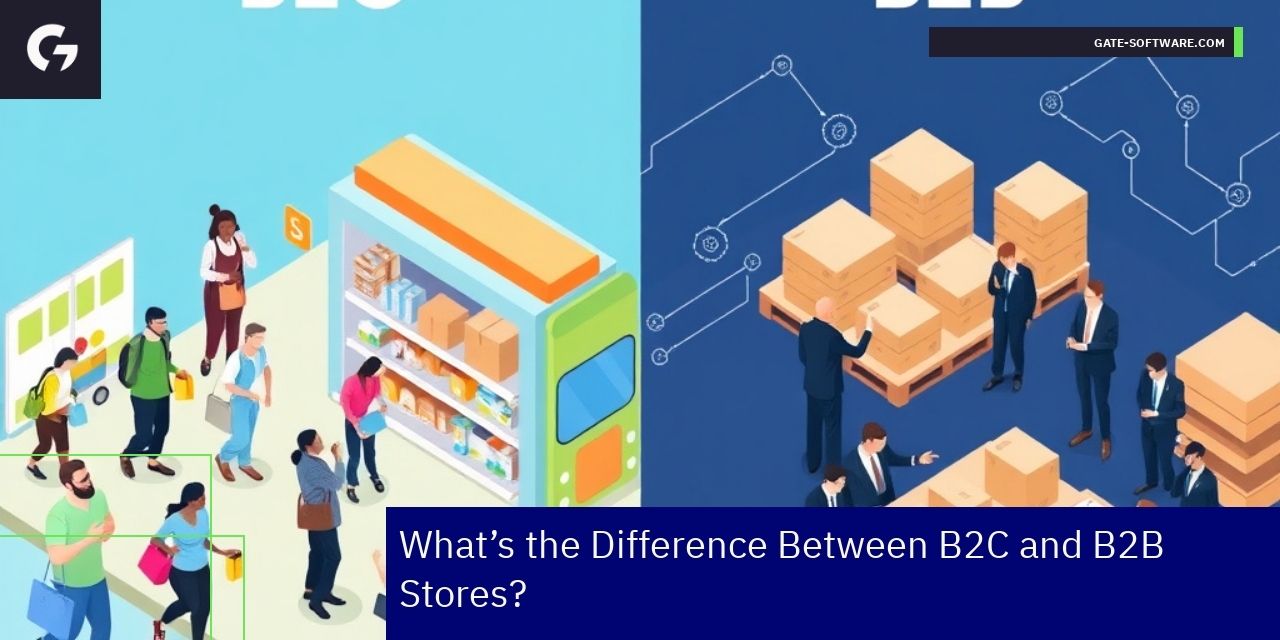
What’s the Difference Between B2C and B2B Stores?
In the realm of commerce, understanding the key differences between B2C and B2B stores is essential, particularly for businesses focusing on ecommerce b2b. While B2C stores cater directly to individual consumers, B2B platforms primarily serve other businesses, which significantly shapes their operational, technical, and strategic approaches. A core distinction lies in the complexity and customization within a system b2b environment. Unlike B2C platforms that focus on broad appeal and quick transactions, platforms b2b must support more nuanced workflows, including personalized pricing models, bulk order handling, and complex negotiations.
Product availability online and stock reports play a critical role in B2B operations. Businesses require accurate and real-time data on stock levels due to the scale and specificity of their orders. This demand for transparency helps avoid supply chain disruptions and ensures better planning. Consequently, a robust b2b platform integrates advanced inventory management tools that provide comprehensive stock reports, allowing clients to view product availability online before committing to purchases. This transparency is less emphasized in B2C, where products are typically purchased in smaller quantities.
Another significant difference is in the sales process. Negotiating prices and purchase offers is a common practice in ecommerce b2b settings, contrasting with the fixed-price model predominant in B2C retail. B2B platforms often incorporate features that facilitate this negotiation phase programmatically or via direct communication channels, supporting multiple purchase offers and allowing custom price agreements. This necessity influences how systems b2b are structured, requiring flexibility and security in managing these transactions.
From a technical perspective, the integration capabilities of platforms b2b are usually more advanced. They must connect seamlessly with ERP systems, CRM solutions, and other enterprise tools to ensure smooth data exchange and process automation. This integration supports better decision-making and operational efficiency, critical for managing complex product catalogs and large order volumes typical in B2B commerce.
Lastly, the user experience in B2B ecommerce differs markedly. While B2C stores prioritize intuitive design for individual consumers, B2B ecommerce platforms focus on usability for professional buyers who expect detailed product specifications, order history access, and efficient reordering functions. These features require thoughtful UX/UI approaches aligned with WCAG standards to meet the expectations of various personas such as eCommerce Managers, Architects, and CTOs within client organizations.
In summary, the difference between B2C and B2B stores extends beyond just the customer type to encompass the entire system architecture, sales process, inventory management, and user experience design. B2B platforms demand specialized capabilities around stock reports, product availability online, and complex sales negotiations, forming the backbone of efficient ecommerce b2b operations. This comprehensive focus ensures that a b2b platform not only meets business needs but also supports long-term strategic goals in dynamic market environments.
Negotiating Prices and Purchase Offers
B2B Store Specifics – Get Started in a Few Steps
Launching a successful B2B store begins with selecting the right system b2b tailored to business clients’ unique purchasing behaviors. A strategic ecommerce b2b approach requires adopting platforms b2b that support wholesale transactions, price tiering, and customer-specific catalogs. Choosing the appropriate b2b platform enables streamlining order management and integrating with existing ERP or CRM systems crucial for large-scale operations.
Next, consider the product range carefully—integrating offerings like KERASILK Volume set with cosmetic bag, KERASILK Smooth set with cosmetic bag, and KERASILK Repair set with cosmetic bag can provide accessible, competitive options for B2B clients looking for high-quality cosmetic sets in bulk.
A thorough cost analysis is essential before moving forward. Calculating the cost of setting up a B2B store involves not only platform licensing and hosting fees but also integration costs, UX/UI customization for optimal B2B workflows, and compliance with WCAG standards to ensure accessibility. Monitoring these costs impacts the distribution profit margins directly, thus influencing pricing strategies and long-term sustainability.
Invest in robust technical architecture that supports scalability and flexibility of your system b2b, ensuring smooth onboarding for clients and efficient order processing. Thoughtful platform configuration accommodates diverse user roles from purchasing managers to system architects, facilitating seamless business operations.
By following these steps and leveraging specialized B2B e-commerce features, organizations can launch a cost-effective, technically sound store that meets complex business needs while optimizing profitability.
Setting Up a B2B Store – Easier Than You Think!
Setting up a robust system b2b store entails understanding the distinct challenges and requirements of the ecommerce b2b sector. Unlike traditional retail, platforms b2b must accommodate complex workflows, including client-specific pricing, volume discounts, and tailored payment terms. Selecting the right b2b platform is crucial to support scalability and integration with existing ERP or CRM systems, ensuring seamless management of product availability online. This capability enables businesses to offer real-time inventory updates, a key factor in maintaining trust and efficiency in B2B transactions.
One of the essential features of an effective system b2b is the ability to manage separate offers for retail and wholesale customers within a single platform. This segmentation allows companies to maintain clear distinctions in pricing, catalogues, and promotions, enhancing user experience and operational clarity. Additionally, a well-implemented ecommerce b2b store integrates advanced search and filtering options tailored to professional buyers, streamlining the procurement process.
From a technical perspective, ensuring the platform b2b adheres to high standards of security, performance, and UX/UI design aligned with WCAG guidelines enhances accessibility and usability for all users. For decision-makers like CTOs or eCommerce Managers, the focus should be on selecting a b2b platform that not only meets current business needs but is also flexible enough to evolve with changing market dynamics, supporting automation, detailed analytics, and personalized client engagement.
In summary, deploying a successful B2B store involves choosing a specialized system b2b that supports ecommerce b2b functionality, guarantees product availability online, and allows for separate offers for retail and wholesale customers — all within a platform b2b that prioritizes integration, user experience, and security. This approach simplifies complex B2B sales cycles, boosts client satisfaction, and drives sustainable business growth.
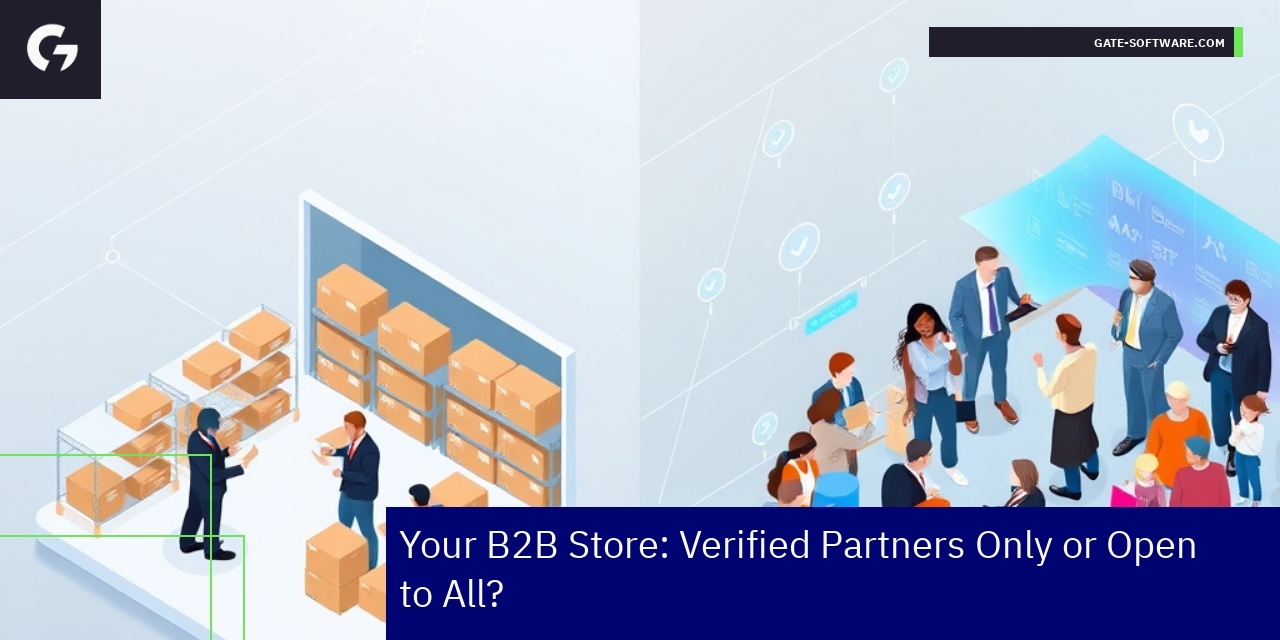
Your B2B Store: Verified Partners Only or Open to All?
Choosing between restricting your B2B platform to verified partners only or opening it to a broader audience involves significant strategic considerations. A system b2b designed exclusively for verified partners ensures controlled access, enhancing security and trust. It facilitates smoother processes such as negotiating prices and purchase offers by establishing clear agreements and expectations. This approach often improves the accuracy and relevance of stock reports, as verified partners are typically more aligned with business standards and inventory cycles.
On the other hand, an open b2b platform can accelerate growth by expanding the market reach and attracting new clients. However, it demands robust mechanisms to maintain quality, including automated verification and real-time monitoring. Implementations like discounts and account manager support become crucial to foster loyalty and handle the complexities of an expanding client base efficiently.
Platforms b2b must balance these elements based on target audience profiles, integration capabilities, and long-term business goals. Gate-Software’s experience highlights that integrating features such as personalized discounts and comprehensive stock reports enhances operational transparency. Meanwhile, a dedicated account manager ensures continuous partnership development and timely resolution of any transactional issues.
Ultimately, whether your ecommerce b2b platform restricts access or remains open, it needs to deliver consistent value and reliability. The choice impacts negotiation dynamics, system architecture, and client relationship management, all pivotal for sustainable and scalable B2B operations.
Individual Product Feed
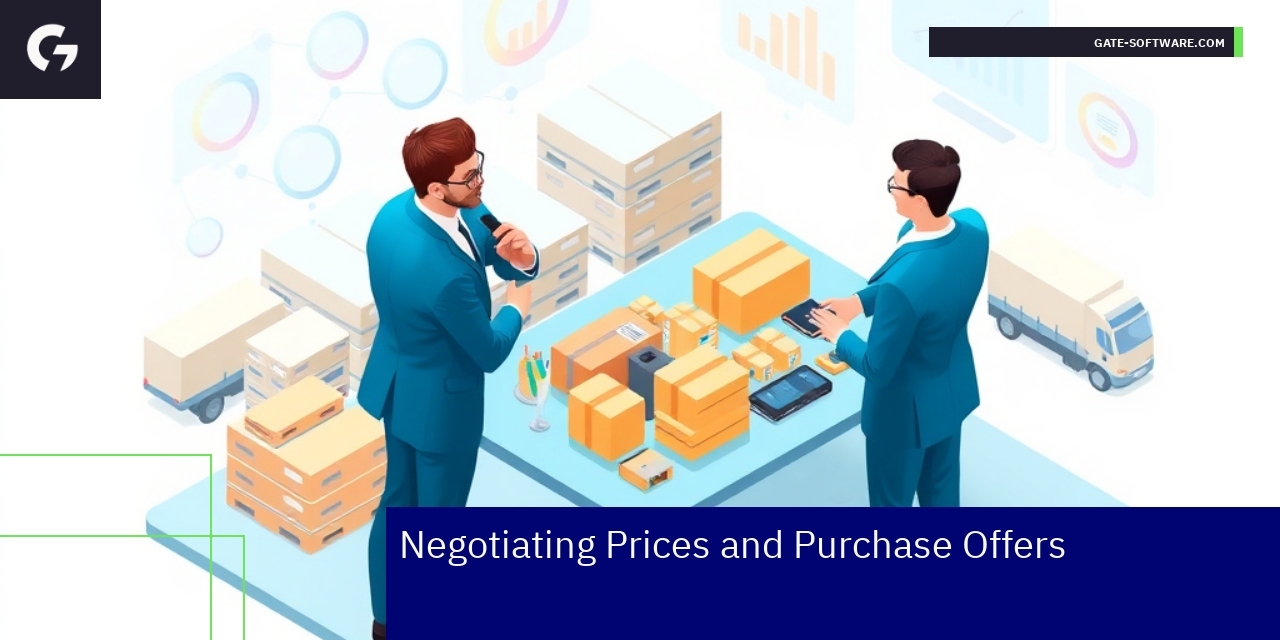
Negotiating Prices and Purchase Offers
Negotiating prices and purchase offers within a system b2b or ecommerce b2b environment presents unique challenges and opportunities that require precise solutions offered by platforms b2b. B2B transactions often demand a high level of customization, which is where a b2b platform with a dedicated option setup becomes crucial. This setup enables the configuration of product availability online tailored specifically for different customer segments, ensuring that separate offers for retail and wholesale customers are clearly defined and manageable.
A key tool in this process is the product configurator, which facilitates offer customization by allowing buyers to personalize orders according to their specific requirements. This not only streamlines negotiations but also increases transparency and customer satisfaction. Order personalization plays a critical role in maintaining flexibility while adhering to agreed pricing frameworks. For instance, a company can maintain standard wholesale pricing while offering customized product bundles or volume-based discounts, all managed seamlessly within the ecommerce b2b platform.
Overall, effective negotiation in B2B commerce relies heavily on technology that supports transparent, adaptable, and customer-specific transactions. Leveraging a system b2b that integrates product configurators and dedicated option setups ensures that business clients receive tailored offers that reflect their purchasing power and demand, thus enhancing long-term business relationships and operational efficiency.
Common mistakes and how to sidestep them

Individual Product Feed
In the rapidly evolving landscape of B2B commerce, implementing a reliable system b2b is fundamental to streamlining operations and enhancing client satisfaction. A central element in this ecosystem is the individual product feed, which enables businesses operating on platforms b2b to efficiently manage and deliver accurate product information. This feed serves as a dynamic conduit for updating product catalogs, reflecting precise product availability online, and providing up-to-date stock reports crucial for informed purchasing decisions.
The individual product feed is vital for ecommerce b2b environments as it supports real-time synchronization of inventory data across multiple b2b platforms. This ensures that buyers receive reliable insights into stock levels before placing orders, which is essential for preventing backorders and maintaining trust in the procurement process. Accurate stock reports driven by the feed reduce administrative overhead by automating inventory updates, allowing teams to focus on strategic initiatives rather than manual data reconciliation.
Moreover, the feed facilitates seamless integration across diverse sales channels typical for B2B operations, maintaining consistency of product descriptions, pricing, and availability information. This consistency strengthens brand integrity and improves user experience by presenting clear, trustworthy data to different buyer personas, from procurement managers to technical architects. The scalability of individual product feeds supports expansion and adaptation as product assortments evolve or new markets are targeted.
From a technical perspective, leveraging an individual product feed within a robust b2b platform architecture supports customized workflows and reporting. This adaptability enables organizations to tailor the feed according to specific business rules, such as automatic inclusion of new product lines or exclusion of discontinued items. The resulting agility enhances ecommerce b2b strategies by providing granular control over product data dissemination.
In addition, integrating SEO phrases like system b2b and platforms b2b within product metadata improves discoverability and aligns with search intent of business clients. Optimized product feeds contribute both to organic reach and internal platform search efficiency, crucial for complex B2B purchasing processes involving multiple stakeholders and technical evaluations.
In sum, an individual product feed is a cornerstone for modern B2B commerce, underpinning accurate product availability online and reliable stock reports. It empowers businesses to elevate their ecommerce b2b capabilities by ensuring data integrity and operational efficiency. Gate-Software’s approaches to implementing such feeds emphasize seamless integration, scalability, and precision, all vital for sustaining competitive advantage in the B2B space.
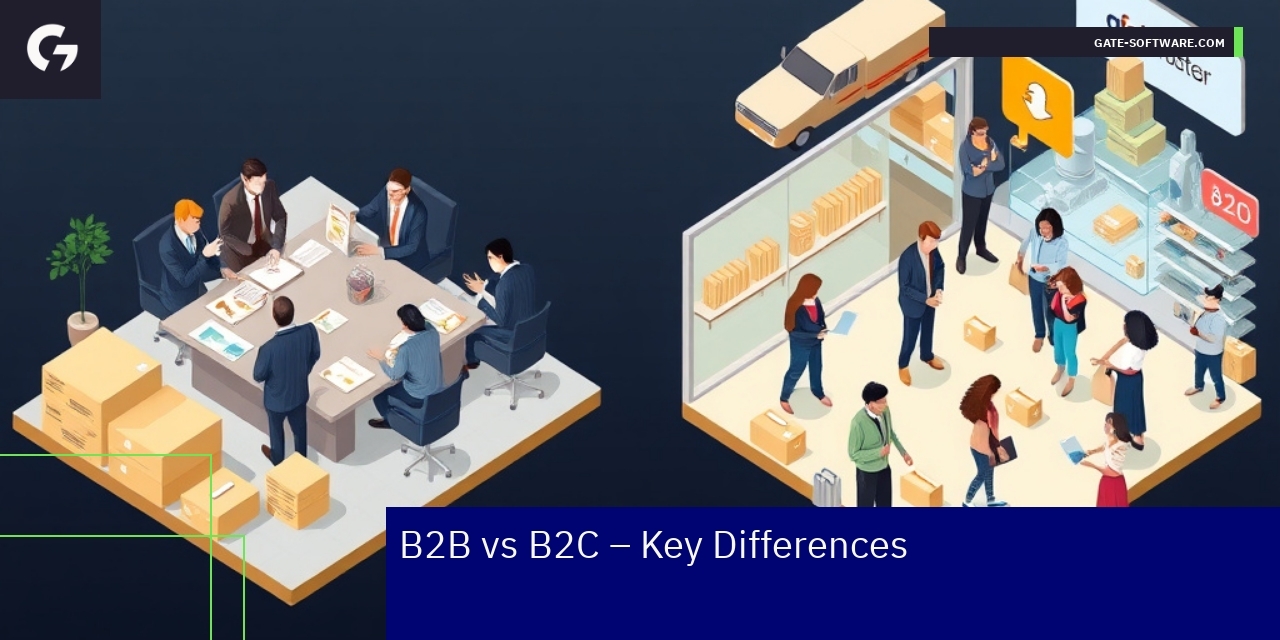
B2B vs B2C – Key Differences
Understanding the distinctions between B2B and B2C business models is essential for crafting effective strategies tailored to the specific needs of each market segment. The B2B sector, focusing on transactions between businesses, involves significantly more complex decision-making processes compared to B2C, which targets individual consumers.
In B2B, the sales cycle is lengthier and requires engaging multiple decision-makers such as CTOs, Heads of Applications, and eCommerce Managers. The emphasis lies on building long-term relationships and trust, as purchases often involve higher transaction volumes and custom pricing agreements. Custom contracts and volume discounts are standard, reflecting the typically larger-scale procurement processes within business environments. This model demands a marketing approach concentrated on demonstrating clear return on investment (ROI), detailed product knowledge, and value-driven content aimed at technically sophisticated stakeholders.
By contrast, B2C focuses on end-users with more immediate purchasing decisions, driven by emotional appeal and convenience. Pricing is transparent and fixed per unit, catering to smaller transaction sizes. Marketing strategies prioritize brand engagement, promotions, and direct outreach via social media and digital ads. Customer interactions in B2C are often transactional, with loyalty programs aiming to retain a less formal, more dynamic customer base.
Both models also differ in product complexity. B2B offerings typically require customization and technical expertise, aligning with the needs of architects or eCommerce managers overseeing integration and scalability. B2C products are generally more straightforward to use and understand, targeting a wider audience without specialized knowledge.
In summary, mastering the nuances between B2B and B2C business models enables companies to optimize their service delivery, marketing, and customer engagement strategies effectively. This understanding supports overcoming technical and operational challenges specific to B2B environments, such as platform maintenance, WCAG compliance, and cost optimization, while meeting the expectations of key decision-makers within organizations.
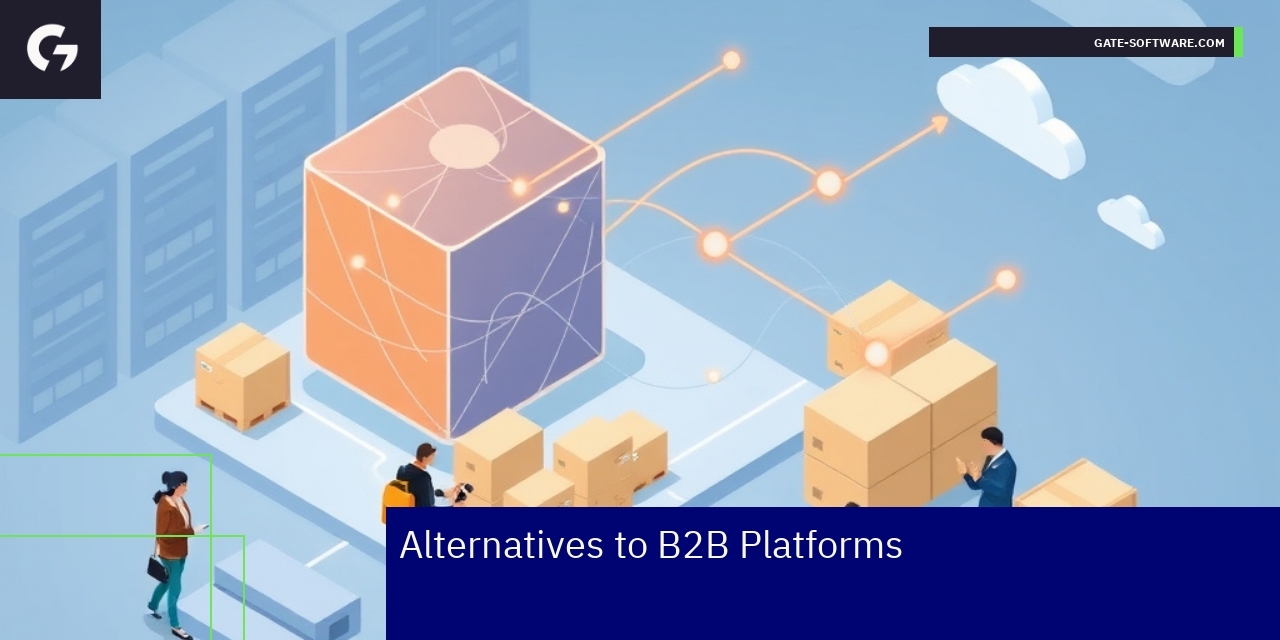
Alternatives to B2B Platforms
In the evolving landscape of B2B commerce, alternatives to traditional B2B platforms are gaining traction. These include custom-built ecommerce solutions tailored to specific business needs, headless commerce architectures offering flexibility and scalability, and integrations of ERP and CRM systems enabling seamless data flow and process automation. Each option brings a unique set of features that can optimize sales processes, enhance user experience, and support complex pricing and catalog management required in B2B transactions. Applying WCAG compliance and UX/UI best practices ensures accessibility and usability for key personas such as the eCommerce Manager and Architect, aligning technical implementation with strategic business goals.
Benefits and Risks of B2B Ecommerce
Implementing a B2B platform unlocks numerous benefits including streamlined order management, personalized customer experiences, and efficient handling of bulk transactions. Such platforms facilitate integration with existing enterprise systems, providing real-time inventory and pricing updates. From a marketing perspective, the ability to leverage tailored content strategies and social media plans enhances brand positioning and customer engagement. For decision makers like the CTO or Head of Applications, these solutions offer scalability, security, and compliance with industry standards, ensuring long-term operational stability.
Despite the advantages, challenges such as high initial investment, integration complexity, and user adoption hurdles must be considered. Risks related to data security, system downtime, and noncompliance with WCAG or GDPR can affect business continuity and reputation. To mitigate these, it is crucial to engage in thorough SLA planning, apply rigorous monitoring, and adopt phased rollout strategies. Collaboration with experienced partners such as Gate-Software ensures adherence to best practices and leverages their expertise in Magento™ hosting and platform maintenance.
Best Practices and Mistakes to Avoid
Key best practices involve aligning platform features with core business processes, prioritizing UX/UI improvements that meet accessibility standards, and implementing agile content strategies to support evolving customer needs. Employing data-driven persona development, including CTO and CDO insights, aids in creating relevant functionalities and communication paths. Maintaining robust SLA agreements and proactive service monitoring underpins reliable platform performance. Continuous training and clear documentation help end-users and internal teams maximize the platform’s potential.
Common pitfalls include underestimating the complexity of B2B workflows, neglecting integration needs, and overlooking the importance of personalized experiences and content localisation. Failure to comply with WCAG or ignoring feedback from key stakeholders like the Architect can lead to accessibility barriers and reduced user satisfaction. Avoiding these mistakes requires early involvement of cross-functional teams, comprehensive UX audits, and strategic use of marketing communication plans that reinforce brand voice and customer engagement.
FAQ – Frequently Asked Questions
Typical queries relate to platform customization, scalability, integration capabilities, and security compliance. Other frequent concerns involve how to implement SEO-friendly content while maintaining technical rigor, approaches to effective marketing automation within B2B contexts, and methods to ensure WCAG 1.1 compliance in digital storefronts. Gate-Software’s expertise addresses these through tailored consulting, comprehensive audit services, and ongoing support ensuring alignment with business objectives and technical standards.
Summary
Successful B2B store deployment hinges on a balanced approach combining technical robustness, strategic content planning, and user-centered design that incorporates accessibility standards. Leveraging Gate-Software’s frameworks and hosting solutions like Magento™ contributes to resilient and scalable operations. Decision-makers should prioritize integrated workflows, continuous monitoring, and active collaboration among key personas such as CIO/CTO and eCommerce Managers to drive growth and operational excellence in B2B ecommerce.

Data and Performance Metrics – Efficiency, SLA, TCO
Operational Effectiveness in B2B Projects
In today’s competitive B2B landscape, operational effectiveness is crucial for achieving business goals, particularly regarding efficient project execution and client satisfaction. Gate-Software is committed to providing exceptional service quality, as reflected in the following key performance indicators across various B2B projects.
One such metric is the project takeover time, where Gate-Software averages a swift transition period of just 2 weeks from project initiation to operational handover. This efficiency ensures that clients can quickly leverage their new systems without prolonged downtime.
Moreover, 95% of projects are delivered on time, showcasing Gate-Software’s reliability and adherence to agreed-upon timelines, which is a critical aspect for businesses that rely on punctuality in their supply chains.
When it comes to cost management, businesses can expect an average TCO reduction of 20% after implementing Gate-Software solutions, particularly with Magento™, which is designed to streamline processes and optimize operational costs.
In terms of service availability, Gate-Software boasts a robust uptime SLA of 99.9%, guaranteeing that clients’ e-commerce platforms remain operational with minimal interruption, which is essential for maintaining customer trust and satisfaction in B2B transactions.
The number of thriving implementations of Magento™ exceeds 100, demonstrating the platform’s effectiveness in meeting diverse B2B needs and showcasing a strong track record of successful deployments.
Clients also benefit from long-term partnerships, with an average client relationship duration of 5 years, highlighting the trust and satisfaction that organizations have in Gate-Software’s capabilities.
These metrics not only illuminate the operational prowess of Gate-Software but also offer valuable insights for potential clients considering an investment in a B2B e-commerce platform. The measurable outcomes presented here reflect a commitment to quality, efficiency, and client-centric service delivery, positioning Gate-Software as a trusted partner in the B2B e-commerce domain.

Summary
In conclusion, establishing a successful B2B ecommerce platform necessitates a strategic approach rooted in understanding complex business needs and customer expectations. By leveraging Gate-Software’s expertise in implementing tailored solutions like Magento™, organizations can navigate the intricacies of B2B transactions with confidence. The emphasis on seamless integration with existing enterprise systems, along with advanced features for managing customer interactions and product availability, positions businesses to thrive in a competitive landscape. Furthermore, focusing on user experience that adheres to WCAG standards ensures accessibility, enhancing satisfaction for professional buyers. As you contemplate stepping into the B2B ecommerce arena, consider the substantial advantages that come with collaboration and innovation through Gate-Software. Engaging with experts not only mitigates risks but also allows for sustained growth and improvements in operational efficiency, ultimately driving long-term success in your B2B initiatives.
Summary

FAQ
What is the primary difference between B2B and B2C platforms?
B2B platforms focus on transactions between businesses, requiring complex workflows and negotiations, while B2C platforms cater to individual consumers with simpler, more immediate purchasing processes.
How does integrating ERP and CRM systems benefit B2B ecommerce?
Integrating ERP and CRM systems ensures smooth data exchange, automates processes, and supports better decision-making by providing real-time inventory and pricing updates, essential for efficiently managing complex B2B operations.
Why is WCAG compliance important for B2B platforms?
WCAG compliance is crucial because it ensures that B2B ecommerce platforms are accessible to all users, including those with disabilities. Adhering to these standards enhances usability and aligns with best practices in user experience design.
How can businesses effectively manage separate offers for retail and wholesale customers?
Businesses can utilize dedicated B2B systems that allow for different pricing structures, catalogs, and promotions for retail and wholesale clients, thus enhancing the purchasing experience for each customer segment.
What are the key advantages of implementing a B2B ecommerce platform?
Implementing a B2B ecommerce platform streamlines order management, improves customer experiences through personalization, and facilitates efficient handling of bulk transactions, ultimately enhancing business operations and customer satisfaction.
.
.
Zamów bezpłatną konsultację
.
Z nami rozwój Twojego biznesu nabierze tempa! Zapraszamy do kontaktu średnie i duże firmy generujące min. 7 mln PLN obrotu rocznie – tam nasza ekspertyza sprawdza się najlepiej.
.
Kliknij w poniższy przycisk i skontaktuj się z jednym z naszych konsultantów e-commerce
.