Introduction
Implementing a global B2B commerce platform is a complex endeavor that requires alignment between business objectives, technology infrastructure, and customer needs. For organizations operating in multiple regions, the platform must support scalability, internationalization, and compliance with diverse regulatory requirements. Key challenges include integrating with existing ERP and CRM systems, ensuring seamless user experiences across various locales, and maintaining high standards of performance and security.
Gate-Software’s expertise in B2B commerce platforms, especially leveraging Magento™, provides a robust foundation for global deployments. Our approach emphasizes tailored UX/UI designs that accommodate the specific workflows of purchasing teams and decision-makers like eCommerce Managers and Heads of Applications. Rigorous adherence to WCAG standards ensures accessibility for all users, enhancing usability and compliance.
Successful implementation also depends on comprehensive migration strategies and ongoing platform monitoring to address evolving business needs and technical challenges proactively. By fostering close collaboration with CTOs and CDOs during the development and operation phases, Gate-Software helps organizations achieve operational excellence in their global B2B commerce initiatives.
TABLE OF CONTENTS
- B2B Store – How to Successfully Implement a Global B2B Commerce Platform
- Integrating the Online Store with Suppliers
- B2B Store Specifics – Start in a Few Steps
- Stores That Sell or Plan to Sell B2B
- Methods and Strategies for Implementing a B2B Platform
- Comparisons and Alternatives
- FAQ – Frequently Asked Questions
- Data and Performance Metrics – Efficiency, SLA, TCO
- Summary
- FAQ

Integrating the Online Store with Suppliers
Streamlining Supply Chain Operations with system b2b
Effective integration of your online store with suppliers is essential to optimizing supply chain workflows in a B2B ecosystem. Leveraging a system b2b enables seamless data exchange, real-time inventory updates, and automated order processing between your ecommerce b2b platform and supplier systems. This integration reduces manual errors and accelerates order fulfillment cycles, critical for maintaining competitive responsiveness. A well-implemented platforma b2b enhances transparency and collaboration with suppliers through centralized dashboards and analytics, which support proactive decision-making and resource planning.
Enhancing Procurement Efficiency via platformy b2b
Platformy b2b provide technical frameworks and standards to connect your online store with multiple suppliers efficiently. They facilitate standardized procurement processes, including electronic invoicing, contract management, and compliance monitoring. Integrating these capabilities into your ecommerce b2b ecosystem maximizes procurement efficiency while ensuring data consistency across all parties. Such platforms often feature APIs and middleware that simplify connecting heterogeneous supplier IT environments, ensuring that product catalogs, pricing, and availability remain synchronized without manual intervention.
Technical and Business Considerations for Integration
Successful integration requires close alignment between IT and business teams. Key technical considerations include data security, system scalability, and adherence to industry standards such as EDI and API-driven communications. Business stakeholders must also define clear KPIs around order accuracy, delivery lead times, and supplier performance to evaluate integration effectiveness. A future-proof platforma b2b supports modular connectivity options, enabling gradual onboarding of suppliers and scaling alongside business growth. This strategic approach reduces operational risks and strengthens your ecommerce b2b foundation.
Starting a B2B Store Is Easier Than You Think!
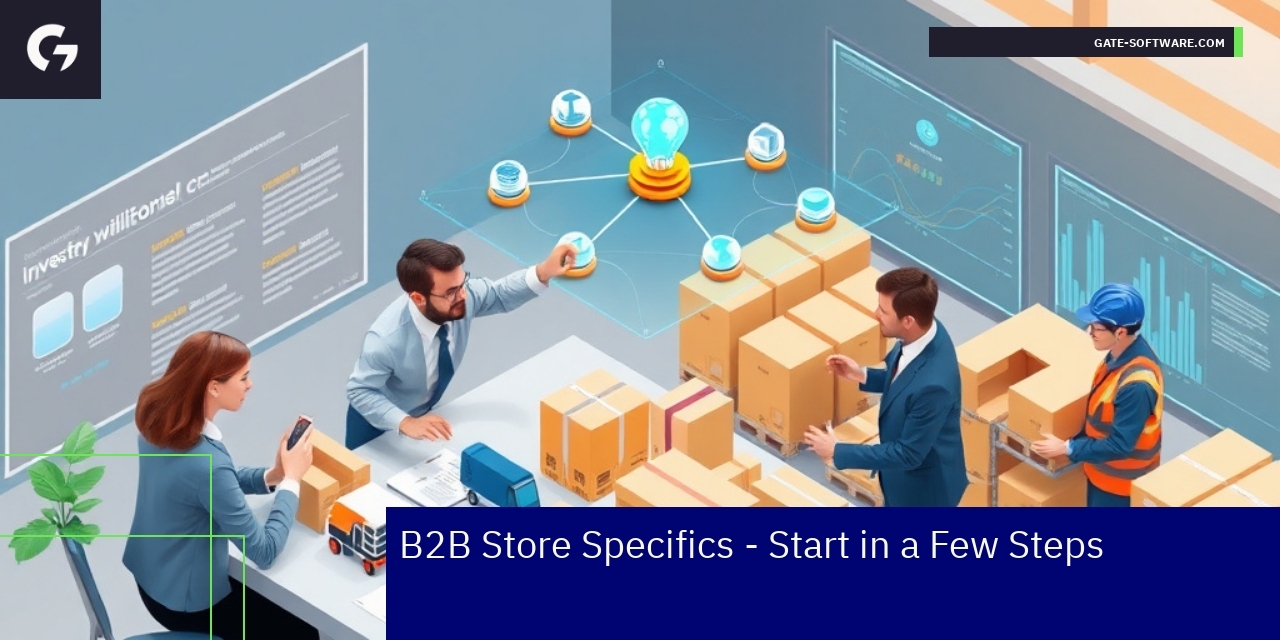
B2B Store Specifics – Start in a Few Steps
Startup Costs – What Does Wholesale Online Distribution Really Cost?
Launching a platforma b2b entails substantial investments in technology infrastructure, integration, and staff training. Key expenses typically involve licensing fees for a system b2b to ensure robust functionality and compliance, alongside setting up ecommerce b2b systems that facilitate seamless transaction flows and security. When evaluating platformy b2b options, it is crucial to balance cost considerations with feature depth and scalability, ensuring that the chosen platform supports future growth and operational complexity without excessive initial outlay. This strategic approach to budgeting underpins sustainable wholesale distribution and sales expansion.
Starting a B2B Store Is Easier Than You Think!
The availability of advanced system b2b solutions has streamlined the process of launching a B2B store. Modern ecommerce b2b platforms often come pre-integrated with critical business tools such as ERP and CRM systems, significantly reducing deployment timelines and complexity. Selecting a platforma b2b that emphasizes intuitive user interfaces and comprehensive vendor support ensures that even teams without extensive technical expertise can manage the system effectively from day one. This ease of implementation allows businesses to focus on sales strategy and customer engagement rather than technical hurdles.
Suppliers Selling to Physical and Online Stores
Effective management of suppliers across both physical and online sales channels requires a coherent system b2b capable of synchronizing inventory data and order processing. Ecommerce b2b platforms that integrate supplier management features help maintain consistent stock levels and streamline procurement workflows, crucial for avoiding stockouts or overstock situations. Utilizing a platforma b2b that supports multi-channel synchronization ensures data integrity across sales points, enhancing operational efficiency and providing a unified experience for suppliers and customers alike.
Mistakes to Avoid When Implementing
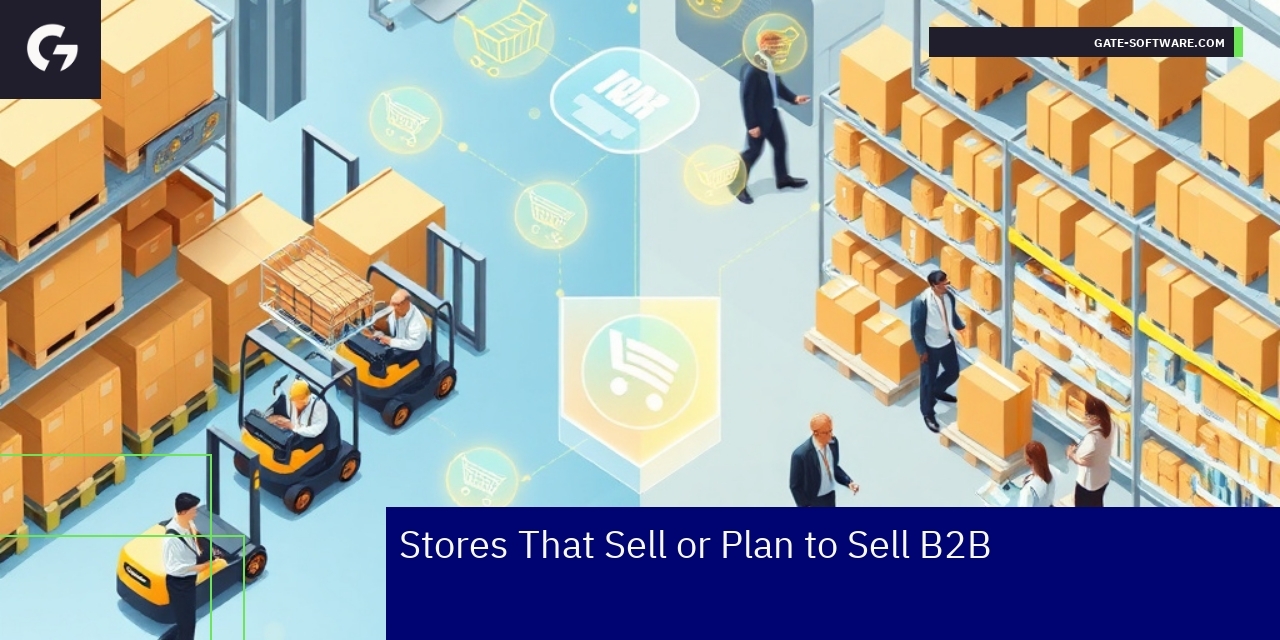
Stores That Sell or Plan to Sell B2B
Separate Offers for Wholesale and Retail Clients
Effective system b2b platforms enable differentiation in pricing and catalog presentation tailored to wholesale and retail customers. This capability is essential for ecommerce b2b environments, where diverse customer needs and purchasing behaviors require distinct approaches. A mature platforma b2b supports flexible configuration of product ranges, promotional offers, and order workflows, allowing businesses to efficiently manage simultaneous retail and wholesale operations within a unified system architecture.
With a robust system b2b, companies can curate separate user experiences that enhance buyer satisfaction and streamline sales processes. For example, wholesale clients may access bulk pricing, volume discounts, and dedicated support channels, while retail clients benefit from user-friendly navigation and personalized recommendations. This segmentation reduces transactional complexity and improves operational efficiency, directly impacting conversion rates and customer loyalty.
Moreover, integrating platformy b2b with existing ERP and CRM systems ensures data consistency and real-time updates across sales channels. This integration facilitates better inventory management, order tracking, and customer insights—critical factors for scaling B2B ecommerce. Choosing a platforma b2b with these capabilities supports strategic growth objectives and addresses the unique challenges faced by stores that sell or plan to sell B2B.
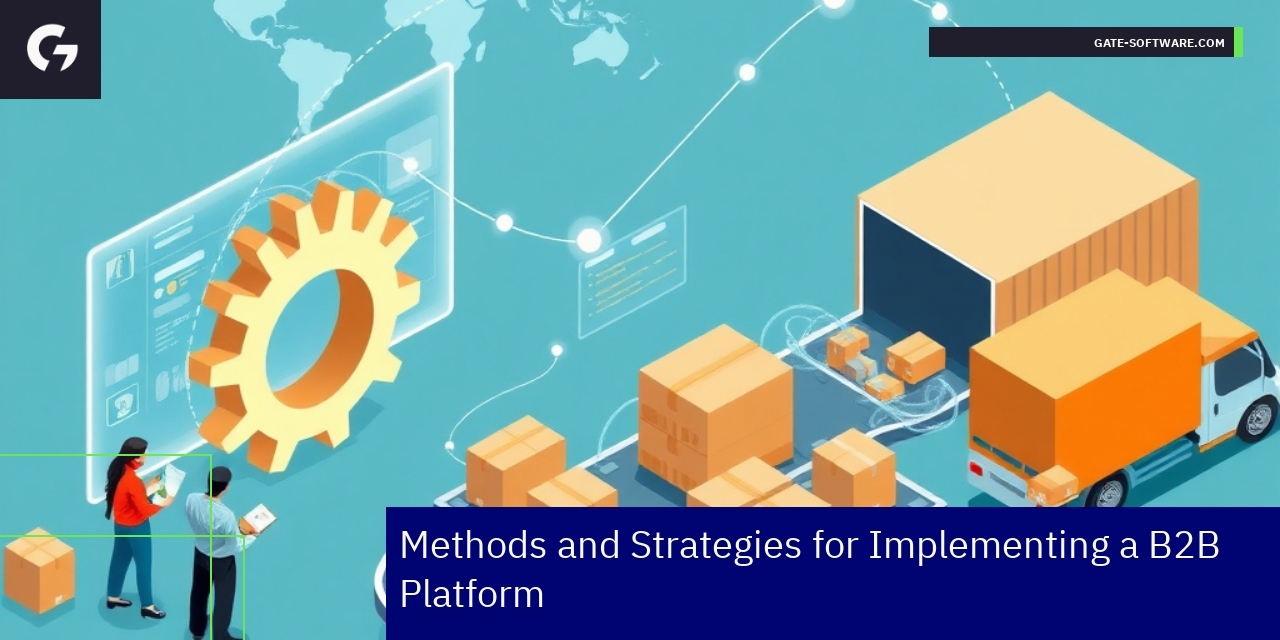
Methods and Strategies for Implementing a B2B Platform
Steps to Successful Implementation
Planning and analyzing your business needs in line with key benefits of B2B ecommerce platforms
Implementing a successful B2B platform starts with a thorough analysis and planning phase. Understanding the specific requirements of your business and how they align with key benefits of B2B ecommerce platforms is essential. This includes identifying workflow optimizations, customer segmentation, and tailored functionalities that support complex B2B processes. Proper planning ensures that the platform will enhance operational efficiency and improve customer satisfaction by addressing the unique demands of B2B commerce.
Choosing the right B2B eCommerce platform: A Step-by-Step Checklist
Selecting the right B2B eCommerce platform involves evaluating various technical and business criteria. This checklist should cover integration capabilities with existing ERP systems, scalability, customizability, security standards, and user experience tailored to professional buyers. Following a structured approach helps in mitigating risks and ensures the platform supports long-term business goals. This step-by-step evaluation is crucial for building a global B2B platform that streamlines LogisticsExportSourcing and other critical operations.
Integration with ERP systems to streamline internal management
A key strategy for B2B platform success is seamless integration with ERP systems. This integration allows real-time data synchronization, better inventory control, and improved order processing. Aligning ecommerce functionalities with internal systems facilitates end-to-end process automation, reducing manual errors and accelerating decision-making. Efficient ERP integration also contributes to enhanced visibility across the supply chain, a critical factor in achieving the operational excellence that B2B platforms demand.
Mistakes to Avoid When Implementing
Ignoring customer needs can undermine the success of the global B2B platform that streamlines LogisticsExportSourcing
Neglecting to incorporate customer insights into the platform design can severely damage the effectiveness of a B2B solution. The global B2B platform must be designed around actual user workflows to ensure it optimally supports LogisticsExportSourcing and other specialized processes. Failure to address customer needs increases operational friction and undermines platform adoption.
Skipping thorough testing before launch causes issues in ecommerce b2b operations
Rushing to deploy without robust testing phases leads to unresolved bugs and inefficiencies. Comprehensive testing—including functional, performance, and user acceptance testing—is vital to ensure platform reliability. Overlooking this step often results in disruptions that affect ecommerce b2b operations and damage customer trust.
Inadequate team training leads to poor adoption of platformy b2b features
Another common pitfall is underestimating the importance of detailed training for teams interacting with the platform. Without proper training, users may struggle to utilize the full potential of platformy b2b features, leading to lower productivity and incomplete process automation. Ensuring comprehensive education reinforces adoption and maximizes ROI on the platform investment.
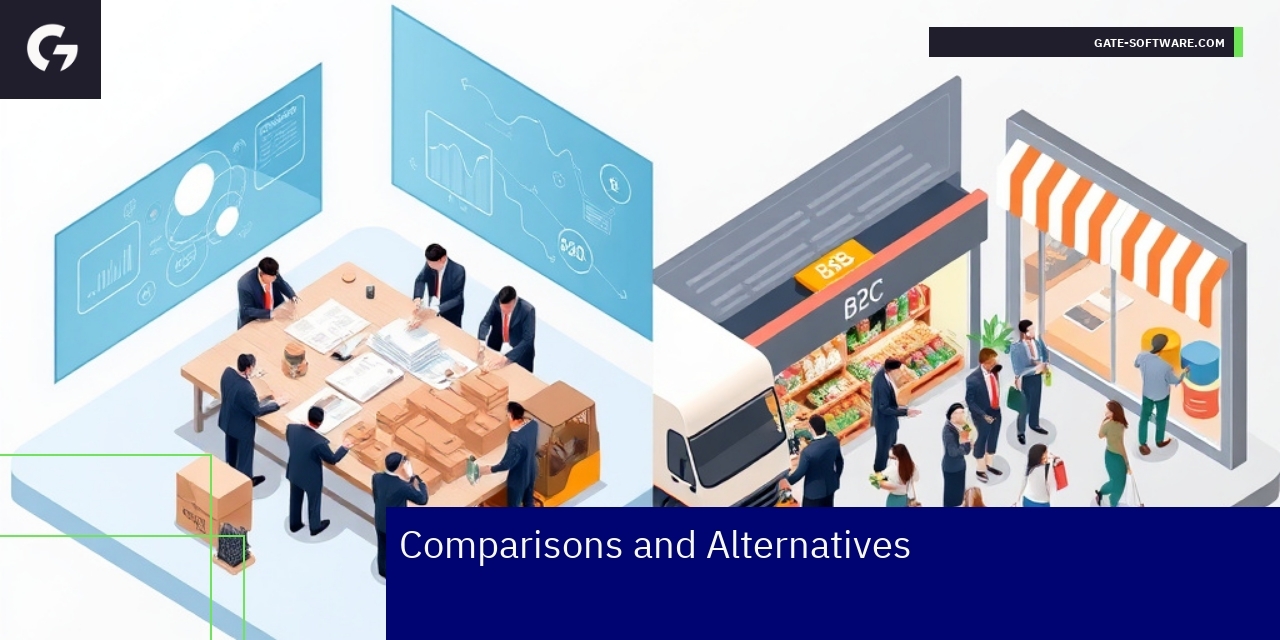
Comparisons and Alternatives
B2B vs B2C – Key Differences
The distinctions between B2B and B2C marketplaces are rooted in the complexity and nature of their transactions. B2B purchase processes are typically more complex and involve higher volumes than those in B2C. This complexity arises from the need for bulk ordering, customized contracts, and extended negotiations that reflect the wholesale nature of transactions. Pricing models in B2B platforms are tailored specifically for wholesale buyers, incorporating negotiated pricing agreements and volume discounts, which contrast with the fixed or promotional pricing common in retail-focused B2C markets. Customer service in B2B is more consultative and relationship-driven, often involving dedicated account management to address the intricacies of business needs. In contrast, B2C customer service prioritizes quick, efficient support to cater to a larger and more diverse consumer base.
Alternative B2B Platforms
When evaluating alternative B2B platforms, comparing global marketplaces such as Fashion’s Only End-to-End Wholesale Platform can be insightful. Each platform offers unique features, including integration capabilities, user experience tailored to business buyers (UX/UI), and compliance with standards like WCAG for accessibility. The pros of such platforms often include streamlined purchasing processes, comprehensive product catalogs, and advanced tools for managing large orders and complex workflows. However, cons may involve platform-specific limitations on customization, pricing transparency, or scalability. Selecting the optimal B2B platform requires a thorough assessment of your business’s requirements, including technical integration, user experience standards, and support for wholesale transactions, ensuring the chosen solution aligns with both current operations and long-term growth plans.

FAQ – Frequently Asked Questions
What are the costs of starting a B2B store?
Starting a B2B store involves various costs including platform selection, customization, integration, and ongoing maintenance. Choosing the right system b2b can significantly impact initial investment and scalability. Key expenses typically cover licensing fees for platformy b2b, development tailored to complex B2B workflows, and compliance with industry standards such as WCAG for accessibility. Additionally, budgeting for hosting, security, and user training ensures a solid foundation. Understanding these costs upfront helps in aligning budget expectations with business goals, ensuring ecommerce b2b setups deliver both short-term value and long-term growth.
What are best practices in ecommerce B2B?
Best practices in ecommerce b2b focus on customer-centric design, robust system architecture, and seamless integration with existing business processes. Leveraging platformy b2b that support personalized pricing, quick reordering, and efficient product catalog management enhances user experience. It’s essential to implement a system b2b that facilitates easy scalability and high availability while adhering to security protocols. Effective use of analytics and automation tools enables data-driven decisions, optimizing the sales funnel and customer relationship management. A focus on WCAG compliance and UX/UI audits further ensures accessibility and usability, vital for B2B clients with diverse needs.
What common challenges arise during platform implementation?
Implementing platformy b2b often encounters challenges such as data migration complexities, integration with legacy systems, and customization demands to meet specific business workflows. Ensuring ecommerce b2b platforms support seamless operating workflows without disrupting day-to-day activities is critical. Technical hurdles include maintaining performance and uptime, aligning business logic with platform capabilities, and addressing security concerns. Project management must emphasize clear communication between technical and business teams, alongside thorough testing and validation phases. Overcoming these challenges requires collaboration with experts familiar with B2B specifics and the chosen system b2b, ultimately leading to a successful launch.
—
Summary
Key takeaways highlight how the industry’s largest curated B2B network and similar platformy b2b drive wholesale success by combining advanced system b2b capabilities with tailored ecommerce b2b strategies. Success depends on selecting a system that aligns with complex B2B requirements and supports future growth. We encourage businesses to act decisively and consult experts when choosing the best system b2b and ecommerce b2b platforms to ensure efficient, scalable, and secure digital commerce operations.
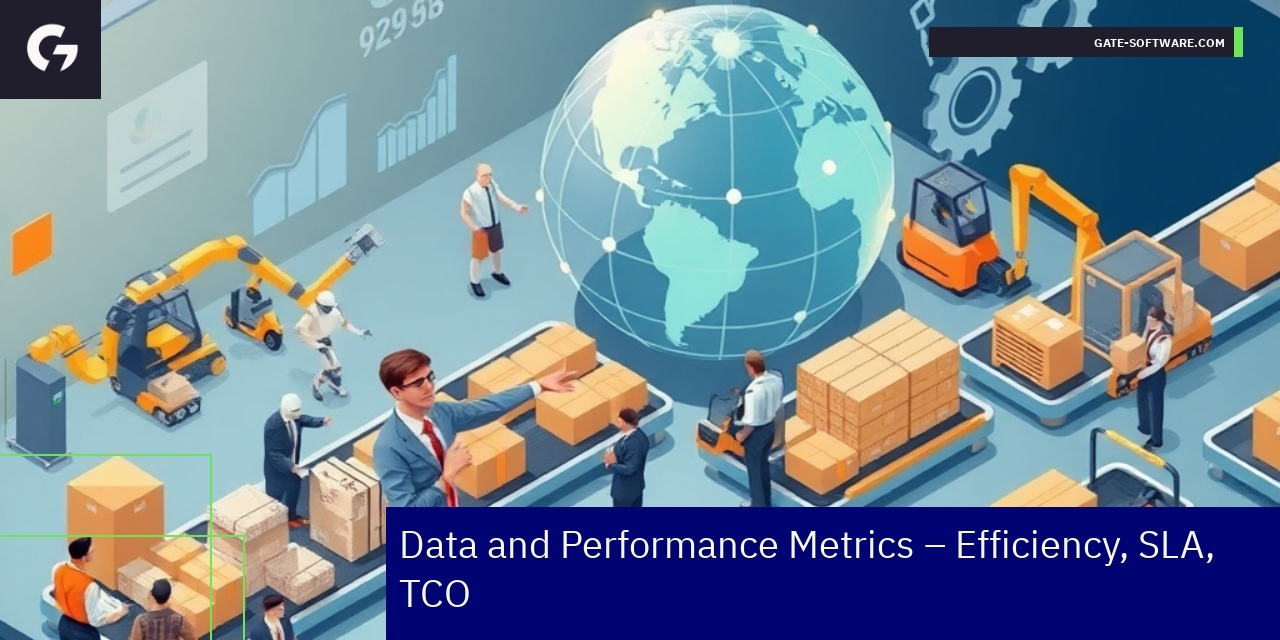
Data and Performance Metrics – Efficiency, SLA, TCO
Operational Effectiveness in B2B Projects
In the realm of B2B services, Gate-Software showcases impressive operational metrics that underscore our commitment to efficiency and client satisfaction. With an average project takeover time of just 2 weeks, clients can expect a swift transition and immediate engagement with our services.
Furthermore, we proudly maintain a high delivery success rate, with 95% of projects completed on time, reflecting our rigorous project management and dedication to meeting client deadlines. On average, our clients experience a 20% reduction in Total Cost of Ownership (TCO), thanks to our optimized solutions and strategic resource management.
Since our inception, Gate-Software has successfully implemented over 150 B2B platforms, each tailored to their unique business needs and market demands. Our uptime Service Level Agreement (SLA) stands at an impressive 99.9%, ensuring that clients enjoy reliable and uninterrupted service, which is crucial in maintaining operational excellence.
Additionally, Gate-Software fosters long-term partnerships, with an average client relationship duration of 5 years, demonstrating our commitment to continuous improvement and support throughout the lifecycle of our B2B solutions.
These metrics not only highlight our operational effectiveness but also instill confidence in potential clients looking for a reliable partner in their B2B endeavors.
Summary
In today’s dynamic B2B landscape, implementing a robust ecommerce platform is essential for driving operational efficiency and ensuring a competitive edge. At Gate-Software, we understand the complexities of B2B transactions and specialize in solutions that cater specifically to these needs, particularly through our expertise in Magento™. By facilitating seamless integration with existing systems, automating procurement processes, and prioritizing user experience, we empower organizations to manage their wholesale operations more effectively. Our commitment to tailored UX/UI designs and compliance standards enhances accessibility, leading to higher satisfaction among purchasing teams. As you navigate the intricacies of B2B commerce, consider partnering with Gate-Software to optimize your platform implementation and unlock the full potential of your business. We invite you to reach out for a consultation to explore how we can support your B2B objectives and drive sustainable growth in your digital operations.
Summary

FAQ
What are the costs of starting a B2B store?
Starting a B2B store involves various costs including platform selection, customization, integration, and ongoing maintenance. Key expenses typically cover licensing fees for platformy b2b, development tailored to complex B2B workflows, and compliance with industry standards such as WCAG for accessibility.
What are best practices in ecommerce B2B?
Best practices in ecommerce b2b focus on customer-centric design, robust system architecture, and seamless integration with existing business processes. This includes leveraging platformy b2b that support personalized pricing, quick reordering, and efficient product catalog management.
What common challenges arise during platform implementation?
Implementing platformy b2b often encounters challenges such as data migration complexities, integration with legacy systems, and customization demands to meet specific business workflows. Clear communication and thorough testing are critical to overcoming these hurdles.
How can integration with ERP systems enhance a B2B platform?
Seamless integration with ERP systems allows for real-time data synchronization, better inventory control, and improved order processing. This ensures efficient end-to-end process automation and contributes to enhanced visibility across the supply chain.
Why is compliance with WCAG standards important in B2B ecommerce?
Compliance with WCAG standards is vital as it ensures accessibility for all users, enhancing usability and allowing businesses to meet regulatory requirements. This focus helps create a more inclusive and user-friendly experience for diverse B2B clients.
.
.
Zamów bezpłatną konsultację
.
Z nami rozwój Twojego biznesu nabierze tempa! Zapraszamy do kontaktu średnie i duże firmy generujące min. 7 mln PLN obrotu rocznie – tam nasza ekspertyza sprawdza się najlepiej.
.
Kliknij w poniższy przycisk i skontaktuj się z jednym z naszych konsultantów e-commerce
.