Introduction
In today’s rapidly evolving world of electronic commerce, B2B (business-to-business) models are gaining increasing importance. The advancements in digitalization and rising customer expectations require companies to adapt their sales strategies to meet market demands. Creating a professional B2B store is not only an opportunity to expand reach and sales but also a crucial step towards building lasting relationships with business partners. This article will outline the essential aspects to consider when launching a B2B eCommerce store. We will discuss key strategies, tools, and challenges companies might face on this journey, providing the necessary knowledge to succeed in this specialized category.
TABLE OF CONTENTS
- B2B Store – How to Start a Professional B2B eCommerce Business
- What Is a B2B Store?
- Key Differences Between B2B and B2C
- Why Invest in B2B eCommerce?
- B2C vs B2B Stores
- B2B Store Essentials – Start in a Few Steps
- Cost of Starting a B2B Store
- Is B2B Store Implementation Right for Me?
- Thinking of Starting a B2B Store? Try Automico B2B!
- Discounts and Account Managers
- Price and Purchase Offer Negotiations
- Multiple Accounts Under One Client
- Product Configurator
- B2B Store Successes
- Successful Implementation Analysis
- B2B Platform Comparison
- B2B Store Startup Checklist
- Common B2B Store Mistakes
- How to Avoid These Mistakes
- Frequently Asked Questions About B2B Stores
- Alternatives to Traditional B2B Stores
- Benefits of a B2B Store
- Potential Risks in B2B eCommerce
- How to Minimize Risks
- Data and Performance Metrics – Efficiency, SLA, TCO
- Summary
- FAQ
What Is a B2B Store?
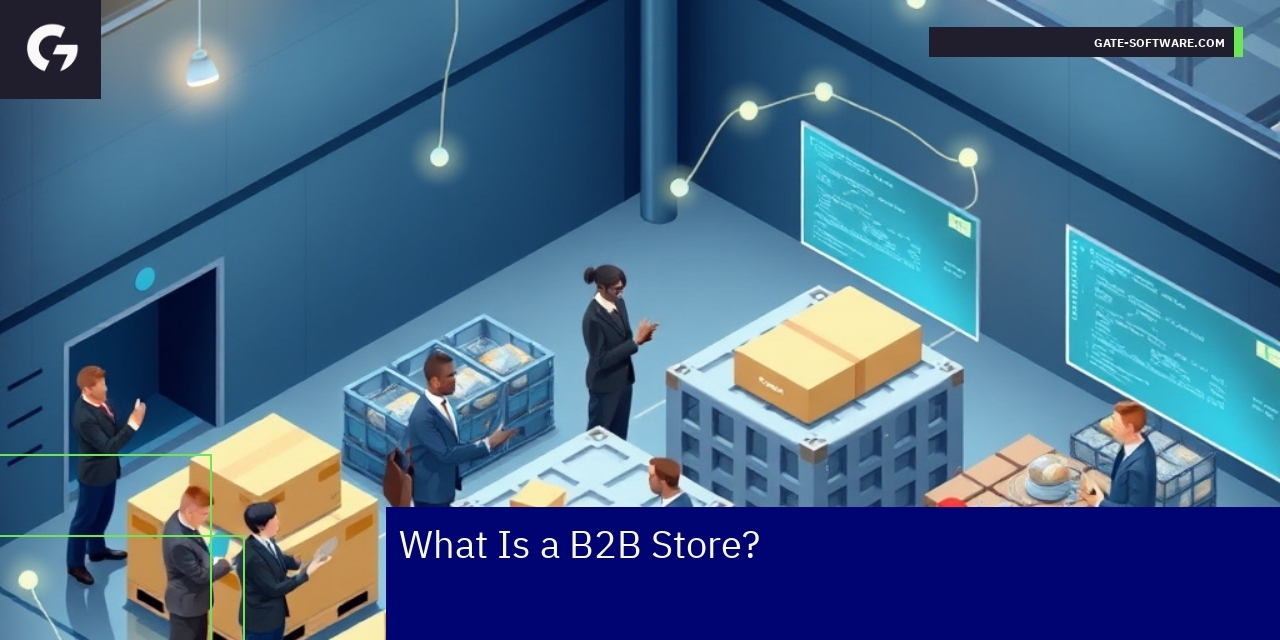
A B2B store (Business to Business) is an e-commerce platform specifically designed for transactions between businesses rather than direct sales to individual consumers. Unlike B2C stores that cater to individual buyers, a B2B store focuses on facilitating large volume orders, tailored pricing, and specific sales conditions that accommodate the requirements of various enterprises.
In a B2B environment, products could range from raw materials, components, industrial machinery, to specialized business services. The complexity of B2B transactions often demands integration with enterprise resource planning (ERP) systems, customized catalogs, and advanced user roles to manage different stakeholders within the purchasing company.
Key challenges in operating a B2B store include ensuring seamless user experience aligned with UX/UI best practices, supporting WCAG 1.1 accessibility standards, and implementing robust security measures to protect sensitive business data. Addressing these factors is critical to building trust with key decision-makers such as CTOs, eCommerce Managers, CIOs, and Heads of Applications who often supervise these platforms.
Leveraging Magento-based solutions, as discussed in Gate-Software’s strategic documentation, offers tailored features for B2B stores, including flexible pricing models, scalable infrastructure, and SLA-backed hosting and monitoring services that guarantee high availability. Additionally, social media strategies and content marketing plans are designed to communicate value propositions effectively to B2B audiences, reinforcing brand credibility and supporting long-term business relationships.
Overall, a B2B store serves as a strategic tool enabling companies to streamline their procurement processes while delivering a professional, efficient, and compliant shopping experience for their business clients. This approach not only meets technical and business challenges but also aligns with Gate-Software’s commitment to partnership and precision in digital transformation for the B2B sector.
Key Differences Between B2B and B2C
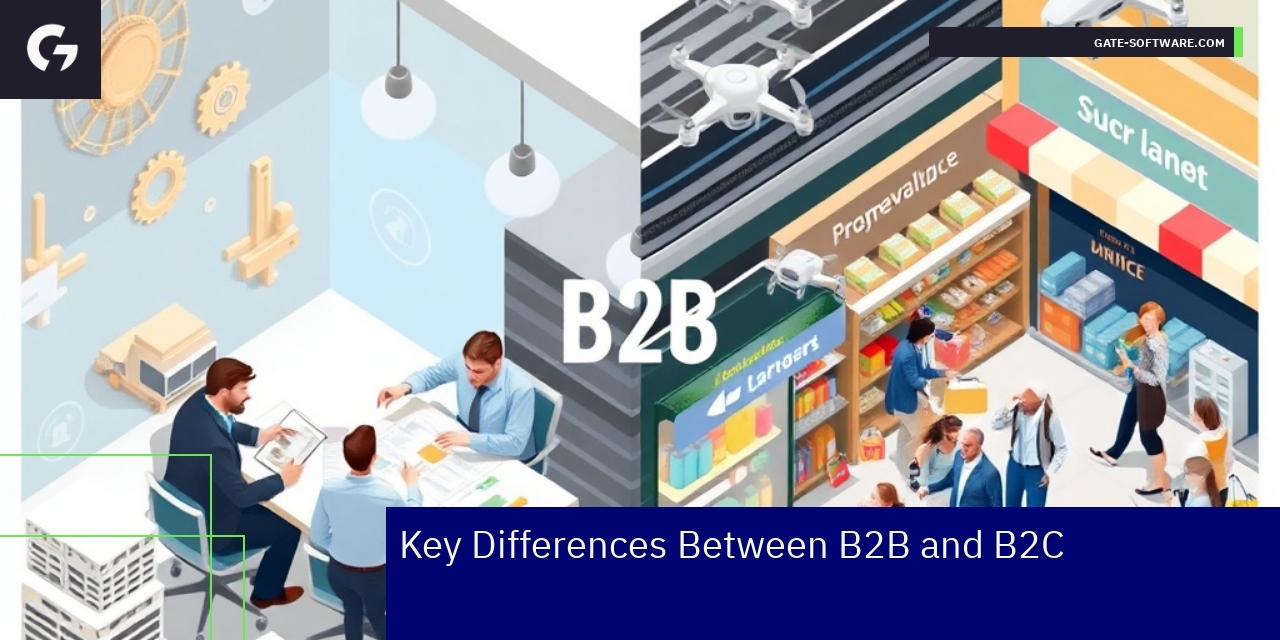
In the B2B sector, dealings are primarily with organizations and corporate clients, requiring a tailored approach that addresses complex business needs. The sales cycle here is typically elongated and intricate, involving multiple decision-makers such as the Architect, eCommerce Manager, and CTO/CTO. This contrasts with B2C, where transactions tend to be quicker and more impulsive, targeting individual consumers.
Marketing strategies in B2B emphasize building long-term partnerships through personalized communication and technical precision. This approach leverages detailed UX/UI audits and compliance with WCAG standards to meet the high expectations of business clients, ensuring platform accessibility and optimal user experience. In contrast, B2C marketing often prioritizes emotional engagement and brand loyalty through broad, mass-market campaigns.
Pricing models in B2B usually include negotiated terms, reflecting volume discounts and customizable service level agreements (SLA). Payment processes are structured and often extend beyond simple transactions to include ongoing support and service agreements. Meanwhile, B2C pricing is typically fixed with straightforward payment systems.
Another crucial difference lies in product complexity. B2B solutions often involve sophisticated systems such as Magento™ platforms and demand deeper technical understanding among clients. Thus, content strategy and communication must both convey technical benefits and align with brand voice to support CTOs and Heads of Applications in their decision processes.
In summary, B2B marketing and sales require a strategic, technically informed approach focusing on long-term value, partnership, and detailed service delivery, unlike the more immediate, emotional nature of B2C. Effective use of Gate-Software’s comprehensive knowledge base and expertise in e-commerce ecosystems is essential to navigate these complexities successfully.
Why Invest in B2B eCommerce?
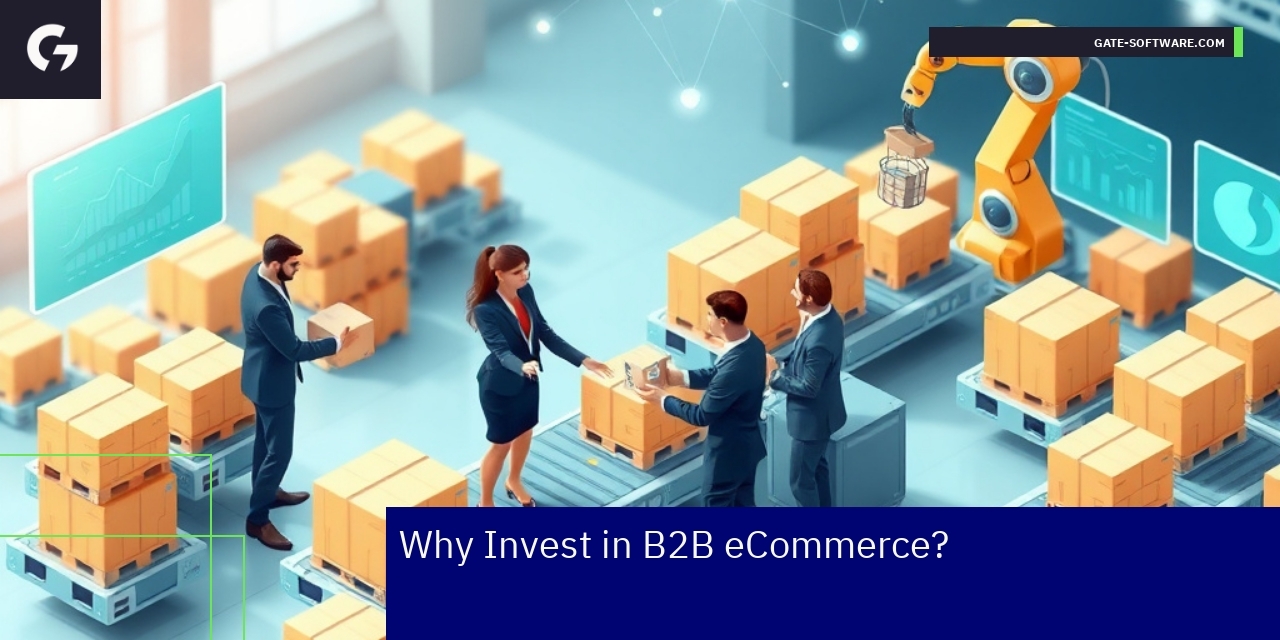
Investing in B2B eCommerce is a strategic imperative for companies aiming to enhance operational efficiency and expand market reach. Modern system b2b solutions enable seamless transaction management, tailored to the specific needs of business clients, facilitating complex purchasing processes with speed and precision. Leveraging platforms b2b means automating workflows and improving data accuracy, which directly impacts business agility and customer satisfaction.
One of the key technical advantages lies in integrating an online store with wholesalers, enabling real-time synchronization of inventories and pricing. This integration not only streamlines order fulfillment but also reduces errors and delays, providing wholesale clients with reliable access to products at their preferred terms. This capability is critical for organizations scaling operations across multiple channels and partners.
Furthermore, effective ecommerce b2b platforms support the creation of separate offers for retail and wholesale clients, allowing businesses to customize pricing, product catalogs, and promotions based on distinct client segments. This separation enhances customer experience by addressing the unique demands of each group while maintaining clear internal management systems. For decision-makers like CTOs and eCommerce Managers, investing in these technologies means empowering the business with scalable, secure, and adaptable tools that secure long-term competitive advantage in a digital-first marketplace.
B2C vs B2B Stores
Understanding the growth of B2B marketplaces means grasping how the system b2b and ecommerce b2b differ. Platforms b2b and b2b platform solutions shape how manufacturers handle both retail and wholesale sales effectively. What is a B2B store and how does it differ from a D2C Shopify online store? This is crucial in tailoring your sales strategy.
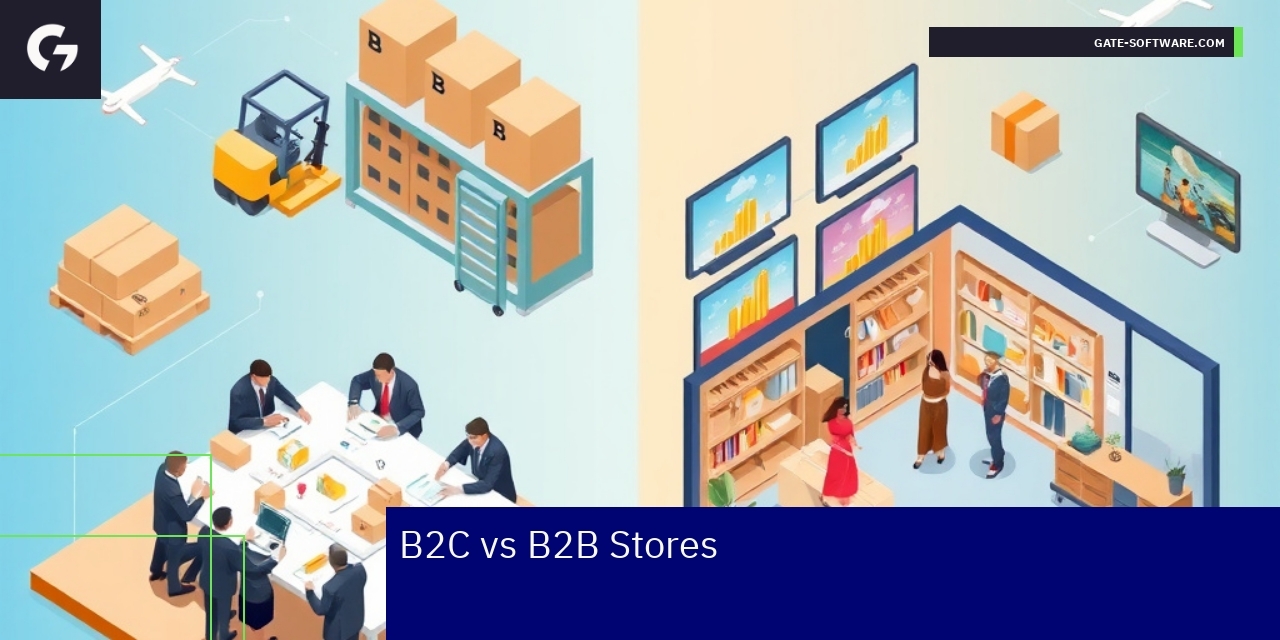
B2B stores operate with a fundamentally different approach than B2C stores, targeting businesses rather than individual consumers. The system b2b entails complex workflows where buying decisions are often made collectively by multiple stakeholders, requiring in-depth product information, volume pricing, and tailored solutions. Ecommerce b2b platforms are designed to accommodate these nuances, providing functionality for bulk orders, negotiated pricing, and user roles with varied permissions.
In contrast, B2C stores focus on the individual consumer experience, emphasizing streamlined purchasing processes and emotional engagement. The ecommerce b2b environment supports manufacturers by facilitating both retail and wholesale sales channels through specialized b2b platform solutions, unlike D2C Shopify online stores which predominantly serve direct-to-consumer models with less complexity.
Adopting a platform b2b approach enables companies to efficiently manage large inventories, integrate with enterprise systems, and provide personalized experiences to business customers. This distinction is critical when designing sales strategies, as B2B purchasing behavior is more data-driven, with priorities around cost-effectiveness, compliance, and long-term partnerships. Understanding these differences and leveraging appropriate platforms is key to succeeding in competitive B2B marketplaces while maintaining a cohesive omnichannel presence.
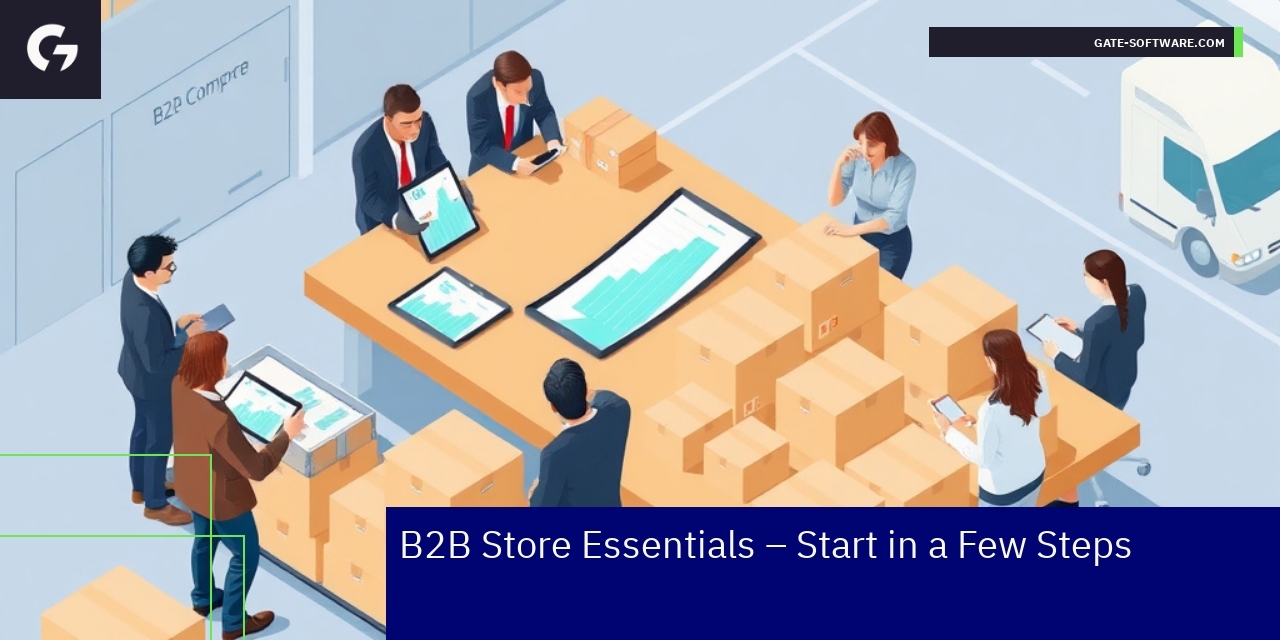
B2B Store Essentials – Start in a Few Steps
Starting a successful B2B online store requires a clear focus on the unique needs of wholesale customers and business clients. The foundation lies in finding your niche in the B2B Ecommerce world by launching a professional online wholesale platform tailored to your industry. A system b2b or ecommerce b2b platform is essential for managing stock levels online, providing seamless inventory control, and streamlining order processing to meet the expectations of business buyers.
Choosing the right platform influences operational efficiency and customer satisfaction, ensuring your store can handle complex B2B transactions such as bulk orders, tiered pricing, and custom payment terms. How to start a B2B eCommerce business in 7 easy steps offers a roadmap for securing early success by addressing these critical aspects—starting from market research and platform selection to launch strategy and ongoing optimization.
By focusing on these essential steps, you ensure your B2B eCommerce store is equipped with tools to handle demanding workflows typical of B2B interactions, enabling growth and scalability while maintaining high service quality. The right ecommerce b2b platform integrates inventory management with customer relationship tools, allowing better insights and quicker responses to client needs. This strategic approach ensures your wholesale platform does not merely function as a transaction tool but becomes a key player in your business development strategy.
B2B Store Essentials – Start in a Few Steps
Cost of Starting a B2B Store
When considering costs, you need to assess how your system b2b platform supports dedicated options and whether you will use a single panel or separate ones for retail and wholesale. How to build a B2B marketplace comes with financial considerations, including integration and platform fees. What is a B2B store and how does it differ from a D2C Shopify online store? Understanding these will aid in budgeting.
Launching a B2B store involves multiple cost components tailored to the unique needs of business clients. Unlike D2C Shopify online stores, B2B platforms often require specialized functionalities such as customer-specific pricing, complex order management, and dedicated account management panels. Deciding between a unified panel for retail and wholesale or separate systems impacts both initial investment and ongoing maintenance costs. Integration expenses are another significant factor, including connections with ERP systems, payment gateways, and logistics providers to streamline workflows and enable scalable operations.
In addition to platform fees, attention should be given to compliance with standards like WCAG for accessibility and robust UX/UI designs that meet business user expectations. The choice of hosting and SLA agreements also influences the total cost, balancing performance and reliability with budget constraints. Careful budgeting that includes these technological and operational aspects ensures a smoother launch and sustainable growth of the B2B store. Knowing what is a B2B store and its distinctions from D2C systems helps in selecting the right tools and partners to align with strategic business goals.
Is B2B Store Implementation Right for Me?
Before you decide, evaluate if your business can benefit from a system b2b or ecommerce b2b platform. Consider the complexity and scale of your operations, as well as your customers’ purchasing processes. A B2B eCommerce platform brings significant efficiencies when dealing with bulk orders, custom pricing, approval workflows, and multiple user roles, which are common in B2B settings. Assess whether your sales process could be improved with automation and seamless integration into your existing ERP or CRM systems.
How to start a B2B eCommerce business in 7 easy steps might clarify the process. It involves understanding your target market, defining product catalogs suited for your buyers, tailoring the user experience for professional buyers, setting up payment and shipping terms that match B2B expectations, and ensuring compliance with business regulations. Furthermore, strong UX/UI aligned with WCAG standards helps create an accessible platform for all users, a factor critical to sustaining long-term client relationships.
If you’re wondering how to buy or considering building a B2B marketplace, try solutions like Automico B2B to test the waters. Automico B2B offers a flexible, scalable approach to enter the B2B eCommerce space with minimal risk, allowing you to validate your business assumptions and customer demand before committing to full-scale development. This approach aligns well with Gate-Software’s focus on agile, efficient implementation and ongoing support, ensuring your platform grows alongside your business needs and technological advancements.
Thinking of Starting a B2B Store? Try Automico B2B!
Automico B2B offers robust system b2b and ecommerce b2b platforms with tailored wholesale and retail offers. The growing significance of B2B marketplaces demands solutions that streamline complex trading processes, enabling businesses to buy and sell efficiently. Automico B2B integrates advanced functionalities suited to the specific needs of business clients, supporting scalable operations and multi-channel sales.
Understanding the growth of the B2B marketplace highlights the importance of adopting platforms that facilitate seamless transactions while addressing requirements unique to B2B commerce, such as custom pricing, bulk ordering, and complex product catalogs. Automico B2B platforms cater to these needs by incorporating features aligned with modern user experience principles and WCAG standards, ensuring accessibility and usability.
Why choose Shopify for your B2B store? Shopify provides a flexible and scalable base for building a B2B eCommerce environment. Integrated with Automico B2B, it enables effortless management of client-specific pricing, streamlined ordering processes, and optimized backend workflows. This combination leverages Gate-Software’s expertise in Magento and eCommerce systems, ensuring that the platform is future-proof, secure, and cost-effective.
Automico B2B integration can be your answer to creating a responsive, accessible, and efficient B2B store that meets the demands of wholesale and retail buyers. By leveraging tailored system b2b capabilities within a Shopify environment, your business gains a competitive edge through improved operational efficiency and enhanced customer experience. Investing in such a platform supports digital transformation efforts and aligns with strategic objectives for growth in the B2B sector.

Discounts and Account Managers
Managing discounts and client relationships benefits greatly from an advanced system b2b or ecommerce b2b platform. Such platforms enable precise configuration of pricing based on individual customer profiles and business agreements. Features like individual product feeds allow companies to offer tailored product selections and pricing specifically suited to each B2B client, optimizing sales strategies and client satisfaction. Custom order attributes further enhance this personalization, enabling the creation of flexible discount rules and special conditions that reflect complex contractual terms.
An effective ecommerce b2b platform supports account managers in nurturing long-term relationships by providing tools to monitor client activity, order history, and payment behaviors. This data-driven approach allows account managers to proactively address client needs and optimize discount strategies in real time, strengthening trust and cooperation. Gate-Software’s solutions emphasize seamless integration of these features within Magento-based ecosystems, ensuring scalability and compliance with WCAG standards for accessible user experience.
By leveraging advanced B2B system functionalities such as individualized pricing and granular order management, companies can address the core challenges of managing complex client portfolios. These tools enable precise control over discounts and client communication, which is critical in B2B where each client relationship often demands a unique approach. Ultimately, this drives higher retention rates, more effective upselling, and a more efficient sales process aligned with the company’s strategic and marketing plans.

Price and Purchase Offer Negotiations
Effective negotiation capabilities are essential for platforms b2b to enable manufacturers and wholesalers to adapt their offers flexibly. In B2B commerce, the complexity of pricing structures requires that the system b2b platform accommodates various negotiation scenarios to meet the diverse needs of retail and wholesale clients. Different approaches apply when selling through traditional physical stores versus online marketplaces; thus, your platform should support these distinctions seamlessly.
Dynamic price and purchase offer negotiations allow businesses to respond to market fluctuations, volume discounts, and long-term partnership terms strategically. Integrating negotiation features into your platform b2b enhances the ability to tailor solutions to individual client requirements, fostering stronger business relationships. This flexibility is a critical factor in building trust and ensuring repeat sales in the B2B environment.
Moreover, negotiation workflows incorporated into your system b2b platform must maintain compliance with company policies and industry standards. Automation combined with manual controls provides sales teams with the tools to execute offers efficiently while ensuring transparency and auditability. By doing so, the platform supports both strategic pricing and operational efficiency.
Supporting a range of negotiation tactics also means accommodating multi-tiered pricing models, including conditional discounts, special promotions, and contract-based pricing. This adaptability is vital in meeting the unique purchasing processes and approval hierarchies of B2B customers. Ultimately, a robust price and purchase offer negotiation capability strengthens the overall value proposition of your platform b2b, aligning with business goals and customer expectations.
Multiple Accounts Under One Client
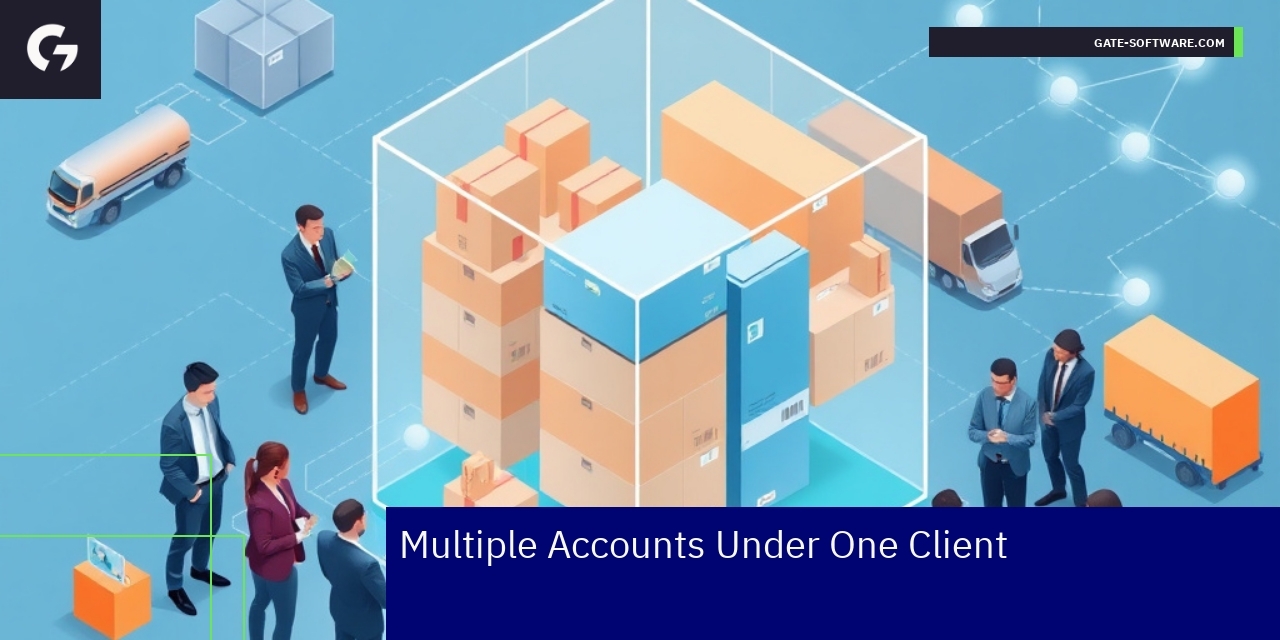
In a B2B environment, managing multiple accounts under one client is essential for accommodating complex organizational structures and varied purchasing needs. A system b2b or ecommerce b2b platform that supports multiple accounts per client empowers businesses to create differentiated access levels, customized permissions, and tailored purchasing workflows. This functionality ensures that different departments, branches, or project teams within the same company can operate autonomously, while still consolidating orders and financial data under a single client entity.
Integrating live stock tracking within this multi-account framework further enhances operational transparency, providing real-time inventory visibility across all accounts. This capability allows decision-makers and eCommerce managers to optimize procurement cycles, prevent stockouts, and streamline supply chain coordination. The product configurator complements these features by enabling personalized product selections that meet specific requirements of each account, improving user experience and reducing order errors.
Supporting multiple accounts under one client also facilitates better control of pricing strategies, credit limits, and account-specific contract terms. From a technical perspective, such platforms demand robust data architecture and secure authentication mechanisms to safeguard sensitive information across accounts. By addressing these challenges, businesses can foster stronger partnerships with clients, deliver seamless user experiences, and achieve higher operational efficiency in B2B transactions, aligning with strategic goals and Gate-Software’s expertise in crafting tailored B2B eCommerce solutions.

Product Configurator
Offering a product configurator within your B2B platform is essential for enabling clients to tailor products to their unique specifications, thereby simplifying the purchasing process and enhancing customer satisfaction. In B2B environments, where complex products and services are common, a product configurator serves as a critical tool to streamline decision-making and reduce errors in orders. This functionality supports how to build a B2B marketplace or a successful store on Shopify by making dedicated options accessible, which allows buyers to customize their purchases easily and efficiently.
Integrating a product configurator aligns with best practices for UX/UI design and accessibility standards like WCAG 1.1, ensuring that all users can interact with the platform smoothly. From the perspective of key decision-makers such as Architects, CIO/CTOs, and eCommerce Managers, this feature not only improves operational efficiency but also accelerates the sales cycle by minimizing the back-and-forth consultations typically required for custom orders.
Moreover, leveraging a product configurator within a Magento-based platform reinforces scalable, modular development, which supports future enhancements and integrations aligned with brand voice and corporate values. It plays a pivotal role in digital transformation strategies by enabling personalized customer experiences without compromising platform stability or performance.
Therefore, the product configurator is a strategic component of Gate-Software’s B2B solutions, designed to elevate client engagement, support tailored marketing strategies, and drive measurable business outcomes in complex e-commerce ecosystems.
B2B Store Successes
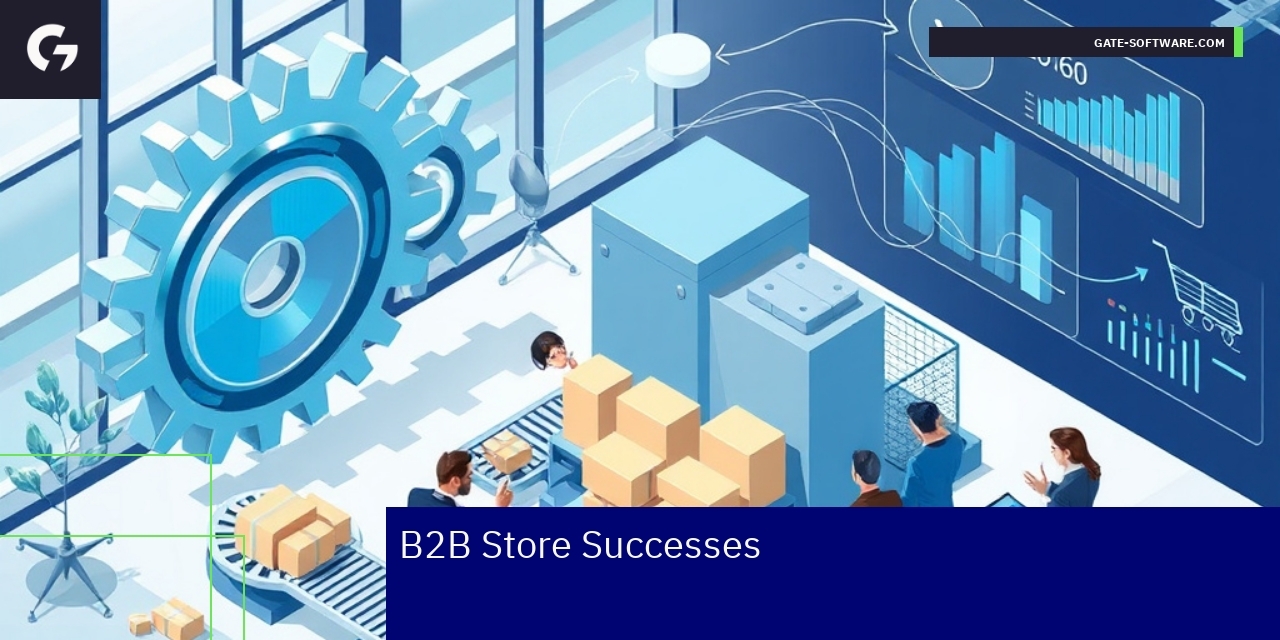
Real-world implementations of ecommerce b2b platforms reveal best practices and measurable results. Reviewing these examples highlights when building a B2B marketplace is justified.
Success in B2B stores hinges on addressing unique business challenges such as complex buyer journeys, multi-level approvals, and integration with legacy systems. Effective platforms leverage Magento’s flexibility to customize workflows that match corporate procurement processes, improving operational efficiency and satisfaction.
Gate-Software’s expertise in Magento™ ensures robust, scalable B2B architectures that support high transaction volumes and seamless product data management. Rigorous UX/UI audits focused on WCAG standards improve accessibility, making platforms inclusive and compliant, which is crucial for diverse B2B customers.
Cost optimization and SLA-led hosting solutions minimize downtime and resource wastage, boosting platform reliability. Strategic migrations to Magento empower clients to future-proof their ecommerce environments while maintaining critical business continuity.
Integrating personas like the Architect and Head of Applications during development fosters tailored features, from advanced search filters to role-based dashboards, supporting decision-makers like eCommerce Managers focused on measurable business outcomes.
The focus on social media and content strategies aligned with Gate-Software’s Brand Voice enhances the platform’s market presence, enabling precise targeting and stronger customer relations within B2B ecosystems.
Ultimately, these practical implementations confirm that building a B2B marketplace is justified when platforms meet specific functional requirements and deliver measurable KPIs, from increased conversion rates to streamlined client interactions, all supported by Gate-Software’s comprehensive service model.
Successful Implementation Analysis
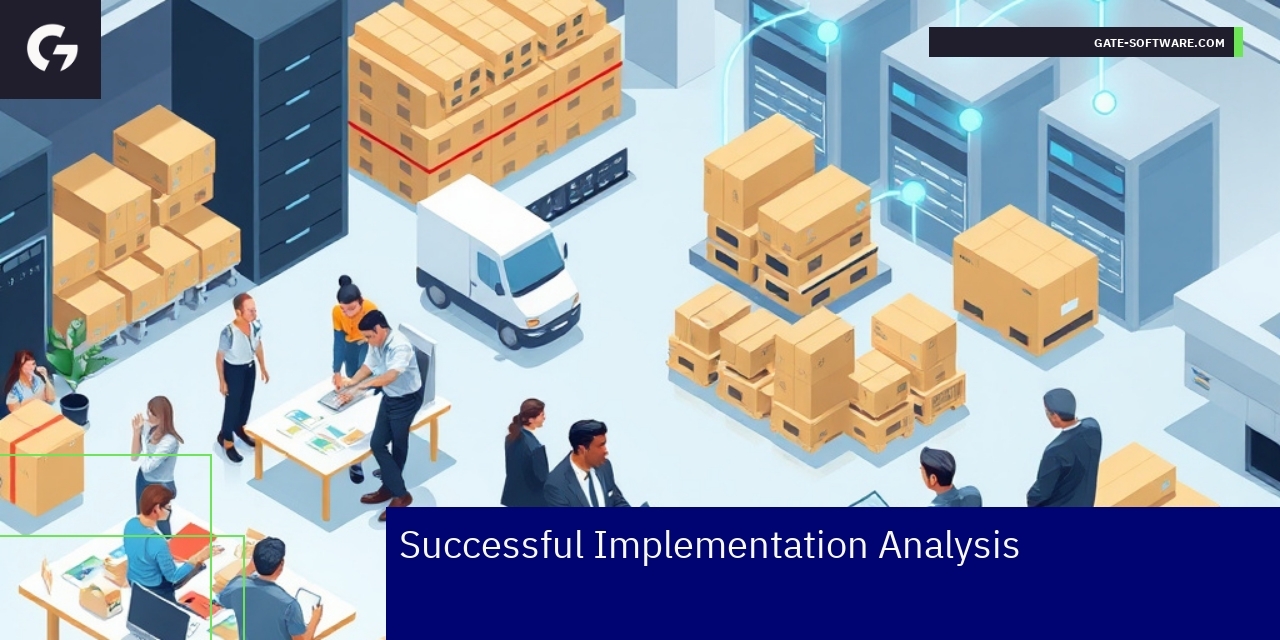
Successful implementation of B2B systems requires a meticulous approach that addresses both technical complexities and business objectives. Effective system b2b integration is critical for businesses aiming to establish and maintain thriving online wholesale operations. This process begins with a thorough analysis of existing infrastructure, followed by the selection of scalable technologies that support seamless data exchange between trading partners.
Step-by-step guides demonstrate that integration success hinges on aligning IT architecture with business workflows. Key decisions include choosing appropriate integration patterns—such as API-driven data transfer or EDI-based communication—ensuring compatibility with various enterprise resource planning (ERP) systems and customer relationship management (CRM) platforms. Incorporating robust security measures and compliance protocols safeguards sensitive B2B transactions, fostering trust among partners.
Case studies reveal that organizations which prioritize user experience (UX/UI) during system deployment experience faster adoption rates and improved operational efficiency. Leveraging Magento™ platforms supported by Gate-Software’s hosting and monitoring services offers a resilient environment tailored to B2B needs. Moreover, adherence to WCAG standards ensures accessibility for diverse users, enhancing the platform’s inclusivity and compliance.
Cost optimization emerges as a central theme, highlighting the importance of balancing upfront investment against long-term maintenance and scalability. Modular project takeovers and cooperation models recommended by Gate-Software mitigate risks while facilitating agile development. SLA agreements and continuous performance monitoring provide guarantees for uptime and responsiveness, crucial factors in business continuity.
Comparisons and checklists included in planning documentation assist decision-makers in evaluating potential vendors and technologies against strategic KPIs. These tools empower CTOs, Heads of Applications, and eCommerce Managers to make informed decisions that align with overall business goals and digital transformation initiatives. Incorporating these elements leads to the successful realization of digital B2B marketplaces and interactive wholesale experiences.
In conclusion, substantiated by practical insights and comprehensive strategy frameworks, successful implementation in B2B environments is characterized by integrated system design, optimized workflows, cost-effective resource allocation, and continuous enhancement of user engagement. Gate-Software’s expertise and proprietary solutions underpin these outcomes, enabling businesses to thrive in competitive online wholesale landscapes while fulfilling the demands of modern eCommerce.
B2B Platform Comparison
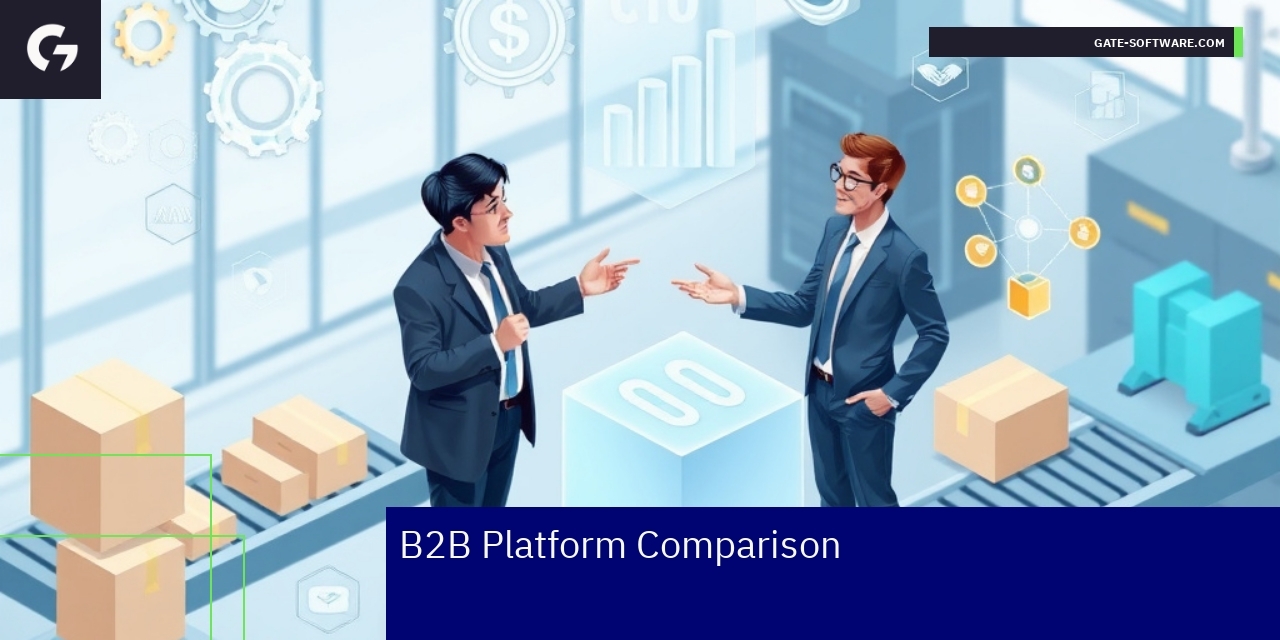
When evaluating platforms for B2B and ecommerce b2b solutions, decision-makers must consider features, costs, and scalability to ensure alignment with their specific business needs. Effective B2B platforms need robust architecture to support complex transactions, customer hierarchies, and integration with existing enterprise systems. Security and compliance with standards such as WCAG also play a critical role in maintaining accessibility and trust among business clients.
Cost considerations go beyond initial implementation; they encompass maintenance, SLA adherence, and potential migration expenses. Gate-Software solutions emphasize cost optimization through tailored hosting and monitoring services that ensure platform reliability and scalability. This approach reduces total cost of ownership while supporting business growth.
Scalability is a core requirement in B2B platforms to handle increased transaction volumes and expanding client bases. The platform must allow agile adaptation to evolving market demands and internal strategies. Gate-Software leverages Magento™ technology, offering flexible modular solutions designed for seamless scalability and integration.
Incorporating a clear content strategy and UX/UI guided by Gate-Software’s WCAG standards enhances user experience for B2B personas such as CTO, eCommerce Manager, and Head of Applications. A well-executed platform supports these roles in driving change management and operational efficiency.
In summary, comparing popular platforms b2b and ecommerce b2b solutions requires focusing on real operational challenges: feature richness, cost-effectiveness, and scalability. Leveraging Gate-Software’s strategic approach aligns business goals with technology, ensuring a sustainable platform fit for future growth.
B2B Store Startup Checklist
Use this step-by-step guide to creating a successful B2B store on Shopify (7 easy steps) as a checklist to track your progress and ensure no critical step is missed.
Building a B2B store requires a clear strategy that aligns with the specific needs of your business clients. Begin by defining your target personas such as Architect, eCommerce Manager, CTO, or Head of Applications, which helps tailor your product catalog and pricing structures to their expectations. Emphasize technical and business challenges unique to B2B environments, including integration with existing ERP systems, compliance with WCAG standards, and providing seamless UX/UI experiences that boost client retention. Early implementation of monitoring and SLA agreements ensures your platform’s stability and scalability.
Effective content strategy and communication planning are essential. Incorporate content that addresses key decision-makers’ pain points, using SEO phrases like _B2B_ naturally within product descriptions, landing pages, and marketing materials. Ensure your e-commerce platform supports flexible pricing models and accounts management, fundamental for B2B transactions, alongside robust hosting and security solutions tailored to enterprise needs.
Avoid common mistakes such as neglecting compliance with accessibility standards or lacking a clear migration path from legacy systems. Evaluate your social media and content strategy regularly, aligning with company values and brand voice to reinforce market position.
Mistakes to Avoid
Skipping detailed persona analysis can cause mismatched product offerings and pricing models. Underestimating the importance of seamless integration with back-office systems can lead to operational inefficiencies. Avoid neglecting WCAG 1.1 compliance as it hampers accessibility and could result in legal issues. Failing to establish clear SLA terms and monitoring protocols compromises service quality and client trust. Lastly, disregard for content strategy’s role in addressing B2B pain points can reduce your store’s visibility and attractiveness to key decision-makers.
Potential Risks in B2B eCommerce
Common B2B Store Mistakes
New B2B stores often encounter significant pitfalls that can obstruct their growth and operational efficiency. One of the most critical mistakes is the poor choice of platform. Selecting a platform without considering its scalability, flexibility, and support for b2b integration can lead to future technical debt and costly migrations. It is essential for enterprises to prioritize platforms that offer robust system b2b integration to seamlessly connect with existing enterprise resource planning (ERP) and customer relationship management (CRM) systems.
Another common error is neglecting wholesale-specific requirements. Unlike B2C, B2B commerce demands complex pricing structures, volume discounts, and customized workflows aligned with buyer personas such as the Architect, eCommerce Manager, and Head of Applications. Ignoring these needs results in a store that fails to provide a streamlined customer experience or meet the standards of professional buyers.
Additionally, insufficient attention to UX/UI tailored to B2B users can undermine adoption and satisfaction. B2B buyers expect efficient navigation, easy reordering, and access to detailed product information, often under WCAG guidelines for accessibility. Omitting these aspects causes friction in the buyer journey and limits conversion rates.
Lastly, operational oversights like inadequate SLA agreements, hosting instability, and lack of continuous monitoring compromise store reliability. Gate-Software’s approach emphasizes ongoing SLA management and infrastructure optimization to maintain system availability and performance.
Avoiding these common mistakes requires a strategic focus on b2b integration, specialized UX/UI, and operational excellence to support a scalable and efficient B2B store.
How to Avoid These Mistakes
In the B2B eCommerce landscape, avoiding common pitfalls requires a strategic and technical approach tailored to the unique complexities of business clients. Implementing key recommendations from how to start a B2B eCommerce business in 7 easy steps can help you steer clear of costly errors and elevate your platform’s performance.
One frequent mistake is neglecting the specific needs of B2B buyers, who often require custom pricing, complex ordering processes, and integration with their procurement systems. Ensuring your Magento-based platform supports personalized pricing models and automated workflows is crucial. Gate-Software’s expertise in Magento™ deployment enables seamless integration with ERP and CRM systems, reducing manual entry errors and accelerating order processing times.
Another challenge is underestimating the importance of UX/UI that caters to professional buyers. Unlike B2C, B2B platforms must deliver an efficient and intuitive user experience that minimizes friction in repetitive ordering tasks and account management. Adhering to WCAG 1.1 standards not only ensures accessibility but also optimizes usability for all users, including those with disabilities. Our UX/UI audits highlight bottlenecks in user journeys, guiding focused improvements that elevate conversion rates and customer satisfaction.
Many businesses also falter in neglecting ongoing monitoring and SLA management. Downtimes or slow platform responses can severely impact business relationships and revenue streams. Gate-Software’s SLA and hosting solutions include advanced monitoring tools that preemptively identify performance degradation, ensuring high availability and reliability aligned with your business-critical needs.
Cost optimization is another area where B2B eCommerce platforms often make mistakes. Without precise control over hosting resources and Magento license management, operational expenses can balloon. Strategic migration and continuous optimization efforts tailored to your platform’s architecture help balance performance and cost-effectiveness, preserving budget for innovation rather than firefighting problems.
Moreover, misalignment between marketing strategies and platform capabilities risks losing prospects. Effective communication strategies must reflect the capabilities of your B2B platform, employing content calibrated for key personas such as the Architect, CDO, and Head of Applications. Social Media 1.0 and Content Strategy 5.0 from Gate-Software provide frameworks to deliver consistent, impactful messaging that resonates with decision-makers and nurtures loyalty.
Finally, overlooking the importance of brand voice and leadership profiles can weaken your market positioning. Aligning your messaging with the company’s values and showcasing leadership through the CEO profile enhances trust and credibility. This holistic approach integrates well with marketing plans, ensuring your platform does not just transact but builds enduring partnerships.
Implementing these insights allows you to avoid common pitfalls that jeopardize B2B eCommerce success. Leveraging Gate-Software’s combined knowledge of technology standards, UX/UI excellence, strict SLA adherence, and strategic marketing guidance ensures your platform delivers robust performance and sustainable growth. Remember, following proven steps in B2B eCommerce implementation is essential to avoid costly mistakes and capture new market opportunities effectively.
Frequently Asked Questions About B2B Stores
In the B2B ecommerce landscape, businesses face unique operational challenges that require robust platform choices and strategic approaches. A common concern is choosing the right ecommerce b2b platform that aligns with complex procurement processes and supports scalability. Companies must ensure their platform integrates seamlessly with existing ERP and CRM systems to enhance efficiency and data consistency.
Security and compliance stand out as critical factors; platforms must adhere to industry standards and provide secure transaction processes to protect sensitive corporate data. Additionally, addressing user experience with intuitive interfaces tailored for diverse user personas, such as procurement managers and corporate buyers, is essential for adoption and satisfaction.
Operational challenges include managing large product catalogs with dynamic pricing and personalized offers, which demand advanced platform capabilities. Handling high transaction volumes while maintaining performance and uptime requires reliable hosting and monitoring solutions.
Alternatives and benefits of various B2B ecommerce platforms revolve around flexibility, customization, and total cost of ownership. Gate-Software offers specialized migration services, UX/UI audits, and WCAG compliance to optimize platform performance and accessibility, ensuring sustainable growth for B2B enterprises.
In summary, selecting the right ecommerce b2b infrastructure involves balancing feature richness, integration needs, security standards, and user-centric design to effectively address the complex demands of B2B commerce.
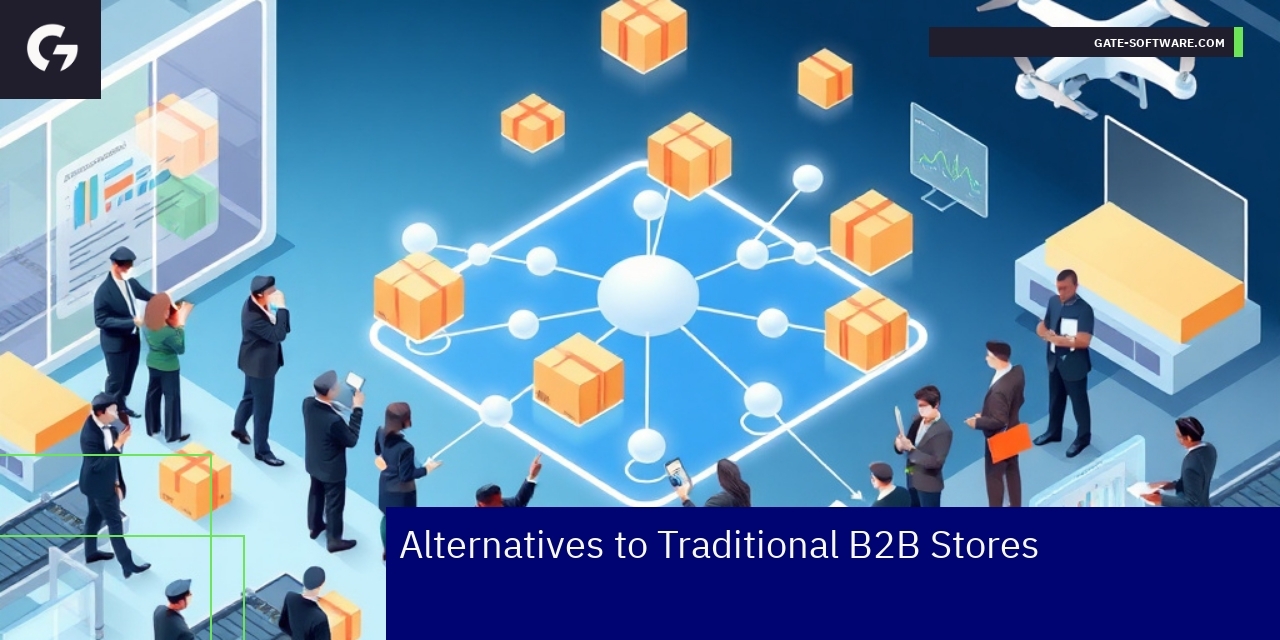
Alternatives to Traditional B2B Stores
In the evolving landscape of B2B commerce, traditional store models are increasingly complemented by diverse alternatives such as marketplaces and hybrid platforms. These models address the distinct needs of B2B buyers and sellers, offering enhanced flexibility, scalability, and integration opportunities compared to conventional B2B stores.
Marketplaces serve as centralized platforms where multiple sellers showcase their products or services, enabling buyers to access a broader selection and compare offerings efficiently. This model supports complex pricing structures and personalized buying processes essential in B2B transactions. Moreover, marketplaces facilitate streamlined order management and improve supply chain transparency, critical for B2B operations.
Hybrid platforms combine the strengths of both marketplaces and traditional e-commerce systems, allowing businesses to maintain their branded storefronts while leveraging marketplace functionalities. This approach is particularly advantageous for companies seeking to balance direct client relationships with expanded sales channels. Hybrid models integrate seamlessly with existing ERP and PIM systems, ensuring data consistency and operational efficiency.
Exploring different system b2b and ecommerce b2b models including marketplaces and hybrid platforms enables organizations to optimize their digital sales strategies according to unique business requirements. Integrating advanced UX/UI design and ensuring compliance with standards like WCAG enhances usability and accessibility, strengthening customer engagement and satisfaction.
Implementing robust hosting, monitoring, and SLA agreements guarantees platform reliability and performance, vital for sustaining competitive advantage in B2B markets. Strategic content and social media plans aligned with brand voice contribute to building trust and establishing thought leadership among key personas such as CTOs, eCommerce Managers, and Heads of Applications.
By embracing these innovative alternatives to traditional B2B stores, companies can drive growth, improve operational workflows, and better meet the evolving demands of their B2B customers, all while leveraging Gate-Software’s expertise in Magento™ and comprehensive digital commerce solutions.
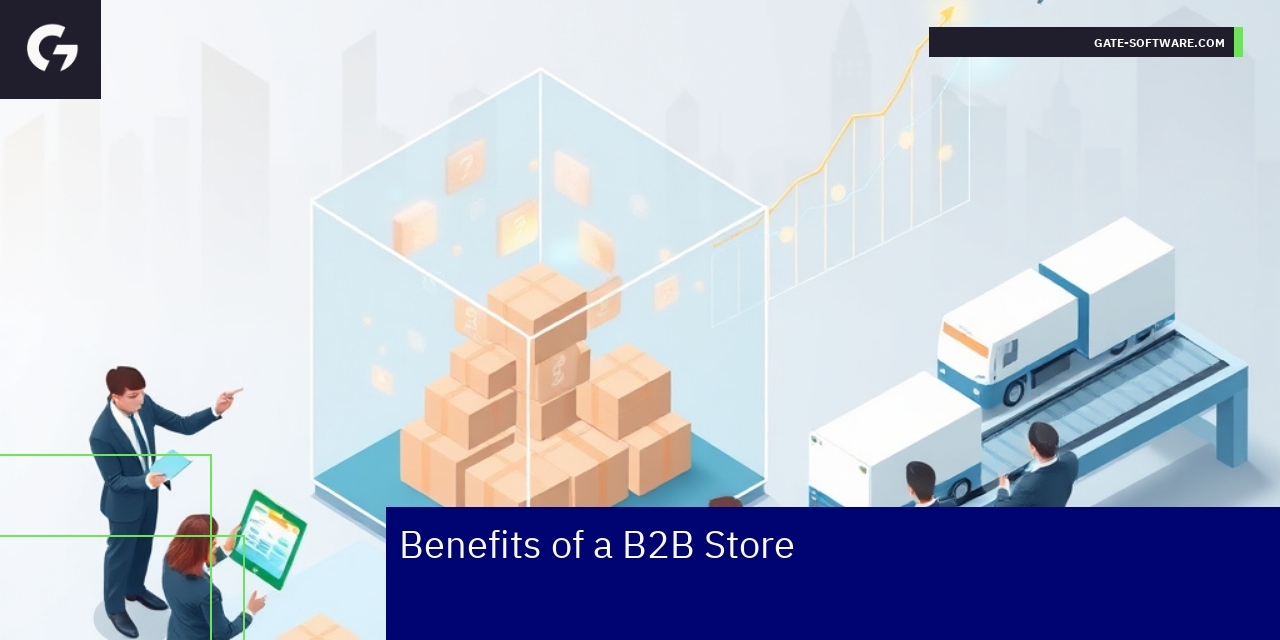
Benefits of a B2B Store
A dedicated B2B store brings significant advantages for companies aiming to optimize their client management, pricing control, and sales efficiency. Such platforms allow precise segmentation of customers, tailored communication, and personalized pricing models that reflect the complexity and scale of B2B transactions. This segmentation enables enhanced client management by providing targeted offers and customized services, which are critical in maintaining strong business relationships and increasing customer loyalty.
Pricing control is another key benefit, as B2B stores support dynamic pricing strategies based on negotiated deals, volume discounts, and contractual terms. This flexibility ensures transparency and consistency across multiple client tiers, reducing pricing conflicts and enhancing negotiating power. Moreover, efficient pricing control integrated with automated workflows simplifies transaction management and reduces errors.
Sales efficiency rises substantially through the automation and standardization of processes, such as order handling, invoicing, and shipment tracking. B2B platforms can integrate seamlessly with ERP and CRM systems, streamlining operations and improving response times. The digital environment also supports complex product catalogs and configuration options, meeting the needs of varied industries and stakeholder requirements.
Implementing a B2B store aligned with enterprise standards like WCAG and an optimized UX/UI ensures accessibility and ease of use, which increases adoption rates among professional users. Gate-Software’s approach emphasizes these technical aspects, ensuring the platform serves both business objectives and user expectations effectively.
By focusing on these benefits—improved client management, precise pricing control, and enhanced sales efficiency—organizations can leverage B2B stores to drive growth, improve operational reliability, and strengthen their competitive position in digital commerce. Integrating these advantages with Gate-Software’s proven strategies and support models ensures a robust and future-proof solution in the B2B e-commerce landscape.
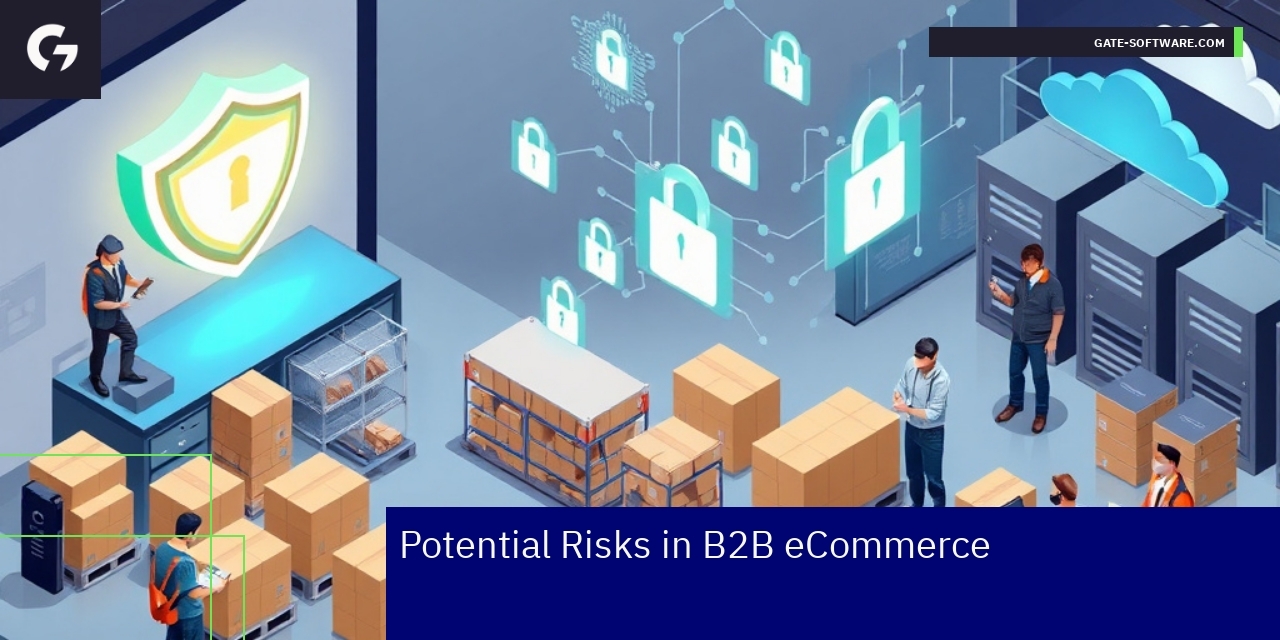
Potential Risks in B2B eCommerce
Running a B2B eCommerce store entails navigating a complex landscape of cybersecurity, logistical, and platform risks, each requiring vigilant management and strategic mitigation.
Cybersecurity risks remain paramount. Data breaches pose a significant threat, potentially exposing sensitive business and customer information. Phishing attacks target employees to extract credentials, while ransomware can severely disrupt operations by locking essential data. Additionally, attackers may exploit vulnerabilities in platforms or third-party integrations, including supply chain attacks that compromise vendor security. Ensuring robust security protocols, regular vulnerability assessments, and comprehensive employee training are essential to safeguard the B2B ecosystem.
Logistical risks directly impact operational efficiency and customer satisfaction. Supply chain disruptions—caused by delays, shortages, or quality issues—can hinder timely order fulfillment. Accurate inventory management is critical; discrepancies may lead to either overstocking or stockouts, both detrimental to business performance. Furthermore, shipping and handling failures risk damaging goods or delaying deliveries, affecting trust and relationships. Compliance with regulatory requirements around logistics, import/export, and customs further complicates operations but is mandatory for legal adherence.
Platform risks are equally challenging. Downtime or outages can result in lost sales and damaged customer confidence. Scalability considerations become vital during peak periods, where increased traffic may strain system performance. Integrations with ERP, CRM, or other enterprise systems often present technical challenges that disrupt workflows if not properly managed. User experience flaws, from UI design to platform responsiveness, directly influence customer retention and conversion rates. Moreover, adherence to legal requirements, including eCommerce laws and privacy regulations, is obligatory to avoid penalties.
In summary, managing these cybersecurity, logistical, and platform risks effectively ensures the resilience and competitiveness of B2B stores. Leveraging Gate-Software expertise and solutions helps address these challenges, optimizing performance and safeguarding critical business processes.
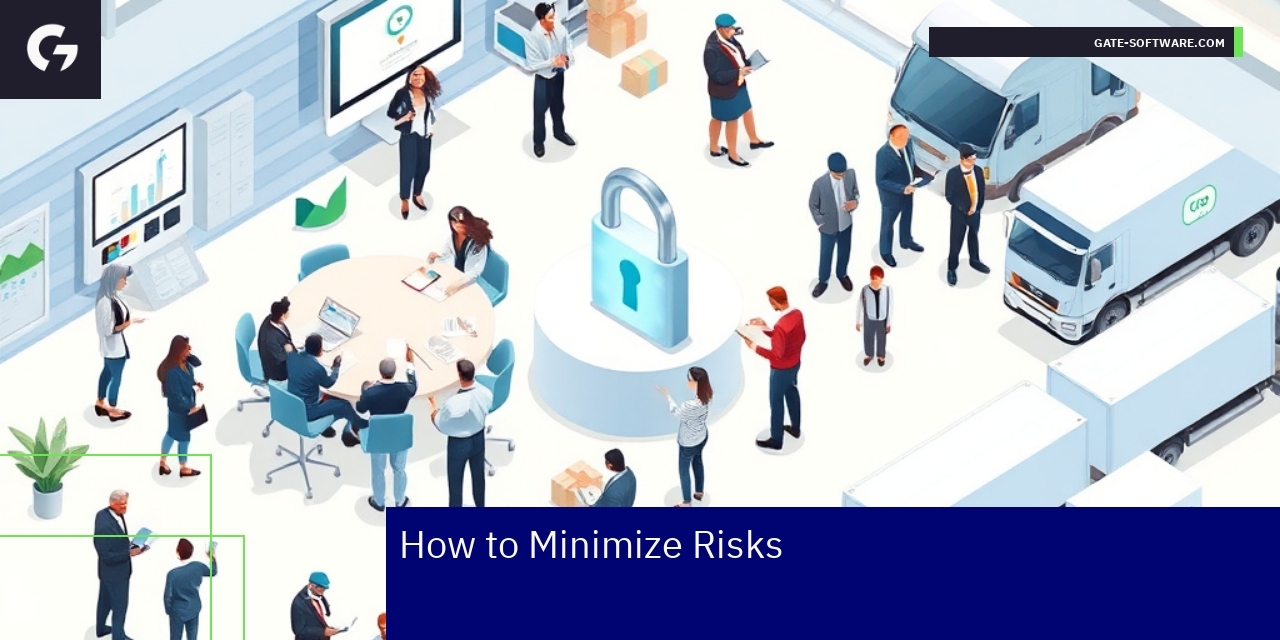
How to Minimize Risks
Minimizing risks while building a B2B marketplace or wholesale platform requires a strategic and multi-faceted approach to address the unique challenges of the B2B sector. An essential first step is conducting thorough market research to understand the specific needs and expectations of your target users. This insight informs which functionalities are critical and helps identify underserved niches, thus reducing the risk of misaligned features or insufficient demand. Equally important is early-stage prototyping and user testing, which allow identification and mitigation of usability issues before full-scale launch, ensuring a smoother user experience.
From a technical perspective, prioritizing data security is non-negotiable. Employing robust encryption and secure data handling protects both buyers and sellers from breaches, which is paramount to maintaining trust in a system b2b platform environment. Compliance with legal regulations, including privacy laws like RODO, further safeguards the platform from legal liabilities and reputational damage.
Financial risk management involves realistic budgeting and forecasting to cover all potential operational costs and revenue streams. Concurrently, adopting a strong marketing strategy focused on precise targeting helps attract and retain a critical mass of users, thereby reducing market-entry risks. Delivering consistent, high-quality customer support throughout the customer journey enhances loyalty and mitigates churn.
Finally, forming strategic partnerships can expand platform capabilities and increase reach within the B2B ecosystem. Together, these measures build resilience into your marketplace or wholesale platform, significantly minimizing vulnerabilities inherent in launching and scaling a b2b eCommerce business.

Data and Performance Metrics – Efficiency, SLA, TCO
Operational Effectiveness in B2B Projects
When analyzing the operational effectiveness of Gate-Software’s B2B services, several key metrics illustrate how their solutions drive efficiency and value for businesses. For successful B2B implementations, the average project takeover time stands at an impressive 4 weeks, streamlined by Gate-Software’s methodical approach.
Moreover, approximately 95% of projects are delivered within the agreed timelines, showcasing a robust adherence to scheduled milestones. This reliability extends to the average total cost of ownership (TCO) reduction of 20%, achieved through strategic resource management and ongoing optimization.
In terms of service quality, Gate-Software offers a 99.9% uptime SLA, ensuring that B2B platforms remain operational and accessible, which is critical for client satisfaction and loyalty. The company also boasts an average client relationship duration of 3 years, indicating a commitment to nurturing long-term partnerships that foster continual growth and adaptation in the evolving market.
Additionally, the number of successful implementations of the Magento™ platform reaches over 150 unique B2B projects, reflecting the effectiveness of their tailored solutions in meeting diverse industry needs. These metrics underscore the operational strengths of Gate-Software in the B2B sector, equipping decision-makers with data-driven credibility essential for informed purchasing decisions.
Summary
In the dynamic world of B2B eCommerce, establishing a dedicated B2B store is not just beneficial—it’s essential for companies seeking to thrive in a competitive marketplace. The insights shared in this article underscore the importance of tailored strategies, robust systems, and the seamless integration of technology to enhance efficiency and customer experience. By leveraging platforms like Magento™ through Gate-Software, businesses can implement sophisticated features that support unique B2B requirements such as dynamic pricing, custom workflows, and comprehensive account management. Investing in these specialized solutions not only helps streamline operations but also enables businesses to build lasting relationships with clients based on trust and personalized interaction. As you consider your options, remember that aligning your strategies with the evolving demands of B2B commerce will position your organization for enduring success. For a deeper exploration of how Gate-Software can support your B2B objectives through innovative solutions, we encourage you to reach out for a conversation that could transform your digital presence.

FAQ
What is a B2B store?
A B2B store (Business to Business) is an e-commerce platform designed specifically for transactions between businesses, facilitating large volume orders, tailored pricing, and specific sales conditions that meet the needs of various enterprises.
Why invest in B2B eCommerce?
Investing in B2B eCommerce enhances operational efficiency, expands market reach, and automates complex purchasing processes. It allows seamless transaction management tailored to business clients, which directly improves business agility and customer satisfaction.
How can I start a B2B store?
Starting a B2B store involves identifying your target market, selecting an appropriate platform, and outlining your product catalogs and pricing structures. Following a structured approach, including market research and strategic planning, is key to launching a successful platform.
What are the costs associated with starting a B2B store?
Launching a B2B store entails various costs, including platform fees, integration expenses, compliance with accessibility standards, and ongoing maintenance. It’s essential to budget for these components to ensure a smooth launch and sustainable growth.
How do discounts and account management work in a B2B store?
B2B platforms facilitate precise pricing configurations based on individual client profiles and agreements. They enable account managers to oversee client activities, optimize discount strategies, and nurture long-term relationships effectively.
.
.
Zamów bezpłatną konsultację
.
Z nami rozwój Twojego biznesu nabierze tempa! Zapraszamy do kontaktu średnie i duże firmy generujące min. 7 mln PLN obrotu rocznie – tam nasza ekspertyza sprawdza się najlepiej.
.
Kliknij w poniższy przycisk i skontaktuj się z jednym z naszych konsultantów e-commerce
.