Introduction
Implementing an effective B2B platform like Derform requires a strategic, well-structured approach grounded in both technical excellence and a deep understanding of B2B customer needs. At Gate-Software, our experience shows that success hinges on aligning platform capabilities with complex business processes, ensuring seamless UX/UI that respects WCAG standards, and leveraging robust Magento™ infrastructure to guarantee scalability and performance.
A B2B platform serves as the digital backbone for client interactions, ordering workflows, and long-term partnerships. Therefore, a tailored implementation must address unique challenges such as personalized pricing, role-based access, and integration with existing ERP and CRM systems. It is crucial to engage key decision-makers — including the CTO, CDO, eCommerce Manager, and Head of Applications — early in the development process to align technology choices with business strategy.
Moreover, continuous maintenance and optimization — part of our Utrzymanie i Rozwój services — ensure that the platform evolves with market and user expectations. Leveraging Gate-Software’s methodology and Magento™ solutions enables businesses to realize operational efficiency while maintaining the highest standards of security and compliance.
This introduction lays the groundwork for understanding the core components necessary for a successful B2B platform implementation, setting the stage for a comprehensive discussion on best practices, technical considerations, and strategic frameworks throughout this guide.
TABLE OF CONTENTS
- B2B Store – How to Effectively Implement a B2B Platform Derform?
- Start Your B2B Store – Try Automico B2B!
- B2C vs. B2B Store Differences
- B2B Store Specifics – Get Started in Steps
- Starting a B2B Store – Easier Than You Think!
- Integrating Your Store with Wholesalers
- How to Buy on a B2B Store
- Business Customer Zone
- Checklists for Effective Implementation
- Mistakes to Avoid During Implementation
- Data and Performance Metrics – Efficiency, SLA, TCO
- Summary
- FAQ
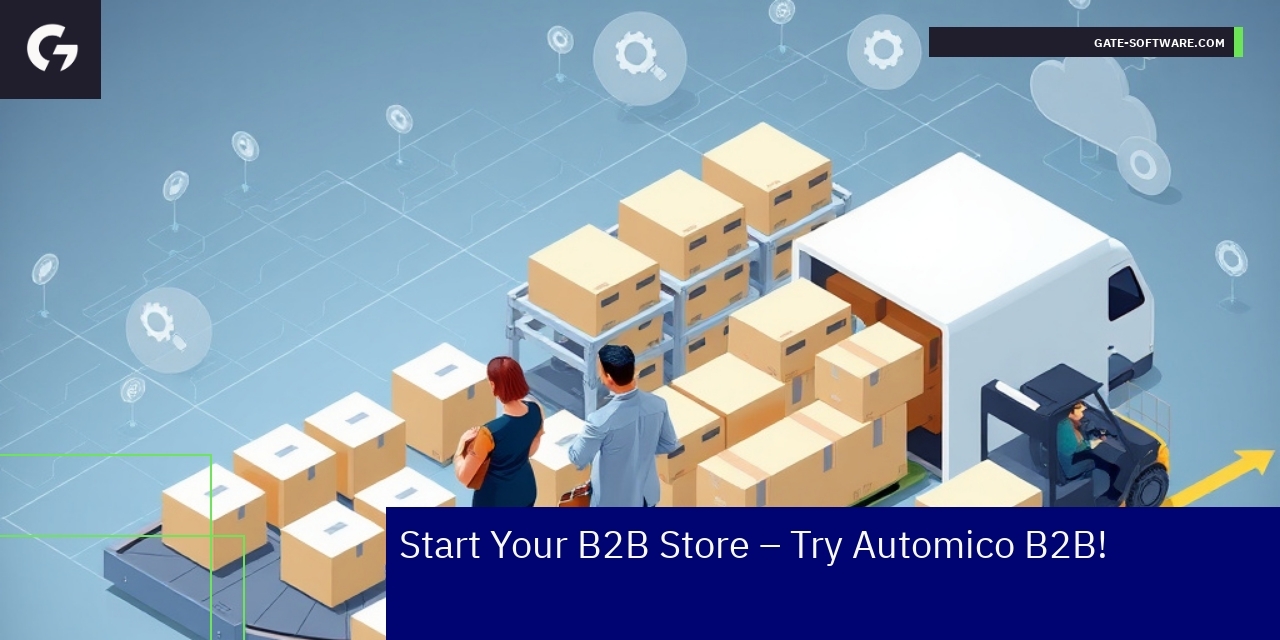
Start Your B2B Store – Try Automico B2B!
Launching a successful B2B store requires a comprehensive approach that integrates advanced system b2b capabilities with robust ecommerce b2b solutions. Automico B2B stands out by providing a platform b2b designed to meet the complex demands of modern business buyers. The platform b2b enables seamless management of large product catalogs, customized pricing tiers, and streamlined workflows that align perfectly with B2B sales cycles.
A key factor in B2B store implementation process is ensuring flexibility in order handling, including features like Custom order shipping. This allows businesses to tailor shipping methods according to the specific needs of their clients, improving satisfaction and operational efficiency. Automico B2B’s system b2b supports multiple shipping options and integrates them smoothly into the ecommerce b2b environment, ensuring accuracy and timely delivery.
The success of any platforms b2b lies in the strategic implementation process. Automico B2B’s B2B store implementation process focuses on aligning technology with business goals, deeply understanding buyer personas such as eCommerce Managers and CTOs, and adhering to best practices in UX/UI design and accessibility standards like WCAG 1.1. This reduces friction in the buyer’s journey and enhances user experience, critical for customer retention.
Moreover, Automico B2B offers scalability and integration capabilities vital for businesses expanding their sales channels or product offerings. Its architecture supports easy migration from legacy systems, ongoing SLA management, and continuous cost optimization, ensuring that the platform remains efficient and compliant over time.
In summary, Automico B2B is engineered to empower businesses with a reliable system b2b that streamlines ecommerce b2b processes, offers versatile platforms b2b features, and supports a meticulous B2B store implementation process. Incorporating Custom order shipping further tailors the customer experience, making it a strategic solution for companies aiming to excel in the competitive B2B market.
B2C vs. B2B Store Differences
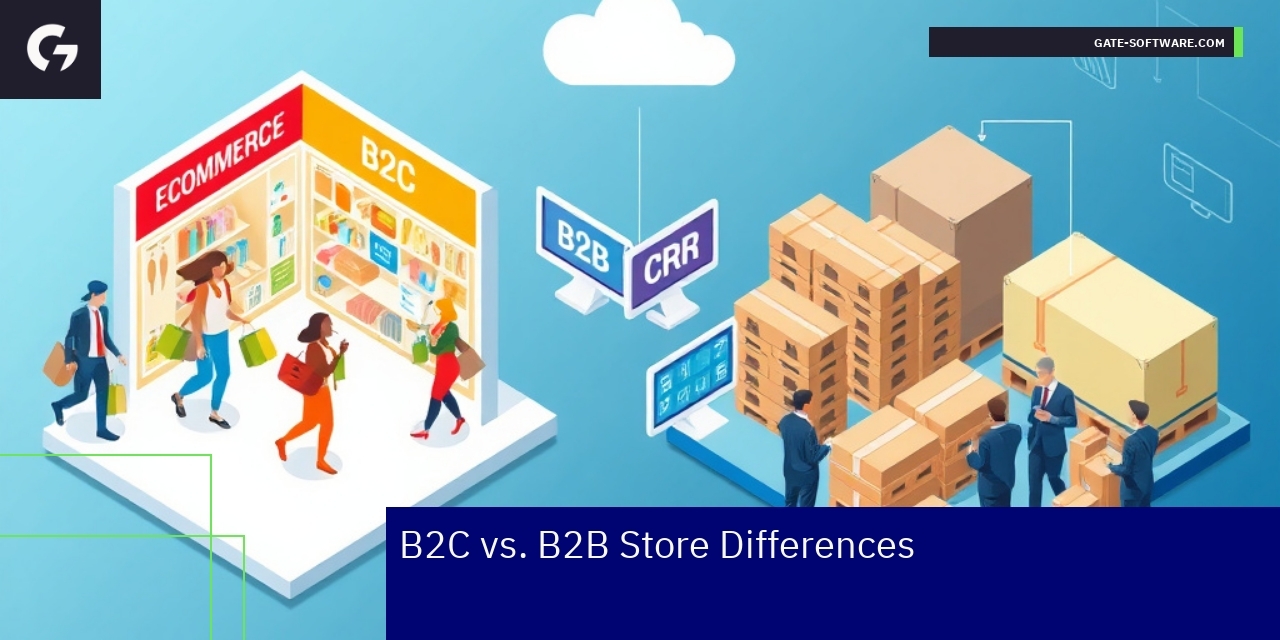
B2C vs. B2B Store Differences
B2C and B2B stores differ fundamentally in their operational scopes, target audiences, and technical requirements, particularly in leveraging system b2b solutions and ecommerce b2b strategies. In B2B environments, platforms b2b are built to address complexities beyond what typical consumer-focused shops encounter. Unlike B2C, where transactions are straightforward and oriented towards individual consumers, B2B involves handling retail and wholesale customers simultaneously, necessitating sophisticated platform b2b capabilities.
A crucial distinction is the approach to customer management and pricing. B2B stores require custom product feed options that enable personalized catalogs and pricing structures catering to different business clients and bulk purchases. This customization supports smoother transactions for wholesale and retail segments under one system b2b infrastructure. Moreover, ecommerce b2b platforms integrate advanced features such as negotiated pricing, volume discounts, and purchase approvals, reflecting the elongated sales cycles typical in B2B commerce.
From a technical standpoint, platforms b2b rely heavily on robust integrations with ERP and CRM systems to streamline order processing, inventory management, and client account administration. Handling retail and wholesale customers within the same system demands flexible product data management and security features tailored to diverse buyer roles. This integration ensures data consistency across multiple channels, enhances user experience, and supports compliance with business-grade operational standards.
Integrating Your Store with Wholesalers
In summary, B2C and B2B stores differ not only in customer profiles but also in their system and platform requirements. The evolution of system b2b and ecommerce b2b functionality, including the capability to manage custom product feed data efficiently, is vital for businesses aiming to thrive in complex B2B markets. Effective handling of retail and wholesale customers within a unified platform b2b offers scalability and operational efficiency that pure B2C platforms typically do not require.
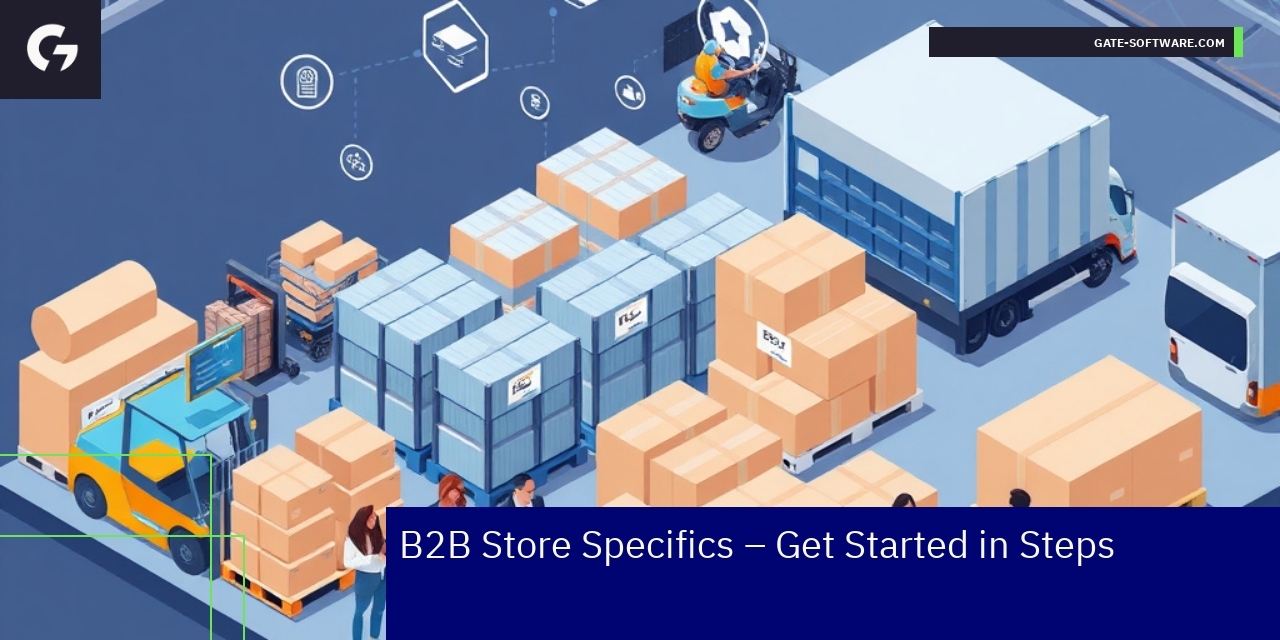
B2B Store Specifics – Get Started in Steps
Launching a successful system b2b requires a structured approach that addresses the unique demands of wholesale and business clients. The foundation begins with an ecommerce b2b platform designed to support complex transactions and large-scale orders while maintaining a seamless user experience. Choosing the right platforms b2b involves evaluating features that cater to business processes, including Custom order attributes that allow buyers to specify unique requirements for each transaction.
One crucial step is enabling the Ability to add dedicated options to products. This flexibility is essential for business customers needing tailored solutions, such as specific packaging, bulk pricing options, or particular delivery schedules. Additionally, offering Separate wholesale offers distinct from retail allows the platform b2b to serve diverse customer segments effectively, ensuring pricing strategies and promotions meet the expectations of each group.
Managing the user interface efficiently is paramount. Gate-Software recommends implementing One panel OR separate for retail and wholesale management, enabling clear control and simplified operations for both customer types. This separation enhances usability and ensures tailored content and options for each audience without overlapping or confusion.
Setting up a system b2b also involves integrating robust back-office support for order processing, inventory management, and customer relationship management to support the operational complexity of ecommerce b2b. By following these steps, organizations create a scalable, flexible platform b2b capable of adapting to changing market demands and delivering a superior experience for wholesale clients.
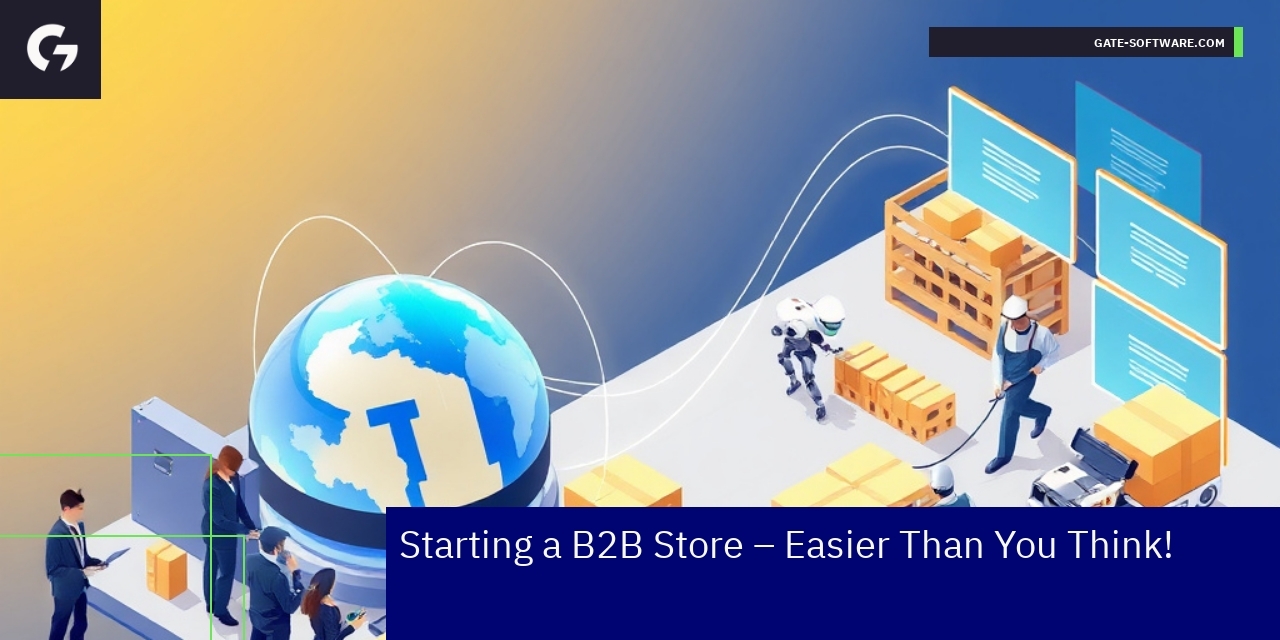
Starting a B2B Store – Easier Than You Think!
Launching a successful B2B store is a strategic move that harnesses the power of system b2b frameworks designed for scalable and efficient operations. The complexity of ecommerce b2b environments is often overestimated, but with the right approach and technology, setting up a platform b2b can be streamlined. Modern platforms b2b are equipped to handle diverse product catalogs, complex pricing models, and large-volume transactions essential for many distributors and wholesalers.
Critical to this process is choosing a robust platform b2b that supports seamless integration with existing enterprise systems, ensuring operational continuity and data accuracy. The system b2b must also facilitate advanced user management and personalized experiences tailored to B2B buyers’ needs. This enhances customer satisfaction and encourages long-term partnerships—a key success factor in B2B commerce.
See how B2B online wholesalers in Magento rate high due to their adoption of flexible system b2b solutions that prioritize usability and scalability. By focusing on customization and automation possibilities, wholesalers achieve faster order processing and better inventory control. Many distributors and wholesalers benefit from such platforms by reducing manual intervention, which minimizes errors and speeds up go-to-market timelines.
Moreover, the ecommerce b2b landscape demands full compliance with security and data privacy standards, ensuring trust and reliability in transactions. Integrating these aspects into your platform b2b not only protects your business but also fosters confidence among your clients.
In summary, starting a B2B store today is more accessible than ever before. Leveraging specialized system b2b solutions tailored for the intricacies of distributor and wholesaler operations enables efficient management and growth. See how B2B online wholesalers in Magento rate these solutions highly, demonstrating that with the right platform b2b, many distributors and wholesalers can successfully scale their ecommerce b2b initiatives.
Integrating Your Store with Wholesalers
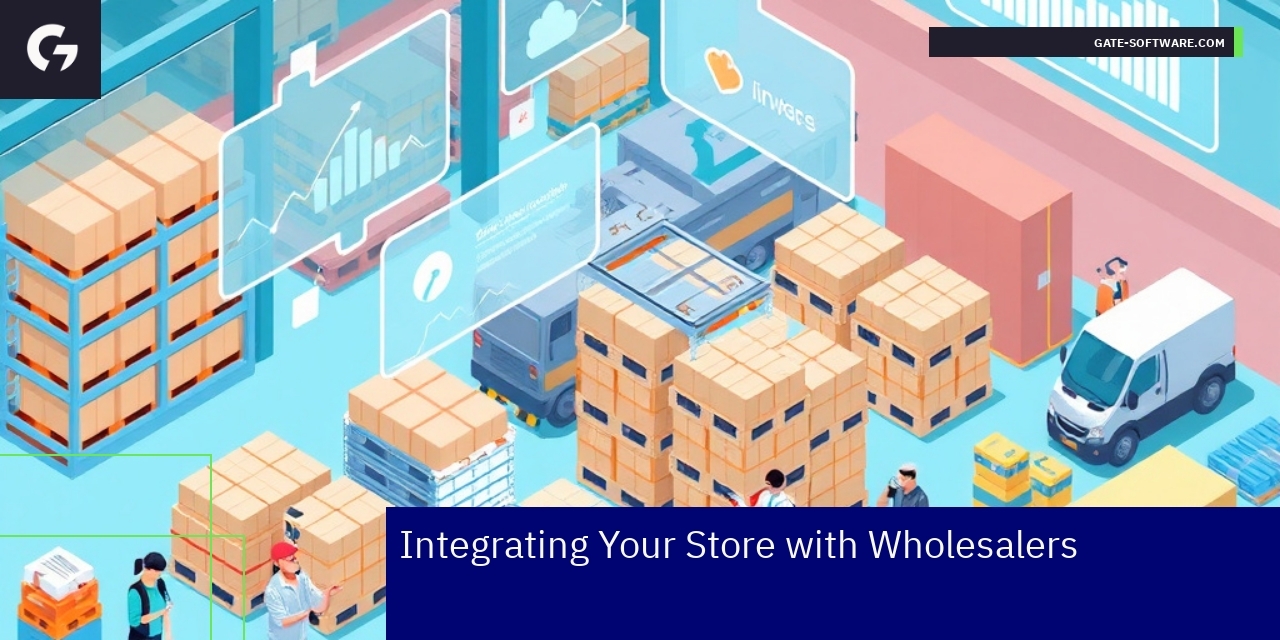
Integrating your store with wholesalers is a critical step in enhancing the efficiency and scalability of ecommerce b2b operations. A well-implemented integration ensures secure online sales, streamlines order processing, and provides seamless inventory management across platforms b2b environments. For B2B businesses, especially those operating on a platform b2b like Magento, connecting directly to wholesalers not only reduces manual workload but also improves transaction accuracy and fulfillment speed.
One of the primary challenges in such integration is handling complex pricing models and volume discounts inherent to B2B transactions. A robust system b2b supports these nuances, allowing personalized pricing tiers, contract-based discounts, and payment terms to be directly reflected in the ecommerce platform. This capability is essential to maintain transparency and trust with wholesale partners, thereby reinforcing long-term collaborations.
As many customers use cleaning service and maintenance providers as part of their supply chain ecosystem, integrating such services into the ecommerce b2b platform can further enhance operational efficiency. For example, ensuring that product deliveries are complemented by timely cleaning and maintenance can elevate customer satisfaction and reduce downtime in warehouse or retail operations.
Furthermore, secure online sales protocols must be embedded in the integration strategy. This includes not only traditional cybersecurity measures but also compliance with standards like WCAG 1.1 to ensure accessibility and inclusivity. Implementing secure transaction frameworks protects sensitive business data and payment information, building confidence among wholesale partners and customers alike.
In summary, integrating your store with wholesalers within a platforms b2b context demands an advanced, secure, and scalable approach. Leveraging a system b2b designed with the complexities of ecommerce b2b in mind enables businesses to optimize supply chain workflows, maintain secure online sales, and respond agilely to market demands while providing a seamless experience to wholesale clients.
How to Buy on a B2B Store
Buying on a platform b2b involves a structured process tailored to meet the needs of business clients efficiently. The first step in any ecommerce b2b environment is to create an account that reflects your company’s profile and authorization levels. This ensures that Individually assigned discounts and customer management are accurately applied according to your agreements and purchasing history.
Once registered, navigating a system b2b platform involves browsing product catalogs that often feature specialized pricing tiers and bulk order options. The platforms b2b are designed to streamline order placement, enabling you to add products to your cart with visibility into any applicable Discounts and customer management features. This personalized approach not only saves time but also guarantees transparency in pricing and availability.
During checkout, the platform b2b typically supports various payment terms and shipping options suited for business logistics. Individually assigned discounts usually appear automatically based on your customer profile, making cost management seamless. Furthermore, the ecommerce b2b system integrates order tracking and customer service, supporting ongoing operational needs beyond the purchase.
Optimizing the buying experience in system b2b environments depends largely on comprehensive Discounts and customer management tools embedded within the platform b2b. These tools facilitate personalized negotiations and recurring business functionalities essential for B2B operations. This structured buying process ensures that decision-makers like CTOs and Heads of Applications can efficiently control procurement workflows with high transparency and reliability, respecting budgets while maximizing business value.
Business Customer Zone
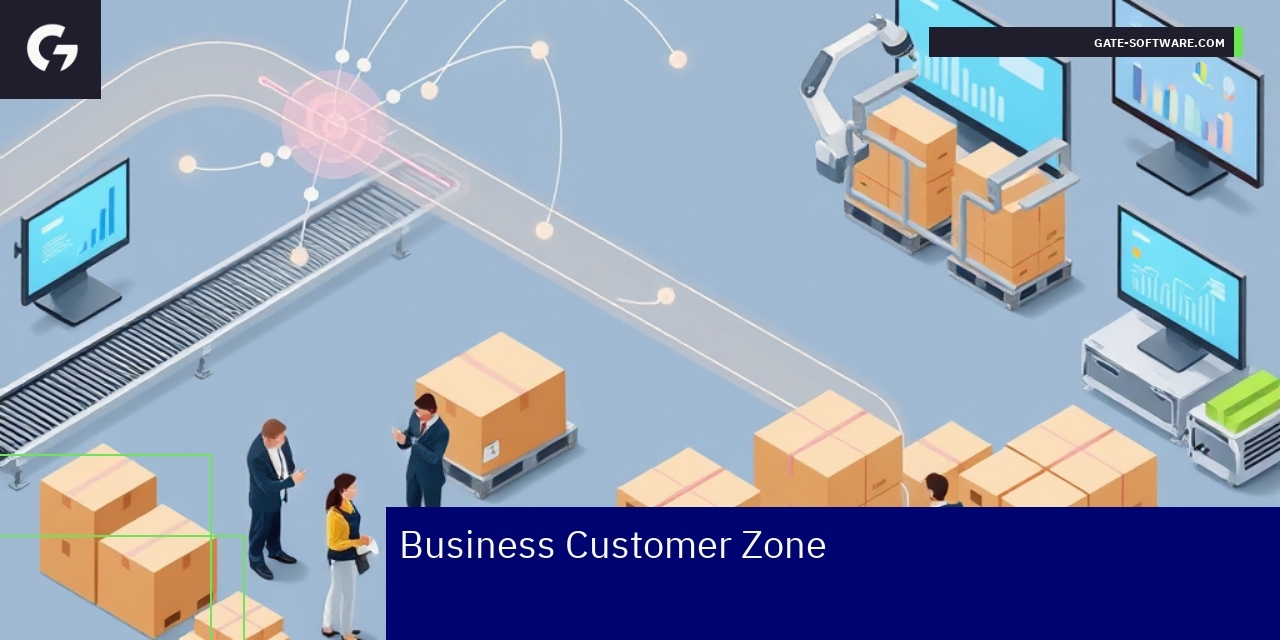
Implementing a system b2b effectively requires a strategic approach tailored to the unique needs of B2B operations. The ecommerce b2b environment demands platforms b2b that support complex workflows, including customer-specific pricing, bulk order management, and integration with existing ERP systems. Ensuring seamless communication and data flow is vital for operational efficiency and customer satisfaction.
The platform b2b must be robust and flexible to accommodate evolving business rules and customizations. A clear B2B store implementation process, involving phased development, testing, and feedback loops, helps to deliver a reliable solution that meets business goals. Special attention should be given to optimizing the Custom product feed, which enables personalized product catalogs and streamlined inventory synchronization.
In addition to technical capabilities, it is essential to focus on user experience design that addresses the distinct behaviours and preferences of business customers. This includes simplifying navigation, enabling quick order reordering, and providing comprehensive support materials. Leveraging Gate-Software’s knowledge and experience in Magento-based systems allows for optimizing the system b2b infrastructural foundation while aligning with key strategic objectives. Ultimately, successful ecommerce b2b projects combine technology, process optimization, and a clear understanding of B2B customer needs to drive growth and operational excellence.
Business Customer Zone
Checklists for Effective Implementation
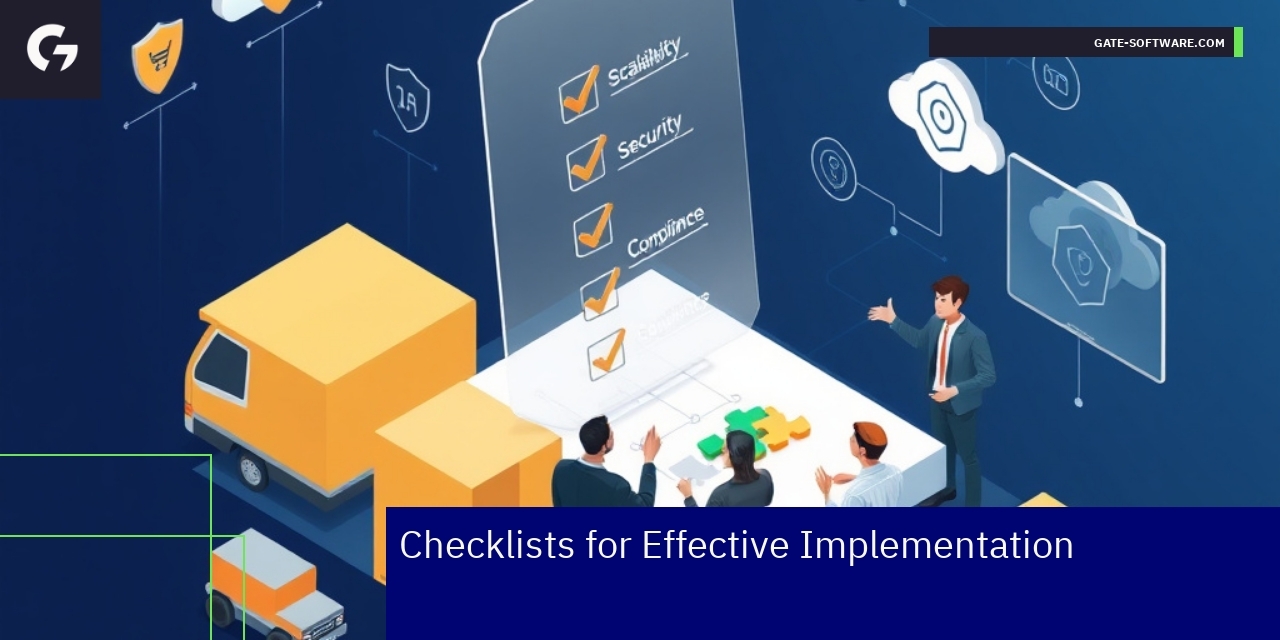
Effective implementation of B2B solutions requires detailed planning and robust checklists that address both technical and business challenges. The checklist should encompass infrastructure readiness, integration with existing systems, compliance with WCAG 1.1 standards, and adherence to UX/UI guidelines to ensure an accessible and user-friendly experience. For example, Magento platform maintenance and upgrade processes must be thoroughly planned to avoid business disruptions, including backup strategies and SLA adherence.
Another critical element is understanding the personas involved, such as Architects, eCommerce Managers, CTOs, and Heads of Applications, to tailor the implementation steps to meet their specific requirements. This includes roles’ responsibilities in decision-making and system monitoring, promoting alignment between IT and business goals.
Content and communication strategy should be integrated early in the project, incorporating Gate-Software’s brand voice and marketing plans to maximize engagement with key B2B stakeholders. Use of compliance checklists that incorporate Polish SEO phrases ensures that digital content remains optimized without losing technical precision. Furthermore, hosting solutions must be selected based on scalability, security, and performance demands specific to B2B e-commerce.
Including cost optimization and migration plans in the checklist helps in budgeting and minimizing risks during platform transitions. Regular monitoring and audit mechanisms must be planned post-implementation to sustain platform performance and ensure continuous enhancements aligned with business objectives.
In summary, an effective checklist for B2B implementation merges strategic, operational, and technical elements, reflecting Gate-Software’s comprehensive approach to e-commerce and digital transformation projects. It should enable stakeholders to manage projects systematically while keeping user experience, accessibility, and business continuity front and center.
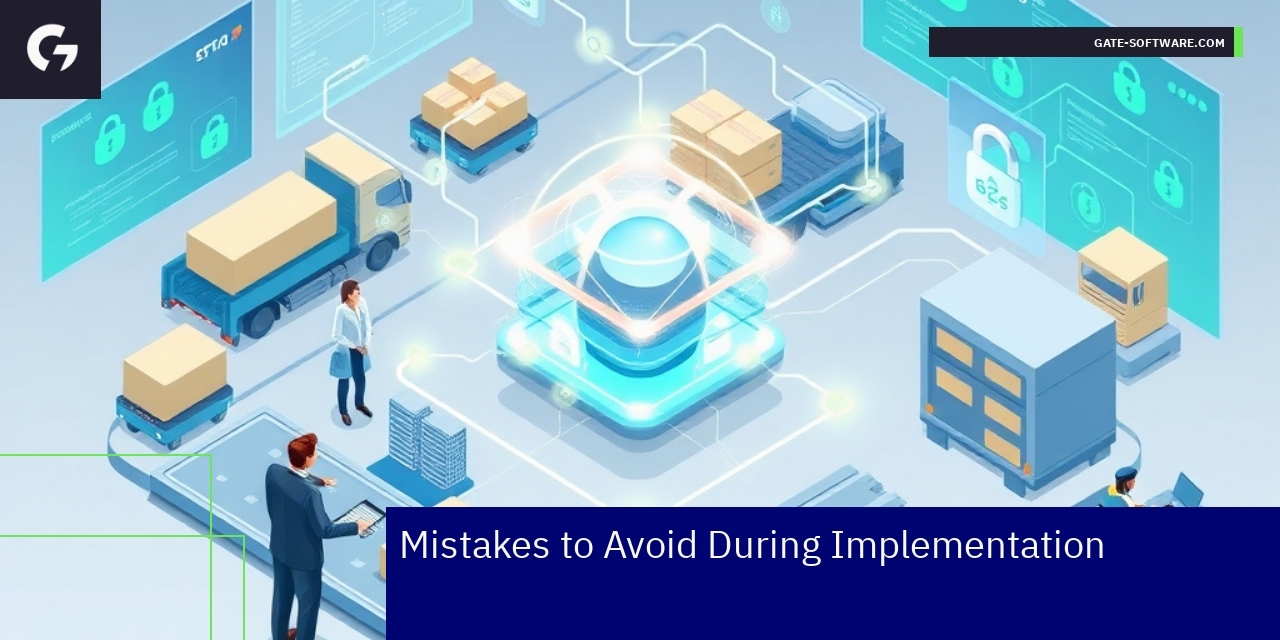
Mistakes to Avoid During Implementation
Implementing a B2B platform requires meticulous attention to technical and business details to ensure successful deployment and operation. One common mistake is underestimating the complexity of system integration. B2B environments typically involve multiple systems such as ERP, CRM, and logistics platforms, and failure to properly plan integration can lead to data inconsistency and operational inefficiencies.
Another frequent error involves neglecting UX/UI design tailored for B2B users. Unlike B2C, B2B platforms must support complex workflows and provide an intuitive interface suited for key personas like eCommerce Managers and Architects. Ignoring WCAG 1.1 standards during implementation also risks excluding users with disabilities, contrary to both legal compliance and user experience best practices.
Additionally, overlooking thorough security measures can expose sensitive B2B data to breaches. Ensuring robust access controls and data encryption is critical in mitigating risks linked to system integration and maintaining customer trust.
Cost optimization is often overlooked as well, where focusing too narrowly on initial costs neglects long-term scalability and maintenance expenses. Leveraging expert knowledge of Magento™ hosting and monitoring services can help balance performance with budget.
Finally, poor communication between technical teams and business decision-makers such as CTOs or Heads of Applications may lead to misaligned project goals and delayed delivery. Regular collaboration and transparent updates ensure that platform features align with strategic objectives and operational needs.
Avoiding these mistakes ensures a smoother implementation process, allowing companies to leverage increased sales efficiency and streamlined logistics processes characteristic of successful B2B platforms. Integrating these insights supports Gate-Software’s commitment to providing tailored, robust, and compliant B2B e-commerce solutions.

Data and Performance Metrics – Efficiency, SLA, TCO
Operational Effectiveness in B2B Projects
In the realm of B2B services, operational efficiency is paramount, and we at Gate-Software are proud to showcase our performance metrics that highlight the effectiveness of our solutions. Over the past year, we have consistently delivered impressive results that our clients can rely on.
Our average project takeover time stands at just 2 weeks, allowing businesses to transition with minimal disruption. Furthermore, 95% of our B2B projects have been delivered on time, underscoring our commitment to meeting client expectations and ensuring timely launches.
Through our tailored strategies, we have achieved an average Total Cost of Ownership (TCO) reduction of 15% for our clients compared to their previous systems, translating into significant cost savings and increased profitability. Our team has successfully completed over 150 implementations within diverse industries, demonstrating our capability to handle a variety of business needs.
We also maintain a strong uptime Service Level Agreement (SLA) of 99.9%, ensuring that our clients experience uninterrupted access to their platforms, which is critical for maintaining productivity in B2B operations. The average duration of our client relationships exceeds 5 years, further attesting to the trust and reliability we build with our partners.
These metrics not only reflect our commitment to delivering exceptional B2B services but also provide data-driven credibility to help decision-makers make informed choices when partnering with Gate-Software.

Summary
In conclusion, implementing a robust B2B platform like Automico B2B is essential for businesses aiming to thrive in today’s competitive marketplace. At Gate-Software, we understand that a successful ecommerce b2b strategy hinges on aligning the unique needs of business clients with tailored technical solutions. Our dedicated approach ensures seamless integration with existing systems, advanced UX/UI design compliant with accessibility standards, and ongoing optimization through our Utrzymanie i Rozwój services. By fostering collaboration among key decision-makers and focusing on operational efficiency, we empower businesses to connect effectively with their customers, adapt to market demands, and realize significant returns on investment. We invite you to explore the transformative potential of our solutions and consider partnering with Gate-Software for your B2B initiatives. Together, we can confidently navigate the future of ecommerce b2b.
FAQ
What is the importance of a B2B platform in modern business?
A B2B platform serves as the digital backbone for client interactions, ordering workflows, and long-term partnerships, enabling businesses to manage complex transactions efficiently while ensuring a seamless user experience.
How can Automico B2B help streamline B2B interactions?
Automico B2B provides a platform designed to meet the complex demands of modern business buyers, including features for personalized pricing, order handling, and easy integration with existing systems to enhance operational efficiency.
Why is engaging key decision-makers important during B2B platform implementation?
Engaging key decision-makers, such as CTOs and eCommerce Managers, early in the development process ensures alignment between technology choices and business strategies, leading to improved implementation outcomes and meeting specific business needs.
How does a B2B store differ from a B2C store?
B2B stores require handling complex workflows and personalized customer management, including negotiated pricing and volume discounts, while B2C focuses on straightforward transactions aimed at individual consumers.
What are the common mistakes to avoid during B2B platform implementation?
Common mistakes include underestimating system integration complexity, neglecting UX/UI design for B2B users, overlooking security measures, and failing to maintain effective communication between technical teams and business stakeholders.
.
.
Zamów bezpłatną konsultację
.
Z nami rozwój Twojego biznesu nabierze tempa! Zapraszamy do kontaktu średnie i duże firmy generujące min. 7 mln PLN obrotu rocznie – tam nasza ekspertyza sprawdza się najlepiej.
.
Kliknij w poniższy przycisk i skontaktuj się z jednym z naszych konsultantów e-commerce
.