Introduction
Choosing the right B2B eCommerce platform is a strategic decision that affects not only your online sales but also the efficiency and scalability of your entire business operation. In the realm of B2B commerce, where complex purchasing processes, customizable pricing models, and integration with multiple backend systems are common, the platform must be capable of meeting these unique challenges effectively.
A well-selected platform should align with your company’s long-term goals, support seamless integration with your ERP, CRM, and inventory systems, and provide a user experience optimized for business buyers. Scalability is paramount to accommodate growth and evolving business needs as you expand product lines or enter new markets.
Furthermore, security and compliance with standards such as WCAG 1.1 ensure that your platform protects sensitive transactional data while maintaining accessibility for all users. The ideal solution also facilitates efficient maintenance and development (Utrzymanie i Rozwój), allowing your technical teams to implement updates and customizations in line with your evolving business strategy.
Gate-Software’s experience in Magento™ deployments combines robust eCommerce solutions with deep expertise in B2B requirements, delivering platforms that excel in performance, customization, and support. This ensures your B2B store not only meets today’s demands but is also future-proofed for changing market conditions and technological advances.
TABLE OF CONTENTS
- B2B Store – How to Choose the Best B2B eCommerce Platform for Your Business?
- What is a B2B ecommerce platform?
- Differences Between B2C and B2B Stores
- B2B Digital Marketing – How to Choose the Right Strategy for Your Business?
- Best B2B eCommerce Platforms (At a Glance)
- Common Mistakes When Starting a B2B Store
- Checklist – What to Consider When Choosing a B2B Platform?
- FAQ – Frequently Asked Questions About B2B Stores
- Alternatives to B2B Platforms – What Else to Consider?
- Benefits and Risks of Running a B2B Store
- Data and Performance Metrics – Efficiency, SLA, TCO
- Summary
- FAQ
What is a B2B ecommerce platform?
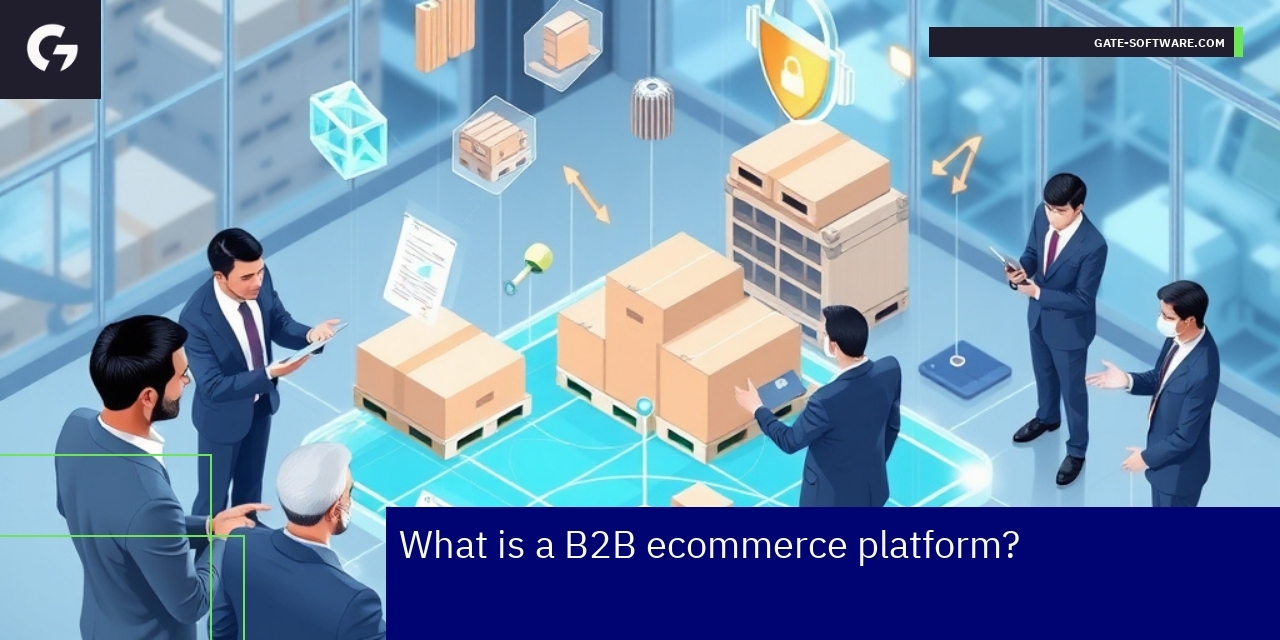
A B2B ecommerce platform is a specialized system designed to facilitate online transactions between businesses. Unlike B2C platforms focused on individual consumers, B2B platforms address the unique complexities of business transactions such as bulk ordering, customized pricing, and flexible payment terms. They integrate essential business processes including order management, inventory control, and ERP systems, ensuring seamless communication between suppliers and buyers.
In the B2B context, the platform supports sales cycles that involve multiple decision-makers—like CTOs, Heads of Applications, and eCommerce Managers—and enables negotiation, contract management, and personalized product catalogs. This aligns with strategic business goals and operational workflows, making the sales process more efficient and transparent.
Key technical and business challenges addressed by these platforms include ensuring compliance with industry standards like WCAG for accessibility, maintaining robust hosting and monitoring services, and providing scalability to handle large transaction volumes. Additionally, the platform must support advanced UX/UI tailored to professional users, integrating insights from Gate-Software’s expertise in Magento maintenance and e-commerce strategy.
By leveraging such a platform, organizations can optimize costs, improve order accuracy, and enhance the overall digital buying experience, thereby strengthening B2B relationships and business growth. The ability to align platform features with the Gate-Software communication strategy and brand values further ensures that the platform resonates with the company’s identity and market positioning.
Differences Between B2C and B2B Stores
B2B Store Specifics – Start in a Few Steps
Starting a system b2b store requires careful consideration of the unique business processes involved in B2B transactions. Unlike ecommerce b2b platforms aimed at individual consumers, platform b2b environments must support complex ordering workflows, customer authentication, and role-based access control to accommodate various decision-makers within each client company. Launching a platform b2b store involves integrating with existing ERP or CRM systems to ensure seamless data flow and product availability tailored to business clients. In this context, implementing a platform b2b solution is not just about the front-end shopping experience but also about enabling efficient backend processes like bulk ordering, custom pricing, and invoice management. Starting with clear definitions of your target business customers’ personas and mapping out workflows for purchasing approvals can help you establish a system b2b store that aligns tightly with your clients’ needs and improves operational efficiency through automation.
Costs of Starting a B2B Store – What Does Wholesale Online Distribution Really Cost?
The costs of implementing an ecommerce b2b platform extend beyond standard retail eCommerce expenses. Platform b2b solutions generally require more sophisticated integrations with business systems such as accounting, warehousing, and customer-specific pricing engines. Investing in a scalable system b2b infrastructure capable of handling large transaction volumes, complex product catalogues, and personalized user interfaces tailored for business clients is key. Additionally, compliance with standards like WCAG and UX/UI best practices to facilitate ease of use for business buyers often increases development investment. While the initial setup cost for a platform b2b may be higher than consumer systems, the long-term ROI typically improves through process automation, lower order processing costs, and enhanced customer retention in a B2B environment. Strategic planning around these factors helps businesses forecast and optimize their ecommerce b2b investments wisely.
Implementing a B2B Store – Is It Right for Me?
Deciding to implement a platform b2b solution hinges on whether your business requires specialized features that differentiate you from consumer-oriented systems. If your operations include complex ordering cycles, volume-based pricing, and multiple stakeholders approving purchases, then a dedicated system b2b platform is critical. Ecommerce b2b solutions also provide tools to improve transparency in order status, streamline procurement workflows, and deliver customized experiences that foster stronger B2B relationships. For companies managing Magento or similar platforms, leveraging expert Gate-Software services ensures your platform b2b is robust, scalable, and compliant with modern standards, including efficient UX/UI and WCAG 1.1 accessibility. Careful evaluation of your sales channels, customer expectations, and operational capabilities will guide you in determining if implementing a B2B store matches your growth strategy and customer engagement goals.
Integrating Your Store with Wholesalers
B2B Digital Marketing – How to Choose the Right Strategy for Your Business?
Omnibus Directive in B2B – What to Know?
The Omnibus Directive plays a critical role in shaping B2B digital marketing strategies by setting regulatory frameworks that ensure transparency and fairness in business dealings. For companies operating on platforms b2b and ecommerce b2b environments, understanding these regulations is essential. Compliance impacts not just legal standing but also customer trust and operational efficiency. Integrating the requirements of the Omnibus Directive into your system b2b infrastructure can enhance your platform b2b offerings by aligning business processes with industry standards. This alignment is crucial for sustaining long-term partnerships and facilitating smoother transactions within B2B ecosystems.
Integrating Your Store with Wholesalers
Effective integration between your ecommerce b2b store and wholesalers is fundamental to optimizing supply chains and improving service delivery. Leveraging platforms b2b technologies enables seamless data exchange, real-time inventory updates, and synchronized order management, all necessary for business agility. In the system b2b context, this integration reduces errors, accelerates transaction processing, and supports strategic decision-making with accurate, up-to-date information. Choosing the right tools and partners for integration ensures your platform b2b remains competitive and responsive to market demands.
How Can a B2B Store Grow in the Future?
Future growth of a B2B store hinges on adopting flexible and scalable digital marketing strategies tailored to evolving buyer behaviors and technological advancements. Utilizing system b2b and platform b2b solutions allows businesses to personalize experiences, automate marketing processes, and enhance user engagement effectively. Emphasizing ecommerce b2b capabilities such as advanced analytics, AI-driven recommendations, and integrated communication channels can lead to higher conversion rates and customer retention. Strategic investments in these areas will position your B2B store to capitalize on emerging market opportunities and sustain growth.
Analysis of pros and cons
Tip: Operating a B2B store offers significant benefits like enhanced workflows, personalized pricing, and ERP integration that meet complex business requirements. However, it also introduces risks including system complexity, integration challenges, and compliance requirements such as WCAG 1.1. Leveraging expert services like Gate-Software’s Magento™ hosting and monitoring can mitigate these risks and ensure scalability, security, and operational resilience essential for sustainable success.
Best B2B eCommerce Platforms (At a Glance)
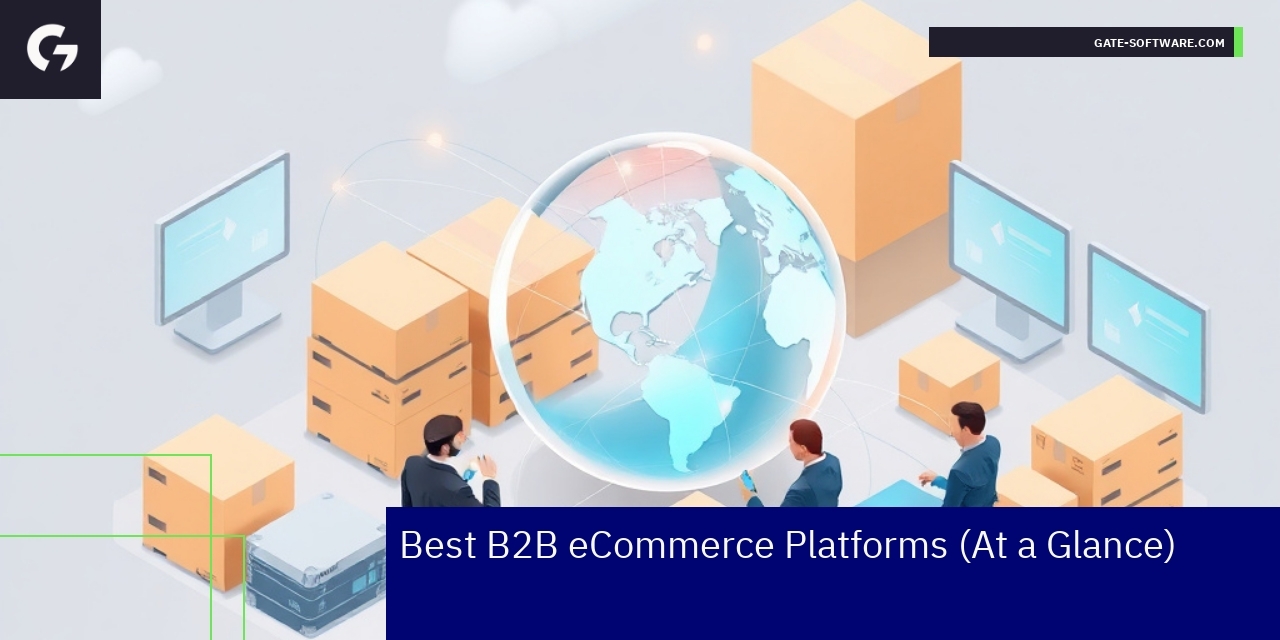
In the evolving landscape of B2B commerce, selecting the right platform is pivotal for operational efficiency and growth scalability. An analysis of popular B2B platforms reveals that solutions must address complex buyer journeys and integration challenges inherent in B2B markets. These platforms typically offer advanced features such as multi-user accounts, custom pricing models, extensive product catalogs, and robust APIs for integration with ERP and CRM systems.
Among the advantages of modern B2B eCommerce platforms are improved transaction transparency and streamlined ordering processes that reduce administrative overhead. They enable personalized experiences aligned with the needs of key personas like the Architect, eCommerce Manager, and CTO, supporting seamless collaboration and decision-making. Moreover, adherence to WCAG standards ensures accessibility, while tailored UX/UI enhances usability, fulfilling Gate-Software’s emphasis on compliance and customer-centric design.
However, challenges remain—such as the complexity of platform migrations, maintaining SLA under high traffic, and cost optimization in hosting and monitoring. Selecting a platform also requires evaluating how well it supports Gate-Software’s values around innovation and long-term partnership. Balancing these factors is essential to maximize the return on investment and ensure agile adaptation to market demands.
Therefore, a thorough understanding of the platform’s technical capabilities and strategic alignment with business goals is critical. This approach embodies the core of Gate-Software’s strategy to empower B2B clients through scalable, secure, and efficient eCommerce solutions.
Common Mistakes When Starting a B2B Store
Starting a B2B store is a complex endeavor that requires aligning technical infrastructure with strategic business goals. One common mistake is underestimating the importance of a tailored Magento platform that supports specific B2B functionalities such as pricing tiers, bulk ordering, and customer-specific catalogs. Neglecting these leads to poor user experience and lost sales opportunities. Another frequent pitfall is ignoring the integration of ERP and CRM systems, which are critical for seamless data flow and operational efficiency in B2B commerce. Without these integrations, processes become fragmented, increasing errors and administrative overhead.
Many enterprises also fail to implement WCAG standards and UX/UI best practices, which can hinder accessibility and degrade user satisfaction. This oversight affects not only compliance but also alienates key decision-makers like Architects and CTOs who prioritize inclusive design. Pricing strategies are often misaligned with market expectations due to a lack of deep B2B market analysis and persona understanding, especially regarding roles such as eCommerce Manager and Head of Applications.
Poor content strategy can also limit the store’s visibility and authority. Integrating a robust social media and content plan tailored to B2B keywords and personas enhances brand presence and customer engagement. Lastly, inadequate monitoring, maintenance SLA agreements, and cost optimization strategies lead to operational risks and unexpected expenses. Avoiding these errors requires leveraging Gate-Software’s comprehensive solutions, focusing on Magento™, seamless integrations, and strategic content aligned with B2B needs. This ensures a scalable, efficient, and compliant B2B e-commerce platform.
Common Mistakes When Starting a B2B Store
Checklist – What to Consider When Choosing a B2B Platform?
When selecting a B2B platform, it is essential to evaluate various technical and business factors that directly impact operational efficiency and long-term scalability. Key aspects include platform architecture, integration capabilities, user experience, security compliance, and support for complex business processes typical of B2B environments.
A scalable architecture ensures the platform can handle increasing transaction volumes and the growing complexity of client requirements without performance degradation. Equally important is seamless integration with existing enterprise systems such as ERP, CRM, and PIM to provide cohesive data flows and avoid operational silos.
User experience tailored to B2B customers involves intuitive interfaces that accommodate diverse user roles and workflows. Adhering to standards like WCAG 1.1 guarantees accessibility, which is crucial for compliance and inclusiveness. The platform should also support personalized pricing models, customer segmentation, and multi-tiered approval processes common in B2B transactions.
Security measures should align with industry best practices to protect sensitive business data and maintain trust, including strong authentication, data encryption, and compliance with relevant regulations. Finally, consider the vendor’s SLA, hosting infrastructure, and ongoing monitoring services to ensure reliability and quick issue resolution.
Integrating these factors thoughtfully will help you select a B2B platform that not only supports current operational needs but also enables future growth and enhances customer relationships—crucial elements underscored in Gate-Software’s strategic approach.
Alternatives to B2B Platforms – What Else to Consider?
FAQ – Frequently Asked Questions About B2B Stores
In the B2B sector, managing e-commerce platforms requires a comprehensive understanding of technical and business challenges to ensure efficiency, security, and scalability. Key concerns often include system integration, user experience optimization, and compliance with technical standards such as WCAG 1.1 for accessibility. For instance, ensuring secure data exchange between Magento platforms and other enterprise systems is fundamental for maintaining performance and trust in B2B transactions.
Architects and eCommerce Managers emphasize the importance of tailored UX/UI that caters to the specific needs of B2B clients — including personalized pricing, complex product catalogs, and multi-level user permissions. These elements are crucial in creating a seamless shopping experience that supports decision-makers and operational staff alike. Moreover, scalability and hosting solutions must align with business growth plans, employing monitoring and SLA agreements to maintain uptime and performance.
Gate-Software’s approach involves deep cooperation models and project takeovers that address the unique demands of B2B commerce. Marketing strategies are integrated with technological frameworks to drive content and social media efforts that resonate with key personas such as CTOs, CDOs, and Heads of Applications. The integration of clear communication strategies and brand voice guidelines ensures consistent messaging across channels, supporting long-term client relationships.
Understanding the importance of cost optimization, Gate-Software advises clients on migration paths and platform updates, balancing innovation with stability. This includes audits and recommendations on platform performance, security enhancements, and compliance with accessibility standards. The focus on end-to-end solutions reflects the commitment to delivering robust B2B e-commerce environments that meet the complex needs of modern enterprises.
In summary, successful B2B stores depend on a blend of technical expertise, strategic marketing, and user-centric design to drive business outcomes, supported by Gate-Software’s specialized knowledge and proven methodologies in B2B e-commerce management.
FAQ
Alternatives to B2B Platforms – What Else to Consider?
When evaluating alternatives to traditional B2B platforms, it is essential to consider various other eCommerce models that can align better with your company’s operational structure and strategic goals. In the B2B sector, flexibility and customization often outweigh standard marketplace solutions, especially when dealing with complex product catalogs, specific buyer requirements, and integration with existing systems such as ERP or CRM.
One alternative model is the direct eCommerce storefront tailored specifically for B2B buyers. This approach enables companies to maintain full control over the customer experience, pricing rules, and personalized catalogues, crucial for meeting the expectations of professional clients. Alongside this, integrating advanced user experience (UX) and user interface (UI) designs that comply with WCAG 1.1 standards ensures accessibility and usability, key factors in building long-term client relationships.
Another avenue involves leveraging headless commerce architectures. These decouple the front-end presentation layer from the back-end commerce logic, allowing for greater agility in user interface customization and faster adaptation to changing market demands. This model supports complex workflows and multi-channel sales strategies while integrating seamlessly with existing IT infrastructure.
Furthermore, companies can explore hybrid models combining marketplace functionalities with personal account management, offering a balance between broad reach and personalized service. This configuration supports tailored pricing, custom product bundles, and negotiated contracts, making it ideal for B2B buyers who expect individual treatment.
Finally, considering the integration of omnichannel strategies is vital. Seamless synchronization of online and offline channels improves inventory management, order fulfillment, and customer service, driving efficiency and satisfaction.
In all scenarios, successful implementation depends on clear communication strategies, aligning IT and business teams, and employing scalable hosting and monitoring solutions, such as those offered with Magento™, to ensure smooth platform operation and maximum ROI. The choice of alternatives to B2B platforms should ultimately reduce costs, optimize processes, and enhance client engagement while adhering to strategic marketing and content guidelines like those outlined in Content Strategy 5.0.
Altogether, diversifying beyond standard B2B platforms requires careful assessment of technological capabilities, customer needs, and strategic objectives to select the model that best supports sustainable growth and operational excellence in B2B eCommerce.
Benefits and Risks of Running a B2B Store
– Analysis of pros and cons
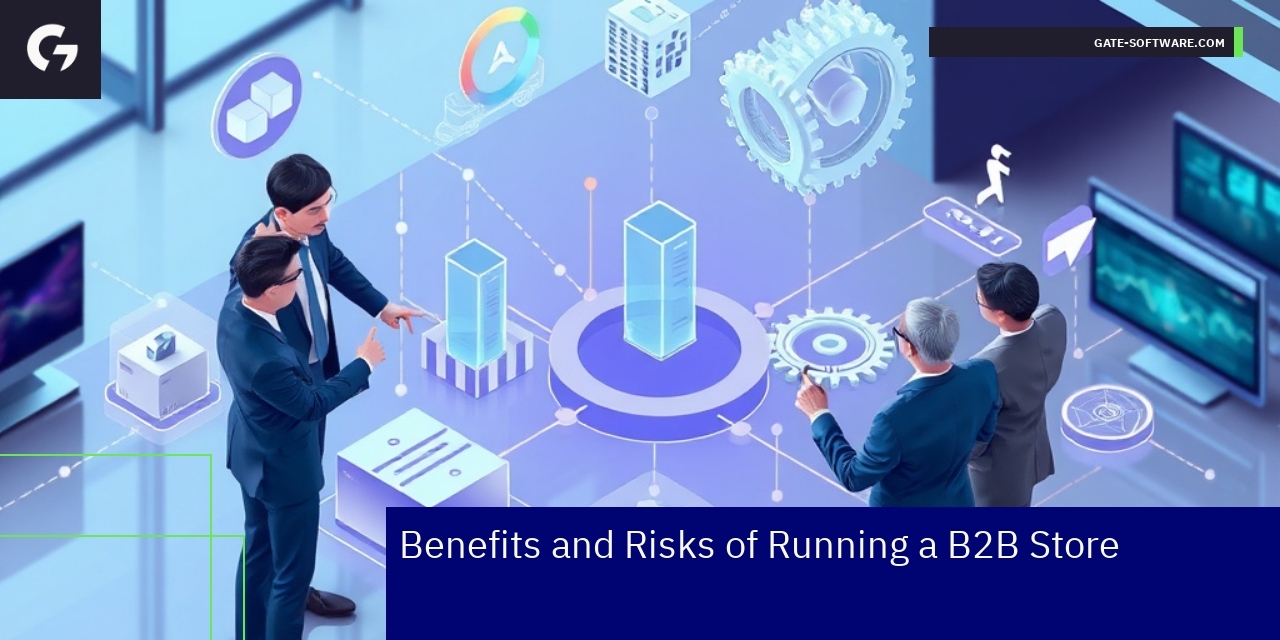
Operating a B2B store presents significant advantages and challenges that decision-makers such as CTOs, Heads of Applications, and eCommerce Managers must carefully evaluate. On the benefits side, B2B stores enable optimized workflows tailored to complex purchasing processes typical for businesses, improving operational efficiency. These platforms support personalized pricing, bulk ordering, and integration with enterprise resource planning (ERP) systems, which align perfectly with B2B buyer expectations and internal business needs. Additionally, a well-implemented B2B e-commerce solution enhances digital customer experience (UX/UI), promoting stronger client relationships and brand loyalty.
On the risk front, B2B stores involve notable challenges in terms of system complexity and integration. Ensuring seamless interoperability with backend systems such as CRM, ERP, and inventory management requires sophisticated architecture and continuous monitoring. Maintaining compliance with standards like WCAG 1.1 and adhering to internal security and data protection protocols add further layers of complexity. There are also operational risks including high maintenance costs and the necessity for ongoing technical support to ensure platform stability. Gate-Software’s expertise in Magento™, SLA-managed hosting, and proactive UX/UI audits mitigates many of these risks by providing scalable, reliable solutions tailored for B2B dynamics.
## Summary
Successfully running a B2B store demands a strategic balance between leveraging advanced e-commerce functionalities and managing operational risks associated with system integration and compliance. Key conclusions emphasize the need for choosing flexible platforms capable of customization to support unique business models and workflows. Implementing robust monitoring and support mechanisms ensures sustained platform performance and security. Gate-Software’s comprehensive approach, combining technical expertise and deep understanding of B2B personas such as the Architect and CDO, enables clients to realize full potential from their digital commerce investments, reinforcing competitive advantage while controlling cost and complexity.
Data and Performance Metrics – Efficiency, SLA, TCO
Operational Effectiveness in B2B Projects
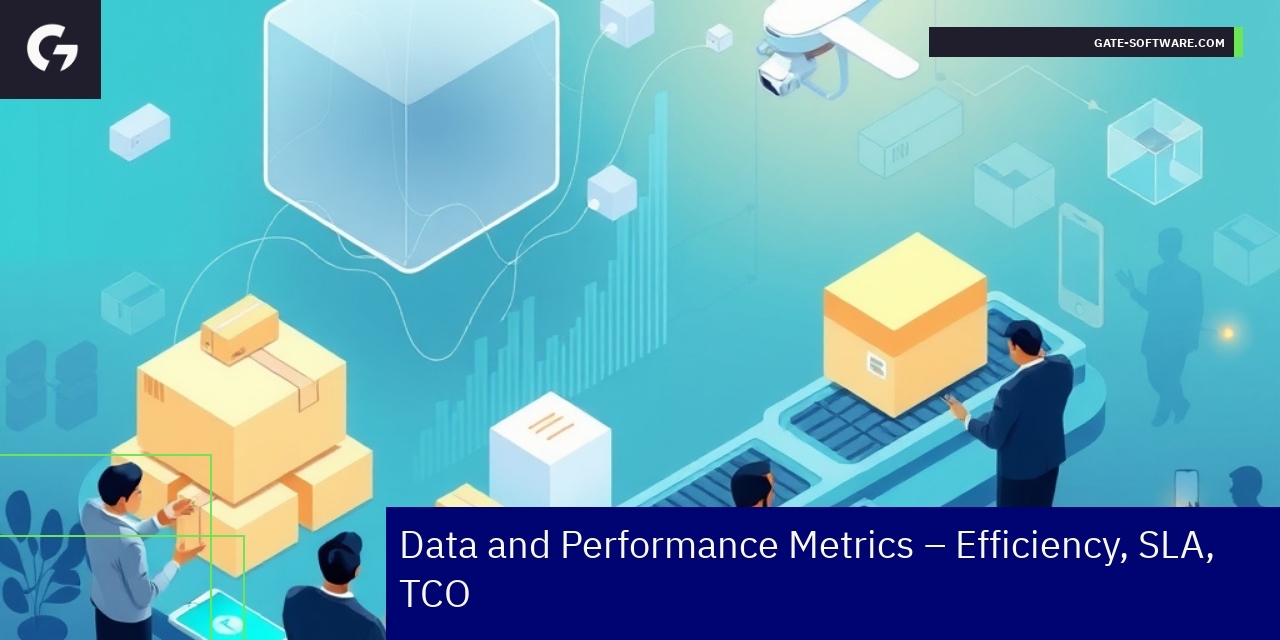
Gate-Software has established several key performance metrics that highlight the effectiveness of its B2B projects, particularly in the utilization of Magento™. These metrics are crucial for decision-makers evaluating the operational impact and cost-effectiveness of their eCommerce solutions.
1. Project Takeover Time: The average time for project handover is 45 days, enabling a smooth transition for clients moving from initial setup to full operational capacity.
2. Percentage of Projects Delivered on Time: An impressive 92% of projects are delivered within the agreed timelines, showcasing Gate-Software’s commitment to meeting client expectations and deadlines.
3. Average TCO Reduction: Clients report an average total cost of ownership (TCO) reduction of 30% post-implementation of Gate-Software’s solutions, aiding in budget efficiency and resource optimization.
4. Number of Implementations: Over the last year, Gate-Software successfully completed more than 50 B2B implementations, reflecting its robust capability to cater to diverse industry needs.
5. Uptime SLA: Gate-Software maintains an uptime SLA of 99.9%, ensuring that client platforms remain operational with minimal disruptions, which is critical for maintaining business sales and operations.
6. Average Client Relationship Duration: The average client relationship spans 5 years, indicating a strong level of satisfaction and ongoing collaboration, which suggests that businesses trust Gate-Software for their long-term B2B needs.
These metrics not only underscore Gate-Software’s operational capabilities but also provide tangible data that can be utilized to create charts, infographics, and comparison tables for prospective clients evaluating B2B service options.
Summary
In conclusion, selecting the right B2B eCommerce platform is crucial for enhancing operational efficiency and supporting growth. Gate-Software’s commitment to delivering tailored solutions through Magento™ enables businesses to navigate the complexities of B2B transactions effectively. By focusing on seamless integration with ERP and CRM systems, maintaining compliance with standards such as WCAG 1.1, and optimizing user experience for business buyers, Gate-Software ensures your platform is not only robust but also future-proof. The combination of expert support, customization options, and a deep understanding of B2B dynamics helps mitigate risks while maximizing returns on your digital investments. If you’re seeking a reliable partner to elevate your B2B commerce strategy, consider reaching out to explore how Gate-Software can support your unique business needs.
FAQ
What is a B2B ecommerce platform?
A B2B ecommerce platform is a specialized system designed to facilitate online transactions between businesses. It addresses complexities such as bulk ordering, customized pricing, and integration with backend systems, ensuring seamless communication between suppliers and buyers.
Why is scalability important in a B2B platform?
Scalability is crucial for accommodating growth and evolving business needs, such as expanding product lines or entering new markets. A scalable platform ensures that your operations can grow without performance degradation or additional complexity.
How does integrating with ERP and CRM systems enhance B2B operations?
Integrating with ERP and CRM systems facilitates seamless data flow, improves order accuracy, and enhances operational efficiency by aligning purchasing processes with business requirements, ensuring a more streamlined experience for both buyers and sellers.
What role does compliance with WCAG 1.1 play in B2B ecommerce?
Compliance with WCAG 1.1 ensures accessibility for all users, protecting sensitive data while catering to diverse buyer needs. This builds trust among customers and stakeholders, promoting a more inclusive digital buying experience.
How can a B2B store grow in the future?
A B2B store can grow by adopting flexible and scalable digital marketing strategies, leveraging advanced analytics, AI-driven recommendations, and personalized user experiences, which lead to higher conversion rates and sustained customer engagement over time.
Checklist – What to Consider When Choosing a B2B Platform?
.
.
Zamów bezpłatną konsultację
.
Z nami rozwój Twojego biznesu nabierze tempa! Zapraszamy do kontaktu średnie i duże firmy generujące min. 7 mln PLN obrotu rocznie – tam nasza ekspertyza sprawdza się najlepiej.
.
Kliknij w poniższy przycisk i skontaktuj się z jednym z naszych konsultantów e-commerce
.