Introduction
Building an effective B2B eCommerce platform requires a deep understanding of the specific needs and behaviors of business customers. Unlike B2C, B2B transactions usually involve complex purchasing processes, bulk orders, and longer sales cycles, which necessitate a tailored technological and strategic approach. Successful platforms integrate functionalities such as custom pricing models, role-based access controls, and seamless integration with ERP and CRM systems to support the workflows of various stakeholders like procurement officers, eCommerce Managers, and IT architects.
User experience (UX/UI) plays a critical role in ensuring adoption and efficiency within B2B environments. This includes intuitive navigation, detailed product information, and streamlined checkout tailored for repeat orders and large volumes. The platform must also be optimized for mobile devices, reflecting the increasing use of smartphones and tablets in business contexts.
Security and compliance with standards like WCAG and GDPR are essential, especially when handling sensitive business information and payment data. Moreover, strong analytics and monitoring capabilities enable continuous optimization based on real user behavior and business performance metrics.
Gate-Software’s approach, grounded in Magento™ technology, SLA-backed hosting, and expert UX/UI audits, ensures that B2B clients benefit from platforms designed to meet rigorous technical, business, and regulatory requirements. This enables enterprises to build scalable, secure, and effective eCommerce stores that drive long-term growth within complex B2B ecosystems.
TABLE OF CONTENTS
- B2B Store: How to Build an Effective B2B eCommerce Platform for Your Business
- What Is a B2B Store?
- Advantages of B2B Platforms
- Key Features and Benefits
- Best Practices in B2B eCommerce
- Choosing the Right B2B Platform
- Future of B2B eCommerce
- Data and Performance Metrics – Efficiency, SLA, TCO
- Summary
- FAQ
What Is a B2B Store?
Definition and Importance
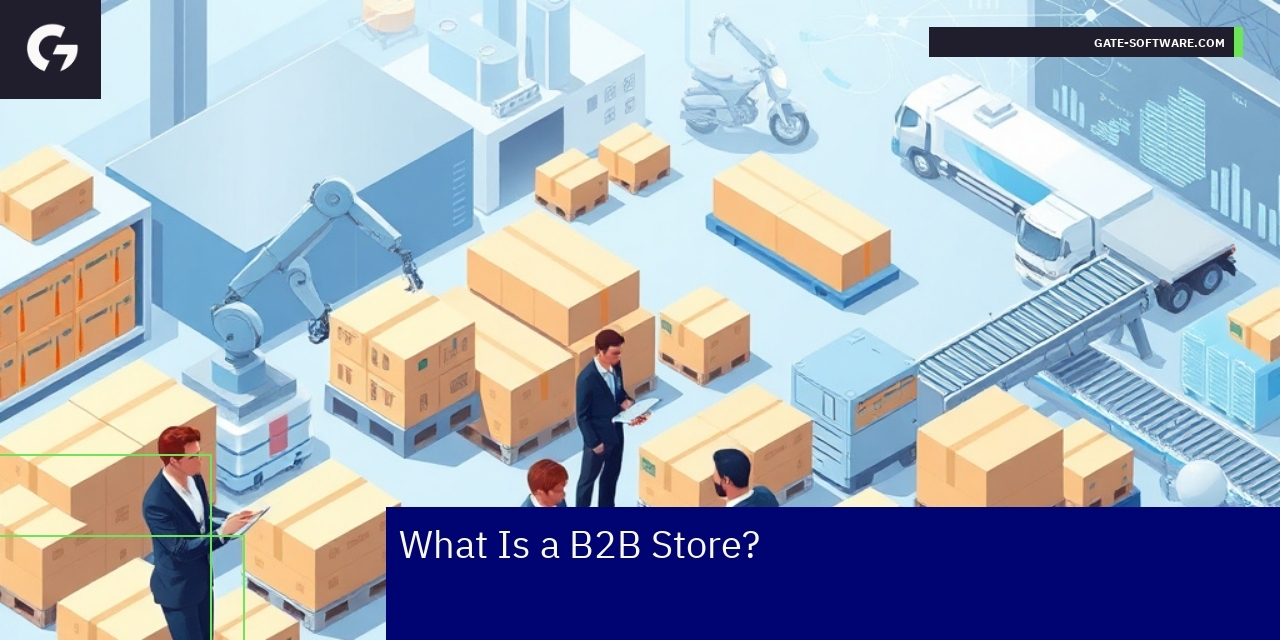
A B2B store is an advanced B2B platform tailored specifically for business customers who engage in wholesale transactions. Unlike standard ecommerce sites focused on individual consumers, a B2B store integrates comprehensive functionalities designed to streamline wholesale processes. This includes managing bulk orders, corporate accounts, customized pricing, and complex workflows. By leveraging a system B2B environment, companies can enhance operational efficiency, reduce purchasing complexity, and accelerate procurement cycles. The importance of a B2B store lies in its ability to centralize all wholesale selling needs within one platform, enabling businesses to scale their purchasing and sales operations seamlessly. This makes it an indispensable tool for companies looking to optimize their B2B eCommerce strategies.
B2B vs B2C Differences
B2B eCommerce differs fundamentally from B2C models primarily in its target customers and transactional complexity. A B2B platform is engineered to support bulk ordering processes, often involving corporate accounts with negotiated pricing structures, extended payment terms, and approval workflows—features typically absent in B2C platforms. Whereas B2C focuses on individual customers making one-time or occasional purchases, B2B eCommerce deals with recurring, high-volume transactions demanding precise control over inventories and client-specific arrangements. The system B2B nature entails integration with ERP and CRM systems to ensure seamless data flow across business functions, enabling transparency and reliability crucial for business customers.
Examples of B2B Stores
Real-world B2B platforms exemplify the power and versatility of system B2B solutions in managing complex wholesale interactions. These B2B eCommerce stores handle extensive inventories and cater to intricate client requirements. For example, platforms orchestrating procurement for manufacturing industries or supply chains must accommodate varied product classifications, multiple user roles, and customized pricing tiers. Their platform B2B capabilities include advanced search features, personalized catalogs, and automated reordering systems. These functionalities demonstrate how a B2B store not only facilitates sales but also drives operational excellence and scalability for enterprises operating in diverse industrial sectors.
Advantages of B2B Platforms
Boosting Sales Efficiency
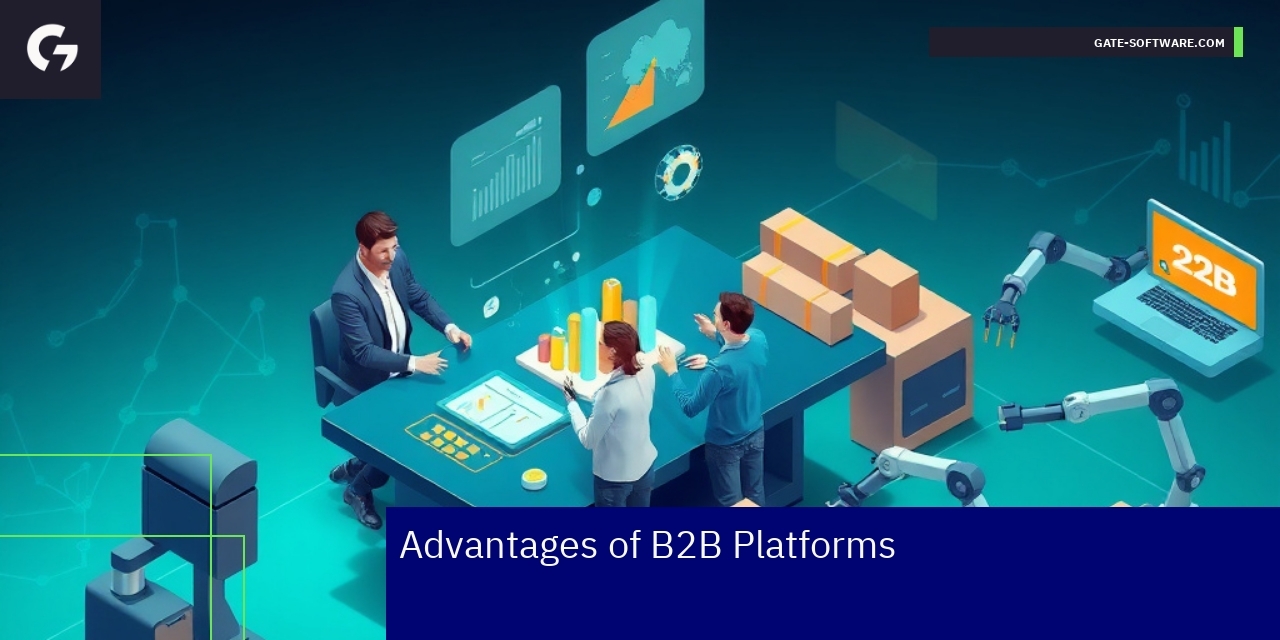
Advantages of using a B2B ecommerce platform include enhanced sales processes. Modern platform B2B solutions streamline and optimize complex sales workflows typical in B2B environments. These platforms support advanced pricing models, volume discounts, and contract management, allowing enterprises to tailor offers precisely to client needs. By integrating ecommerce B2B operations with CRM and ERP systems, businesses increase transaction speed and accuracy, directly contributing to revenue growth and shortening the sales cycle. Such specialist systems B2B eliminate manual tasks and enable sales teams to focus on strategic customer engagement rather than administrative duties. As a result, companies enjoy increased throughput and better forecasting.
Improved Customer Relationship Management
Effective B2B platforms focus on better customer engagement. Using an integrated system B2B, companies can deepen client relationships by personalizing offers and communication. Tailored content, dynamic catalogs, and role-based access enhance the buying experience for different decision-makers like Architekt or eCommerce Manager personas.
Offer Personalization
Additionally, platforms facilitate seamless communication channels, enabling real-time order tracking and support within ecommerce B2B environments. This personalization and responsiveness foster trust and long-term client retention, crucial in B2B markets where relationships often extend over multiple transactions and long periods.
Process Automation
Automation is a cornerstone of any robust system B2B. Platforms B2B enable companies to automate core business processes such as ordering, invoicing, and inventory management. Automation reduces manual errors and operational costs while freeing up resources to focus on value-added tasks. Integration with backend systems ensures data consistency and real-time updates across all touchpoints. Furthermore, system B2B platforms support compliance with complex regulations by enabling automatic generation of documents and audit trails. This operational efficiency not only improves accuracy and speed but also enhances scalability, allowing businesses to grow without proportional increases in overhead.
Key Features and Benefits
Integrations with Other Systems
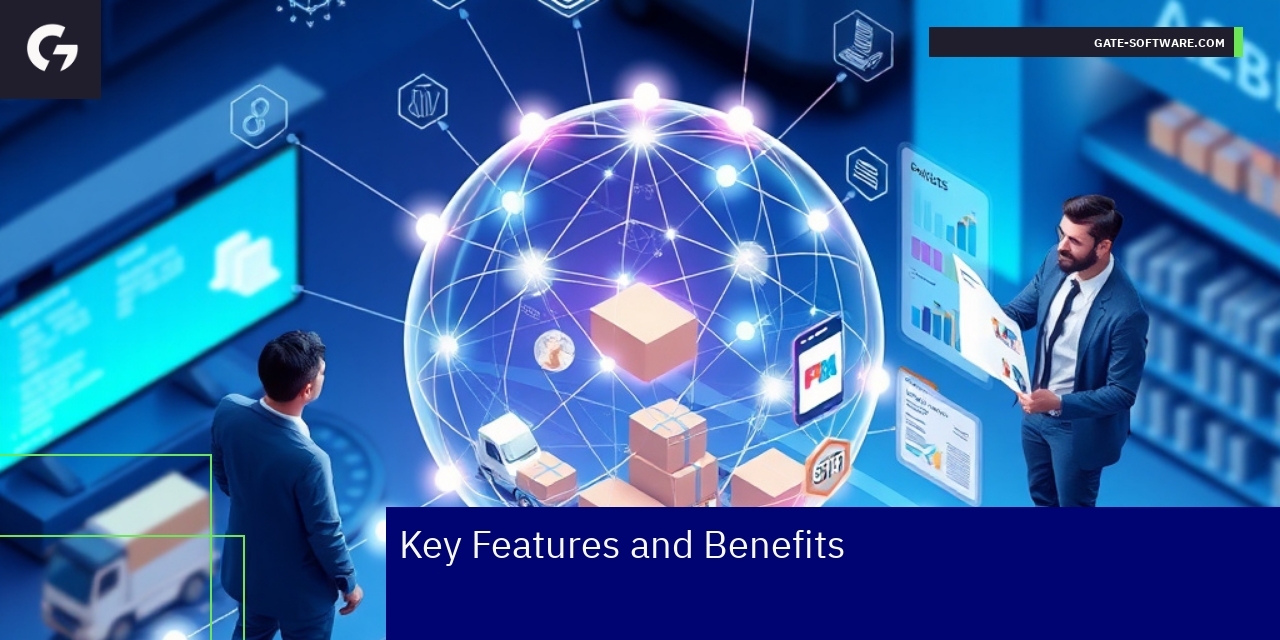
A system B2B must connect smoothly with CRM, ERP, and logistics software. Platforms B2B offer extensive integration capabilities allowing ecommerce B2B stores to operate as a unified ecosystem. Seamless integration is crucial for data consistency across sales, inventory, and customer service departments. It ensures real-time synchronization of orders, stock levels, and client information, which eliminates manual data entry and minimizes errors. Gate-Software’s approach emphasizes flexible API connections and modular architecture that adapt to your existing infrastructure. This integration capability greatly boosts operational efficiency and reduces costs by automating workflows. Additionally, integrating marketing automation and analytics tools enables actionable insights, improving decision-making aligned with B2B sales cycles and strategies.
Offer Personalization
Personalization capabilities in B2B ecommerce platforms allow businesses to tailor pricing, promotions, and product assortments directly for distinct client segments through advanced platform B2B tools. Effective offer personalization demands detailed segmentation based on customer profiles, purchase history, and negotiated contracts, which the platform securely manages. Gate-Software’s solutions enable dynamic pricing models, custom catalog displays, and client-specific promotions, improving conversion rates and customer retention. They also support role-based access, allowing different decision-makers (such as Purchasing Managers or eCommerce Managers) to see offers relevant to them. Implementing personalization at this level transforms standard commerce into a user-centric experience tuned to strategic B2B relationships, enhancing competitiveness in complex purchasing environments.
Order Management
Effective order management is critical. System B2B platforms enable businesses to automate processing, track orders, and manage approvals, enhancing ecommerce B2B workflows and customer satisfaction. Gate-Software integrates robust order lifecycle management tools that allow order status updates, multi-level approval workflows, and returns handling within one platform. This ensures transparency and traceability essential in B2B transactions where order complexity and compliance are higher. Real-time visibility into order progress reduces processing times and disputes, while automation frees staff from repetitive tasks. Moreover, integration with logistics and warehouse management improves fulfillment accuracy and delivery speed. A comprehensive order management system directly impacts operational efficiency, improves klient experience, and supports scaling businesses by handling increasing order volumes with reliability.
Technologies Transforming B2B
Best Practices in B2B eCommerce
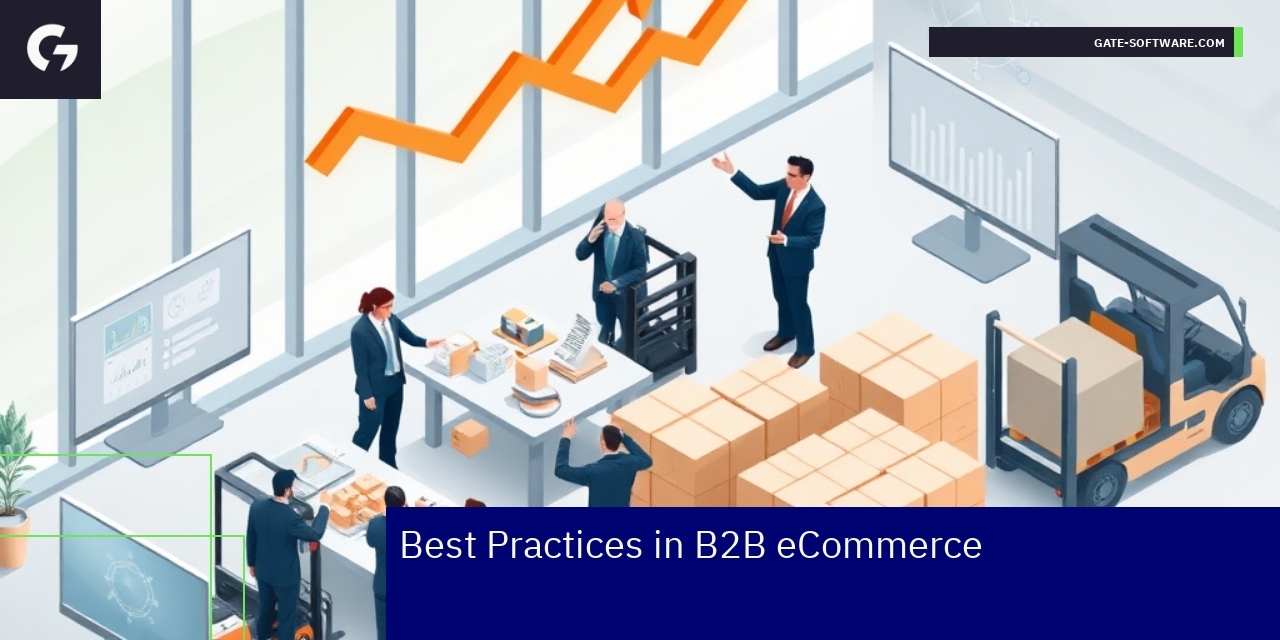
Following best practices in ecommerce B2B ensures your B2B store remains competitive and delivers an excellent user experience.
UX/UI Optimization
Optimizing UX/UI is vital for the success of platform B2B stores. Ecommerce B2B buyers expect intuitive navigation and clear product information — essential factors affecting conversion rates in any B2B eCommerce system. Prioritizing mobile responsiveness and fast load times enhances accessibility, while personalized interfaces tailored to user roles improve engagement. A well-executed UX/UI strategy directly supports the seamless operation of system B2B environments, empowering users to efficiently find and purchase products.
Content Management
Managing content effectively supports system B2B platforms by keeping product data accurate and engaging. An optimized platform B2B content strategy helps ecommerce B2B sites maintain relevancy and boost SEO. Regularly updated content, rich with industry-specific insights, positions the platform as a trusted resource for ecommerce B2B buyers. Clear, consistent descriptions and technical documentation are crucial for complex B2B products, enabling buyers to make informed decisions. Strategic content management also underpins ecommerce B2B promotional activities by improving discoverability and nurturing leads.
Marketing Strategies
Successful marketing strategies for a B2B platform include targeted campaigns and account-based marketing. Platforms B2B with built-in marketing tools allow companies to execute focused ecommerce B2B promotional activities, addressing specific buyer needs with personalized messaging. Leveraging data analytics for segmentation increases campaign effectiveness, while integrating multi-channel outreach broadens engagement. Continuous performance monitoring and agile adjustment of strategies ensure sustained success of system B2B marketing initiatives in a competitive landscape.
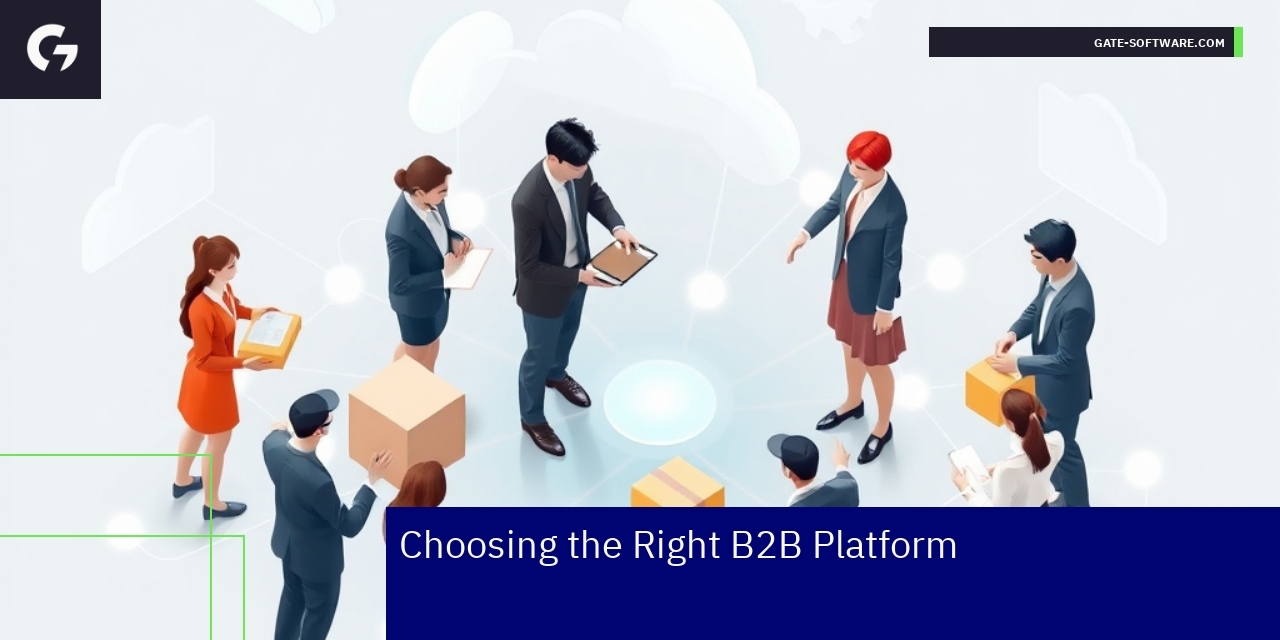
Choosing the Right B2B Platform
Factors to Consider
Selecting the right platform B2B involves evaluating critical aspects such as scalability, integration capabilities, user experience, and ongoing support. Scalability ensures the platform can grow alongside your business needs, accommodating increased transactions, users, and products without compromising performance. Integration is essential to connect the platform seamlessly with existing ERP, CRM, or supply chain systems, enabling smooth data flow and operational efficiency. A strong focus on user experience, particularly for ecommerce B2B buyers, enhances usability and customer satisfaction, promoting repeat business and loyalty. Moreover, reliable support services and maintenance ensure continuous platform stability and timely issue resolution. These factors combined form the foundation for a platform that aligns well with your ecommerce B2B requirements and long-term strategic goals.
Comparison of Popular Platforms
When comparing system B2B options, it is crucial to assess how each platform addresses customization versus out-of-the-box functionality. Some platforms excel in offering extensive customization options, allowing businesses to tailor workflows and processes precisely to their unique B2B operations. Others might present ready-made solutions optimized for ecommerce B2B stores, facilitating quicker deployments and standardized features. Additionally, evaluating technical architecture, performance benchmarks, and compliance with standards such as WCAG ensures platforms support accessibility and inclusivity. The choice depends on your business model and the desired balance between flexibility and speed of implementation. A well-chosen platform B2B will support complex pricing, multi-user accounts, and robust content management, facilitating efficient handling of diverse joint purchasing scenarios (wspólne zakupy B2B).
Implementation Examples
Successful ecommerce B2B implementations often demonstrate how platform B2B capabilities translate into tangible business outcomes. Case studies show that leveraging platforms designed to meet specific B2B needs can improve order accuracy, reduce sales cycles, and enhance customer self-service options. Integration with existing IT infrastructures, coupled with a focus on UX/UI and compliance with standards like WCAG, provides a strong competitive advantage. These implementations underscore the importance of a collaborative approach between technical teams—such as Architects and Heads of Applications—and business stakeholders like eCommerce Managers and CTOs. Together, they ensure the platform supports digital transformation initiatives and aligns with strategic marketing and communication plans, ultimately driving growth and operational efficiency in ecommerce B2B environments.
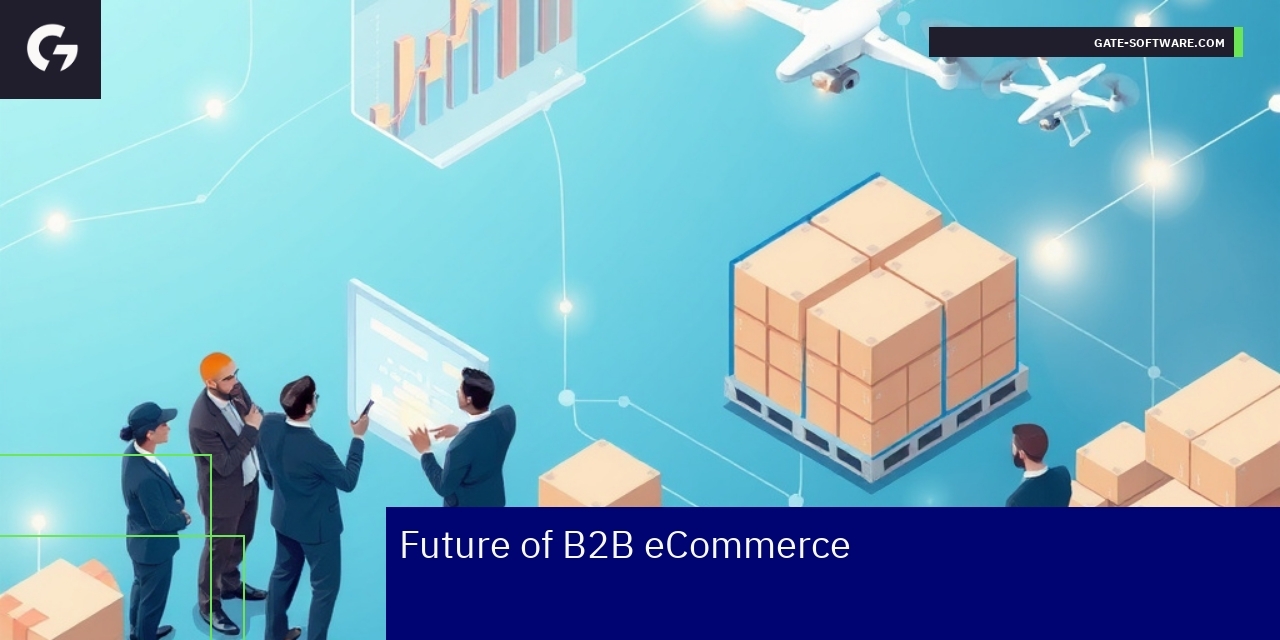
Future of B2B eCommerce
Market Trends
The future of B2B eCommerce is driven by rapid innovations and increasing buyer expectations for personalized and efficient purchasing experiences. Current B2B ecommerce trends highlight the growing adoption of AI to deliver personalized recommendations and automate workflows, as well as the rise of mobile commerce that allows buyers to engage and transact seamlessly across devices. Platforms B2B are evolving to create fully integrated, data-driven ecommerce B2B ecosystems that connect procurement, sales, and support. This shift enables businesses to streamline operations, improve customer insight, and respond quickly to market demands while maintaining compliance with WCAG standards and UX/UI best practices.
Technologies Transforming B2B
Emerging technologies such as blockchain offer enhanced transaction transparency and security, crucial for complex B2B transactions. Artificial Intelligence enhances predictive analytics and customer interaction models, creating more responsive and intelligent platforms B2B. The Internet of Things (IoT) supports real-time inventory management and supply chain visibility, optimizing fulfillment and reducing costs. Adoption of these technologies in system B2B environments creates competitive advantages by improving operational efficiency and enabling new business models. The integration of these technologies must align with platform B2B strategies that ensure robust scalability, performance monitoring, and cloud hosting reliability.
Challenges and Opportunities
Despite the clear benefits, challenges such as the complexity of integrating legacy systems, ensuring high-level data security, and meeting compliance frameworks remain critical. Platforms B2B need to address these challenges with modular and flexible architectures that simplify integrations and provide secure APIs. The opportunity lies in leveraging ecommerce B2B platforms to expand market reach through digital channels and personalized marketing strategies rooted in detailed persona insights such as those for CTOs and eCommerce Managers. By focusing on user-centric design that follows UX/UI and WCAG standards, businesses can enhance customer engagement and satisfaction in a competitive wholesale market.
Summary
Building the right B2B store with an effective platform B2B strategy is essential for success in wholesale. Understanding key features, leveraging best B2B eCommerce platforms, and following proven practices will prepare your business to thrive in the competitive B2B market. Incorporating advanced technologies like AI and blockchain while ensuring seamless integration and security provides a solid foundation for sustained growth and customer loyalty in ecommerce B2B.
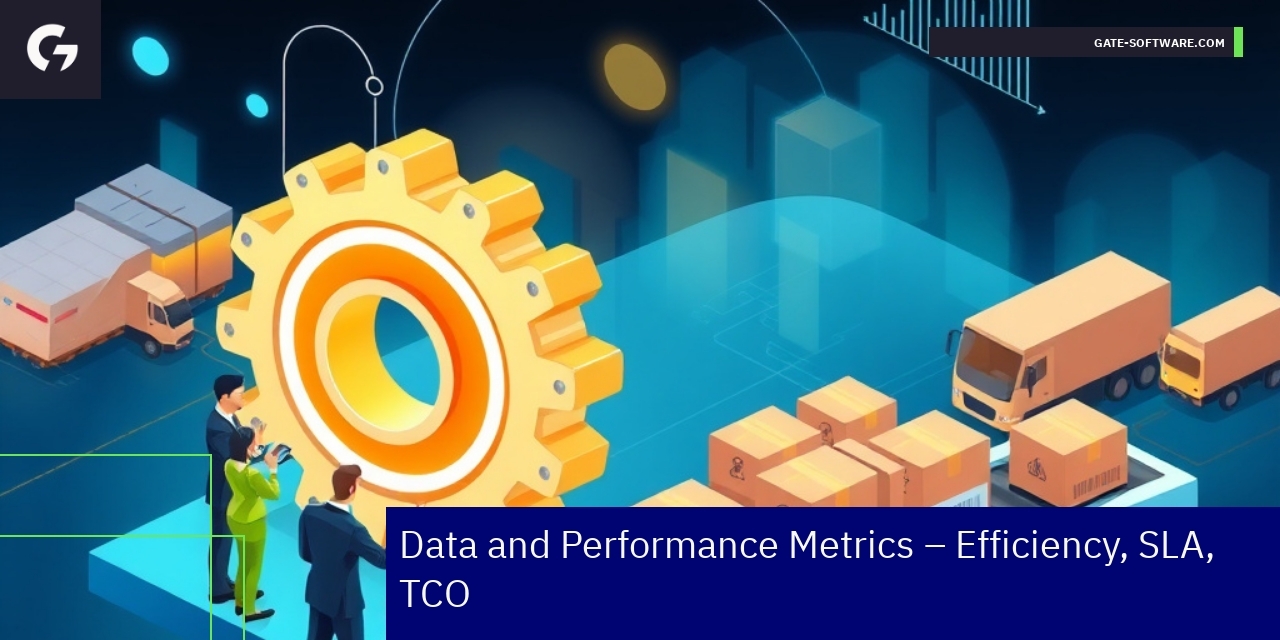
Data and Performance Metrics – Efficiency, SLA, TCO
Operational Effectiveness in B2B Projects
In the realm of B2B projects, Gate-Software has established benchmarks that illustrate operational effectiveness. For instance, the average project takeover time is approximately 3 weeks, ensuring a swift transition for clients needing support with their eCommerce platforms. Notably, 95% of projects are delivered on time, showcasing the company’s commitment to adhering to deadlines and maintaining reliability in project execution.
Moreover, Gate-Software has reported an average Total Cost of Ownership (TCO) reduction of 20% for clients transitioning to their systems. This reduction stems from optimized processes and efficient resource management inherent in their eCommerce solutions. In terms of implementations, Gate-Software successfully completed over 200 B2B implementations in the past year alone, underscoring their extensive experience and capability in this sector.
On the operational side, the uptime SLA achieved is an impressive 99.9%, reflecting their dedication to platform stability and performance. This high uptime ensures that businesses can rely on their eCommerce operations without interruptions, crucial for maintaining client satisfaction in the B2B landscape. Furthermore, the average duration of client relationships spans over 5 years, indicative of the strong trust and collaboration built between Gate-Software and its clientele, fostering long-term partnerships in the competitive B2B market.
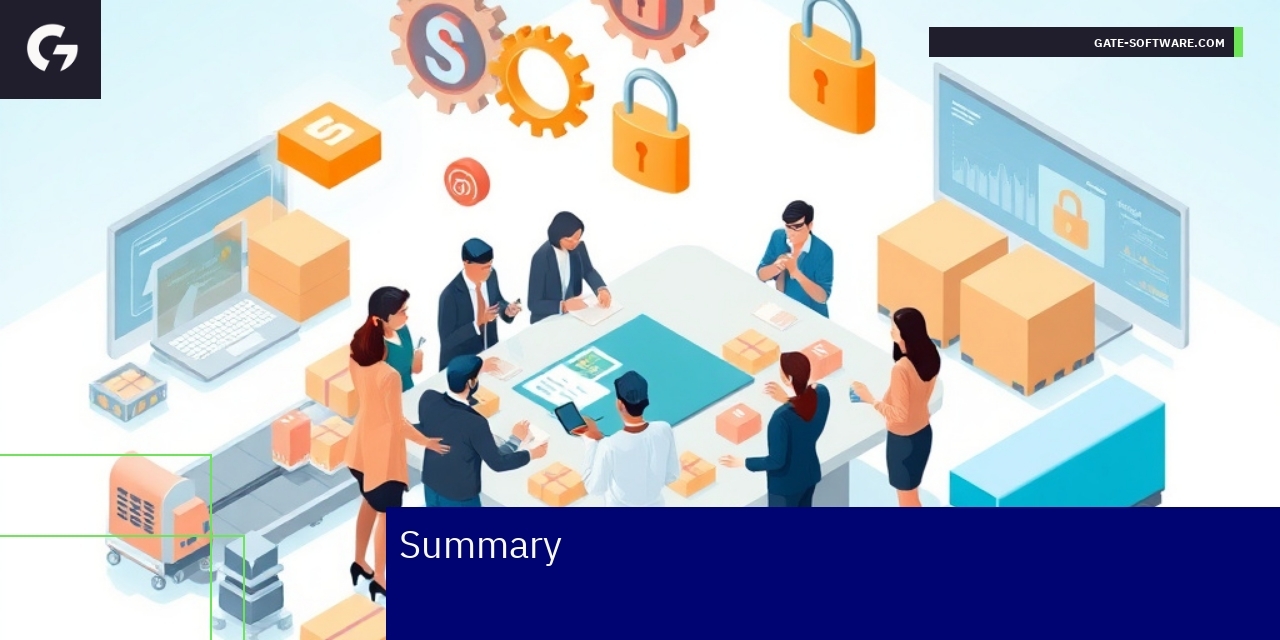
Summary
In today’s competitive B2B landscape, establishing an effective eCommerce platform is critical for success. Gate-Software’s expertise in developing tailored B2B solutions using Magento™ technology can empower your business to meet the intricate needs of wholesale transactions. By focusing on user experience, seamless integrations, and robust security measures, we ensure that your platform is not only effective but also scalable and compliant with industry standards like WCAG and GDPR. The advantages of leveraging our B2B platforms include improved efficiency in sales processes, enhanced customer relationship management, and powerful automation capabilities that free up valuable resources for strategic initiatives. By choosing Gate-Software as your partner, you are investing in a reliable, state-of-the-art solution that supports growth, fosters loyalty, and adapts to the evolving demands of the B2B market. We look forward to the opportunity to collaborate and drive your business success in the dynamic world of eCommerce.
Summary
FAQ
What is a B2B store?
A B2B store is a specialized eCommerce platform designed for business-to-business transactions, focusing on bulk orders, complex purchasing processes, and tailored functionalities such as custom pricing and role-based access controls.
How do B2B platforms enhance sales efficiency?
B2B platforms improve sales efficiency by streamlining complex sales workflows, integrating with CRM and ERP systems, and supporting advanced pricing models, which together increase transaction speed and accuracy while allowing sales teams to focus on strategic engagement.
Why is UX/UI optimization critical in B2B eCommerce?
UX/UI optimization is vital in B2B eCommerce because it enhances usability, allowing business customers to navigate the platform intuitively and access detailed product information, which ultimately affects conversion rates and user satisfaction.
What technologies are shaping the future of B2B eCommerce?
Emerging technologies such as AI, blockchain, and IoT are transforming B2B eCommerce by enhancing security, improving personalization, and offering real-time inventory management, which collectively foster operational efficiency and new business models.
How can businesses choose the right B2B platform?
Choosing the right B2B platform involves evaluating scalability, integration capabilities with existing systems, user experience design, and ongoing support to ensure it aligns with long-term strategic goals and meets the specific needs of B2B operations.
.
.
Zamów bezpłatną konsultację
.
Z nami rozwój Twojego biznesu nabierze tempa! Zapraszamy do kontaktu średnie i duże firmy generujące min. 7 mln PLN obrotu rocznie – tam nasza ekspertyza sprawdza się najlepiej.
.
Kliknij w poniższy przycisk i skontaktuj się z jednym z naszych konsultantów e-commerce
.