Introduction
Building an effective B2B eCommerce platform requires a strategic approach that addresses the unique needs of business clients. Unlike B2C environments, B2B platforms must support complex organizational purchasing processes, multiple user roles, and integration with existing enterprise systems. A key element is ensuring seamless UX/UI tailored for professional buyers, which enhances usability while complying with standards such as WCAG for accessibility.
Technological robustness is essential, involving scalable solutions like Magento™, optimized hosting, and comprehensive SLA to assure performance and availability. Additionally, continuous monitoring and proactive maintenance reduce downtime and support ongoing platform evolution in line with changing business needs.
Understanding the personas involved—such as CTOs, eCommerce Managers, and Architects—guides development towards features that matter: flexible pricing, advanced product catalogs, and efficient order management. Combined with clear brand communication and data-driven marketing strategies, these elements form a foundation for a competitive B2B digital storefront that drives growth and operational efficiency.
TABLE OF CONTENTS
- B2B Store – How to Build an Effective B2B eCommerce Platform
- KERASILK Repair Set with Cosmetic Bag
- GOLDWELL Bond Pro Holiday Set with Cosmetic Bag
- Costs of Setting Up a B2B Store
- B2B Store Specifics – Getting Started Step by Step
- Looking to Start a B2B Store? Check Automico B2B!
- LinkedIn B2B – Building Communication and Marketing
- Data and Performance Metrics – Efficiency, SLA, TCO
- Summary
- FAQ
- Project Takeover Time: Gate-Software achieves an average project takeover time of 2 weeks, significantly reducing the transition period for new clients and ensuring swift service continuity.
- On-Time Project Delivery: An impressive 95% of B2B projects are delivered on time, showcasing a robust project management framework that aligns with client expectations and deadlines.
- Average Total Cost of Ownership (TCO) Reduction: Customers have reported an average TCO reduction of 20% through efficient implementation and management of services such as Magento™ and tailored hosting solutions.
- Number of Implementations: Over the past year, Gate-Software has successfully completed 150 implementations, enhancing eCommerce capabilities across various industries and cementing its position as a leader in the market.
- Uptime SLA: The company guarantees an uptime SLA of 99.9%, ensuring that clients experience minimal downtime, which is critical for maintaining operational efficiency and customer satisfaction.
- Average Client Relationship Duration: The average client relationship duration stands at 5 years, reflecting Gate-Software’s commitment to fostering long-term partnerships built on trust and delivered value.
- Accessibility Compliance Rate: Projects achieve a 100% compliance rate with WCAG 1.1 standards, underscoring Gate-Software’s dedication to creating inclusive digital experiences for all users.
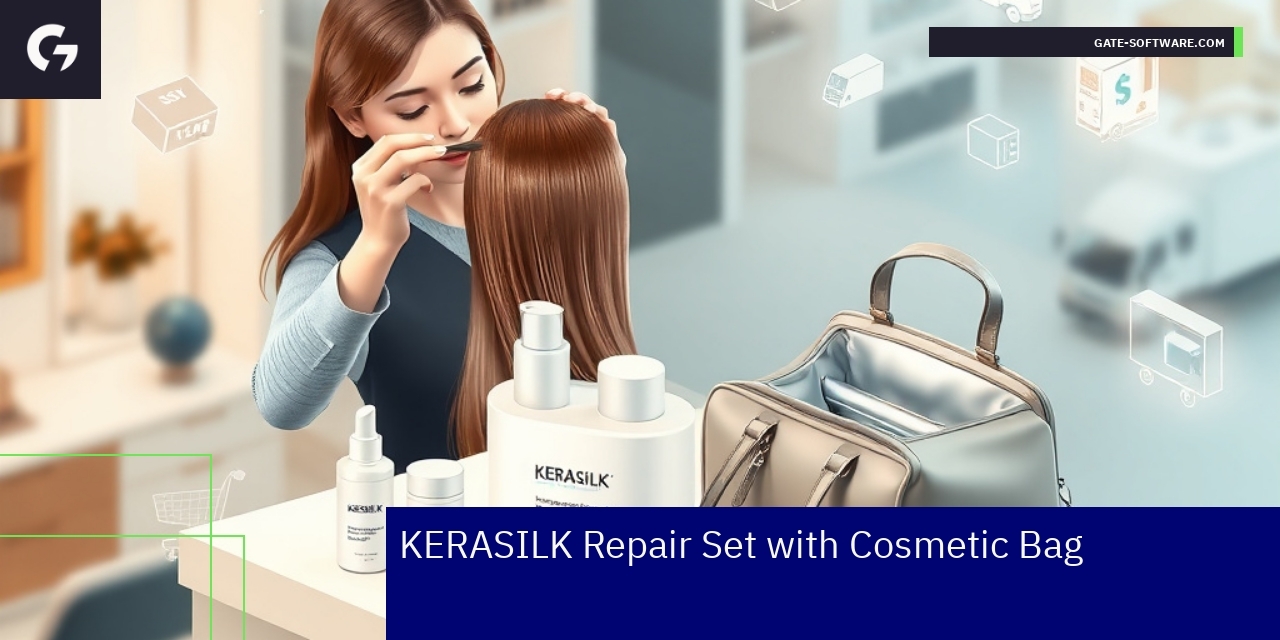
KERASILK Repair Set with Cosmetic Bag
The KERASILK Repair Set, complete with an elegant cosmetic bag, represents a premium solution tailored for B2B customers in the beauty and personal care sector. This popular product is designed to meet the high standards of professional salons and retail distributors seeking to offer effective, high-quality hair care that addresses real consumer needs.
The repair set features advanced formulas focused on intensive restoration and nourishment of damaged hair. Each product within the set works synergistically to deliver deep hydration and strengthen hair fibers, resulting in visibly healthier and more resilient hair. The included cosmetic bag adds practical value, allowing clients to conveniently store and transport their hair care essentials, which is attractive in retail and promotional scenarios.
Integrating the set into your business portfolio enables targeted marketing aligned with Polish SEO phrases such as “zywienie włosów” and “renowacja włosów,” enhancing online visibility and engagement in the Polish market. This approach supports precise customer targeting and boosts conversion in B2B e-commerce platforms.
The KERASILK Repair Set with Cosmetic Bag is versatile for both professional use in salons and retail sale, fulfilling diverse application needs and facilitating stronger business-to-business relationships. Leveraging this product can strengthen your offering with a solution that meets the technical demands of hair restoration while aligning with consumer expectations for quality and convenience.

GOLDWELL Bond Pro Holiday Set with Cosmetic Bag
The GOLDWELL Bond Pro Holiday Set with Cosmetic Bag represents a comprehensive solution designed to meet the specific needs of B2B clients in the professional haircare and beauty industry. This set includes advanced formulations and tools that ensure hair strength and nourishment, critical for maintaining client satisfaction and trust in salon services.
From a business perspective, this product package offers advantages in inventory management and marketing synergy. Its bundled nature simplifies procurement and logistics, enabling streamlined ordering processes for distributors and retail partners. Furthermore, the inclusion of a cosmetic bag adds value to the set, positioning it as an attractive promotional item that can enhance customer loyalty programs and seasonal campaigns.
The technical formulation of the Bond Pro products aligns with industry standards, addressing the demands for high-performance treatments that support hair repair and resilience. This is crucial for salons aiming to deliver consistent quality results and for professionals who prioritize product efficacy as a key selling point.
Incorporating the GOLDWELL Bond Pro Holiday Set into a B2B strategy also opens opportunities for tailored communication aligned with Gate-Software’s content strategy, emphasizing product benefits that resonate with decision-makers such as eCommerce Managers and Heads of Applications. This approach ensures that marketing narratives and digital platforms optimize user engagement and conversion, supporting sustained business growth.
Ultimately, the set’s integration into a comprehensive marketing and sales framework reinforces the importance of curated product offerings that respond to both client needs and operational efficiencies, key markers of successful B2B collaboration within the beauty sector.
Costs of Setting Up a B2B Store
Investment and Cost Analysis
Setting up a B2B store involves a complex investment landscape, necessitating a thorough cost analysis to ensure alignment with business goals and budget constraints. Key cost factors include platform licensing, development, integration with existing ERP and CRM systems, customization for specific B2B workflows, and compliance with industry standards such as WCAG for accessibility. Unlike B2C, B2B stores often require advanced pricing models, complex product catalogs, and user role-based access, which can elevate initial costs. Hosting and ongoing maintenance, including SLA agreements and performance monitoring, must also be accounted for. Optimizing for UX/UI tailored to professional buyers enhances adoption but requires upfront design and periodic audits. Gate-Software’s experience with Magento™ enables cost-efficient scalability, ensuring investments translate into measurable business value without compromising quality or agility.
Why Choosing the Right B2B Ecommerce Platform Matters
Selecting the appropriate ecommerce platform is critical to managing costs and enabling growth in B2B environments. The right platform must support seamless integration with enterprise applications, handle high-volume transactions, and provide flexible customization to accommodate evolving business requirements. It also influences total cost of ownership by affecting development time, ease of updates, and support availability. Platforms optimized for B2B include features like personalized catalogs, contract pricing, and complex shipping options, which significantly impact operational efficiency and customer satisfaction. Decision-makers such as Architects, CTOs, and eCommerce Managers should consider Gate-Software’s proven strategies for technical implementations that minimize risk and maximize ROI. Ultimately, the platform choice shapes how effectively a company can navigate the digital transformation journey and respond to market dynamics in the B2B sector.
B2B Store Specifics – Getting Started Step by Step
Launching a successful B2B store requires a clear, structured approach tailored to the complex needs of business clients. The first step involves understanding your target personas, including the Architect, eCommerce Manager, CDO, and CTO/CIO, as their input will guide platform requirements and integration needs. Selecting the right B2B eCommerce platform is crucial; it should support scalability, compliance with WCAG standards, and seamless integration with existing systems such as Magento™. Early focus should also be on user experience—ensuring that the UX/UI design simplifies complex buying processes typical for business users.
Next, define your product catalog and pricing strategies to address diverse buyer groups and volume discounts, leveraging Gate-Software’s expertise in content strategy 5.0 to optimize content tailored for B2B customers. Implementing effective hosting and monitoring solutions supported by SLA agreements guarantees system reliability and performance, critical for business operations. Incorporate accessibility audits and continuous cost optimization strategies to sustain long-term operational efficiency.
Lastly, prepare for marketing efforts with aligned communication strategies highlighting your value proposition to business customers and establishing brand voice consistency across channels. Collaborate closely with your Head of Applications and eCommerce Manager to adjust and refine post-launch based on performance metrics. This step-by-step approach ensures a robust foundation for your B2B eCommerce platform that meets both technical and business challenges head-on.
Looking to Start a B2B Store? Check Automico B2B!
Looking to Start a B2B Store? Check Automico B2B!
Starting a B2B store involves navigating complex workflows and ensuring seamless integration across multiple business systems. Automico B2B addresses these challenges by offering a robust platform designed for scalability, security, and customization. Key features include advanced user management that supports role-based permissions essential for enterprises, streamlined product catalog management tailored for bulk ordering, and integration capabilities with ERP and CRM systems. These functionalities empower eCommerce Managers and Heads of Applications to deliver efficient purchasing experiences tailored to B2B client needs while maintaining strict control over data and processes.
Automico’s platform also prioritizes compliance with accessibility standards such as WCAG 1.1, ensuring inclusivity and legal conformity. Its architectural flexibility supports cloud-based hosting and SLA-driven monitoring, guaranteeing high availability and performance crucial for B2B operations. The platform’s UX/UI design is anchored in best practices verified by audits, enhancing usability for decision-makers like Architects and CTOs who require intuitive yet powerful interfaces. Moreover, Automico facilitates cost optimization through modular deployments and comprehensive project takeover procedures, making it a fitting choice for organizations aiming to modernize or migrate their Magento-based stores smoothly.
Looking ahead, the best B2B eCommerce platforms of 2025 will embrace similar attributes—combining agility with deep integration capabilities, compliance, and user-centric designs. Automico B2B stands out by aligning these trends with Gate-Software’s strategic insights and operational values, ensuring businesses not only launch but sustain competitive, growth-oriented B2B stores. For decision-makers focused on technical rigor and seamless collaboration, Automico offers an effective pathway to meet evolving B2B demands while maintaining a strong partnership ecosystem.

LinkedIn B2B – Building Communication and Marketing
Best Practices for LinkedIn B2B Strategies
Effective LinkedIn B2B strategies hinge on targeted communication and engagement with key decision-makers such as CTOs, eCommerce Managers, and Heads of Applications. Personalized content that demonstrates deep understanding of the B2B landscape helps build trust and authority. Utilizing LinkedIn’s advanced targeting options ensures that marketing efforts reach the right audience, optimizing lead generation and nurturing. Integrating consistent SEO phrases across posts and articles strengthens visibility while aligning messaging with the Gate-Software brand voice. Additionally, regular interaction through comments, messages, and sharing thought leadership content supports relationship building vital in B2B marketplaces.
Five Benefits of Selling Through B2B Marketplaces
Selling through B2B marketplaces offers numerous advantages for companies focused on eCommerce growth. First, it expands market reach, enabling access to a broader network of potential clients and partners. Second, it facilitates streamlined transactions and communication, increasing operational efficiency. Third, it supports compliance with regulations such as the Omnibus Directive, which impacts B2B eCommerce platforms decisively by enforcing transparency and consumer protections. Fourth, leveraging B2B marketplaces helps in cost optimization and scalability by reducing the need for extensive individual client acquisition efforts. Lastly, B2B marketplaces provide valuable data analytics, enabling businesses to refine strategies and enhance customer experiences continuously. Integrating these benefits with a solid LinkedIn B2B strategy supports overall digital marketing success.

Data and Performance Metrics – Efficiency, SLA, TCO
Operational Effectiveness in B2B Projects
In today’s competitive landscape, demonstrating measurable success is paramount for B2B operations. Here is a snapshot of key metrics that highlight Gate-Software’s operational effectiveness in B2B projects:
These metrics not only illustrate Gate-Software’s operational prowess but also provide concrete evidence of the value delivered to B2B clients, reinforcing confidence in making purchasing decisions.

Summary
In conclusion, establishing a successful B2B eCommerce platform requires a deep understanding of the unique needs of business clients, alongside robust technical solutions and effective strategies. With Gate-Software’s expertise in utilizing Magento™, you can navigate the complexities of B2B transactions, from advanced pricing models to seamless integration with existing systems. The importance of creating tailored user experiences for professionals cannot be overstated, as this directly impacts customer satisfaction and operational efficiency.
By aligning your marketing strategies on platforms like LinkedIn and exploring tailored product offerings such as the KERASILK and GOLDWELL sets, you enhance your value proposition and stimulate growth. Moreover, leveraging the right technology ensures your platform can adapt to the evolving landscape of B2B commerce while maintaining compliance with essential standards like WCAG.
For decision-makers looking to optimize their B2B operations, collaborating with Gate-Software not only provides the technical foundation needed for a competitive edge but also fosters a partnership built on understanding and professional growth. We invite you to reach out and explore how our solutions can empower your business to thrive in the digital marketplace.

FAQ
What is a B2B store?
A B2B store is an eCommerce platform designed specifically for businesses to sell products and services to other businesses. Unlike B2C platforms, B2B stores support complex organizational purchasing processes, multiple user roles, and integration with enterprise systems.
How does a B2B eCommerce platform differ from a B2C platform?
B2B eCommerce platforms are tailored to meet the needs of business clients, including features like flexible pricing, advanced product catalogs, and order management systems. They must also accommodate complex workflows and compliance standards, such as WCAG for accessibility, which are typically less relevant in B2C environments.
Why is user experience (UX/UI) important in B2B eCommerce?
A seamless UX/UI is crucial in B2B eCommerce because it directly affects the usability for professional buyers. An intuitive design helps simplify the complex purchasing processes typical in B2B transactions, enhancing overall client satisfaction and operational efficiency.
How should companies choose a B2B eCommerce platform?
Companies should select a B2B eCommerce platform based on its ability to integrate with existing systems, handle high-volume transactions, and support flexible customization for evolving business needs. Additionally, it’s important to consider the platform’s compliance with accessibility standards and its features tailored for B2B environments.
What are the key benefits of using B2B marketplaces?
Utilizing B2B marketplaces allows companies to expand their market reach, streamline transactions, ensure compliance with regulations, optimize costs, and access valuable data analytics. This helps businesses refine their strategies and enhance customer experiences within the B2B landscape.
.
.
Zamów bezpłatną konsultację
.
Z nami rozwój Twojego biznesu nabierze tempa! Zapraszamy do kontaktu średnie i duże firmy generujące min. 7 mln PLN obrotu rocznie – tam nasza ekspertyza sprawdza się najlepiej.
.
Kliknij w poniższy przycisk i skontaktuj się z jednym z naszych konsultantów e-commerce
.