Introduction
A B2B online store is a specialized digital marketplace designed to facilitate transactions between businesses. Unlike traditional B2C platforms, a B2B store addresses the unique requirements of business clients, such as bulk ordering, customized pricing, and extended credit terms. This focus allows companies to streamline procurement processes, manage large-scale orders efficiently, and strengthen business relationships through tailored solutions.
The role of a B2B eCommerce platform extends beyond simple product listings. It acts as a comprehensive system integrating catalog management, multi-user account control, and advanced order processing. These platforms support complex workflows typical of B2B operations, including contract management, tiered pricing strategies, and inventory synchronization. Additionally, they enable businesses to automate routine tasks, provide detailed analytics, and ensure compliance with industry standards.
For enterprises, adopting a robust B2B platform enhances operational efficiency and fosters a seamless purchasing experience for business clients. Gate-Software’s expertise ensures that these platforms are built with scalability, security, and user-centric UX/UI design in mind, addressing the core challenges faced by CTOs, CDOs, and eCommerce managers in the B2B sector.
TABLE OF CONTENTS
- B2B Online Store
- Definition and basics of B2B platforms
- Key benefits of B2B ecommerce platforms
- How to create an attractive online offer for your business clients?
- How to encourage wholesale customers to order via your B2B ecommerce platform?
- Costs of implementing a B2B online store and a new sales model
- Future development of B2B ecommerce platforms
- Alternatives to B2B platforms
- B2B store FAQs
- Data and Performance Metrics – Efficiency, SLA, TCO
- Summary
- FAQ
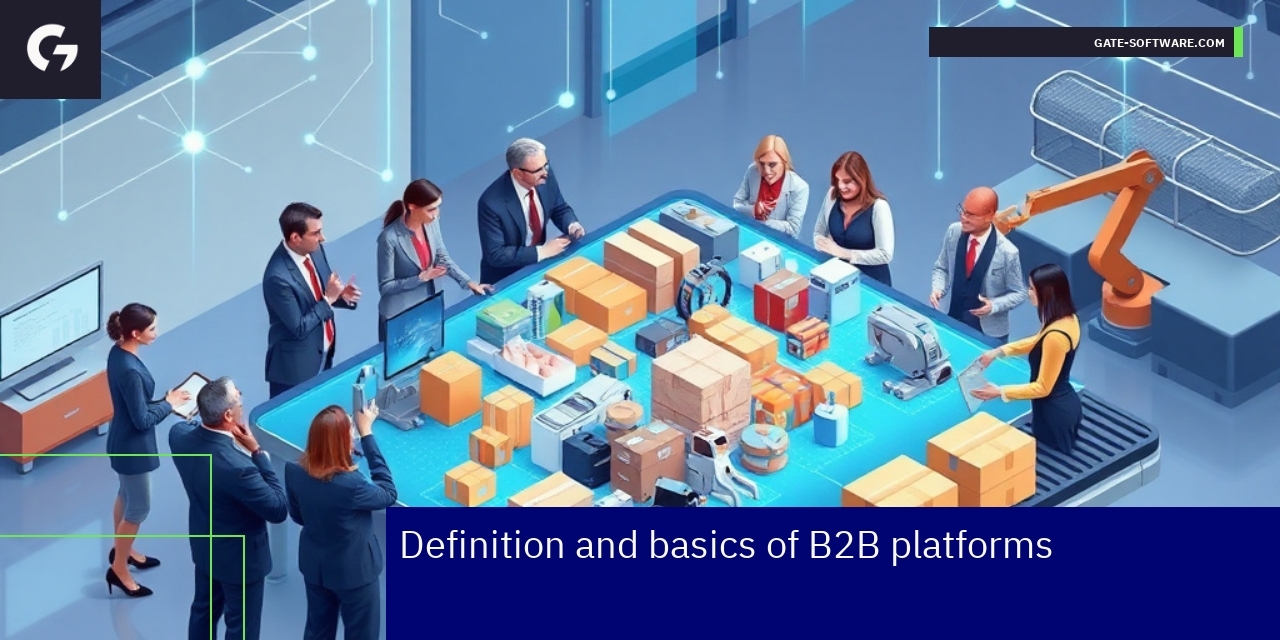
Definition and basics of B2B platforms
Business-to-Business (B2B) ecommerce platforms are specialized digital environments designed to facilitate commercial transactions between companies rather than individual consumers. These platforms support complex purchasing processes, bulk orders, and often require integration with existing enterprise resource planning (ERP) and customer relationship management (CRM) systems to streamline operations. Key features typically include customized pricing, multi-level approval workflows, and extensive product catalogs tailored for corporate clients.
Understanding what is a B2B ecommerce platform is crucial for enterprises aiming to optimize procurement efficiency and enhance supplier relationships. Unlike B2C platforms focused on individual buyers, B2B platforms emphasize functionality that supports high-volume sales cycles, longer decision-making processes, and strong compliance with contractual agreements and industry standards. This complexity demands robust technological infrastructure and precise UX/UI design to meet the expectations of professional users such as eCommerce Managers, CTOs, and Heads of Applications.
Key differences between B2B and B2C revolve around transaction scale, user roles, and the nature of customer relationships. B2B transactions typically involve repeated, contract-based purchases with negotiated pricing and extended payment terms. Decision-making involves multiple stakeholders, often necessitating platforms that facilitate collaboration and transparency. Additionally, B2B ecommerce platforms must comply with standards including WCAG 1.1 for accessibility and integrate seamlessly with enterprise systems to support end-to-end business processes efficiently.
Gate-Software’s expertise aligns closely with these B2B demands, providing tailored solutions that address the specific challenges of maintaining and optimizing Magento platforms in the B2B space. This includes strategic UX/UI improvements, ensuring compliance with WCAG standards, and supporting architecture that meets the scalability and security requirements of B2B operations. By leveraging these capabilities, CTOs and eCommerce Managers can drive digital transformation while maintaining operational continuity and enabling effective marketing and communication strategies aligned with the company’s brand voice and values.
Alternatives to B2B platforms
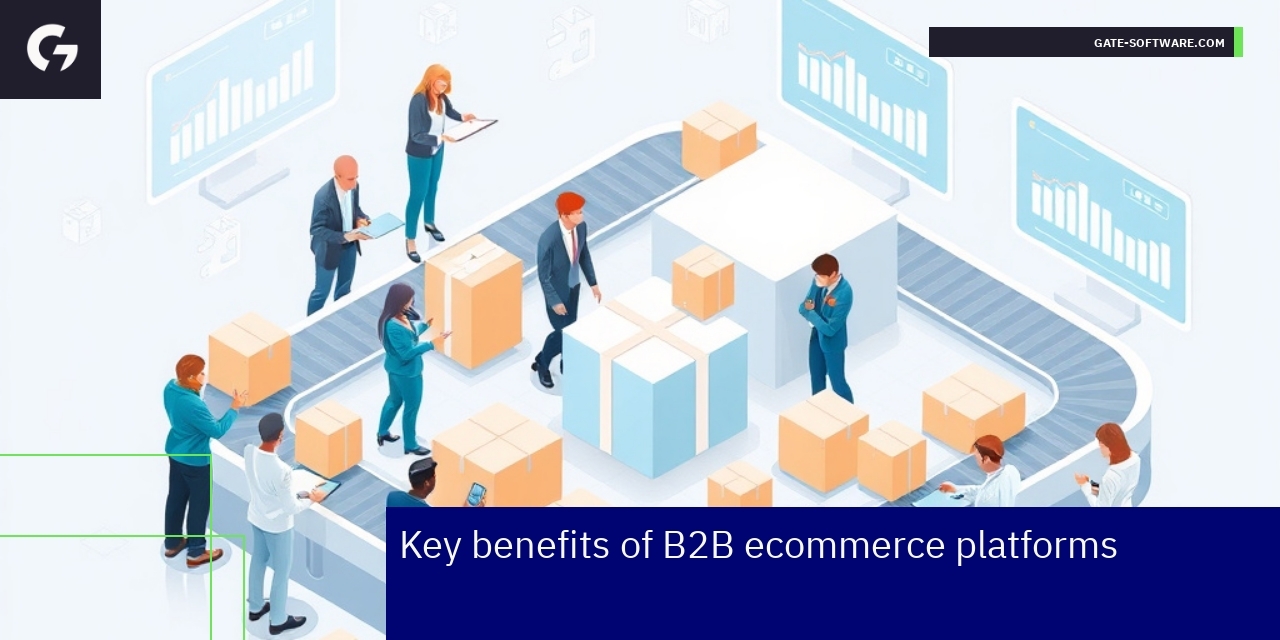
Key benefits of B2B ecommerce platforms
A well-designed B2B ecommerce platform helps companies streamline sales and meet complex business demands. Why B2B companies need an ecommerce platform is clear: it significantly optimizes ordering, reduces errors, and offers scalable growth solutions. Key benefits of B2B ecommerce platforms include automation of sales processes, improved customer experience, and integration with logistics. Understanding what is a B2B ecommerce platform is essential to unlock these advantages and future-proof your business.
KERASILK Repair Set with Cosmetic Bag
In a B2B system, the smooth operation and logistics of wholesalers in an online B2B store are critical. This system B2B setup allows easier order management and efficient distribution. The key benefits of B2B ecommerce platforms shine here, especially in handling bulk orders with precision. Platforms designed for B2B optimize ordering workflows by automating repetitive tasks, which reduces errors and accelerates order processing. This automation supports complex pricing models, allowing businesses to apply discounts or custom pricing seamlessly. Additionally, integration with logistics enhances supply chain management, minimizing delays and ensuring timely delivery, which is crucial for maintaining strong partner relationships.
KERASILK Volume Set with Cosmetic Bag
Platforms B2B bring flexibility when preparing attractive offers online for your business clients, supporting dynamic pricing and customization. How a B2B ecommerce platform can be further developed in the future includes incorporating even more personalized sales tools and broader integration. Dynamic pricing and tailored offers improve customer engagement and drive sales growth in the B2B sector. The ability to customize product catalogs, payment terms, and delivery options individually for each client enhances the customer experience, a key benefit of B2B ecommerce platforms. Scalability is another vital advantage, enabling companies to easily expand their product ranges and customer bases without disrupting existing operations or requiring oversized IT investments.
GOLDWELL Rich Repair Holiday Set with Cosmetic Bag
Ecommerce B2B solutions simplify motivating wholesale clients to place orders through your own B2B ecommerce platform. Evaluating costs of implementing a B2B online store alongside these advantages helps businesses plan better investments. Self-service portals empower customers to manage their accounts and place orders anytime, increasing convenience and satisfaction. Integration with ERP and CRM systems helps maintain consistent data across platforms, enhancing transparency and communication. Security features built into these platforms protect sensitive company and transactional data, a crucial concern in B2B dealings. Ultimately, the key benefits of B2B ecommerce platforms lie in their capability to boost efficiency, reduce operational costs, and support sustainable business growth while meeting the unique challenges of B2B commerce.
Personalization strategies for the B2B ecommerce platform
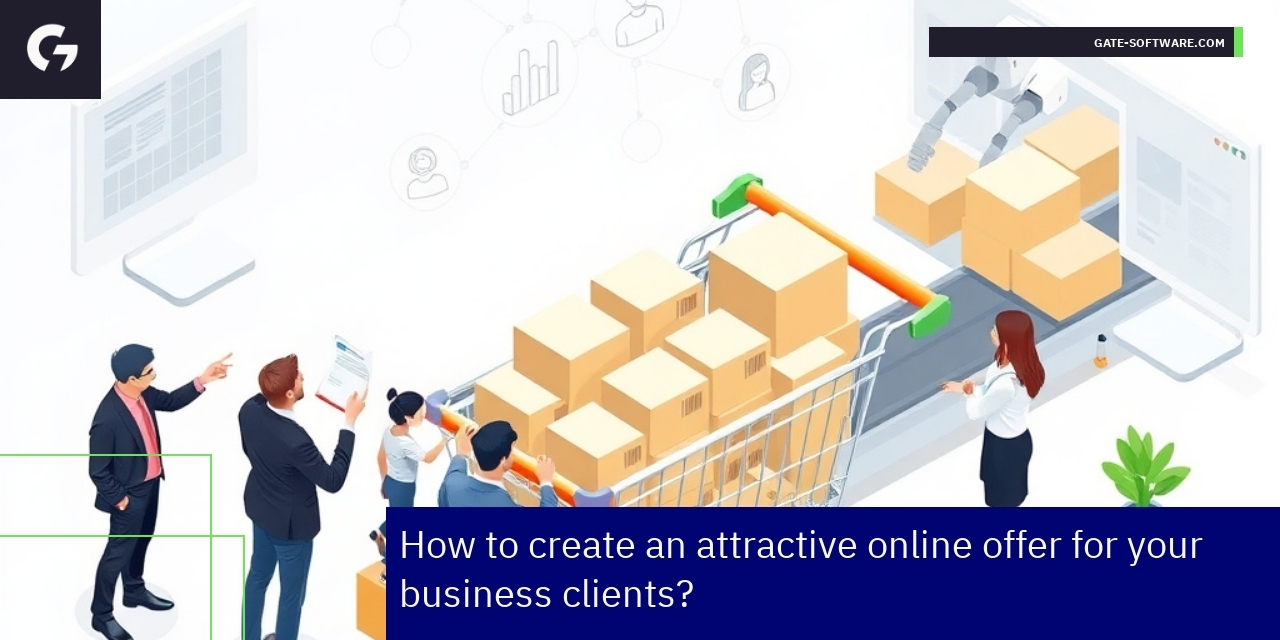
How to create an attractive online offer for your business clients?
Key elements of an online B2B offer
Creating an attractive online offer for business clients requires a focus on clarity, customization, and comprehensive product information. Key elements include transparent pricing models tailored for volume purchases, detailed product specifications, and clear terms of delivery and payment. B2B buyers expect an intuitive platform that supports complex orders and provides efficient order management tools. Integrating features such as bulk order capabilities, contract pricing, and dedicated account management options fosters trust and positions your offer as business-friendly. Additionally, embedding information about your system’s cost management capabilities helps clients understand the value and economic benefits you provide, supporting confident purchasing decisions.
Personalization strategies for the B2B ecommerce platform
Personalization in B2B ecommerce involves adapting the online experience to the specific needs and behaviors of business clients. Implementing personalized catalogs, customized pricing, and offering product recommendations based on past orders can significantly improve engagement and customer satisfaction. Leveraging data-driven insights allows platforms to present relevant content and streamline the purchasing process. Personalization also extends to user roles and permissions, ensuring decision-makers such as CTOs, eCommerce Managers, and Heads of Applications can access tailored functionalities. Effective personalization not only enhances the buyer journey but also drives efficiency in purchasing workflows, ultimately boosting client loyalty.
Setting up a B2B store – true costs of online wholesale distribution and sales
KERASILK Smoothing Set with Cosmetic Bag
A system B2B store is best developed when coupled with well-thought-out cost management. Knowing how much does a B2B ecommerce platform cost and its benefits assists in creating tailored offers for business clients. Understanding these elements enables the creation of transparent pricing frameworks and scalable solutions that meet distinct client needs. Cost management also plays a critical role in maintaining platform sustainability and supporting continuous development, ensuring the store remains competitive and responsive to evolving market demands.
GOLDWELL DUALSENSES COLOR REVIVE Dark Golden Blonde Conditioner 200ml
Ecommerce B2B platforms play a vital role in encouraging wholesale customers to order through online portals while also ensuring smooth logistics and warehouse management. Seamless integration with inventory systems and effective order tracking enhances the buyer experience by reducing delays and errors. A robust backend supporting advanced logistics capabilities enables businesses to maintain optimal stock levels and fulfill orders efficiently. This operational excellence reinforces client trust and encourages repeat business in the competitive B2B landscape.
Join our clients using our solution
Platforms B2B are transforming the way businesses offer products online. The key benefits of B2B ecommerce platforms become clear when you experience tailored, scalable solutions. These platforms support complex pricing agreements, multi-user accounts, and provide analytics for smarter decision-making. By leveraging such systems, companies unlock new growth opportunities and streamline their sales channels, making their offer more attractive to business clients. Partnering with specialists who understand technical and business challenges in B2B ecommerce ensures your platform evolves in line with market needs and customer expectations.
Definition and basics of B2B platforms
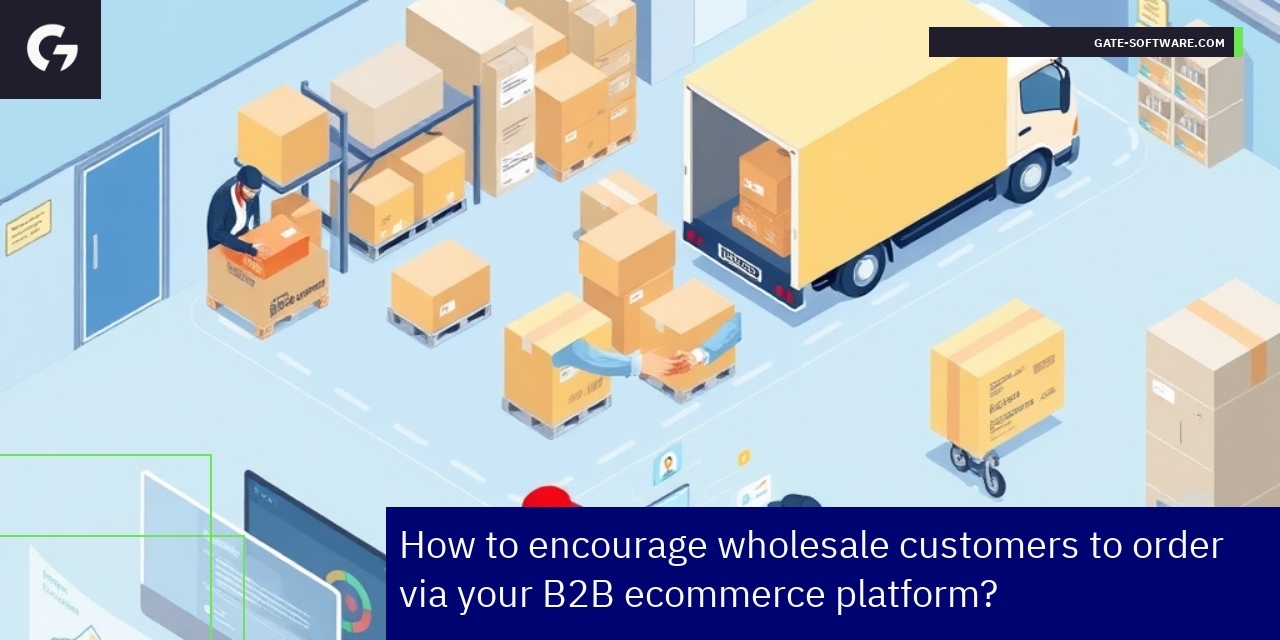
How to encourage wholesale customers to order via your B2B ecommerce platform?
Shipping custom orders
System B2B stores can handle complex custom orders efficiently, improving client satisfaction and repeat business. Moreover, these capabilities support future growth. By offering tailored shipping options and flexible logistics solutions, your platform can address the unique needs of wholesale customers, accommodating bulk shipments, varied delivery schedules, and special packaging requirements. Ensuring seamless order fulfillment through advanced B2B ecommerce platforms enhances the overall customer experience, which is crucial for motivating repeat orders and long-term partnerships. Integrating these functionalities aligns with the key benefits of B2B ecommerce platforms, helping to streamline the buying process and build trust among wholesale clientele.
Omnibus Directive in B2B – what you need to know
Ecommerce B2B companies must understand regulations like the Omnibus Directive for compliance. Being aware of costs of implementing a B2B online store also ties into legal preparedness and smooth operations. Compliance ensures your platform maintains transparency and adheres to consumer rights, which builds confidence among wholesale customers. Addressing regulatory requirements proactively minimizes risks of legal complications and operational disruptions, thereby encouraging customers to rely on your ecommerce system for their ordering needs. Understanding the Omnibus Directive and related legislation is essential to establish secure and trustworthy B2B transactions on your platform.
B2B digital marketing – choosing the right strategy for your business
Platforms B2B enable targeted digital marketing strategies, making it easier to reach wholesale customers and boost orders through your B2B ecommerce platform. Employing data-driven marketing approaches tailored to B2B segments facilitates precise audience targeting and personalized communication. Leveraging channels such as LinkedIn, industry-specific content, and email marketing can elevate brand presence and drive more qualified leads to your ecommerce site. This strategic focus on digital marketing maximizes engagement with wholesale clients and supports sustained order growth, fulfilling the core purpose of the key benefits of B2B ecommerce platforms.
Alternatives to B2B platforms
Costs of implementing a B2B online store and a new sales model
B2B store specifics – start in a few steps
Understanding system B2B operations helps break down initial steps and shows how a B2B ecommerce platform’s benefits compound over time. Implementing a B2B online store involves recognizing the unique needs of business clients such as volume-based pricing, complex order management, and personalized catalogs. These platforms must integrate seamlessly with existing ERP and CRM systems to streamline workflows and ensure accurate data flow. Early stages require careful planning around user roles and permissions, payment terms, and logistics coordination. The investment in these foundational elements creates a scalable online wholesale distribution ecosystem, which ultimately reduces manual processes and enhances customer satisfaction. This approach reflects a thoughtful cost analysis of implementation tailored specifically to e-commerce B2B environments.
Setting up a B2B store – true costs of online wholesale distribution and sales
Ecommerce B2B investments align with strategies to encourage wholesale customers to order through your online B2B store, balancing up-front and ongoing costs for optimized ROI. Initial expenses often include platform licensing (such as Magento™), development of bespoke features, hosting infrastructure, and integration costs with legacy systems. Additionally, compliance with WCAG 1.1 standards and UX/UI audits ensures accessibility and user experience quality. Beyond implementation, ongoing investments involve SLA maintenance, server monitoring, and regular content updates to support marketing and sales strategies. These recurring costs underpin the platform’s reliability and scalability. Pricing models and operational processes must reflect the new sales model, focusing on efficiency and automated workflows to minimize manual order handling, which drives long-term financial benefits.
Setting up a B2B store – it’s easier than you think!
Platforms B2B are more accessible than ever, and knowing how to prepare an attractive online offer for your business clients alongside cost benefits makes this a practical move. Modern B2B ecommerce solutions provide ready-made integrations and customizable modules that accelerate deployment timelines. Thorough understanding of customer personas, from Architect to eCommerce Manager, informs tailored marketing and communication strategies as well as product catalog segmentation. Key decisions regarding platform scalability, hosting options, and compliance with Gate-Software standards ensure a secure and performant environment. Transparent cost structures, coupled with improvements in user experience and operational automation, make transitioning to a new sales model an achievable goal that drives tangible business growth and justifies the initial expenditure.
Future development of B2B ecommerce platforms
Trends in B2B ecommerce platforms
The future of B2B ecommerce platforms is shaped by increasing digital transformation and the demand for seamless integration with existing business processes. Advancements in AI-driven personalization, automation of order flows, and enhanced UX/UI tailored to the needs of wholesale clients are key trends. Companies seek platforms that ensure compliance with standards such as WCAG for accessibility, and facilitate multi-channel communication aligned with brand voice strategies. These trends support the efficiency and scalability of B2B operations, addressing complex pricing models and order management requirements unique to B2B.
Examples of successful implementations
Successful B2B ecommerce deployments typically feature integration with ERP and CRM systems, robust security measures, and scalability to handle large transaction volumes. Examples often illustrate how customized platforms adapt to specific personas like the Architect or eCommerce Manager, reflecting their decision-making priorities. These implementations also highlight cost optimization and hosting strategies that maintain high availability and monitoring, ensuring seamless customer experience and operational reliability.
Differences between B2C and B2B stores
A system B2B store differs significantly from B2C, from pricing to order flow. Recognizing these distinctions clarifies why key benefits of B2B ecommerce platforms are so critical. In B2B, pricing is often negotiated or tiered per customer segment, orders tend to be larger and recurring, and workflows accommodate purchase approvals and credit management. These specific features require a platform that supports complex catalog management and user roles, which are typically absent in B2C environments.
Is implementing a B2B store right for me?
Ecommerce B2B investment decisions depend on your business needs and goals, especially regarding costs of implementing a B2B ecommerce platform and how it can encourage wholesale clients. Considerations include whether your current sales channels meet client expectations for digital engagement, and the potential ROI from automating sales processes. Strategic alignment with company values and communication plans ensures effective adoption and long-term benefits.
Want to start a B2B store? Check out Automico B2B!
Platforms B2B like Automico B2B help businesses prepare attractive online offers and enjoy the full range of key benefits of B2B ecommerce platforms. Such platforms provide configurable solutions that streamline integration, support varied pricing structures, and deliver tailored user experiences that enhance customer satisfaction and loyalty. Automico B2B empowers decision-makers to digitally transform sales operations while maintaining control over critical business functions.
Alternatives to B2B platforms
When exploring alternatives to B2B platforms, businesses must carefully evaluate and compare different B2B ecommerce solutions to select the best fit for their specific operational needs. Diverse platforms offer varying functionalities that address complex B2B requirements such as multi-user accounts, custom pricing, integration with ERP systems, and compliance with WCAG standards. For CTOs and Heads of Applications, technical scalability and seamless integration with existing infrastructure are crucial factors. The ideal solution should balance flexibility with robust security protocols and ensure an optimized user experience aligned with UX/UI best practices.
Comparing different B2B ecommerce solutions reveals trade-offs between proprietary platforms, open-source frameworks, and hybrid models. Proprietary platforms typically offer faster deployment and dedicated support but may impose higher costs and less customization. Open-source options provide greater control and adaptability, supporting bespoke workflows and enterprise-specific features, yet they demand internal expertise and ongoing maintenance. Hybrid solutions attempt to combine the benefits of both, allowing phased migration and scalable customization.
Pros and cons of various platforms hinge on critical aspects like scalability, cost-effectiveness, compliance with industry standards, and ease of onboarding. Platforms with extensive integrations reduce operational overhead, while those lacking WCAG 1.1 compliance may exclude users or violate accessibility regulations. Additionally, the ability to implement targeted marketing strategies and content aligned with company values significantly impacts the platform’s long-term success. Decision-makers should prioritize vendors who understand the specific dynamics of B2B transactions, including complex approval workflows, transactional transparency, and strategic customer relationships, to leverage the full potential of their ecommerce investments.
B2B store FAQs
In B2B e-commerce, addressing common questions and concerns is crucial for building trust and facilitating smooth transactions. A B2B store must ensure clarity on topics such as order processing, account management, and technical integrations to meet the complex needs of business clients.
One frequent inquiry involves the integration capabilities with existing enterprise systems. Business customers need seamless connection to ERP, CRM, and inventory management platforms to ensure data consistency and operational efficiency. Gate-Software’s expertise in Magento™ facilitates such integrations with custom APIs and extensions, enabling real-time synchronization and a unified workflow for B2B clients.
Order customization is another key area. B2B buyers often require features like bulk ordering, negotiated pricing, and approval workflows. Implementing user roles and permission layers helps control purchasing power and aligns with internal business processes, enhancing the user experience without compromising compliance or security.
Performance and accessibility are vital for B2B stores. Adhering to standards such as WCAG 1.1 ensures the platform is usable by all users, which is essential in large organizations. Optimal hosting, monitoring, and SLA agreements with Gate-Software guarantee minimal downtime and fast response, critical for maintaining business continuity.
Lastly, strategic content including tailored communication and account-specific marketing supports customer retention and growth. Gate-Software’s content strategy integrates brand voice and persona-driven messaging, ensuring that the platform resonates with decision-makers like CTOs, eCommerce Managers, and Heads of Applications.
This comprehensive focus on technical robustness, usability, and strategic alignment addresses the real challenges faced by B2B stores, helping businesses streamline e-commerce operations effectively while leveraging Gate-Software solutions.
FAQ
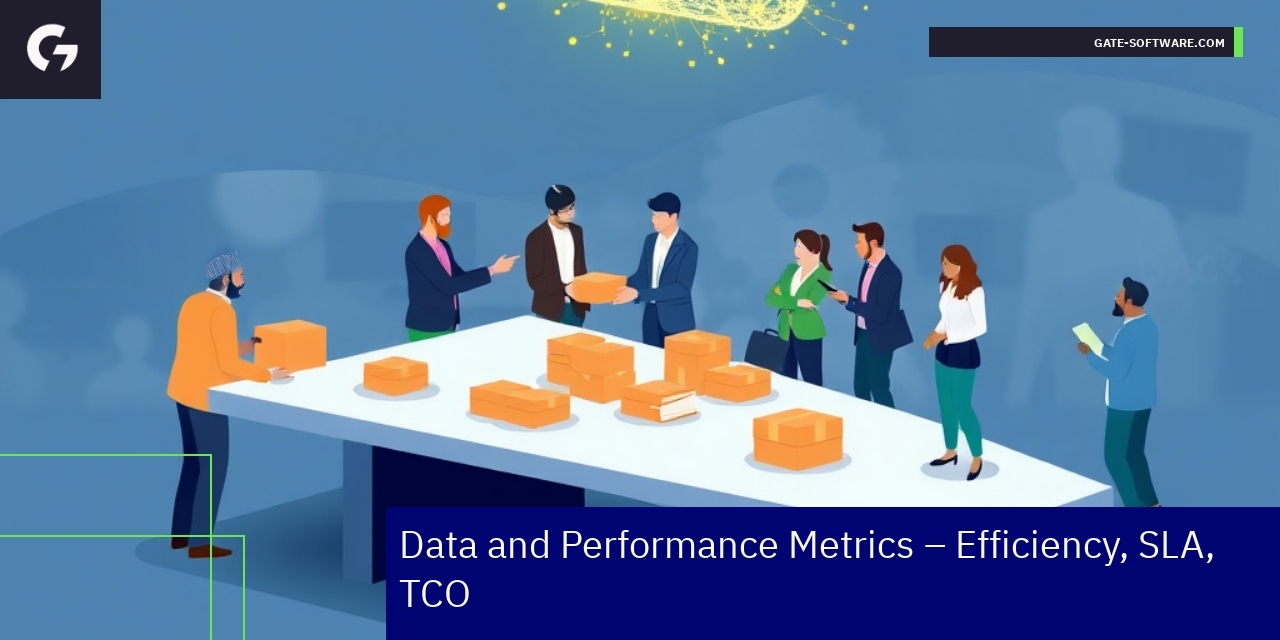
Data and Performance Metrics – Efficiency, SLA, TCO
Operational Effectiveness in B2B Projects
In the rapidly evolving landscape of B2B eCommerce, having access to crucial operational metrics is essential for understanding the overall effectiveness of the implemented solutions. Gate-Software focuses on delivering results that align with the specific needs of business clients. Here are some noteworthy statistics that provide insights into the operational capabilities and performance of Gate-Software’s B2B services:
1. Project Takeover Time: Typically, projects are transitioned smoothly within an average of 3 weeks, enabling businesses to quickly leverage new technologies.
2. On-Time Delivery Rate: Gate-Software boasts an impressive 95% of its projects delivered within the agreed timelines, reflecting strong operational reliability.
3. Cost Reduction through TCO Optimization: Clients experience an average 20% reduction in Total Cost of Ownership (TCO) post-implementation, showcasing the efficiency of Gate-Software’s solutions in managing resources effectively.
4. Implementation Volume: In the past year alone, Gate-Software successfully implemented over 30 B2B platforms, demonstrating robust demand and expertise in the sector.
5. Uptime SLA Compliance: With a commitment to high availability, Gate-Software maintains an uptime SLA of 99.9%, ensuring that clients can depend on their systems for uninterrupted operations.
6. Average Duration of Client Relationships: Gate-Software enjoys long-lasting partnerships with clients, averaging 5 years, indicative of sustained satisfaction and operational success.
7. Monthly Support Response Time: The average time taken to respond to support requests is under 4 hours, reflecting the company’s dedication to client service and operational excellence.
These metrics exemplify Gate-Software’s effectiveness in driving B2B operations forward, enhancing purchasing experiences, and reducing costs for businesses. By leveraging such data, decision-makers are empowered to make informed choices that align with their strategic objectives.

Summary
In conclusion, adopting a robust B2B ecommerce platform is a strategic move that can significantly streamline your business operations while enhancing client relationships. Gate-Software is dedicated to providing you with customized solutions that address the unique challenges faced by B2B companies today. By focusing on automation, integration, and user-centric design, we empower your organization to optimize procurement and sales processes, ultimately leading to increased efficiency and profitability. Your decision to partner with us opens the door to advanced features such as dynamic pricing, tailored catalogs, and comprehensive analytics, all crafted to meet the evolving needs of your business. We invite you to connect with us to explore how Gate-Software can help you transform and elevate your B2B ecommerce strategy.
Summary
FAQ
What is a B2B ecommerce platform?
A B2B ecommerce platform is a specialized digital marketplace designed to facilitate transactions between businesses, focusing on requirements such as bulk ordering, customized pricing, and extended credit terms.
How does a B2B store enhance procurement processes?
A B2B store enhances procurement processes by streamlining sales through automated workflows, improving order management, and facilitating integration with existing ERP and CRM systems, ultimately allowing for efficient handling of complex orders.
Why is personalization important in B2B ecommerce?
Personalization is vital in B2B ecommerce as it aligns the online experience with the unique needs of diverse stakeholders, improving engagement and client satisfaction through customized catalogs and pricing strategies.
How can businesses encourage wholesale customers to order via their B2B platform?
Businesses can encourage wholesale customers to order through their B2B platform by offering features like bulk order management, tailored shipping options, and integration with logistics, enhancing the overall purchasing experience.
What are the costs associated with implementing a B2B online store?
The costs of implementing a B2B online store include upfront expenses for platform licensing, custom features, integration with existing systems, and ongoing operational costs such as maintenance, hosting, and compliance with standards like WCAG 1.1.
How to create an attractive online offer for your business clients?
.
.
Zamów bezpłatną konsultację
.
Z nami rozwój Twojego biznesu nabierze tempa! Zapraszamy do kontaktu średnie i duże firmy generujące min. 7 mln PLN obrotu rocznie – tam nasza ekspertyza sprawdza się najlepiej.
.
Kliknij w poniższy przycisk i skontaktuj się z jednym z naszych konsultantów e-commerce
.