Introduction
A B2B ecommerce store must be precisely tailored to the sophisticated requirements of business customers, where transactional efficiency, customization, and reliability are paramount. Unlike B2C platforms, B2B stores serve diverse stakeholders such as procurement managers, architects, and IT decision-makers who demand granular control over purchasing processes and technical integrations.
Key aspects include a user-friendly interface that simplifies product discovery, advanced search filters, and robust bulk ordering capabilities with transparent volume pricing. Account management features should support multi-user roles with specific permissions, enabling seamless collaboration within an organization. Detailed product catalogs enriched with comprehensive specifications and availability data empower buyers to make informed decisions aligned with complex project demands.
Business customers expect flexible payment terms including invoicing and purchase orders, supported by streamlined, secure checkout flows that minimize friction. Mobile responsiveness is crucial as decision-makers often review orders on the go. Comprehensive customer support channels ensure timely assistance, and integration with ERP and accounting systems enhances operational efficiency.
Beyond transactional features, embedding educational content and strategic insights positions the platform as a trusted partner in digital transformation journeys. This enterprise-grade approach reflects Gate-Software’s commitment to delivering Magento™ solutions aligned with the business values and requirements of CTOs, CDOs, eCommerce Managers, and Heads of Applications in the B2B sector.
TABLE OF CONTENTS
- B2B Ecommerce Store – What Should It Be Like?
- Definition of a B2B Store
- Core Elements of a B2B Store
- B2B Ordering System
- Implementing a B2B Store – Is It for You?
- Cost of Launching a B2B Store – What Does Wholesale Online Sales Really Cost?
- Examples of Successful B2B Stores
- Comparison of B2B Platforms
- Alternatives to Traditional B2B Stores
- Benefits and Risks of B2B Ecommerce
- FAQ – Frequently Asked Questions
- Data and Performance Metrics – Efficiency, SLA, TCO
- Summary
- FAQ
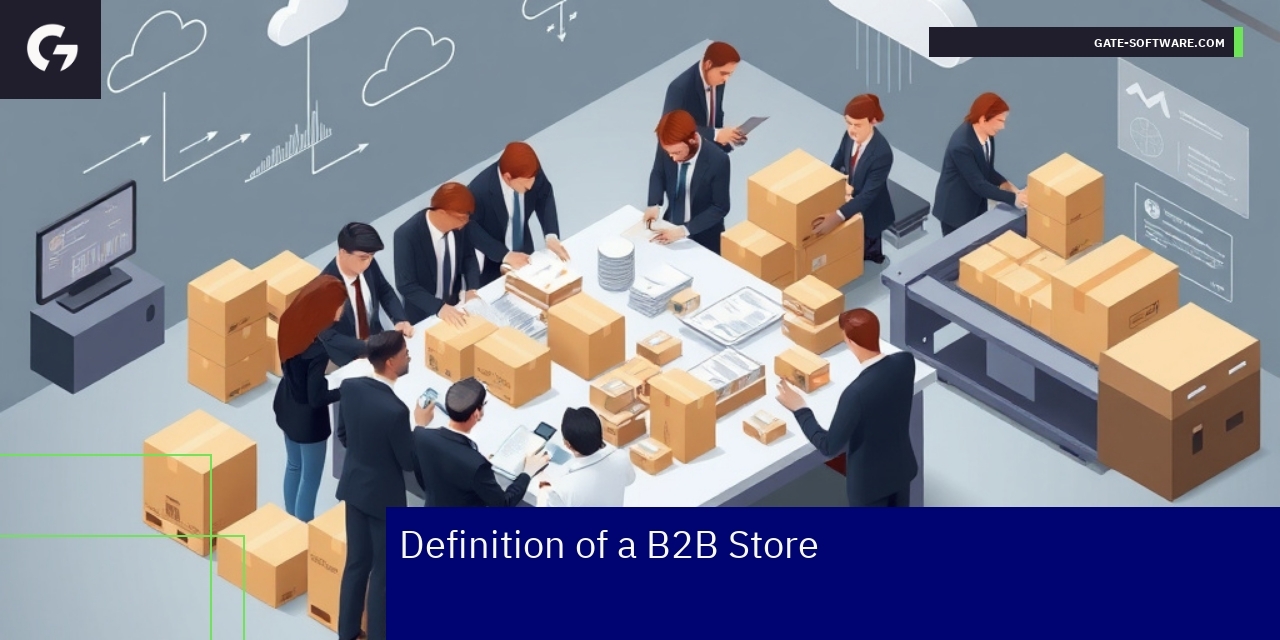
Definition of a B2B Store
A B2B store is an online platform designed specifically for business-to-business transactions, where one business sells products or services directly to another business. Understanding the definition of a B2B store involves recognizing how it fundamentally differs from B2C models. The primary focus is on serving business clients who typically place larger orders and require specialized processes to manage their procurement efficiently.
In the context of B2B ecommerce, the definition of a B2B store encompasses several basic concepts essential for its operation. These stores cater to companies such as wholesalers, retailers, and manufacturers rather than individual consumers. They facilitate bulk purchasing, often incorporating tiered pricing structures and discounts that reflect order volume and business relationships.
Moreover, B2B stores feature a more complex sales process including options for negotiation, customized pricing, and tailored payment terms like net 30 or net 60 days, which accommodate the financial operations of businesses. Integration with other enterprise systems such as ERP, CRM, and inventory management solutions is also a critical component, ensuring streamlined workflows across procurement, order fulfillment, and invoicing.
Account management is another key aspect, providing businesses with the ability to manage multiple users within a single account, track previous orders, and access personalized pricing. Additionally, customer support is more consultative and relationship-driven, often involving dedicated account representatives.
Overall, the definition of a B2B store and its basic concepts highlight a sophisticated, business-focused ecommerce environment designed to optimize large-scale transactions and strategic supplier-buyer relationships in today’s market landscape.
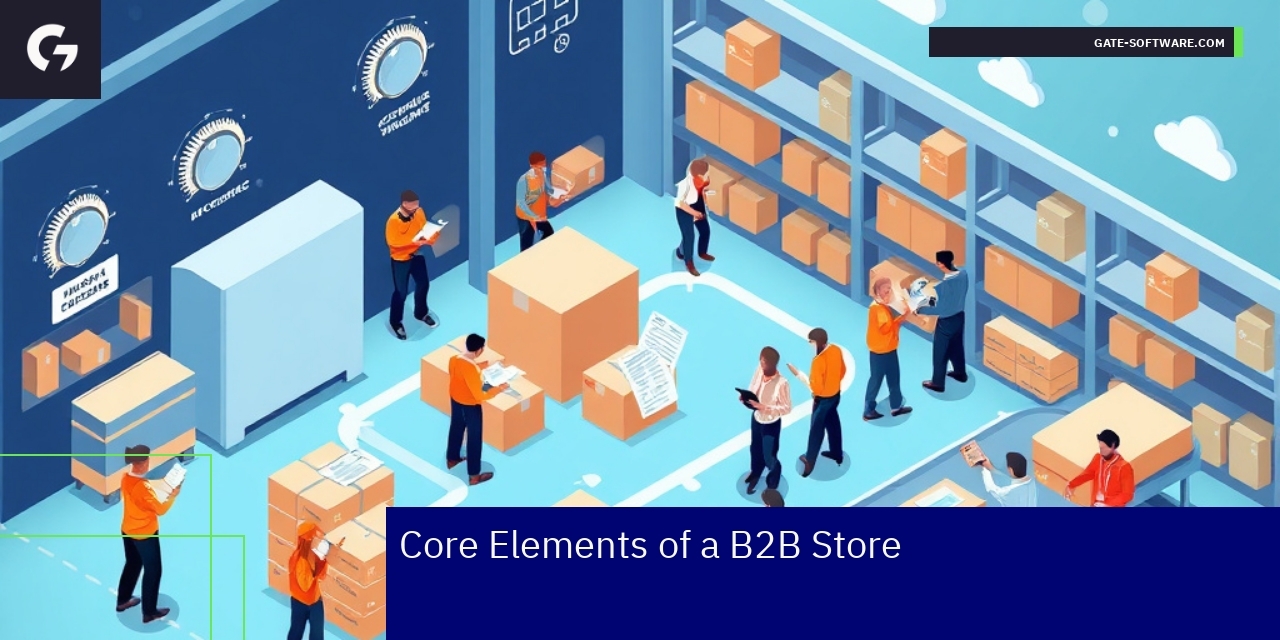
Core Elements of a B2B Store
A well-designed B2B store requires multiple key elements and functionalities. These include customizable pricing, bulk ordering capabilities, user management, and integration with business systems. Implementing these core elements ensures a seamless user experience that matches the complexity of business transactions and supports the 15 B2B ecommerce trends transforming digital commerce now and into 2025–2026.
Customizable pricing is essential in B2B environments where different customers may have negotiated rates, volume discounts, or contract-based pricing. This functionality allows businesses to offer tailored pricing schemes that reflect unique agreements, ensuring transparency and flexibility. Bulk ordering capabilities streamline the purchasing process for large quantities, saving time and reducing errors, which is critical for businesses managing extensive inventories or repeat orders.
User management plays a pivotal role by enabling role-based permissions and multiple user accounts within one organization. This facilitates efficient collaboration, approval workflows, and accountability, aligning with enterprise procurement processes. Moreover, seamless integration with backend business systems such as ERP, CRM, and inventory management ensures data consistency and operational efficiency. It automates order processing, inventory updates, and customer data synchronization, minimizing manual intervention and errors.
Together, these key elements and functionalities form the backbone of a robust B2B store. They accommodate the complexities of business transactions and deliver a user experience that supports strategic business objectives. By prioritizing these core elements, companies can effectively address the evolving demands of B2B ecommerce, positioning themselves competitively for immediate and future success.
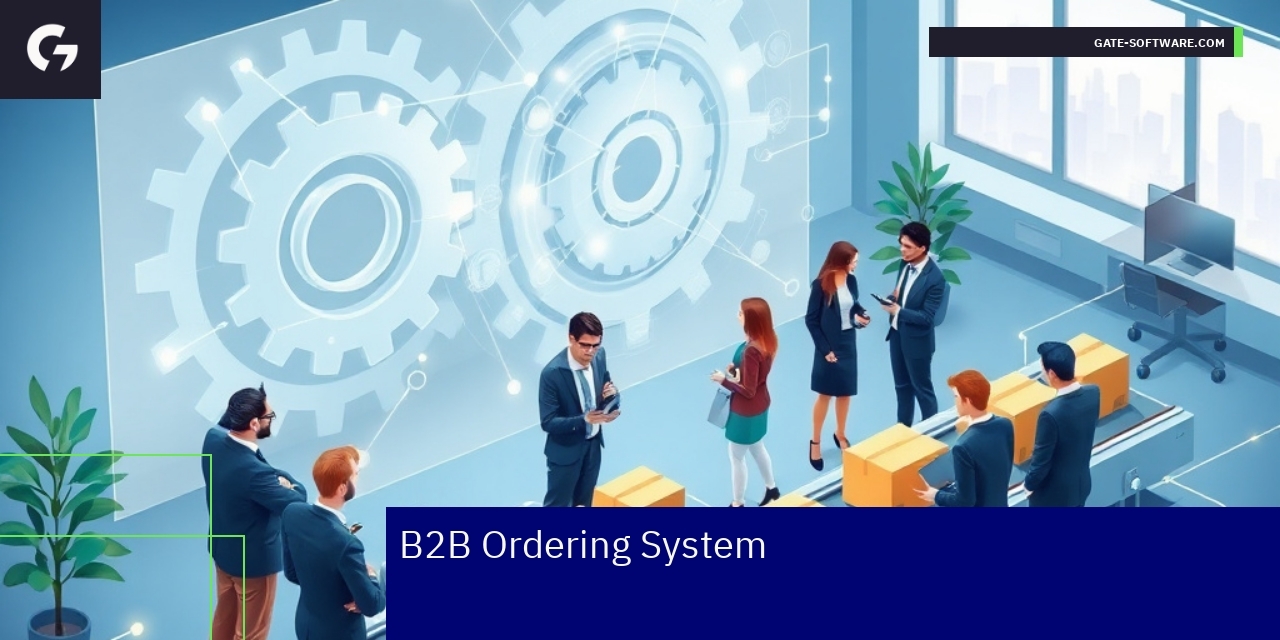
B2B Ordering System
How Does the B2B Ordering System Work?
The backbone of any B2B ecommerce platform is its ordering system. A reliable B2B system supports complex order placements, recurring purchases, and tailored workflows that boost overall efficiency and customer satisfaction. The operating mechanisms and processes embedded within the B2B system are designed to manage multiple buyers within a single organization, automate reorders, and streamline purchase approvals. These features ensure that ecommerce b2b solutions fit seamlessly into the diverse needs of business customers, handling volume and complexity with precision. Understanding the functioning of these systems is a key element for decision-makers such as CTOs and eCommerce managers when planning B2B platform development and implementation roadmaps to stay aligned with emerging B2B trends.
Benefits of B2B Ordering Systems
Among the top benefits of using a robust B2B system are increased operational efficiency, improved order accuracy, and enhanced user experience. These systems reduce manual errors and enable businesses to scale by automating repetitive tasks and supporting detailed workflows tailored to buyer roles. B2B platforms that incorporate such ordering systems deliver measurable improvements both in transactional speed and in customer satisfaction. For enterprises engaged in ecommerce b2b, this translates into better resource allocation and quicker fulfillment cycles, underpinning sustainable growth and competitive advantage.
Choosing the Right System
Selecting the optimal B2B system involves evaluating several critical criteria, including scalability to accommodate business growth, integration capabilities with existing ERP or CRM solutions, and the overall user experience designed for multiple stakeholder roles. Decision-makers must prioritize systems that offer flexibility in workflow customization and seamless data flow across platforms. Advice for those designing or upgrading their B2B platform stresses the importance of aligning system capabilities with strategic business goals and ensuring compliance with industry standards. B2B platform choice should therefore be guided not only by current needs but also by the ability to adapt to evolving market demands and technological advances.
LinkedIn B2B – Building Communication and Marketing
LinkedIn remains an essential channel for marketing and communication within ecommerce b2b. Leveraging LinkedIn for B2B platforms helps companies grow their brand presence, generate qualified leads, and build trusted business relationships. Strategic content and targeted campaigns aligned with broader B2B ecommerce strategies enhance engagement and support sales funnels. For B2B system operators, LinkedIn offers a dynamic tool to connect with decision-makers and influencers, complementing technical and operational efforts.
Omnibus Directive in B2B – What You Need to Know
Compliance with the Omnibus Directive is critical for all platforms B2B. The directive establishes transparency and fairness in online marketplaces, impacting how B2B ordering systems must manage data, pricing, and customer interactions. Understanding these regulatory frameworks is essential for B2B ecommerce businesses to assure secure and compliant services. Adhering to the directive promotes trust among users and protects companies from legal risks while adapting their platforms to this evolving landscape.
B2B Digital Marketing – Picking the Right Strategy
The right digital marketing strategy for a B2B platform is foundational to achieving visibility and growth. Approaches that integrate data-driven insights and align with specific B2B ecommerce strategies enable platforms to maximize their reach and return on investment. Effective use of SEO, content marketing, and targeted outreach complements the technical excellence of the B2B system itself. By focusing on tailored messaging and measurable campaigns, companies operating B2B platforms can differentiate themselves and strengthen their market position.
Common Mistakes in B2B Store Implementation
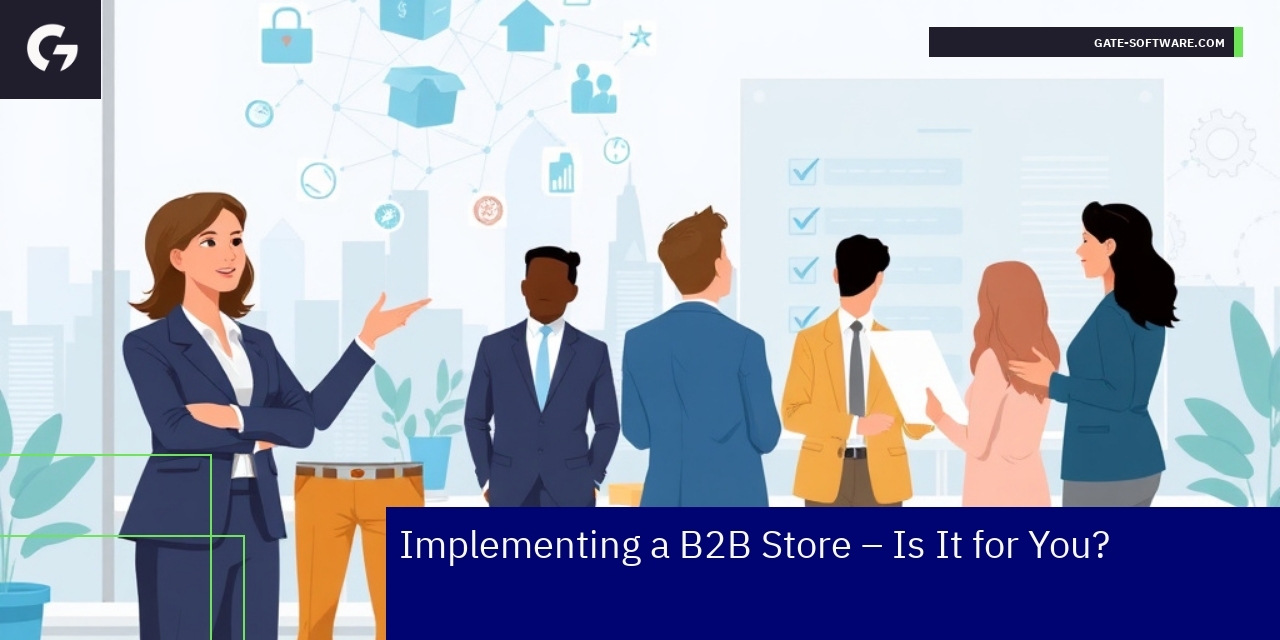
Implementing a B2B Store – Is It for You?
Deciding to implement a B2B system involves evaluating your business needs and readiness. This section guides businesses through the decision-making process, highlighting key factors and practical considerations.
Implementing a B2B system requires a thorough assessment of your company’s current infrastructure, client base, and long-term goals. It’s crucial to understand that ecommerce B2b demands specific functionalities distinct from B2C platforms, such as complex pricing models, bulk ordering, and personalized buyer experiences. Before embarking on this transformation, evaluating readiness means considering integration with existing IT systems, such as ERP or CRM, and ensuring your team has the expertise to handle B2B platforms efficiently. Addressing potential pitfalls and mistakes early, such as underestimating development timelines or neglecting compliance with industry standards, can save significant resources. Establishing a clear checklist of to-do steps facilitates a structured implementation process, ultimately leading to a robust and scalable solution tailored for B2B clients. Carefully weighing these elements helps determine if a B2B system aligns with your strategic priorities.
Ready to Launch a B2B Store? Check Automico B2B!
Automico B2B serves as a comprehensive B2B platform designed to support companies venturing into ecommerce B2b. It delivers an integrated solution that streamlines functions ranging from customer onboarding to order management, enabling a smooth transition from traditional commerce to a digital B2B system. With Automico B2B, businesses gain access to tools tailored to the nuances of B2B trade, including custom pricing, role-based access, and automated workflows that reduce operational complexity. Leveraging such a B2B platform reduces common mistakes by providing a proven framework backed by best practices. Additionally, Automico supports firms in managing the entire checklist for launching a B2B store, ensuring no critical to-do steps are overlooked. For organizations seeking a turnkey solution, Automico B2B minimizes risks and accelerates time-to-market for ecommerce B2b initiatives.
Differences Between B2C and B2B Stores
Grasping the distinctions between B2C and B2B platforms is fundamental to developing a suitable B2B system. Buyer behavior in B2B is more rational, often involving longer sales cycles, higher transaction values, and multiple decision-makers. Unlike B2C ecommerce, B2B platforms require advanced pricing models that reflect volume discounts, contractual agreements, and negotiated prices. The complexity of B2B platforms extends to user management — with multiple roles and permissions — and integration with back-office systems critical for operational efficiency. Understanding these differences prevents typical mistakes that arise when a B2C approach is directly applied to B2B store development. Tailoring your platform to B2B principles ensures a more effective ecommerce B2b experience for your clients, encompassing the right features and workflows unique to B2B sales.
B2B Store Specifics – Start in a Few Steps
Launching a B2B platform can be systematized into essential to-do steps that streamline the process. First, define your business objectives and target customer personas to shape the platform’s capabilities. Next, prioritize feature requirements such as pricing tiers, payment terms, and product availability tailored to B2B buyers. Third, select a B2B system that aligns with your technical environment and scalability needs. Each phase benefits from a detailed checklist covering design, development, testing, and deployment to avoid overlooking crucial elements. Following these steps provides a clear roadmap that prevents common pitfalls and mistakes often encountered during B2B platform implementation. By focusing on the unique demands of ecommerce B2b, your store can achieve operational efficiency and improved customer satisfaction rapidly.
Common Mistakes in B2B Store Implementation
Avoiding mistakes during B2B platform implementation is critical for success. Frequent pitfalls include insufficient stakeholder engagement, overlooking integration complexity with existing enterprise systems, and underestimating the importance of user experience tailored for B2B buyers. Neglecting to create a comprehensive checklist leads to missed to-do steps, resulting in project delays and budget overruns. Additionally, improperly addressing complex pricing and contract management needs can hinder adoption and revenue. Lessons learned from common mistakes stress the importance of involving technical and business experts early in the process and deploying B2B platforms designed for these specific challenges. Recognizing these issues upfront enables teams to mitigate risks and fosters a smoother implementation process.
Checklists for B2B Store Launch
A detailed checklist is a valuable tool guiding the launch of a B2B system across all critical stages. This includes requirements gathering, vendor evaluation, project planning with defined milestones, iterative testing, and user training. Covering to-do steps such as SEO optimization for ecommerce B2b visibility, compliance with standards, and post-launch monitoring ensures sustained performance. Utilizing a checklist minimizes human error and guards against costly mistakes common in B2B platforms. With clearly articulated tasks mapped to timelines and responsible teams, businesses can confidently proceed through the complexities of a B2B store launch. A structured approach empowers decision-makers and technical leads to address ecommerce b2b challenges systematically and deliver a platform aligned with strategic objectives.

Cost of Launching a B2B Store – What Does Wholesale Online Sales Really Cost?
Fixed and Variable Costs in a B2B Store
Understanding the cost structure behind a B2B system is essential for precise budgeting and financial planning. Fixed costs typically include platform licensing fees, ongoing maintenance, dedicated hosting, and security compliance expenses. Variable costs may involve transaction fees, customer support scalability, marketing investments, and integrations with other business systems. This cost analysis helps businesses forecast budgets effectively for their ecommerce b2b ventures, ensuring sustainable growth without unexpected financial burdens. Accurate knowledge of both fixed and variable expenses enables decision-makers to align investments strategically with long-term business goals.
Funding Your B2B Store – Options and Opportunities
Financing sources for a B2B system range from internal capital allocations and venture funding to strategic partnerships and grant programs. Understanding these financing options is crucial for securing the necessary capital to develop and maintain a competitive ecommerce b2b platform. Exploring different funding avenues can also help balance operational costs against investments in technology enhancements and user experience improvements. By carefully planning financing and investments, companies reduce financial risk while maintaining the agility to adapt to evolving market demands in wholesale online sales.
Starting a B2B Store – Easier Than You Think!
Thanks to advancements in ecommerce B2B technology and tools, launching a B2B store is now more accessible and cost-effective. Many platforms offer scalable solutions with built-in features tailored to wholesale processes, reducing initial expenses and accelerating time to market. Utilizing modern B2B system integrations and configurable workflows simplifies onboarding and customer management. This means businesses can invest in strategic areas like customer experience and digital marketing rather than exhaust resources on complex technical setups. Consequently, entering the wholesale online sales market has become not only feasible but also financially viable for a broad spectrum of enterprises.
Examples of Successful B2B Stores
Explore case studies and inspiring examples of B2B ecommerce success. These showcase effective implementation of the best B2B website designs and strategies worth emulating.
In the evolving landscape of B2B ecommerce, successful stores distinguish themselves by combining technical excellence with deep insight into their customers’ needs. Case studies reveal that the most effective B2B platforms focus heavily on UX/UI tailored for professional buyers, ensuring seamless navigation and quick access to complex product information. Inspiration from these examples highlights not only design sophistication but also adherence to WCAG standards, guaranteeing accessibility across diverse user groups.
Another key element drawn from multiple case studies is the strategic integration of Magento™ solutions that support scalability and robust SLA-compliant hosting services. These implementations reduce downtime and optimize operational costs, crucial for high-volume B2B transactions. Moreover, inspiration derived from these success stories stresses the importance of a clear communication strategy and brand voice aligned with the expectations of decision-makers such as CTOs, eCommerce Managers, and Heads of Applications.
Delving into these examples offers valuable insights into strategic planning and execution, where cost optimization, platform monitoring, and agile migrations play vital roles. By examining inspiration within case studies, companies gain a blueprint for elevating their own B2B ecommerce presence—fully leveraging technological advancements while meeting stringent business and technical demands. This combined focus drives not only short-term sales growth but also long-term partnership success in the competitive B2B market.
Comparison of B2B Platforms
A detailed comparison of leading B2B platforms highlights their differences, helping you choose the best fit for your business model and goals. B2B platforms vary significantly in architecture, scalability, and user experience, which impacts how businesses manage complex workflows and integration with existing systems. One of the primary differences lies in customization capabilities—platforms that support extensive tailoring of workflows, pricing rules, and catalog management meet the unique demands of B2B buyers more effectively.
Another vital aspect is the integration ecosystem, where B2B platforms differ in their support for ERP, CRM, and third-party logistics systems. Choosing a platform with robust API support ensures seamless data exchange and operational efficiency. Scalability and performance under high transaction volumes also distinguish platforms, especially for enterprises requiring stable uptime and fast response times.
Security and compliance features represent further points of differentiation. B2B platforms must safeguard sensitive customer data and comply with industry regulations. They also differ in their support for multi-level access controls and audit traceability, essential for complex decision-making hierarchies in B2B sales.
Usability and UX tailored to B2B buyer personas are crucial for adoption and efficiency. Platforms focusing on streamlined user interfaces and accessibility based on WCAG standards ensure better user engagement and loyalty.
Overall, understanding these differences across B2B platforms is essential for CTOs, eCommerce Managers, and Heads of Applications to select a solution that aligns with their company’s technical framework, operational scale, and strategic goals—maximizing ROI while meeting the specific needs of B2B customers and sales teams. This evaluation supports informed decisions to leverage the best B2B platforms while maintaining focus on business continuity and growth.
Alternatives to Traditional B2B Stores
Innovations and new business models are reshaping how companies approach B2B ecommerce. Traditional B2B stores, often characterized by static catalogs and rigid purchasing processes, are evolving to meet the dynamic needs of modern business customers. New business models leverage digital transformation, integrating advanced technologies such as AI-driven personalization, automated procurement workflows, and real-time inventory visibility. These innovations empower businesses to optimize their purchasing strategies, reduce operational costs, and enhance user experience.
One notable alternative is the adoption of marketplace models that aggregate multiple suppliers, giving buyers a broader selection and competitive pricing. Another emerging model involves subscription-based services that provide ongoing supplies with predictability in costs and inventory management. Furthermore, B2B platforms are increasingly incorporating features like seamless integration with ERP and CRM systems, enabling smoother data exchange and process automation. This approach aligns with the Gate-Software strategy of delivering flexible, scalable solutions tailored to client needs.
The emphasis on UX/UI improvements, including compliance with WCAG standards, ensures that these new models are accessible and user-friendly, addressing diverse user personas such as Architect, eCommerce Manager, or CTO, who prioritize efficiency and system interoperability. By embracing innovations and new business models, companies transition from static store fronts to dynamic, intelligent ecosystems that drive better business outcomes and customer satisfaction in the B2B sector.
Benefits and Risks of B2B Ecommerce
An honest look at the advantages and drawbacks of B2B ecommerce prepares businesses for anticipated challenges and opportunities, helping them navigate risks effectively.
B2B ecommerce offers significant pros and cons that business decision-makers must carefully consider. Among the benefits, cost efficiency stands out as digital sales platforms reduce the reliance on physical storefronts and minimize operational overhead. The ability to reach a global market without geographic limitations expands customer bases exponentially, while 24/7 availability allows businesses to process orders and engage customers beyond traditional business hours. Furthermore, automating sales and inventory processes streamlines operations, freeing resources for strategic tasks. Personalization capabilities also enhance client relationships by tailoring offers and communications to specific business profiles.
However, B2B ecommerce is not without risks and downsides. Technological dependence introduces vulnerabilities, as any system downtime or failure can disrupt critical business processes. Initial setup costs for comprehensive ecommerce platforms are significant, demanding careful investment planning. The complexity of B2B transactions, often involving large bulk orders, contract negotiations, and customized pricing, requires sophisticated platform features and skilled management. Additionally, the shift toward digital can reduce face-to-face interactions, potentially impacting trust-building and long-term partnerships. Finally, heightened competition in the digital space means businesses must continuously innovate and optimize their offerings.
The risks inherent to B2B ecommerce extend beyond operational challenges. Cybersecurity threats pose serious hazards, necessitating robust data protection and risk mitigation strategies. Supply chain vulnerabilities can cause disruptions, requiring resilient logistics and contingency planning. Regulatory compliance is an ongoing challenge, with businesses needing to adapt quickly to evolving laws and standards. Dependency on particular digital platforms adds another layer of risk, as changes in platform policies or failures can significantly affect business continuity. Lastly, market volatility can rapidly alter demand patterns and pricing, compelling businesses to maintain agility and strategic foresight.
Understanding these pros and cons as well as risks positions B2B companies to leverage Gate-Software’s expertise in delivering tailored eCommerce solutions, ensuring robust platform architecture, WCAG compliance, efficient migrations, and ongoing monitoring to minimize risks and maximize growth potential in the digital B2B arena.
FAQ – Frequently Asked Questions
Answers to common questions about B2B ecommerce websites clarify doubts and provide further insights into planning and managing a B2B store.
B2B ecommerce presents unique challenges and opportunities distinct from B2C commerce. Key concerns often revolve around complex pricing structures, integration with enterprise resource planning (ERP) systems, and ensuring seamless user experiences tailored to business buyers. Questions typically address the best platform choices, how to manage large product catalogs, and ways to optimize workflows for purchase approvals and reorder processes. Understanding these elements is crucial for developing an effective digital storefront that meets the demanding needs of B2B clients.
Key takeaways include the necessity of deploying scalable and customizable ecommerce solutions that support flexible pricing, role-based access, and robust security features. Furthermore, the integration of UX/UI design principles aligned with WCAG standards ensures accessibility and usability for diverse users. The topic summary highlights the evolving role of B2B ecommerce in driving digital transformation and sustaining competitive advantage through data-driven marketing strategies and seamless backend integrations.
As B2B ecommerce continues to evolve with new trends through 2025–2026, businesses equipped with the right knowledge and tools can thrive in digital commerce. Leveraging expert insights and clear questions and answers aids decision-makers like CTOs, Heads of Applications, and eCommerce Managers in navigating this complex landscape effectively. This comprehensive approach delivers a reliable foundation for successful planning and ongoing optimization of B2B ecommerce platforms.
FAQ – Frequently Asked Questions
Data and Performance Metrics – Efficiency, SLA, TCO
Operational Effectiveness in B2B Projects
In the competitive landscape of B2B ecommerce, understanding operational efficiency and performance metrics is vital for decision-makers at Gate-Software. Here are several key statistics highlighting the strengths of the B2B services provided:
1. Project Takeover Time: On average, Gate-Software can successfully take over a B2B project in just two weeks, ensuring minimal disruption to ongoing operations.
2. Timeliness of Deliveries: Approximately 95% of projects are delivered on or ahead of schedule, demonstrating a strong commitment to meeting client deadlines.
3. TCO Reduction: Businesses utilizing Gate-Software’s B2B solutions have reported an average Total Cost of Ownership (TCO) reduction of 20% over three years, thanks to optimized processes and reduced operational overhead.
4. Number of Implementations: Gate-Software has successfully executed over 150 B2B platform implementations, showcasing extensive hands-on experience in the sector.
5. Uptime SLA Compliance: The platform boasts an impressive 99.9% uptime SLA, ensuring that customers can rely on consistent access to their services without interruptions.
6. Average Client Relationship Duration: The typical partnership with clients spans 5 years, highlighting a commitment to long-term client success and satisfaction.
7. User Satisfaction Rate: Client feedback reveals a user satisfaction rate of 90%, indicating that the B2B solutions are effectively meeting the needs of various stakeholders including managers, architects, and IT decision-makers.
These metrics not only exemplify the operational capabilities of Gate-Software but also underline the advantages that firms can gain by adopting its B2B solutions, instilling confidence in potential clients looking to invest in a robust ecommerce platform.

Summary
In conclusion, your exploration into the world of B2B ecommerce reveals numerous opportunities for enhancing operational efficiency and driving business growth. Gate-Software’s approach emphasizes the importance of a tailored B2B platform that addresses the unique demands of business customers, such as customizable pricing, streamlined workflows, and seamless integration with existing business systems. By focusing on user experience that caters specifically to professional buyers, businesses can improve engagement and satisfaction, ultimately leading to stronger relationships and loyalty. The comprehensive support provided through solutions like Magento™ ensures businesses not only meet current market challenges but also position themselves for future success. Engaging with Gate-Software offers the chance to collaborate on building a robust B2B system that supports your strategic objectives, paving the way for sustainable growth in the dynamic digital marketplace.
Summary
FAQ
What are the core elements of a B2B store?
Core elements of a B2B store include customizable pricing, bulk ordering capabilities, user management, and integration with backend business systems. These features ensure a seamless user experience that aligns with the complexities of business transactions.
How does the B2B ordering system work?
The B2B ordering system is designed to support complex order placements, automate reorders, and streamline purchase approvals for multiple buyers within an organization, enhancing overall efficiency and customer satisfaction.
Why is mobile responsiveness important for B2B stores?
Mobile responsiveness is crucial for B2B stores because decision-makers often review orders on the go. A responsive design ensures accessibility and a seamless user experience across various devices.
What are the key differences between B2C and B2B ecommerce?
B2C and B2B ecommerce differ mainly in buyer behavior and transaction complexity. B2B transactions usually involve longer sales cycles, larger order volumes, and more multiple decision-makers, requiring advanced pricing models and user management features.
How can businesses avoid common mistakes when implementing a B2B store?
To avoid common mistakes in B2B store implementation, businesses should ensure sufficient stakeholder involvement, address integration complexities, and prioritize a user experience tailored for B2B buyers. Creating a comprehensive checklist can also mitigate risks and streamline the process.
.
.
Zamów bezpłatną konsultację
.
Z nami rozwój Twojego biznesu nabierze tempa! Zapraszamy do kontaktu średnie i duże firmy generujące min. 7 mln PLN obrotu rocznie – tam nasza ekspertyza sprawdza się najlepiej.
.
Kliknij w poniższy przycisk i skontaktuj się z jednym z naszych konsultantów e-commerce
.