Introduction
Building a successful B2B marketplace requires a comprehensive understanding of both technological infrastructure and complex buyer-supplier dynamics. Unlike B2C platforms, B2B ecommerce demands robust solutions that can support intricate workflows including multi-level approvals, tailored pricing, and supply chain integrations. Key challenges involve ensuring seamless integration with existing ERP and CRM systems, guaranteeing scalability for high transaction volumes, and maintaining strict compliance with security and privacy regulations.
Gate-Software’s approach emphasizes the use of Magento™, a flexible and scalable platform optimized for B2B environments. Our methodology prioritizes UX/UI that meets the specific needs of professional buyers and sellers, aligning with WCAG 1.1 standards to ensure accessibility for all users. Additionally, we focus on continuous maintenance and development (Utrzymanie i Rozwój), ensuring the platform evolves with market demands and technological advances.
Strategically, a B2B marketplace must integrate comprehensive data analytics, personalized buyer personas, and customized content strategies to drive engagement and conversion. Effective collaboration between CDO, CTO/CIO, eCommerce Managers, and Architects is vital to tailor solutions that enhance operational efficiencies, digital transformation, and business growth. Gate-Software’s expertise in these areas supports clients in creating marketplaces that are secure, scalable, user-friendly, and aligned with their long-term commercial objectives.
TABLE OF CONTENTS
- B2B Ecommerce Platforms – How to Build a B2B Marketplace
- What Is a B2B Ecommerce Platform?
- B2B Order System
- LinkedIn B2B – Communication and Marketing
- Omnibus Directive in B2B – What You Need to Know
- B2B Digital Marketing – Choosing the Right Strategy
- Implementing a B2B Store – Is It For You?
- Want to Launch a B2B Store? Check Automico B2B!
- Differences Between B2C and B2B Stores
- B2B Store Specifics – Start in a Few Steps
- B2B Store Costs – How Much Does Wholesale Online Distribution Really Cost?
- Launching a B2B Store – Easier Than You Think!
- Data and Performance Metrics – Efficiency, SLA, TCO
- Summary
- FAQ
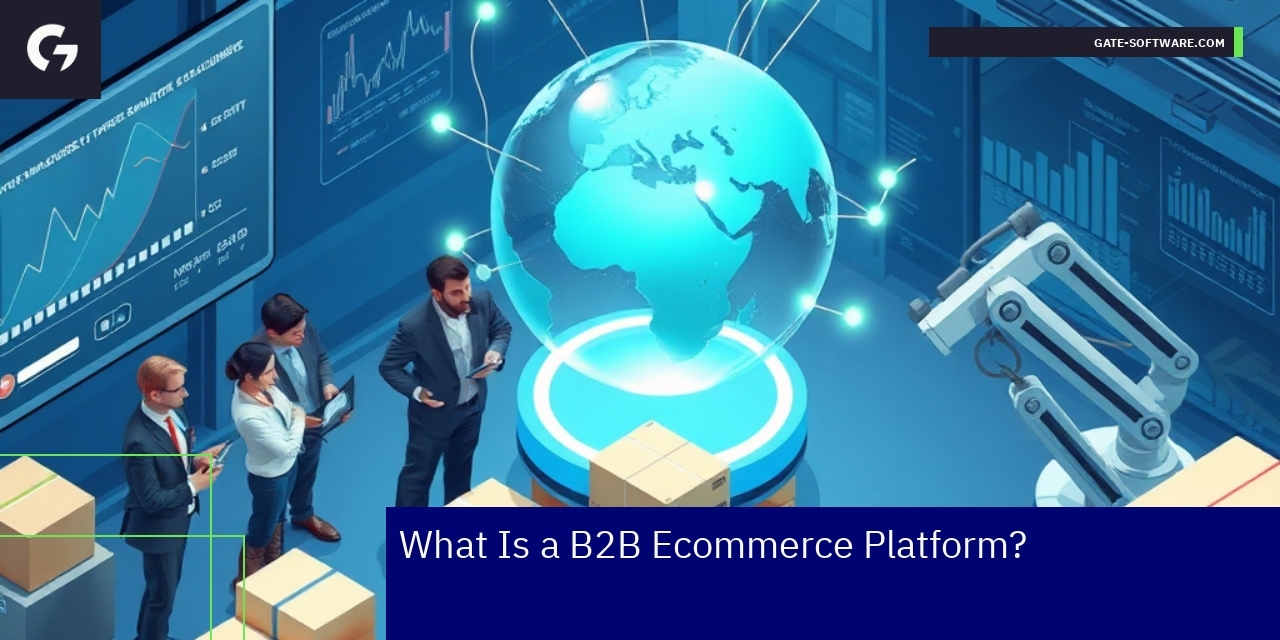
What Is a B2B Ecommerce Platform?
A B2B ecommerce platform is a specialized online system designed to facilitate commercial transactions between businesses rather than individual consumers. Unlike traditional retail-oriented platforms, a B2B ecommerce platform focuses on the complexities and specific needs inherent in business-to-business interactions, such as bulk ordering, negotiated pricing, and extended payment terms. These platforms integrate seamlessly with enterprise resource planning (ERP) systems and customer relationship management (CRM) tools to streamline the entire procurement and sales process.
Such platforms are essential for companies looking to automate and optimize their supply chain operations, improve order accuracy, and enhance customer service for their corporate clients. By supporting features like customizable catalogs, role-based access controls, and multi-level approval workflows, a B2B ecommerce platform addresses the unique operational challenges faced by enterprises. Moreover, in the B2B realm, the platform serves as a critical hub where decision-makers such as eCommerce Managers, CTOs, and Architects collaborate to ensure the digital buying experience aligns with organizational needs and compliance standards.
Integrating a robust B2B ecommerce platform enables companies to tap into new market opportunities and scale their digital presence effectively while maintaining rigorous control over business processes. This technology not only supports the transactional aspect but also provides data insights crucial for strategic decisions and customer engagement, exemplifying why the B2B ecommerce platform is a cornerstone for modern digital commerce strategies in business contexts. Throughout these benefits, the term B2B ecommerce platform is pivotal, reflecting both the technological foundation and the business-centric focus required for sustainable growth in B2B markets. Keywords_content are naturally embedded through features and functionalities that empower efficient and secure enterprise-level commerce.
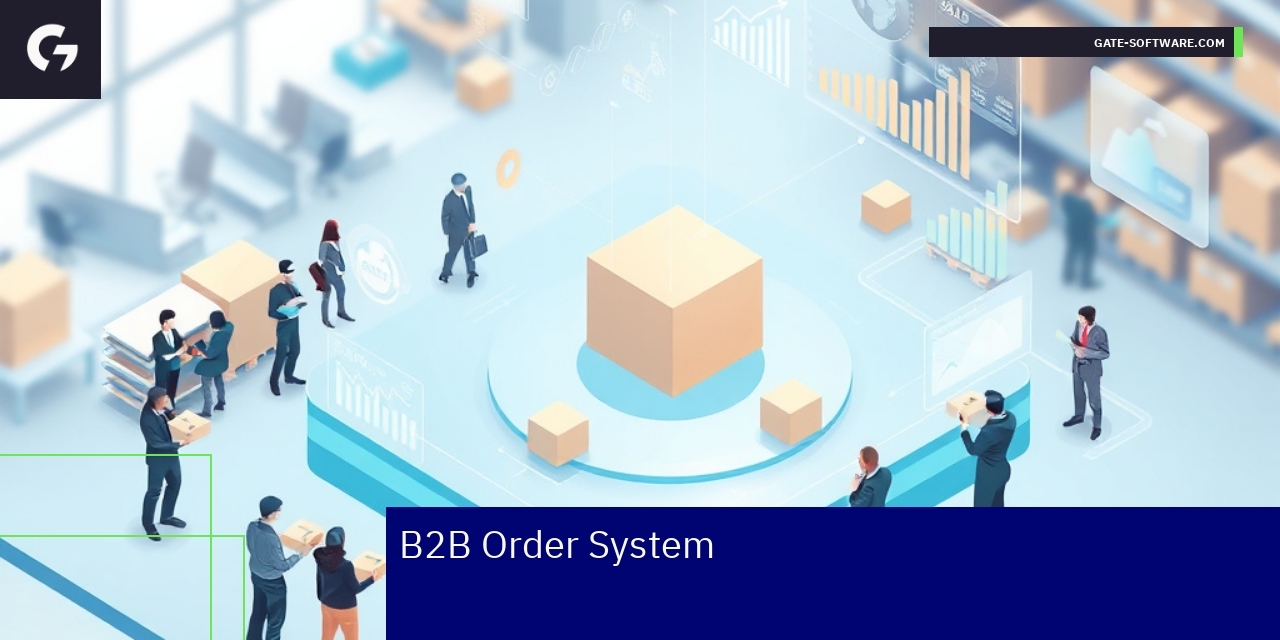
B2B Order System
How Does a B2B System Work?
A B2B system is a specialized digital platform designed to facilitate business-to-business transactions efficiently. It integrates multiple functions such as order management, inventory tracking, and customer relationship management to streamline procurement processes. In a typical B2B system, companies can manage large order volumes, customize pricing structures, and automate repetitive tasks to reduce manual intervention. The system supports complex workflows tailored to corporate clients, allowing for approval chains, multiple user roles, and personalized catalogs. These features enable seamless communication between suppliers and buyers within a secure, scalable environment. Incorporating a B2B system enhances operational transparency and fosters stronger supplier relationships by offering real-time data and analytics that drive informed decision-making. Keywords_content like pricing flexibility and integration with ERP systems are crucial for optimizing business performance in such platforms.
Benefits of a B2B System
Implementing a B2B system brings numerous advantages that directly impact a company’s operational efficiency and customer satisfaction. The automation of order processing reduces errors and accelerates turnaround times, thus lowering operational costs. A robust B2B system ensures that client-specific pricing, discounts, and contract terms are applied consistently, aiding compliance and contract management. Enhanced data insights from these systems allow for accurate demand forecasting and inventory optimization. Moreover, scalability is a key benefit, enabling businesses to easily accommodate growth or market fluctuations without degrading user experience. By utilizing a centralized B2B system, companies can build lasting partnerships through improved service reliability and customized user experiences. Practical keywords_content includes streamlining communication channels and maintaining data integrity, which are vital to sustaining competitive advantage.
Implementing a B2B System
Successful implementation of a B2B system requires thorough planning and collaboration across technical and business teams. The process begins with analyzing existing workflows and identifying integration points with legacy systems like ERP or CRM. Selecting a platform that supports modular architecture and extensibility is vital for future-proofing operations. Data migration strategies must prioritize accuracy and consistency to avoid disruptions. Change management plays an essential role in adoption; training programs and stakeholder engagement help overcome resistance. Security protocols, including authentication and authorization mechanisms, must comply with enterprise standards to protect sensitive data. Continuous monitoring and iterative improvements maximize the benefits delivered by the B2B system. Leveraging keywords_content related to customization and seamless integration guides the implementation roadmap towards a tailored, efficient solution.
Common Mistakes When Implementing B2B Systems
One prevalent mistake in B2B system deployment is underestimating the complexity of business processes and user requirements. Overlooking the need for customization can lead to poor user adoption and operational inefficiencies. Neglecting data quality during migration often results in inconsistencies that undermine trust in the system. Failure to engage end-users early and provide adequate training reduces the system’s usability and ROI. Another common error is inadequate security measures, which exposes sensitive commercial data to risks. Moreover, insufficient scalability planning may cause performance bottlenecks as transaction volumes increase. Avoiding these pitfalls requires comprehensive analysis, robust project management, and ongoing collaboration between technical and business stakeholders. Incorporating keywords_content concerning risk management and user-centric design is critical to mitigating common challenges.
How to Adapt to the Directive
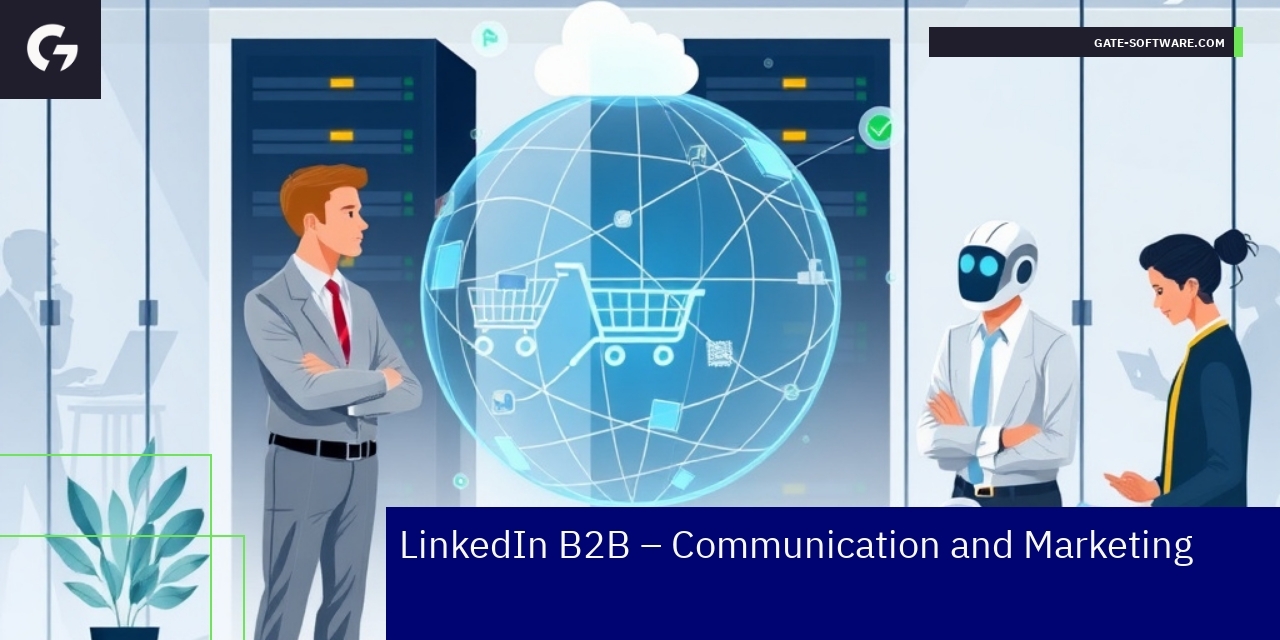
LinkedIn B2B – Communication and Marketing
Marketing Strategies on LinkedIn
Effective marketing strategies on LinkedIn for ecommerce B2B focus on targeting key decision-makers such as CTOs, Heads of Applications, and eCommerce Managers. These strategies emphasize sharing expert content that addresses technical challenges and business needs in B2B environments. Utilizing curated articles, case studies, and thought leadership posts helps in building trust and authority. Integrating Polish SEO phrases naturally within posts boosts visibility and aligns with the platform’s search algorithms. Strategic use of LinkedIn’s advertising tools also supports lead generation by precisely targeting industries and roles critical to B2B commerce.
Building Your Brand on LinkedIn
Building a strong brand presence on LinkedIn in the ecommerce B2B sector requires consistency and clarity in communication. The brand voice must resonate with the technical sophistication and business priorities of its audience, including the Architect, CDO, and CIO/CTO personas. Sharing insights into Magento platform optimizations, WCAG compliance, and cost efficiency enhances perceived expertise. Engaging content that mirrors Gate-Software’s values and culture fosters a sense of partnership. Maintaining regular interaction through comments and messages also solidifies long-term relationships with potential clients and partners.
Increasing Reach on LinkedIn
Increasing reach on LinkedIn for ecommerce B2B involves leveraging both organic and paid tactics. Organic reach can be improved through the use of relevant hashtags, participation in industry groups, and posting at optimal times. Content must integrate Polish SEO phrases like ecommerce B2B naturally to improve discoverability. Paid campaigns can focus on sponsored content or InMail targeting C-level executives and technical decision-makers. Monitoring campaign performance and adjusting content themes according to engagement data ensures sustained reach growth aligned with strategic marketing goals.
Case Study: LinkedIn Success Stories
Successful LinkedIn campaigns in ecommerce B2B demonstrate how targeted communication and marketing lead to meaningful business outcomes. One example includes a campaign focusing on Magento™ upgrades, which centralized around addressing specific client pain points like platform stability and compliance with WCAG standards. The campaign’s use of precise messaging boosted lead conversions and strengthened client trust. This approach underscores the importance of data-driven content strategy and aligned communication with the core values and competencies of Gate-Software. The SEO phrase ecommerce B2B was seamlessly embedded, enhancing both searchability and relevance.
Omnibus Directive in B2B – What You Need to Know
What Is the Omnibus Directive?
The Omnibus Directive is a recent legislative framework aimed at enhancing transparency and consumer protection in B2B transactions, especially on digital platforms. It focuses on improving the clarity of pricing, promotional information, and terms of service offered by sellers. For B2B platforms, this directive introduces stricter requirements for disclosing fees, commissions, and any conditions that may affect the transaction dynamics between businesses. It targets greater accountability in platform operations, ensuring that users can better understand their contractual obligations and the cost structures involved. This directive aligns with the growing need for fairness and clarity in digital marketplaces where B2B interactions frequently occur.
Omnibus Directive’s Impact on B2B Platforms
The directive significantly affects B2B platforms by mandating compliance with detailed disclosure and transparency rules. Platforms must now provide comprehensive information about pricing, algorithms affecting visibility, and any commercial terms impacting business users. This transparency aims to level the playing field and avoid hidden costs or unfair treatment in the digital B2B ecosystem. B2B platforms will need to adapt their interfaces and backend systems to ensure that all contractual and pricing information is easily accessible and clearly communicated to all platform participants. These changes enhance trust and reliability but require considerable operational adjustments from platform administrators and technical teams.
How to Adapt to the Directive
Adapting to the Omnibus Directive involves revising platform policies, user interfaces, and data management procedures. For B2B platforms, this means implementing clear disclosures about fees, commissions, and service terms upfront. Technical adaptations include updating Magento-based systems or other e-commerce infrastructures to incorporate transparent data presentation, monitoring algorithmic fairness, and ensuring that all UX/UI elements comply with the directive’s demands. Collaboration between business decision-makers, such as CTOs and eCommerce Managers, is essential to align compliance efforts with operational workflows. Moreover, employing monitoring and auditing tools can help maintain ongoing adherence to the directive’s standards.
Benefits and Risks of the Directive
The Omnibus Directive offers significant benefits for B2B platforms, primarily by fostering transparency and building stronger, trust-based business relationships. Enhanced clarity about costs and contractual terms reduces disputes and improves overall platform credibility. However, compliance also introduces risks, including the costs and complexities associated with system upgrades and process changes. Platforms may face challenges in balancing transparency with protecting sensitive business information. Moreover, failure to comply can result in penalties or damage to reputation, underscoring the importance of proactive adaptation. For B2B platforms, the directive also opens opportunities to differentiate by emphasizing ethical standards and user-centric approaches in their services.
Common Implementation Mistakes
B2B Digital Marketing – Choosing the Right Strategy
Types of Marketing Strategies
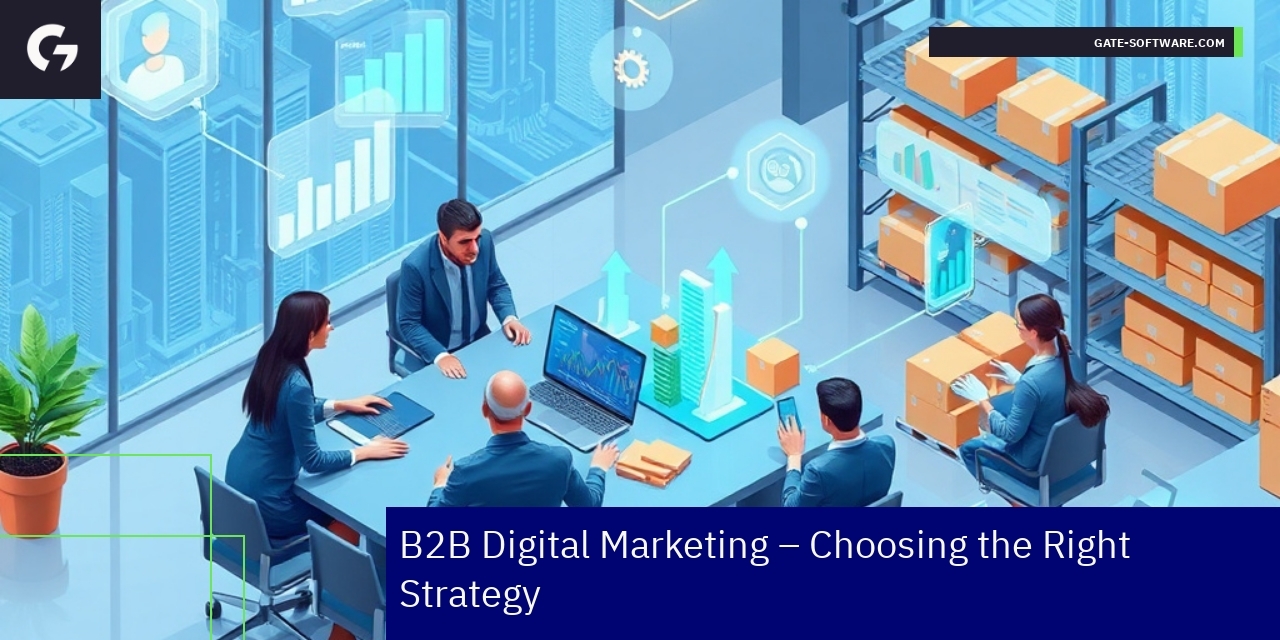
In the B2B landscape, selecting effective marketing strategies requires a deep understanding of buyer personas and market dynamics. Successful B2B digital marketing strategies often combine content-driven approaches with data analytics to engage decision-makers such as CTOs, eCommerce Managers, and Heads of Applications. Leveraging targeted campaigns based on precise segmentation allows companies to present the right message at the right moment. Among these strategies, the integration of SEO and content marketing is critical: crafting and disseminating relevant keywords_content ensures that prospects find your offering during their buyer journey. Using a reliable B2B ecommerce platform facilitates these efforts by providing the technological foundation for personalized, scalable marketing campaigns and detailed tracking of interactions. This blend of strategy and technology helps optimize lead quality and conversion rates.
Choosing the Right B2B Ecommerce Platform
The choice of a B2B ecommerce platform directly impacts the implementation of a digital marketing strategy. This platform must accommodate complex pricing, multi-level approval workflows, and customer-specific catalogs, which are typical in B2B transactions. Scalability and integration capabilities with marketing automation, CRM, and analytics tools are essential to support personalized campaigns effectively. Furthermore, the platform’s UX/UI design should align with accessibility standards such as WCAG, ensuring an inclusive experience for all users. When selecting a B2B ecommerce platform, decision-makers should prioritize vendors that support seamless content management for effective keywords_content deployment and channel-specific optimizations. Ultimately, the platform’s ability to facilitate efficient data collection and allow quick adaptation to market changes defines its value in a B2B digital marketing context.
Analyzing Strategy Effectiveness
Continuous evaluation of a B2B digital marketing strategy is vital to maintain competitive advantage and maximize ROI. Utilizing analytics from the B2B ecommerce platform enables detailed insights into user behavior, campaign performance, and sales funnel metrics. Linking marketing outcomes with concrete business KPIs empowers management to pivot strategies with agility. The analysis should focus not only on traffic volume but also on the quality of leads generated through optimized keywords_content. Strategic use of A/B testing and customer feedback loops further refines messaging and campaign targeting. For B2B companies, these evaluations must be aligned with the expectations of decision-maker personas like the CDO and Head of Applications, ensuring that marketing contributes efficiently to overarching digital transformation goals.
Checklists for Successful B2B Marketing
A practical checklist can guide the successful execution of B2B digital marketing strategies: ensure the B2B ecommerce platform supports robust personalization and integrates seamlessly with data analytics tools; regularly update keywords_content to match evolving buyer intent; comply with UX/UI and WCAG standards for accessibility; monitor KPIs related to lead quality and conversion rather than just traffic; and maintain alignment with business strategy through defined collaboration among stakeholders including CTO, eCommerce Manager, and CDO. Moreover, adopting agile processes for content updates and campaign modifications ensures responsiveness to market shifts. A disciplined approach to these operational details builds a solid foundation for sustained marketing success in the B2B sector.
Implementing a B2B Store – Is It For You?
When Is Building a B2B Marketplace Justified?
Building a B2B marketplace becomes justified when the business seeks to streamline sales processes, improve relationships with multiple partners, and gain competitive advantage through digital transformation. It is especially relevant for companies managing a diverse portfolio of products or multiple suppliers and buyers, where traditional sales channels may be inefficient. The decision to implement a B2B system should be based on clear business objectives, such as scaling operations, enhancing data transparency, or enabling personalized customer experiences. Evaluating market demands, technical capabilities, and internal readiness is crucial to justify the investment and ensure alignment with long-term strategic goals.
Technical Requirements for a B2B Store
A robust B2B system must address specific technical requirements including secure access controls, sophisticated user roles, and integration with existing ERP, CRM, and inventory systems. Scalability and flexibility are fundamental to accommodate business growth and evolving customer needs. Additionally, the platform should support complex pricing models, bulk ordering capabilities, and advanced search functions. Given the critical nature of B2B transactions, compliance with industry standards and data protection regulations is essential. Gate-Software’s approach ensures these technical foundations are aligned with WCAG 1.1 standards for accessibility and incorporate UX/UI best practices to enhance user engagement and efficiency.
Support During Implementation
Effective support during implementation is key to the success of a B2B system rollout. This includes thorough project management, continuous communication between stakeholders, and expertise in both business and technical domains. Support should cover the initial setup, data migration, customization, and integration phases, as well as training for end users. At Gate-Software, support extends beyond deployment with SLA-backed maintenance, monitoring, and timely issue resolution to minimize downtime. Ensuring stakeholder involvement and providing transparent progress updates throughout the implementation fosters trust and mitigates risks.
Common Implementation Mistakes
Common pitfalls in implementing a B2B store include underestimating the complexity of integration, overlooking the customization needs of different user personas, and neglecting end-user training. Insufficient focus on technical scalability can lead to performance bottlenecks as transaction volumes grow. Another frequent mistake is ignoring the importance of seamless UX/UI design tailored to professional users, which can result in poor adoption rates. Additionally, failure to apply WCAG standards may exclude important customer segments. Addressing these challenges by leveraging Gate-Software’s expertise and established best practices helps avoid costly rework and ensures the B2B system effectively supports business objectives.
Want to Launch a B2B Store? Check Automico B2B!
Advantages of Using Automico B2B
Automico B2B is designed to address the specific needs of ecommerce B2B environments, focusing on seamless integration with existing Magento platforms and ensuring compliance with industry standards such as WCAG. Its architecture prioritizes scalability and performance optimization, essential for businesses managing large catalogs and complex pricing models. By leveraging Automico B2B, organizations can benefit from enhanced UX/UI tailored for B2B personas like eCommerce Manager and Head of Applications, ensuring efficient workflows and decision-making processes. Furthermore, Automico supports advanced features such as personalized catalogs and multi-level pricing, which directly meet the commercial demands of ecommerce B2B operations.
How to Launch a B2B Store with Automico?
Launching a B2B store with Automico involves a structured approach, starting from detailed planning aligned with business goals to technical implementation and ongoing optimization. The process begins with analyzing your current ecommerce B2B infrastructure and identifying integrations needed with ERP or CRM systems. Automico offers flexible APIs and modules that simplify these integrations. Next, focus on configuring user roles and permissions relevant to B2B clients, leveraging Automico’s support for multiple user accounts and custom quotes. Throughout the launch phase, it’s critical to apply best practices in UX/UI design and accessibility, ensuring compliance with WCAG standards which Automico facilitates. This comprehensive setup boosts operational efficiency and enhances buyer experience in ecommerce B2B scenarios.
Automico Technical Support
Automico provides robust technical support tailored specifically for the ecommerce B2B sector. Support services include proactive monitoring, rapid response for critical issues, and SLA-backed maintenance ensuring minimal downtime. The technical team emphasizes understanding the unique requirements and workflows of B2B businesses to deliver precise assistance. Support also extends to guidance on platform updates, security patches, and optimization strategies that maintain competitiveness and compliance with ecommerce B2B standards. For decision makers like CTO or CDO, this translates into reliable platform stability and continuous improvement, critical for sustaining business growth and customer satisfaction.
Alternatives to Automico B2B
While Automico B2B is a powerful solution for ecommerce B2B, some organizations might consider alternative approaches depending on their specific requirements and legacy systems. Alternatives may include custom-developed platforms or other modular solutions integrated with Magento, focusing on particular functionalities such as enhanced analytics, advanced pricing algorithms, or deeper ERP connections. However, all options should be evaluated against the challenges of maintaining compliance with WCAG and UX/UI standards, scalability, and operational efficiency critical for ecommerce B2B environments. These considerations ensure that any alternative solution still aligns with the strategic goals of B2B digital commerce and Gate-Software’s values of quality and performance.
Differences Between B2C and B2B Stores
Comparing B2C and B2B Models
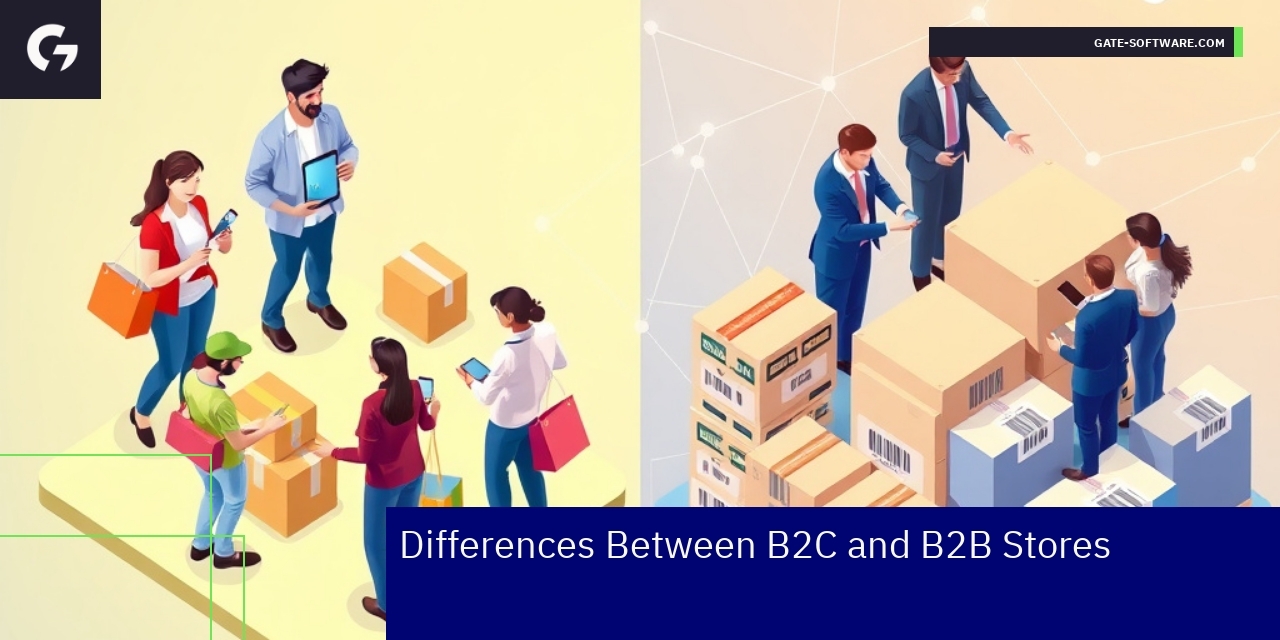
B2C and B2B stores differ fundamentally in their target audience and transaction dynamics. B2C platforms cater to individual consumers, focusing on simpler, often impulse-driven transactions with straightforward processes and pricing. In contrast, B2B platforms address other businesses, involving complex transactions with higher order volumes and negotiated pricing structures. These platforms need to support detailed product configurations, volume-based discounts, and personalized pricing agreements that reflect the needs of business clients. Additionally, B2B sales cycles are longer and require the involvement of multiple decision-makers, making the platform’s capability to handle user roles and approvals crucial. The architecture of B2B platforms emphasizes integration with enterprise systems, enabling seamless processing of orders and management of accounts, which rarely is required in B2C environments.
Pros and Cons of Both Models
B2B platforms excel at building long-term relationships through tailored pricing, specialized catalogs, and robust account management features. This creates loyalty and higher lifetime value but requires sophisticated technical solutions and ongoing support to manage complex workflows. On the other hand, B2C stores benefit from simpler user experiences and faster sales cycles, facilitating quick customer acquisition and higher transaction frequency. However, B2C platforms face increased competition and typically lower order values per transaction. For B2B, the higher cost of platform development and maintenance is balanced by fewer but larger orders and predictable revenue streams. B2B platforms also demand elevated security, compliance standards, and reliability to support critical business operations. The choice between the two models therefore involves weighing operational complexity against market opportunities and revenue potential.
Choosing the Right Model for Your Business
When deciding between B2C and B2B models, companies must analyze their core customer base and product offering. Businesses targeting other enterprises should leverage B2B platforms that provide advanced account management, flexible pricing rules, and integration with ERP or CRM systems to streamline order handling. Implementing these features enhances user experience and operational efficiency, key factors in successful B2B commerce. Conversely, if the focus is on individual consumers, prioritizing an intuitive user interface, quick checkout processes, and marketing automation tools aligned with the B2C model is critical. Utilizing B2B platforms in an inappropriate context risks overcomplication and increased costs, while ignoring B2B requirements when serving business customers can lead to lost opportunities and satisfaction issues. Therefore, platform choice should align tightly with the specific sales processes and client expectations inherent in the sector served. Throughout all approaches, maintaining compliance with standards like WCAG and delivering optimized UX/UI are essential aspects of professional e-commerce strategy.
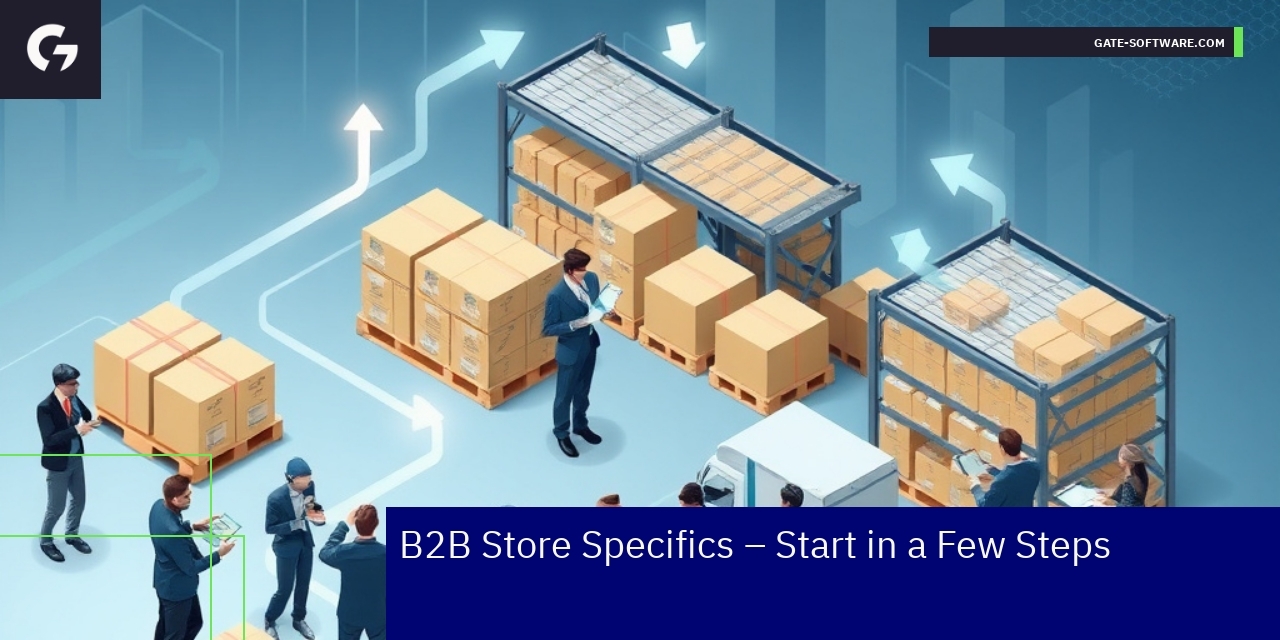
B2B Store Specifics – Start in a Few Steps
Key Elements of a B2B Store
A successful B2B ecommerce platform requires robust features tailored to the complexities of business transactions. Key elements include advanced pricing mechanisms supporting tiered and negotiated prices, seamless integration with ERP systems, and flexible payment options suited to corporate clients. Security and compliance are paramount, ensuring data protection and alignment with industry standards. A well-designed UX/UI, aligned with WCAG standards, facilitates efficient navigation and transaction flows for professional users. Customization options help address varied client needs, enabling personalized catalogs and order processes essential for B2B operations.
How to Build an Offer for B2B Clients
Building an offer on a B2B ecommerce platform involves understanding client business processes and decision-making hierarchies. Offers must reflect volume discounts, contract terms, and delivery conditions unique to each client. Integrating configurable product options and bundling enables tailored proposals. Leveraging analytics and customer data supports dynamic offer adjustments, increasing relevance and competitiveness. Attention to clear communication, supported by transparent terms and multi-level approval workflows, enhances client trust and satisfaction throughout the sales cycle.
Managing B2B Customer Relationships
Managing relationships on a B2B ecommerce platform demands tools for long-term engagement and complex interactions. CRM integration is critical, facilitating segmented communication, targeted marketing campaigns, and support ticketing. Account-based management with clear visibility into order history, credit limits, and custom agreements supports effective client servicing. Automation in reordering, contract renewals, and personalized recommendations improves efficiency and nurtures loyalty. Maintaining strong collaboration between sales and operational teams ensures responsiveness to client needs and evolving market demands.
Examples of Successful B2B Stores
Successful B2B stores leverage comprehensive strategies combining technical excellence and market understanding. Implementations feature scalable architectures that support high volumes and peak loads. Integration with backend systems like SAP and Oracle streamlines inventory and fulfillment, while real-time data access enhances decision-making. User-centric design reduces friction in procurement processes, reducing transaction times. Continuous optimization based on performance metrics and client feedback drives improvement. These examples illustrate how a well-implemented B2B ecommerce platform can transform business operations and foster growth in competitive industries, guided by Gate-Software’s strategic expertise and deep understanding of keywords_content.

B2B Store Costs – How Much Does Wholesale Online Distribution Really Cost?
Cost Analysis in B2B
Understanding the cost structure of a B2B system is essential for any company engaging in wholesale online distribution. Costs typically include technology investments, such as platform development and integration with enterprise systems, hosting and maintenance expenses, and compliance with industry-specific standards like WCAG and data security requirements. Additionally, the complexity of managing multiple personas such as the Architect, eCommerce Manager, and CTO in the decision-making process affects the cost allocation. Optimization efforts, including UX/UI audits and ongoing support under SLA contracts, also add to the budget but provide valuable efficiencies and reliability. Proper cost analysis should consider these diverse aspects to ensure the B2B system delivers value without unexpected financial burdens.
How to Reduce B2B Store Costs
Reducing costs in a B2B system environment involves strategic optimization of both technology and processes. Leveraging cloud hosting solutions with scalability helps manage operational expenses dynamically based on demand. Implementing efficient monitoring tools and automation in application management reduces the need for extensive manual intervention. Emphasizing WCAG compliance early in development avoids costly retrofits, while well-planned UX/UI improvements enhance usability and reduce customer service overhead. Migrating to more efficient platforms like Magento™ designed for B2B workflows can streamline costs further. Finally, fostering close collaboration between the CTO, Head of Applications, and eCommerce Managers ensures that expenditures align tightly with business goals, minimizing waste.
Examples of B2B Costs
Typical costs in a wholesale online distribution B2B system include platform licensing fees, integration with ERP and CRM systems, custom development for specific workflows, and security enhancements. Hosting and uptime guarantee via SLA contracts often represent a significant ongoing expense, especially when dealing with high transaction volumes and critical uptime requirements. Development efforts for accessibility and compliance with standards like WCAG 1.1 contribute to project complexity and cost. Additionally, marketing and communication strategies tailored to B2B audiences—such as content tailored for decision-maker personas—impact budget planning. Technical support, monitoring, and periodic system updates round out the cost components that must be carefully managed for an efficient and effective B2B system operation.
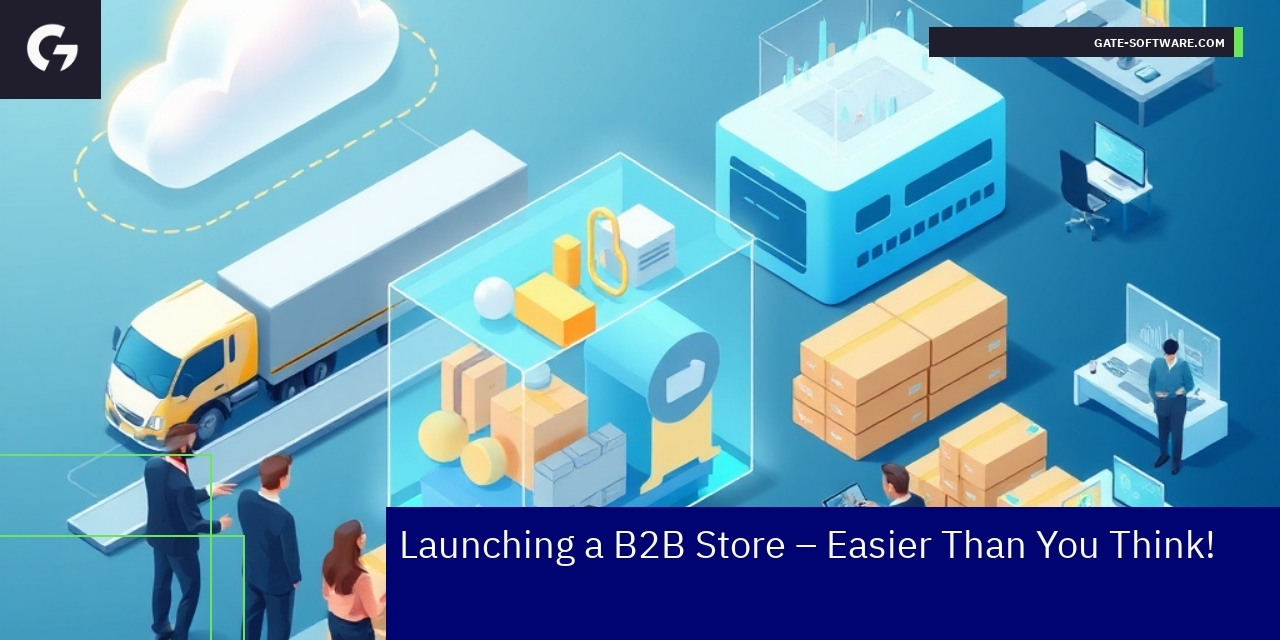
Launching a B2B Store – Easier Than You Think!
Steps to Launch a B2B Store
Launching an ecommerce B2B store requires a well-structured approach that addresses both technical and business aspects. Start by defining clear business objectives and understanding your target market’s unique needs within the B2B sector. Select a robust platform like Magento, which supports complex B2B workflows, including multi-tier pricing, customer segmentation, and advanced order management. Focus on UX/UI design tailored for professional buyers, ensuring compliance with WCAG standards for accessibility. Integrate essential backend systems such as ERP and CRM for seamless data flow and real-time insights. Efficient hosting, monitoring, and SLA management are critical to maintain platform performance and security. Secure payment methods and personalized catalogs also enhance the buyer’s experience. By following these strategic steps, deploying an ecommerce B2B store becomes a manageable and scalable process that aligns with Gate-Software’s expertise in commerce solutions.
Support for New Entrepreneurs
For new entrepreneurs entering ecommerce B2B markets, having expert guidance is vital. Gate-Software offers comprehensive support starting from initial consulting through to full implementation and post-launch maintenance. New B2B store owners benefit from customized onboarding processes that include training for decision-makers like eCommerce Managers and CIOs to efficiently handle platform features. Strategic content ensures the brand voice resonates with business clients, while marketing plans target the right B2B audiences. Continuous UX/UI audits and WCAG compliance checks ensure the site remains user-friendly and accessible, which is especially important for professional buyers. Additionally, entrepreneurs receive assistance with cost optimization, hosting solutions, and SLA agreements that guarantee uptime and quick issue resolution. This level of structured support minimizes risk and accelerates the path to a sustainable ecommerce B2B business.
B2B Store Purchase FAQ
When considering purchasing a B2B store, key questions often revolve around platform scalability, integration capabilities, and vendor support. Buyers want assurance that the ecommerce B2B solution can handle growing order volumes and complex pricing models typical of B2B transactions. Integration with existing IT infrastructure, including ERPs and CRMs, is critical for data consistency and operational efficiency. Buyers also expect continuous vendor support for upgrades, security, and compliance with industry standards like WCAG. Gate-Software addresses these concerns through transparent SLAs, expert consulting, and a scalable hosting environment. Another frequently asked question is about content strategy; having keywords_content aligned with SEO best practices ensures the B2B store gains visibility among business clients online. Comprehensive answers to these concerns help potential purchasers make informed decisions about investing in a high-performance ecommerce B2B store.
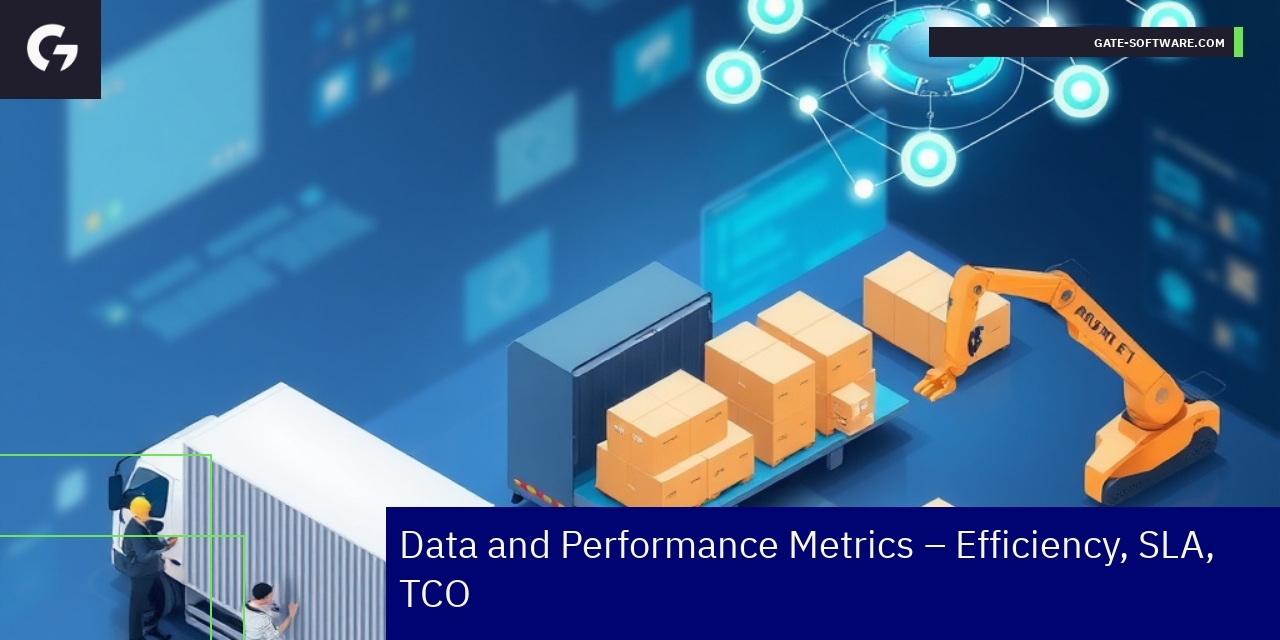
Data and Performance Metrics – Efficiency, SLA, TCO
Operational Effectiveness in B2B Projects
In the fast-paced world of B2B ecommerce, Gate-Software focuses on delivering measurable efficiencies and operational metrics that empower businesses to thrive. Our comprehensive approach to B2B projects is illustrated through key performance indicators that support data-driven decision-making:
1. Project Takeover Time: On average, our clients experience a streamlined project takeover process, registering at around 6 weeks on average, allowing for a swift transition into operational capabilities.
2. Percentage of Projects Delivered on Time: We take pride in our commitment to punctuality, achieving over 95% of our projects delivered on or before their deadlines, ensuring clients can launch their platforms without delay.
3. Average Total Cost of Ownership (TCO) Reduction: By utilizing our expertise and innovative solutions, clients typically see an average 30% reduction in TCO compared to industry standards, providing substantial savings on their investment over time.
4. Number of Implementations: To date, we’ve supported over 120 successful B2B implementations, each tailored to meet specific business needs, showcasing our extensive portfolio and experience in the sector.
5. Uptime SLA: We guarantee an impressive 99.9% uptime SLA, ensuring that B2B platforms operate without interruption, essential for maintaining trust and reliability in business transactions.
6. Average Client Relationship Duration: Our dedication to client satisfaction is reflected in an average relationship duration of 5 years, highlighting our commitment to delivering ongoing support and value long after the initial project is completed.
7. Client Satisfaction Rate: Surveys indicate a 90% satisfaction rate among our B2B clients, reinforcing the effectiveness of our personalized approach and ongoing support services.
These metrics not only emphasize Gate-Software’s operational effectiveness but also provide a solid foundation for potential clients to evaluate the tangible benefits of partnering with us for their B2B ecommerce needs.
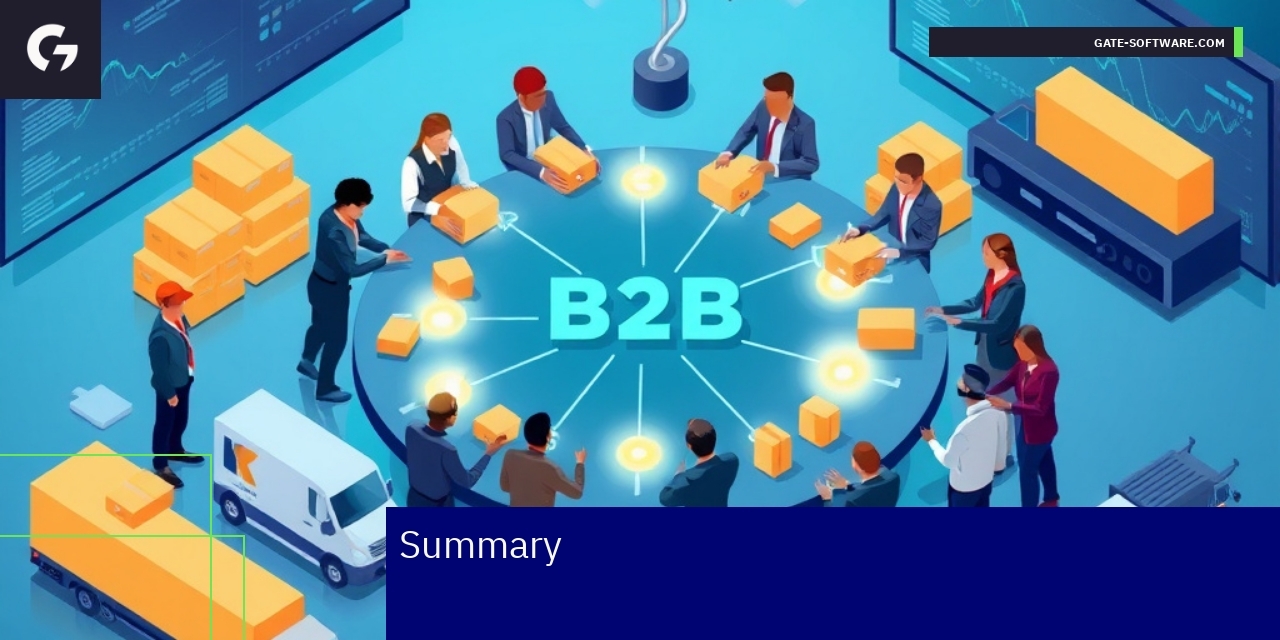
Summary
In conclusion, establishing a successful B2B marketplace necessitates a keen understanding of the intricacies involved in business transactions and the technological framework that supports them. Gate-Software leverages the robust capabilities of Magento™ to create flexible, scalable solutions tailored for B2B environments, ensuring optimal user experience and seamless integration with existing systems. By emphasizing collaboration among key stakeholders and utilizing comprehensive data analytics, our approach simplifies complex workflows while maintaining strict compliance with industry regulations. The benefits of implementing a B2B system include enhanced operational efficiency, cost savings, and long-term partnerships built on trust and reliability. As you consider your next steps in the digital transformation journey, we invite you to connect with our team to explore how Gate-Software can support your business objectives and drive your B2B marketplace success.

FAQ
What is a B2B ecommerce platform?
A B2B ecommerce platform is a specialized online system designed to facilitate commercial transactions between businesses. It addresses the complexities of B2B interactions, such as bulk ordering, negotiated pricing, and integration with ERP and CRM systems for streamlined procurement and sales.
How does a B2B system work?
A B2B system integrates functions like order management, inventory tracking, and CRM to facilitate efficient transactions. It allows companies to manage large order volumes, customize pricing, and automate tasks within a secure environment.
What are the benefits of implementing a B2B system?
Implementing a B2B system enhances operational efficiency and customer satisfaction through automation, reduced errors, accurate demand forecasting, and scalability. It ensures consistent application of client-specific pricing and improves data insights for strategic decision-making.
How can my business adapt to the Omnibus Directive?
Adapting to the Omnibus Directive involves revising platform policies to ensure clear disclosures of fees and terms. It’s essential to update your system for transparency and maintain collaboration across stakeholders to ensure compliance with these requirements.
What support is available during the implementation of a B2B store?
Support during B2B store implementation includes project management, stakeholder communication, data migration, and user training. Continuous assistance from platforms like Gate-Software ensures ongoing maintenance, monitoring, and timely issue resolution.
.
.
Zamów bezpłatną konsultację
.
Z nami rozwój Twojego biznesu nabierze tempa! Zapraszamy do kontaktu średnie i duże firmy generujące min. 7 mln PLN obrotu rocznie – tam nasza ekspertyza sprawdza się najlepiej.
.
Kliknij w poniższy przycisk i skontaktuj się z jednym z naszych konsultantów e-commerce
.