Introduction
B2B e-commerce, or business-to-business electronic commerce, represents a significant evolution in how enterprises engage in commercial transactions. Unlike traditional sales channels, B2B e-commerce platforms offer much more than just a marketplace; they serve as comprehensive ecosystems that streamline procurement, enhance operational efficiency, and strengthen business partnerships.
Definition of B2B E-commerce
B2B e-commerce encompasses the digital exchange of goods, services, and information between businesses through online platforms. This includes wholesale trade, supplier networks, and specialized marketplaces designed to meet complex purchasing requirements. These platforms enable organizations to automate and optimize purchasing workflows, manage large order volumes, and maintain detailed transactional records.
The Role of the Sales Platform in B2B
In the B2B context, the sales platform acts as the central hub for managing the entire buyer-supplier journey. Beyond product listings, it supports order management, real-time inventory tracking, customized pricing agreements, and integration with ERP and CRM systems. This integration facilitates seamless order processing, data-driven decision-making, and enhanced customer service, thus transforming the sales platform into a strategic business asset.
Key Differences Between B2B and B2C
The distinctions between B2B and B2C e-commerce are fundamental and impact platform design and functionality:
- Target Audience: B2B platforms cater exclusively to businesses and corporate clients, whereas B2C platforms target individual consumers.
- Transaction Complexity: B2B transactions typically involve larger order quantities, negotiated contracts, and multi-tier approval processes, unlike the often one-step purchase typical in B2C.
- Sales Cycles: The B2B sales process is usually longer and involves multiple stakeholders including architects, eCommerce managers, and CTOs, whereas B2C decisions are quicker and more emotionally driven.
- Relationship Focus: Long-term client relationships and service continuity are central in B2B, contrasting with the transactional nature of B2C sales.
- B2B E-commerce: A Trend That’s On the Rise – More Than Just a Sales Platform
- Definitions and Key Concepts
- Why Invest in B2B?
- B2B System Management
- Integration with B2B Platforms
- Process Optimization in B2B Ecommerce
- Marketing Strategies on B2B Platforms
- Using B2B Systems for Communication
- Brand Building in B2B Ecommerce
- Directive’s Impact on B2B Platforms
- Preparing for Changes in B2B Ecommerce
- Compliance Management in B2B Systems
- Market Analysis in B2B Ecommerce
- Selecting a B2B Platform for Marketing
- Using B2B Systems in Marketing Strategy
- Benefits of Integration in B2B Ecommerce
- How to Choose Wholesalers for Collaboration
- B2B System in Wholesaler Integration
- Assessing Business Needs in B2B Ecommerce
- Choosing a B2B Platform for Your Store
- Costs of Implementing a B2B System
- Sales Model Differences
- Using B2B Platforms in Sales
- Customer Relationship Management in B2B
- Steps to Launch a B2B Store
- Choosing a B2B System for Your Business
- Applying B2B Ecommerce in Practice
- Cost Analysis of Starting a B2B Store
- Budget Management in B2B Ecommerce
- B2B Platforms and Operating Costs
- Simple Steps to Launch a B2B Store
- Support in Setting Up a B2B System
- Using Platforms in Store Setup
- Checklist of Mistakes, How to Avoid Them?
- Modern Solutions
- Platform Comparison
- Business Benefits
- Potential Risks and How to Defend Against Them
- Data and Performance Metrics – Efficiency, SLA, TCO
- Summary
- FAQ
Recognizing these differences enables Gate-Software to develop tailored B2B e-commerce solutions that address the unique technical and business challenges faced by enterprises today.
TABLE OF CONTENTS

Definitions and Key Concepts
B2B e-commerce is a dynamic and evolving sector that fundamentally changes how businesses operate and engage with each other digitally. At its core, B2B e-commerce involves transactions between businesses through online platforms, enabling streamlined procurement, enhanced supply chain efficiency, and scalable operations. It is critical to understand that this form of commerce goes beyond mere transactional exchanges—it builds interconnected ecosystems fostering collaboration and co-creation.
Key concepts include digital transformation in business processes, which integrates advanced technologies such as Magento™ to optimize platform performance, security, and user experience. Gate-Software’s expertise in maintaining high standards for UX/UI and WCAG compliance ensures these platforms are accessible, efficient, and aligned with corporate identity while meeting diverse user needs. Implementing these standards supports not only operational excellence but also compliance with legal requirements and brand consistency.
Strategically, B2B commerce demands a clear Content Strategy 5.0 that aligns messaging across multichannel touchpoints, fosters strong customer relationships, and leverages real-time data analytics for marketing effectiveness. This approach is essential for tailoring communications to distinct buyer personas such as Architect, eCommerce Manager, and CTO, addressing their unique challenges in digital procurement and IT infrastructure management.
From a technical perspective, solutions like robust hosting, SLA-backed monitoring, and cost-optimized cloud migration are vital to sustaining uninterrupted business operations and scalability. The Gate-Software methodology emphasizes cooperation models and project takeovers that minimize disruption during transformation phases and ensure seamless continuity.
In summary, mastering B2B e-commerce requires integrating strategic content planning, technology optimization, user-centric design, and operational resilience. Leveraging Gate-Software’s comprehensive frameworks and standards positions organizations to capitalize on the full potential of B2B digital commerce ecosystems while ensuring stability, compliance, and top-tier user experience.
FAQ

Why Invest in B2B?
The rise of B2B e-commerce: preparing your business for a digital-first future shows that investing in B2B is crucial for companies aiming to stay competitive and relevant in 2025 and beyond. B2B transactions often involve complex processes and custom requirements, making digital sales channels essential for optimizing efficiency and customer satisfaction. For eCommerce leaders focused on strategic priorities, this means embracing technology that supports seamless order management, personalized customer experiences, and scalability.
One of the key strategic advantages in B2B eCommerce is the ability to manage custom orders efficiently. Clients in B2B segments expect tailored solutions that align with their specific needs and procurement processes. Implementing systems that facilitate detailed product configurations, pricing tiers, and flexible workflows contributes to stronger client relationships and loyalty.
In addition, digital transformation in B2B enables companies to leverage data-driven insights to enhance decision-making and respond quickly to market changes. Integrating advanced platforms such as Magento with robust hosting, monitoring, and maintenance services ensures performance stability and compliance with standards like WCAG. This technical foundation supports accessibility while meeting the expectations of key personas including Architects, eCommerce Managers, and CTOs.
Gate-Software’s approach prioritizes aligning B2B digital initiatives with the company’s broader business goals, from marketing strategies through to operational efficiencies. Investing in B2B is not just about adopting new technology; it’s about ensuring that the entire ecosystem—from UX/UI to backend integration—supports sustainable growth, cost optimization, and enhanced user experience. Through tailored support models and expertise in complex platform maintenance, businesses can confidently navigate their digital transformation journeys and secure long-term success.
B2B System Management
Managing complex buying processes in B2B requires more than just basic system functionality. Effective B2B system management demands robust support tailored specifically to the unique nature of B2B transactions, which often involve multiple stakeholders, lengthy approval cycles, and bespoke pricing models. To navigate these complexities, enterprises must implement systems that offer advanced features such as role-based access control, detailed order tracking, and integration with ERP and CRM platforms, ensuring seamless coordination across departments.
Avoiding the seven B2B e-commerce pitfalls is crucial to enhancing business performance. Common pitfalls include inadequate user experience tailored to B2B personas, insufficient automation of repetitive tasks, and lack of compliance with WCAG standards that ensure accessibility. Gate-Software’s approach emphasizes adherence to WCAG 1.1 standards and UX/UI best practices to deliver an inclusive and efficient platform for all users, including architects, eCommerce managers, and CTOs. Additionally, incorporating dynamic pricing and volume discount mechanisms aligns system capabilities with real-world B2B purchasing behaviors.
Business performance improvements emerge from optimizing the customer journey with precise personas and tailored communication strategies. The Gate-Software knowledge base underscores the integration of marketing strategies with system design, facilitating targeted content and streamlined interactions that reduce friction in the buying process. Comprehensive monitoring and SLA adherence further guarantee system reliability, minimizing downtime and operational disruptions.
In conclusion, B2B system management is a multifaceted discipline that synthesizes technical sophistication with business insights. Utilizing Gate-Software’s strategic resources such as Magento™, migration expertise, and cost optimization protocols empowers organizations to transcend foundational functionalities, fostering resilient, scalable, and efficient B2B platforms. This strategic alignment ultimately drives enhanced sales effectiveness, customer satisfaction, and sustainable growth.
Integration with B2B Platforms
Integration with B2B platforms enhances cart capabilities for improved business performance, enabling seamless custom order handling that a standard sales platform often lacks. This integration is critical for B2B companies aiming to automate and streamline complex procurement processes, including bulk orders, custom pricing agreements, and tailored product catalogs. By connecting sales platforms directly with B2B systems, companies can maintain real-time synchronization of inventory, pricing, and customer data, which reduces errors and accelerates order processing.
A key challenge in B2B integration lies in managing diverse client requirements and workflows. Gate-Software addresses this by implementing flexible middleware solutions that interface with existing Magento platforms and various B2B systems, ensuring that personalized order configurations and contractual terms are respected throughout the checkout process. This approach supports scalability and adaptability as business needs evolve.
Furthermore, these integrations contribute to compliance with standards such as WCAG to ensure accessibility and optimize UX/UI for decision-makers like eCommerce Managers, CTOs, and Heads of Applications. Leveraging Gate-Software’s expertise in hosting, monitoring, and SLA management also guarantees high availability and performance of integrated systems, which is essential for maintaining uninterrupted B2B operations. This holistic approach to integration helps businesses achieve cost optimization and supports strategic growth through enhanced operational efficiency.
Process Optimization in B2B Ecommerce
Optimizing processes in B2B ecommerce goes far beyond just facilitating transactions; it involves streamlining workflows to enhance overall efficiency and drive better business outcomes. Effective process optimization addresses key challenges such as integrating diverse business systems, managing complex purchase cycles, and ensuring seamless communication between multiple stakeholders. By aligning ecommerce platforms with business processes, organizations can reduce operational costs, improve order accuracy, and accelerate fulfillment times. This leads to increased user adoption and higher customer satisfaction, as clients experience a smooth, reliable purchasing journey tailored to their specific needs.
A strategic focus on process automation and integration within B2B ecommerce environments enables companies to handle high volumes of transactions with precision and agility. Leveraging tools like Magento™ with robust SLA agreements ensures platform stability and scalability, which are critical for business continuity. Furthermore, adherence to standards such as WCAG 1.1 guarantees accessibility compliance, broadening the potential user base including key personas like Architects and eCommerce Managers who rely heavily on efficient, compliant systems. Optimizing UX/UI through comprehensive audits also enhances engagement by simplifying navigation and reducing friction points.
Investing in cost optimization and platform monitoring strengthens the backend infrastructure, enabling proactive issue resolution and minimizing downtime. A well-optimized B2B ecommerce solution supports comprehensive marketing and communication strategies that resonate across LinkedIn B2B channels, fostering stronger business relationships and reinforcing brand credibility. Ultimately, effective process optimization in B2B ecommerce leads to a competitive advantage by transforming transactional interactions into strategic partnerships underpinned by reliable, scalable, and user-centric technology solutions.
Marketing Strategies on B2B Platforms
Implementing 7 B2B ecommerce marketing strategies on LinkedIn and other platforms contributes to effective communication and brand positioning, driving engagement in complex B2B sales environments. In the B2B sector, particularly within e-commerce, it is crucial to craft marketing strategies that resonate with technically knowledgeable decision-makers such as CTOs, Heads of Applications, and eCommerce Managers. These professionals value precise, data-driven content that addresses their operational challenges and strategic goals.
LinkedIn remains a vital channel for B2B marketing due to its professional focus and targeting capabilities. Utilizing LinkedIn’s advanced targeting options, companies can reach key personas like Architects, CDOs, and CIO/CTOs with content tailored to their specific needs, including solutions related to platform maintenance, Magento migrations, and cost optimization. Sharing expert insights about WCAG compliance, UX/UI improvements, and SLA adherence builds credibility and supports brand voice consistency.
Other platforms complement LinkedIn by providing opportunities for content diversification and broader audience engagement. Leveraging content formats such as case studies, technical articles, and strategic whitepapers aligns with the Gate-Software content strategy 5.0, fostering trust in complex sales cycles typical in B2B. Integrating Polish SEO phrases naturally enhances organic search visibility, helping attract relevant traffic that converts into meaningful leads.
In conclusion, combining targeted LinkedIn campaigns with a robust presence across additional B2B channels ensures effective communication, reinforces brand positioning, and boosts engagement. This strategic approach addresses the unique demands of B2B ecommerce environments, supporting the digital transformation aspirations of decision-makers and optimizing platform performance through expert content and strategic marketing.

Using B2B Systems for Communication
Using B2B systems for communication supports building human relationships, addressing the con of B2B e-commerce #3: lack of a human touch, which is critical for B2B buyer trust. In the B2B landscape, trust is not just a factor of product quality or price but heavily relies on relational dynamics and transparent communication channels. B2B systems enable these by providing platforms that facilitate personalized and direct interactions between buyers and sellers, which traditional e-commerce solutions often lack.
The integration of comprehensive B2B communication tools helps bridge the gap between automation and human connection. Features such as real-time messaging, video calls, and tailored account management allow businesses to maintain a consistent and personal dialogue with clients. This approach supports building rapport and understanding client needs at a deeper level, crucial for complex purchasing decisions typical in B2B contexts.
Moreover, B2B communication systems enhance coordination across various departments within client organizations, ensuring that all stakeholders are engaged and informed. By doing so, these systems help address specific buyer concerns promptly, which in turn increases satisfaction and loyalty. Effective communication also facilitates smoother negotiation processes, quicker issue resolution, and more accurate order fulfillment, reinforcing the trust factor.
Implementing these systems aligns with the broader B2B content strategy goals of nurturing long-term partnerships rather than just transactional relationships. It underscores the importance of human-centric approaches within digital commerce, ensuring that technological advancements do not overshadow the essential human elements that drive successful B2B interactions and growth. Integrating B2B systems for communication is, therefore, a strategic imperative for companies aiming to enhance their buyer trust and establish sustainable business relationships.

Brand Building in B2B Ecommerce
Brand building in ecommerce B2B benefits from strategic priorities and a focus on ecosystem development—the future of B2B ecommerce moves beyond transactions towards richer brand experiences. In the B2B landscape, brand building is not just about visibility but about fostering trust and long-term relationships. It requires understanding complex buyer journeys and addressing the specific needs of key personas such as Architects, eCommerce Managers, and CIO/CTOs. Strategic priorities include integrating seamless UX/UI aligned with WCAG standards, ensuring platform reliability through Magento™ hosting and SLA commitments, and supporting decision-makers with clear, consistent communication aligned with Gate-Software’s brand voice.
Success in building a B2B ecommerce brand lies in offering value through transparency, scalability, and cost optimization. This approach enhances customer retention and supports the marketing goals outlined in Content Strategy 5.0. Additionally, leveraging social proof via case studies and personalized content tailored to diverse business stakeholders enhances credibility. Ecosystem development encourages partnerships and platform integrations that amplify the brand’s footprint beyond mere transactional encounters. This aligns with Gate’s vision of sustainable growth through technological innovation, operational excellence, and strategic content distribution across multiple channels. Effective brand building in B2B demands precise execution and a partnership mindset to navigate evolving buyer expectations and market dynamics successfully.
Directive’s Impact on B2B Platforms
Understanding the omnibus directive’s impact on B2B platforms is essential for businesses aiming to maintain compliance and meet legal requirements within the B2B e-commerce sector. This directive introduces new standards and frameworks that influence how data privacy, consumer rights, and digital transactions are managed, affecting both the technological infrastructure and operational processes of B2B platforms. For CTOs and Heads of Applications, adapting to these regulations involves integrating robust systems for data protection, ensuring seamless compliance audits, and maintaining secure yet user-friendly UX/UI standards in line with WCAG 1.1 guidelines.
Moreover, the directive impacts the way Magento-based platforms operate, urging for strategic updates in hosting, monitoring, and performance optimization to guarantee service level agreements (SLA) are met without compromising on compliance requirements. The evolving legal landscape also affects communication and marketing strategies, necessitating clear, transparent messaging around privacy and transactional policies to enhance trust with key B2B personas such as Architects, eCommerce Managers, and CDOs.
Gate-Software’s approach to these challenges includes thorough audits and migrations tailored to directive compliance, cost optimization strategies to balance investment and operational efficiency, and leveraging social media and content strategy 5.0 to reinforce the brand voice aligned with these regulatory changes. Ultimately, understanding and implementing the directive’s mandates enables B2B platforms to operate efficiently, safeguarding both legal conformity and competitive advantage in the digital marketplace.

Preparing for Changes in B2B Ecommerce
Preparing for changes in ecommerce B2B ensures resilience and readiness in a shifting regulatory environment, supporting sustained business growth. In the B2B sector, companies face unique challenges that require tailored strategies, particularly concerning evolving digital landscapes, compliance demands, and customer expectations.
One of the critical aspects of preparation is understanding the importance of seamless integration between platforms such as Magento, which supports flexibility and scalability. This infrastructure supports complex B2B sales processes, including multiple user roles, custom pricing, and contract management. Additionally, compliance with standards like WCAG 1.1 ensures accessibility and usability, which is increasingly relevant for digital platforms serving diverse business clients.
From the perspective of decision-makers—CTOs, eCommerce Managers, and Heads of Applications—investing in monitoring and SLA (Service Level Agreements) frameworks is essential to guarantee platform stability and performance. These measures reduce downtime risks and support continuous business operations. Moreover, data-driven content strategies and UX/UI optimizations aligned with B2B personas enable personalized experiences that foster client loyalty and streamline purchasing decisions.
Cost optimization remains vital, particularly in managing migration projects and platform upgrades, making sure technology investments align with business goals. Lastly, proactive communication plans and social media strategies tailored to B2B audiences enhance brand presence and facilitate stakeholder engagement.
In summary, preparing for changes in ecommerce B2B involves a comprehensive approach embracing technology readiness, regulatory compliance, customer-centric design, and strategic marketing. This holistic focus ensures businesses remain competitive, agile, and capable of sustained growth in a dynamic market environment.
Compliance Management in B2B Systems
Effective compliance management in B2B systems prevents common pitfalls, reduces risks, and supports confident business operations in a regulated market. In B2B environments, where transactions and interactions often involve complex contractual obligations and regulatory requirements, ensuring compliance is critical to maintaining trust and operational integrity. Gate-Software’s approach to compliance management integrates robust governance frameworks with advanced technological support to address the multifaceted challenges faced by B2B enterprises.
B2B compliance involves monitoring and adhering to industry standards, internal policies, and legal mandates, including those related to data protection, transaction security, and accessibility standards such as WCAG. For CTOs and Heads of Applications, this means implementing scalable solutions that offer transparency and traceability of compliance status across the technology stack. Gate-Software leverages Magento™ and tailored hosting environments with SLA-backed monitoring to ensure continuous compliance and minimize downtime risks.
Additionally, integrating UX/UI audits aligned with WCAG 1.1 standards ensures platforms remain accessible and compliant, enhancing user experience without sacrificing regulatory adherence. This is particularly important when serving diverse user personas in B2B sectors, such as Architects and eCommerce Managers, whose operational decisions depend on reliable and compliant digital tools.
B2B compliance management also supports strategic business objectives by enabling risk reduction and fostering customer confidence. By choosing a partner focused on compliance excellence and technical precision, businesses can confidently navigate regulatory complexities and optimize their digital presence, leveraging Gate-Software’s expertise in compliance-focused transformations and support. This ensures not only regulatory adherence but also business continuity and growth in increasingly competitive B2B markets.
Market Analysis in B2B Ecommerce
Market analysis in ecommerce B2B is fundamental for selecting strategies that work, enabling business owners & decision-makers must do now: to stay ahead in digital marketing. In the B2B sector, understanding complex buyer journeys and diverse decision-making units is crucial. Deep market insights provide an essential foundation for crafting strategies that address specific customer needs effectively.
The core challenge lies in integrating detailed data analytics with agile decision-making processes aligned with the evolving digital landscape. Gate-Software emphasizes leveraging comprehensive data from Magento-based platforms, enabling real-time monitoring and optimization of ecommerce performance, directly impacting cost optimization and customer experience metrics.
Incorporating the right tools for UX/UI audits and compliance with WCAG standards enhances accessibility and usability, directly influencing client retention and conversion rates. Moreover, attention to persona-specific needs such as those of the Architect, eCommerce Manager, or CTO helps tailor communication and feature development to maximize impact.
Strategic initiatives should focus on seamless platform migrations, robust SLA and hosting solutions, and continuous performance monitoring. These elements collectively contribute to stronger brand positioning and foster trusted partnerships, which are vital in B2B ecommerce environments. Unlocking these insights ensures that businesses can align their marketing strategies with operational capabilities effectively.
Using SEO phrases like “Market analysis in ecommerce B2B” naturally supports discoverability while reinforcing thematic relevance. This approach guarantees that the digital marketing efforts resonate with the precise challenges and goals of business owners and decision-makers in this sector.
Selecting a B2B Platform for Marketing
Selecting a B2B platform for marketing requires a thorough evaluation of platform capabilities aligned with the strategic priorities of B2B e-commerce leaders in 2025. It is essential to choose a platform that supports advanced marketing automation, robust integration with CRM systems, and scalable content management tailored for complex B2B sales cycles. The platform must facilitate personalized marketing campaigns that address various personas such as Architekt, eCommerce Manager, and CIO/CTO, ensuring that communication resonates with the key decision-makers.
Furthermore, compliance with WCAG 1.1 standards ensures accessibility, which is increasingly critical for maintaining brand reputation and reaching diverse markets. Incorporating platform features that enable seamless UX/UI audits and adherence to Magento™ hosting and monitoring standards contributes to operational excellence and higher conversion rates.
A strategic B2B platform should also support cost optimization and SLA agreements that align with business goals, providing reliable performance and minimizing downtime. Gate-Software solutions emphasize these aspects, enhancing marketing effectiveness through integrated analytics and marketing strategies consistent with the Content Strategy 5.0 and TOYA frameworks. This holistic approach drives measurable outcomes in lead generation, brand engagement, and customer retention, making the platform selection a pivotal decision for sustained business growth.
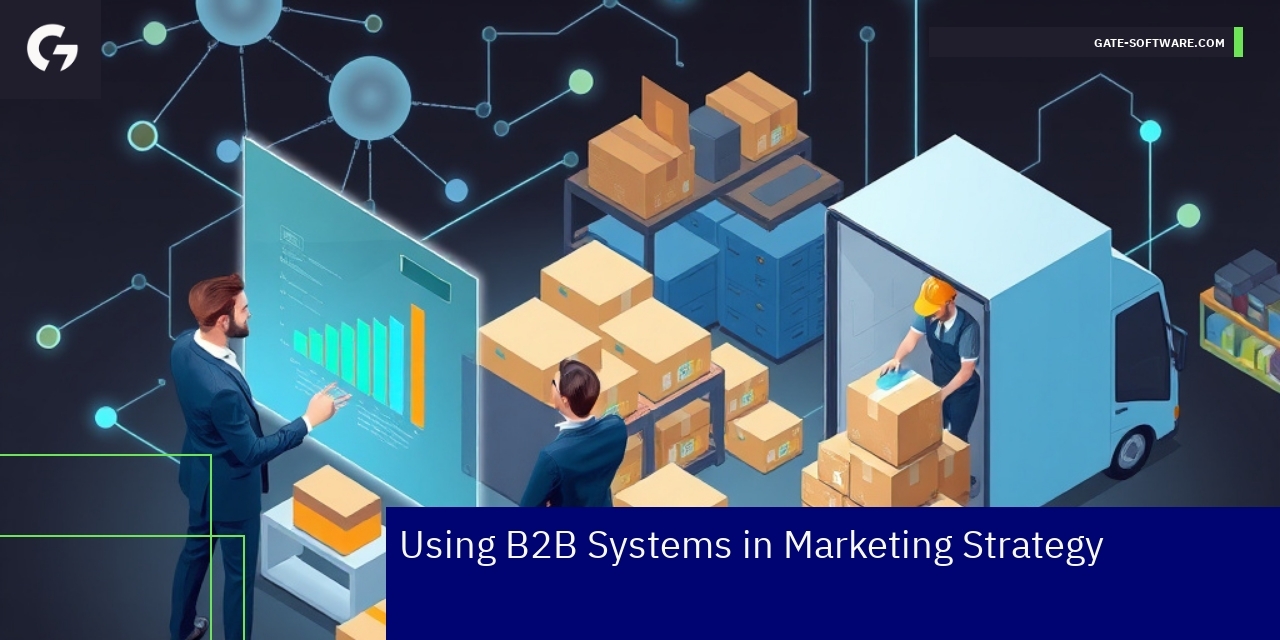
Using B2B Systems in Marketing Strategy
Using B2B systems within marketing strategies significantly enhances targeting precision and customer engagement, addressing the unique complexities of B2B sales processes. Contrary to some common misconceptions, digital marketing in B2B is not limited to simple lead generation but is a powerful tool for building long-term relationships and streamlining the sales funnel. By integrating sophisticated B2B systems, companies can automate personalized communications, segment customers accurately, and analyze behavioral data to tailor content that resonates with key decision-makers like CTOs, eCommerce Managers, and Heads of Applications.
B2B marketing strategies supported by technology enable organizations to debunk the 5 biggest myths of B2B sales related to digital marketing limitations, such as the belief that B2B buyers are not influenced by digital content or that online channels cannot nurture complex buying cycles. With systems designed to track buyer journeys and engage multiple stakeholders across channels, businesses can deliver relevant content and offers at critical decision points, improving conversion rates and customer retention.
Moreover, integrating your online store with wholesalers exemplifies the practical application of these systems, allowing seamless data exchange and unified inventory management which are crucial for maintaining business continuity and efficient operations. This integration supports streamlined ordering processes, real-time stock updates, and dynamic pricing models tailored for B2B clients, enhancing their buying experience and loyalty.
In summary, leveraging B2B systems in your marketing strategy not only optimizes operational efficiency but also empowers your organization to meet sophisticated buyer expectations, foster deeper engagement, and achieve measurable business growth in the competitive B2B marketplace.
Steps to Launch a B2B Store
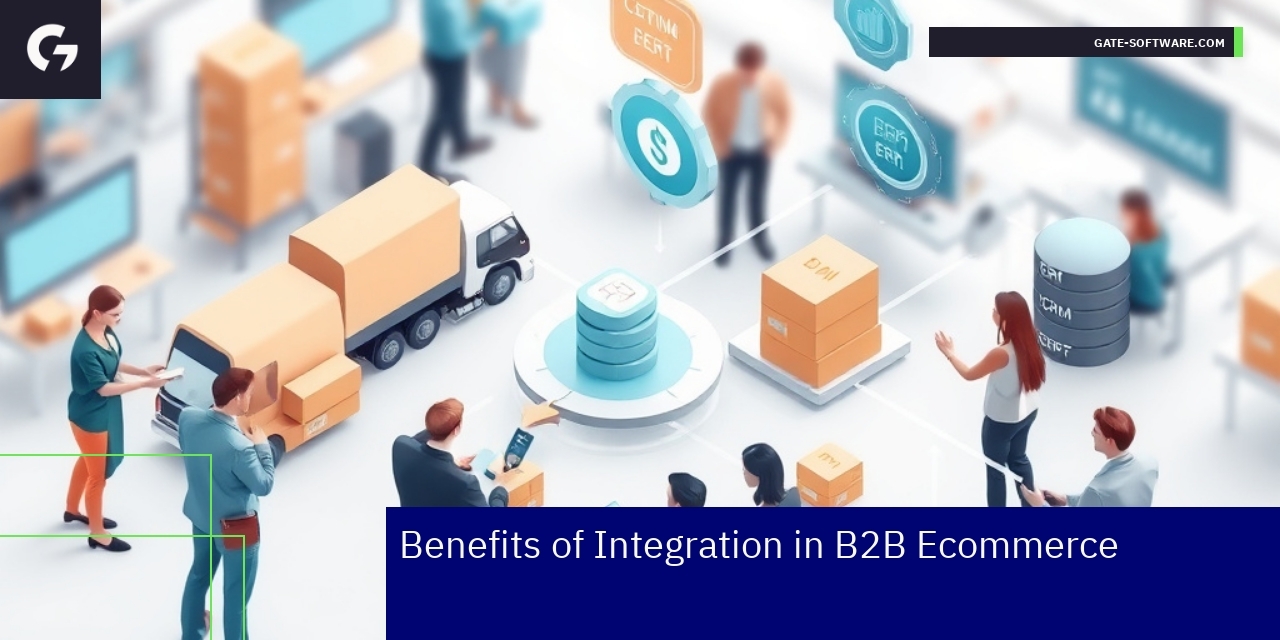
Benefits of Integration in B2B Ecommerce
Integration in B2B ecommerce significantly enhances operational efficiency and customer experience, moving well beyond just transactional sales. By connecting critical systems such as inventory management, payment gateways, CRM, and ERP platforms, companies achieve streamlined workflows that reduce manual errors and improve data consistency. This comprehensive integration enables real-time inventory control, offering accurate stock levels which are crucial for meeting customer demands promptly and avoiding costly shortages or overstock situations.
Moreover, integration supports flexible payment options tailored to diverse business clients, increasing transaction success and customer satisfaction. With automated data exchange, businesses benefit from lower operational costs and faster order processing, freeing teams to focus on strategic tasks. The consolidation of data across systems also provides deeper business insights, empowering decision-makers like CTOs and eCommerce Managers to drive growth with informed strategies.
From the UX/UI perspective, integration ensures a seamless user journey compliant with WCAG standards, enhancing accessibility and overall user satisfaction. Such holistic integration within a B2B context aligns with Gate-Software’s commitment to delivering robust Magento-based solutions that optimize eCommerce performance, content strategy, and brand continuity. The result is a scalable, resilient platform tailored to the complex needs of B2B customers, underpinning long-term success and competitive advantage.

How to Choose Wholesalers for Collaboration
Choosing wholesalers for collaboration requires cautious evaluation, addressing cons of B2B e-commerce #1: poor user adoption, ensuring smooth cooperation.
In the B2B sector, selecting suitable wholesalers is critical for building efficient supply chains and fostering long-term partnerships. One pivotal challenge is addressing poor user adoption, which directly influences the success of collaborative e-commerce platforms. To overcome this, start by thoroughly assessing the wholesaler’s digital infrastructure. Ensure their e-commerce platform offers a seamless UX/UI aligned with industry standards such as WCAG 1.1, which Gate-Software emphasizes for accessibility and inclusive design.
Integration capabilities are another key factor. Your wholesaler should support robust APIs or middleware solutions that align with your existing ERP and Magento-based systems, enabling real-time data exchange and minimizing manual entry errors. This integration also supports the optimization of workflows between your teams and partner wholesalers, facilitating smoother cooperation.
Training and onboarding programs offered by wholesalers strongly affect user adoption rates. Choose partners who invest in comprehensive education for your staff and their own sales teams, ensuring all users are comfortable and proficient on new platforms. This approach reduces resistance and increases process efficiency.
Open and transparent communication channels are essential. Establish regular feedback loops to promptly address technical issues or workflow bottlenecks. Utilizing Gate-Software’s recommended cooperation models can lead to proactive problem-solving, minimizing disruptions during e-commerce operations.
Finally, analyze wholesalers’ innovation readiness. Partners who harness digital advancements — such as AI-driven recommendations or enhanced analytics — can deliver advanced solutions that elevate the buyer experience, drive engagement, and mitigate cons of B2B e-commerce #1: poor user adoption.
By carefully evaluating technical compatibility, user experience, support systems, and innovation preparedness, businesses can ensure smooth cooperation when choosing wholesalers, leading to stronger B2B relationships and measurable growth.
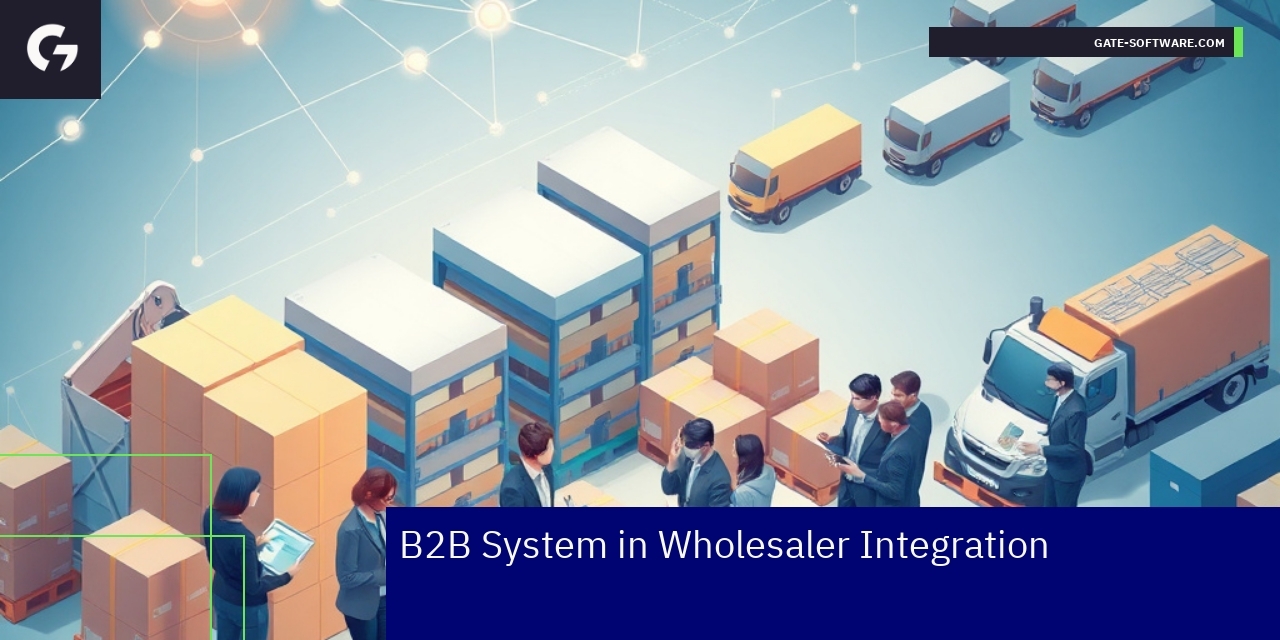
B2B System in Wholesaler Integration
Using a robust B2B system in integration supports scalable business models and contributes to the future of B2B ecommerce: beyond transactions, towards ecosystems. In wholesaler integration, a well-designed B2B system is crucial for streamlining operations and enhancing customer experience across multiple touchpoints. It enables seamless data exchange, automation of order processing, and real-time inventory management, which are essential for wholesalers handling large volumes and complex product catalogs. By leveraging such systems, businesses can improve efficiency, reduce errors, and ensure transparency throughout the supply chain.
Implementing a B2B store tailored for wholesalers is not just about providing a digital sales channel; it’s about building an integrated platform that supports dynamic pricing, personalized offers, and multi-level approvals tailored to B2B buyer behaviors. This strategic integration helps in managing diverse customer requirements, from small retailers to large enterprises, catering to different levels of user roles and permissions. Furthermore, systems compliant with standards such as WCAG ensure accessibility, widening the reach and inclusiveness of your platform.
The integration of B2B solutions in wholesaler environments also addresses critical business challenges such as scalability, cost optimization, and maintaining security standards. It promotes the move from mere transactional relationships to comprehensive ecosystems, fostering long-term partnerships and value co-creation. Gate-Software’s expertise in this domain ensures that your wholesaler B2B store is aligned with the latest content strategies, user experience best practices, and technological advancements, helping you stay competitive and responsive to market dynamics. Integrating with Magento™ and applying rigorous monitoring and SLA frameworks further strengthens operational reliability and customer satisfaction, making your B2B system a pivotal asset in your growth strategy.
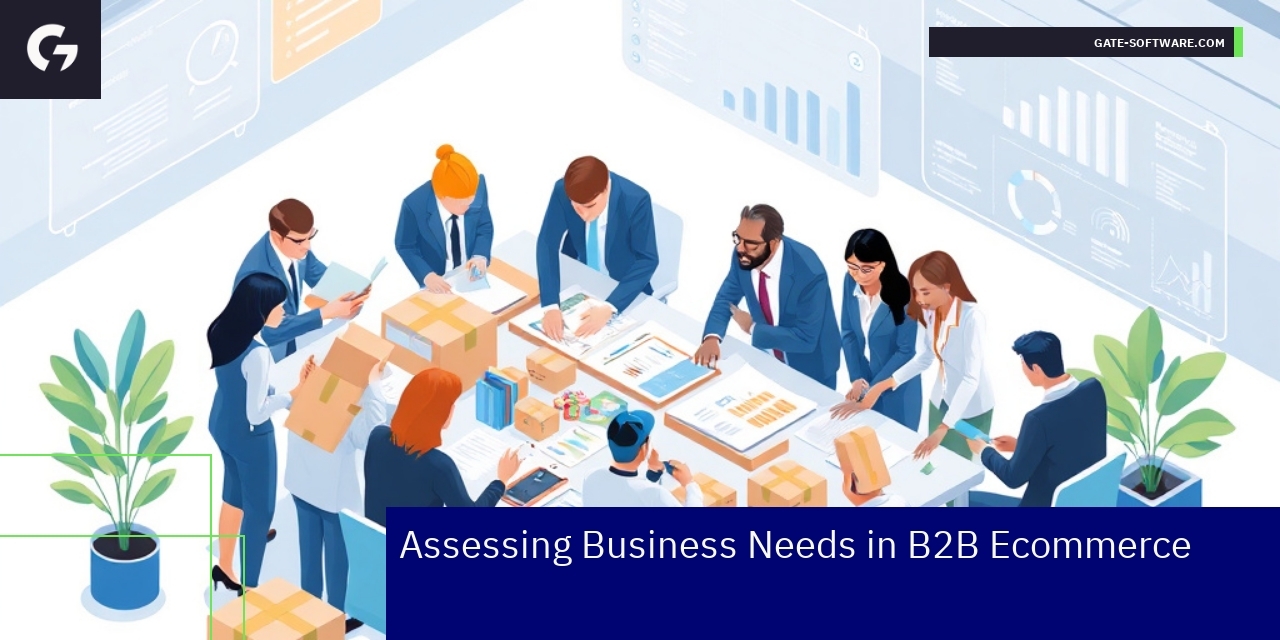
Assessing Business Needs in B2B Ecommerce
B2B e-commerce is more challenging than you think; careful assessment of business needs ensures that implementation aligns with realistic goals and capabilities. For effective B2B ecommerce, a comprehensive understanding of specific business processes and requirements is crucial. Unlike B2C, B2B interactions often involve complex workflows, multiple stakeholders, and larger transaction volumes. This complexity demands a tailored approach to gathering and analyzing business needs that supports scalability and integration with existing systems.
Key to this assessment is identifying stakeholder requirements, including from sales teams, procurement, IT, and management, ensuring that different perspectives are incorporated. The platform must support sophisticated functionalities such as bulk ordering, custom pricing, multi-tier approval processes, and seamless integration with ERP or CRM systems to meet these diverse needs. Assessing technological readiness is equally critical, considering infrastructure, security protocols adhering to standards like WCAG, and capabilities for ongoing monitoring and maintenance.
Budgetary constraints and resource allocation must be realistically evaluated to enable cost optimization without compromising essential features. Moreover, recognizing the strategic importance of UX/UI in B2B platforms ensures that usability challenges are minimized, fostering adoption and customer satisfaction. Continuous feedback loops and iterative development support alignment with evolving business goals and market trends, keeping the platform competitive and responsive.
Integrating Polish SEO phrases such as _B2B_ and _e-commerce_ naturally reflects the specialized domain and helps maintain content relevance for intended audiences, including CTOs, Heads of Applications, and eCommerce Managers. Ultimately, a thorough and precise business needs assessment lays the foundation for a robust, scalable, and effective B2B ecommerce solution.
Choosing a B2B Platform for Your Store
Selecting the right B2B platform for your e-commerce store requires a strategic approach focused on both your operational demands and long-term business objectives. B2B environments involve complex buyer journeys, multiple stakeholders, and specific transactional needs that differ significantly from B2C scenarios. Therefore, platforms optimized for B2B must support features such as advanced pricing configurations, customized catalogs, multi-user accounts, and seamless integration with existing ERP and CRM systems.
Key considerations include scalability, security, and the ability to support complex workflows inherent in B2B sales. Platforms should offer flexible APIs and robust hosting and monitoring capabilities to ensure uptime and performance. Additionally, compliance with accessibility standards like WCAG 1.1 ensures usability for all users, aligning with modern UX/UI guidelines and corporate social responsibility.
Cost optimization is also crucial; efficient platform choices should balance license and operational costs while enabling smooth migrations and integrations orchestrated by experienced technical teams such as Gate-Software’s Magento™ experts. This enables a stable, secure foundation for continuous business growth.
Ultimately, choosing a B2B platform that aligns with your company’s architectural vision and strategic marketing plans, including precise content strategy (Content Strategy 5.0) and social media positioning, will empower your eCommerce Managers and CTOs to deliver compelling retail experiences that meet the needs of diverse B2B personas. In this way, the selected platform becomes a pivotal tool in driving digital transformation and enhancing organizational performance.
Definitions and Key Concepts
Costs of Implementing a B2B System
Understanding the costs of implementing a B2B system is crucial for business owners, CTOs, Heads of Applications, and eCommerce Managers aiming to plan and manage their budgets effectively. Unlike B2C platforms, B2B systems often require tailored solutions to accommodate complex procurement processes, multi-user hierarchies, and custom pricing strategies. These complexities translate into higher initial investments and ongoing operational costs.
Key cost components include software licensing or development fees, integration with existing ERP and CRM systems, and ensuring compliance with industry standards such as WCAG 1.1 for accessibility. Hosting and monitoring expenses, especially for platforms like Magento™, should be carefully considered due to their impact on system performance and uptime.
Another critical area is UX/UI design tailored specifically for B2B users, who demand efficiency and clarity in workflows. Gate-Software’s approach emphasizes conducting thorough UX/UI audits to optimize interfaces and meet user personas such as the Architect, eCommerce Manager, and Head of Applications.
Migration costs from legacy systems can be significant, particularly when ensuring data integrity and functional continuity. Strategies for cost optimization, including SLA agreements and phased implementation, help mitigate financial risk while maintaining project momentum.
The integration of marketing and communication strategies aligned with B2B client expectations also contributes to overall expenses but is essential for driving adoption and customer satisfaction.
In summary, the costs of implementing a B2B system extend beyond mere technology acquisition; they encompass strategic planning, system integration, compliance, and user experience enhancements—all vital for long-term success.
Sales Model Differences
B2B and B2C models differ vastly; debunking the 5 biggest myths of B2B sales clarifies these distinctions and supports better decision-making.
In B2B markets, the sales process is inherently more complex than in B2C due to the need for tailored solutions and multiple stakeholder involvement. Unlike B2C transactions, which often emphasize speed and emotional appeal, B2B sales focus on building long-term partnerships and delivering measurable ROI. Key decision-makers such as CTOs, Heads of Applications, and eCommerce Managers demand comprehensive technical evaluations to ensure platform stability, security, and scalability. This is where Gate-Software’s expertise in Magento™, SLA adherence, and cost optimization becomes critical, addressing challenges unique to B2B e-commerce infrastructure.
Understanding the differences in purchasing behaviors also helps. B2B procurement involves detailed analysis, longer sales cycles, and contractual obligations that B2C models typically bypass. A crucial aspect is compliance with standards such as WCAG 1.1 for accessibility, which not only supports inclusivity but aligns with corporate governance requirements. The Gate-Software approach ensures UX/UI audits and platform migrations are managed efficiently, minimizing disruption while optimizing performance.
Debunking myths also includes clarifying that B2B is not just “B2C with bigger orders.” It demands specialized marketing and communication strategies that reflect the professional and strategic nature of client relationships. Gate-Software’s content and social media strategies leverage precise brand voice profiles and persona-driven messaging to engage stakeholders effectively, facilitating transparent and impactful interactions.
Ultimately, recognizing these sales model differences allows businesses to better position their digital platforms, optimize workflows, and embrace innovation tailored to the B2B environment. This focus on technical robustness, strategic communication, and compliance sets the foundation for sustainable growth in complex digital markets.
Using B2B Platforms in Sales
Using platforms tailored for B2B sales addresses common pitfalls and supports complex buying journeys difficult to replicate in B2C systems. B2B sales platforms are specifically designed to handle the intricacies of business purchasing, which often involves multiple stakeholders, extended decision cycles, and customized pricing agreements. Unlike B2C platforms focused on straightforward transactions, B2B solutions must facilitate detailed product specifications, contract negotiations, and compliance requirements.
Integrating a dedicated B2B platform into a company’s sales infrastructure enables better management of these complexities. Such platforms support sophisticated workflows like multi-level approvals, detailed order tracking, and customer-specific catalogs. This directly improves sales efficiency and accuracy while ensuring that all regulatory and internal standards are met, which is critical given the higher stakes in B2B transactions.
From a technology perspective, these platforms often come with robust integrations for CRM, ERP, and analytics tools, ensuring that data flows seamlessly across the organization. This connectivity not only aids in optimizing sales strategies through data-driven insights but also elevates customer experience by personalizing interactions based on real-time information.
Moreover, B2B platforms often include features that support compliance with industry standards such as WCAG for accessibility, ensuring that digital touchpoints are usable by all parties involved. This aligns with broader UX/UI strategies aimed at creating inclusive and user-friendly environments, which is essential when multiple decision-makers and roles — like the Architect, eCommerce Manager, and CTO — interact with the platform regularly.
The strategic use of B2B platforms also enhances marketing efforts by enabling precise targeting and personalized communication aligned with the company’s content strategy and brand voice. This approach increases lead quality and shortens the sales cycle by presenting relevant content and offers tailored to the specific needs of B2B clients.
In summary, adopting platforms tailored for B2B sales effectively mitigates common challenges such as managing complex buying journeys, ensuring compliance, and integrating with existing systems. This results in streamlined processes, improved customer satisfaction, and ultimately stronger business relationships — all supported by Gate-Software’s expertise in delivering scalable, secure, and compliant digital commerce solutions for B2B enterprises.
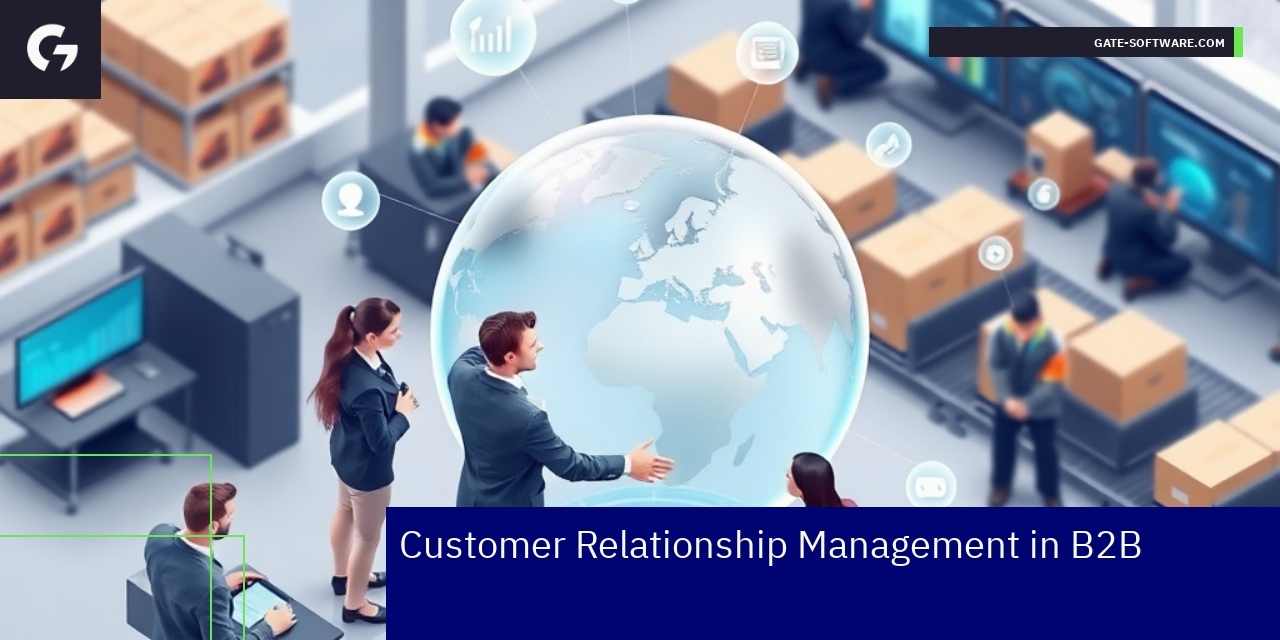
Customer Relationship Management in B2B
Customer relationship management in ecommerce B2B integrates human touch elements to overcome the con of B2B e-commerce #3, fostering long-term business partnerships.
Effective CRM in B2B environments revolves around understanding the unique needs and extended sales cycles typical of business clients. Unlike B2C, B2B transactions often involve higher value, complexity, and longer decision-making processes, which demands a personalized and strategic approach to customer management. Integrating human touch elements into ecommerce solutions is essential to bridge the transactional nature of digital platforms and build trust and loyalty among business partners.
A primary focus in B2B CRM is leveraging customer data through sophisticated systems to create tailored communications and offerings. This personalized touch not only addresses the specific pain points of clients but also fosters stronger connections built on transparency and trust. Maintaining ongoing communication and providing dedicated support throughout the customer journey fortify these relationships, turning one-time deals into lasting partnerships.
Furthermore, the integration of CRM solutions with ecommerce platforms enables seamless interactions that combine automated efficiency with human empathy. It allows businesses to respond proactively to customer feedback and changing needs, ensuring that the relationship remains dynamic and mutually beneficial. Overcoming the con of B2B e-commerce #3—often associated with lack of direct contact—requires these deliberate human elements that deepen customer engagement and satisfaction.
B2B Store Specifics – Start in a Few Steps
To launch and scale an effective B2B store, understanding the particular needs of B2B buyers is critical. Initial steps should focus on setting up tailored user experience elements, such as advanced product catalogs, customized pricing, and multi-user account functionalities that accommodate complex purchasing hierarchies typical for B2B clients. Incorporating these features helps your platform meet the expectations of buyers who seek transparency and efficiency.
Addressing regulatory standards and accessibility guidelines, including WCAG compliance, ensures that your ecommerce platform is accessible to all users, reflecting your commitment to inclusive business practices. Gate-Software’s expertise in Magento platform management supports the deployment and optimization of these technical specifics, ensuring a robust and scalable infrastructure.
Additionally, fostering long-term partnerships means embedding strategic communication plans within the ecommerce journey. This includes personalized marketing strategies and content that speaks directly to decision-makers such as Architects, eCommerce Managers, CDOs, and CTOs/CIOs. By aligning your platform’s capabilities with the expectations and challenges of these key personas, the B2B store transforms from a transactional portal into a strategic business ally.
Through thoughtful implementation and continuous optimization, the B2B store becomes a powerful tool to overcome typical challenges in B2B ecommerce, facilitating efficient transactions and nurturing meaningful, durable business relationships.
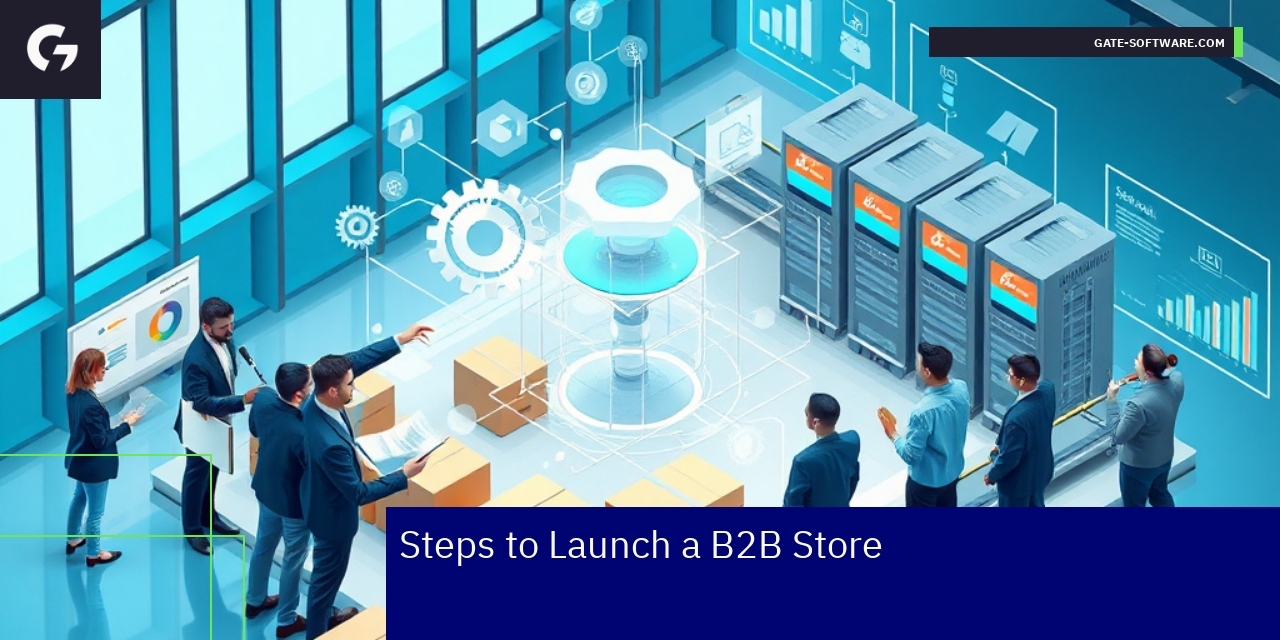
Steps to Launch a B2B Store
Launching a successful B2B store requires a structured approach tailored to the complex needs of business clients. Unlike B2C, B2B e-commerce involves more intricate processes such as custom pricing, bulk ordering, and multi-level approvals, demanding robust platform features and seamless integration with existing business systems.
First, define clear business objectives and identify key personas like the Architect, eCommerce Manager, and CTO to align the platform features with user needs. Emphasizing UX/UI design optimized for B2B workflows and adhering to WCAG 1.1 standards ensures accessibility and enhances user adoption rates. It’s vital to implement flexible pricing models and personalized catalogues to accommodate diverse client requirements.
Next, focus on technical foundation by choosing scalable hosting solutions with strong monitoring and SLA guarantees, minimizing downtime and ensuring high performance during peak usage. Magento™ provides a proven infrastructure optimized for B2B stores, supporting complex integrations and swift product updates.
Data migration and synchronization between ERP, CRM, and the e-commerce platform must be meticulously planned to maintain data integrity and support streamlined order processing. Ensuring compliance with GDPR and security standards builds trust with partners.
Incorporate analytics and reporting tools to continuously track business KPIs and user behavior, enabling data-driven decisions to optimize sales and marketing strategies. Content strategy 5.0 plays a critical role in delivering relevant, engaging content that supports the sales funnel and nurtures key decision-makers.
Finally, establish a clear communication strategy both internally among teams and externally toward clients, empowering customer service and technical support with expert knowledge. Leveraging Gate-Software’s expertise in project takeovers and cost optimization can help reduce time-to-market and improve ROI.
Integrating these steps will help you create a performant and scalable B2B platform that meets the sophisticated demands of business clients while enhancing user adoption rates and accelerating digital sales channel growth.
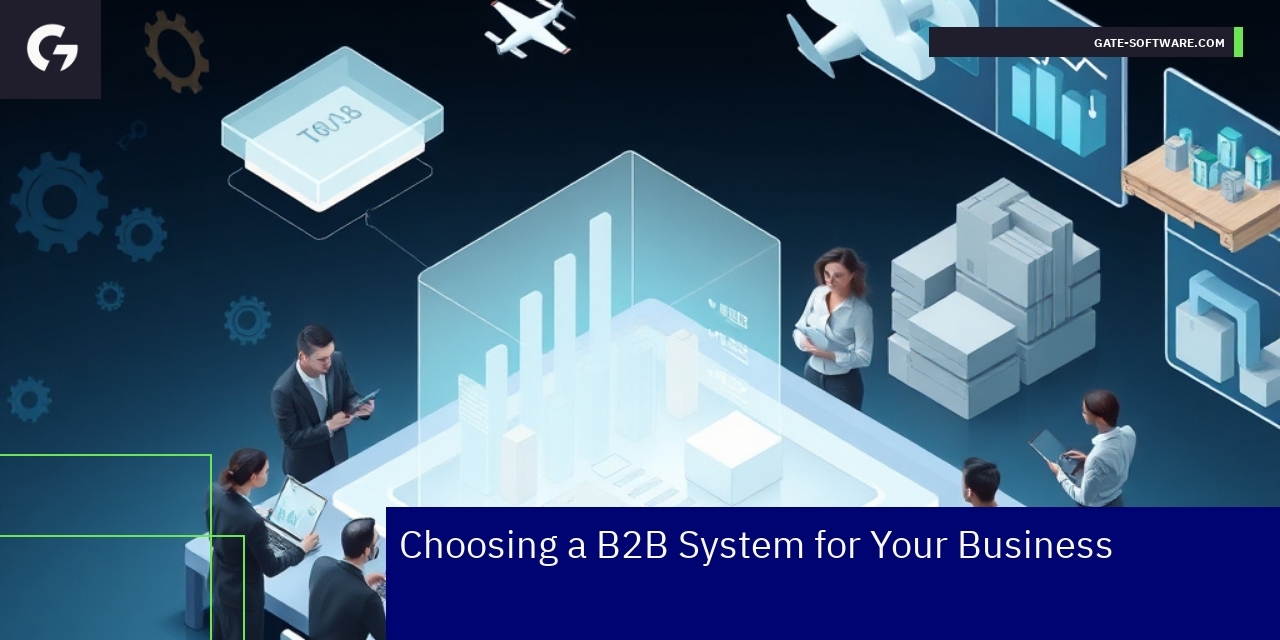
Choosing a B2B System for Your Business
Choosing the right B2B system involves balancing functionalities with strategic priorities, enhancing overall business performance. For enterprises operating in the B2B space, selecting a system requires a thorough understanding of business needs, user experience, and technical architecture. Key decision-makers such as CTOs, Heads of Applications, and eCommerce Managers prioritize systems that integrate seamlessly with existing platforms like Magento™, support extensive customization, and comply with industry standards including WCAG for accessibility.
A well-chosen B2B system should facilitate efficient management of complex product catalogs, support multi-level pricing structures, and ensure secure, scalable hosting and monitoring. Cost optimization plays a crucial role; thus, the system must provide transparent SLA commitments and flexibility to adapt to evolving business demands. Additionally, incorporating Gate-Software’s expertise in migration, UX/UI audits, and maintenance ensures long-term operational stability.
Integrating the system with strategic marketing and communication plans, including content and social media strategies, helps drive engagement and build brand loyalty among key personas such as Architects, CDOs, and CIO/CTOs. The solution should also enable data-driven decision-making by providing actionable insights into customer behavior and platform performance. By aligning the B2B system choice with these comprehensive technical and business criteria, companies can enhance efficiency, foster innovation, and sustain competitive advantage in a rapidly evolving market.
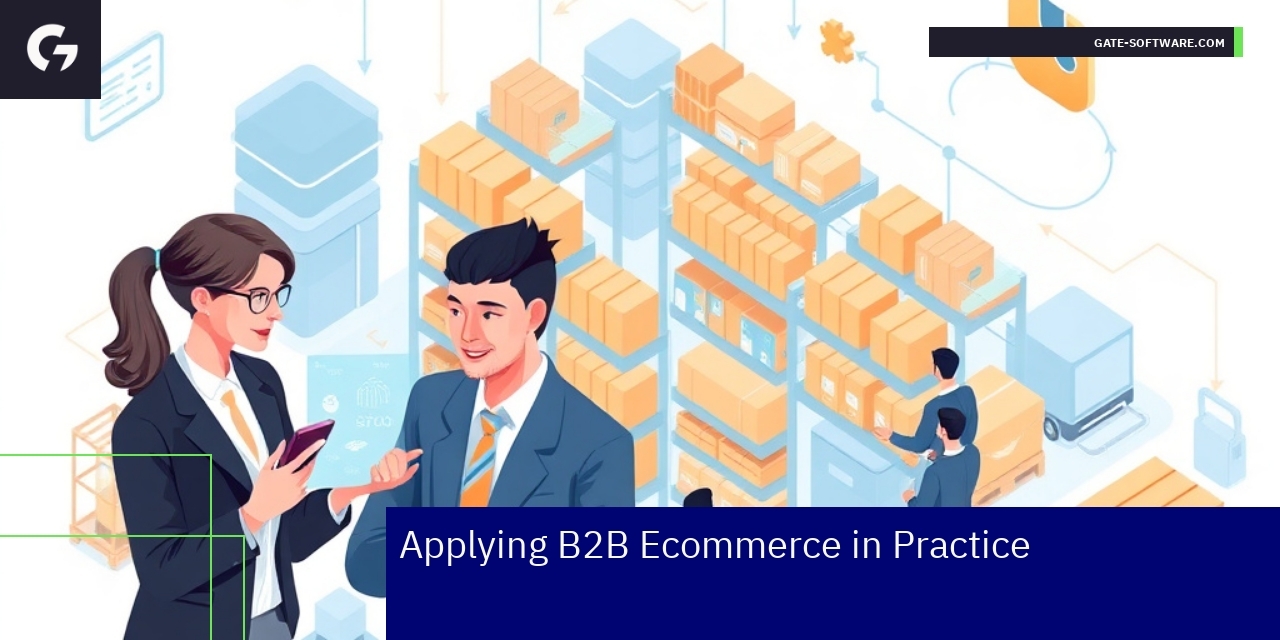
Applying B2B Ecommerce in Practice
Applying B2B ecommerce in practice requires a comprehensive approach that moves beyond simple transactions to the creation of integrated business ecosystems. For B2B companies, this means building platforms that not only facilitate sales but also support complex purchasing processes, long-term relationships, and efficient supply chain management. The transition involves focusing on scalable technology, seamless integrations with existing ERP and CRM systems, and advanced user experiences tailored to professional buyers’ needs.
In this context, understanding the specific business challenges within B2B environments is crucial. This includes managing diverse product catalogs, pricing models tailored to different customer segments, and ensuring secure, compliance-ready transactions. Leveraging Magento-based solutions by Gate-Software enables companies to implement these complex requirements effectively, incorporating WCAG compliance for accessibility and applying UX/UI best practices that respect professional workflows.
Integrating marketing strategies that address B2B buyer personas—such as Architects, eCommerce Managers, and CIO/CTOs—is essential for optimizing conversion rates and retention. The focus on brand voice, content strategy, and social media integration supports customer engagement in B2B digital channels, enhancing visibility and positioning as an expert provider.
In practical terms, B2B ecommerce implementation includes not only store setup but also continuous monitoring, cost optimization, and SLA-backed service models that guarantee platform reliability and scalability in wholesale distribution environments. This evolution from transactional storefronts to business ecosystems reflects the future of B2B ecommerce.
Costs of Starting a B2B Store – Real Expenses for Wholesale Distribution Online
Starting a B2B store involves a series of real expenses that must be carefully planned to ensure sustainable growth and operational efficiency. The initial investment covers the technological infrastructure, including Magento™ platform licensing, hosting tailored for high availability, and integration with existing business systems such as ERP and CRM. Gate-Software’s expertise facilitates managing these components, balancing cost-efficiency with performance requirements.
Development costs also include configuring complex pricing strategies, product information management, and user roles tailored for various B2B personas, which require specialized UX/UI audits and WCAG compliance to meet accessibility standards. Strategic marketing and content creation investments are critical for driving traffic and nurturing business relationships, guided by the company’s Content Strategy 5.0.
Ongoing expenses encompass SLA-based support, platform monitoring, and continuous updates to adapt to evolving market needs and regulatory requirements. These elements ensure that the wholesale distribution process runs smoothly, with minimized downtime and maximum responsiveness.
By understanding the real costs—from technology setup through to long-term operational management—B2B companies can navigate the investment landscape with precision, leveraging Gate-Software solutions to optimize total cost of ownership while building robust, scalable ecommerce ecosystems.
Cost Analysis of Starting a B2B Store
Starting a B2B store involves a comprehensive cost analysis to identify and manage the true expenses associated with setting up an e-commerce platform tailored for wholesale. This analysis is crucial for businesses aiming to plan effectively and allocate resources judiciously for a successful launch.
The initial investment includes platform costs such as licensing, customization, and integration with existing enterprise systems like ERP and CRM. For B2B e-commerce, especially using Magento-based solutions like Magento™, it is essential to budget for specialized development that addresses complex pricing structures, account hierarchies, personalized catalogs, and order workflows characteristic of wholesale operations. Additionally, costs related to UX/UI design must consider WCAG compliance to ensure accessibility, aligning with audit recommendations for a cohesive user experience.
Hosting and infrastructure expenses are significant, as B2B stores demand high availability, scalability, and consistent performance. Investing in robust hosting, monitoring, and SLA adherence guarantees uptime and reliability. Remember that ongoing operational costs include maintenance, security updates, content strategy execution, and social media management aligned with the brand voice and communication strategy.
Marketing and sales enablement expenses must not be overlooked. Crafting content that targets key decision-maker personas—Architect, eCommerce Manager, CDO, CTO/CIO, Head of Applications—and leveraging content strategy 5.0 ensures the store meets the needs of diverse stakeholders. Additionally, SEO optimization with Polish SEO phrases strategically integrated will support organic growth.
In summary, the cost analysis of starting a B2B store encompasses platform customization, infrastructure investment, UX/UI compliance, and marketing aligned with business goals. Such thorough planning allows businesses to forecast budgets accurately, reduce risks, and achieve a scalable, efficient e-commerce solution tailored to wholesale requirements.
Budget Management in B2B Ecommerce
Managing budgets in ecommerce B2B requires a deep understanding of both platform-related costs and operational expenses to avoid financial pitfalls. In B2B environments, controlling expenditures begins with identifying fixed and variable costs tied to the ecommerce platform, including software licensing, hosting fees, and costs associated with custom integrations and continuous platform maintenance. These are fundamental to ensuring system stability, security, and scalability demanded by complex B2B transactions.
Beyond platform-related expenses, operational costs such as marketing campaigns tailored for key decision-makers, logistics to handle bulk or specialized shipments, and customer service management must be carefully monitored. Each of these elements impacts the overall budget and profitability. Effective budget management also requires tracking investments in compliance with standards like WCAG to ensure accessibility, which can have associated costs but are essential for inclusive UX/UI design.
Leveraging Gate-Software’s expertise in Magento hosting, SLA agreements, and monitoring services can optimize these expenses by providing predictable and scalable costs. Additionally, aligning budget allocations with business objectives, including marketing strategies focused on niche sectors and maintaining robust B2B customer relationships, helps avoid common financial risks. Ultimately, a proactive, data-driven approach to budget management ensures sustainable growth and competitive advantage in B2B ecommerce.
B2B Platforms and Operating Costs
Choosing B2B platforms significantly impacts operating costs, making smart selection crucial for sustaining business growth and efficiency in the long term. Effective management of operating costs involves thorough analysis of platform capabilities, scalability, and integration potential within existing systems, especially for enterprises depending on robust eCommerce solutions like Magento™. These platforms must support complex B2B processes, including personalized pricing, multi-user accounts, and seamless order management, all while maintaining compliance with UX/UI standards and WCAG 1.1 accessibility guidelines.
Operating costs in B2B environments also cover hosting, monitoring, and security services, which Gate-Software optimizes through tailored SLA agreements and ongoing audits. A well-chosen platform reduces the need for costly custom development and eases maintenance and migration efforts — factors critical to managing total cost of ownership. Integrating analytics and marketing strategies, as developed in Content Strategy 5.0, help organizations monitor performance and drive further cost efficiencies by aligning technology investments with strategic business goals.
Moreover, considering the profiles of key decision-makers such as CTOs, eCommerce Managers, and Heads of Applications ensures that technological choices align with operational realities and market demands. Gate-Software’s expertise in project takeovers and cooperation models further supports businesses in mitigating transition risks, optimizing resource allocation, and achieving operational excellence on B2B platforms. This strategic, well-rounded approach to platform selection and cost management ultimately fosters sustainable growth and competitive advantage in B2B digital commerce.

Simple Steps to Launch a B2B Store
Starting a B2B store is easier than you think when following strategic priorities and leveraging modern platform capabilities.
Launching a B2B store requires a clear understanding of the complex customer journey and business needs unique to B2B environments. It is essential to prioritize seamless integration with existing enterprise systems and ensure robust scalability. Effective UX/UI design tailored to B2B personas such as the Architect, eCommerce Manager, and CTO is critical to creating an intuitive platform that supports high-value transactions and complex product configurations. Incorporating WCAG 1.1 standards strengthens accessibility, enhancing user experience for all clients.
Strategic content aligned with Content Strategy 5.0 and frameworks like TOYA guides the creation of value-driven communication that resonates with key decision-makers. SEO phrases like sklep internetowy B2B and platforma B2B need to be embedded unobtrusively to maximize visibility without compromising professionalism. Leveraging Magento™ infrastructure ensures reliable hosting and monitoring, crucial for uninterrupted service delivery.
Optimizing cost structures through migration strategy and SLA-based cooperation models enables sustainable growth. Additionally, continuous audits to meet UX/UI and WCAG standards safeguard compliance and usability. By aligning marketing strategies with Gate-Software’s brand voice and communication plans, businesses can effectively attract and retain B2B clients, making the launch and operation of a B2B store strategic, efficient, and scalable.
Choosing a B2B Platform for Your Store
Support in Setting Up a B2B System
Providing robust support in setting up a B2B system directly addresses one of the major challenges in B2B e-commerce: inadequate support for complex buying processes. In the B2B environment, purchasing decisions typically involve multiple stakeholders such as procurement, IT, and senior management, each with specific requirements and approval workflows. A well-implemented support system ensures that these complexities are managed efficiently, helping to reduce bottlenecks and improve transaction accuracy.
Integrating functionalities tailored to B2B needs, such as customizable workflows, approval hierarchies, and detailed product configurations, enhances the buying experience. This level of support facilitates clearer communication between buyers and sellers, minimizing misunderstandings and expediting deal closure. Specialists like Architects and Heads of Applications play a critical role in designing systems that align with company policies and technical infrastructure, ensuring smooth integration with existing tools.
Moreover, support must consider scalability and adaptability, enabling businesses to evolve their purchasing processes as market demands change. Leveraging Gate-Software expertise in Magento™ hosting, monitoring, and WCAG compliance ensures that the platform not only supports complex transactions but also adheres to high standards of reliability and accessibility.
Diligent support in setup provides a foundation for optimizing cost efficiency and reducing time-to-market for critical business transactions. It also empowers eCommerce Managers and CTOs to implement strategic growth plans with confidence, knowing that the system can handle intricate buyer journeys and diverse customer personas seamlessly. In sum, effective support in establishing a B2B system is essential to overcoming the intricacies of B2B commerce, paving the way for sustainable, long-term business success.
Using Platforms in Store Setup
Using platforms effectively in store setup accelerates launch and improves early user adoption, setting the foundation for success. In B2B e-commerce, the choice and implementation of the right platform are critical to address complex buyer journeys and multi-level decision-making processes. Platforms tailored to B2B needs support advanced product catalogs, flexible pricing models, and integration with ERP and CRM systems, which are essential for streamlining operations and enhancing customer experience.
A key challenge in B2B platform usage is balancing customization with scalability. Gate-Software’s solutions enable seamless integration and adaptability, ensuring the platform supports ongoing business growth without compromising stability. Leveraging platforms that comply with WCAG 1.1 standards and UX/UI best practices enhances accessibility and usability, fostering trust and engagement among diverse user groups.
Proper platform setup also includes thorough UX/UI audits to identify friction points early and optimize navigation and workflows tailored to personas like eCommerce Manager and Architect. This approach not only accelerates store launch but also improves early user adoption by providing intuitive interfaces that meet specific B2B buyer expectations.
Gate-Software’s expertise in Magento™ and SLA-backed hosting ensures the platform’s performance and reliability, critical for maintaining continuous operations in B2B environments. Monitoring solutions integrated with the platform enable proactive issue detection, minimizing downtime and supporting business continuity.
Overall, using robust, customized platforms in store setup is fundamental to establishing a scalable, reliable, and user-friendly B2B e-commerce environment that aligns with strategic goals and operational demands. This foundation supports successful market entry and long-term growth.
Checklist of Mistakes
Steering clear of seven B2B e-commerce pitfalls starts with knowing the checklist of common mistakes made by businesses.
In the B2B e-commerce environment, many enterprises struggle with integrating complex systems such as ERP and CRM, leading to inconsistencies and process inefficiencies. Often, insufficient attention is given to Magento™ platform SLA agreements and monitoring, which can result in unexpected downtime or slow performance, negatively impacting customer satisfaction. Another frequent mistake is overlooking WCAG 1.1 standards and UX/UI audits, which can diminish accessibility and user experience, ultimately impairing buyer engagement and conversion. Moreover, cost optimization efforts are sometimes neglected or executed without strategic planning, causing budget overruns and reduced return on investment. Businesses also sometimes underestimate the value of clear brand voice and content strategy alignment, which are crucial for consistent communication with key personas like the Architect, eCommerce Manager, and CTO. Lastly, inadequate planning for migrations and project takeovers can disrupt operations and delay time-to-market. Gate-Software’s comprehensive approach ensures that these mistakes are addressed, helping clients to build robust, scalable, and effective B2B e-commerce platforms that align with business and technical objectives while maintaining SEO phrases such as Magento™, SLA, WCAG 1.1, UX/UI audits, and cost optimization naturally integrated throughout.

How to Avoid Them?
Avoiding common challenges in B2B environments requires a strategic approach grounded in proactive planning and adherence to industry best practices. For decision-makers like CTOs, Heads of Applications, and eCommerce Managers, the focus should be on ensuring system robustness, optimizing platform performance, and enhancing customer experience without compromising operational efficiency.
A key aspect is maintaining high standards in platform management, such as utilizing Magento™ solutions tailored for B2B needs. This includes rigorous monitoring and SLA adherence to minimize downtime, alongside strategic hosting decisions that support scalability and cost optimization. Employing comprehensive UX/UI audits aligned with WCAG standards ensures accessibility and usability, which are critical for sustaining engagement with diverse B2B personas including Architects, CDOs, and CIO/CTOs.
Moreover, integrating Gate-Software’s approach to content strategy and communication fosters transparency and reliability, essential for nurturing long-term B2B partnerships. Preventive measures should also include robust migration plans that reduce operational risk and thorough analysis of customer journeys to tailor interactions that meet the specific expectations of decision-makers.
By combining these technical and strategic measures, B2B entities can effectively avoid pitfalls that typically arise in platform management, customer relations, and scalability, thereby securing a competitive edge and fostering sustainable growth. This aligned approach supports both immediate operational needs and long-term business objectives within the highly demanding B2B market landscape.

Modern Solutions
Modern solutions in B2B e-commerce address the unique challenges faced by enterprises aiming to optimize digital transactions and platform management. Gate-Software focuses on enhancing these solutions by integrating advanced technologies and user-centric designs tailored for B2B environments.
A key aspect involves moving beyond traditional e-commerce platforms to create more integrated systems that streamline operations, facilitate complex product catalog management, and improve the overall user experience for business clients. Solutions such as Magento™ provide robust frameworks that support scalability, customization, and compliance with WCAG standards, ensuring accessibility and inclusivity.
Furthermore, optimizing hosting environments with SLA-backed monitoring enhances platform reliability and performance, crucial for maintaining continuous B2B operations. Cost optimization strategies are also implemented to maximize ROI without compromising service quality.
A crucial focus is on UX/UI audits and strategic migrations to help businesses transition seamlessly to modernized systems that support their evolving needs. Understanding the personas of key decision-makers—like CTOs, eCommerce Managers, and Heads of Applications—enables tailored communication strategies and technology deployments that align with business objectives.
Incorporating digital marketing and content strategies specific to B2B ensures effective engagement and brand voice consistency across channels. Gate-Software’s approach combines deep sector knowledge with technical expertise, delivering solutions that address real challenges such as platform stability, user accessibility, and efficient content management. These modern solutions pave the way for B2B enterprises to leverage technology as a strategic asset, driving long-term growth and innovation.
Platform Comparison
Platform comparison clarifies pros and cons of each option, enabling informed decisions aligned with business goals.
Choosing the right platform for B2B e-commerce involves evaluating various technical and business factors critical to seamless operations and growth. The pros of modern B2B platforms include robust integration capabilities with existing ERP and CRM systems, which streamline complex order management and customer relations. Platforms designed for B2B focus on enhancing user experience through tailored UX/UI aligned with WCAG standards, ensuring accessibility and inclusivity for all users. They also support scalability, essential for accommodating fluctuating transaction volumes and complex pricing structures typical in B2B scenarios. However, cons may involve the higher complexity and costs related to implementation, customization, and ongoing maintenance. Ensuring secure data handling and compliance with industry regulations adds another layer of challenge. Gate-Software solutions prioritize these aspects by offering Magento™ with SLA-backed hosting, monitoring, and cost optimization strategies, helping organizations maintain performance and compliance without compromising on innovation. This approach enables CTOs, Heads of Applications, and eCommerce Managers to make informed decisions balancing flexibility, control, and operational efficiency while leveraging tried and tested workflows and cooperation models suited for B2B needs. Integrating content strategies and marketing plans further strengthens the platform’s ability to engage and convert, making the choice of platform a cornerstone of business success aligned with the SEO phrase B2B e-commerce and e-commerce B2B.
Business Benefits
The business benefits of B2B e-commerce are substantial and directly impact operational efficiency, strategic growth, and long-term market positioning. One of the primary advantages is increased operational efficiency through automation and streamlined processes. This reduces manual workload, minimizes errors, and lowers operational costs, enabling companies to allocate resources more effectively. Efficient resource management also plays a key role, as companies can optimize the use of their assets and personnel while benefiting from shared resources across partnerships.
Another critical benefit is the potential for scaling business activities by accessing new markets and customer segments. B2B platforms facilitate seamless interactions with other enterprises, enabling expansion without the constraints of traditional sales channels. This scalability drives strategic growth opportunities, allowing businesses to adapt quickly in the digital age and maintain competitive advantage.
Long-term relationships are foundational in B2B environments. These partnerships foster greater trust and collaboration, which translate into sustained financial stability and mutually beneficial innovation. Collaboration in B2B contexts often leads to higher specialization and innovative solutions tailored to complex business needs, enhancing overall market competitiveness.
Incorporating SEO phrases such as _Magento™_, _SLA_, _hosting_, _monitoring_, _WCAG_, _UX/UI audits_, _migrations_, and _cost optimization_ reflects the technical infrastructure and continuous improvement processes integral to optimizing B2B e-commerce platforms. For instance, solutions like Magento™ provide robust e-commerce architecture, while SLA commitments ensure service reliability. Hosting and monitoring bolster performance and uptime, critical for business continuity. Attention to WCAG standards and UX/UI audits ensures platform accessibility and enhanced user experience, which are essential for retaining B2B clients. Migrations and cost optimization efforts help businesses stay agile and financially efficient.
Overall, the combination of operational improvements, strategic market positioning, and deep technical support underscores the value of B2B e-commerce in building sustainable business ecosystems and unlocking growth potential in today’s digital marketplace.

Potential Risks and How to Defend Against Them
In B2B e-commerce, key risks include poor user adoption, inadequate support for complex buying processes, and lack of a human touch. These risks must be addressed with deliberate strategies to ensure platform success and sustained customer engagement.
Poor user adoption often stems from insufficient alignment between the platform’s functionality and user expectations. The complexity of B2B transactions demands intuitive UX/UI design, incorporating WCAG standards to accommodate diverse user needs. Gate-Software emphasizes thorough UX/UI audits and tailored personas such as the Architect and eCommerce Manager to optimize user journeys and facilitate seamless adoption. Clear communication of Value Propositions and ongoing support are essential to engage users consistently.
Inadequate support for complex buying processes poses a severe risk in B2B environments where multi-step approvals, negotiations, and custom pricing prevail. Defending against this requires robust backend systems, flexible workflows, and integration with ERP and CRM tools. Gate-Software’s Magento™ platform supports these complex workflows with scalability and customization, ensuring that decision-makers like the CDO and Head of Applications experience streamlined procurement processes.
The lack of a human touch can undermine trust and long-term relationships crucial in B2B sales. Automation should complement, not replace, personalized communication. Gate-Software supports hybrid interaction models, combining AI-driven recommendations with direct account management to preserve the essential human element. Social Media 1.0 strategies and brand voice guidelines contribute to maintaining engagement and authentic connections.
Integrating these approaches mitigates common B2B e-commerce risks and aligns with Gate-Software’s commitment to delivering secure, agile, and user-centric platforms that meet the complex demands of modern enterprise buyers. Through comprehensive monitoring, SLA adherence, and strategic content delivery, the company reinforces its position as a dependable partner in the B2B digital commerce landscape.
Data and Performance Metrics – Efficiency, SLA, TCO
Operational Effectiveness in B2B Projects
In evaluating the operational efficiency of Gate-Software’s B2B services, several key metrics showcase tangible outcomes that can significantly influence purchasing decisions. Notably, the average project takeover time stands at an impressive 14 days, allowing businesses to transition smoothly and with minimal disruption. Moreover, Gate-Software has achieved a commendable 98% of projects delivered on time, reflecting a strong commitment to meeting client expectations and deadlines.
When it comes to cost management, clients have experienced an average total cost of ownership (TCO) reduction of up to 30% after implementing Gate-Software solutions. This reduction underscores the effectiveness of our strategies in optimizing operational expenses. Furthermore, the number of successful B2B implementations exceeds 150 annually, illustrating our capabilities in meeting diverse business needs across various industries.
With an uptime SLA of 99.9%, businesses can trust that their B2B platforms will operate efficiently, minimizing downtime and ensuring continuous service delivery. Additionally, we value relationships with our clients, boasting an average client relationship duration of over 4 years, which highlights our dedication to long-term partnerships and continuous support.
These metrics collectively demonstrate Gate-Software’s commitment to excellence in managing B2B projects, making clear the data-driven credibility that supports informed purchasing decisions.

Summary
In the rapidly evolving landscape of B2B e-commerce, investing in robust and tailored digital solutions is essential for organizations aiming to enhance operational efficiency, foster long-term relationships, and adapt to complex market demands. Gate-Software stands out as a pivotal partner in this journey, offering comprehensive platforms like Magento™ supported by strong SLA commitments and monitoring capabilities that ensure seamless operations and compliance with WCAG standards. Your business can benefit immensely from our expertise in creating user-centric designs and streamlined workflows that cater specifically to the unique complexities of B2B transactions. Through strategic integration and ongoing support, we empower you to navigate the challenges of digital transformation confidently. It’s time to take the next step — let us help you unlock the full potential of your B2B operations, ensuring you remain competitive and successful in the dynamic digital marketplace. Reach out to Gate-Software today to explore how we can collaborate to meet your specific business needs and drive sustainable growth together.

FAQ
What is B2B e-commerce?
B2B e-commerce, or business-to-business electronic commerce, involves the digital exchange of goods, services, and information between businesses through online platforms, streamlining procurement and enhancing operational efficiency.
Why is investing in B2B e-commerce crucial for companies?
Investing in B2B e-commerce is essential for companies aiming to stay competitive, as it allows for the optimization of complex processes, enhances customer satisfaction, and leverages technology for efficient order management and personalized experiences.
How does integration with B2B platforms enhance business performance?
Integration with B2B platforms improves operational efficiency by enabling seamless handling of custom orders, real-time inventory synchronization, and reducing errors through automated processes, thus enhancing overall customer experience.
What are the key differences between B2B and B2C sales models?
The key differences include target audience, transaction complexity, sales cycles, and relationship focus, with B2B emphasizing long-term partnerships, larger order quantities, and multiple stakeholder involvement compared to the more straightforward B2C transactions.
How can businesses avoid common mistakes in B2B e-commerce?
Businesses can avoid common mistakes by ensuring system compatibility, maintaining rigorous adherence to WCAG standards, implementing effective UX/UI strategies, and engaging in thorough planning for migrations and project management to prevent disruptions.
Using B2B Systems for Communication
.
.
Zamów bezpłatną konsultację
.
Z nami rozwój Twojego biznesu nabierze tempa! Zapraszamy do kontaktu średnie i duże firmy generujące min. 7 mln PLN obrotu rocznie – tam nasza ekspertyza sprawdza się najlepiej.
.
Kliknij w poniższy przycisk i skontaktuj się z jednym z naszych konsultantów e-commerce
.