Introduction
In today’s digital economy, B2B commerce platforms must seamlessly combine the functionalities of wholesale transactions with the efficiency and user-friendliness of retail store operations. This integration addresses the complex needs of business customers who require scalable, customizable, and streamlined purchasing processes. Gate-Software’s approach to B2B commerce emphasizes the convergence of these functions within a single platform to optimize user experience, enhance operational efficiency, and support advanced business models.
Our platform architecture accommodates the diverse workflows of bulk ordering, pricing tiers, and account management inherent to wholesale, while offering intuitive UX/UI aligned with modern e-commerce standards. This ensures that key stakeholders such as eCommerce Managers, CTOs, and Heads of Applications can deliver tailored solutions that meet stringent business requirements without compromising on usability or compliance with standards like WCAG 1.1.
By leveraging Magento™ combined with tailored hosting and SLA strategies, we enable robust, secure, and scalable systems that seamlessly blend wholesale and store functionalities. This fusion ultimately empowers enterprises to drive growth, streamline procurement, and maintain competitive advantage in the evolving B2B market landscape.
TABLE OF CONTENTS
- B2B Commerce Platform – Combining Wholesale and Store Functions
- What is B2B eCommerce?
- B2B System – Key Features
- B2B Platforms – What They Offer
- How to Implement a B2B System
- Successful Implementation Examples
- Best Practices in B2B eCommerce
- Data and Performance Metrics – Efficiency, SLA, TCO
- Summary
- FAQ
- Project Takeover Time: On average, Gate-Software completes project takeovers within 30 days, ensuring minimal disruption and smooth transitions for clients.
- Timely Project Delivery: An impressive 95% of our B2B projects are delivered on or before the deadline, showcasing our commitment to adhering to timelines and client expectations.
- Total Cost of Ownership Reduction (TCO): Our integrated solutions typically lead to an average TCO reduction of 20%, helping clients save costs long-term through optimized processes and automation.
- Implementation Success Rates: With over 120 successful implementations of Magento™ in the last year alone, we have solidified our reputation as a reliable partner in B2B eCommerce.
- SLA Uptime Guarantee: We maintain a service-level agreement (SLA) uptime of 99.9%, ensuring high availability and reliability, which is critical for business operations.
- Average Client Relationship Duration: Our average client relationship lasts approximately 5 years, highlighting our ability to foster long-term partnerships and continued support throughout the business lifecycle.
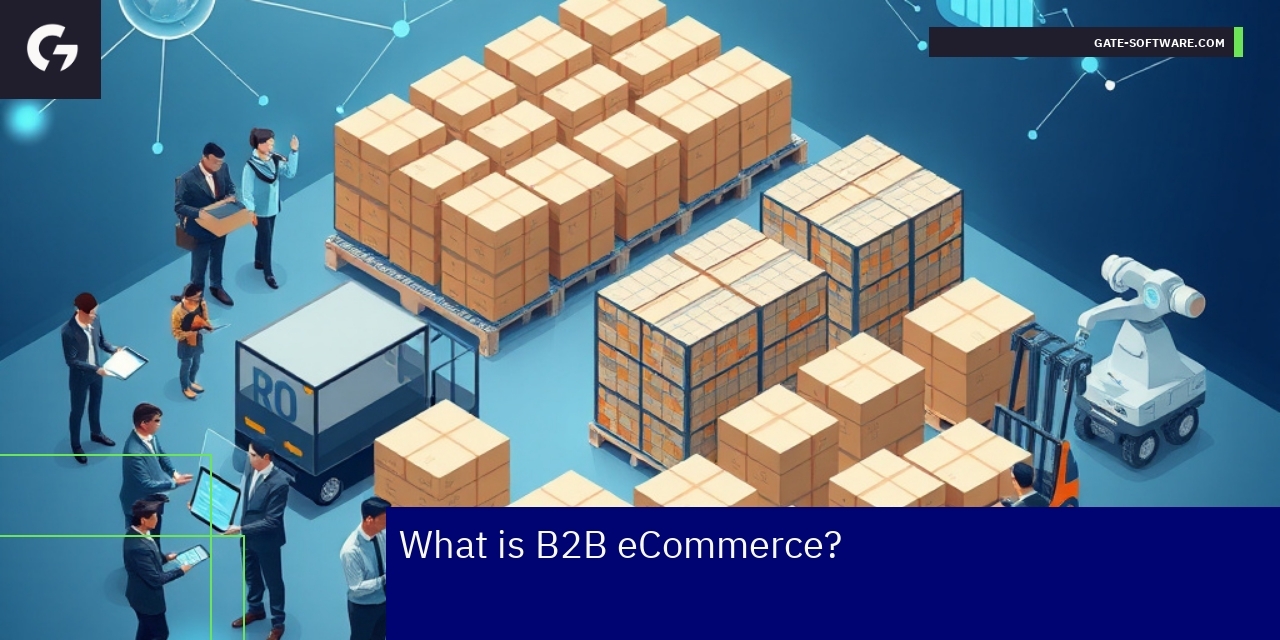
What is B2B eCommerce?
Definition and Importance
B2B eCommerce refers to the electronic exchange of goods and services between businesses via online channels. This model is crucial for enterprises aiming to operate efficiently in wholesale markets. A platforma b2b serves as an integrated environment where suppliers and buyers interact, simplifying the complexities of wholesale transactions. By using a platforma b2b, companies can enhance their ecommerce b2b capabilities by streamlining bulk order processes with features like quick add-to-cart and real-time inventory updates. This not only increases operational efficiency but also supports the team in managing large-scale orders and maintaining accurate catalogues tailored to different customer segments, thus reinforcing overall business growth.
B2B vs B2C Differences
A system b2b operates under different principles than typical B2C platforms. Whereas B2C focuses on individual consumers with straightforward purchasing paths, platformy b2b address the unique requirements of business customers such as customer-specific pricing, configurable order volumes, and extended payment terms. The system b2b must support complex workflows including contract management, approval hierarchies, and integration with enterprise resource planning (ERP) systems. Platformy b2b are designed to nurture long-term wholesale relationships by enabling personalized catalogs and tailored purchasing conditions. This differentiated approach allows companies to meet business customer expectations effectively, ensuring seamless transactions and lasting partnerships beyond simple retail sales.
Use Cases
In practice, ecommerce b2b platforms are leveraged in several impactful ways. For instance, retailers use platforma b2b to manage their wholesale purchasing in WooCommerce environments, ensuring smooth bulk ordering and inventory replenishment. Virtual B2B platforms reinvent global tradeshows by enabling businesses to connect and negotiate remotely, reducing logistical constraints while expanding market reach. These use cases demonstrate how platforma b2b transforms traditional wholesale processes into digitally optimized, efficient operations. By adopting ecommerce b2b solutions, companies can accelerate procurement cycles, enhance customer satisfaction, and maintain competitive advantages through advanced platform capabilities tailored to business buyers’ needs.
B2B System – Key Features
Order Management
Effective order management is at the heart of any platforma b2b, enabling efficient ecommerce b2b operations. Advanced systems automate order workflows, allowing customers to quickly add large quantities to their carts and manage orders effortlessly. This reduces manual errors and accelerates the purchasing cycle, which is crucial in B2B environments where volume and accuracy matter. Integrations with pricing rules and discount structures tailored for B2B transactions further optimize the process. Such features ensure that system b2b users manage complex orders seamlessly, enhancing customer satisfaction and operational efficiency.
ERP Integration
ERP integration is a cornerstone for any system b2b aiming to synchronize data across platformy b2b and ecommerce b2b systems. Connecting your B2B system to over 100 ERP platforms ensures real-time inventory updates, consistent order status tracking, and consolidated financial reporting. This tight linkage reduces discrepancies between order fulfillment and stock availability, critical for maintaining reliable supply chains. The integration streamlines workflows between sales, inventory management, and accounting teams, enabling business continuity and improved decision-making within complex B2B ecosystems.
Customer Support
Customer support in a platforma b2b context is designed to facilitate seamless communication and issue resolution, which are vital to sustaining ecommerce b2b relationships. Leveraging specialized tools for tracking client requests, managing ticket statuses, and providing personalized assistance helps build trust and long-term partnerships. Support solutions embedded within system b2b architectures allow businesses to monitor client interactions comprehensively and tailor services to unique B2B needs. This improves responsiveness and empowers support teams to address challenges proactively, ensuring continuous business growth and client satisfaction.
B2B Platforms – What They Offer
Functionalities
B2B platforms, known as platforma b2b, provide essential functionalities that streamline business operations and enhance user experience. Key features typically include customer-specific catalogs tailored to varied client needs, flexible payment options accommodating different financing arrangements, and efficient bulk ordering capabilities through quick add-to-cart tools. Such functionalities make managing wholesale transactions simpler, supporting scalability and integration with popular eCommerce environments like WooCommerce. A well-designed system b2b offers seamless navigation and automation that reduce manual workload and errors, ultimately improving transaction speed and accuracy.
Benefits of Using B2B Platforms
Utilizing a platforma b2b brings significant advantages for ecommerce b2b businesses. It simplifies wholesale buying processes, enabling fast and accurate order placement that enhances customer satisfaction. The use of these platformy b2b also drives cost reductions by automating workflows, optimizing inventory management, and providing valuable data insights to inform strategic decisions. Moreover, they support stronger buyer-supplier relationships through personalized experiences and efficient communication channels. For companies focused on scaling their B2B operations, the benefits encompass improved operational efficiency, faster order-to-cash cycles, and elevated overall business performance within the ecommerce b2b marketplace.
How to Choose the Right B2B Platform
Selecting the right system b2b involves a structured assessment of business needs aligned with platform capabilities. Businesses should prioritize platforms offering robust integration options with existing IT infrastructure, ensuring seamless data flow across sales, inventory, and finance systems. The chosen platforma b2b must provide customizable features that reflect unique business processes and allow for growth scalability. Additional considerations include user experience, security standards, and comprehensive customer support. Adopting a detailed checklist focusing on functional requirements, technical compatibility, and vendor reliability will help enterprises select a B2B eCommerce platform that effectively supports their sales goals and operational demands.
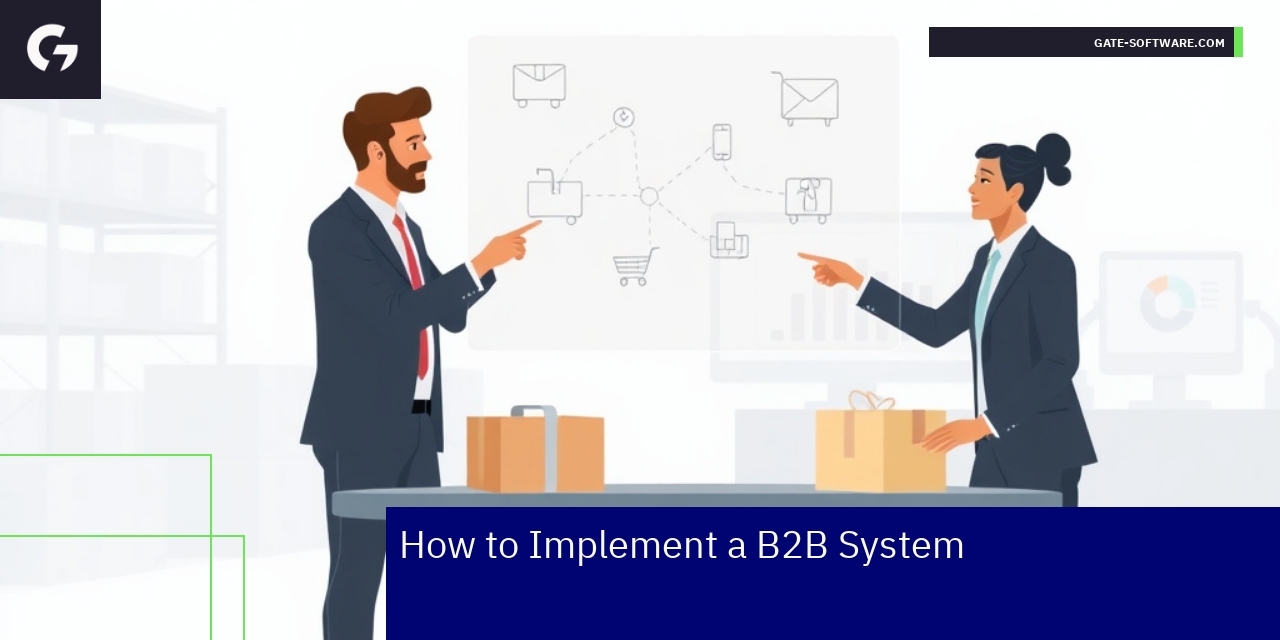
How to Implement a B2B System
Planning and Needs Analysis
Start your implementation by planning and analyzing needs to identify key system b2b features essential for your business. This phase lays the foundation to streamline bulk ordering and customize your customer-specific catalogs within the platforma b2b. Understanding your business requirements allows you to tailor the system b2b effectively, ensuring it integrates seamlessly with existing processes and supports scalability. By defining functionalities such as flexible pricing, order management, and customer segmentation early, you optimize the ecommerce b2b environment to meet the complex demands of your clients.
Choosing a Supplier
Choosing the right supplier or provider is crucial. Look for solutions like Fashion’s Only End-to-End Wholesale Platform that offer comprehensive support and proven results. A trusted platforma b2b partner will guide you through the setup and ensure a smooth launch. Supplier selection impacts the long-term success of your ecommerce b2b strategy by providing necessary technical support, security compliance, and continuous updates. The partnership you build will directly influence how well the system b2b adapts to evolving market needs and integrates with other platformy b2b components.
Team Training
Empower your team. Engage your customers by providing training on the new system b2b tools and features. Proper education ensures efficient use of the platforma b2b, improving order accuracy and customer service. Training programs should focus on operational best practices, system navigation, and troubleshooting to maximize productivity and reduce errors. Well-informed teams act as effective ambassadors of your ecommerce b2b platformy b2b, facilitating smoother transactions and fostering stronger client relationships.
Successful Implementation Examples
Case Study 1
Case studies highlight how leveraging a platforma b2b enabled businesses to consolidate wholesale and ecommerce operations, demonstrating significant growth and operational efficiency improvements. Integrating a system b2b allowed seamless management of processes, aligning sales channels and internal workflows. Companies adopting this approach reported smoother inventory handling and improved customer engagement across platforms, reinforcing the value of a unified digital ecosystem for B2B success. The synergy between platforma b2b and system b2b optimizes operational scalability while meeting specific industry demands.
Case Study 2
Another example showcases ecommerce b2b transformation by integrating customer-specific catalogs and flexible payment options, streamlining the buyer journey with a comprehensive platforma b2b. Tailored pricing and personalized product selections empowered clients to execute purchases efficiently, enhancing satisfaction and loyalty. Utilizing advanced platformy b2b capabilities, the businesses achieved considerable process automation, reducing the sales cycle and mitigating common transactional complexities inherent in B2B commerce.
Case Study 3
Successful implementation of a system b2b that connected with multiple ERPs to automate inventory management and order processing illustrates real business value and enhanced scalability. By synchronizing data across the entire supply chain, companies observed accuracy gains and speedier response times. The integration with platforma b2b strengthened the IT architecture, enabling adaptability and growth. Strategic adoption of system b2b solutions supports complex B2B ecosystems by ensuring reliable, real-time operational insights and streamlined workflows.
Best Practices in B2B eCommerce
Process Optimization
Optimize your processes by leveraging features of the most complete B2B & wholesale package. Streamlining bulk ordering with quick add-to-cart tools and integrated ERP synchronization enhances efficiency across the board. Efficient process optimization in a platforma b2b environment means reducing friction points for clients and internal teams alike. Modern system b2b solutions facilitate automation of repetitive tasks, enabling faster order turnaround and reducing manual errors. By integrating your platformy b2b with backend systems such as inventory management and accounting, you create a seamless workflow that adapts to changing business needs. This not only improves operational speed but also lowers costs and improves customer satisfaction by ensuring accuracy and timely delivery.
Customer Relationship Management
Tip: Building trust and loyalty in B2B ecommerce relies heavily on personalized experiences such as customized catalogs, flexible payments, segmented pricing, and volume discounts. Using dedicated CRM tools designed for B2B helps meet diverse buyer requirements, fostering stronger client relationships. Flexible financing and tailored contract terms can encourage larger orders and long-term partnerships, aligning customer retention strategies with overall business goals.
Effective customer relationship management is key to successful ecommerce b2b. Use platformy b2b tools to manage personalized catalogs and flexible payment options, building trust and loyalty. Customer-centricity in ecommerce b2b requires a platforma b2b capable of delivering tailored experiences at scale. By utilizing system b2b capabilities that support segmented pricing, volume discounts, and custom contract terms, companies can meet diverse buyer requirements. Leveraging digital tools to manage communications, offer flexible financing, and provide dedicated support fosters stronger relationships with clients. These personalized approaches enhance customer retention, encourage higher order volumes, and create long-term partnerships aligned with business goals.
Data Analysis and Reporting
Implement data analysis and reporting within your system b2b to gain insights into sales trends and customer behavior, guiding informed decision-making and strategic growth. Advanced analytics integrated into platforma b2b enable companies to monitor key performance indicators such as order frequency, product demand, and customer satisfaction. This visibility supports proactive management of inventory and marketing efforts, allowing adjustments based on real-time data. Data-driven insights empower decision-makers to optimize pricing strategies, identify growth opportunities, and tailor product offerings. An effective system b2b not only captures raw data but provides actionable reports that drive continuous improvement and competitive advantage.
Summary
Optimizing platformy b2b processes with smart automation and ERP integration enhances operational efficiency. Effective ecommerce b2b relies on personalized customer relationship management, leveraging flexible tools to build loyalty. Data analysis and reporting embedded in system b2b provide essential insights to guide strategy and growth. Together, these best practices support robust B2B commerce that aligns with modern business needs and Gate-Software’s strategic approach.
Data and Performance Metrics – Efficiency, SLA, TCO
Operational Effectiveness in B2B Projects
In the realm of B2B services, Gate-Software has continually demonstrated its commitment to operational excellence and customer satisfaction. Here are some crucial metrics that underscore the effectiveness of our B2B offerings:
These metrics not only illustrate our operational capabilities but also provide prospective clients with the necessary data to inform their purchasing decisions, reinforcing Gate-Software’s reputation as a leader in B2B commerce solutions.
Summary
As the landscape of B2B commerce continues to evolve, Gate-Software positions itself as a strategic partner for businesses looking to enhance their operational efficiency and customer relationships. Our comprehensive platforma b2b integrates advanced features like order management, ERP connectivity, and customer support tailored to meet the unique demands of wholesale transactions. By utilizing solutions such as Magento™ and leveraging robust SLAs, we empower enterprises to optimize their purchasing processes while ensuring security and scalability. These capabilities not only streamline procurement cycles but also foster stronger connections between suppliers and buyers, ultimately supporting growth and maintaining a competitive edge in the marketplace. If you’re seeking to elevate your B2B operations, we invite you to explore how our tailored solutions can align with your business objectives and drive long-term success.
Summary

FAQ
What is B2B eCommerce and why is it important?
B2B eCommerce refers to the electronic exchange of goods and services between businesses through online platforms. It is crucial for businesses aiming to operate efficiently in wholesale markets, as it simplifies complex transactions and enhances operational efficiency.
How does a B2B platform differ from a B2C platform?
A B2B platform is designed to meet the unique requirements of business customers, such as customer-specific pricing, configurable order volumes, and contract management. In contrast, B2C platforms focus on individual consumers with straightforward purchasing paths.
What are the key features of a B2B system?
Key features of a B2B system include advanced order management capabilities, integration with ERP systems for real-time data synchronization, and comprehensive customer support tools to ensure effective communication and issue resolution.
Why is ERP integration important for B2B systems?
ERP integration is essential as it synchronizes data across B2B platforms and other business systems. This reduces discrepancies, streamlines workflows, and ensures accurate inventory management, which is critical for maintaining reliable supply chains.
How can businesses successfully implement a B2B system?
Successful implementation involves thorough planning and needs analysis, careful supplier selection, and comprehensive team training. These steps ensure the B2B system supports business requirements and enhances operational efficiency.
.
.
Zamów bezpłatną konsultację
.
Z nami rozwój Twojego biznesu nabierze tempa! Zapraszamy do kontaktu średnie i duże firmy generujące min. 7 mln PLN obrotu rocznie – tam nasza ekspertyza sprawdza się najlepiej.
.
Kliknij w poniższy przycisk i skontaktuj się z jednym z naszych konsultantów e-commerce
.