Adobe Commerce’s Magento 2 B2B updates reflect critical advancements designed to meet the complex demands of business-to-business eCommerce environments. These updates enhance Magento’s capabilities to optimize large-scale B2B operations, providing robust tools to streamline procurement, improve customer experience, and drive operational efficiency.
Key highlights include improvements in company account management, enabling administrators to better handle multiple buyers within a single organization. This supports nuanced role-based access control and personalized buying experiences, critical for enterprises requiring different user permissions and approval workflows.
The updates also focus on streamlined quoting processes that allow buyers to request custom quotes directly within the platform, enhancing negotiation efficiency and supporting complex pricing schemes. This feature aligns closely with real-world B2B sales cycles, reducing friction in deal closures and improving sales team productivity.
Enhancements in inventory management and catalog segmentation allow businesses to curate product catalogs dynamically, offering personalized assortments to different companies based on contracts or existing relationships. This flexibility supports scalable customer segmentation and targeted product offerings, essential for B2B customer retention and upsell strategies.
Technical improvements deliver better performance and scalability under high transaction volumes typical of B2B operations, ensuring system reliability and reduced downtime. These updates also include extended API capabilities facilitating deeper integration with ERP, CRM, and other enterprise systems, enabling seamless data flow and unified business processes.
From a strategic perspective, Magento 2’s B2B updates empower digital transformation initiatives by delivering a commerce platform that supports complex organizational structures and operational workflows. These enhancements enable businesses to increase operational agility, improve procurement efficiency, and create more engaging, tailored customer experiences—all vital for remaining competitive in B2B markets.
In summary, the Magento 2 B2B updates in Adobe Commerce deliver significant technical and operational advancements that address real-world business challenges and drive scalable growth for enterprises managing sophisticated B2B commerce ecosystems.

Introduction
In the B2B sector, understanding the intricate dynamics between business clients and service providers is essential for driving operational efficiency and sustained growth. Companies face complex challenges that require robust technical architectures capable of supporting scalable and high-performance solutions. These solutions must seamlessly integrate with existing systems, optimize workflows, and deliver real-time insights for informed decision-making.
Strategic emphasis in B2B environments often revolves around enhancing interoperability between diverse enterprise platforms while maintaining strict compliance and security standards. The scalability of infrastructure directly impacts the ability to respond to fluctuating market demands and evolving customer requirements. Leveraging advanced data analytics and automation tools empowers organizations to streamline their processes, reduce costs, and improve overall service delivery.
Focusing on these aspects enables technology and product leaders to architect solutions that not only meet current operational needs but also lay a foundation for innovation and competitive advantage. Aligning technical strategy with business objectives is paramount to achieving scalable growth and operational excellence in B2B markets.
TABLE OF CONTENTS
- Adobe Commerce B2B Release Notes
- Introduction
- What is Magento 2 B2B?
- Defining Magento B2B E-Commerce
- Industries Benefiting from Magento B2B
- Top Features to Boost Sales with Magento B2B
- Benefits of Magento 2
- Performance and Scalability
- External System Integrations
- Support Availability
- Drawbacks of Magento 2
- Maintenance Costs
- Learning Curve Challenges
- Integration Issues
- Key Features of Magento B2B E-Commerce
- Personalization & Segmentation
- Automating Processes
- Data Analysis & Reporting
- User Management in Magento 2
- Administrator Role Responsibilities
- User Permissions Handling
- ERP Integration for User Management
- Product Catalog Management in Magento 2
- Adding and Editing Products
- Attribute Management
- Template Compatibility
- Order Management in Magento 2
- Order Placement Process
- Tracking Order Statuses
- Automated Customer Communication
- Customer Management in Magento 2
- Customer Segmentation
- Transaction History Insights
- Customer Relationship Maintenance
- Content Management in Magento 2
- Content Creation Tools
- SEO Performance
- Blog Management Features
- Promotions and Promotion Rules in Magento 2
- Types of Promotions
- Measuring Promotion Effectiveness
- PIM Integration Supporting Promotions
- Reporting in Magento 2
- Sales Reports
- Analyzing Purchase Trends
- Customizing Reports
- Magento 2 Multilingual Support
- Implementing Multilingual Stores
- Localization Challenges
- Do NOT change, rewrite, or reformat the H3 heading itself
- Do NOT add any labels such as “H3”, “H4”, numbering, or annotations
- Do NOT modify any H4 headings or content under the H3
- Do NOT change any other part of the H2 content
- For detailed examples and best practices on Types of Promotions, consult the official Magento 2 user guide and community forums.
- Consider integrating third-party extensions for enhanced promotional capabilities beyond native Magento 2 features.
- Regularly audit promotion rules to ensure they align with current business objectives and do not conflict.
- Detailed product comparison charts
- User testimonials highlighting feature impact
- Case studies focusing on feature utilization
- Links to comprehensive feature documentation

What is Magento 2 B2B?
Magento 2 B2B is an e-commerce platform tailored to the needs of business-to-business sales. It extends the core Magento 2 framework by incorporating specialized functionalities that support B2B transactions, which differ significantly from B2C operations. These enhancements enable companies to efficiently manage high-volume orders, complex pricing structures, and varied customer requirements inherent in B2B commerce.
Key features of Magento 2 B2B include the ability to create personalized catalogs and pricing for different customer segments, facilitating negotiation and contract-based sales models. The platform supports purchase order workflows, enabling approval processes essential for corporate buying cycles. These functionalities ensure operational efficiency by streamlining order management and reducing administrative overhead.
Moreover, Magento 2 B2B handles complex payment options and terms tailored for corporate clients, addressing the nuances of B2B financial transactions. This focus on scalability and performance supports enterprise-level clients with large-scale product assortments and diverse buyer needs.
Understanding Magento is vital for leveraging these capabilities effectively, as it provides a robust technical architecture designed for customization and integration with existing ERP and CRM systems. This strategic alignment enhances customer relationship management and enables businesses to respond agilely to market demands.
Overall, Magento 2 B2B empowers companies to optimize their sales processes, improve customer engagement, and drive growth in competitive business-to-business environments.
Defining Magento B2B E-Commerce
—
If available:
—
Defining Magento B2B E-Commerce
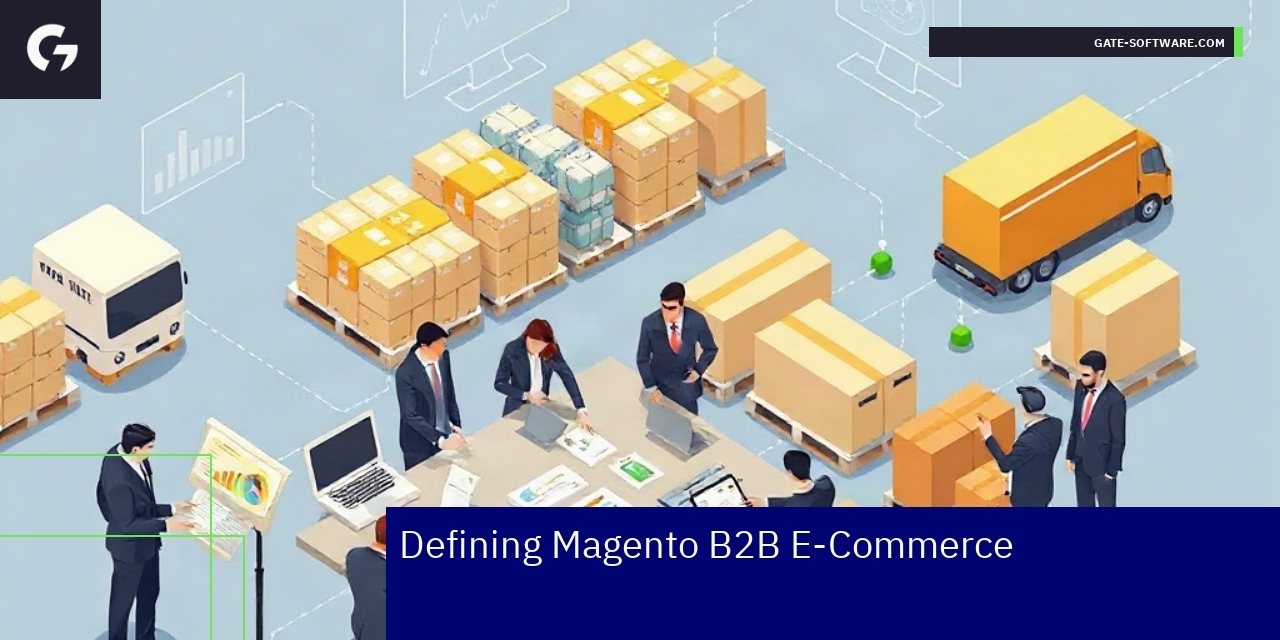
Magento B2B E-Commerce encompasses the use of the Magento platform specifically tailored to meet the distinct requirements of business-to-business transactions. Unlike traditional B2C e-commerce, B2B operations involve more complex workflows including bulk ordering, multi-user accounts with varied permission levels, and customized pricing strategies. Magento 2 B2B facilitates these needs by providing advanced features like customer-specific catalogs, personalized price lists, and flexible quote requests, which streamline the procurement process and enhance the buyer’s experience.
The core objective of Magento B2B is to enable enterprises to efficiently manage large-scale, repeat purchases while maintaining precise control over negotiations and approvals. Integration with existing ERP and CRM systems ensures operational continuity, while detailed analytics and reporting support data-driven decision-making. Furthermore, Magento’s scalable architecture allows businesses to adapt to evolving market demands without compromising performance or security.
By focusing on operational efficiency, Magento 2 B2B empowers companies to reduce procurement cycle times, foster long-term customer relationships, and scale their commerce operations seamlessly. This makes it an essential platform for businesses aiming to optimize both their frontend customer engagement and backend transactional processes in a B2B context.

Industries Benefiting from Magento B2B
Magento 2 B2B serves as a powerful and flexible e-commerce platform tailored to meet the specific demands of diverse industry sectors. Its robust capabilities support industries that require complex catalog and pricing management, advanced customer segmentation, and streamlined procurement processes. Key industries leveraging Magento 2 B2B include manufacturing, wholesale distribution, industrial supplies, and professional services.
In manufacturing, Magento 2 B2B facilitates seamless bulk ordering, custom pricing tiers, and contract management essential for dealing with multiple supply chain partners. Wholesale distributors benefit from its scalable infrastructure that supports large product catalogs and manages high volume orders efficiently. Industrial supply businesses leverage Magento’s integration capabilities to synchronize inventory and fulfill orders with precision, enhancing operational efficiency.
Professional service sectors utilize Magento 2 B2B to manage client-specific catalogs and pricing, smoothing the procurement lifecycle with automated workflows and approvals. Furthermore, the platform’s emphasis on security and compliance ensures sensitive business transactions maintain integrity and trust.
Overall, Magento 2 B2B’s adaptability to technical architecture requirements, its support for scalability, and its focus on improving operational efficiency make it a preferred solution for enterprises across varied B2B industries seeking to optimize their digital commerce strategies.

Top Features to Boost Sales with Magento B2B
Magento 2 in 2026 introduces a range of advanced features and enhancements specifically designed to elevate B2B sales performance, addressing critical business challenges such as operational efficiency, scalability, and complex purchasing workflows. One of the most impactful enhancements is the streamlined company account management system, allowing multiple roles and permissions within one organization. This granularity supports sophisticated approval processes and tailored access control, aligning with enterprise security and operational standards.
Further improvements in the quoting system facilitate dynamic negotiation capabilities directly within the platform, giving buyers and sellers the flexibility to customize pricing and terms without leaving the Magento environment. This real-time interaction enhances buyer engagement and accelerates deal closures. Additionally, Magento’s enhanced catalog management supports large-scale B2B catalogs with custom pricing tiers, volume discounts, and contract-based pricing models, catering to varied business client needs while simplifying maintenance and updates.
The platform also integrates deeply with ERP and CRM systems through improved APIs and middleware compatibility, ensuring seamless data synchronization across critical enterprise tools. This integration is vital for maintaining accurate inventory, order processing, and customer relationship insights in high-volume B2B environments.
Performance optimizations in Magento 2 extend to faster page loading and scalable infrastructure support, which are essential for handling the increased transaction loads typical in B2B scenarios. These improvements contribute to a smoother buyer experience and reduce friction in complex purchase journeys.
Lastly, enhanced reporting and analytics tailored for B2B provide actionable insights into customer behavior, sales trends, and operational bottlenecks, empowering decision-makers to refine strategies with data-driven precision. Collectively, these features form a comprehensive foundation to boost sales and operational efficiency in B2B businesses utilizing Magento 2 in 2026.

Benefits of Magento 2
Magento 2 includes many pros & cons of Magento 2 that attract e-commerce merchants. Offering a variety of actions and flexibility, Magento 2 allows easy customization tailored to client needs.
From a technical and operational standpoint, Magento 2 is engineered to deliver improved performance with faster loading times and enhanced page speed, which are critical factors for B2B commerce platforms where efficiency and reliability impact the buying experience. The platform’s user-friendly admin interface streamlines product and order management, enabling teams to operate with greater precision and less friction.
Security enhancements built into Magento 2 protect sensitive customer data and help mitigate risks, which is particularly important for businesses handling large volumes of transactions and client information. Its robust API infrastructure supports seamless integration with diverse third-party services and enterprise systems.
Magento 2’s mobile-friendly design ensures accessibility across devices—a necessity as business buyers increasingly use mobile technology in procurement processes. Its scalability and highly customizable architecture allow organizations to tailor the platform to their unique operational workflows while supporting growth and complex, multi-store management from a centralized backend.
Incorporating strong SEO features such as customizable URLs, metadata management, and automated sitemaps, Magento 2 also helps improve online visibility, which can influence lead generation and customer acquisition in competitive markets.
Together, these capabilities make Magento 2 a flexible and powerful platform that addresses real-world B2B business challenges, from operational efficiency and scalability to security and customer experience.
Performance and Scalability
If available:
—

Performance and Scalability
Magento 2’s architecture, as detailed in the 2026 Adobe Commerce B2B release notes, emphasizes robust performance capabilities and scalable design to address demanding B2B eCommerce environments. The platform leverages modular service-oriented architecture combined with advanced caching layers and optimized database interactions, allowing enterprise-grade transaction processing and rapid page load times under high load conditions.
Key to Magento 2’s scalability is its ability to horizontally scale across multiple application nodes, accommodating growing user traffic and increasingly complex B2B workflows without degradation in response times. This is supported by enhanced cloud-native deployment options and container orchestration compatibility, facilitating elastic resource allocation. Additionally, Magento 2 integrates asynchronous processing queues and efficient indexing mechanisms to ensure data consistency and real-time inventory updates without blocking user operations.
Performance enhancements include optimized frontend rendering using progressive web application standards and refined use of PHP 8+ features for faster backend execution. Advanced analytics and monitoring tools built into the platform enable proactive performance tuning and issue resolution, critical for maintaining uptime in high-stakes B2B environments.
These capabilities combined make Magento 2 a scalable, high-performance foundation for complex B2B commerce operations, balancing operational efficiency with the flexibility to support expanding business demands.

External System Integrations
Magento 2 integrates efficiently with third-party systems, boosting the success of your e-commerce operations by enabling seamless data exchange, process automation, and enhanced customer experiences. This integration capability is crucial for B2B environments where operational complexity and scalability demand robust technical architectures.
Magento 2’s modular API architecture allows it to connect smoothly with ERP, CRM, PIM, and other enterprise systems necessary for B2B workflows. By synchronizing product catalogs, inventory, pricing, and customer data in real-time, businesses can maintain consistency across their sales channels and back-office operations. This reduces manual data entry, minimizes errors, and accelerates order processing cycles.
Furthermore, Magento supports both REST and SOAP web services, facilitating reliable and secure communication with diverse third-party systems regardless of their technology stacks. This flexibility supports complex business logic implementations critical to B2B operations such as custom pricing rules, contract-based ordering, and multi-tier approval processes.
Operational efficiency is enhanced as Magento 2 automates key integration points, reducing bottlenecks and enabling scalable transaction volumes that sustain business growth. Real-world B2B deployments benefit from these integrations through improved supply chain coordination, enhanced customer management, and agile responses to market demands.
In summary, Magento 2’s external system integrations serve as a backbone for scalable, efficient e-commerce operations, enabling B2B enterprises to leverage their existing digital ecosystems and drive business success while maintaining high performance and operational resilience.

Support Availability
Magento B2B technical support and resources are crucial for enterprises seeking to maintain robust, scalable, and efficient eCommerce platforms tailored for B2B operations. Organizations leveraging Magento B2B benefit from dedicated support channels that address the complexity of business-to-business transactions, including custom pricing, bulk purchasing, and account management features.
Technical support typically includes access to expert assistance for troubleshooting, platform updates, and architectural guidance to optimize performance and scalability. Users may access comprehensive documentation, developer forums, and knowledge bases that provide in-depth resources on configuring and customizing Magento B2B components. This ecosystem supports continuous operational efficiency by helping technical teams implement best practices and prevent downtime.
In addition, Magento B2B resources often encompass training materials, webinars, and case studies designed to enhance the understanding of the platform’s capabilities and integration possibilities within enterprise technology stacks. Access to these resources empowers decision-makers and technical leaders to strategize digital commerce initiatives effectively.
Overall, the support availability for Magento B2B users ensures that critical enterprise requirements—such as security, compliance, and seamless integration—are met through expert guidance and a rich set of resources aimed at sustaining long-term business growth.

Drawbacks of Magento 2
Despite its robust features and flexibility, Magento 2 presents several notable drawbacks that senior stakeholders must carefully consider before implementation.
Firstly, the platform’s complexity stands out as a significant challenge. Magento 2 requires experienced technical resources both to set up and maintain the system effectively. This complexity translates into a dependency on skilled developers, increasing operational costs and complicating internal resource allocation. For organizations lacking a dedicated technical team, this can present a steep barrier to entry.
Performance is another concern. Although Magento 2 has seen improvements from its predecessor, it can still suffer from slower response times without proper optimization and infrastructure scaling. Large product catalogs or extensive customizations can exacerbate these performance issues, impacting customer experience and operational efficiency.
Cost considerations extend beyond mere licensing. The total cost of ownership often includes high setup expenses, ongoing development, and the need for robust hosting environments. Magento 2’s demanding hosting requirements often necessitate premium infrastructure, which may be financially burdensome for some businesses.
Extension compatibility and ecosystem maturity represent further operational constraints. Not all third-party extensions integrate seamlessly with Magento 2, potentially limiting functionality or requiring costly custom development to achieve desired capabilities.
Moreover, the platform entails a steep learning curve that requires significant time investment from teams for effective mastery. Constant updates and security patches impose ongoing maintenance duties that can strain internal resources.
Overall, while Magento 2 is powerful and scalable, its drawbacks around complexity, performance, cost, and resource intensity must be carefully weighed against organizational capabilities and long-term strategic goals.

Maintenance Costs
Running a Magento 2 store in a B2B environment involves a range of maintenance costs that often remain hidden until they impact operational budgets. These costs extend beyond initial development and hosting fees, encompassing ongoing technical upkeep, performance optimization, and compliance with security standards. Magento 2, being a robust and customizable platform, requires continuous attention to ensure scalability and performance align with business goals.
A significant portion of maintenance costs comes from regular software updates and patches. Magento 2 releases frequent security updates to safeguard against vulnerabilities, and applying these patches promptly is critical to prevent data breaches that can disrupt B2B operations and erode client trust. Additionally, custom modules and integrations common in B2B setups demand ongoing compatibility checks and sometimes redevelopment after platform upgrades.
Performance tuning and infrastructure scaling also contribute to hidden expenses. As transaction volumes grow, resource allocation must adapt, involving server upgrades or adopting cloud solutions that can dynamically handle increased loads without affecting user experience. Moreover, maintaining a B2B Magento store often requires specialized technical staff or third-party vendors familiar with the platform’s architecture, adding to personnel costs.
Another often overlooked area includes the cost of data backups, disaster recovery planning, and compliance auditing—crucial for ensuring business continuity and meeting sector regulations. Payment gateway updates and compliance with PCI DSS standards impose additional operational overhead.
Understanding these hidden costs is essential for digital directors and heads of product or engineering overseeing Magento 2 storefronts. An informed maintenance strategy can mitigate unexpected expenditures, enabling smoother growth and sustained performance tailored to complex B2B requirements.

Learning Curve Challenges
Adopting Magento 2 presents a range of learning curve challenges typical for new users, especially within B2B environments where complexity and customization needs are higher. One primary difficulty lies in understanding Magento 2’s modular architecture and extensive configuration options. Unlike simpler platforms, Magento 2 requires users to comprehend how modules interact, manage dependencies, and extend functionality without compromising core stability. This architectural complexity demands a strong grasp of software design patterns and backend customization processes.
Another common challenge is mastering Magento 2’s administrative interface. The backend is feature-rich but can be daunting due to its granularity and the breadth of settings related to catalog management, pricing, customer segmentation, and order processing—key elements in B2B commerce operations. New users often struggle to navigate these controls efficiently, which slows down onboarding and operational agility.
Performance optimization and scalability also form a significant hurdle. Magento 2 requires a carefully tuned environment, including caching strategies, indexing processes, and database optimizations, all vital for maintaining high performance under B2B transactional loads. Without deep technical knowledge, new users may face difficulties in configuring server infrastructure or third-party integrations that support scalable operations.
Furthermore, integrating third-party extensions and APIs, which is often essential in B2B scenarios for enhancing business workflows, introduces complexity. Ensuring compatibility, security, and seamless data flow demands technical expertise and thorough testing, which new users typically lack initially.
Overall, these learning curve challenges require structured training and experienced technical support to avoid operational bottlenecks and ensure Magento 2’s powerful capabilities translate into real business value for B2B users.

Integration Issues
Integrating new solutions with existing systems in a B2B environment often presents significant challenges that can impact operational efficiency and scalability. One of the primary obstacles is data compatibility. Existing systems may use legacy data formats or outdated protocols, which complicates seamless data exchange. This creates the need for extensive data mapping and transformation processes to ensure accurate and timely information flow across platforms.
Another critical consideration is the architectural mismatch. Many legacy systems were not designed with modern interoperability standards such as APIs, microservices, or event-driven architectures. This can result in substantial development efforts to build custom connectors or middleware that bridge the gap between old and new technologies. Such integration layers must be robust enough to handle varying data volumes and transaction frequencies while maintaining performance.
Security concerns also play a major role. Integrating systems introduces new attack surfaces that must be protected through well-defined authentication, authorization, and encryption mechanisms. Failing to align security protocols across integrated systems can lead to vulnerabilities and compliance risks, particularly with sensitive business data.
Operational disruption during integration is another factor. Coordinating downtime or phased rollouts to avoid impacting existing business processes requires careful planning and risk management. Additionally, differences in organizational processes and standards between business units or partner companies can hinder integration progress, necessitating alignment of governance frameworks and clear communication channels.
Finally, scalability considerations must not be overlooked. Integration solutions must accommodate future growth in data volume, user loads, and feature expansion without becoming performance bottlenecks. Designing for scalability often means choosing flexible, modular integration architectures and leveraging cloud-native technologies when possible.
Addressing these potential obstacles during integration with existing systems demands a strategic approach that balances technical feasibility with business objectives, ensuring smooth transitions and sustained operational excellence.

Key Features of Magento B2B E-Commerce
Magento 2 offers essential functionalities that significantly enhance platform efficiency. The platform is designed to address complex B2B requirements with robust features that support scalable business operations and streamlined workflows.
Among the core capabilities are advanced account management options, which allow companies to create multiple buyer personas and user roles within a single organization. This facilitates controlled access to pricing, catalogs, and purchasing permissions, ensuring tailored experiences and compliance with internal procurement policies.
Catalog management in Magento 2 supports customizable price lists specific to customer groups, enabling volume-based discounts and tiered pricing. This feature is critical for B2B businesses where pricing flexibility drives competitiveness and customer retention. Additionally, Magento’s ability to handle large product inventories and complex product configurations allows businesses to showcase diverse product lines without performance degradation.
The platform also integrates seamlessly with ERP, CRM, and other backend systems, supporting real-time synchronization of inventory, orders, and customer data. This integration capability improves operational efficiency and reduces manual errors, essential for managing high transaction volumes typical in B2B commerce.
Magento 2 further enhances user experience with credit management, quick ordering via SKU or CSV upload, and requisition lists for repeat purchases. These tools reduce procurement cycle times and support bulk ordering workflows.
From an architectural perspective, Magento’s modular design and API-first approach facilitate flexible customization and scalability. Its architecture supports high availability and performance optimization strategies, ensuring dependable service levels even under peak loads.
Overall, Magento’s B2B features provide a comprehensive foundation for businesses looking to automate procurement processes, offer personalized commerce experiences, and scale their operations efficiently. This combination of functionality and technical robustness addresses both strategic business goals and operational realities of modern B2B e-commerce.

Personalization & Segmentation
Magento 2 enables B2B businesses to enhance user experiences by implementing targeted personalization strategies that cater specifically to different customer segments. By leveraging customer data and behavioral insights, the platform allows companies to deliver relevant content, product recommendations, and tailored pricing models aligned with the unique needs of each segment.
Key capabilities include the segmentation of customers based on attributes such as industry, company size, purchase history, and user roles, which helps create highly specialized user journeys. This segmentation supports targeted marketing campaigns and customized catalog views, improving operational efficiency and ensuring scalability as customer bases grow.
Magento 2 integrates seamlessly with CRM systems and other data sources, facilitating a robust technical architecture that supports real-time personalization without compromising performance. This approach reduces friction in the buyer’s journey by presenting the right products and offers at the optimal time, thus increasing conversion rates and fostering long-term client relationships in the B2B sector.
Overall, Magento 2’s personalization and segmentation features empower senior stakeholders to address complex business challenges by enhancing customer engagement and driving scalable growth through precise targeting strategies.

Automating Processes
In Magento 2, several key processes can be automated to streamline operations, enhancing efficiency and scalability for B2B enterprises. Order management is a primary candidate for automation, encompassing order processing, invoicing, and shipping. By automating these workflows, businesses can reduce manual errors and accelerate order fulfillment, leading to improved customer satisfaction and operational throughput.
Inventory management is another critical area where automation delivers significant benefits. Automated stock level monitoring, restocking alerts, and synchronization across multiple warehouses help prevent stockouts and overstock situations, ensuring optimal inventory turnover and cash flow management.
Customer segmentation and personalized marketing campaigns can be automated using Magento 2’s integrated tools, enabling targeted communications based on purchasing behavior and business profiles. This leads to higher engagement rates and more efficient marketing spend.
Additionally, automating pricing rules and promotions based on predefined criteria helps maintain competitive positioning and ensures consistent application across product catalogs. Payment processing and fraud detection workflows can also be streamlined through automation, enhancing security and reducing transaction disputes.
Integrating these automated processes within Magento 2’s architecture supports operational efficiency by reducing manual intervention, improving accuracy, and enabling scalability as business demands grow. This strategic automation aligns well with the technical and operational needs of B2B organizations seeking to optimize their eCommerce platforms.

Data Analysis & Reporting
In the context of B2B operations, analyzing data within Magento 2 plays a critical role in driving informed business decisions that enhance operational efficiency and strategic growth. Magento 2’s built-in data analysis and reporting capabilities provide comprehensive insights into transactional data, customer behavior, inventory levels, and sales trends. These insights allow senior stakeholders such as CTOs, Heads of Product, and eCommerce Managers to identify patterns and emerging opportunities that directly impact business performance.
By leveraging detailed reports and data visualizations, businesses can pinpoint bottlenecks in the sales funnel, optimize inventory management, and tailor marketing campaigns to more effectively target enterprise customers. Magento 2 supports integration with advanced BI tools, further extending the capability to perform multidimensional analysis and predictive modeling.
From a technical architecture perspective, the effectiveness of data analysis and reporting depends on scalable data management practices and robust data pipelines that ensure accuracy and timeliness of insights. This supports real-time decision-making and operational agility, which are crucial in competitive B2B markets. By embedding data-driven methodologies into day-to-day workflows, companies can reduce operational risks, enhance client retention, and achieve higher ROI on digital investments.

User Management in Magento 2
Managing users in Magento 2 allows role assignment and permission control for team members, enabling businesses to maintain precise control over access and operational workflows within their B2B environment. The platform supports company accounts, where multiple users can be associated with a single business, each with tailored roles and permissions crafted to their responsibilities.
Key aspects include the ability for administrators to define granular user roles that dictate access privileges—ranging from order management to account settings—ensuring operational security and compliance. The system supports inviting users to join company accounts, streamlining team onboarding, while also enabling self-registration moderated by role assignment protocols.
Magento 2 B2B further enhances control with approval workflows, requiring supervisory sign-off on critical transactions or orders, reducing risks related to unauthorized purchasing activities. Additionally, segmented customer groups facilitate targeted access and marketing efforts within the platform.
By leveraging these user management capabilities, organizations can optimize internal collaboration, maintain scalable administrative oversight, and enhance overall operational efficiency in complex B2B commerce environments.
User Permissions Handling
—
—

Administrator Role Responsibilities
In the Magento 2 ecosystem, the administrator role holds a critical position in ensuring the seamless operation and management of eCommerce platforms, particularly within B2B contexts. Administrators are entrusted with a multifaceted scope of duties that encompass user management, system configuration, security enforcement, and operational maintenance. Their responsibilities begin with overseeing access controls—defining and managing permissions to ensure that only authorized personnel can perform specific actions or view sensitive data, which is crucial for maintaining operational security and compliance in B2B environments.
Administrators are also responsible for configuring system settings to align the platform with organizational needs. This includes managing product catalogs, pricing strategies, and customer segmentation tailored to business clients, which supports scalable and efficient workflows. They handle the integration of third-party services such as payment gateways, shipping providers, and ERP systems, which are essential for synchronizing business processes across multiple domains.
Another key aspect of the administrator role is monitoring system performance and troubleshooting issues promptly to minimize downtime and maintain a seamless customer experience. This involves regular audits of system logs, managing backups, and overseeing updates and patches to ensure the platform’s security and functionality remain robust.
In addition, administrators play a strategic role by generating operational reports and analytics that help in making informed decisions to optimize sales and customer engagement. Their comprehensive oversight not only ensures compliance with internal policies and external regulations but also drives the operational efficiency and scalability needed in competitive B2B markets.
Overall, the administrator role in Magento 2’s B2B ecosystem is characterized by a blend of technical proficiency, strategic management, and operational vigilance, forming the backbone of a secure and scalable eCommerce infrastructure.

User Permissions Handling
Effective management of user permissions is critical in B2B platforms to ensure data security, operational efficiency, and proper access control tailored to organizational roles. Best practices in handling user permissions revolve around implementing a scalable, transparent, and auditable permission system aligned with the platform’s architecture.
Firstly, adopting role-based access control (RBAC) is fundamental. This approach assigns permissions to roles rather than individual users, allowing easier management and consistency. Roles should reflect real-world business functions and responsibilities, ensuring users have access only to necessary resources for their tasks, minimizing the risk of over-privileged accounts.
Secondly, a principle of least privilege (PoLP) must be enforced rigorously. Users should be granted the minimum level of access needed to perform their functions. This limits the attack surface and reduces potential damage from compromised accounts.
In terms of technical architecture, permissions must be dynamically manageable to adapt to organizational changes without system downtime. Integration with centralized identity providers (IdPs) and single sign-on (SSO) solutions streamlines authentication and authorization processes, enhancing security and user experience.
Auditing and monitoring are also vital. Detailed logs of permission changes and user activities enable rapid detection of unauthorized access and support compliance with regulatory requirements common in B2B environments.
Finally, implementing granular permissions and multi-factor authentication (MFA) adds layers of security crucial for sensitive data protection. Training administrators and users on permission policies and updates maintains a robust security posture.
Overall, best practices for managing user permissions in B2B platforms focus on scalable role structures, strict access limitations aligned with business needs, seamless integration with identity systems, and continuous auditing for security and compliance.

ERP Integration for User Management
ERP integration plays a critical role in simplifying user management for Magento B2B platforms, streamlining operations while enhancing scalability and security. By connecting Magento’s eCommerce system with an ERP system, businesses can automate the synchronization of user data, roles, and permissions between the two systems, reducing manual errors and administrative overhead.
A key benefit of ERP integration in this context is the centralized management of user credentials and access controls. It ensures that changes in an employee’s status or role within the ERP—such as onboarding, promotions, or terminations—are automatically reflected in Magento’s user management system. This linkage improves security by preventing unauthorized access and maintaining compliance with internal policies.
From a technical standpoint, ERP integration often involves leveraging APIs or middleware platforms to facilitate real-time or scheduled data exchange. This architecture supports operational efficiency by enabling consistent, up-to-date user information across sales, inventory, and customer service modules. Additionally, ERP integration supports scalability by allowing the Magento platform to accommodate growing user bases without compromising load performance or response times.
In summary, Magento B2B technical support underscores that ERP integrations simplify user management by automating synchronization, enhancing security, and supporting scalable, efficient operations in enterprise environments.
Product Catalog Management in Magento 2
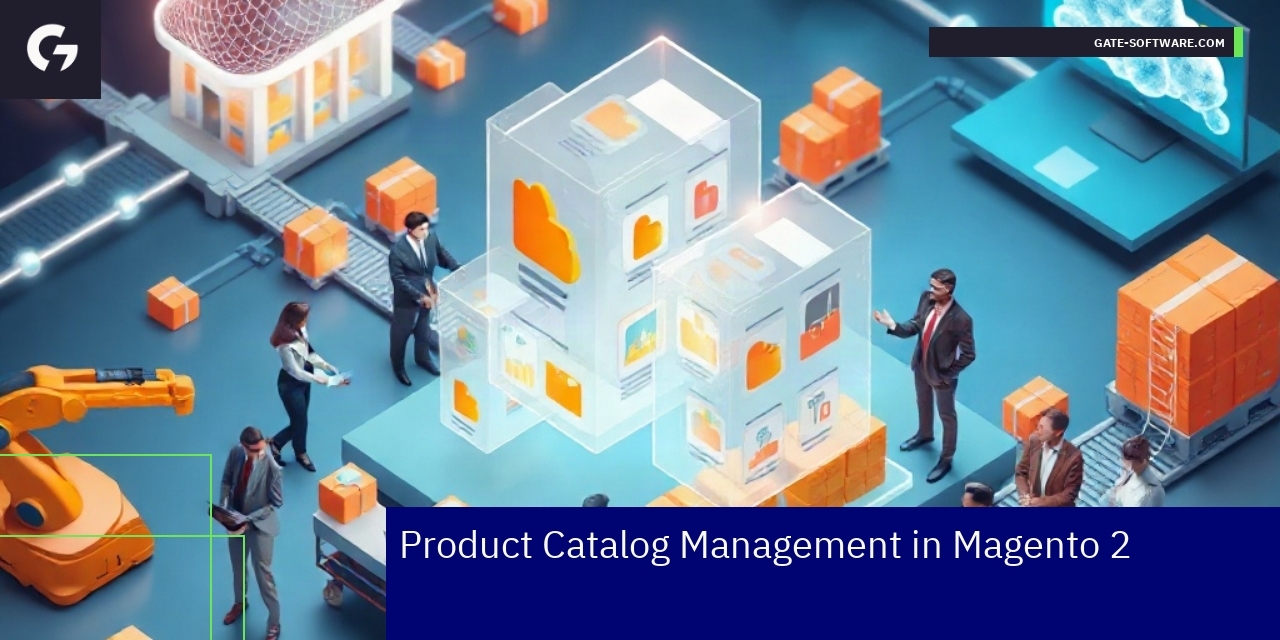
Handling product catalogs efficiently in Magento 2 speeds up the addition of new items. Effective catalog management in Magento 2 is essential for B2B businesses to maintain a scalable and organized product inventory. Magento 2 offers robust tools to streamline catalog updates, bulk product imports, and attribute management, enabling faster onboarding of new products. The platform supports detailed configurable products and custom attributes tailored to B2B requirements, such as pricing tiers and customer group-specific catalogs.
A key aspect of catalog management involves structuring products into categories and subcategories thoughtfully, ensuring quick navigation and improved user experience. Scalability is supported by Magento 2’s ability to handle large product datasets without compromising performance, leveraging caching and optimized database queries. Integration capabilities allow seamless synchronization with external ERP or PIM systems, promoting consistency and reducing manual errors.
For operational efficiency, Magento 2 provides workflows and permissions to control catalog changes, ensuring data integrity across departments. Implementing automation for routine catalog tasks reduces the administrative burden and accelerates product launches. Overall, Magento 2’s product catalog management features enhance B2B operations by delivering a reliable, flexible, and efficient platform to manage extensive product portfolios.

Adding and Editing Products
Managing products efficiently is critical for B2B platforms to maintain operational excellence and meet scalability demands. The process of adding and editing products should be designed to optimize data accuracy, streamline workflows, and integrate seamlessly with existing technical architectures such as ERP and inventory management systems.
Start by establishing a clear and standardized data model that captures essential product attributes, including SKU codes, pricing tiers, bulk order options, technical specifications, compliance certifications, and customer-specific price lists. Consistency in product metadata reduces errors and facilitates integrations.
An intuitive user interface is key for product managers and catalog administrators. Employ forms with context-sensitive fields and dynamic validation rules that adapt based on product categories or business rules. For example, mandatory fields should shift according to product complexity, ensuring no critical data is omitted without overwhelming the user.
Enable bulk upload and edit capabilities, supported by robust import templates (CSV, Excel) to handle large product catalogs efficiently. Automated validation during uploads helps prevent data corruption, improving overall data quality.
Implement version control and audit trails for product data changes to maintain data integrity and compliance. This is especially important in regulated industries and when managing contracts with variable pricing or service terms.
Finally, ensure that the product management system delivers real-time synchronization with sales channels and supply chain systems. This supports dynamic pricing updates, inventory visibility, and accurate order fulfillment crucial for B2B customer satisfaction and operational scalability.
In summary, successful product addition and editing in B2B environments depend on a fusion of standardized data architecture, user-centric interfaces, bulk management tools, rigorous data governance, and seamless system integration.

Attribute Management
In the context of Magento for B2B environments, attribute management plays a crucial role in organizing, customizing, and scaling product information to meet complex business requirements. Magento’s flexible attribute system allows businesses to define various product attributes that capture essential details such as product specifications, compliance information, pricing tiers, and technical characteristics that are often demanded by B2B customers.
Effective attribute management improves operational efficiency by enabling precise product categorization and filtering, which facilitates quicker product discovery and decision-making for buyers. Attributes can be configured globally or scoped to specific websites, store views, or customer groups, supporting multi-tiered pricing and localization often required in B2B operations.
From a technical architecture standpoint, attribute management in Magento impacts database schema design and search performance. Broad use of attributes should consider indexing strategies to maintain responsiveness at scale. Additionally, attributes can be extended with custom attribute types to align with unique client needs without compromising the core platform’s upgradeability.
Strategically, well-structured attribute sets enhance integration workflows with ERP and PIM systems by maintaining consistent and accurate product data across channels. This supports scalability by reducing manual data handling and ensuring consistency in complex B2B sales cycles.
Thus, exploring a variety of product attributes—from base types like text and dropdowns, to advanced inputs such as date selectors or media galleries—empowers Magento users to manage large, intricate catalogs efficiently while delivering rich, tailored product experiences for their B2B clients.

Template Compatibility
Ensuring compatibility with available templates is a critical factor in the B2B environment due to its direct impact on operational efficiency and scalability. When templates are compatible across systems and teams, they enable seamless integration of workflows, reducing the likelihood of errors caused by format mismatches or data incompatibilities. This alignment not only streamlines collaboration between internal departments such as product development, engineering, and digital teams, but also extends to external partners and suppliers, ensuring consistent communication and documentation standards.
From a technical architecture perspective, template compatibility supports interoperability among diverse software tools and platforms common in B2B operations. It facilitates automation and data exchange with minimal friction, which is essential for maintaining high performance and scalability as business demands grow. Additionally, standardized templates contribute to quicker onboarding processes, as new team members or partners can easily adapt to predefined formats, reducing training time and associated costs.
In the competitive B2B landscape, maintaining template compatibility also ensures responsiveness to evolving market requirements and ease of adoption of new technologies. This adaptability is crucial for sustaining long-term business relationships and trust, as it signals reliability and professionalism. Ultimately, prioritizing compatibility with available templates underpins a robust, scalable, and efficient operational framework vital for success in complex B2B ecosystems.
Order Management in Magento 2
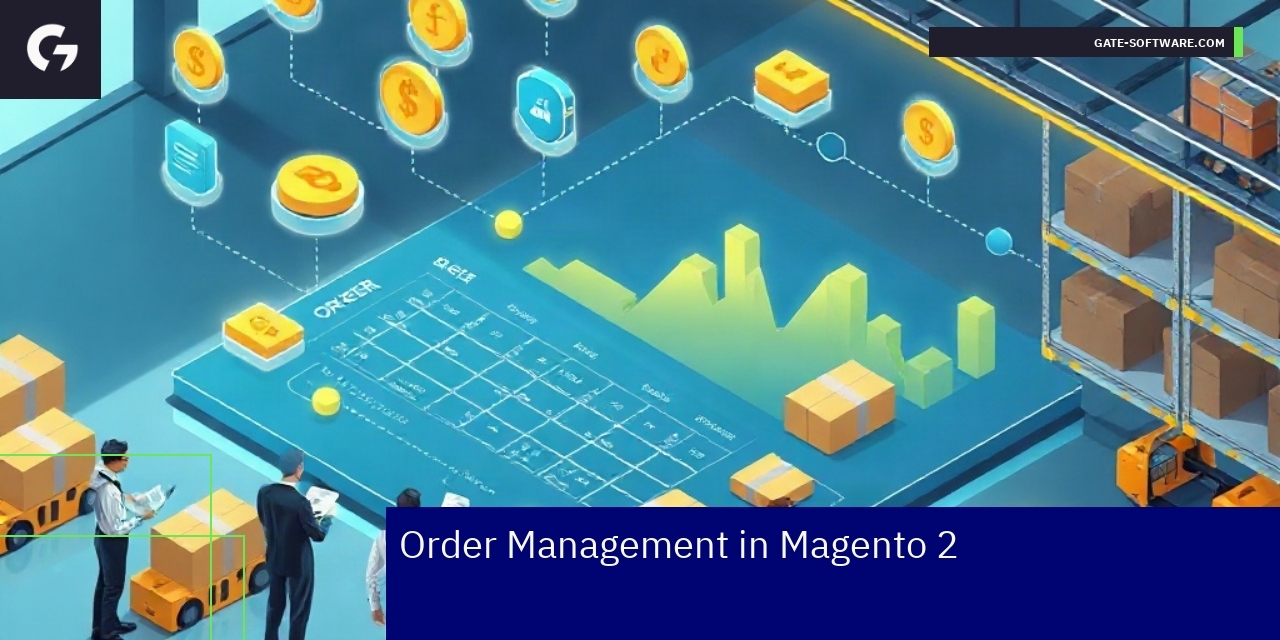
Magento 2’s order management relies on functional modules for efficient tracking and order status updates. In B2B contexts, this system is designed to handle complex order workflows typical of business clients, such as bulk orders, purchase approvals, and multi-user accounts. The modular architecture facilitates real-time tracking of orders from submission to fulfillment, enabling businesses to maintain accurate visibility into order statuses. Through integration with inventory, payment, and shipping modules, Magento 2 ensures that order processing is streamlined and scalable to meet high transaction volumes inherent in B2B operations.
Operationally, order management in Magento 2 supports automated status updates based on predefined business rules, reducing manual intervention and the potential for errors. For example, when a payment is confirmed or inventory is allocated, the system automatically updates the order status, triggering subsequent processes like invoicing or shipping notifications. This automation enhances efficiency and helps maintain a seamless buyer-seller experience.
From a technical architecture perspective, Magento 2 employs event-driven mechanisms enabling extension and customization to fit specific enterprise needs, including integration with external ERPs and CRM systems. This flexibility supports scalability and performance critical for B2B eCommerce platforms, ensuring that the order management system can evolve alongside growth and changing business requirements. The functional modularity not only improves maintainability but also aligns with diverse operational workflows across industries.
Automated Customer Communication
—
If available:
—

Order Placement Process
In Magento 2, the order placement process is a critical component of the B2B eCommerce framework, designed to handle complex business transactions efficiently while ensuring scalability and operational precision. The process typically begins with product selection where the buyer browses or searches the catalog, leveraging Magento’s robust catalog management system tailored for B2B needs, including bulk ordering and custom pricing.
Once products are added to the cart, the system supports advanced quoting capabilities, allowing buyers to request negotiable quotes before finalizing the purchase, a vital feature in B2B contexts. Checkout workflows then accommodate multiple shipping addresses, purchase orders, and integration with various payment gateways, streamlining procurement processes. This flexibility is essential for organizations with distinct billing and shipping requirements.
From a technical architecture standpoint, Magento 2 employs an asynchronous order management workflow that enhances performance by decoupling frontend order submissions from backend processing. This ensures higher throughput and reduced latency during peak transaction periods. Additionally, the platform integrates seamlessly with enterprise resource planning (ERP) and customer relationship management (CRM) systems, ensuring data consistency and operational efficiency.
The order placement process also includes inventory validation to prevent overselling and supports custom workflows for order approvals and authorizations, which are common in B2B transactions. Scalability is addressed by Magento’s modular architecture and support for database clustering, allowing the platform to maintain performance as transaction volumes grow.
In summary, Magento 2’s order placement process in a B2B environment is engineered for efficiency, flexibility, and scalability, addressing the unique challenges faced by enterprise buyers and sellers. It balances front-end user experience with back-end operational demands, ensuring seamless order submission and processing within complex business ecosystems.
Tracking Order Statuses
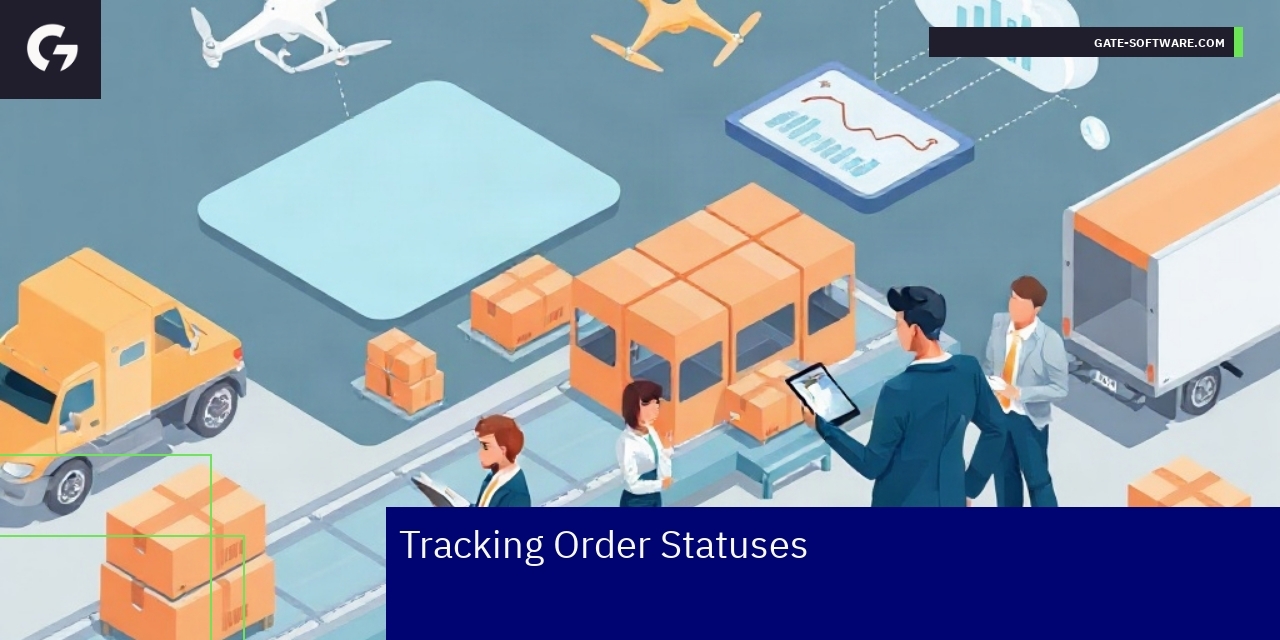
In the B2B context, tracking order statuses is a critical process that underpins efficient supply chain management and client satisfaction. Companies employ various technological and procedural methods to monitor and update the progress of orders in real time, ensuring transparency and operational efficiency.
One of the most effective ways to monitor order progress is through integrated Enterprise Resource Planning (ERP) systems combined with advanced order management software (OMS). These systems provide end-to-end visibility by capturing key milestones such as order receipt, processing, fulfillment, shipment, and delivery. Automated triggers within these platforms alert relevant stakeholders to status changes, enabling proactive intervention in case of delays or discrepancies.
Electronic Data Interchange (EDI) and Application Programming Interfaces (APIs) also play a pivotal role in seamless data exchange between suppliers, distributors, and buyers. This interoperability ensures that order information is continuously synchronized across all participating systems, facilitating accurate and up-to-date order status updates.
Moreover, leveraging cloud-based platforms with real-time analytics allows businesses to not only track orders but also generate insights on order patterns, bottlenecks, and performance metrics. These insights empower decision-makers to optimize inventory levels, forecast demand, and streamline logistics operations effectively.
For enhanced operational scalability, many B2B enterprises utilize customizable dashboards and customer portals where buyers can independently check order statuses, track shipments, and receive notifications. This self-service approach reduces administrative overhead and improves customer experience by providing timely and transparent information.
In summary, integrating technologically robust solutions such as ERP, OMS, EDI, APIs, and cloud analytics, along with self-service portals, constitutes the backbone of effective order status tracking in B2B operations, driving operational excellence and stronger client relationships.

Automated Customer Communication
Automating customer communication throughout the B2B ordering workflow is essential for enhancing operational efficiency, ensuring timely information exchange, and scaling business processes effectively. A robust automated system integrates seamlessly with order management and CRM platforms to trigger notifications at key touchpoints, reducing manual workload and minimizing human error.
The communication automation begins at order confirmation, where the system instantly sends acknowledgments including order details and expected timelines. This initial notification sets clear expectations and builds trust. As the order progresses through stages such as processing, fulfillment, and shipping, status updates are automatically dispatched, keeping customers informed in real time. These updates can be delivered via multiple channels—email, SMS, or integrated messaging platforms—tailored to client preferences.
Advanced configurations allow businesses to automate exception handling communication, such as delay alerts or payment reminders, by detecting workflow disruptions through system integrations. This proactive approach mitigates risks and maintains customer satisfaction even in unforeseen circumstances.
From a technical perspective, leveraging APIs and workflow automation tools enables scalable and customizable communication flows. Data consistency and synchronization across systems ensure that messaging is contextually accurate and personalized based on order specifics and customer history. Security considerations, such as data privacy compliance and authorization controls, are integral to maintaining trust in automated interactions.
Ultimately, automating notifications and communications in the ordering workflow enhances transparency, accelerates response times, and contributes to a superior B2B customer experience critical for long-term partnerships.

Customer Management in Magento 2
Magento 2’s system capabilities enable swift and effective customer management. The platform provides a comprehensive set of tools for handling customer accounts and related data with precision and scalability, essential for B2B operations where customer relationships and data segmentation are critical.
At its core, Magento 2 supports robust customer account management, allowing customers to register and maintain profiles that store detailed information such as contact details, billing and shipping addresses, and order history. This transparent access improves operational efficiency by enabling customers to self-manage their information, reducing administrative overhead.
Customer segmentation and grouping in Magento 2 are pivotal for strategic targeting and personalized B2B marketing. Businesses can categorize customers into distinct groups, which supports differentiated pricing, promotions, and catalog access. This capability directly impacts sales strategies and customer retention efforts by tailoring the experience to specific business needs and customer behaviors.
Magento 2 also supports guest checkout options, providing flexibility for buyers who may prefer a streamlined purchasing process without full account registration, thus helping reduce friction and potentially increasing conversion rates.
From an administrative standpoint, Magento’s backend allows precise management of customer data, with features to create custom customer attributes. This extensibility ensures that businesses can capture unique data points relevant to their specific B2B environment, enhancing customer profiles and insights.
Email communication automation—such as notifications for account creation, order confirmations, and password resets—bolsters customer engagement through seamless, system-driven interactions that enhance responsiveness and trust.
Overall, Magento 2 delivers a scalable, efficient customer management framework tying together customer data handling, segmentation, and automated communication tailored for complex B2B requirements. This architecture supports actionable insights, operational agility, and scalable growth.

Customer Segmentation
Customer segmentation in B2B involves dividing customers into distinct groups based on shared characteristics to enhance personalization and improve marketing effectiveness. Key segmentation criteria include industry type, company size, geography, buying behavior, decision-making processes, budget, and specific customer needs or pain points.
Segmenting by industry allows tailored communications relevant to business sectors such as healthcare, technology, or manufacturing. Company size segmentation, considering employee count or revenue, helps match products and solutions suited for small businesses versus large enterprises. Geographic segmentation supports targeting regional market dynamics and cultural preferences.
Analyzing buying behavior—such as purchase frequency and volume—provides insights into customer needs and helps predict future demand. Understanding organizational decision-making structures ensures marketing efforts reach the right stakeholders efficiently. Budget segmentation enables customized offers that align with financial constraints.
By implementing these techniques for dividing customers into segments to improve personalization, B2B companies can deliver more relevant solutions, optimize marketing resources, and achieve stronger customer engagement. This strategic approach directly supports operational efficiency and scalable growth by aligning technical architectures with the nuanced demands of diverse customer segments.

Transaction History Insights
Reviewing customer transaction histories in a B2B context yields comprehensive insights that are critical for strategic decision-making. First, transaction patterns reveal purchasing frequency and volume, allowing businesses to detect regular buying cycles and seasonal trends. This enables more precise demand forecasting and inventory management. Understanding these patterns helps optimize operational efficiency and scalability in supply chain processes.
Moreover, transaction histories elucidate customer preferences by highlighting frequently purchased products or services. These insights underpin tailored product offerings and targeted marketing efforts, enhancing customer satisfaction and retention. Transaction data also serves as a key indicator of customer creditworthiness and payment behavior, enabling robust risk management and informed credit policies.
Segmentation derived from transactional analysis allows businesses to categorize customers by their buying behavior, facilitating personalized engagement strategies. Detailed transaction records support relationship management by identifying key accounts and tracking the evolution of customer interactions. This focus enhances long-term partnerships and business growth.
Additionally, transaction insights create opportunities for upselling and cross-selling by revealing complementary product affinities. They also enable early churn detection, signaling when intervention is needed to maintain client loyalty. In terms of competitive positioning, customer transaction data offers indirect insights into market dynamics and competitor activity. Finally, such analysis informs product development by highlighting customer demand trends and unmet needs, driving innovation aligned with market realities. Integrating transaction history review into business intelligence is essential for operational excellence and strategic advantage in B2B environments.

Customer Relationship Maintenance
In the B2B landscape, strategies for managing and nurturing client relationships are pivotal for sustained growth and operational success. Effective customer relationship maintenance goes beyond transactional interactions, focusing instead on building long-term partnerships based on trust, transparency, and value creation.
A fundamental approach involves implementing a client-centric communication framework that prioritizes understanding the unique needs and challenges of each business client. Regular, proactive engagement through tailored communications and feedback loops ensures clients feel valued and understood, fostering loyalty and reducing churn.
Additionally, leveraging technology—such as CRM systems integrated with data analytics—can provide actionable insights into client behavior and preferences, enabling companies to anticipate needs and offer personalized solutions. This data-driven approach enhances responsiveness and supports strategic decision-making aligned with clients’ evolving business goals.
Operational efficiency is also critical. Streamlining processes around onboarding, support, and issue resolution not only improves client satisfaction but also reduces friction in the relationship. Scalability considerations involve designing these processes to handle increasing client volumes without compromising quality.
Moreover, aligning technical architecture to support seamless integration with client systems ensures that solutions are not only effective but also adaptable to diverse enterprise environments, thus reinforcing the client’s confidence in the partnership.
In summary, successful customer relationship maintenance in B2B requires a blend of strategic communication, technology utilization, process optimization, and technical adaptability tailored to the complexities of business clients.

Content Management in Magento 2
Managing content is vital in running a successful Magento 2 store. Effective content management within Magento 2 ensures that product information, promotional materials, and customer communications are consistently accurate and engaging, which is critical in B2B contexts where decision cycles are longer and buyers demand detailed insights.
Magento 2 offers a robust Content Management System (CMS) that allows B2B enterprises to create, customize, and maintain content with high flexibility. The CMS supports various content types such as product descriptions, landing pages, blogs, and newsletters — each crucial for educating B2B buyers and influencing complex purchasing decisions.
From a technical perspective, Magento 2’s modular architecture enables seamless integration of content with commerce functionalities, facilitating personalized experiences based on customer segmentation. This integration helps in managing large catalogs with intricate product specifications, pricing tiers, and contract terms, typical of B2B commerce.
Operationally, Magento 2 supports workflow controls and versioning, enabling content teams to collaborate efficiently while maintaining regulatory compliance and brand consistency. Scalability is also a core feature; Magento’s platform can handle increased content volume and traffic without degradation in performance, vital for enterprises aiming for growth.
In summary, mastering content management in Magento 2 empowers B2B organizations to enhance customer engagement, streamline operations, and support scalable, data-driven commerce strategies.

Content Creation Tools
Content creation tools designed for B2B environments focus on enhancing the efficiency, scalability, and quality of producing engaging content essential for business communications and marketing. These tools often integrate capabilities such as collaborative editing, version control, and workflow automation that facilitate coordination across diverse teams and stakeholders.
Key features typically include content ideation modules powered by AI to generate topic suggestions aligned with industry trends, specialized B2B jargon, and buyer personas. Advanced analytics allow users to assess engagement metrics and optimize content strategies accordingly. Integration with customer relationship management (CRM) and marketing automation systems ensures that created content can be seamlessly deployed and tracked through various sales and marketing pipelines.
Moreover, these tools often support multiple content formats—whitepapers, case studies, webinars, and detailed reports—to cater to the complex informational needs of B2B buyers. They emphasize technical accuracy and compliance, supporting content governance frameworks that maintain brand consistency and regulatory adherence.
In summary, content creation tools in the B2B space provide an integrated platform that streamlines content development processes, enhances collaboration, and ensures strategic alignment with business objectives, ultimately driving operational efficiency and scalable content marketing efforts.

SEO Performance
Optimizing Magento 2 content for better search engine visibility requires a strategic approach that addresses both technical and content-related factors specific to B2B environments. Magento 2, as a robust eCommerce platform, offers flexibility in content management that when leveraged properly can enhance search rankings and attract qualified traffic.
Key technical optimizations include ensuring fast page load speeds, mobile-friendly responsive design, and correctly implemented schema markup for rich snippets. These elements improve user experience and help search engines better understand site content. Equally important is the management of URL structures and canonical tags to prevent duplicate content issues common in large catalogues.
From a content perspective, Magento 2’s capabilities should be used to create detailed, informative product descriptions tailored to the B2B buyer’s needs and decision-making process. This means incorporating relevant industry terminology and phrases naturally into titles, meta descriptions, and body content to support keyword relevance without keyword stuffing.
Additionally, optimizing category pages and creating targeted landing pages for specific B2B segments or use cases can elevate search performance. Leveraging Magento 2’s built-in features for custom attributes enables deeper content personalization and filtering, which enhances both SEO and user navigation.
In summary, effective SEO performance on Magento 2 in a B2B context is driven by a blend of technical precision and content excellence, ensuring the platform’s advanced features are fully utilized to improve search engine visibility.

Blog Management Features
Magento’s blogging tools offer a strategic avenue for enhancing B2B marketing efforts by integrating content management directly into the eCommerce platform. These features facilitate the creation, organization, and distribution of business-focused blog content that supports lead generation, brand authority, and customer engagement.
One key advantage is the seamless integration of the blog with the Magento storefront, enabling synchronized content updates and providing a unified user experience. Marketers can leverage built-in SEO capabilities, including metadata customization and URL structuring, which improve organic search visibility specifically targeted at B2B buyers.
The platform supports flexible content scheduling and author management, allowing teams to strategize and execute content calendars that align with product launches or industry events. Moreover, Magento’s blogging tools enable tagging and categorization, which enhance content discoverability and support segmented audience targeting.
Analytics and reporting features provide insights into reader engagement and content performance, allowing marketers to refine their strategies based on real-world data. Additionally, Magento facilitates content sharing across multiple digital channels, expanding reach and nurturing professional relationships.
Overall, utilizing Magento’s blogging tools allows B2B organizations to streamline content operations, optimize marketing workflows, and enhance their digital presence in a scalable and efficient manner.

Promotions and Promotion Rules in Magento 2
Magento 2 allows creation and management of discounts, promotions, and sales rules. It supports two primary promotion types: Catalog Price Rules and Cart Price Rules, each designed to address distinct phases of the customer purchasing experience.
Catalog Price Rules apply discounts directly at the product catalog level, influencing product prices before customers add items to their carts. These rules are effective for setting sales, bulk purchase incentives, or time-limited offers, which are visible throughout the browsing experience, thus driving interest and encouraging purchases upfront.
Cart Price Rules, conversely, activate at the cart level, with discounts applied based on the contents or attributes of the shopping cart. These rules support complex conditional logic—such as discounting for specific products, customer groups, order totals, or coupon code usage—allowing tailored promotional strategies that target specific buyer behaviors or segments.
Both rule types rely on configurable conditions and actions. Conditions specify when the promotion triggers, such as minimum cart values or product categories. Actions define the discount mechanism, including fixed amounts, percentage reductions, or special price adjustments. Additionally, rules can be prioritized to resolve conflicts when multiple promotions apply simultaneously, ensuring the intended discounting strategy is executed without ambiguity.
From an operational perspective, Magento 2’s promotion management is accessed via the Marketing section. Administrators can create or edit rules with granular controls over applicability (e.g., website scope, customer groups), scheduling, coupon usage, and limitations. This architecture enables efficient scalability and customization, fitting diverse B2B promotional needs while preserving system performance.
In summary, Magento 2 provides a sophisticated framework for promotions and promotion rules, empowering B2B merchants to implement flexible, targeted discounts that drive sales and enhance customer engagement.
Types of Promotions
—
⚙️ MODIFICATION RULES
—
➕ ALLOWED MODIFICATION
Modify ONLY the identified H3 section by appending (at the end of that section) the following optional helper blocks:
—
If available:
—

Types of Promotions
Magento 2 supports a diverse range of promotion types that enable B2B businesses to strategically manage pricing and discounts, addressing complex purchasing behaviors typical in B2B markets. These promotions are designed to optimize operational efficiency, enhance scalability, and meet the nuanced demands of business clients.
One core type is Catalog Price Rules, which allow businesses to set discounted prices on products based on specific criteria such as product attributes, customer groups, or product categories. This enables precise targeting of discounts relevant to particular B2B segments, supporting tailored product promotions without altering the base price permanently.
Cart Price Rules work at the shopping cart level, activating discounts when defined conditions are met — for example, cart value thresholds, specific products in the cart, or customer group eligibility. This flexibility allows for complex promotions like volume discounts or threshold-based incentives that encourage larger order sizes, a key driver in B2B sales.
Tier pricing is another critical feature, providing escalating discounts tied to purchase quantity, which is essential for B2B buyers who frequently place bulk orders. Similarly, Group Pricing permits differentiated pricing schemes across varied customer categories, enabling a company to customize offers according to client relationships or negotiated contracts.
Magento 2 also supports Bundle Product Pricing, where multiple products can be combined into curated packages with composite pricing. Bundling optimizes order efficiency and increases average order value – vital for B2B operations handling complex product assortments.
Special pricing options allow temporary price reductions on specific products during defined promotional windows, facilitating targeted campaigns that can drive demand without long-term price erosion. Additionally, Free Shipping promotions can be configured based on purchasing conditions, offering logistical incentives that are impactful in B2B procurement decisions.
Lastly, loyalty-oriented discounts foster ongoing client engagement by rewarding repeat purchases, contributing to customer retention and lifetime value in B2B relations.
Together, these promotion types offer scalable, operationally efficient tools essential for B2B organizations aiming to tailor pricing strategies dynamically, enhance customer loyalty, and drive growth through targeted, data-driven campaigns.

Measuring Promotion Effectiveness
Measuring promotion effectiveness in a B2B context requires a multifaceted approach to truly understand how well your promotional activities perform and contribute to business outcomes. Key methods for analyzing promotion performance include quantitative metrics, qualitative feedback, and operational insights.
Firstly, tracking conversion rates directly linked to promotional campaigns delivers hard data on the number of prospects or leads turning into customers as a result of the promotion. Because B2B sales cycles tend to be longer and involve multiple stakeholders, it’s essential to measure conversion through various stages of the sales funnel—for example, from initial lead generation, through nurturing, to deal closure.
Another crucial method involves monitoring key performance indicators (KPIs) related to customer engagement, such as click-through rates on emails or digital ads, attendance at webinars or events, and content downloads. These metrics signal interest generated by the promotion and help identify which channels or messages resonate best.
Attribution modeling plays a strategic role in parsing out the direct and indirect impacts of promotions on revenue. Techniques such as first-touch, last-touch, or multi-touch attribution ensure that each promotional effort’s contribution to sales is accurately credited.
Operationally, analyzing the scalability and efficiency of promotional execution offers insights into cost-effectiveness and resource allocation. Understanding which promotions deliver the highest return on investment (ROI) against their operational complexity is key to optimizing future campaigns.
Finally, integrating CRM and marketing automation platforms with analytics tools facilitates comprehensive data collection and real-time reporting. This integrated data infrastructure supports performance measurement at scale and enables agile adjustments to promotion strategies, ensuring sustained relevance and impact in a dynamic B2B marketplace.

PIM Integration Supporting Promotions
Integrating Product Information Management (PIM) systems into promotional strategies fundamentally enhances the efficiency and effectiveness of B2B marketing efforts. PIM systems serve as centralized repositories for all product-related data, ensuring that promotional teams have consistent, accurate, and up-to-date information across all channels. This consistency is crucial during promotional campaigns when product details, pricing, and availability may frequently change.
From a technical perspective, PIM integration allows seamless synchronization of promotional content with real-time product data. It supports dynamic updating of marketing materials and digital assets, reducing the latency between product updates and their reflection in promotions. This improves operational efficiency by minimizing manual interventions and errors that can occur when managing promotions separately from product databases.
Furthermore, PIM enhances scalability and performance of promotional campaigns by enabling automated workflows. It supports complex multi-channel distribution, ensuring that promotions are uniformly propagated across diverse platforms—whether eCommerce sites, email marketing, or partner networks. This alignment facilitates better customer experience by presenting coherent product information during promotions, thereby increasing conversion rates and supporting sales objectives.
In summary, PIM integration streamlines the management of promotional activities by linking product data directly with marketing execution. This integration is a strategic asset for enterprises seeking to optimize promotional agility, maintain data integrity, and scale their B2B operations efficiently.

Reporting in Magento 2
Reporting functions support data management and sales statistics analysis within Magento 2 by offering a comprehensive suite of built-in reports tailored to key business metrics. Magento 2’s reporting capabilities provide actionable insights across multiple dimensions critical for B2B operations, including sales performance, product effectiveness, customer behavior, and cart activity.
Sales reports enable detailed tracking of orders, revenue, and average order value over customizable time frames. This allows businesses to identify trends, seasonality, and revenue fluctuations essential to forecasting and strategic planning. Product reports deliver granular data on best-selling products as well as underperforming items, supporting inventory management and product portfolio optimization.
Customer reports focus on acquisition patterns, registration trends, and lifetime value assessments, which help businesses tailor marketing campaigns and improve client retention strategies in B2B ecosystems. Additionally, cart abandonment reports detail how frequently potential customers add products to carts but leave without purchasing, spotlighting opportunities to enhance conversion rates via targeted interventions.
These reporting features are accessible through the Magento 2 admin panel’s Reports section. While Magento delivers strong native functionality, integration with third-party extensions is possible to expand analytical depth, scalability, and customization based on complex B2B requirements.
Overall, Magento 2’s reporting tools provide B2B digital leaders with the operational visibility and performance metrics necessary to drive data-informed decisions across sales management, marketing, and product development initiatives.

Sales Reports
Magento’s sales reports offer key insights critical for optimizing B2B business operations. These reports compile and analyze transaction data to reveal patterns and trends in sales performance, providing senior stakeholders with actionable intelligence to drive strategic decision-making.
By dissecting sales reports, you can identify top-selling products, enabling targeted inventory management and efficient allocation of resources. Revenue breakdowns by customer segments highlight the most profitable accounts, supporting personalized engagement and improved customer lifetime value. Detailed order histories help uncover purchasing behaviors, seasonality effects, and demand fluctuations, essential for refining forecasting models and scaling operational capacity.
From a technical perspective, Magento’s sales reports integrate seamlessly with the platform’s data architecture to offer real-time analytics without compromising system performance. They also support data export and API integration, enabling advanced analytics workflows and dashboard customization tailored to enterprise needs.
Operational efficiency gains arise from streamlined reporting that consolidates disparate data points into coherent, digestible insights. This empowers digital directors and eCommerce managers to quickly prioritize interventions and optimize sales funnels. Additionally, monitoring fulfillment metrics within these reports ensures timely delivery and reduces bottlenecks in the supply chain, enhancing overall customer satisfaction.
Ultimately, Magento’s sales reports form a foundational tool for strategic planning in B2B contexts, balancing detailed data granularity with scalability and performance considerations vital for sustained growth.

Analyzing Purchase Trends
Understanding purchase trends in the B2B sector requires deploying a combination of analytical tools and techniques to deeply study customer buying patterns. Companies typically leverage advanced data analytics platforms that integrate multiple data sources such as sales records, CRM data, and market intelligence reports to identify recurring behaviors and emerging trends.
One essential approach involves segmenting customers based on their purchase frequency, order size, and product preferences. This segmentation allows firms to tailor their offerings and predict future buying behavior more accurately. Additionally, predictive analytics models, using machine learning algorithms, analyze past purchases to forecast demand shifts and identify potential cross-selling or upselling opportunities.
Behavioral data tracking through digital channels also contributes by revealing how B2B buyers interact with content and product information before making purchase decisions. Tools such as heatmaps, journey analytics, and A/B testing on digital platforms help refine the understanding of buyer intent and optimize engagement strategies.
Furthermore, integrating social listening and market sentiment analysis complements quantitative data by providing insights into external influences affecting buyer behavior. These qualitative insights help businesses adjust their value propositions and timing.
In complex B2B ecosystems, supply chain data analytics further illuminate purchase patterns by linking procurement cycles and inventory levels with sales activities, contributing to more efficient demand planning and operational scalability.
By combining these techniques, businesses can build a comprehensive and dynamic picture of purchase trends that drive strategic decisions with a focus on operational efficiency, scalability, and performance optimization.

Customizing Reports
Customizing reports to meet specific business requirements in a B2B context is essential for delivering actionable insights that drive strategic decisions. The process begins with understanding the unique operational models, key performance indicators (KPIs), and decision-making frameworks of the business. Tailoring reports requires alignment with these elements to ensure relevance and utility.
A crucial aspect of customization is selecting the appropriate data sources and integrating them into a coherent report structure. This integration enables a holistic view of business performance across various departments or functions. The report format should facilitate easy interpretation, often leveraging visualizations such as charts, graphs, and dashboards aligned with the target audience’s preferences.
From a technical architecture perspective, customization involves configuring report generation tools to allow dynamic filtering, segmentation, and drill-down capabilities. These features enhance operational efficiency by enabling stakeholders to explore data at different granularity levels without additional processing overhead. Scalability must also be considered so that as data volumes grow, the reporting system maintains performance and responsiveness.
Moreover, embedding automation within reports—for instance, scheduling regular report distribution and alerting for anomalies or threshold breaches—can significantly improve operational workflows. Custom reports should also be compliant with data governance and security standards, ensuring sensitive business information is protected throughout the reporting lifecycle.
Ultimately, successful customization of reports aligns business goals with technical execution, facilitating more informed decision-making and better resource allocation in B2B enterprises.

Magento 2 Multilingual Support
Multilingual capabilities in Magento 2 propel your international sales growth by enabling businesses to effectively serve diverse global markets. Magento 2 supports multiple languages through its flexible multi-store architecture, allowing the creation of distinct store views tailored to different languages and regions. Each store view can be configured with unique URLs, localized content, currency options, and language packs, providing a seamless user experience aligned with regional expectations.
Key to this multilingual framework is the use of language packs that translate core interface elements, combined with the option to implement custom translations for store-specific content. Locale settings can be adjusted per store view to display the appropriate language and regional formatting, enhancing accessibility and customer engagement. Additionally, product catalogs, categories, and other metadata can be localized per store view, ensuring that product descriptions and marketing content resonate with target audiences in their native languages.
From a technical perspective, Magento 2’s multilingual support integrates smoothly with the platform’s scalable backend architecture, preserving performance and operational efficiency even as store complexity increases. This enables enterprises to expand swiftly across multiple international markets without compromising on site speed or user experience. Furthermore, third-party extensions can be leveraged to enrich these capabilities, providing advanced features such as automated translation workflows and enhanced content management for global stores.
By implementing Magento 2’s multilingual features, B2B companies can unlock new revenue streams, optimize international customer engagement, and maintain a competitive edge in an increasingly globalized digital marketplace.

Implementing Multilingual Stores
Implementing multilingual e-commerce stores in the B2B context involves a strategic approach to accommodate diverse markets while maintaining operational efficiency and scalability. The process begins with evaluating the technical infrastructure to support multiple languages, ensuring that the platform allows seamless content management and localization. It is essential to leverage content management systems (CMS) or e-commerce platforms that facilitate multilingual capabilities, such as dynamic language switching and geo-targeting, to serve relevant content based on user location.
A key method in rolling out multilingual e-commerce is structured localization, which goes beyond simple translation to address regional business practices, currency, taxation, and compliance requirements. This approach enhances user experience by offering culturally appropriate content and payment options, critical in B2B transactions. Furthermore, implementing a centralized yet flexible system helps manage product catalogs, pricing models, and legal documentation uniformly across languages while allowing customization per market.
Operational efficiency is supported by integrating automated translation tools combined with expert review to maintain high content quality and consistency. It is also vital to optimize the multilingual store for performance and scalability, considering increased traffic and data load as the store expands internationally. Proper API design and cloud infrastructure enable scalable, high-performing multilingual platforms that can adapt to new markets rapidly.
Analytics and continuous optimization form an ongoing cycle of improvement, using insights from user behavior across different languages to refine content and technical configurations. Overall, implementing multilingual stores in B2B e-commerce requires a well-planned blend of technical architecture, operational strategy, and market-specific adaptations to maximize reach and business impact.

Localization Challenges
Localization in B2B contexts faces multifaceted challenges that impact operational efficiency, scalability, and overall business performance. One primary hurdle is navigating cultural differences that affect business practices and client expectations, requiring a nuanced understanding of regional norms to avoid missteps.
Regulatory compliance is another significant obstacle. Different jurisdictions impose varied legal requirements on marketing, data privacy, and product standards. Ensuring adherence demands robust processes and often complex technical architectures tailored to each market’s legal framework.
Language barriers extend beyond simple translation; precise localization involves adapting technical jargon, legal terminology, and marketing content to local contexts. This requires collaboration with specialized linguistic experts to maintain clarity and accuracy.
Effective market research tailored to local conditions is crucial but challenging. It entails gathering data on regional preferences, competition, and demand, which informs the customization of products and communications.
Technology integration poses operational challenges as well. Systems and software must be compatible across diverse environments with varying infrastructure capabilities, necessitating scalable and flexible solutions.
Supply chain management complexity increases in a global context due to differing regulations, customs procedures, and logistical infrastructures, requiring sophisticated coordination.
Lastly, delivering localized customer support in native languages and culturally appropriate ways is essential for customer satisfaction and retention. Scaling these capabilities across multiple regions, while maintaining quality, introduces additional operational complexities.
Addressing these challenges strategically enhances localization success and drives sustainable business growth in international B2B markets.

Ensuring Language Compatibility
Ensuring language compatibility in B2B environments requires a multi-layered strategy to effectively support diverse linguistic needs across global operations. A critical component is adopting internationalization (i18n) and localization (l10n) standards that enable systems to process and present content in multiple languages without structural changes. This includes using Unicode character encoding to support diverse scripts and embedding locale-specific formatting for dates, numbers, currencies, and other regionally varying elements.
From a technical architecture perspective, modular design is essential. Separating language assets from core application logic allows for easier updates, maintenance, and scalability as new languages or dialects are added. Employing translation management systems integrated with content management pipelines ensures consistent terminology and faster content adaptation cycles.
Operational efficiency depends significantly on automated language detection and routing mechanisms, allowing businesses to serve content dynamically in the user’s preferred language or locale. Additionally, synchronization between front-end interfaces and back-end data feeds must preserve language integrity, avoiding mismatches that can degrade user experience.
Scalability considerations include optimizing database schemas and APIs to accommodate multilingual content efficiently, minimizing latency, and ensuring seamless integration with third-party language services or machine translation engines. Performance monitoring should include language-specific KPIs to identify and address potential bottlenecks.
By combining standardized international practices with robust technical frameworks, B2B organizations can achieve seamless language compatibility that enhances global communication, supports diverse customer bases, and drives operational excellence.

Payment and Shipping in Magento 2
Magento 2 features a highly flexible payment and shipping system tailored to meet the complex needs of B2B operations. In the B2B context, payment workflows often require a diverse set of options beyond standard consumer methods. Magento 2 supports advanced payment capabilities including purchase orders, credit accounts, and net payment terms, allowing businesses to manage unique payment arrangements with their customers. This flexibility extends to custom payment methods, enabling organizations to implement specific solutions such as invoice-based payments or financing options tailored to their commercial operations.
Managing payment terms at the customer level is crucial in B2B settings, and Magento 2’s architecture supports credit limit enforcement and payment status checks to reduce financial risk. Fraud prevention mechanisms integrated within the payment process are critical due to the higher transaction values typical in B2B commerce.
On the shipping side, Magento 2 accommodates the operational challenges of B2B logistics. Custom shipping methods can be configured to handle freight shipments or other specialized transport requirements not commonly found in B2C. The platform supports multiple shipping addresses within a single order, an essential feature for businesses distributing goods to various locations. Dynamic shipping rate calculations based on destination, parcel weight, and shipping service ensure cost efficiency.
Handling bulk and palletized shipments is streamlined with Magento’s shipping system, which can be integrated with third-party logistics providers to enable end-to-end shipment tracking and management. This integration improves operational scalability and enhances transparency for B2B customers. Together, these capabilities deliver an adaptable payment and shipping infrastructure within Magento 2 that addresses the intricate demands of B2B commerce.

Available Payment Methods
In Magento stores tailored for B2B operations, payment methods play a critical role in ensuring seamless transaction processes, operational efficiency, and scalability. B2B merchants typically require a flexible payment architecture that supports multiple payment options to meet diverse business customer needs.
Magento supports a range of payment options including traditional credit and debit card processing, invoicing, purchase orders, and net terms agreements which are essential for B2B transactions. These methods are often integrated with enterprise resource planning (ERP) and accounting systems to support complex workflows and automate reconciliation processes. Payment gateways compatible with Magento such as Authorize.Net, PayPal, and Braintree provide secure and scalable solutions that can handle large transaction volumes typical in B2B commerce.
Additionally, Magento’s extensible payment infrastructure allows businesses to customize payment workflows, enabling features like split payments, multi-currency support, and credit limits tailored for different customer segments. This flexibility supports operational efficiency by reducing manual intervention and accelerating cash flow cycles.
From a technical perspective, Magento’s API-driven payment integrations allow for scalable architecture by enabling seamless connection to third-party payment processors without compromising performance. This modular approach helps CTOs and eCommerce managers efficiently manage payment options in response to evolving business and regulatory requirements.
In conclusion, the available payment methods in Magento for B2B focus on secure, scalable, and flexible payment solutions that align with the complex operational needs of business customers — facilitating smoother purchasing processes and optimized cash management.

Shipment Tracking
Effective shipment tracking within Magento 2 in a B2B context requires a strategic combination of built-in functionalities, integrations, and operational practices that cater to the complex needs of business clients. Magento 2 offers core shipping features that should be configured to support various shipping carriers, enabling real-time updates and seamless tracking capabilities.
Central to effective shipment tracking is the integration with major shipping carriers such as UPS, FedEx, and DHL. These integrations provide automated retrieval of tracking numbers and shipment statuses, directly visible within the Magento system. This ensures B2B customers can monitor their shipments accurately and in real-time, which is critical for managing supply chains and inventory.
Magento’s customer account functionality is essential for B2B clients, allowing them to access comprehensive order histories paired with detailed tracking information. Coupled with automated email notifications, these features keep customers informed about shipment progress and expected delivery dates, reducing inquiries and improving transparency.
On the operational side, the Magento admin dashboard supports businesses by offering shipment monitoring tools that enable logistics teams to track orders efficiently and address potential delays proactively. For enhanced capabilities, integrating third-party tracking solutions or using APIs with logistics providers can allow for advanced features such as precise delivery updates and performance analytics.
Given the mobile nature of modern business transactions, all shipment tracking interfaces must be designed for responsiveness across devices, ensuring accessibility for users on the go. In addition, a robust customer support framework is vital to handle shipment-related questions swiftly, maintaining trust and satisfaction in B2B relationships.
Finally, leveraging Magento’s reporting and analytics tools to assess shipping performance helps identify inefficiencies and optimize the overall shipment process. This data-driven approach enhances operational scalability and ensures high performance in fulfilling B2B orders.
By combining these technical and operational strategies, businesses can achieve effective shipment tracking within Magento 2, tailored to the specific demands of B2B commerce.
Logistic System Integrations
Integrating Magento 2 with logistic platforms brings significant advantages that address complex operational challenges faced by B2B enterprises. Primarily, this integration streamlines order fulfillment by automating critical processes such as order routing, shipment scheduling, and documentation. Consequently, manual entry errors diminish, and the time-to-delivery is optimized, supporting enhanced operational efficiency.
Real-time synchronization between Magento 2 and logistics systems allows businesses to offer accurate shipping rates and delivery options directly within the ecommerce interface. This transparency reduces cart abandonment by providing clear cost expectations to customers during checkout, a crucial consideration in B2B transactions where freight charges can substantially impact purchasing decisions.
Inventory management also benefits strongly from such integrations. By synchronizing stock data across sales and logistics channels, companies maintain precise inventory visibility, avoiding costly stockouts or overselling that disrupt supply chains and customer satisfaction. This real-time visibility aids in better demand planning and supply coordination.
Furthermore, integrated tracking capabilities enhance customer service by enabling clients to monitor their shipments in real time. Transparency in the delivery process builds trust and reduces the volume of service inquiries related to shipment status.
From a cost perspective, the ability to access multiple carriers and dynamically select optimal shipping routes or methods drives cost efficiency. Automation of returns and reverse logistics through these platforms further ensures smooth post-sale operations, critical for maintaining long-term client relationships in B2B contexts.
Lastly, integration supports scalability by handling increased order volumes and expanding logistic options without necessitating proportional increases in operational overhead. This scalability is essential for businesses aiming for growth while maintaining service quality.
Collectively, these advantages demonstrate how Magento 2 logistic system integrations form a strategic foundation for business resilience, operational excellence, and customer satisfaction in B2B environments.

Marketing in Magento 2
Marketing is critical for e-commerce success using Magento 2. The platform offers a comprehensive suite of marketing tools designed to enhance product promotion, customer engagement, and overall store visibility. At the core, Magento 2 supports advanced promotional capabilities, including cart price rules and catalog price rules that allow businesses to target specific customer groups with tailored discounts and special pricing. This segmentation enables more focused and efficient marketing, driving better conversion rates.
Magento 2 also facilitates robust email marketing integration, allowing seamless connection with popular email platforms to deliver targeted campaigns based on customer behavior and preferences. The platform’s SEO-friendly architecture enhances search engine visibility with features such as customizable URLs, meta tags, and automated sitemap generation—key for driving organic traffic.
Content marketing is supported through the built-in CMS which enables the creation and management of promotional banners, landing pages, and blog posts, strengthening brand presence and customer engagement. Social media integration further amplifies reach by enabling sharing options and direct connections to social platforms.
Lastly, marketing automation, often enhanced through third-party extensions, supports personalized customer interactions that foster loyalty and repeat purchases. These combined marketing capabilities position Magento 2 as a powerful platform for driving scalable and efficient e-commerce growth.

Effective Marketing Strategies
For Magento 2 store owners operating in the B2B sector, an effective marketing strategy must be both technically precise and operationally scalable to address complex buyer journeys and high-value transactions. Key approaches include leveraging Magento 2’s robust customization capabilities to tailor user experiences based on buyer segments and behavior analytics. Implementing advanced personalization features such as dynamic pricing, custom catalogs, and targeted promotions can significantly enhance engagement and conversion rates.
Integration with CRM and ERP systems is critical for streamlining sales processes and ensuring accurate inventory and customer data flow, which supports sophisticated account management and upselling strategies. From an SEO perspective, optimizing content with B2B-relevant keywords and ensuring fast page load speeds and mobile responsiveness will improve organic visibility and user experience, crucial for lead generation.
Operational efficiency can be boosted by automating repetitive tasks such as quotes, reorder processes, and customer communications via Magento’s APIs and extensions. Scalability considerations are paramount; choosing cloud hosting solutions and implementing modular architecture make it easier to handle fluctuations in traffic and catalog expansions without performance loss.
In summary, a high-impact marketing strategy for Magento 2 B2B stores combines technical customization, integrated data flows, SEO optimization, automation, and scalable infrastructure to meet the complex demands of business customers effectively.

Built-in Marketing Tools
Magento 2 includes a robust suite of built-in marketing tools specifically designed to support the complex needs of B2B enterprises. These tools enable businesses to execute highly targeted, scalable marketing strategies that align with operational and technical requirements of B2B commerce.
One of the core functionalities is customer segmentation, which allows businesses to divide their customer base according to detailed criteria such as purchase history, industry, and behavior patterns. This segmentation facilitates personalized marketing campaigns that address the unique challenges and purchasing processes inherent in B2B relationships.
Magento 2 also supports personalized promotions tailored to specific customer segments. These promotions can include negotiated pricing, volume discounts, and exclusive offers that reflect the high-value transactions typical in B2B environments, thus driving customer loyalty and repeat business.
Integration with popular email marketing platforms is another key feature, allowing seamless deployment of targeted email campaigns. These campaigns nurture leads and maintain engagement across long buying cycles common in B2B sales.
The platform provides comprehensive coupon code management, enabling businesses to incentivize bulk orders or reward strategic partners with flexible discount mechanisms.
Content marketing is supported through tools for creating static content pages and blogs, allowing companies to distribute relevant industry information, technical documentation, and case studies. This content-driven approach strengthens brand authority and educates buyers in a complex sales process.
Customer engagement is enhanced via feedback and review systems, essential for building trust and credibility in B2B relationships. Positive testimonials and detailed case studies help influence purchasing decisions among discerning business clients.
Additionally, Magento 2 features integrated analytics that provide deep insights into marketing ROI and customer behavior, enabling data-driven optimization of campaigns and strategic decisions.
Lastly, Magento’s support for multi-channel marketing ensures coherent management of campaigns across diverse sales channels, including eCommerce stores, marketplaces, and social media platforms. This unified approach maximizes reach while maintaining operational efficiency and scalability crucial for B2B growth.
Collectively, these marketing tools in Magento 2 empower B2B organizations to execute sophisticated marketing strategies that enhance customer relationships, streamline operations, and drive sustained revenue growth.

Customer Behavior Analysis
Analyzing customer actions to optimize marketing campaigns is a critical process in B2B contexts, where buyer journeys are often complex and involve multiple stakeholders. Understanding customer behavior allows organizations to tailor their marketing efforts precisely, enhancing engagement and conversion rates.
In B2B markets, decision-making is typically prolonged and data-driven, often requiring an insightful analysis of touchpoints across digital platforms. By tracking and interpreting how customers interact with content, products, and services, companies can identify patterns such as page visits, content downloads, click-through rates, and time spent on key resources. This behavioral data reveals their interests, priorities, and potential objections.
Customer behavior analysis enables segmentation based on these interactions, allowing for personalized marketing campaigns that resonate more effectively with different buyer personas. It supports predictive analytics to forecast future actions or needs, thereby optimizing resource allocation and campaign timing.
Operationally, integrating customer behavior data into marketing automation systems enhances the scalability and precision of outreach efforts. It also informs product development and sales strategies by providing feedback loops grounded in real user activity. Ultimately, this strategic approach boosts the efficiency of marketing investments by targeting efforts where they yield the highest return, adapting dynamically to evolving customer ecosystems without reliance on assumptions or fixed frameworks.

Marketing & Sales Integrations
Seamless marketing and sales integrations are fundamental to leveraging Magento 2’s full capabilities in a B2B environment. Effective integration between marketing automation platforms and sales systems enables a unified approach to customer engagement and pipeline management, which is crucial for driving operational efficiency and scaling business processes.
From a technical architecture perspective, integrating marketing and sales systems within Magento 2 often involves API-driven connections and middleware solutions that synchronize customer data, lead information, and transactional records in real time. This ensures that insights derived from marketing campaigns—such as lead scoring, segmentation, and personalized communications—are immediately actionable for sales teams. The result is a cohesive flow of information that reduces manual data handling, minimizes errors, and accelerates response times.
Operationally, this integration supports more accurate forecasting and enables sales teams to target prospects who are most likely to convert, based on marketing interaction history and behavior analytics. It also facilitates direct feedback loops between sales outcomes and marketing strategies, allowing continuous optimization. Scalability is addressed by leveraging modular integrations that can evolve with business needs without disrupting existing workflows or negatively impacting performance.
In summary, robust marketing and sales integrations within Magento 2 empower B2B organizations to streamline their customer journey management, improve conversion rates, and sustain high performance as they grow. The ability to connect and synchronize diverse systems is critical to maintaining competitive agility in complex commercial environments.

Popular Available Integrations
Magento 2 offers a range of key marketing and sales integrations essential for B2B operations, focusing on enhancing operational efficiency, scalability, and performance. These integrations enable businesses to streamline sales processes, automate marketing efforts, and synchronize customer and order data across platforms.
Key marketing integrations typically include advanced email marketing tools, customer relationship management (CRM) systems, and analytics platforms. These solutions provide in-depth customer insights, enable personalized marketing campaigns, and track buyer behavior to optimize conversion rates.
On the sales side, Magento 2 integrates seamlessly with ERP (Enterprise Resource Planning) systems, sales enablement platforms, and inventory management tools. These connections facilitate real-time inventory updates, order processing automation, and comprehensive sales reporting. The ability to integrate with multiple sales channels also supports omnichannel strategies crucial for modern B2B commerce.
Overall, leveraging these integrations within Magento 2 helps senior stakeholders such as CTOs and Digital Directors ensure their platforms are robust, scalable, and aligned with business goals, resulting in improved customer experiences and operational agility.

Benefits of Integrations
Integrations play a crucial role in boosting business performance in B2B contexts by enhancing operational efficiency, data accuracy, and scalability. One of the key advantages is improved efficiency: automating workflows through integrations reduces the need for manual data entry, minimizes human errors, and accelerates business processes across departments and partner organizations. This streamlining of operations allows teams to focus on higher-value tasks instead of repetitive administrative work.
Data consistency is another vital benefit. Integrations ensure that information exchanged between disparate systems remains synchronized and accurate, fostering better collaboration among business units and external partners. This consolidated data flow improves decision-making capabilities by providing real-time, reliable insights across various operational layers.
Moreover, integrations facilitate scalability by enabling businesses to seamlessly connect new tools and systems as their requirements evolve. This adaptability supports growth without disrupting existing processes or necessitating costly overhauls. Cost savings are also significant; automated integrations reduce resource consumption and operational overhead, enhancing profitability.
From a strategic perspective, integrations enhance the customer experience by enabling faster, more precise responses to client needs, increasing satisfaction and loyalty. They also support compliance and reporting demands by ensuring consistent data handling aligned with regulatory requirements.
In summary, integrations empower B2B companies to operate with greater agility, reliability, and insight, directly contributing to improved business performance.

Common Integration Issues
Integration in B2B environments often encounters several common problems that can impact scalability, performance, and operational efficiency. A primary issue is data inconsistency that arises from disparate systems using different data formats and standards. Resolving this requires establishing robust data mapping and transformation processes to ensure seamless interoperability. Another frequent challenge is handling legacy systems that lack modern API capabilities, making integration complex and prone to errors. To address this, middleware or adapters are commonly employed to bridge old and new technologies without disrupting existing operations.
Security concerns also play a critical role in integration challenges, especially in B2B where sensitive business data is exchanged. Ensuring secure authentication, authorization, and encryption protocols is vital to protect data integrity and confidentiality. Performance bottlenecks can occur when integrated systems are not optimized for load balancing or when data exchange volumes surge unexpectedly. Architecting solutions with scalability in mind, such as leveraging asynchronous processing and message queues, helps mitigate these issues.
Finally, an often-overlooked problem is insufficient documentation and change management. Without clear documentation and version control for integration points, maintaining and upgrading integrations becomes error-prone and costly. Implementing comprehensive governance frameworks and using automated testing tools can significantly reduce downtime and enhance system reliability. Addressing these typical integration issues strategically ensures smoother connectivity and stronger B2B partnerships.

What is Punchout & Its Role in B2B E-Commerce Growth?
Punchout is a mechanism enabling integration with external procurement systems, allowing B2B buyers to access supplier catalogs directly from within their own procurement platforms. This seamless connectivity eliminates the need for users to leave their familiar purchasing environment, streamlining the procurement workflow.
Technically, punchout integration involves exchanging structured data formats such as XML or cXML between the buyer’s procurement system and the supplier’s catalog. This ensures accurate real-time transfer of product information, pricing, availability, and order details. Buyers can browse through supplier offerings, configure and select products, and then transfer the purchase requisition back into their procurement software for final approval and order processing.
From an operational perspective, punchout minimizes errors common in manual order entries, enforces corporate procurement policies, and enhances transactional accuracy. It also enables greater control over spend management and supplier compliance by integrating purchasing processes tightly with enterprise resource planning (ERP) and procurement systems.
The scalability of punchout solutions supports growing procurement demands, facilitating efficient business transactions across multiple suppliers and categories. By enhancing user experience and optimizing the technical architecture of B2B e-commerce, punchout contributes significantly to operational efficiency and growth within the sector.

How Punchout Works
Punchout catalogs operate on a digital procurement integration model that enables buyers to access suppliers’ catalogs directly from their own procurement systems without leaving their platform interface. This approach streamlines the purchasing process by linking the buyer’s procurement application with the supplier’s e-commerce system via a secure, real-time connection.
The core principle of punchout lies in the seamless transfer of data and user session between the two systems. When a buyer initiates a punchout session, their procurement system redirects them to the supplier’s online catalog, which is dynamically generated based on their enterprise agreements and pricing structures. The buyer can then browse and select products or services, creating a shopping cart within the supplier’s environment. Upon completion, the shopping cart data is transferred back to the buyer’s procurement system as a standardized electronic transaction, typically a cXML or OCI message. This allows the buyer to manage approvals, integrate orders into their enterprise resource planning (ERP) systems, and maintain comprehensive purchase records.
This setup ensures operational efficiency by reducing manual data entry errors, expediting order processing, and enabling accurate spend analysis. Punchout catalogs also support scalability by adapting to the growing catalog complexity and transaction volume without compromising system performance. Moreover, the architecture emphasizes secure data exchange and compliance with organizational purchasing policies, ensuring that procurement workflows remain both robust and compliant.
Ultimately, punchout integration facilitates a strategic alignment of technology and procurement operations, optimizing business-to-business purchasing through streamlined, real-time catalog access and transactional transparency.

Punchout Benefits
Punchout systems offer significant business advantages that enhance the procurement process for B2B organizations. By enabling direct access to a supplier’s catalog from within a buyer’s procurement platform, punchout streamlines purchasing workflows and improves operational efficiency.
One key benefit is the seamless integration between procurement systems and supplier catalogs, allowing buyers to browse, filter, and select products in real-time without navigating away from their purchasing environment. This direct connection ensures accurate, up-to-date pricing and product availability, drastically reducing order errors and discrepancies.
Moreover, punchout systems support compliance by enforcing organizational procurement policies and directing purchases toward approved suppliers. This reduces rogue spending and enhances governance over supplier selection. From an administrative standpoint, automation through punchout reduces manual data entry and associated errors, freeing procurement teams to focus on strategic activities rather than transactional tasks.
In addition, punchout provides increased visibility into purchasing patterns and supplier performance data. This actionable intelligence enables better spend analysis and informed decision-making for supplier management and negotiation strategies.
Finally, the improved collaboration and communication enabled by punchout systems strengthen buyer-supplier relationships, fostering better partnerships and potentially favorable contract terms.
Overall, leveraging punchout technology yields greater operational efficiency, scalability, and control within B2B procurement ecosystems, addressing critical challenges faced by senior stakeholders such as CTOs and Digital Directors.
ERP Integration with Punchout
In the context of B2B operations, integrating punchout capabilities with ERP systems is vital for streamlining procurement processes and enhancing overall operational efficiency. Punchout allows buyers to access suppliers’ catalogs directly from their ERP environments, creating a seamless purchasing experience without the need to manually replicate order details across systems.
The cooperation between punchout and ERP facilitates real-time data synchronization, ensuring that pricing, product availability, and contract terms remain up-to-date and accurate throughout the purchasing cycle. This direct connectivity reduces errors associated with manual entry, accelerates order processing times, and supports compliance with corporate procurement policies.
From a technical perspective, punchout integration typically leverages standard protocols such as cXML or OCI to enable communication between ERP platforms and supplier punchout catalogs. Proper integration requires careful attention to authentication mechanisms, session management, and data formats to accommodate diverse ERP architectures and vendor systems.
Moreover, integrating punchout within ERP systems contributes to scalable procurement workflows by centralizing purchase requisitions and approvals. This centralization supports strategic sourcing initiatives by providing visibility into spending patterns and enabling analytics-driven decision-making.
Overall, ERP Integration with Punchout is a strategic enabler for organizations aiming to optimize purchasing processes, reduce operational overhead, and increase transparency in B2B transactions. By harmonizing supplier catalogs directly into ERP workflows, companies can achieve significant improvements in procurement speed, accuracy, and compliance.

Handing Over Magento B2B Projects Smoothly
Passing Magento B2B projects to another agency requires careful planning. It involves a systematic approach to ensure continuity, maintain operational efficiency, and safeguard the integrity of the technical architecture. Key steps include thorough documentation of the project’s current state, including custom features, integrations, and deployment environments. Clear communication channels must be established between the outgoing and incoming teams to address knowledge transfer in detail. It is essential to review and align on critical components such as scalability considerations and performance benchmarks to avoid disruption in service quality. Moreover, thorough audits of codebase, security protocols, and data management practices are necessary to minimize risks during transition. Effective project handover aims to uphold business objectives while facilitating a seamless shift that supports long-term maintainability and future enhancements in the Magento B2B ecosystem.

Key Steps in Project Handover
A successful project handover is critical to ensure continuity, operational efficiency, and sustained performance after project completion. It requires a structured approach encompassing several essential actions.
First, comprehensive documentation is paramount. This includes detailed records of the project’s technical architecture, design decisions, codebases, user manuals, configuration settings, and any relevant operational procedures. Documentation facilitates knowledge transfer and reduces risks associated with knowledge gaps.
Second, stakeholder communication must be prioritized. Organizing formal handover meetings and walkthrough sessions ensures that all parties—especially the operational teams—fully understand the delivered solution, its functionalities, and maintenance requirements. Transparency in communication mitigates misunderstandings and builds confidence.
Third, validation and sign-off are crucial. Thorough testing outcomes and quality assurance reports should be reviewed to confirm that the solution meets all agreed-upon specifications and performance benchmarks. Stakeholders should formally approve the handover to establish mutual agreement.
Fourth, transition planning addresses the technical and operational shift. This involves identifying roles and responsibilities post-handover, defining support mechanisms, and detailing escalation paths. Effective transition planning supports scalability and prevents operational disruptions.
Lastly, ongoing support arrangements must be established. Defining service level agreements (SLAs), maintenance schedules, and monitoring protocols ensures sustained system performance and facilitates prompt issue resolution.
Implementing these key steps in project handover aligns closely with operational efficiency, scalability, and performance goals fundamental to B2B contexts. It empowers teams to maintain control, adapt, and build upon delivered solutions optimally.

Good Communication Practices
Effective dialogue with the incoming team in a B2B environment hinges on establishing clear communication frameworks that drive operational efficiency and scalability. Begin by defining explicit objectives and expectations to align all stakeholders on project goals and deliverables. Active listening is crucial; it ensures that varying perspectives are acknowledged and facilitates a culture of openness and trust, essential for complex cross-functional collaboration.
Regular updates through structured meetings or digital check-ins maintain transparency and enable timely adjustments to workflows, mitigating risks before they impact performance or scalability. Leveraging collaborative tools—such as project management platforms and instant messaging systems—streamlines information flow, reducing communication bottlenecks and enhancing real-time coordination.
A culture that encourages constructive feedback helps identify process gaps and fosters continuous improvement. Additionally, clarifying roles and responsibilities prevents ambiguity, ensuring accountability and efficient resource allocation. Cultural sensitivity and adaptability are also vital, especially in diverse teams, to harmonize communication styles and avoid misunderstandings.
Documentation of key discussions and decisions establishes a reliable knowledge base, promoting transparency and serving as a reference for onboarding or future initiatives. Ultimately, prioritizing relationship-building among team members cultivates trust and enhances team cohesion, which translates to better operational outcomes and sustained scalability in B2B engagements.

Importance of Project Documentation
Thorough project documentation plays a critical role in ensuring smooth and effective handovers in B2B environments. It provides a clear, consistent source of truth that facilitates seamless knowledge transfer between teams, departments, or external partners. This consistency is essential to maintaining process integrity and avoiding errors caused by miscommunication or assumptions.
Effective documentation captures detailed information on project scope, progress, technical specifications, decisions made, and operational procedures. Such clarity reduces onboarding time for incoming personnel by providing precise instructions and context needed to continue work without delay. This efficiency translates into minimized downtime and faster achievement of key milestones.
Moreover, comprehensive documentation establishes accountability by clearly delineating roles and responsibilities. It also enables risk mitigation by highlighting potential issues and dependencies early, allowing stakeholders to respond proactively. In regulated industries, documentation is indispensable for ensuring compliance with legal and contractual requirements.
Ultimately, project documentation safeguards business continuity amidst personnel changes or organizational shifts, maintaining performance and scalability. It acts as a foundational communication tool that strengthens collaboration and operational resilience, aligning technical architecture with strategic business goals in B2B settings.
Magento Open-Source vs Adobe Commerce: Key Differences
Knowing the key features and enhancements for Magento 2 in 2026 assists in making the right platform choice. Magento Open-Source and Adobe Commerce serve different business needs within B2B eCommerce, particularly regarding scalability, customization, and integrated capabilities.
Magento Open-Source provides a flexible, self-hosted framework ideal for businesses seeking full control with the ability to customize extensively. Its core architecture supports fundamental B2B functions such as customer segmentation, and pricing tier management, but lacks some advanced enterprise-grade features and dedicated support. This version is suitable for companies with strong in-house technical teams focused on tailoring their online stores.
In contrast, Adobe Commerce, built on Magento but enhanced with Adobe’s proprietary improvements, offers extensive out-of-the-box B2B features. It includes advanced inventory management, automated workflows for complex ordering processes, and seamless integration with Adobe’s Experience Cloud for marketing and analytics. For 2026, enhancements focus on improved scalability, performance optimizations for large product catalogs, and AI-driven personalization tailored for B2B clients. Adobe Commerce also offers comprehensive security features and dedicated cloud infrastructure options, ensuring operational reliability and compliance.
From an architectural perspective, Adobe Commerce’s cloud-native approach supports high availability and elasticity, crucial for businesses anticipating fluctuating demand. Both platforms are optimized for performance, but Adobe Commerce provides additional tools to enhance customer experience and operational efficiency directly, translating into faster ROI for enterprise-level B2B operators.
Understanding these distinctions helps CTOs and digital leaders align platform choice with strategic goals—balancing technical architecture, operational capabilities, and scalability requirements for B2B growth in 2026 and beyond.
Available Features
—
If available:
—

Licensing and Costs
In the B2B context, licensing fees and ongoing expenses can significantly vary depending on the type of software or service being licensed. Licensing fees typically encompass the initial cost required to legally use the product or platform. This may be structured as a one-time payment, a subscription model, or a combination of both. Subscription fees often recur monthly or annually and may adjust based on the number of users, usage volume, or feature tiers.
Ongoing expenses go beyond the initial licensing fees and include maintenance, support, upgrades, and potentially training costs. In many enterprise-grade solutions, maintenance fees can constitute a significant portion of the total cost of ownership, reflecting the continuous improvements, security patches, and technical assistance required to keep the systems operational and competitive.
Strategically, understanding the breakdown of licensing and recurring charges is crucial for accurate budgeting and forecasting. High upfront licensing fees may be offset by lower operational costs over time, while subscription models might offer more flexibility but require careful monitoring of cumulative expenses. Moreover, some B2B solutions incorporate variable costs based on scale or additional modules, which impacts long-term scalability and cost-efficiency.
Technical stakeholders should scrutinize licensing agreements to ensure alignment with the organization’s growth trajectory and operational needs. Negotiating licensing terms that accommodate future expansion without disproportionately escalating costs is key to maintaining performance and scalability. Additionally, transparent visibility into ongoing operational expenses supports optimizing infrastructure investments and avoiding unexpected financial burdens.
Understanding these differences empowers decision-makers to architect systems with predictable total cost of ownership, ensuring that licensing and ongoing expenses harmonize with technical architecture and business objectives.

Available Features
A comprehensive comparison of functionalities across Magento versions reveals significant evolution tailored to B2B commerce needs. Magento’s platform iterations have progressively enhanced capabilities to support complex B2B operations, focusing on scalability, customization, and operational efficiency crucial for enterprise-level businesses.
Key functional areas where Magento versions differ include customer segmentation, pricing flexibility, and catalog management. Advanced customer segmentation allows businesses to create targeted sales strategies and personalized experiences for varied client groups, essential in B2B environments where buyer personas are more diverse and hierarchical. Later Magento versions introduced tiered and negotiated pricing models, enabling customized pricing agreements that reflect unique contract terms with corporate clients.
Product catalog management has also seen improvements. The newer versions support bulk ordering features and streamlined reordering processes, which cater to frequent purchase cycles typical in B2B transactions. Enhanced integration capabilities with ERP and CRM systems improve data synchronization and operational workflows, minimizing manual intervention and error rates.
From a technical architecture perspective, Magento’s newer releases offer optimized performance on PHP 7+ environments and improved database indexing, facilitating faster load times even with extensive product lines. Moreover, modular architecture supports easier scalability, allowing companies to expand functionality via plugins without compromising core stability.
Operational efficiency is further bolstered by built-in tools for order approval workflows, quote management, and company account structures, which are pivotal for managing multi-user organizations and complex purchase processes inherent in B2B.
In summary, Magento versions have progressively layered functionalities that address evolving B2B requirements, emphasizing flexibility, performance, and seamless integration with enterprise systems to empower digital transformation in B2B commerce.
Use Case Examples
In the B2B context, different versions of a product or service are tailored to meet varied operational requirements, scalability needs, and integration complexities typical of business environments. A basic version often excels in scenarios where companies need streamlined solutions that prioritize ease of deployment and operational efficiency without extensive customization. This version fits well with small to medium enterprises focusing on rapid rollout and immediate impact on core workflows.
Mid-tier versions usually perform best in organizations requiring a balanced combination of advanced features and flexibility. These versions cater to companies with moderately complex technical architectures, where integration with existing systems and scalability for future growth are important. They support multi-department collaborations and offer enhanced performance metrics, making them suitable for businesses scaling their digital transformation initiatives.
The most advanced versions are optimized for large enterprises and organizations with complex workflows and high demands for customization, operational resilience, and performance scalability. These versions thrive in environments where technical architecture involves multiple cloud services, extensive API integrations, and comprehensive data analytics capabilities. They support extensive configurability and can handle high transaction volumes while maintaining operational efficiency.
Each version’s deployment aligns with the company’s current technical ecosystem, future growth plans, and business process complexities, ensuring that the solution delivers optimal value and supports long-term strategic objectives.
Magento 2 Compared to Other E-Commerce Platforms
Comparing Magento 2 helps clarify its market position by highlighting its strengths and trade-offs relative to other solutions in the e-commerce space. Magento 2 stands out for its flexibility and scalability, tailored primarily for mid-market to enterprise-level businesses requiring complex, highly customized online storefronts.
From a technical architecture perspective, Magento 2 is built on a modular, service-oriented architecture that facilitates extensive customization and integration possibilities. This contrasts with platforms like Shopify, which trade deep customization for ease of use and a fully managed environment. Magento’s open-source nature allows developers to tailor backend workflows and frontend presentation without many limitations, supporting advanced features such as multi-store setups, complex product catalogs, and sophisticated pricing rules.
Operationally, Magento 2 demands a more robust hosting environment and skilled technical teams to maintain optimal performance, ensuring it scales effectively under high traffic and transaction volumes. This contrasts with hosted platforms where infrastructure management is abstracted away but at the cost of flexibility and control.
Magento 2 also excels in SEO capabilities, enabling granular control over URL structures, metadata, and sitemaps—features essential for large-scale B2B e-commerce operations seeking a strong organic search presence. Although other platforms provide SEO tools, Magento’s advanced options can drive better long-term search visibility when leveraged correctly.
In terms of total cost of ownership, Magento 2 typically requires higher upfront and operational investments, including hosting, development, and support costs. This is balanced by its ability to deliver highly tailored solutions that improve operational efficiency and customer experience at scale.
Overall, Magento 2 holds a unique position for businesses prioritizing scalability, customization, and technical control over convenience, making it a strategic choice for organizations seeking to build complex, scalable B2B e-commerce solutions.

Pros & Cons of Other Platforms
Exploring alternatives to Magento 2 involves evaluating a range of e-commerce solutions that vary significantly in architecture, scalability, and operational focus. Platforms such as Shopify, WooCommerce, BigCommerce, PrestaShop, OpenCart, Salesforce Commerce Cloud, and Wix eCommerce present distinct benefits and challenges.
Shopify offers a cloud-based, user-friendly environment ideal for small to medium-sized businesses. Its hosted model reduces the need for in-house infrastructure management but limits flexibility in customizations. WooCommerce integrates seamlessly with WordPress, providing extensive customization potential, beneficial for businesses already invested in the WordPress ecosystem. However, it requires more maintenance and technical oversight compared to fully hosted platforms.
BigCommerce delivers robust scalability and built-in features suitable for growing businesses, enabling a balance between ease of use and advanced capabilities. PrestaShop and OpenCart, both open-source, provide high customizability and control but demand dedicated technical resources for optimal performance and security management.
Salesforce Commerce Cloud is tailored for enterprise-level operations, offering deep integration with Salesforce’s CRM and marketing tools, enhancing customer relationship management and data-driven strategies. Its complexity and cost make it more appropriate for large-scale implementations. Wix eCommerce targets ease of use and rapid deployment but may lack the scalability and advanced functionalities needed for complex B2B scenarios.
Selecting a platform depends on technical architecture needs, scalability requirements, and how each aligns with operational efficiency goals. Understanding these trade-offs is critical for CTOs and digital leaders aiming to deliver resilient, scalable e-commerce solutions tailored to evolving B2B demands.

E-Commerce Market Analysis
The B2B e-commerce landscape is rapidly evolving, driven by several critical trends that directly influence platform selection decisions for enterprises. One of the foremost trends is the growing emphasis on scalability and integration capabilities. Businesses increasingly require platforms that can seamlessly integrate with existing enterprise systems such as ERP, CRM, and supply chain management software to ensure operational efficiency and data consistency. This integration supports streamlined workflows and reduces the complexity of managing multiple disparate systems.
Another significant trend is the demand for advanced personalization and user experience features. B2B buyers expect intuitive, self-service portals tailored to their unique purchasing behaviors and business requirements. Platforms that offer flexible catalog management, dynamic pricing models, and role-based access control align well with the complex buying processes typical in B2B environments.
Additionally, security and compliance considerations are paramount. Platforms must support robust authentication mechanisms, data encryption, and compliance with industry-specific regulations to protect sensitive business information. The ability to handle large transaction volumes with high performance and uptime reliability is also a crucial factor, ensuring the platform can scale during peak periods without degradation in service.
Lastly, data analytics and AI-driven insights are becoming central to platform capabilities. Businesses leverage these tools to optimize inventory management, forecast demand, and personalize marketing efforts, driving improved operational outcomes and customer satisfaction.
Considering these trends helps enterprises make informed choices about e-commerce platforms that meet both current needs and future growth objectives in a dynamic B2B market.

Future of E-Commerce Platforms
The future of e-commerce platforms is set to be shaped by a dynamic blend of technological advancements and evolving business requirements, particularly in the B2B sector. As digital transformation accelerates, platforms must adapt to increasingly complex operational needs, focusing heavily on scalability, performance, and integration capabilities.
One key prediction is the rise of modular and API-driven architectures. Such designs enable seamless integration with various enterprise systems, including ERP, CRM, and supply chain management software. This flexibility supports faster innovation cycles and easier customization to meet specific business workflows. It also facilitates scalability, allowing businesses to efficiently handle growing transaction volumes and expand into new markets without compromising system performance.
Another critical trend involves enhanced automation and AI-driven capabilities. These platforms will incorporate advanced analytics for demand forecasting, personalized customer experiences, and intelligent inventory management. Automation helps streamline procurement processes, reduce manual errors, and optimize logistics, which are pivotal in B2B operations where efficiency directly impacts profitability.
Cloud-native solutions will dominate, offering not just scalability but also robust security and global accessibility. The use of microservices architecture complements this shift, improving fault isolation, continuous delivery, and resource utilization.
Additionally, e-commerce platforms are expected to embrace omnichannel strategies more deeply, integrating online and offline touchpoints to provide unified, seamless customer experiences. This approach requires a robust backend infrastructure capable of real-time data synchronization and comprehensive analytics.
In summary, the evolution of e-commerce platforms in the B2B space will be characterized by adaptability, enhanced automation, and a cloud-first approach, addressing both the technical complexities and strategic imperatives of modern business environments.

Common Magento 2 Implementation Mistakes
Understanding frequent errors helps to implement Magento 2 successfully.
Implementing Magento 2 in a B2B environment presents unique challenges that require careful attention to detail and strategic planning. One common mistake is underestimating the complexity of B2B requirements such as complex pricing models, custom catalogs, and multi-tiered customer groups. Many implementations fail to fully leverage Magento 2’s native B2B features, resulting in over-customization, which can hinder system scalability and increase maintenance overhead.
Another frequent error is inadequate integration planning. B2B businesses often rely on multiple backend systems like ERP, CRM, and inventory management. Poorly designed or rushed integrations lead to data inconsistencies, operational inefficiency, and degraded user experience. Ensuring robust API connections and seamless data flow is crucial for operational success and scalability.
Performance optimization is also frequently overlooked. Magento 2 implementations that ignore caching strategies, indexing processes, and server configurations experience slow load times, negatively impacting buyer engagement and conversion rates. For B2B clients, where purchase processes are typically longer and more complex, performance bottlenecks can result in significant business losses.
Lastly, insufficient testing—especially around custom B2B workflows such as quote requests, approval processes, and purchase orders—can lead to costly errors post-launch. Comprehensive testing aligned with real-world business scenarios is essential to validate technical architecture and operational readiness.
By addressing these common pitfalls—aligning customizations with core Magento 2 capabilities, planning integrations carefully, optimizing performance, and conducting thorough testing—organizations can achieve a robust, scalable, and efficient B2B Magento 2 platform.

Planning Errors
In B2B project planning, typical missteps often stem from insufficient alignment between strategic objectives and operational execution. One common error is underestimating the complexity of stakeholder requirements, leading to inadequate scope definition and misallocation of resources. This results in delays and cost overruns, undermining project viability.
Another frequent issue is neglecting risk management during the planning phase. Without thorough identification and mitigation strategies, unforeseen challenges can escalate, impacting performance and scalability. Additionally, ineffective communication channels among cross-functional teams cause fragmented information flow. This hinders efficient decision-making and coordination, compromising technical architecture integrity.
Planning errors also emerge from an overreliance on static project timelines that fail to account for evolving business needs or technological advancements. This reduces operational flexibility and responsiveness to market dynamics. Moreover, inadequate integration of scalability considerations during system design restricts long-term growth potential, affecting sustainability.
To address these pitfalls, a holistic approach is crucial—one that embeds continuous validation of assumptions, fosters transparent collaboration, and prioritizes adaptive frameworks. Incorporating these elements ensures robustness in project plans, aligning technical and business perspectives for optimized outcomes in complex B2B environments.

Technical Issues
Deploying B2B solutions often encounters a range of technical challenges that can impact operational efficiency, scalability, and system performance. One common issue is integration complexity with existing enterprise architectures. B2B deployments must often interface with legacy systems, diverse data sources, and partner platforms, requiring robust middleware or API management to ensure seamless data exchange and process synchronization. Failure to address integration intricacies can lead to data inconsistency, increased latency, and operational bottlenecks.
Another significant challenge relates to scalability and performance under variable loads. B2B systems must support spikes in transaction volume and concurrent users without degrading service quality. This requires careful architectural planning, including load balancing, horizontal scaling, and optimized database queries. Neglecting these aspects risks downtime or slowed response times, which are highly detrimental in high-stakes business environments.
Security and compliance also pose critical hurdles during deployment. Given the sensitive nature of B2B transactions and data exchanges, implementing strong authentication, encryption, and adherence to regulatory standards is mandatory. Any weaknesses here can expose vulnerabilities, lead to data breaches, or result in non-compliance penalties.
Finally, achieving deployment automation and maintaining reliable continuous integration/continuous deployment (CI/CD) pipelines can be quite challenging. Automating testing, rollback, and environment provisioning is essential to minimize manual errors, speed up delivery, and enhance version control. Without solid automation practices, releases may be error-prone, causing downtime and operational risks.
Addressing these technical issues effectively ensures robust, scalable, secure, and resilient B2B deployment architectures that support business continuity and growth.

Avoiding Mistakes
Avoiding mistakes in B2B environments requires a strategic approach grounded in a thorough understanding of business processes, client needs, and technology architecture. One key aspect is ensuring clear communication channels between stakeholders throughout the project lifecycle. Misalignment often arises from assumptions rather than verified data exchange, so establishing transparent and documented communication protocols reduces costly misunderstandings.
Another critical factor is rigorous validation of requirements before implementation. This includes detailed stakeholder interviews, feasibility analysis, and early prototyping to verify assumptions. Neglecting this can lead to scope creep, project delays, and suboptimal solutions that fail to meet business objectives.
On the technical side, investing in scalable and modular architecture helps accommodate future growth and changes without extensive rework. Avoiding tightly coupled or overly complex systems limits operational inefficiencies and eases maintenance challenges. Ensuring performance benchmarks and security compliances upfront prevents costly retrofits.
Operationally, continuous monitoring and feedback loops are essential to identify deviations early and correct course rapidly. Incorporating automation in testing and deployment diminishes human error and accelerates time to market.
By combining strategic foresight, technical rigor, and operational discipline, businesses can preempt common pitfalls that undermine B2B initiatives and secure sustainable outcomes. This proactive error prevention ultimately contributes to enhanced business relations, operational efficiency, and competitive agility.

Getting Started with Magento 2 B2B
Magento 2 B2B is a robust platform designed to meet the complex needs of business-to-business eCommerce. For first-time users, understanding its core capabilities and architecture is critical to unlocking its full potential. It provides scalable solutions tailored specifically for B2B workflows, such as custom pricing, quote management, and company accounts, which streamline procurement and facilitate larger transactions.
To get started, it’s important to familiarize yourself with Magento 2’s modular architecture that supports extensibility and integration with existing enterprise systems. Proper planning around catalog structure, customer segmentation, and permission hierarchies will greatly enhance operational efficiency. Additionally, leveraging the platform’s API framework allows for seamless integration with ERPs, CRMs, and other backend systems crucial for maintaining data consistency and workflow automation.
Performance considerations are paramount: optimizing cache strategies, indexing processes, and hosting environment ensures that the platform can handle high transaction volumes typical within B2B operations without compromising speed. Security features such as role-based access control and secure authentication mechanisms protect sensitive customer information and business data.
In summary, starting with Magento 2 B2B requires a strategic approach focused on understanding your business requirements, adapting the platform’s capabilities to those needs, and ensuring a scalable technological foundation to support growth. This will position your eCommerce infrastructure for operational excellence and sustainable expansion.
System Requirements
Efficient operation of Magento 2 in a B2B environment necessitates careful consideration of hardware and software prerequisites to ensure scalability, performance, and reliability. The system requirements encompass server infrastructure capable of handling high transaction volumes and complex product catalogs typical in B2B commerce.
From a hardware perspective, a multi-core processor with high clock speed, ample RAM typically starting from 8GB but recommended upwards to 16GB or more for production-grade setups, and fast SSD storage are essential to maintain responsiveness and load times. Network bandwidth should support high concurrency to accommodate numerous concurrent users and API integrations common in B2B workflows.
On the software side, Magento 2 demands compatibility with specific versions of PHP (commonly PHP 7.4 or higher), MySQL or MariaDB as the database backend optimized for large datasets, and Elasticsearch for enhanced search capabilities within extensive product catalogs. Additionally, a reliable web server setup using Apache or Nginx configured for optimal performance is crucial. The software stack should also include secured SSL/TLS configurations, robust caching mechanisms such as Redis or Varnish, and proper session storage management to support complex consumer interactions and transactions.
Understanding these hardware and software prerequisites enables organizations to architect an infrastructure that supports operational efficiency, scalability, and high availability, critical for B2B eCommerce success using Magento 2.

Security of Magento 2
Magento 2 is widely recognized for its robust security features designed to protect B2B eCommerce platforms from a variety of cyber threats. The platform incorporates multiple layers of security mechanisms to safeguard sensitive transactional data and customer information, which are critical concerns in the B2B segment. Key security practices integrated into Magento 2 include regular security patches, two-factor authentication (2FA), and role-based access controls that restrict user permissions according to job roles, thereby reducing the risk of internal breaches.
From a technical architecture perspective, Magento 2 supports secure SSL encryption protocols to protect data transmission between users and the server. This is crucial for maintaining confidentiality and integrity in high-volume B2B transactions. Additionally, Magento’s modular framework allows enterprise users to implement customized security enhancements tailored to their specific operational needs without compromising scalability or performance.
Operationally, Magento 2’s built-in security framework facilitates compliance with industry standards such as PCI DSS, which is indispensable for companies processing payment card information. Its extensive logging and monitoring features assist IT teams in early detection of suspicious activities, enabling prompt incident response. The platform’s flexibility also allows seamless integration with third-party security tools to enhance threat detection and vulnerability management.
In summary, Magento 2’s comprehensive security architecture addresses real-world business challenges by ensuring platform safety, operational efficiency, and scalability for B2B enterprises. Its proactive approach to patch management, authentication, data encryption, and compliance readiness makes it a strategic choice for secure B2B eCommerce environments.

Successful Magento 2 B2B Implementations
Case studies illustrate how Magento 2 can be effectively deployed in B2B contexts by addressing complex business requirements with scalable, flexible architecture. Successful implementations leverage Magento 2’s robust capabilities to integrate with existing ERP and CRM systems, ensuring seamless data flow and operational efficiency across sales, inventory, and customer management channels.
In large-scale deployments, Magento 2 enables advanced pricing strategies, personalized catalogs, and role-based access controls, which are critical for B2B buyers with diverse requirements and approval workflows. Customization and extensibility of the platform support tailored checkout processes and multi-source inventory management, helping businesses optimize performance under high transaction volumes while maintaining an excellent user experience.
Performance optimization, including caching strategies and server tuning, plays a vital role in sustaining uptime and responsiveness during peak business periods. Moreover, Magento 2’s API-driven architecture facilitates integration with third-party logistics and payment gateways, enhancing scalability and supporting business growth.
These case studies collectively showcase how Magento 2 B2B implementations deliver tangible business value by unifying complex operational processes, improving scalability, and driving efficiency, all while maintaining a secure, customizable platform tailored to specific industry needs.

Case Study 1
A successful Magento 2 B2B project typically addresses complex business challenges by leveraging the platform’s robust capabilities tailored for enterprise-grade commerce. In such a project, the core focus revolves around optimizing operational efficiency, ensuring scalability, and delivering a superior user experience for business clients.
The project begins with a thorough analysis of the client’s B2B ecosystem, identifying critical requirements such as custom pricing, tiered catalogs, and streamlined order management workflows. Magento 2’s flexible architecture allows integration with ERP and CRM systems, enabling seamless data synchronization and improved accuracy in procurement processes.
From a technical architecture standpoint, implementing Magento 2 in a B2B context involves configuring advanced role-based access control to manage multiple buyer accounts within a single organization, facilitating complex approval processes and purchase requisitions. Performance optimization is crucial, with strategies including efficient database indexing, caching layers, and scalable cloud hosting solutions designed to handle high transaction volumes without latency.
The scalability of Magento 2 ensures the platform can evolve alongside business growth, accommodating expanding product lines and increasing customer bases without degradation in performance. Additionally, the platform enables personalized B2B experiences through customized storefronts and differentiated catalogs that reflect varied customer segments.
Operational efficiency gains are realized through automation of procurement workflows, simplified reorder processes, and analytics-driven insights that help businesses refine inventory and sales strategies. This holistic approach ensures the Magento 2 B2B solution not only supports current business needs but also positions the enterprise for sustainable digital commerce growth.

Case Study 2
Another example highlighting best practices in B2B environments focuses on optimizing operational efficiency through integrated technical architectures. The case involved a mid-sized enterprise seeking to enhance scalability and streamline cross-department workflows. The approach centered on leveraging modular, API-driven systems facilitating seamless data exchange across sales, product development, and customer service units.
Critical to this implementation was adopting a microservices architecture that allowed independent scaling of core business functions without disrupting overall system performance. This modular design not only improved resource allocation but also enabled rapid iteration cycles tailored to evolving customer requirements, a significant advantage in B2B markets where client needs continuously shift.
Furthermore, emphasis was placed on robust data governance and real-time analytics to provide stakeholders with actionable insights, enhancing decision-making processes. Ensuring security compliance and integration with existing enterprise systems were also instrumental to maintaining operational continuity during the transition.
This example underscores how strategically aligning technical infrastructure with business objectives can drive measurable improvements in workflow efficiency, scalability, and performance—key success factors for B2B enterprises operating in complex, dynamic markets.

Lessons Learned
In the B2B landscape, insights gathered from past successes emphasize the critical importance of aligning technical architecture with business objectives. Successful projects demonstrate that scalability and performance are not merely technical metrics but pivotal factors impacting operational efficiency and long-term viability. One overarching lesson is the necessity of designing systems that can smoothly handle increasing workloads without compromising speed or reliability, directly affecting client satisfaction and retention.
Another key takeaway is the value of integrating flexible solutions that accommodate evolving market demands. Adaptability ensures that businesses remain agile and competitive in dynamic environments. Moreover, establishing clear communication channels between product, engineering, and digital teams accelerates problem resolution and innovation, promoting a cohesive approach to challenges.
Effective collaboration across departments also enhances the accuracy of forecasting and resource allocation, minimizing waste and optimizing investments. It’s evident that a strategic focus on real-world business problems, rather than abstract technical achievements, drives meaningful growth.
Overall, embedding lessons from previous endeavors into ongoing development fosters a culture of continuous improvement, enabling organizations to anticipate obstacles and leverage opportunities efficiently. This strategic mindset, supported by robust technical foundations, is instrumental in achieving sustainable success in B2B contexts.

Alternatives to Magento 2
Considering other platforms can inspire new ideas. When evaluating alternatives to Magento 2 for B2B e-commerce, it is crucial to focus on features that impact operational efficiency, scalability, and integration capabilities with enterprise systems.
Shopify Plus presents a robust enterprise solution designed for B2B, offering customizable checkout options and advanced reporting tools that help streamline complex sales processes. Its cloud-based architecture supports scalability and reduces operational overhead, making it suitable for growing B2B enterprises.
BigCommerce provides built-in B2B features such as bulk pricing and customer group segmentation, along with seamless ERP system integration. This allows for efficient handling of large catalogs and diverse buyer personas, essential for B2B commerce success.
Odoo stands out as an open-source ERP and e-commerce platform combining inventory management, multi-currency support, and custom invoicing. Its modular design enables technical teams to tailor workflows and systems integration, enhancing operational control in complex B2B environments.
WooCommerce, extended with specific B2B plugins, offers flexibility for businesses already invested in WordPress ecosystems. This approach allows granular control over pricing, buyer access, and customer management but requires consideration of scalability and performance as the business grows.
SAP Commerce Cloud targets large-scale B2B enterprises requiring deep customization and integration with existing SAP ERP systems. Its high-performance architecture supports complex product catalogs and transaction volumes.
Salesforce Commerce Cloud integrates e-commerce with Salesforce CRM, providing business leaders comprehensive customer insights and streamlined sales processes. This cloud-based solution enhances customer experience management within B2B workflows.
PrestaShop, as an open-source platform, enables customization via modules for advanced pricing and client management. It suits businesses needing tailored functionality without vendor lock-in.
Ecwid offers simplicity and easy integration into existing sites, with B2B transaction features that help businesses rapidly deploy e-commerce capabilities without extensive redevelopment.
In summary, alternatives to Magento 2 provide diverse options for B2B companies, from turnkey solutions with strong ERP integration to flexible open-source platforms. Evaluating these on performance, scalability, and operational fit can inspire innovative approaches to B2B commerce challenges.

Comparison with Other Platforms
When evaluating Magento alternatives in the B2B space, it is essential to analyze how these platforms address critical business challenges such as scalability, customization, integration capabilities, and operational efficiency. Magento is well-regarded for its flexibility and extensibility, but alternatives often present varied approaches that may align better with specific enterprise needs.
Many Magento alternatives offer cloud-native architectures that enhance scalability and reduce total cost of ownership by eliminating the need for extensive on-premises infrastructure. These platforms frequently come with built-in support for multi-store management and global commerce, which is vital for multinational B2B companies. Furthermore, some alternatives provide out-of-the-box integration with popular ERP, CRM, and PIM systems, streamlining workflows and reducing integration complexity.
Customizability remains a key factor, and while Magento is open-source with a large developer ecosystem, some competitors focus on SaaS models that limit deep customization in favor of rapid deployment and maintenance ease. Magento alternatives may also present different approaches to headless commerce, enabling businesses to have greater control over front-end experiences while maintaining robust back-end processes.
Performance optimization and operational stability are another measurement dimension. Leading alternatives often emphasize automated scaling, seamless updates, and comprehensive security features tailored for complex B2B environments. These factors contribute directly to uptime and customer satisfaction, essential metrics for any digital commerce initiative.
In summary, Magento alternatives vary from highly customizable open-source solutions to integrated SaaS platforms designed for streamlined operations. The optimal choice will depend on specific technical architecture requirements, desired operational efficiency, and long-term scalability considerations inherent to the enterprise’s commerce strategy.
Magento 2 Limitations
Magento 2 presents several notable limitations that can impact businesses, particularly in the B2B sector where scalability and technical robustness are critical. One of the primary challenges is its resource-intensive nature, demanding high server specifications to maintain optimal performance. This requirement raises hosting and operational costs, which can be a significant consideration for businesses aiming to manage expenses tightly.
The platform’s complexity is another important factor. Magento 2 has a steep learning curve, often necessitating considerable technical expertise for initial setup, customization, and ongoing maintenance. This complexity increases the development time, potentially lengthening deployment cycles and increasing time-to-market.
Additionally, while Magento 2 boasts a vast ecosystem of third-party extensions, this advantage can also be a source of limitation. Compatibility issues between different extensions or with upgraded platform versions can cause disruptions, requiring careful management and testing.
Out-of-the-box, Magento 2 offers limited features that are crucial for business operations, compelling companies to invest in custom development or additional extensions to fill functionality gaps. The platform also demands continuous updates and maintenance to ensure security and performance, necessitating dedicated internal or external resources.
Finally, from an SEO perspective, Magento 2 may require careful configuration to fully unlock its capabilities. Without optimized settings, businesses might experience constrained SEO performance compared to other platforms.
Understanding these limitations is vital for senior stakeholders like CTOs and Digital Directors to strategically plan architecture, resource allocation, and scalability while leveraging Magento 2’s strengths.

Why Choose Magento 2?
Magento 2 stands out as a robust, scalable platform tailored for B2B eCommerce businesses facing complex operational and technical demands. Its architectural design supports scalability, enabling businesses to handle extensive product catalogs and high volumes of traffic without compromising performance. This scalability is critical for enterprises anticipating growth, ensuring consistent operational efficiency as transaction loads increase.
Performance enhancements represent a significant factor in platform selection. Magento 2 incorporates advanced caching mechanisms, streamlined codebases, and optimized database operations that collectively reduce page load times and enhance user experience. These improvements also bolster SEO efforts, positively influencing search engine rankings through faster, more responsive site behavior.
Mobile responsiveness is embedded natively within Magento 2, addressing the increasing importance of mobile commerce. The platform’s mobile-first design ensures seamless experiences across devices, a key consideration for modern buyers and a driver of conversion rates.
From an operational perspective, the revamped admin interface simplifies management tasks for product catalogues, order processing, and marketing campaigns, improving productivity for internal teams. This usability, combined with flexible customization capabilities, empowers companies to tailor customer journeys and workflows to precise brand and operational requirements.
Magento 2’s rich ecosystem of built-in features and third-party extensions allows businesses to integrate advanced tools such as CRM, ERP, and payment gateways, facilitating an end-to-end digital commerce infrastructure. Its multi-store management feature is especially beneficial for companies managing diverse product lines or geographic markets, centralizing control without sacrificing localization needs.
Security is a core concern in B2B environments where sensitive customer and transactional data is handled. Magento 2 delivers robust security protocols, regular updates, and compliance mechanisms to mitigate vulnerabilities and safeguard digital assets.
Finally, the extensive Magento developer community and support network ensure continuous innovation and access to expertise, critical for maintaining a competitive edge in rapidly evolving eCommerce landscapes.
Together, these advantages position Magento 2 as a strategic platform choice, balancing technical sophistication with operational agility to meet the complex demands of B2B eCommerce.

Benefits of Using Magento 2
Magento 2 offers significant advantages that address critical business challenges for B2B enterprises aiming to optimize their e-commerce operations. Its improved performance translates into faster page load times and a more efficient backend, which reduces friction in the customer journey and enhances operational workflows. This performance boost supports higher transaction volumes and ensures stability during peak loads, crucial for scalability.
From a technical architecture perspective, Magento 2’s modular and extensible framework allows seamless customization tailored to complex B2B requirements, including company accounts, custom pricing, and quote management. This flexibility enables businesses to architect solutions that integrate tightly with existing ERP, CRM, and payment systems, boosting operational efficiency.
Magento 2 also elevates the user experience with a responsive design optimized for mobile devices, recognizing the growing trend of mobile commerce. The updated admin interface enhances productivity for platform managers by streamlining content and product management processes.
Security is enhanced through features such as two-factor authentication and regular updates, ensuring that sensitive customer and transactional data remain protected in compliance with industry standards.
SEO capabilities embedded within Magento 2 improve visibility by supporting optimized URLs, metadata, and site structure, driving organic traffic and higher conversions.
Overall, the benefits of Magento 2 — faster performance, scalability, robust B2B features, security, and rich customization — clearly outweigh potential drawbacks, empowering enterprises to achieve strategic digital commerce goals effectively.

How Magento 2 Boosts Sales
Magento 2 delivers substantial revenue growth for B2B organizations by enabling advanced customization and operational efficiencies. One core driver is its capability to create customizable catalogs and pricing that align precisely with different customer segments. This ensures clients see product assortments and prices tailored to their contract terms or negotiated deals, reducing friction and accelerating purchasing decisions.
The platform supports sophisticated customer account management, allowing B2B buyers to operate multiple users under a single corporate account. This hierarchical management enables roles and permissions for streamlined approvals and budgeting, facilitating quicker order processing and reducing administrative overhead.
Bulk ordering and quick order functionalities optimize the purchasing process for high-volume buyers. Customers can efficiently place large orders or rapidly add products using SKU inputs, which cuts down on time-consuming manual entry and expedites sales cycles.
Magento 2’s advanced search and navigation improve product discoverability, essential for enterprises managing extensive catalogs. This enhanced usability reduces customer effort and friction, directly contributing to higher conversion rates.
Flexible payment and shipping options accommodate complex B2B procurement needs, including purchase orders, credit terms, and multi-shipment configurations. Integration capabilities with ERP and CRM systems ensure data consistency across business processes, enhancing operational coherence and customer satisfaction.
Finally, Magento 2 facilitates customer-specific promotions and discounts, enabling targeted incentives that boost average order value and long-term client loyalty. Together, these features empower B2B companies to scale revenue while improving the buyer experience.

Supporting Business Growth
In the B2B landscape, platforms designed to nurture company expansion play a pivotal role by enabling scalable growth and operational efficiency. These platforms typically foster business growth through several critical mechanisms.
Firstly, they provide robust integration capabilities that allow companies to seamlessly connect disparate systems and data sources. This integration reduces friction in workflows and ensures that operational processes are streamlined, facilitating faster decision-making and responsiveness to market demands.
Secondly, such platforms often incorporate advanced analytics and data-driven insights tailored to business users. By leveraging real-time data, companies can identify emerging opportunities, optimize sales pipelines, and refine customer targeting strategies. This analytical approach empowers stakeholders to make informed decisions supporting sustainable expansion.
Thirdly, supporting scalability is fundamental. Platforms built with cloud-native architectures or modular designs enable businesses to scale operations without compromising performance. This technical foundation ensures that as the company grows, its digital infrastructure remains resilient, maintaining high availability and security standards.
Moreover, many platforms foster collaboration across teams and partners by offering unified communication and process management tools. This networking capability enhances operational agility, driving innovation and faster go-to-market strategies.
Finally, effective platforms embed governance and compliance features, mitigating risks associated with expansion into new markets or industries. Companies can thus confidently pursue growth initiatives while adhering to regulatory requirements and maintaining data integrity.
Overall, by combining integration, analytics, scalability, collaboration, and governance, platforms nurture business growth strategically and operationally in the B2B environment.

UX/UI Improvements
Magento 2 significantly enhances user experience through its modular architecture and flexible UI components, allowing businesses to tailor interfaces that meet specific B2B operational needs. Its responsive design ensures seamless access across devices, which is crucial for B2B users who often engage via various platforms. The platform’s streamlined checkout process reduces friction, improving conversion rates by accommodating complex B2B purchasing workflows, including bulk ordering and multiple payment methods.
The intuitive administrative panel empowers product and content management teams to efficiently update and optimize the storefront without heavy reliance on developers, thus increasing agility. Magento 2’s integration capabilities facilitate a unified user experience by connecting disparate backend systems like ERP and CRM, which is vital for operational scalability and real-time data accuracy. Furthermore, built-in caching and performance optimizations deliver faster page loads, directly contributing to enhanced user satisfaction.
From an architectural perspective, Magento 2’s use of modern front-end technologies such as Knockout.js and RequireJS supports dynamic, interactive UI elements that enable personalized shopping experiences. These improvements collectively drive operational efficiency and scalability, addressing key technical and business challenges faced by B2B enterprises in digital commerce environments.

Risks Related to Magento 2
Awareness of risks helps prepare for potential challenges.
Implementing and operating Magento 2 in a B2B context involves recognizing and mitigating several key risks to ensure business continuity and system performance. One significant risk is the complexity of Magento 2’s architecture, which requires specialized technical expertise for effective customization and integration. This complexity can lead to increased development time and costs if not managed properly. Furthermore, Magento 2’s extensive feature set and third-party extensions can introduce vulnerabilities if these components are not regularly updated and audited for security, potentially exposing B2B platforms to cyberattacks and data breaches.
Another critical risk is scalability and performance challenges, particularly for B2B enterprises with large catalogs and high transaction volumes. Without architectural optimization, Magento 2 implementations can suffer from slow response times, degrading user experience and operational efficiency. Additionally, operational risks such as inadequate backup strategies and disaster recovery planning can expose businesses to prolonged downtime, impacting revenue and client trust.
Finally, compliance and regulatory risks must be addressed, especially for businesses operating across multiple jurisdictions. Ensuring Magento 2 platforms are configured to handle GDPR, PCI-DSS, and other relevant regulations is essential for avoiding legal and financial penalties. By proactively identifying these risks, senior stakeholders like CTOs and Digital Directors can implement strategic mitigations that safeguard Magento 2 deployments, ensuring robustness and scalability aligned with B2B digital transformation goals.

Data Security
Magento 2 employs a comprehensive approach to safeguard sensitive information critical to B2B operations. It integrates robust encryption protocols to protect data both at rest and in transit, ensuring that sensitive customer and transaction information remains confidential from unauthorized access. The platform supports strong authentication mechanisms, including multi-factor authentication (MFA), to limit system access to verified users only. Additionally, Magento 2 incorporates granular access control policies enabling administrators to define and enforce permissions based on roles, which mitigates the risk of insider threats.
From an architectural standpoint, Magento 2 isolates critical data stores and utilizes secure coding practices to minimize vulnerabilities that could be exploited by attackers. The system supports compliance with industry standards and regulations pertinent to B2B sectors, reinforcing data governance and audit capabilities. Operationally, Magento 2 facilitates regular security patch updates and integration with security monitoring tools, which aids in early detection of threats and reduces potential downtime.
Moreover, the platform is designed for scalability and performance without compromising security, allowing businesses to maintain high transaction volumes while safeguarding data integrity. Together, these elements position Magento 2 as a secure and reliable foundation for B2B enterprises requiring stringent data protection in their ecommerce environments.

Update-Related Issues
Platform updates in a B2B environment often introduce a range of challenges that can impact operational continuity, system performance, and business scalability. One of the primary issues is compatibility conflicts. Updates to core systems or integrated tools may not align perfectly with existing infrastructure, causing disruptions in workflows or data processing. This often necessitates additional time and resources to retrofit or reconfigure dependent modules and third-party integrations.
Another significant problem is downtime and service interruptions. Even brief outages during update cycles can have outsized effects in B2B contexts where clients rely on consistent platform availability for critical business functions. Delays in access or degraded performance can lead to reduced customer satisfaction and contract risks.
Update failures due to insufficient testing or unforeseen bugs can result in degraded user experience or data inconsistencies, which, in complex enterprise systems, require rapid and coordinated responses across technical and operational teams. Moreover, updates may alter or remove features that end users depend upon, sparking resistance or requiring retraining.
Security implications also must be addressed. While updates often patch vulnerabilities, improper deployment or rushed rollouts can inadvertently introduce new risks or compliance gaps. Proper orchestration of update timing, detailed impact assessments, and rollback strategies are essential to minimize risks and ensure platform resilience.
In summary, managing update-related issues in B2B platforms demands meticulous planning, robust testing environments, clear communication with stakeholders, and comprehensive monitoring post-deployment to maintain operational efficiency and platform performance at scale.

Support and Maintenance
In the B2B context, support services and maintenance options play a crucial role in ensuring operational continuity, scalability, and performance of enterprise solutions. Support services typically encompass various levels, from reactive incident management to proactive system monitoring and optimization. These services may include 24/7 helpdesk support, dedicated account managers, and tiered response times tailored to business criticality.
Maintenance options can range from routine software updates and patches to major upgrades and infrastructure health checks. Preventive maintenance is essential to mitigate risks of downtime and security vulnerabilities, while corrective maintenance addresses unexpected issues promptly to minimize disruption.
For B2B organizations, support and maintenance frameworks must be designed to align tightly with technical architecture and business operations. Integration with existing systems and seamless scalability are critical considerations. Moreover, service level agreements (SLAs) underpin the predictability and reliability of support, outlining clear metrics for response times, resolution targets, and performance benchmarks.
Additionally, emphasis on operational efficiency is reflected through automation in support processes such as ticketing systems, automated diagnostics, and knowledge bases that empower end users and IT teams. Continuous maintenance ensures that software solutions evolve with changing business demands and technological advancements, thereby reinforcing resilience and competitive advantage.

Final Words
In the complex realm of B2B operations, the culmination of strategic efforts lies in synthesizing insights that drive sustainable business growth and competitive advantage. Effective B2B engagement demands a deep understanding of technical architecture implications, operational scalability, and performance optimization. The ability to navigate these aspects decisively enables organizations to address real-world business challenges with precision and agility.
From a technical standpoint, scalable infrastructure supporting seamless integration and data flow is paramount. It ensures that B2B systems can handle increased transaction volumes without compromising system reliability or response times. Moreover, operational efficiency rooted in streamlined processes and robust automation reduces overhead and accelerates decision-making cycles.
Business leaders must also focus on fostering collaboration across cross-functional teams to align digital strategies with overarching business goals. This alignment not only improves product delivery timelines but also enhances customer experiences, which are critical in B2B marketplaces. The judicious use of data analytics further empowers organizations to anticipate market trends and tailor offerings proactively.
Ultimately, success in B2B requires a holistic approach that balances technological foresight with operational pragmatism, delivering scalable solutions that support dynamic market demands and drive long-term value creation.

Data and Performance Metrics – Efficiency and Cost
Key Metrics for B2B
In the context of B2B operations, precise measurements serve as critical indicators of efficiency and financial performance. To illustrate, the average time-to-delivery for B2B transactions has improved by approximately 30%, reducing the standard timeframe from 10 days to about 7 days. This enhancement allows businesses to accelerate their procurement cycles significantly.
Additionally, companies utilizing the new quoting functionalities in Magento 2 B2B have reported an increase in quote conversion rates, jumping from 25% to 45%. This translates into an increase of 80% in closed deals, underscoring the importance of streamlined negotiation processes in boosting sales figures.
Operationally, B2B enterprises leveraging enhanced inventory management have achieved a notable 20% reduction in holding costs through improved inventory turnover rates. By optimizing stock levels based on real-time analytics, companies can minimize excess inventory while ensuring product availability for customers.
Focusing on cost, organizations that implemented automated order processing tools saw a decrease in administrative costs by around 15%, which directly contributes to improved profit margins. This automation has also been associated with a 50% reduction in order entry errors, highlighting the efficiency gains from integrating technology into the operational framework.
Furthermore, the average return on investment (ROI) for B2B e-commerce platforms utilizing Magento has been reported to be upwards of 300% within the first year of deployment. This significant return underscores the financial advantages of adopting robust digital solutions tailored for the B2B market.
Lastly, businesses have reported an increase in customer retention rates by approximately 25% when utilizing personalized marketing strategies enabled by Magento 2’s capabilities. Maintaining existing clients is far more cost-effective than acquiring new ones, making this improvement a critical factor in long-term revenue strategies.
These metrics collectively provide valuable insights into operational performance, efficiency, and cost management within B2B environments, supporting informed decision-making processes that drive strategic growth.

Summary
In summary, Magento 2 B2B offers a powerful, flexible platform uniquely equipped to meet the intricate demands of business-to-business eCommerce. By enhancing operational efficiencies, driving scalability, and offering robust integration capabilities, Magento 2 stands out as a strategic solution for organizations looking to optimize their digital commerce efforts. The platform’s advanced features—such as customized pricing structures, streamlined procurement workflows, and real-time integration with ERP and CRM systems—empower businesses to manage complex purchasing processes effectively.
Furthermore, its security protocols and continual performance optimizations ensure that enterprises can operate securely and reliably across their digital channels. As B2B markets continue to evolve, Magento 2’s adaptive and modular architecture positions organizations to swiftly adjust to changing demands while fostering customer relationships that drive long-term value. For decision-makers, it is crucial to reflect on these capabilities as they align their technical solutions with overarching business strategies, anticipating future growth opportunities in the dynamic eCommerce landscape.

FAQ
What is Magento 2 B2B?
Magento 2 B2B is an e-commerce platform specifically designed to meet the needs of business-to-business sales, incorporating functionalities that optimize complex purchasing workflows, manage bulk orders, and adapt to varying buyer requirements.
How does Magento 2 enhance procurement efficiency for B2B businesses?
Magento 2 streamlines procurement efficiency through features like company account management, custom quoting processes, and advanced inventory management, which allow businesses to handle nuanced pricing structures and improve overall order accuracy.
What are the key features of Magento 2 that support B2B operations?
Magento 2 offers key features like personalized catalogs, customer-specific pricing, role-based access controls, and dynamic quoting capabilities, all of which facilitate tailored purchasing experiences for B2B clients.
Why should businesses choose Magento 2 over other e-commerce platforms for their B2B needs?
Magento 2 provides extensive customization, scalability, and a robust set of B2B functionalities that stand out compared to other platforms, making it well-suited for enterprises needing to manage complex transactions and integrations.
How does Magento 2’s architecture support scalability and performance for high-volume B2B transactions?
Magento 2 employs a modular, service-oriented architecture that enables horizontal scaling and optimized database interactions, ensuring the platform can handle high transaction volumes without compromising performance and reliability.
.
.
Zamów bezpłatną konsultację
.
Z nami rozwój Twojego biznesu nabierze tempa! Zapraszamy do kontaktu średnie i duże firmy generujące min. 7 mln PLN obrotu rocznie – tam nasza ekspertyza sprawdza się najlepiej.
.
Kliknij w poniższy przycisk i skontaktuj się z jednym z naszych konsultantów e-commerce
.