Introduction
Maintaining a Magento 2 eCommerce platform is critical for sustaining optimal performance, security, and user experience. Effective Magento 2 maintenance encompasses several key practices that ensure your online store runs smoothly, supports business growth, and provides a seamless customer journey. In this guide, we will explore ten essential tips that address both technical and strategic aspects of Magento 2 maintenance service. These tips are designed for senior stakeholders responsible for managing eCommerce operations, IT infrastructure, and digital product strategy.
1. Regular Software Updates
Keeping Magento 2 and all related extensions up-to-date with the latest security patches and feature releases mitigates vulnerabilities and enhances system stability.
2. Performance Optimization
Continuous monitoring and tuning of server resources, caching strategies, and database performance improve loading times, which is vital for user retention and SEO rankings.
3. Security Hardening
Implement robust security measures including two-factor authentication, SSL certificates, and regular security audits to protect sensitive data and prevent breaches.
4. Backup and Recovery Planning
Ensure frequent and reliable backups are in place with tested recovery procedures to minimize data loss and downtime during failures or incidents.
5. Codebase Quality and Customization Review
Regularly audit custom modules and third-party extensions for compliance with Magento standards and evaluate their impact on performance and maintainability.
6. SEO and Content Updates
Maintain SEO health through consistent updates to metadata, URL structures, and content strategies aligned with evolving search engine algorithms.
7. User Experience Enhancements
Monitor UX metrics and implement iterative improvements to navigation, checkout flows, and mobile responsiveness to increase conversion rates.
8. Analytics and Monitoring Integration
Integrate and analyze comprehensive data through analytics platforms to inform business decisions and detect anomalies early.
9. Compliance and Legal Updates
Stay ahead of regulatory requirements related to data privacy and e-commerce transactions to avoid legal pitfalls and build customer trust.
10. Scalability and Infrastructure Review
Plan and adjust hosting and infrastructure configurations to support increasing traffic volumes and business expansion without sacrificing performance.
By systematically applying these maintenance tips, businesses can sustain a robust and scalable Magento 2 environment that enhances operational efficiency and supports long-term eCommerce success. This strategic approach bridges technical diligence with business priorities, securing a competitive edge in the digital marketplace.
TABLE OF CONTENTS
- 10 Key Tips for Magento 2 Maintenance Service
- Magento 2 Basics
- Performance Optimization
- Performance Declines
- Preparing for Sales Peaks
- Marketing and SEO Support
- Content Management – Magento CMS
- Magento 2 Pros and Cons
- Magento 2 Use Cases
- Data and Performance Metrics – Efficiency and Cost
- Summary
- FAQ
- Case studies demonstrating order management integrations
- Best practices for optimizing payment and shipping workflows
- Troubleshooting tips for common order management issues
- Recommended tools for order tracking and synchronization
- FAQs about integrating external systems with UiR order management
- Common issues when setting up user roles and permissions
- Recommended third-party extensions for enhanced user management
- Best practices for integrating Magento 2 user data with external CRMs
- Tips on configuring secure password policies and authentication methods
- Case studies of businesses improving operations through Magento 2 user management features

Podsumowanie
Zakończenie wdrożenia platformy Magento B2B to kluczowy moment, który nie kończy procesu, ale otwiera nowe możliwości dla Twojej firmy. Zrozumienie specyfiki B2B, automatyzacja procesów oraz personalizacja oferty to kwestie, które mogą znacząco wpłynąć na sukces Twojego e-commerce. Dzięki strategicznemu podejściu do wdrażania i ciągłego doskonalenia procesów, możesz stworzyć platformę, która nie tylko sprosta obecnym wymaganiom, ale również będzie elastyczna i gotowa na przyszłość. Zachęcamy Cię do refleksji nad tym, jakie kroki możesz podjąć już teraz, aby w pełni wykorzystać potencjał platformy Magento B2B dla swojej organizacji. Pamiętaj, że regularne monitorowanie wydajności systemu i adaptacja do zmieniającego się rynku to kluczowe elementy, które pozwolą Ci utrzymać konkurencyjność i efektywność w długim okresie.
Performance Optimization
Regular Updates and Patches
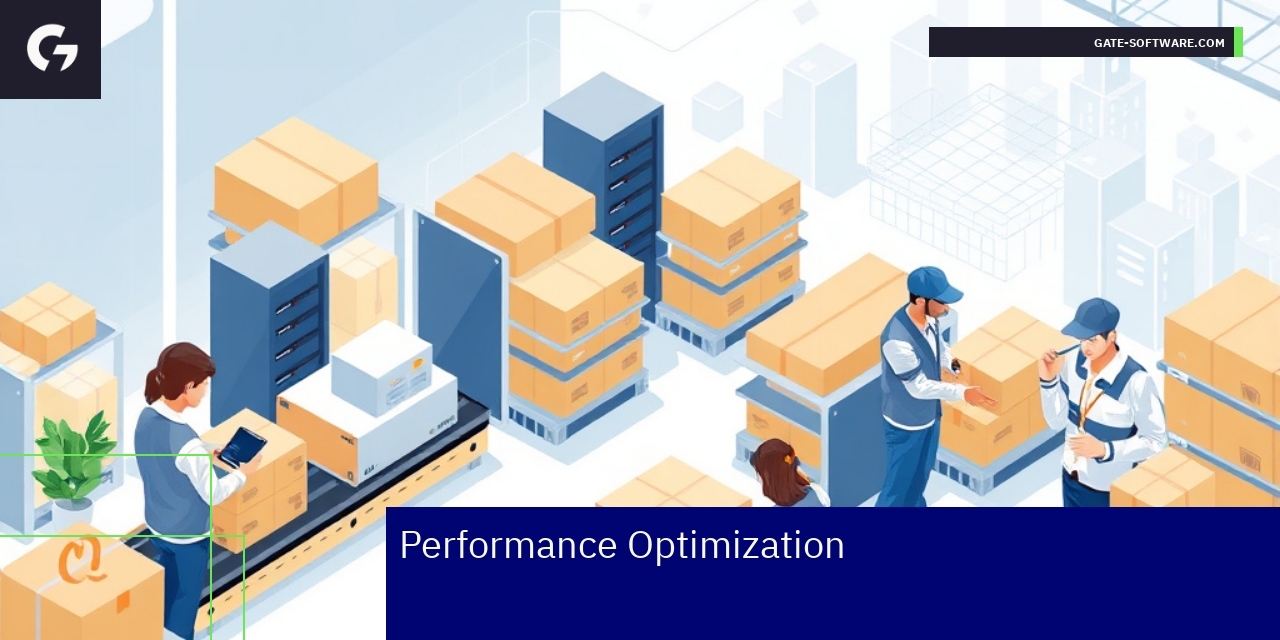
Regular updates and patches are critical components in ensuring optimal performance optimization for Magento-based stores. These updates address security vulnerabilities, improve system stability, and introduce performance enhancements that keep the platform running at peak efficiency. Our support ensures your store runs faster, safer, and without downtime by implementing timely updates and patches. Regular Updates and Patches are not just about fixing bugs; they also include upgrading dependencies and optimizing backend processes to improve load times and scalability. Does Magento support services include regular updates and patches? Yes, continuous maintenance through updates is an integral part of Magento support, preventing performance degradation over time and mitigating risks of cyberattacks.
—
If available:
—
Monitoring and Reporting
Monitoring and Reporting form the backbone of proactive performance optimization strategies. With peace of mind ensured by 24/7 monitoring, any performance bottlenecks or security threats can be identified and resolved before they impact your customers. Continuous online store development relies on detailed reporting to pinpoint trends, traffic spikes, or unusual activity, allowing quick responses to emerging issues. This ongoing observation supports higher conversions through maximum speed, ensuring that the store consistently delivers a seamless user experience. Regular monitoring also helps in capacity planning and traffic management, making sure infrastructure adapts to varying loads without downtime.
Magento Support Services
Magento support services encompass a range of essential capabilities from technical troubleshooting to strategic performance optimization. These services offer access to Magento experts at your fingertips, providing guidance on configuration, customization, and scalability. How much does Magento 2 support cost? Costs vary depending on the level of support and service scope, but investing in professional Magento Support Services guarantees faster resolution times and continuous improvements. Such support includes applying Regular Updates and Patches, 24/7 Monitoring and Reporting, and strategic planning to keep your store secure, fast, and evolving with business needs. Our support ensures your store runs faster, safer, and without downtime while driving higher conversions through maximum speed.
Performance Declines
Security Audits
Effective security audits are fundamental to maintaining Magento 2 is secure. Regular Security Audits help identify vulnerabilities early, ensuring effective protection against attacks. Given Magento 2’s robust architecture, audits can prevent performance declines by preempting breaches that might strain system resources. Incorporating periodic Security Audits into maintenance routines can catch misconfigurations or outdated modules that compromise security or degrade performance. Updates can be time-consuming, but the thoroughness of Security Audits justifies their effort, aligning well with Magento 2 support services to sustain a stable and secure platform.
Unexpected Errors
Unexpected Errors are a common source of performance declines in complex environments like Magento 2. These errors can arise due to software conflicts, corrupted data, or issues during integration with external systems. Emphasizing possible integration with external systems while avoiding vendor lock-in is crucial to managing such errors effectively and maintaining system resilience. Rapid identification and resolution through effective collaboration with Magento 2 support services help minimize downtime and performance degradation. Structured error handling protocols reduce the impact of Unexpected Errors, thus preserving the user experience and operational flow.
Limited Technical Resources
Limited Technical Resources often constrain the ability to support and optimize Magento 2 environments fully, which can lead to performance declines. Leveraging an extended ecosystem, particularly when handling payments and deliveries, requires strategic resource management and outsourcing where necessary. Updates can be time-consuming and resource-intensive, so efficient collaboration with Magento 2 support services is key to bridging these gaps. By delegating complex technical tasks, businesses can maintain peak performance even with limited in-house expertise, ensuring smooth operation and scalability without compromising security or functionality.

FAQ
Jakie są kluczowe etapy wdrożenia platformy Magento B2B?
Wdrożenie platformy Magento B2B składa się z kilku kluczowych etapów, w tym analizy potrzeb biznesowych, projektowania architektury systemu, konfiguracji platformy, testowania funkcjonalności oraz szkolenia zespołów odpowiedzialnych za zarządzanie platformą.
Co różni Magento B2B od rozwiązań B2C?
Magento B2B różni się od rozwiązań B2C przede wszystkim w zakresie zarządzania relacjami z klientami biznesowymi, elastycznych warunków sprzedaży oraz integracji z systemami ERP i CRM. W modelu B2B transakcje są zazwyczaj bardziej złożone i wymagają negocjacji warunków handlowych.
W jaki sposób przeprowadza się migrację na Magento 2 w kontekście B2B?
Migracja na Magento 2 w kontekście B2B wymaga precyzyjnego planowania, które obejmuje analizę wymagań funkcjonalnych, projektowanie architektury, migrację danych oraz testowanie. Ważne jest również korzystanie z gotowych modułów, które ułatwiają proces migracji.
Jakie korzyści przynosi wdrożenie Magento B2B dla firm?
Wdrożenie Magento B2B przynosi korzyści takie jak automatyzacja procesów zakupowych, personalizacja oferty oraz lepsze zarządzanie relacjami z klientami. To prowadzi do zwiększenia efektywności operacyjnej, skrócenia czasu realizacji zamówień i poprawy doświadczeń klientów.
Jakie wyzwania mogą wystąpić podczas wdrożenia Magento B2B?
Podczas wdrożenia Magento B2B mogą wystąpić wyzwania związane z migracją danych, błędami w implementacji funkcjonalności oraz zapewnieniem skalowalności i wydajności platformy. Kluczowe jest dokładne planowanie i testowanie, aby minimalizować te ryzyka.

Marketing and SEO Support
Order Management
Order Management within the UiR framework is critical for maintaining seamless operations in ecommerce environments, especially when integrated with external systems. Effective order management systems handle complex workflows including payment processing, delivery logistics, and real-time tracking to ensure reliability and customer satisfaction. Possible integration with external systems underpins this capability, allowing synchronization with payment gateways and shipping providers for uninterrupted transaction flows. This integration not only streamlines order processing but also reduces errors and manual interventions, which directly contributes to higher conversions through maximum speed. Robust order management is essential for operational efficiency, ensuring fast, safe, and uninterrupted service to customers throughout their purchase journey.
—
If available:
—
Product Catalog Management
Product Catalog Management is a cornerstone of UiR’s support model, enabling stores to maintain comprehensive, up-to-date, and accurately categorized product information. This management ensures that product data is synchronized across all sales channels, supporting scalability and enhanced user experience. The advanced catalog management system provides peace of mind with 24/7 monitoring, detecting and resolving issues proactively to avoid downtime or data inconsistencies. How collaboration works during Magento support revolves around continuous monitoring and quick interventions, ensuring the catalog remains optimized for SEO and sales performance. The system’s responsiveness directly impacts store speed, which our support preserves for higher conversions through maximum speed, safeguarding the store’s operational integrity and competitiveness.
Customer Management
Customer Management is vital for building personalized and efficient ecommerce experiences within UiR-supported stores. Our support focuses on maintaining uninterrupted, high-performance environments where customer data handling complies with security standards and enhances user interaction. This includes streamlined customer profile management, order history tracking, and engagement tools that facilitate tailored marketing efforts. Our support ensures your store runs faster and without interruptions, delivering the stability required for real-time customer insights and interaction. As a result, businesses benefit from higher conversions with maximum speed, translating to improved customer satisfaction and loyalty. Efficient customer management under UiR also supports operational scaling by integrating various customer touchpoints into a unified experience backed by continuous support.

Content Management – Magento CMS
Is Magento Free?
Magento offers an open-source version known as Magento Open Source, which is free to download and use. This makes Magento an accessible option for businesses looking to start or scale online stores without the initial software licensing fees. However, while the platform itself may be free, costs associated with hosting, development, customization, and ongoing maintenance are typical considerations. Understanding “Is Magento Free?” entails recognizing that while entry to the platform is zero-cost, operational expenses will apply depending on the store’s complexity and scale.
Why Choose Magento?
Magento stands out in eCommerce due to its flexibility, scalability, and rich feature set tailored for complex online retail environments. The platform supports advanced product management, robust SEO capabilities, and extensive customization through themes and modules. These advantages make Magento a preferred choice for businesses aiming for growth and a tailored shopping experience. “Why Magento?” is often answered by the need for a platform that can handle high traffic volumes, support multiple stores, and offer strong integration capabilities. Magento 2, the latest iteration, enhances performance, security, and user experience compared to its predecessor, addressing many common challenges faced by large-scale merchants.
Ad Hoc Support vs Magento 2 Maintenance
Choosing between “Ad Hoc Support vs Magento 2 Maintenance” depends on your organization’s needs for system stability and long-term performance. Ad hoc support provides reactive assistance as problems arise, suitable for businesses with smaller Magento implementations or basic technical knowledge. In contrast, a structured Magento 2 maintenance service offers proactive monitoring, regular updates, security patches, and performance optimization. This approach reduces downtime risks and ensures the platform evolves with emerging business and technological demands.
Common questions include “Do you offer a technical audit before support begins?” and “How much does Magento 2 support cost?” — technical audits are integral to understanding system health and are often prerequisite to effective maintenance. Support costs vary based on service scope, from basic support packages to comprehensive maintenance contracts that include ongoing optimization and security management.
Magento 2 advantages include improved speed, enhanced security, and streamlined content management features, though it may demand higher technical expertise and investment. Weighing these Magento 2 drawbacks against benefits is crucial when deciding between ad hoc interventions and continuous maintenance frameworks.

Magento 2 Pros and Cons
User Management in Magento 2
User Management in Magento 2 is a robust and flexible system designed to secure and streamline operations across both administrative and customer-facing fronts. The platform allows the creation of multiple admin users, each with unique credentials, which supports efficient delegation and accountability within eCommerce operations.
Magento 2 Advantages include its detailed Roles and Permissions framework, enabling bespoke access control where administrators can define specific roles with tailored permissions. This ensures that team members only access functionalities pertinent to their responsibilities, enhancing security and operational efficiency. In practical terms, this granular control reduces risks related to unauthorized access and mistakes by limiting users’ scope within the system.
On the customer side, User Management in Magento 2 facilitates seamless account creation and management, enabling users to update personal information, track orders, and review purchase histories easily. This enhances user experience and customer retention. Furthermore, password management protocols contribute to Magento 2 is secure by design, supporting password resets and secure authentication methods.
The platform’s User Management capability also supports integration with external systems, allowing synchronization of user data with CRM or ERP tools. This flexibility boosts operational scalability and improves business process automation.
Additionally, Magento 2 provides peace of mind with 24/7 monitoring facilities through third-party extensions or custom implementations, ensuring continuous oversight of user activities and security compliance.
Overall, User Management in Magento 2 aligns with high-level business needs, balancing security, flexibility, and scalability within a comprehensive and reliable framework.
—
If available:
—
Magento 2 Use Cases
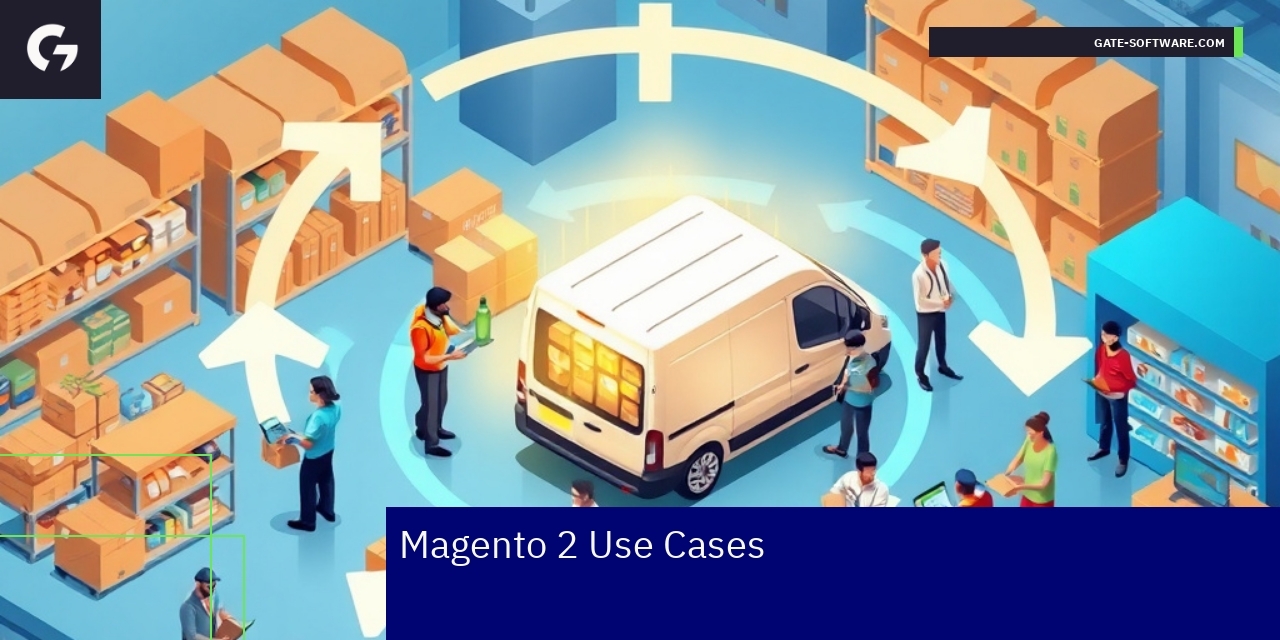
Magento 2 showcases a diverse array of application variants that address complex, real-world business challenges. Examples of Successful Magento 2 Deployments reveal its capability to support custom e-commerce stores that demand extensive flexibility and tailored features to align with unique brand identities and customer journeys. Its architecture excels in supporting B2B e-commerce scenarios, accommodating large product catalogs, customer segmentation, and dynamic pricing models essential for enterprise-grade operations.
Multi-store management is another prominent use case where Magento 2 enables centralized control over several brands or geographical stores from one backend system, thus enhancing operational efficiency. This capability significantly reduces administrative overhead while maintaining scalability and consistency across multiple storefronts.
Performance and responsiveness are critical in today’s mobile-first landscape, and Magento 2’s responsive design frameworks ensure optimal user experiences across devices. Integration with third-party systems such as ERP, CRM, and specialized payment gateways empowers businesses to streamline workflows and improve data cohesion.
Magento 2’s scalability is proven in high-traffic environments with large inventories, supporting robust growth without compromising performance. Moreover, its personalization capabilities, including advanced product recommendations and customer segmentation, enable enhanced customer engagement and conversion rates.
Finally, Magento 2’s SEO-friendly infrastructure strengthens organic visibility, a crucial factor in competitive markets. Across Magento 2 Case Studies, these application variants demonstrate Magento’s adaptability in delivering e-commerce solutions that are both technically sound and business-focused.

Podsumowanie
Decyzja o wprowadzeniu personalizacji w Magento B2B to krok w stronę zwiększenia efektywności sprzedaży i budowania długotrwałych relacji z klientami biznesowymi. Zrozumienie znaczenia personalizacji oraz zastosowanie odpowiednich narzędzi pozwala na lepsze dopasowanie oferty do indywidualnych potrzeb kontrahentów, co przekłada się na wzrost satysfakcji i lojalności odbiorców. Dzięki możliwości definiowania indywidualnych cenników i promocji oraz umiejętnemu zarządzaniu kontem klienta, możliwe jest stworzenie wyjątkowego doświadczenia zakupowego, które nie tylko poprawi wyniki e-commerce, ale także zwiększy konkurencyjność przedsiębiorstwa. Automatyzacja procesów zakupowych oraz optymalizacja operacyjna stają się kluczowe dla sukcesu w dynamicznie zmieniającym się środowisku B2B. Zastanów się, jak Twoja firma może wykorzystać te elementy do dalszego rozwoju i skalowania sprzedaży, inwestując w technologie, które zapewnią elastyczność i skuteczność w zarządzaniu relacjami z klientami.

Summary
In conclusion, maintaining a Magento 2 eCommerce platform is not merely a technical necessity; it is a vital component of your business strategy that impacts overall operational efficiency, customer satisfaction, and growth potential. The key practices outlined in this guide—ranging from regular software updates to security hardening and user experience enhancements—are designed specifically for senior stakeholders looking to secure a competitive edge in the ever-evolving digital marketplace. By investing in proactive Magento 2 maintenance services, you ensure that your operational framework is robust enough to handle fluctuations in traffic and scalable to meet business demands. With attention to detail and a focus on continual improvement, the practices discussed will help establish a stable and secure environment that supports your eCommerce objectives. We encourage you to reflect on how these strategies can be applied within your organization and consider taking the next steps towards integrating these essential maintenance practices into your digital operations.

FAQ
Question 1
What are the essential practices for maintaining a Magento 2 eCommerce platform?
Maintaining a Magento 2 eCommerce platform involves several key practices, including regular software updates, performance optimization, security hardening, backup and recovery planning, codebase quality review, SEO and content updates, user experience enhancements, analytics integration, compliance updates, and infrastructure scalability reviews.
Question 2
How does regular software updates benefit a Magento 2 store?
Regular software updates for Magento 2 and its extensions enhance system stability, mitigate vulnerabilities, and improve performance by addressing security issues and introducing new features, which are vital for maintaining optimal operations.
Question 3
What is the importance of security hardening in Magento 2 maintenance?
Security hardening in Magento 2 is crucial as it involves implementing robust measures like two-factor authentication and SSL certificates, alongside conducting regular security audits, to protect sensitive data and prevent breaches that could compromise the store’s integrity.
Question 4
How can businesses ensure effective performance optimization for their Magento 2 stores?
Businesses can ensure effective performance optimization by continuously monitoring server resources, tuning caching strategies, and improving database performance to enhance loading times, which are essential for user retention and SEO rankings.
Question 5
Why is a systematic approach important for Magento 2 maintenance?
A systematic approach to Magento 2 maintenance is important as it helps businesses sustain a robust and scalable eCommerce environment that enhances operational efficiency, supports growth, and secures a competitive edge in the digital marketplace.
.
.
Zamów bezpłatną konsultację
.
Z nami rozwój Twojego biznesu nabierze tempa! Zapraszamy do kontaktu średnie i duże firmy generujące min. 7 mln PLN obrotu rocznie – tam nasza ekspertyza sprawdza się najlepiej.
.
Kliknij w poniższy przycisk i skontaktuj się z jednym z naszych konsultantów e-commerce
.