Introduction
Magento 2 is a leading open-source e-commerce platform that plays a critical role in B2B e-commerce by offering robust capabilities tailored to complex business needs. For B2B enterprises, Magento 2 is not just a sales channel but a comprehensive digital commerce system designed to handle intricate purchasing processes, large-scale product catalogs, and multi-tiered customer relationships. Its architecture enables scalability, customization, and integration with ERP and CRM systems, essential for seamless B2B operations.
Key Magento 2 features for B2B include advanced price customization options, customer segmentation, and company account management tools that facilitate tailored buying experiences. Additionally, Magento 2 supports complex workflows such as quote management, purchase order approvals, and requisition lists, enabling businesses to streamline procurement and enhance operational efficiency. Integration capabilities and API support ensure that Magento 2 can be embedded within larger IT ecosystems, enabling consistent data flow and improving business insights. These features align with the specific demands of B2B commerce, positioning Magento 2 as a flexible and powerful platform for companies aiming to digitalize and optimize their wholesale and industrial sales channels.
TABLE OF CONTENTS
- 5 Challenges for Magento E-Commerce Web Development in B2B Stores
- Definition and Basics of Challenges
- What Are the Main Challenges?
- Benefits of Magento 2 Implementation
- Success Stories
- Risks and Benefits
- Best Integration Practices
- Impact of Loading Speed on Conversion
- Optimization Practices
- Conversion Boosting Methods
- Implementation Checklists
- Advantages and Disadvantages of Magento
- Magento 2 Alternatives
- Features Supporting B2B Processes
- Magento 2 Innovations
- Processes That Can Be Optimized
- Implementation Examples
- Support Services
- Case Studies
- Integration Advantages
- Common Integration Errors
- Steps for Successful Implementation
- Common Implementation Mistakes
- How to Prepare for Migration?
- Best Migration Practices
- Frequently Asked Questions
- Typical Problems
- B2B Project Management Challenges
- How to Overcome Project Difficulties?
- Data and Performance Metrics – Efficiency
- SLA
- TCO
- Summary
- FAQ

Definition and Basics of Challenges
Understanding the challenges of Magento E-Commerce development in B2B requires first to grasp what B2B eCommerce is and why Magento 2 is suitable yet complex for such stores. What is B2B Ecommerce? It involves complex buying behavior and multiple stakeholders, which Magento must support to ensure success.
B2B Ecommerce encompasses transactions where businesses sell products or services to other businesses rather than individual consumers. This environment involves multifaceted buying processes that differ significantly from B2C models. Buyers operate with specific procurement protocols, often requiring bulk ordering, negotiated pricing, and adherence to contractual terms. Magento 2’s architecture supports these needs through features like custom pricing rules, customer segmentation, and the management of multiple buyer roles and permissions, making it suitable for B2B e-commerce. However, its robustness also brings complexity, demanding extensive customization and integration to align with business workflows.
A critical challenge lies in supporting complex buying behavior, as transactions are rarely straightforward. Orders might involve multiple approval layers, differentiated payment terms, or tailored product catalogs for specific clients. Magento 2 must therefore accommodate workflow automation, flexible checkout processes, and precise pricing mechanisms to meet these requirements efficiently.
Additionally, the presence of multiple stakeholders — such as procurement managers, finance departments, and technical teams — introduces diverse expectations and system requirements. Magento’s flexibility allows for personalization at various levels, but this necessitates a thoughtful design approach and continuous collaboration to balance the needs of all parties. Overcoming these challenges requires not only deep technical expertise but also robust project management and strategic planning to leverage Magento’s capabilities effectively within a B2B context.

What Are the Main Challenges?
Magento 2 B2B Issues
When facing Magento E-Commerce development challenges, B2B merchants often struggle with meeting personalisation demands and buyer expectations (Challenge 1). Difficulty in finding and presenting the right products (Challenge 3) and inflexible payment, pricing, and order fulfilment systems (Challenge 4) also complicate deployments. These obstacles highlight the complexity of B2B environments, where buyers expect tailored experiences but vendors must handle complicated catalogues and pricing schemes. Ensuring seamless integration with existing ERP and CRM systems is critical to providing accurate product information and pricing dynamics, which directly affects how well a platform meets the personalisation and operational needs of wholesale customers.
Common Magento B2B Mistakes
Magento E-Commerce development challenges include underestimating system integration difficulties and ignoring robust security needs. Challenge 5 underscores integrating systems and ensuring security as pivotal but often mishandled, causing delays and security vulnerabilities. Many B2B implementations overlook compliance with WCAG 1.1 standards or fail to adequately address complex user roles and permissions. These mistakes affect both system reliability and user experience, making it difficult for businesses to protect sensitive data and maintain operational continuity while also ensuring accessibility and ease of use for various stakeholders.
How to Overcome B2B Difficulties?
How to solve the top 10 challenges faced by B2B businesses with effective eCommerce implementation? It requires tailored solutions tackling complex buying processes and managing multiple stakeholders (Challenge 2), alongside strategic personalisation and improved access to product data. Optimizing UX/UI while complying with accessibility standards allows companies to enhance the customer journey without alienating users. Robust system integrations and flexible order fulfillment processes ensure that B2B platforms can adapt to diverse business models and sales cycles. Leveraging data-driven marketing strategies and consistent brand communication further supports boosting B2B sales with a modern eCommerce platform.
Benefits of Magento 2 Implementation
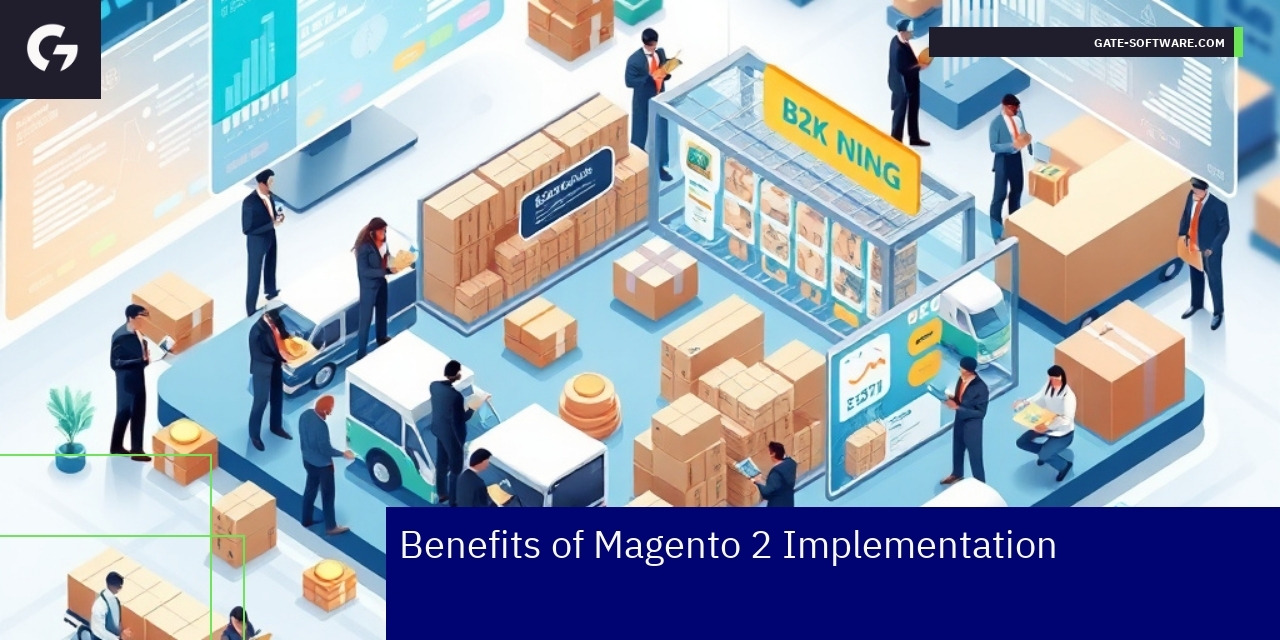
Implementing Magento 2 in a B2B environment delivers significant advantages that drive operational efficiency and enhance customer experience. Its flexibility allows tailoring workflows and user experiences to meet complex B2B requirements such as bulk ordering, account-specific pricing, and multi-tiered customer segmentation. These features support smoother purchase processes and cater directly to the nuanced needs of B2B clients, fostering stronger customer relationships and loyalty.
Magento 2’s robust catalog management and multi-store capabilities enable businesses to manage extensive product ranges and multiple brand identities from a unified platform. This centralization reduces administrative overhead while facilitating customized presentations for different customer segments. The platform’s streamlined checkout process accommodates complex ordering patterns, including multiple shipping addresses and varied payment methods, addressing common B2B challenges effectively.
Performance improvements inherent in Magento 2 optimize loading times and responsiveness, crucial factors for user satisfaction and conversion rates. Additionally, its advanced inventory management synchronizes stock levels across multiple locations, reducing the risk of order delays and stockouts. Integration with ERP, CRM, and other enterprise systems further enhances operational transparency and process automation.
By leveraging Magento 2, B2B companies benefit from enhanced flexibility and customization, which directly impact sales growth and operational agility. These capabilities align seamlessly with solving the 10 challenges of B2B ecommerce (+ their solutions), offering a comprehensive platform to support evolving business demands and market conditions. Implementing Magento 2 is thus a strategic move for businesses seeking to strengthen their eCommerce capabilities in competitive B2B landscapes.
Definition and Basics of Challenges 🛠️ ⚙️ 🔍
[tu zachowano strukturę i treść nagłówków H4 występujących pod wyżej wymienionym H3]

Success Stories
Discovering real-world examples highlights how overcoming Magento E-Commerce development challenges leads to increased B2B revenue and enhanced client satisfaction.
ERP Integrations as a Key to Success
Efficient ERP Integrations have proven to be a cornerstone for success in B2B Magento e-commerce projects. One challenge often faced by CTOs and Heads of Applications is ensuring seamless data flow between Magento and back-office systems to maintain accurate inventory levels, order management, and customer data synchronization. By implementing robust ERP integration solutions tailored to the client’s infrastructure, businesses have achieved substantial improvements in operational efficiency and client satisfaction.
A key case involved integrating Magento with an enterprise-grade ERP system in a complex B2B environment. The solution focused on optimizing API connections to handle large transaction volumes and automate workflows, reducing manual errors and accelerating order processing times. This integration not only increased B2B revenue by enabling real-time inventory visibility but also enhanced the purchasing experience through accurate stock levels and faster fulfillment.
Moreover, addressing Magento e-commerce development challenges such as scalability and customization played a critical role. Integrations were designed to support unique business logic and compliance requirements, ensuring that the platform served as a reliable backbone for long-term growth. This strategic approach helped our clients reduce operational costs while delivering superior service levels to their customers.
Ultimately, these success stories illustrate how overcoming Magento-related challenges through expert ERP integrations drives measurable business value, reinforcing the importance of leveraging Gate-Software’s technical and strategic expertise tailored to B2B needs.
Risks and Benefits
In the rapidly evolving landscape of B2B eCommerce, integrating ERP systems presents both significant opportunities and noteworthy challenges. For decision-makers—such as CTOs, Heads of Applications, and eCommerce Managers—understanding these dynamics is crucial for leveraging technology effectively to drive business growth.
Benefits of ERP Integration
1. Harmonized Data: One of the paramount benefits of integrating ERP systems is the creation of a unified data ecosystem. By synchronizing data across platforms, businesses can ensure consistency and accuracy, which enhances decision-making and operational efficiency.
2. Streamlined Processes: By automating workflows and facilitating real-time data sharing, ERP integration helps businesses standardize processes. This not only reduces operational redundancies but also accelerates time-to-market for new products and services.
3. Enhanced Customer Experience: A well-integrated ERP solution allows for better inventory management, timely order fulfillment, and personalized customer engagement—key factors in improving the B2B eCommerce experience.
Risks of ERP Integration
1. Data Mismatches: Aligning disparate data sources can result in inconsistencies, leading to decision-making based on inaccurate information. This risk underscores the importance of thorough data mapping and validation during the integration process.
2. Integration Failures: Technical issues, lack of compatibility between systems, and insufficient testing can lead to complete integration failures, disrupting business operations. Investing in robust testing protocols and employing experienced integration specialists can mitigate these risks.
3. Cost Overruns: The complexity of ERP integration can lead to unexpected expenses. Comprehensive project management and clear budgeting strategies are essential to avoid financial pitfalls.
By carefully weighing these risks and benefits, B2B organizations can create a strategic roadmap for ERP integration that not only strengthens their eCommerce capabilities but also enhances their competitive edge in the market. For effective integration, it is vital to adopt a proactive approach that includes ongoing training, support, and iterative evaluation to ensure alignment with business objectives.

Best Integration Practices
Following best integration practices ensures system stability and security, essential for meeting Challenge 5: Integrating Systems and Ensuring Robust Security. In B2B environments, integration complexity often involves multiple systems such as ERP, CRM, and e-commerce platforms. A robust integration strategy must prioritize data consistency, secure data exchange, and scalability. Leveraging standardized APIs and middleware solutions helps in streamlining workflows and reducing manual errors while maintaining compliance with industry security standards.
Implementing comprehensive monitoring and alerting mechanisms supports early detection of integration failures, minimizing downtime and impact on business operations. Additionally, integrating with systems that support WCAG compliance enhances accessibility for diverse user personas, contributing to better user experience (UX/UI) and customer satisfaction.
Loading Speed as a Factor of Effective Sales
Loading speed remains a critical factor in B2B sales effectiveness, directly influencing user engagement and conversion rates. Optimizing integrations to minimize latency—especially between front-end interfaces and backend services like MagentoOneS™ hosting—is vital. Fast, reliable response times reduce friction for users such as eCommerce Managers and Heads of Applications who rely on seamless platform performance.
Moreover, efficient integrations contribute to cost optimization by reducing infrastructure load and enabling smoother transactional processes. Gate-Software’s strategic approach ensures that integration respects both business process requirements and technical constraints, reinforcing the stability and scalability necessary for sustained B2B growth.

Impact of Loading Speed on Conversion
Loading speed dramatically influences buyer behaviour—slower sites increase cart abandonment rates and reduce conversions, directly linking to Challenge 1: Meeting Personalisation Demands and Buyer Expectations. In the B2B e-commerce environment, where decision-making processes involve multiple stakeholders and complex product selections, the impact of site performance is even more pronounced. Fast loading times ensure that busy professionals, such as eCommerce Managers and Heads of Applications, can swiftly access critical product information without frustration or delay.
Moreover, maintaining optimal loading speed supports efficient buyer journeys by minimizing interruptions and enhancing overall user experience. This is essential for meeting the high expectations of B2B customers who often require personalized content and tailored purchasing paths. The challenge of meeting personalisation demands and buyer expectations directly correlates with how quickly a platform can deliver relevant information.
Technically, integrating MagentoOneS™ with robust monitoring, SLA adherence, and optimized hosting environments contributes significantly to reducing page load times. Ensuring compliance with WCAG standards while maintaining rapid responsiveness also supports accessibility without sacrificing performance, critical in professional B2B contexts.
Reducing cart abandonment by accelerating loading speeds not only improves conversion rates but also boosts trust and loyalty among corporate buyers. Leveraging Gate-Software’s expertise in UX/UI audits, performance tuning, and strategic platform maintenance ensures that B2B companies can effectively compete and grow by aligning their technical capabilities with their business goals and customer expectations.
Optimization Practices
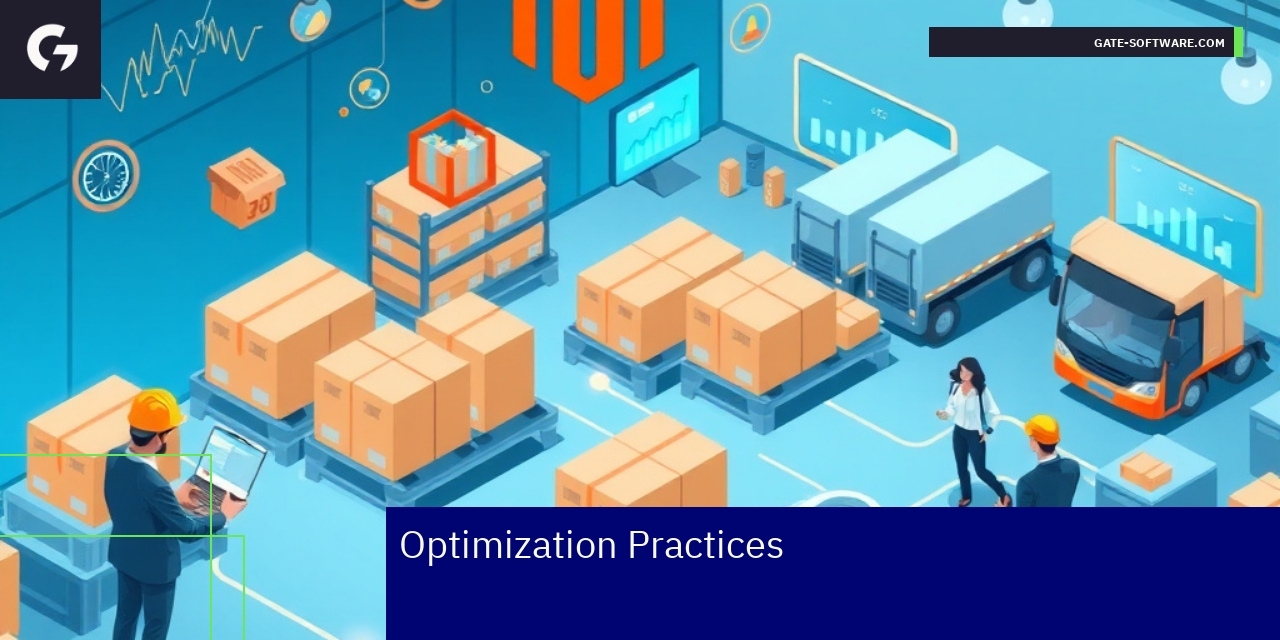
Implementing optimization methods like caching and image compression helps Magento stores meet performance expectations, boosting conversion rates effectively. For B2B Magento stores, these technical improvements are critical to handle complex transactions and large data volumes without compromising speed or reliability.
Optimizing performance through caching reduces server load and accelerates page delivery, which is crucial for maintaining low latency during peak business hours. Image compression decreases page size, enhancing load times on all devices, including mobile — a key factor as more B2B clients access platforms on-the-go. Together, these optimizations improve the overall user experience, directly influencing how customers perceive your store’s professionalism and efficiency.
In parallel, addressing UX/UI considerations aligned with WCAG 1.1 standards ensures accessibility, expanding your Magento store’s reach within diverse B2B user groups. This inclusive design approach not only fulfills compliance requirements but also enhances usability for all clients, thereby supporting higher engagement and conversion rates.
Moreover, integrating content strategies that leverage persona-driven tailoring (e.g., Architect, eCommerce Manager, CTO) helps present the right information at the right time, further optimizing the buyer journey. Such alignment boosts relevance, keeping prospects engaged and facilitating quicker decision-making.
Finally, continuous monitoring and strategic hosting enhancements secure uptime and fast response times under varied traffic loads, safeguarding conversion momentum. In sum, these interconnected optimization practices position Magento B2B stores to meet and exceed performance expectations while maximizing conversion potential.
Conversion Boosting Methods
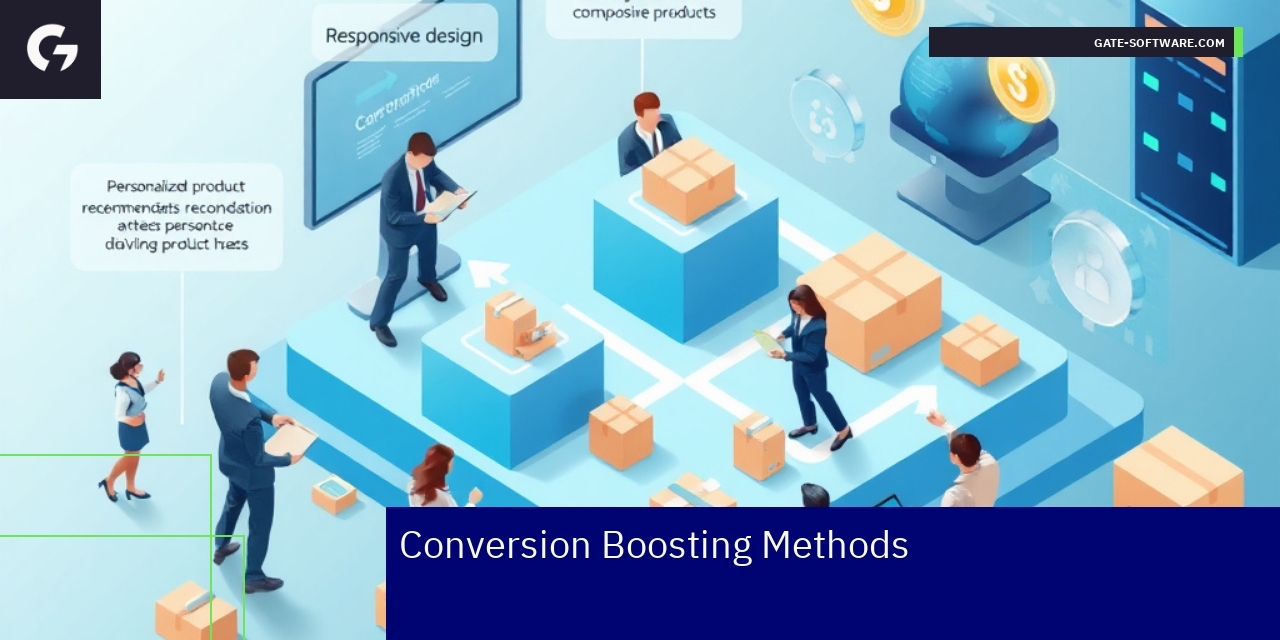
Applying methods focused on personalisation, simplified navigation, and responsive design addresses Magento E-Commerce development challenges and increases conversion rates.
In B2B Magento e-commerce, conversion boosting requires a strategic approach tailored to the distinct needs of business clients. Personalisation plays a critical role, enabling platforms to deliver customized product recommendations, pricing models, and workflows aligned with client-specific buying processes. This targeted experience fosters deeper engagement and drives higher conversion rates. Simplified navigation is equally essential, as B2B buyers often deal with complex product catalogs and multi-level decision-making chains. Streamlined menu structures, clear categorization, and easy access to key information reduce friction and shorten the purchasing cycle. Furthermore, responsive design ensures seamless usability across devices, supporting buyers who may research on-the-go or switch between desktop and mobile environments. Meeting these requirements is fundamental in overcoming Magento E-Commerce development challenges that stem from diverse user needs and technical integration complexities. Integrating these methods aligns with Gate-Software’s expertise in UX/UI audits and MagentoOneS™ best practices, enabling scalable, compliant, and performance-optimized B2B e-commerce platforms. This comprehensive approach ultimately enhances user satisfaction and maximizes conversion rates on B2B Magento storefronts.
Implementation Checklists
Using detailed checklists helps ensure all critical elements are covered, minimizing errors that commonly occur in B2B eCommerce implementations. In B2B environments, the complexity of platform migrations, integrations, and compliance with standards such as WCAG 1.1 demands close attention from roles like the Architect, CDO, and Head of Applications. These checklists typically cover essential stages including comprehensive UX/UI audits that align with user expectations and legal accessibility standards. Optimizing costs throughout the project lifecycle, including during migrations from legacy systems to Magento, is critical to maintain budget discipline and operational efficiency.
Maintaining continuous monitoring and service level agreements (SLA) ensures system stability and uptime, which are paramount in B2B eCommerce. Integrating MagentoOneS™ solutions within these checklists provides a structured approach to platform management and scalability. Security protocols, data integrity, and compliance audits form part of the verification process to meet stringent B2B requirements. Overall, these implementation checklists serve as a tactical guide to managing technical and business challenges, providing a clear roadmap for decision-makers aiming to deliver reliable, accessible, and cost-effective eCommerce platforms underpinned by industry best practices.
eCommerce Platform Comparison: Magento vs. Others
Magento’s flexibility and comprehensive eCommerce capabilities make it a preferred platform in complex B2B scenarios, especially when compared to other solutions. It offers advanced tools for user management, custom pricing, and integration with enterprise resource planning (ERP) systems, which are critical in B2B workflows. Gate-Software’s approach leverages Magento’s strengths with dedicated support services, thorough UX/UI enhancements, and adherence to WCAG 1.1 standards to improve accessibility and user experience.
Unlike other platforms that may offer limited customization or scalability, Magento’s architecture supports extensive migrations and custom development tailored to unique B2B needs. Gate-Software implements rigorous monitoring and hosting solutions to ensure optimal performance and uptime, essential for business continuity. Additionally, cost optimization strategies embedded in Magento hosting and development reduce total cost of ownership without sacrificing quality. By emphasizing these factors, Gate-Software delivers platforms that meet technical and operational demands of B2B clients while enhancing customer satisfaction and compliance.
Advantages and Disadvantages of Magento
Magento’s strength lies in supporting complex B2B operations but requires expertise to overcome typical Magento E-Commerce development challenges.
Magento offers significant scalability and customization opportunities well-suited for demanding B2B environments. Its robust performance enables handling large product catalogs and high traffic volumes, which are common in B2B commerce. Additionally, Magento supports complex pricing structures such as tiered pricing, customer-specific pricing, and bulk discounts, essential for meeting the diverse needs of B2B customers. The platform’s multi-store capabilities permit managing multiple storefronts across regions or business lines from a single backend, streamlining operations. Seamless integration options with ERP systems and third-party applications further enhance Magento’s suitability for B2B workflows. Features like quote management, requisition lists, and advanced user roles provide functional depth tailored for B2B transactions.
However, leveraging these strengths comes with challenges. Magento’s complexity demands specialized technical expertise for setup, customization, and maintenance. Without proper optimization, resource consumption can affect performance, making infrastructure investment critical. Licensing and operational costs, including hosting, development, and ongoing maintenance, may impact budget-conscious B2B companies. The platform also has a steep learning curve for users unfamiliar with eCommerce technologies, necessitating training and adjustment periods. Security vigilance is mandatory, as Magento requires continuous monitoring and timely updates to mitigate vulnerabilities and prevent cyber-attacks. Regular maintenance to sustain performance and compliance adds to operational overhead.
For decision-makers such as CTOs, Heads of Applications, or eCommerce Managers, these advantages and disadvantages highlight the need for a strategic approach and capable partners like Gate-Software, who understand both the technical and business nuances of Magento E-Commerce development challenges in B2B contexts. Integrating Magento with effective hosting, monitoring, and cost optimization strategies ensures the platform delivers maximum value while mitigating its challenges.
Magento 2 Alternatives
Exploring alternatives helps businesses weighing options for B2B Ecommerce platforms to choose tools addressing their unique challenges.
Key Magento B2B Features
When evaluating Magento 2 alternatives for B2B ecommerce, decision-makers must consider the platform’s ability to support complex business requirements typical for B2B environments. These include advanced catalog and pricing management, customer segmentation, quote requests, streamlined order workflows, and integration capabilities with existing ERP and CRM systems. Additionally, solutions must ensure compliance with standards like WCAG to provide accessible user experiences, an essential aspect of UX/UI audits.
B2B Ecommerce platforms must also align with company strategies around cost optimization and scalability to handle large transaction volumes and diverse product catalogs. Integration with marketing and content strategies such as those outlined in Content Strategy 5.0 supports personalized communication and stronger brand presence. Platforms that facilitate these features enable eCommerce Managers and Heads of Applications to maintain agility and control, vital in competitive B2B markets.
By focusing on these key Magento B2B features, businesses can identify alternatives that not only replicate Magento’s strengths but also offer fresh approaches tailored to their unique operational and strategic needs, ensuring continuing growth and performance in their B2B ecommerce initiatives.

Features Supporting B2B Processes
Magento 2 offers a robust set of features specifically designed to address the complex needs of B2B ecommerce. These include capabilities such as custom pricing models that allow businesses to tailor price lists to different customer segments or individual accounts, providing flexibility that directly supports sophisticated B2B sales strategies. Approval workflows enable organizations to enforce purchasing controls, ensuring that orders comply with internal processes before finalization. Advanced account management tools facilitate handling multiple buyers within a single organization, streamlining user permissions and roles across departments. These features align closely with the operational realities faced by B2B enterprises, where negotiated pricing, hierarchical approvals, and centralized account oversight are crucial. The integration of Magento 2 with Gate-Software’s expertise ensures that these processes not only support but also optimize B2B customer experiences, enhancing operational efficiency and compliance. Leveraging these capabilities enables businesses to improve their workflow automation, maintain better control over transactions, and deliver personalized service that respects the unique demands of B2B relationships, all while adhering to UX/UI standards and accessibility compliance like WCAG 1.1. This comprehensive support for B2B processes makes Magento 2 a strategic choice for enterprises aiming to scale and innovate in the ecommerce space.
Magento 2 Innovations
Recent innovations in Magento 2 significantly enhance scalability and integration capabilities, which are crucial for addressing the complex challenges faced in Magento E-Commerce development for B2B environments. These advancements enable businesses to manage increased workloads, support complex product catalogs, and integrate more seamlessly with external systems such as ERP and CRM platforms. This improved scalability ensures that B2B companies can grow without facing performance bottlenecks or requiring costly platform overhauls.
Integration capabilities have also been refined, supporting more flexible and secure data exchanges between Magento 2 and other critical business applications. Modern APIs and middleware tools facilitate real-time data synchronization, enabling faster order processing and improved inventory management, essential in B2B operations. Enhanced support for diverse payment methods, tax calculations, and customer-specific pricing models further align the platform with the unique needs of B2B commerce.
Moreover, these innovations focus on optimizing the user experience for business customers by improving the speed and responsiveness of storefronts, aligning with WCAG 1.1 accessibility standards. Enhanced UX/UI designs contribute to smoother navigation and better decision-making for buyers managing complex procurement processes.
In light of these improvements, Gate-Software leverages Magento 2’s innovations to deliver tailored solutions that optimize B2B processes, reduce operational costs, and improve overall platform reliability, supporting clients’ digital transformation goals efficiently and securely.
Processes That Can Be Optimized
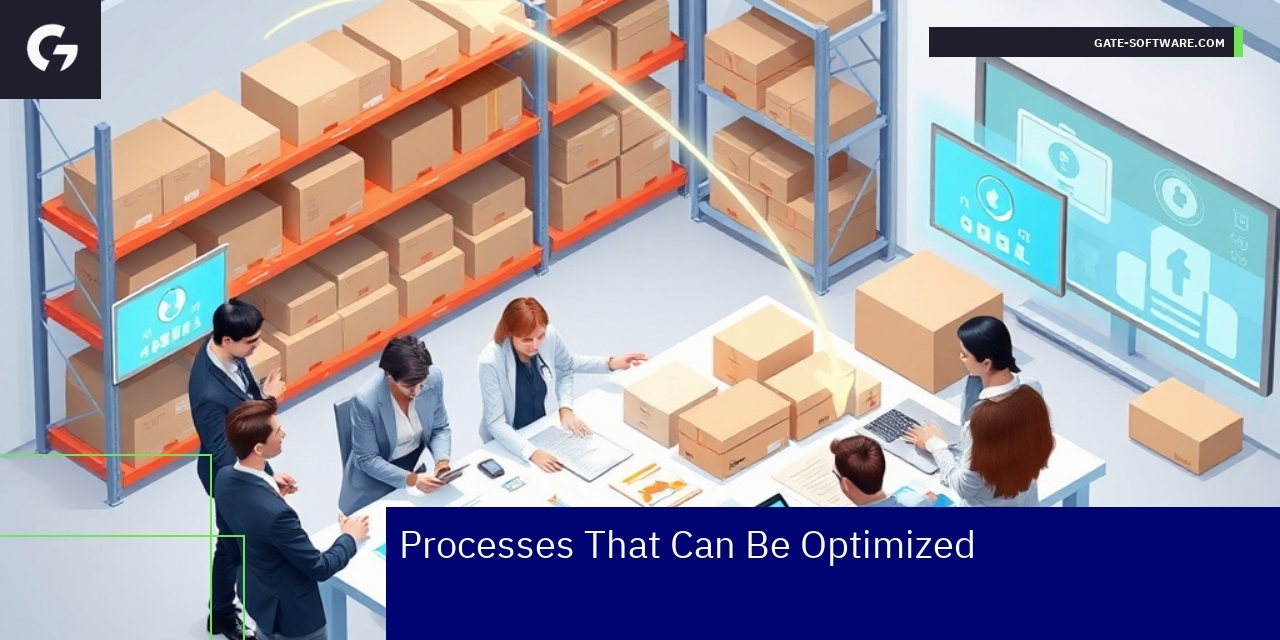
In the B2B sector, optimizing processes such as order fulfillment, pricing strategies, and multi-user account handling is crucial for improving operational efficiency and customer satisfaction. Magento B2B platforms are designed to address these specific challenges, particularly those highlighted in Challenge 4: Inflexible Payment, Pricing, and Order Fulfilment.
Order fulfillment processes often involve complex workflows due to bulk ordering, custom pricing agreements, and varied payment terms. Magento B2B enables flexibility by streamlining order management and automating approval workflows, which reduces processing time and errors. This also enhances the ability to handle multi-user accounts where different roles have defined permissions, facilitating seamless collaboration and order approval within client organizations.
Pricing strategies in B2B require personalization and adaptability to accommodate negotiated deals, volume discounts, and tiered pricing models. Magento B2B supports dynamic pricing capabilities while maintaining transparency and compliance with contractual terms. This ensures that pricing adjustments can be made efficiently without sacrificing accuracy or control.
Furthermore, managing multi-user accounts involves coordinating multiple stakeholders within a single customer entity, each with unique access rights and responsibilities. Magento B2B’s account hierarchy and role-based access control improve this coordination, enabling better tracking of orders, budgets, and payment statuses across departments.
By optimizing these processes within the Magento B2B framework, companies can overcome challenges related to inflexible payment options, rigid pricing structures, and cumbersome order fulfillment operations. Integrating these improvements contributes to streamlined workflows, enhanced customer experience, and increased operational agility.

Implementation Examples
Optimizing B2B processes through Magento 2 implementation has proven effective in reducing operational costs and accelerating sales cycles. By leveraging Magento’s modular architecture and customizable workflows, companies can tailor the platform to meet complex B2B purchasing behaviors, such as multi-user accounts, bulk order management, and negotiated pricing mechanisms. This customization directly impacts key business metrics by streamlining order processing and enhancing customer self-service capabilities, resulting in faster transaction completions and improved satisfaction.
Gate-Software’s approach to supporting Magento B2B clients focuses on deep integration with existing enterprise systems while ensuring compliance with industry standards. This enables seamless data exchange and process automation, contributing to lower error rates and increased operational efficiency. Additionally, adherence to WCAG standards and UX/UI best practices ensures that platforms are accessible and intuitive for diverse user personas, including eCommerce Managers and IT Architects.
Strategic cost optimization is another critical factor in successful Magento 2 B2B implementations. By employing targeted hosting solutions, monitoring, and proactive SLA management, Gate-Software helps organizations control infrastructure expenses without compromising performance or scalability. The combination of technical excellence and business process insight creates a robust foundation that supports accelerated growth and sustained competitive advantage in B2B markets. These real-world implementations underscore how Magento, paired with expert guidance, addresses the unique challenges of B2B commerce.
Support Services
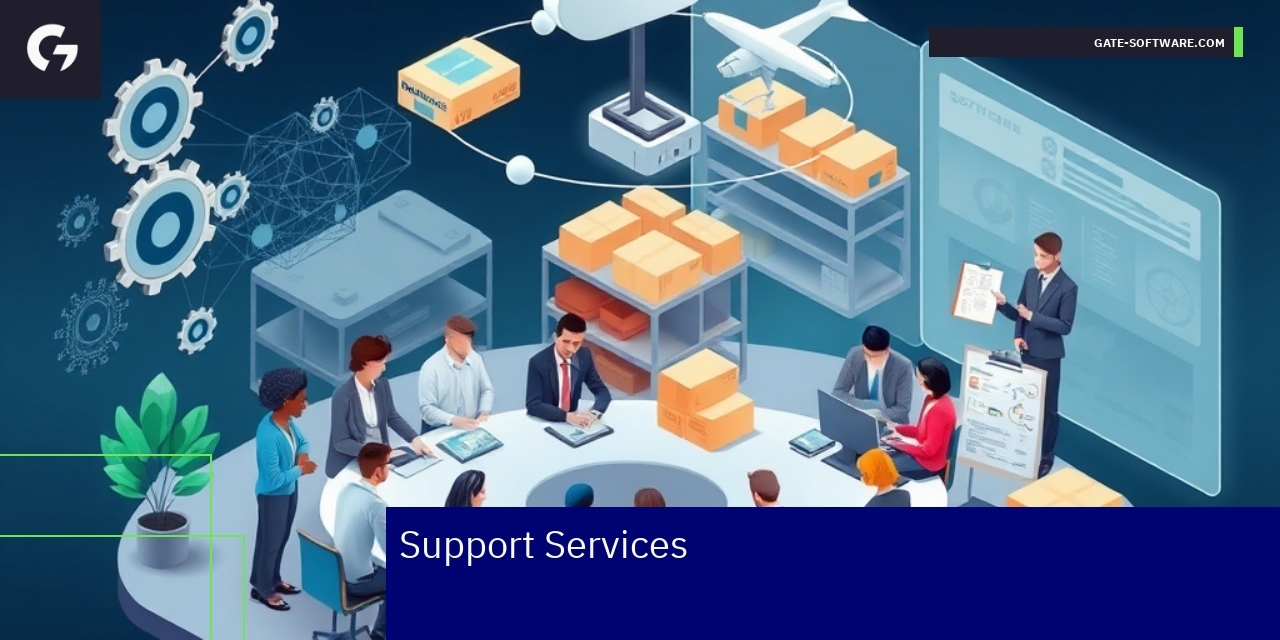
In B2B eCommerce, enterprises face unique challenges such as complex integrations, extensive product catalogs, customer-specific pricing, and stringent compliance requirements. Gate-Software addresses these issues through dedicated support services that ensure seamless platform performance and tailored development solutions.
Gate-Software’s support services include proactive monitoring and performance optimization of Magento platforms, ensuring high availability and scalability even under demanding B2B workloads. Their expertise enables smooth integrations with ERP, CRM, and other critical systems, facilitating efficient data flow and operational continuity. Moreover, they emphasize compliance with WCAG 1.1 standards, enhancing accessibility across all B2B interfaces.
Customization is another key area, where Gate-Software develops bespoke modules to accommodate unique business rules and workflows common in B2B sectors. This development is paired with UX/UI audits and enhancements that improve the user experience while maintaining strict adherence to brand identity.
Gate-Software also supports strategic maintenance and cost optimization of hosting environments, ensuring that infrastructure scales appropriately with business growth without incurring unnecessary expenses. Their Service Level Agreement (SLA) frameworks provide transparency and reliability for ongoing support needs.
By combining deep technical expertise with an understanding of B2B eCommerce complexities, Gate-Software’s support services empower businesses to overcome operational challenges and drive sustainable growth. This approach delivers tangible value through continuous optimization, risk mitigation, and enhanced customer satisfaction, aligned with modern digital commerce demands.
Support Services

Case Studies
Examples of Gate-Software’s success demonstrate efficient solutions overcoming Magento E-Commerce development challenges. In B2B contexts, Gate-Software has consistently delivered tailored MagentoOneS™ implementations that address complex integration needs and optimize operational workflows. Particular attention is given to seamless ERP integration in Magento B2B environments, enabling real-time data synchronization and streamlined order management. Through rigorous adherence to WCAG 1.1 standards and UX/UI audits, Gate-Software ensures accessible and user-friendly B2B platforms that support diverse buyer personas such as eCommerce Managers and CTOs.
Benefits of ERP Integration in Magento B2B are evident in enhanced data accuracy, reduced manual errors, and improved scalability for business growth. Gate-Software’s approach integrates ERP systems directly into the Magento framework, removing data silos and accelerating business processes critical for B2B operations. This integration also supports tailored pricing, complex product catalogs, and multi-level approvals that B2B buyers typically require. Combined with ongoing monitoring and cost optimization strategies, these solutions sustain high performance and reliability within demanding enterprise settings.
Through each project, Gate-Software maintains a partnership-driven methodology, ensuring that technological solutions align tightly with client business objectives and the specific challenges faced by decision-makers in eCommerce and IT leadership roles. The focus remains on tangible business impact, delivering measurable improvements in efficiency, customer satisfaction, and digital transformation success within the B2B Magento landscape.
Integration Advantages
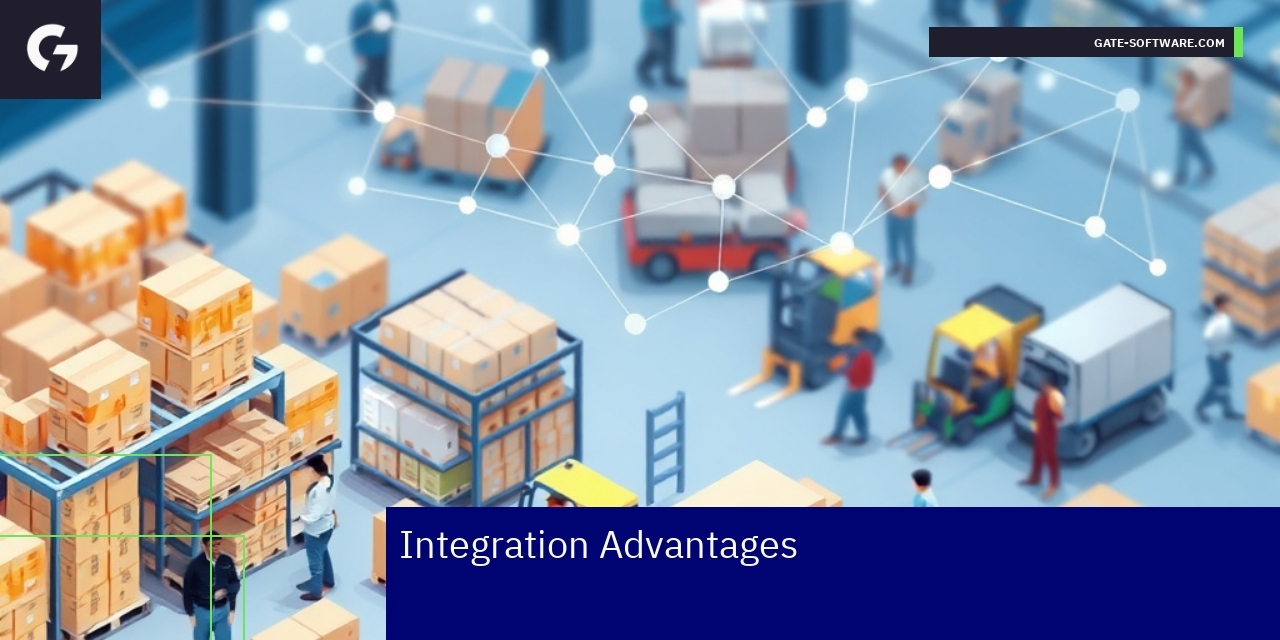
ERP integration secures data consistency and automates workflows, critical to addressing Challenge 5. In the B2B context, integrating ERP systems with e-commerce platforms like Magento ensures seamless synchronization of inventory, orders, and customer data across all touchpoints. This reduces manual errors, accelerates order processing, and enhances real-time visibility into business operations. Automation of workflows enabled by ERP integration allows for efficient handling of complex B2B transactions, meeting specific requirements such as multi-level approvals and custom pricing models.
Data consistency is paramount for maintaining accurate records and compliance in B2B environments, where decision-making depends on reliable information. ERP integration supports this by providing a single source of truth that minimizes discrepancies between systems. Consequently, companies can optimize supply chain management, improve customer satisfaction through faster response times, and reduce operational costs with streamlined processes.
Moreover, Gate-Software’s approach focuses on aligning ERP integration with strategic business goals, incorporating UX/UI and WCAG standards to ensure the solutions are accessible and user-friendly for all stakeholders, including key personas like eCommerce Managers and Heads of Applications. By leveraging these integrations, B2B companies achieve better scalability and flexibility, responding swiftly to market changes while maintaining high service levels and compliance. This comprehensive integration strategy is essential for realizing the full potential of digital transformation in B2B commerce.
Common Integration Errors
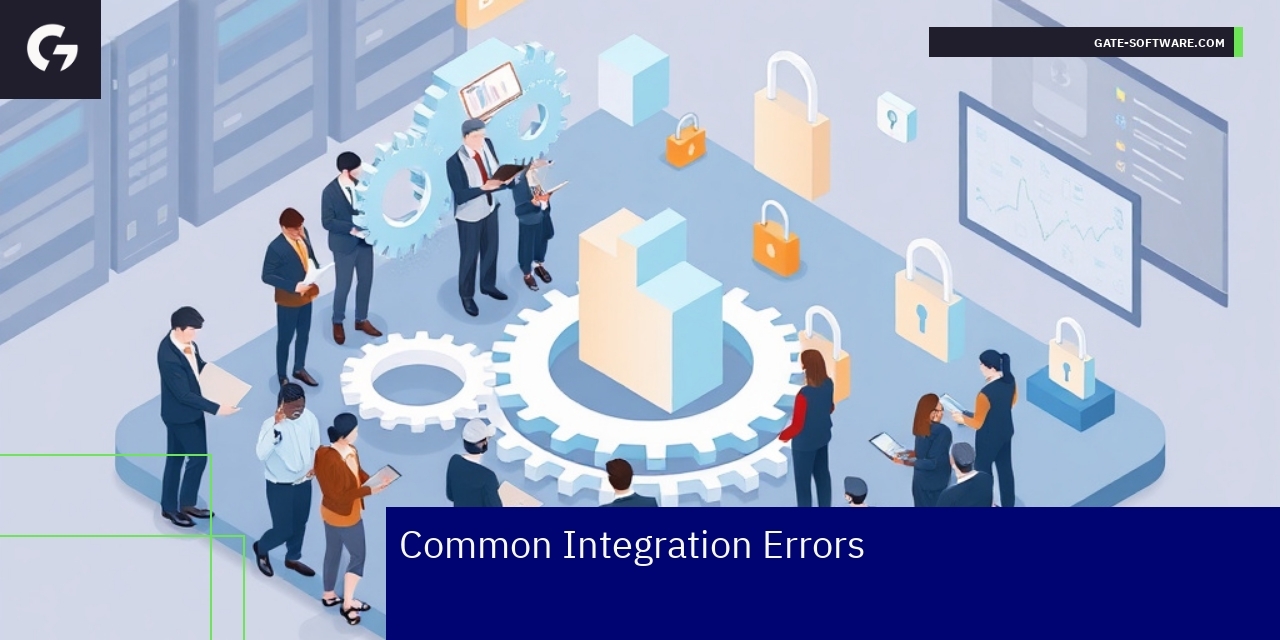
Awareness of common pitfalls helps avoid downtime and enhances platform security. In B2B Magento 2 implementations, integration errors often stem from mismatched data structures between systems, improper API configurations, and insufficient testing of transactional processes. One frequent issue is the failure to correctly sync product information and pricing tiers unique to B2B clients, which can lead to order processing errors and frustrated customers.
Security vulnerabilities also arise when integration points do not comply with WCAG 1.1 standards or when authentication tokens are improperly managed, potentially exposing sensitive client data. Additionally, lack of comprehensive logging and monitoring can delay the detection of faults, increasing downtime risks during critical sales periods.
Ensuring seamless integration requires a well-defined strategy that includes rigorous validation of data flows, alignment with UX/UI guidelines, and adherence to the Gate-Software SLA model to guarantee performance and availability. Employing robust error-handling routines and continuous monitoring helps mitigate risks and maintain operational continuity, essential for B2B platforms where reliability and trust are paramount.

Steps for Successful Implementation
Successfully implementing a robust B2B Magento E-Commerce platform requires a clear, structured approach that addresses the unique challenges of B2B digital commerce. Start with a thorough analysis of business requirements to ensure alignment with B2B buyer personas such as eCommerce Manager, Architect, and CTO. This step is crucial to tailor functionalities like complex pricing rules, customer-specific catalogs, and custom workflows that accommodate diverse procurement processes.
Next, focus on technical design and architecture to support scalability and high availability demanded by B2B operations. Choosing MagentoOneS™ with dedicated hosting, monitoring, and SLA agreements ensures system reliability and performance optimization. Additionally, consider WCAG 1.1 compliance and UX/UI audits to uphold accessibility, enhancing user experience for all stakeholders.
During development and migration phases, adopt an agile approach that facilitates iterative testing and integration of features such as advanced search capabilities, seamless payment and invoicing systems, and role-based access control. Collaboration between Head of Applications and eCommerce Manager roles supports continuous quality assurance, cost optimization, and risk management.
Finally, maintain ongoing platform improvement through performance monitoring, social media and content strategy updates aligned with gate-software’s brand voice, and feedback loops. This proactive stance ensures that the Magento B2B platform evolves with market demands while delivering superior value to clients.
This comprehensive approach addresses technical and business challenges effectively, enabling Gate-Software to deliver strong, scalable B2B eCommerce solutions optimized for long-term success.
Common Implementation Mistakes
Highlighting typical errors helps teams avoid rework and improve project outcomes.
Magento 2 Migration
In B2B Magento 2 migrations, common implementation mistakes often stem from underestimating the complexity of data transfer and integration with existing business systems. Many projects face challenges integrating Magento 2 seamlessly with ERP and CRM platforms, leading to operational disruptions. Insufficient attention to preserving SEO value during migration can negatively impact online visibility, so maintaining keywords such as „Magento 2 migrations” and „Magento 2 migration koszt” throughout the process is crucial.
Another frequent error involves inadequate testing phases, particularly around business-critical customizations and checkout processes tailored to B2B workflows. This oversight can lead to unexpected downtime or functionality gaps post-launch, affecting customer experience and transactional reliability. Furthermore, teams sometimes neglect performance optimization, resulting in slower site speeds that frustrate users and increase bounce rates.
Effective project governance is essential. Without clear ownership from roles like the CTO or eCommerce Manager, communication breakdowns may occur between developers and business stakeholders, causing scope creep or misaligned priorities. Teams must also stay compliant with WCAG 1.1 standards, ensuring accessibility for all users.
Finally, many implementations overlook post-migration support, failing to set up proper monitoring and SLA frameworks for rapid incident response. This gap can delay issue resolution, impacting client satisfaction and service continuity.
By addressing these common pitfalls and incorporating Gate-Software’s strategic frameworks, B2B companies can execute Magento 2 migrations that are reliable, efficient, and aligned with business objectives.

How to Prepare for Migration?
Proper preparation for a Magento E-Commerce migration in the B2B context entails meticulous planning across technical and business domains to ensure smooth transitions and minimize risks associated with Magento E-Commerce development challenges. A comprehensive approach begins with a detailed analysis of current platform functions and necessary enhancements tailored for B2B requirements. Understanding the importance of UX/UI standards and WCAG compliance is critical, ensuring the new platform is accessible and user-friendly for diverse business clients.
Technically, planning the architecture to integrate seamlessly with ERP, CRM, and payment systems is vital to support complex B2B processes. Data migration processes should be designed for accuracy and integrity, covering product catalogs, customer data, orders, and transaction histories to avoid disruptions. Equally important is the preparation for ongoing platform maintenance, supported by clear SLA agreements that define service expectations and responsibilities post-migration.
From a business perspective, cost optimization must be carefully evaluated, balancing migration expenses against long-term operational efficiencies. Effective communication strategies are essential to manage stakeholder expectations and facilitate change management within the organization, including staff training on new tools and workflows.
Challenges such as migration complexity, continuous service availability, and compliance with legal regulations should be proactively addressed through methodical testing and phased rollouts. Leveraging Gate-Software’s expertise in migrations ensures adherence to best practices, including prototyping, user testing of UX/UI, and structured migration phases that reduce potential downtime and technical issues.
In conclusion, systematically addressing both technical and business challenges while embedding SEO phrases such as Magento E-Commerce, UX/UI, WCAG, SLA, migracje, koszt optymalizacji, procesy migracji, and utrzymanie platform Magento throughout the migration project will lead to a resilient, high-performing B2B Magento platform aligned with enterprise needs.
Best Migration Practices
Successful migration in a B2B environment requires meticulous planning and execution to maintain data integrity and ensure seamless post-migration performance. The process begins with a comprehensive audit of existing MagentoOneS™ setups, including detailed assessments of hosting, monitoring, and security protocols aligned with SLA agreements. For B2B platforms, it is crucial to respect the complexity of customer hierarchies, pricing structures, and integration points with ERP and CRM systems.
A key best practice is to engage cross-functional teams early on, including Architects, eCommerce Managers, and Heads of Applications, to identify potential migration risks and outline a technical roadmap that aligns with strategic business goals. Prioritizing WCAG 1.1 standards during data migration ensures that the resulting platform remains accessible and compliant, which directly supports enhanced UX/UI audits outcomes.
Attention to migration-specific challenges like data synchronization, custom module compatibility, and API continuity reduces downtime and avoids data loss. Implementing phased testing and validation stages, including automated and manual testing, can address performance bottlenecks and functional regressions before full deployment. Moreover, clear documentation and communication channels must be maintained between CIO/CTO leadership and operational teams to foster transparency and rapid issue resolution.
Leveraging Gate-Software’s migration expertise enables B2B organizations to execute transitions that respect the nuances of enterprise-scale commerce environments and deliver scalable, future-proof Magento implementations. Following best practices preserves data integrity and enhances post-migration performance by balancing technical rigor with business continuity imperatives.

Frequently Asked Questions
B2B Magento E-Commerce development presents unique challenges that require tailored approaches to optimize performance, user experience, and integration capabilities. One of the predominant issues is managing complex product catalogs that often include custom pricing structures, tiered discounts, and varied product configurations. This complexity necessitates a flexible platform supporting dynamic pricing and customer-specific catalogs to meet the demands of diverse B2B clients efficiently.
Another critical challenge is the integration of Magento with existing ERP, CRM, and inventory management systems. Seamless data exchange and real-time synchronization are vital for maintaining order accuracy, stock levels, and customer information, which directly impact operational efficiency and customer satisfaction. Effective middleware solutions and well-designed APIs are essential components in achieving smooth integration.
Additionally, B2B platforms must address stringent security requirements and compliance standards to protect sensitive business data and transactions. Implementing robust authentication mechanisms, role-based access controls, and adherence to standards like WCAG for accessibility are crucial for trust and regulatory compliance.
Performance optimization is also paramount, as B2B buyers expect fast, reliable site responsiveness despite handling large-scale data and concurrent users. Techniques such as scalable hosting environments, optimized database queries, and content delivery networks play significant roles here.
Lastly, ensuring an intuitive and efficient UX/UI tailored to B2B user personas helps increase conversion rates and client retention. Incorporating features like bulk ordering, quick reordering, and comprehensive self-service portals can significantly enhance the purchasing experience.
Addressing these challenges through Gate-Software’s expert methodologies ensures a robust Magento E-Commerce solution that aligns with business goals, delivering scalable, secure, and user-centric platforms tailored for B2B success.

Typical Problems
In B2B projects, numerous complex challenges often arise that can impact the success of digital platforms and e-commerce initiatives. One typical problem is the integration of legacy systems with modern platforms such as Magento. This integration requires careful alignment with IT infrastructure and data flows, ensuring seamless communication between various components to avoid disruptions. Additionally, managing user experience (UX) while complying with WCAG 1.1 standards often presents difficulties. Companies aim to create accessible interfaces for a wide range of business users, balancing usability and compliance without sacrificing functionality.
Another significant challenge is optimizing platform performance under fluctuating demand, which is crucial for maintaining SLA commitments and ensuring system reliability. Cost optimization also plays a key role, particularly when hosting and monitoring solutions must scale adaptively to business needs without overspending. B2B projects frequently involve complex user roles and permissions management, requiring detailed configuration and robust security policies.
The strategic alignment between IT, eCommerce managers, and C-level executives such as CTOs or CIOs is essential to address these issues effectively. Decisions made at each level influence project scope, technical approach, and operational priorities. Gate-Software’s experience with project takeovers and cooperation models supports organizations in overcoming these typical obstacles by applying tailored solutions and expert consulting aligned with business objectives.
B2B Project Management Challenges
Managing B2B projects within the Magento E-Commerce environment involves multiple complex challenges that demand a precise and strategic approach from project managers, CTOs, and Heads of Applications. One key difficulty lies in aligning technical implementation with business goals, particularly when integrating diverse systems and ensuring that the platform supports intricate B2B processes such as multi-tier pricing and customer-specific catalogs. Ensuring compliance with WCAG standards while maintaining a seamless UX/UI experience requires balancing rigorous accessibility requirements without compromising the operational flow for business users.
Another critical challenge is orchestrating cross-functional collaboration between architecture teams, eCommerce managers, and CDOs, which is essential for managing scope, timelines, and technical debts effectively. The evolving nature of e-commerce strategies and high expectations for platform availability necessitate robust SLA agreements and continuous monitoring, along with proactive maintenance and migration plans. Additionally, cost optimization without sacrificing performance or innovation remains a persistent concern.
Practical Gate-Software solutions focus on tailored cooperation models and project takeovers designed to minimize disruption and accelerate delivery. Leveraging data-driven decision-making frameworks and precise brand voice strategies ensures that development aligns with core company values and communication strategies. Overall, success in B2B project management hinges on combining strategic oversight with deep technical expertise in MagentoOneS™, hosting environments, and stringent UX/UI audits to address these multifaceted challenges effectively.

How to Overcome Project Difficulties?
Strategic planning and stakeholder engagement are fundamental to overcoming the most significant challenges in B2B ecommerce projects. Effective collaboration among decision-makers such as CTOs, Heads of Applications, and eCommerce Managers ensures alignment on project goals and requirements, minimizing scope creep and unexpected delays.
One of the primary difficulties in B2B projects is managing complex integrations with legacy systems and ensuring seamless data flow across platforms. A robust architecture design led by experienced Architects and adherence to Magento 2’s capabilities can address these challenges. This includes leveraging Gate-Software’s expertise in migrations, SLA compliance, and hosting optimizations to reduce downtime and enhance performance.
Another critical area is UX/UI and WCAG standard compliance, which plays a vital role in user satisfaction and regulatory adherence. Audits and continuous improvements based on precise UX/UI guidelines help maintain accessibility and improve conversion rates, aligning with strategic objectives.
Cost optimization remains a recurring concern; detailed planning combined with cost-efficient solutions from project takeovers and monitoring services ensures budgets are respected without compromising quality. Communication strategies relying on clear, consistent messaging within teams and with clients foster transparency and prompt issue resolution.
By focusing on these aspects, B2B eCommerce projects can not only navigate through difficulties but also unlock the full potential of Magento 2 platforms, driving sustained business growth. Integrating terms like platform Magento, migracje Magento, and optymalizacja kosztów in implementation guarantees that key challenges are addressed with targeted expertise and strategic oversight.
Data and Performance Metrics – Efficiency, SLA, TCO
Operational Effectiveness in B2B Projects
In the realm of B2B eCommerce, quantifying the effectiveness of the Magento solutions provided by Gate-Software is essential for informed decision-making. Here are several key metrics that encapsulate the performance and operational efficiency of Gate-Software’s B2B services:
1. Project Takeover Time: The average time taken to seamlessly transition a B2B project under Gate-Software’s management is approximately 4 weeks, allowing clients to swiftly regain full operational control.
2. On-Time Project Delivery: Gate-Software has consistently achieved a 95% rate of projects delivered on time, reinforcing client trust and satisfaction.
3. Average Total Cost of Ownership (TCO) Reduction: Clients report an average 20% reduction in TCO post-implementation of Magento 2, attributed to enhanced efficiencies and streamlined processes facilitated by Gate-Software’s solutions.
4. Implementations Across Sectors: Gate-Software has successfully executed over 150 B2B Magento implementations, showcasing its extensive experience and expertise in the field.
5. Uptime SLA Commitment: Gate-Software ensures a 99.9% uptime SLA for hosted solutions, resulting in minimal disruption to client operations and enhanced reliability for end users.
6. Average Client Relationship Duration: Gate-Software maintains an impressive average client relationship span of 5 years, indicative of its commitment to ongoing support and partnership.
7. Order Processing Time Improvement: Through optimized processes and tech integrations, clients experience an average of 30% faster order processing times, leading to improved customer service and satisfaction.
These data points underscore the expertise and effectiveness of Gate-Software in delivering robust B2B eCommerce solutions, enabling businesses to thrive in increasingly competitive markets. By focusing on these measurable outcomes, decision-makers can trust in the strategic advantage that Gate-Software’s services provide.
Summary
In today’s competitive B2B landscape, having an effective e-commerce platform like Magento 2 is crucial for businesses aiming to streamline their operations and enhance customer engagement. Gate-Software’s expertise in implementing Magento 2 in B2B environments uniquely positions you to overcome the inherent complexities of this platform. By leveraging tailored solutions to address challenges like intricate pricing structures, extensive product catalogs, and the need for robust ERP integration, your business can realize significant operational efficiencies and improve buyer experiences. The integration of advanced features, combined with a strategic focus on scalability and compliance with accessibility standards, ensures your platform remains agile and responsive to evolving market demands.
Partnering with Gate-Software means more than just implementing a transactional website; it means enhancing your entire digital commerce strategy through dedicated support services, continuous optimization, and a commitment to achieving measurable business outcomes. We invite you to explore how our tailored solutions can empower your B2B journey and drive sustainable growth. Let’s connect and discuss how we can help you maximize your e-commerce potential.

FAQ
What are the key features of Magento 2 for B2B e-commerce?
Magento 2 offers advanced capabilities tailored for B2B operations, including custom pricing models, customer segmentation, and company account management tools. Its support for complex workflows such as quote management and requisition lists helps streamline procurement processes, making it a powerful solution for businesses looking to enhance their B2B sales channels.
How can B2B companies overcome common Magento 2 implementation challenges?
B2B companies can address implementation challenges by focusing on detailed project planning, engaging cross-functional teams to align on business goals, and leveraging expert insights for robust integrations. Ensuring compliance with accessibility standards and adopting strategic personalization in user experience can further enhance outcomes.
Why is ERP integration important in B2B Magento solutions?
ERP integration is crucial for creating a unified data ecosystem, allowing for seamless synchronization of inventory, orders, and customer data. This improves operational efficiency, minimizes manual errors, and enhances real-time data visibility, thereby supporting better decision-making and customer satisfaction.
How does loading speed affect B2B e-commerce conversions?
Loading speed significantly impacts user engagement and conversion rates in B2B e-commerce. Faster loading times reduce cart abandonment and facilitate efficient buyer journeys, crucial for maintaining satisfaction among decision-makers who rely on quick access to product information.
What are some common mistakes made in Magento 2 B2B implementations?
Common mistakes in Magento 2 B2B implementations include underestimating the complexities of data integration, neglecting security measures, and failing to conduct thorough testing prior to launch. These errors can lead to operational disruptions, security vulnerabilities, and a poor user experience, all of which are detrimental to business success.
.
.
Zamów bezpłatną konsultację
.
Z nami rozwój Twojego biznesu nabierze tempa! Zapraszamy do kontaktu średnie i duże firmy generujące min. 7 mln PLN obrotu rocznie – tam nasza ekspertyza sprawdza się najlepiej.
.
Kliknij w poniższy przycisk i skontaktuj się z jednym z naszych konsultantów e-commerce
.