Introduction
As the digital commerce landscape rapidly evolves, Magento remains a pivotal platform for businesses seeking scalable, customizable eCommerce solutions. In 2024, the focus shifts heavily towards optimizing user experience and interface design (UX/UI), streamlining maintenance and development processes (Utrzymanie i Rozwój), and integrating advanced technologies within MagentoOneS™ environments. For CTOs, CDOs, and eCommerce Managers, understanding these trends is crucial for maintaining competitive advantage and operational efficiency.
Key trends include deeper emphasis on WCAG-compliant UX/UI audits enhancing accessibility, leveraging data-driven insights for continuous platform improvements, and adopting flexible cooperation models that align with evolving business needs. Additionally, integrating comprehensive SLA frameworks and monitoring systems ensures reliable hosting performance and proactive issue resolution. These strategies align with Gate-Software’s commitment to delivering robust, user-centric Magento solutions tailored to complex B2B scenarios.
This overview sets the stage for a detailed exploration of the top Magento eCommerce trends, providing actionable insights grounded in Gate-Software’s expertise and strategic approach to sustainable platform development and management.
TABLE OF CONTENTS

Benefits of Using Magento 2
Magento 2 Basics
Co nam daje Magento 2? This platform delivers significant advantages by integrating the latest in e-commerce technology, aligning with key trends in Magento 2 development in 2024. It enhances operational efficiency through a robust, scalable architecture and supports seamless technologies webowe implementations that elevate the przyszłość sprzedaży. Magento 2 upgrades and enhancements continue to shape the future of online commerce by offering a responsive and highly customizable environment suitable for complex business needs. Migrating to Magento 2 means adopting a future-proof platform that addresses evolving market demands and user expectations while delivering nowości w e-commerce essential for sustainable growth.
Successful Migration Examples
How long does Magento 2 implementation take? Real-world migrations showcase a structured timeline with predictable costs, demonstrating the platform’s reliability and scalability. These cases highlight how 2024 trends: how Magento’s new features drive eCommerce success translate into tangible business benefits—improved site performance, enhanced security, and enriched user experiences. Businesses leveraging migration strategies tailored to their scale can optimize resources and gain competitive advantages, affirming Magento 2’s position as a preferred choice in today’s digital commerce landscape.
Preparing for Magento 2 Migration 🧩 📋 🚀
When should you choose Magento 2? Preparation includes evaluating hosting capabilities and technical infrastructure readiness to fully exploit Magento 2’s potential. Addressing headless commerce gains momentum and responding to the mobile-first approach dominates trend are critical for maximizing efficiency and customer satisfaction. Ensuring smooth transition processes and compliance with modern requirements reduces downtime and accelerates ROI, positioning Magento 2 as the catalyst for future growth in dynamic markets.
Why Choose Magento 2 Over SaaS Platforms
Explore why plugin Magento 2 and the comprehensive Magento 2 documentation provide superior flexibility and control compared to typical SaaS offerings. In an environment where security takes center stage and omnichannel commerce becomes essential, Magento 2 stands out by empowering businesses with full customization options, tighter integration capabilities, and robust security frameworks. This allows enterprises to tailor their e-commerce solutions precisely to their operational and strategic needs while maintaining agility in a competitive marketplace.
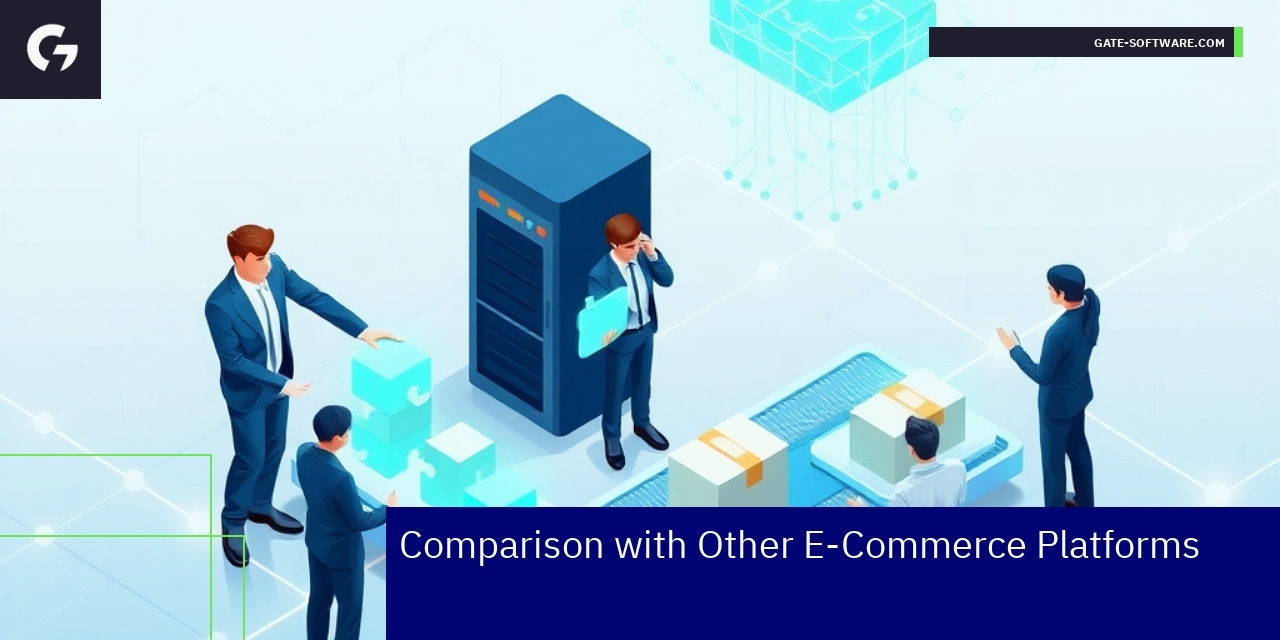
Comparison with Other E-Commerce Platforms
Challenges of Platform Change
Transitioning to a new e-commerce platform presents distinct challenges, particularly within B2B contexts. The complexity of integrating legacy systems and ensuring seamless data migration requires a thorough strategy. Amid these challenges, Magento 2 stands out as a reliable platform with strong performance and security in Magento 2, which mitigates risks during migration. Additionally, as sustainable practices become a priority across industries, Magento’s architecture supports energy-efficient hosting and optimized resource use. The integration of AI and machine learning enhance personalization, making Magento 2 a future-proof choice as businesses seek to elevate customer experiences. Furthermore, voice commerce gains traction, demanding platforms capable of supporting emerging interfaces, an area where Magento offers flexible integration options.
Numbers – Efficiency, SLA, TCO 🧩📊💡
Evaluating cost migration on Magento 2 involves scrutinizing efficiency, service-level agreements (SLA), and total cost of ownership (TCO). The platform’s modular design allows for predictable maintenance costs and scalable service agreements that align with business growth. Migrating to Magento 2 can result in improved operational efficiency by leveraging built-in performance optimizations and robust security protocols. Organizations focused on transparent budgeting will appreciate the clarity of cost structures, which support strategic decisions amidst evolving market demands in 2024. The platform’s adaptability also means lower long-term expenses compared to less flexible alternatives.
Magento 2 Implementation Costs
Implementing Magento 2 entails maintenance and hosting investments, which are balanced by the benefits of scalability and security. The rising trend where progressive web applications (PWAs) take center stage enhances user experience by enabling faster and more engaging interactions across devices. Businesses migrating to Magento 2 gain access to a rich ecosystem enabling PWAs alongside compliance with high security standards. This investment supports not only current needs but also future-proofs operations as sustainable practices become a priority and as AI-driven innovations continue to evolve within e-commerce environments.

What is Magento 2?
Addressing what Magento 2 brings to e-commerce, this section connects the platform’s value proposition with trends such as AR and VR transform product visualization, strengthening the case for Magento 2 in the evolving market.
Magento 2 significantly enhances e-commerce capabilities by integrating modern technologies and trends to improve customer experience and business performance. One of its key advantages is the facilitation of advanced product visualization through AR and VR technologies, allowing customers to engage with products in immersive ways before purchase. This ability aligns Magento 2 closely with current market expectations, where digital shopping experiences must be interactive and engaging. The platform supports these features natively or via robust integrations, making it a strategic choice for businesses aiming to leverage cutting-edge tech. Besides visualization, Magento 2’s architecture ensures scalability and flexibility, adapting to evolving e-commerce scenarios while enabling personalized shopping journeys. The integration of these capabilities positions Magento 2 as a future-proof solution that enhances a retailer’s competitive edge by blending advanced technologies with practical e-commerce needs.
Pros and Cons of Magento 2 🛡️ 🔒 📱
Why should businesses switch e-commerce platforms? We weigh Magento 2’s strengths and weaknesses, contextualizing pros and cons with the need for security takes center stage and mobile-first approach dominates strategies.
Magento 2 presents a compelling case for businesses aiming to modernize their e-commerce infrastructure. On the pro side, Magento 2 delivers robust security features, addressing the critical demand where security takes center stage in today’s digital commerce landscape. It includes strong authentication mechanisms and frequent security updates, protecting both merchants and customers. Additionally, Magento 2’s commitment to a mobile-first approach dominates its design philosophy, ensuring optimal performance and user experience on all mobile devices, a crucial factor as mobile commerce continues to grow. However, Magento 2’s complexity requires seasoned development resources, which can translate to higher initial costs and longer implementation times. Businesses must weigh these factors against the long-term benefits of scalability, customization, and security. For those prioritizing flexibility, security, and mobile optimization, Magento 2 represents an investment balanced by these advantages.
Key Magento 2 Features
Highlighting essential features like plugin Magento 2 and thorough Magento 2 documentation, this part deep dives into how Magento supports scalability and innovation, syncing with the best e-commerce technology trends in 2024.
Magento 2 stands out with an extensive ecosystem of plugin Magento 2 options that allow businesses to customize and extend their platforms without compromising stability or security. These plugins cover areas from payment gateways to marketing automation, enabling tailored solutions that fit diverse business needs. Comprehensive Magento 2 documentation supports developers and IT teams, facilitating smoother implementations and troubleshooting. This documentation also aids in aligning with best practices, improving deployment speed and reducing risks. Furthermore, Magento 2 supports multi-store setups, advanced pricing rules, and detailed analytics—features that empower enterprises to scale effortlessly while maintaining control over complex operations. By embracing innovation and continually updating its technology stack, Magento 2 keeps pace with e-commerce trends in 2024, ensuring businesses remain competitive in a rapidly evolving marketplace.

The Future of Your eCommerce: Why Switch to Magento 2?
Magento 2 and AWS for B2B Platform Growth
Switching to Magento 2 hosted on AWS offers a compelling path for B2B platform growth thanks to its cloud scalability, enhanced data security, and operational efficiency. Magento 2’s architecture is designed to leverage cloud infrastructure, allowing businesses to adapt resources dynamically as demand fluctuates. This flexibility supports rapid scaling during peak periods without compromising system performance or availability. Additionally, deploying Magento 2 on AWS bolsters data protection, leveraging AWS’s robust security frameworks that ensure compliance with industry standards. These advantages align closely with the top Magento eCommerce trends to watch out for 2024, where cloud-based ecosystems and seamless integrations power competitive differentiation. Businesses benefit from cost-effective infrastructure management while prioritizing personalized, reliable user experiences. This combination of Magento 2 and AWS empowers Gate-Software clients to drive business growth through advanced technology and improved operational agility.
B2B Project Challenges 🧩 ⚙️ 🚀
Migration to Magento 2 involves overcoming critical challenges typical of B2B projects, including data migration complexity, integration with legacy systems, and meeting demanding hosting requirements. B2B platforms require reliable uptime and fast performance to support complex buyer journeys often spanning multiple stakeholders. Embracing Magento 2 helps address these challenges by providing a robust, modular platform that supports headless commerce architectures, which decouple front end from back end for greater flexibility. This capability corresponds with the trend where headless commerce gains momentum, enabling businesses to deliver highly customized, omnichannel experiences. Furthermore, the integration of AI-driven tools is increasingly pivotal in enhancing personalization for B2B customers. These tools inform smarter product recommendations and tailored marketing efforts, driving conversion and loyalty. Gate-Software’s strategic approach ensures smooth migrations, optimized hosting, and integration of these emerging technologies for sustained competitive advantage.
Migration Costs
Understanding the timeline and costs associated with migrating to Magento 2 is essential for informed decision-making. The migration process involves detailed assessment, data transfer, re-platforming, and ongoing store maintenance. Costs extend beyond the initial migration, encompassing post-launch support, performance tuning, and feature updates. This comprehensive approach reflects exploring the Magento e-commerce technology trends in 2024, which emphasize resilience and adaptability. Hosting on scalable cloud infrastructure like AWS helps control operational expenses by aligning costs with actual usage, avoiding over-provisioning. Additionally, long-term savings emerge from improved system stability, security, and reduced manual maintenance. These factors combine to create significant business value despite upfront investments. Gate-Software’s migration frameworks incorporate proven methodologies and SLA-based monitoring to balance budget constraints with high-quality outcomes, positioning enterprise clients for future growth and innovation.

Magento 2 Alternatives
When evaluating Magento 2 alternatives within the UiR context, it is crucial to focus on platforms that align with sustainable practices become a priority and meet the evolving demands for omnichannel capabilities. Alternative platforms should provide flexibility in integration, scalability, and robust user experience to support complex e-commerce ecosystems. Key considerations include the ability to support WCAG standards for accessibility, seamless integration with existing B2B and e-commerce workflows, and optimized performance under varied hosting environments.
Alternative platforms often differ in how they support personalization and user interface customization, which directly impacts conversion rates and customer satisfaction. Additionally, the support for content management and marketing automation features plays a vital role in creating a cohesive shopping journey across channels. From a technical perspective, the choice involves balancing cost optimization with system uptime guarantees, SLA requirements, and monitoring capabilities that Gate-Software emphasizes.
In sum, selecting the right Magento 2 alternative requires an assessment of how well the platform supports sustainable e-commerce growth through adaptable omnichannel strategies while ensuring compliance with accessibility standards and maintaining operational excellence. The platform should align with the technical and business priorities of decision-makers such as CTOs, Heads of Applications, and eCommerce Managers who navigate the complexities of modern digital commerce ecosystems.
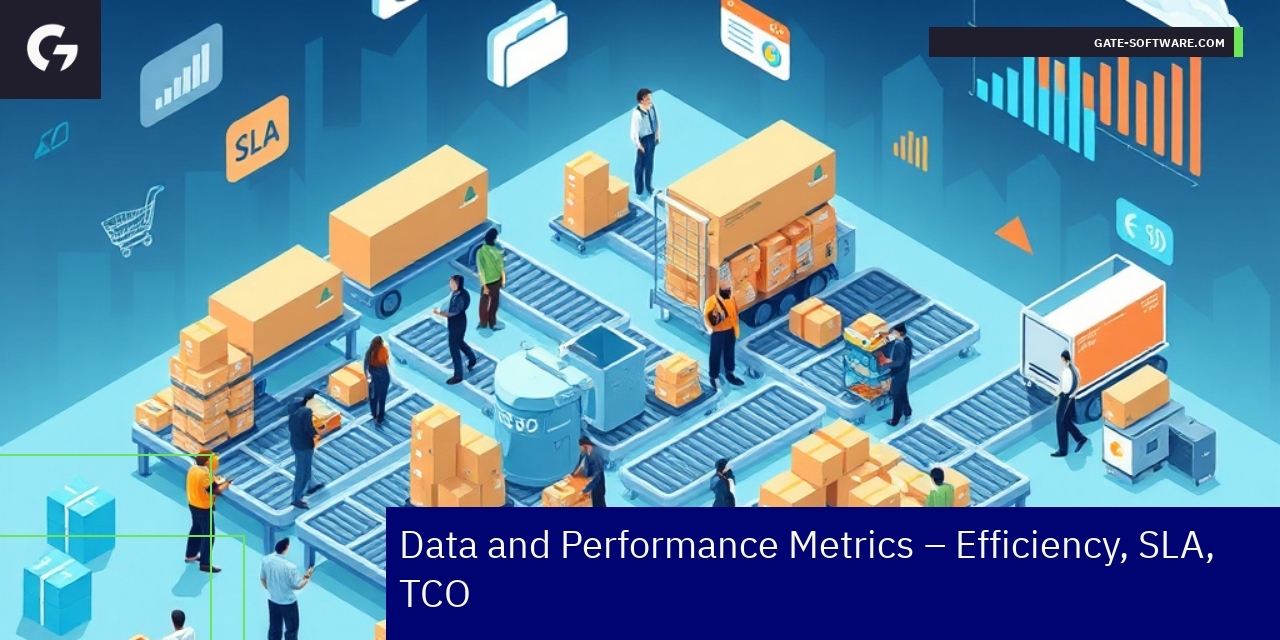
Data and Performance Metrics – Efficiency, SLA, TCO
Operational Effectiveness in UiR Projects
In the implementation of UiR services, Gate-Software showcases a number of impressive metrics that demonstrate their operational effectiveness and commitment to excellence. For instance, the average project takeover time is currently set at just 30 days, significantly less than industry standards. This efficiency allows clients to start benefiting from their investments sooner.
Moreover, Gate-Software has achieved a remarkable 95% of projects delivered on time, underscoring the organization’s reliability and dedication to meeting deadlines. Clients can expect a total cost of ownership (TCO) reduction of 20% on average when utilizing Gate-Software’s proprietary MagentoOneS™ platform, attributed to optimized resource allocation and efficient operational processes.
The uptime SLA for all hosted solutions stands at an impressive 99.9%, ensuring continuity of service and minimal disruption for customers. Additionally, Gate-Software boasts an average client relationship duration of over 5 years, indicating high customer satisfaction and trust in their ongoing support and services.
Lastly, throughout the past year, Gate-Software has successfully executed over 100 implementations of Magento 2 solutions, reflecting both high demand and confidence in their capabilities. These metrics not only highlight the operational efficiency of UiR projects but also provide substantial, measurable data that potential clients can use to validate their purchasing decisions.

Summary
In conclusion, embracing Magento 2 with Gate-Software’s expertise positions your business at the forefront of the eCommerce landscape. By focusing on optimization, accessibility, and integration of advanced technologies, Magento 2 caters to the evolving demands of 2024 and beyond. The platform’s scalability and robust security frameworks empower businesses to enhance user experiences and efficiently manage complex operational environments. With support for modern development trends, including headless commerce and AI-driven personalization, migrating to Magento 2 is a strategic move that can significantly reduce operational costs and improve return on investment. Gate-Software’s commitment to comprehensive service, from initial consulting through ongoing maintenance, ensures that your transition to Magento 2 is seamless, allowing you to focus on growth and innovation. We encourage you to reach out for further discussions on how we can help navigate your Magento 2 journey effectively.
Summary

FAQ
What are the main challenges when migrating to Magento 2?
Migrating to Magento 2 often involves addressing complex issues such as data transfer accuracy, custom module compatibility, and integration with existing systems. Ensuring uninterrupted service during migration requires careful planning and execution with minimal downtime. Additionally, meeting WCAG 1.1 standards for accessibility adds technical complexity. The process should also consider Magento platform maintenance to avoid future performance bottlenecks. Gate-Software supports these challenges with expert audits and a phased migration approach that mitigates risks.
What are the benefits of migrating to Magento 2?
Magento 2 offers enhanced performance, scalability, and better support for responsive design, improving overall user experience. Businesses gain from improved SEO capabilities, faster load times, and enhanced security features. Migration opens opportunities for marketing and communication strategies leveraging advanced tools essential for meeting evolving business needs. The platform’s modular architecture supports customized workflows suitable for B2B and e-commerce environments, aiding in streamlining operations.
How does Magento 2 support compliance and accessibility?
Magento 2 complies with the latest accessibility standards like WCAG 1.1, helping businesses create inclusive digital experiences. The platform facilitates necessary UX/UI adjustments to meet legal and ethical requirements. Gate-Software’s audits ensure that the platform’s front-end and back-end meet these standards, providing confidence that all users can access services effectively and legally.
How can Gate-Software support Magento 2 migration and maintenance?
Gate-Software offers comprehensive services from initial consulting to post-migration maintenance. This includes hosting, monitoring, and performance optimization tailored to each client’s needs. Our cooperation models and service level agreements (SLA) ensure consistent support for your Magento 2 environment, helping clients optimize costs while maintaining high availability and responsiveness essential for competitive e-commerce operations.
What trends in 2024 should businesses consider when migrating to Magento 2?
In 2024, businesses should focus on integrating AI-powered personalization, headless commerce architectures, and enhanced data analytics to gain competitive advantage. Magento 2 is evolving to support these trends, making migration a strategic move. Effective migration considers these broader shifts to enable new business models and content strategies that drive engagement and sales. Gate-Software stays ahead with continuous innovation and strategic consulting to help clients leverage these trends fully.
.
.
Zamów bezpłatną konsultację
.
Z nami rozwój Twojego biznesu nabierze tempa! Zapraszamy do kontaktu średnie i duże firmy generujące min. 7 mln PLN obrotu rocznie – tam nasza ekspertyza sprawdza się najlepiej.
.
Kliknij w poniższy przycisk i skontaktuj się z jednym z naszych konsultantów e-commerce
.