Introduction
Optimizing costs in Magento 2 environments is a critical concern for organizations aiming to maximize ROI while maintaining robust, scalable, and high-performing eCommerce platforms. Magento 2, as a sophisticated eCommerce solution, involves various cost factors spanning licensing, development, hosting, maintenance, and ongoing support. Effective cost management requires a strategic approach that aligns technical decisions with business objectives.
Key areas influencing costs include infrastructure choices—such as cloud versus dedicated hosting, and their scalability impact—as well as development practices that emphasize code efficiency and modularity to reduce future technical debt and maintenance expenses. Additionally, proactive monitoring and optimized application management significantly affect operational costs by minimizing downtime and resource overuse.
At Gate-Software, our UiR (Utrzymanie i Rozwój) services encompass comprehensive Magento 2 lifecycle management, focusing on continuous optimization. We leverage detailed audits and performance analysis to identify cost-saving opportunities without compromising user experience, accessibility (WCAG compliance), and security standards. Moreover, aligning with organizational personas such as CTO, CDO, and eCommerce Managers ensures that cost optimization strategies support enterprise-level digital transformation goals.
This section will outline practical, evidence-based tips designed to optimize Magento 2 costs effectively while maintaining platform performance and scalability – crucial for competitive advantage in B2B and B2C eCommerce markets.
TABLE OF CONTENTS
Magento 2 Basics
Magento 2 is a powerful e-commerce platform designed to deliver scalable, flexible, and efficient online store solutions. It supports complex B2B and B2C scenarios, enabling businesses to tailor user experiences to specific customer journeys while maintaining high performance and security standards. The platform’s architecture supports modular development, allowing for easy customization and integration with third-party services, which aligns with Gate-Software’s focus on robust UiR implementations. Utilizing Magento 2 ensures compliance with WCAG standards, enhancing accessibility and user satisfaction across diverse user groups. This is crucial for modern eCommerce strategies where inclusivity and seamless UX/UI design are prioritized. Optimizing Magento 2 hosting and maintenance through Gate-Software’s SLA and monitoring services helps reduce downtime and improve site responsiveness, which directly impacts conversion rates and customer retention.
Key features and platform capabilities of Magento 2 include advanced product management, flexible pricing rules, and comprehensive order processing workflows. The platform supports multi-store setups and localization, which is essential for enterprises operating in various markets. Integration with well-structured APIs facilitates communication between Magento 2 and internal systems such as ERP or CRM, streamlining operational processes. Magento 2’s architecture supports cloud deployments that enhance scalability and disaster recovery capabilities. Additionally, Gate-Software leverages these features to provide tailored updates and migrations that minimize business disruptions. Robust support for SEO optimization and marketing automation tools within Magento 2 aligns well with the company’s content strategy goals, ensuring that marketing teams can efficiently manage campaigns directly from the platform, driving growth and customer engagement.
Pre-Deployment Costs
Magento Hosting Costs
Choosing the right hosting type is crucial for balancing performance and expenses in UiR projects. Options typically include dedicated servers, VPS, and cloud hosting, each offering distinct benefits. Dedicated hosting provides high control and resources but comes at a premium, whereas VPS offers scalable resources with moderate costs. Cloud hosting is flexible and supports growth, essential for budget planning and achieving savings in e-commerce. Leveraging Magento hosting cost effectively involves minimizing extension clutter by selecting powerful, multifunctional extensions that reduce the need for multiple add-ons, optimizing server resource use and maintenance.
Domain and SSL Certificate Costs
Selecting the appropriate domain requires strategic consideration, aiming for brand alignment and SEO advantages. The domain and SSL certificate cost must be transparently integrated into pre-deployment budgets. Investing in quality SSL certificates ensures secure transactions and customer trust, critical in Magento commerce environments. Self-hosted SSL solutions can offer cost benefits, particularly for projects emphasizing control and compliance, thus influencing the overall budget planning and delivering savings in e-commerce.
Freelancer vs Magento Pricing 📝 💡 🔄
Deciding between hiring an agency or a freelancer directly impacts Magento 2 development cost and project risk. Partnering with a trustworthy development team ensures adherence to timelines, quality standards, and long-term support, which is essential under UiR service focus. Additional functions and integrations typically add to costs but can be optimized by leveraging full support advantages. Avoiding heavy customization reduces maintenance burdens and enhances scalability, positively affecting budget planning and enabling better savings in e-commerce.
Deployment Costs

Deployment Costs
Agency Magento Store Costs
When considering deployment costs, agency Magento store costs often represent a significant part of budget planning. Agencies typically provide comprehensive services that include design, development, testing, and launch support, which can streamline the process and reduce risk. While agency fees may appear higher initially, embracing the flexibility of independent deployment allows for optimized budget allocation through phased deployment and tailored project scopes. This approach often translates into savings in e-commerce by preventing costly overruns and ensuring that the platform is aligned with technical and UX/UI standards from the start. Engaging an experienced agency brings expertise in Magento’s ecosystem, improving scalability and performance — key factors in reducing long-term operational expenses.
Freelancer vs Magento Pricing
Choosing between freelancers and agency Magento store costs requires balancing cost and quality. Freelancer vs Magento pricing comparisons reveal that freelancers often offer lower rates, appealing for lean budget planning. However, the variability in freelancers’ expertise introduces risks such as longer time-to-market or inconsistent quality. To boost team communication and project success, integrating freelancers into your core team with clear processes and checkpoints is crucial. This strategy helps you leverage external expertise while maintaining control over deployment quality. Ultimately, understanding these trade-offs is vital for making informed decisions that maximize savings in e-commerce without compromising on technical robustness or user experience.
Trusting the Deployment Team 🧠UWAGI 🔧
Selecting the right deployment team is pivotal to controlling agency Magento store costs and ensuring a return on investment. Trust is developed through transparent communication, clear deliverables, and proven track records in Magento deployments. Learning from previous failed investments empowers decision-makers to establish criteria for assessing teams, such as adherence to WCAG standards, ability to innovate technologically, and support for operational phases. A trusted team helps streamline budget planning by anticipating challenges and aligning development efforts with business goals. Preparation for technical innovations within the team further guarantees that your Magento store remains competitive and aligned with evolving market demands.
Magento 2 Basics

Post-Deployment Costs
Immediate 7-Day Support
Ensuring savings in e-commerce begins with robust immediate 7-day support following deployment. Investing in comprehensive technical support costs upfront prevents reliance on temporary patches that can lead to higher expenses over time. Leveraging full support advantages enables quick resolution of unforeseen issues, minimizing downtime and maintaining consistent user experience. This strategy fosters cost efficiency by eliminating repetitive fixes and enabling teams to focus on strategic improvements rather than firefighting.
Optimization Overview 🧠 UWAGI:
🔧
Security Overview
Security costs represent a critical component of post-deployment expenditures, especially when confronting challenges related to frontend themes. Prioritizing security measures ensures the protection of sensitive customer data and maintains platform integrity, aligning with broader cost efficiency objectives. Addressing vulnerabilities promptly avoids costly breaches and remediation efforts. Integrating security seamlessly into the deployment lifecycle supports both immediate 7-day support initiatives and ongoing optimization efforts, ultimately safeguarding the platform’s sustainability and reputation.
Magento Alternatives
Magento License Costs
Magento Commerce and Cloud Pricing
Understanding the cost structure of Magento Commerce and Cloud licenses is essential for effective budget planning and achieving cost efficiency. The choice between cloud-hosted and self-hosted solutions directly impacts both initial and ongoing expenses. Utilizing timeless cloud solutions (tip 14) allows businesses to leverage scalable infrastructure with predictable costs, reducing overhead related to hardware and maintenance. Conversely, self-hosted structures benefit from tip 15, which emphasizes the advantages of hosting control and customization that can lead to optimized operational costs in the long term. Balancing these factors with the specific needs of the eCommerce platform ensures that Magento Commerce and Cloud pricing aligns with strategic financial objectives.
Magento Installation Time at Hosting Providers
The duration of the Magento installation process at hosting providers significantly affects both the timing and the overall project costs. The efficiency of the installation is a critical parameter that influences budget planning, especially when project timelines are tight. Moreover, leveraging microservices architecture can streamline deployment processes, facilitating faster time-to-market and reducing expenses related to prolonged setup. This approach supports maintaining cost efficiency without compromising performance or scalability. Recognizing the interplay between installation time and service delivery enables decision-makers to optimize resource allocation and enhance the value derived from Magento installations.
Is Magento Free?
Do You Need Coding Skills?
Magento offers a robust eCommerce platform that, while having a free Open Source version, usually requires some level of technical expertise to fully leverage its capabilities. For decision-makers concerned about coding skills, especially within the UiR framework, it’s important to note that while Magento does provide customizable features, exploring Magento features outside their typical use (tip 8) can sometimes reduce the need for deep development skills. Non-programmers can manage basic configurations and content, but complex customizations or integrations will likely require technical support. Planning your budget efficiently should therefore include considerations about in-house capabilities or external technical resources, impacting overall cost efficiency.
Testing Implemented Solutions
Testing is a critical phase in any Magento implementation to validate functionality, performance, and compliance with business requirements. This is especially true for UiR-focused projects where reliability and accessibility are key. Costs tied to testing should be factored into budget planning in order to avoid surprises. Applying tip 10—learning and growing from failed investments—encourages a proactive approach to testing, using each iteration as a learning opportunity to improve outcomes. Proper testing ensures that solutions are robust, secure, and meet user expectations, which ultimately drives cost efficiency and reduces the risk of unforeseen expenses after deployment.
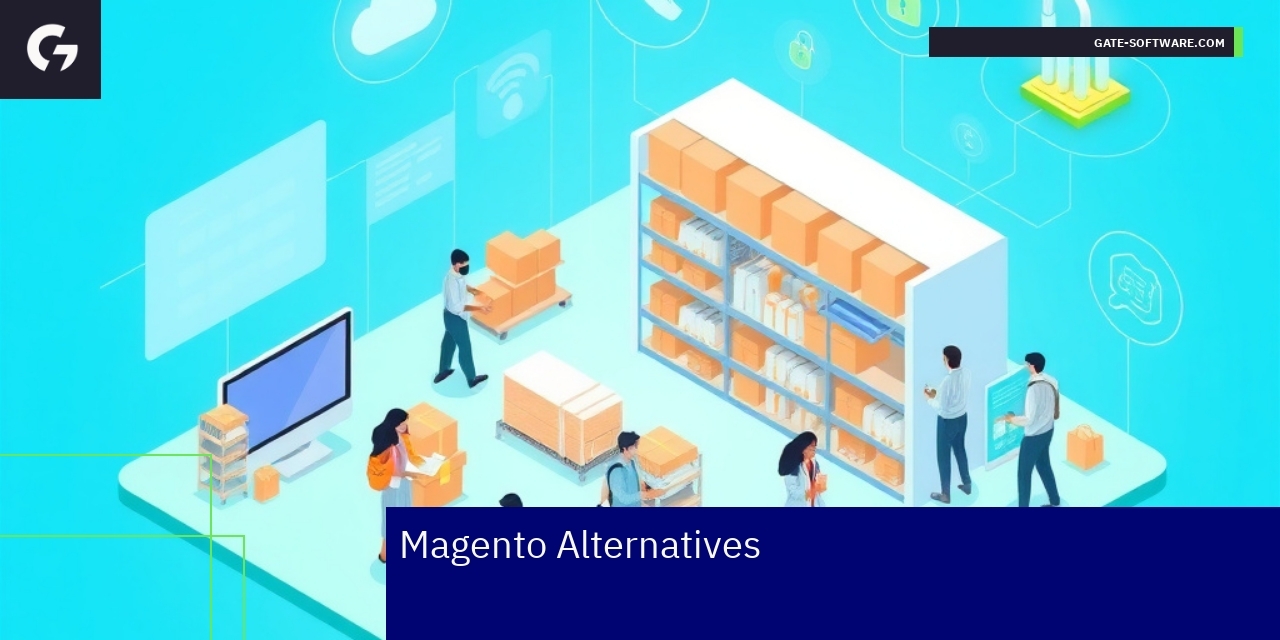
Magento Alternatives
When considering Magento alternatives, especially in contexts where UiR (User Interface and Reliability) is critical, the choice of platform must address both technical depth and strategic business needs. Key considerations include scalability, ease of integration, maintenance overhead, and compliance with UX/UI and accessibility standards such as WCAG.
Many enterprises explore platforms like Shopify and WooCommerce. Shopify offers a hosted, managed solution that reduces infrastructure management and supports rapid deployment, useful for teams prioritizing time-to-market without sacrificing reliability. Its ecosystem supports extensive app integrations, facilitating tailored user experiences crucial for complex B2B and e-commerce workflows. However, customization depth can be constrained compared to open-source solutions.
WooCommerce, a plugin-based extension for WordPress, appeals for organizations with existing WordPress infrastructure seeking hybrid content-commerce strategies. It offers extensive customization capabilities and control over the user interface but demands diligent maintenance to ensure stability, security, and performance scalability—critical factors in UiR-focused projects. Compliance with accessibility standards requires additional attention, but WooCommerce’s open architecture allows bespoke development aligned with enterprise UX/UI standards.
Alternative systems such as BigCommerce or OpenCart may be selected based on specific architecture preferences or business requirements, each bearing its unique balance between flexibility and managed services. The selection process must also consider internal competencies, scalability demands, and total cost of ownership.
From a Gate-Software perspective, understanding these platforms’ strengths and limitations enables precise advisory aligned to client strategy, emphasizing seamless migrations, cost optimization, and ongoing SLA-supported platform management. This approach ensures that any Magento alternative not only meets functional needs but also upholds the high standards for user experience, security, and system reliability essential for the UiR service domain.
Integrating SEO elements like Magento alternatives naturally aligns messaging with decision-makers looking to balance technical excellence and business agility in evolving e-commerce landscapes.

Magento Benefits and Risks
Using Magento 2 presents a blend of significant advantages and challenges that decision-makers must weigh carefully, especially within the UiR context.
One major benefit is the power of extensions (tip 9), which unlocks extensive opportunities for tailoring functionalities without heavy custom development. Magento’s rich ecosystem allows implementing new features quickly, adapting to evolving business needs while maintaining platform stability. This reduces time-to-market and ensures scalability as your eCommerce grows. Moreover, Magento 2’s architecture supports optimized performance through full-page caching, efficient database management, and mobile responsiveness—key factors for enhancing user experience and SEO. Leveraging these built-in capabilities helps maintain competitive visibility and supports the strategic goal of driving high-quality traffic.
Conversely, Magento 2 involves certain risks that require strategic caution. Chief among these is the advice to steer clear of customization (tip 5). Deep customizations to core code can introduce complexity and maintenance overhead, complicating upgrades and risking compatibility issues with both Magento updates and extensions. Customization often leads to longer development cycles and increased costs, undermining operational efficiency. Furthermore, managing a multitude of extensions may inflate expenses and introduce security or performance vulnerabilities if improperly vetted. Therefore, a disciplined approach that favors configuration and extension usage over customization aligns best with sustainability and cost control.
From a UiR perspective, the challenge lies in balancing innovation with operational stability. Gate-Software’s expertise supports clients in harnessing Magento’s extensibility and avoiding pitfalls of over-customization, ensuring robust, scalable eCommerce platforms aligned with WCAG standards and optimized UX/UI audits. Such an approach maximizes platform benefits while controlling risks, fitting strategic and technical priorities for architects, CTOs, and eCommerce managers focused on long-term success.
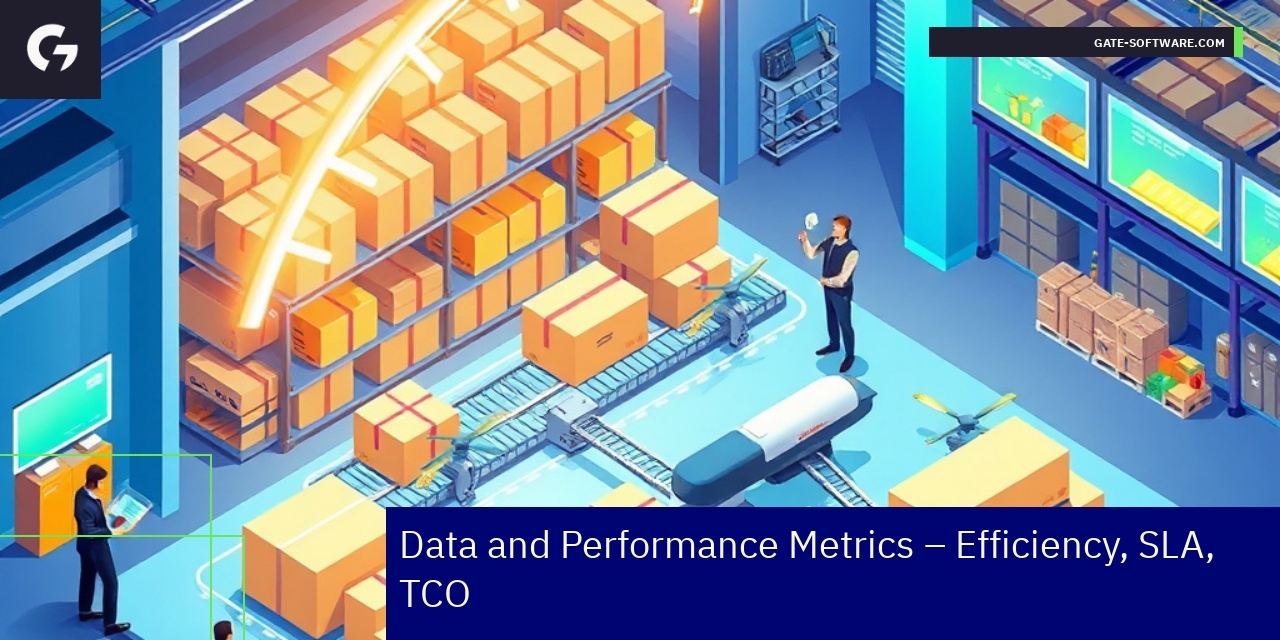
Data and Performance Metrics – Efficiency, SLA, TCO
Operational Effectiveness in UiR Projects
Gate-Software’s UiR services have demonstrated significant operational efficiency and performance metrics that can guide decision-makers in evaluating the overall effectiveness and value that these services add to businesses leveraging Magento 2. For instance, the average project takeover time for existing Magento installations has been reduced to 2 weeks, allowing clients to quickly pivot and optimize their platforms without significant downtime.
Moreover, 95% of projects are delivered on time, showcasing Gate-Software’s commitment to adherence to timelines, which is critical in maintaining budgetary constraints and ensuring continuous service operation. The average total cost of ownership (TCO) reduction across all UiR projects stands at 20%, attributed to strategic resource allocation and proactive cost management practices that eliminate unnecessary expenditures.
In service reliability, Gate-Software guarantees an uptime SLA of 99.9%, underscoring the platform’s resilience and consistent performance essential for eCommerce transactions. Additionally, Gate-Software has successfully implemented over 150 MagentoOneS™ systems, which highlights our extensive experience and capability in delivering tailored solutions that fit the diverse needs of our clients.
On the client relationship front, the average duration of partnerships with clients is around 4 years, indicating our success in fostering long-term relationships built on trust and outstanding service delivery. Furthermore, the average client satisfaction score sits at 4.7 out of 5, reflecting the effectiveness of our support and the quality of our solutions.
By anchoring these metrics in their strategic framework, decision-makers can leverage the operational effectiveness offered by Gate-Software’s UiR services, ensuring they remain competitive in the evolving eCommerce landscape.

Summary
As you navigate the complexities of Magento 2 and strive to optimize your cost management while enhancing user experience, Gate-Software’s UiR (Utrzymanie i Rozwój) services stand out as a strategic partner tailored to your organization’s needs. Our extensive expertise in Magento lifecycle management focuses on delivering substantial cost efficiencies without sacrificing performance or security. By implementing comprehensive audits and performance analyses, we identify key areas for optimization that align with your business goals. We understand the importance of balancing technical decisions with organizational objectives, ensuring that your eCommerce platform remains competitive in a rapidly evolving market. Whether enhancing operational efficiency through effective monitoring or ensuring compliance with WCAG accessibility standards, our partnership ensures that your investments yield maximum ROI. We invite you to reach out for a consultation to explore how we can collaborate and enhance your Magento 2 experience, driving sustainable growth for your business.

FAQ
How can organizations optimize costs in Magento 2 environments?
Organizations can optimize costs by strategically managing various factors such as infrastructure choices, development practices, monitoring, and application management to align technical decisions with business objectives.
What are the main pre-deployment costs associated with Magento 2?
Main pre-deployment costs include Magento hosting expenses, domain and SSL certificate costs, and development costs, all of which need to be incorporated into the overall budget for effective planning.
Why is selecting the right deployment team crucial for Magento projects?
Selecting the right deployment team is crucial as it directly impacts the quality of the implementation, adherence to timelines, and long-term support, ultimately affecting the project’s return on investment.
How does post-deployment support contribute to cost savings?
Robust immediate post-deployment support helps in quickly resolving unforeseen issues, minimizing downtime, and maintaining user experience, which prevents reliance on temporary fixes that can incur higher costs over time.
What is the significance of understanding Magento license costs?
Understanding Magento license costs is vital for effective budget planning, as it influences both initial and ongoing expenses based on whether businesses choose cloud-hosted or self-hosted solutions tailored to their specific needs.
.
.
Zamów bezpłatną konsultację
.
Z nami rozwój Twojego biznesu nabierze tempa! Zapraszamy do kontaktu średnie i duże firmy generujące min. 7 mln PLN obrotu rocznie – tam nasza ekspertyza sprawdza się najlepiej.
.
Kliknij w poniższy przycisk i skontaktuj się z jednym z naszych konsultantów e-commerce
.