Introduction
Innovative development approaches in Magento 2 are crucial for addressing the complex challenges faced by modern e-commerce platforms, especially within B2B environments and ongoing maintenance scenarios. At Gate-Software, we emphasize scalable, modular development that leverages the latest Magento 2 capabilities, ensuring both performance optimization and long-term maintainability.
Our strategies focus on aligning development with clear business objectives, guided by personas such as CTOs, CDOs, and eCommerce Managers who prioritize reliability, security, and user experience. Key elements include integrating UX/UI standards, including WCAG compliance, to enhance accessibility and customer satisfaction. Additionally, we implement rigorous monitoring and SLA frameworks to minimize downtime and provide proactive issue resolution.
Combining best practices in code quality, automated testing, and cloud-ready infrastructure, Gate-Software’s innovative approach ensures Magento 2 implementations can adapt quickly to evolving market demands, delivering sustained value in highly competitive sectors.
TABLE OF CONTENTS
- Innovative Approaches to Magento 2 Development
- The Top 10 Magento 2 Concepts You Need to Know
- Magento Headless Commerce: The Ultimate Guide 2025
- Performance Optimization: Getting the Best Out of Magento 2 Architecture
- Optimize Your Store: Magento Development Best Practices
- Is Magento Headless Commerce the Right Choice for You?
- Installation Steps
- The Challenge of Local Magento 2 Development
- System Requirements
- Extensions and Integrations
- 5 ways to drastically speed up your Magento 2 development
- Magento 2 Security
- How Much Does Headless Magento Cost?
- User and Permission Management
- Custom Pricing and Subaccounts
- Magento 2 Implementation Costs
- Low Quality Magento 2 Themes and Modules
- Successful Magento 2 Deployments
- Mistakes to Avoid
- Magento 2 vs Other E-commerce Platforms
- Magento 2 Pros and Cons
- Conclusion: Why Warden Works for Us
- Data and Performance Metrics – Efficiency, SLA, TCO
- Summary
- FAQ
- How Magento 2 Adapts to Growing Needs
- How Magento 2 Enables User Personalization
- Versions and Features
- SLA / Technical Support
- Promotion and Customer Management
- Magento 2 API
The Top 10 Magento 2 Concepts You Need to Know
Understanding the fundamental concepts of Magento 2 is essential for any CTO, Head of Applications, or eCommerce Manager focusing on UiR (User Interface and Responsiveness). Mastery of these concepts ensures effective platform management aligned with Gate-Software’s strategic approach to Magento 2, optimizing both technical performance and business outcomes.
1. Modular Architecture
Magento 2’s modular architecture allows for better code organization, scalability, and maintainability. Each module can be developed, updated, or replaced independently, giving application architects the flexibility to customize functionalities without affecting the entire system. This concept is vital for businesses needing agile solutions that evolve with their changing requirements.
2. Dependency Injection (DI)
Dependency injection simplifies code management by automatically injecting the necessary dependencies into classes, reducing hard-coded dependencies. This leads to cleaner, more testable code, which aligns with best practices in software architecture and enhances the ability to implement sophisticated e-commerce solutions.
3. Service Contracts
Service contracts define a set of PHP interfaces that provide a stable API for modules and external integrations. They promote loose coupling and ensure that business logic remains consistent despite underlying changes. For integration-heavy environments, service contracts are key to maintaining reliable connections with external systems such as ERP or PIM.
4. UI Components and Layouts
Magento 2 introduces UI Components to standardize and streamline front-end development. These XML-driven components enable dynamic, reusable, and customizable interface elements. Understanding UI Components is critical when addressing UX/UI audits and ensuring adherence to WCAG 1.1 standards, especially within the context of accessibility improvements.
5. EAV Model vs. Flat Tables
Magento 2 uses the EAV (Entity-Attribute-Value) model to provide flexibility for product attributes. While it supports complex product data structures, it can impact database performance if not optimized properly. Knowing when to use flat tables for certain data sets can enhance query efficiency, directly impacting site speed and customer experience.
6. Caching and Indexing
Effective caching and indexing strategies are fundamental for Magento 2’s performance. Magento’s built-in cache types, including full-page cache, reduce server load and response times. Proper indexing ensures that changes in product data reflect quickly in the storefront, an essential aspect of cost optimization and reliability for high-traffic e-commerce platforms.
7. Cron Jobs Management
Magento 2 relies heavily on cron jobs for scheduled tasks like reindexing, email sending, and generating reports. Proper configuration and monitoring of cron jobs are part of the SLA management to avoid delays and ensure smooth platform operations, critical for maintaining uptime and service quality.
8. Multi-Source Inventory (MSI)
MSI allows merchants to manage inventory across multiple locations seamlessly. It enhances order fulfillment flexibility and supports complex B2B distribution models by accurately reflecting stock availability. Implementing MSI aligns with current e-commerce trends where omnichannel strategies are paramount.
9. API First Approach
Magento 2’s REST and GraphQL APIs enable headless commerce implementations and seamless integration with external services. This API-first mindset fosters agility and supports scalable, extensible architectures tailored to evolving business needs, a focal point for Gate-Software’s approach to digital transformation in e-commerce.
10. Security and Compliance
Ensuring Magento 2 meets the latest security standards and compliance requirements is non-negotiable. This includes secure coding practices, timely patch management, and adherence to WCAG 1.1 for accessibility. These factors not only protect business data but also enhance trust and user satisfaction.
These core Magento 2 concepts are essential for eCommerce Managers and CTOs who aim to optimize their platform’s performance, enhance user experience, and align with Gate-Software’s values of reliability, security, and innovation. Understanding these key elements helps decision-makers address real technical challenges while supporting scalable, efficient, and compliant e-commerce solutions. Integrating these insights contributes to achieving superior outcomes within the dynamic landscape of Magento 2-driven commerce.
Magento Headless Commerce: The Ultimate Guide 2025
Exploring cutting-edge trends like Magento Headless Commerce reveals its impact on how Magento 2 caters to evolving market demands.
Platform Scalability
The adoption of Magento Headless Commerce marks a transformative shift in how businesses leverage Magento 2 to address dynamic and growing e-commerce demands. Headless commerce architecture decouples the frontend presentation layer from the backend commerce engine. This separation allows companies to tailor UX/UI experiences flexibly and integrate emerging technologies rapidly without overhauling the core system. For organizations focusing on UiR, this architecture empowers seamless compatibility with personalized workflows and compliance with established WCAG standards, ensuring accessibility while maintaining a strong brand voice.
From a scalability perspective, Magento 2’s adaptability supports increasingly complex business processes, enabling eCommerce Managers and CTOs to scale performance and functionalities in response to market expansion and traffic surges. Leveraging Gate-Software’s expertise in hosting, monitoring, and migration, Magento Headless Commerce implementations benefit from optimized infrastructure tailored to business needs without compromising responsiveness. The modularity inherent in headless setups also enhances cost optimization, as companies can invest selectively in front-end innovations or backend improvements.
Moreover, the headless model facilitates robust integration with third-party services and B2B workflows, which is crucial for enterprise-scale users and decision-makers such as CIO/CTOs and CDOs. Utilizing Magento Headless Commerce aligns with Gate-Software’s strategic priorities, combining digital marketing strategies with tech innovation to foster sustainable growth. Ultimately, the result is a scalable, efficient, and future-proof platform that supports evolving customer journeys and operational requirements in a competitive eCommerce landscape.
Performance Optimization: Getting the Best Out of Magento 2 Architecture
Scalability ties directly into Performance Optimization strategies, leveraging Magento 2 Core Architectural Principles to maintain speed and reliability.
Effective performance optimization in Magento 2 architecture is a multifaceted challenge that combines scalable infrastructure with deep understanding of the platform’s core design. Magento 2 Core Architectural Principles emphasize modularity, extensibility, and the use of service contracts which are essential for maintaining performance during peak loads and complex transactions typical in e-commerce environments. Scalability in this context means not only handling increased traffic but also optimizing backend processes, database queries, and cache management to reduce latency and improve response times.
Gate-Software solutions focus on these technical points to ensure that Magento 2 implementations remain robust and adaptive. Strategies include leveraging advanced caching mechanisms like Varnish and Redis, optimizing MySQL queries, and employing asynchronous operations to offload heavy processes. These tactics directly contribute to improving performance optimization by reducing the system’s resource consumption while enhancing throughput.
Personalizing Experiences
Personalization within Magento 2 is a key factor influencing performance and scalability. The platform supports customizable experiences through dynamic content generation and real-time user data processing. This capability is critical in performance optimization as it allows the system to deliver targeted content without compromising response times or system stability. Employing Magento’s native features like customer segments, personalization rules, and integrations with AI-driven recommendation engines ensures that personalized experiences scale without taxing the architecture.
Enterprise-level Magento 2 projects benefit from Gate-Software’s expertise in implementing tailored UX/UI strategies and WCAG 1.1 standards that align with performance optimization goals. This approach guarantees that the user experience remains consistent and engaging under varying load conditions, thus maintaining conversion rates and customer satisfaction even as the platform scales.
Optimize Your Store: Magento Development Best Practices
Implementing Optimize Your Store techniques ensures that Personalization delivers a relevant, engaging shopping journey.
Magento Open Source vs Adobe Commerce – Differences
Magento Open Source offers a flexible and scalable platform suitable for businesses seeking customizable eCommerce solutions without licensing costs. Adobe Commerce, by contrast, provides an enterprise-grade solution with advanced features such as AI-powered personalization, advanced marketing tools, and extensive customer management capabilities. For UiR service clients, understanding these distinctions is critical to selecting the appropriate platform that aligns with business goals and technical requirements.
The Service Level Agreement (SLA) and technical support differ substantially between Magento Open Source and Adobe Commerce. Magento Open Source relies largely on community support and third-party services, which demands internal technical proficiency to maintain performance and security. Adobe Commerce includes dedicated support and guaranteed uptime SLAs vital for high-traffic stores requiring robust operational continuity, a crucial aspect for sustaining optimal user interface and responsiveness (UiR) standards.
Adobe Commerce excels in promotional capabilities with built-in features for personalized offers, targeted content, and comprehensive customer profiling. This facilitates deep Personalization which enhances customer experience and conversion rates. Magento Open Source requires additional development efforts and integrations to match these capabilities, which may impact development timelines and optimization strategies for the store.
Both platforms leverage Magento 2 API, allowing seamless integration with external systems, including CRM, ERP, and marketing automation tools. Effective utilization of Magento 2 API supports UiR objectives by enabling custom workflows, real-time data synchronization, and enhanced personalization mechanisms vital to delivering a seamless and personalized shopping experience.
By carefully balancing these factors, businesses can implement Magento development best practices that focus on Personalization and Optimize Your Store goals, ensuring enhanced user engagement, increased conversion rates, and sustained eCommerce growth.
Is Magento Headless Commerce the Right Choice for You?
Choosing between Open Source and Adobe Commerce also involves considering Headless Magento solutions for flexibility and future-proofing.
Headless Magento architecture separates the frontend presentation layer from the backend eCommerce functionalities, giving businesses unprecedented flexibility in delivering personalized and engaging user experiences. For CTOs and Heads of Applications, this decoupling allows the integration of cutting-edge front-end technologies such as React or Vue.js, enabling faster iterations on UX/UI without risking the stability of core Magento operations.
Additionally, a Headless Magento setup supports scalability and adaptability, essential for enterprises aiming to future-proof their platforms against evolving customer expectations and technology trends. The decoupled system promotes continuous delivery and deployment, significantly reducing time-to-market for new features, which is crucial in competitive eCommerce environments.
From a technical and business perspective, choosing between Open Source and Adobe Commerce must account for the desired level of control, budget constraints, and long-term maintenance strategies. Open Source offers greater customization possibilities, while Adobe Commerce provides built-in enterprise features and support. Both environments can benefit from a headless approach, but decision-makers must evaluate the complexity of their product catalogs, integrations, and performance requirements.
Understanding How to Install Magento 2? is fundamental regardless of the choice. A robust installation process ensures a stable base for subsequent customizations, including implementing headless architectures. Magento 2’s modular design facilitates efficient setup and integration with external APIs, critical for headless deployments where frontend and backend operate independently.
Incorporating headless Magento solutions aligns with Gate-Software’s strategy to support flexible, scalable eCommerce ecosystems. This approach enables businesses to meet complex UX/UI standards, including WCAG compliance, ensuring accessible and user-centric digital commerce. Moreover, it fits well with the modern enterprise’s need to optimize costs while maintaining robust monitoring and SLA commitments.
Choosing Czy Magento Headless Commerce to dobry wybór dla Ciebie? depends on your readiness to invest in modern frontend technologies and your strategic goals for user experience and system scalability. Gate-Software’s expertise in both Open Source and Adobe Commerce headless implementations ensures tailored solutions to meet these demands effectively.
Installation Steps
Implementing UiR solutions requires a structured approach to address the specific technical and business needs of enterprises, especially those operating in complex eCommerce environments. The first step involves a thorough analysis of the current platform infrastructure and alignment with business objectives, including cost optimization and compliance with WCAG standards. This diagnostic phase ensures that the planned UiR implementation is both feasible and scalable.
Next, a detailed project plan is developed, outlining milestones such as UX/UI audits and system migrations, which are crucial to maintain service continuity while enhancing platform capabilities. It is vital to incorporate the personas of key decision-makers — Architect, eCommerce Manager, CDO, CIO/CTO, and Head of Applications — to tailor the implementation process accordingly.
Subsequently, technical deployment commences with close monitoring and hosting optimization to ensure platform performance and security. During this phase, adherence to SLAs and integration of MagentoOneS™ frameworks guarantee reliable service delivery. Throughout deployment, Gate-Software solutions focus on minimizing downtime and preserving the quality of user experience.
The final phase is rigorous testing and validation, including accessibility verification against WCAG 1.1 guidelines and usability assessments to confirm that the installation meets all requirements. Post-installation, continuous support and iterative improvements, based on real-world usage data and strategic marketing insights, sustain the platform’s growth and responsiveness.
Such a meticulous step-by-step guide to UiR installation not only optimizes technical functionalities but also harmonizes with the broader business strategy, ensuring seamless integration within the company’s digital ecosystem.
The Challenge of Local Magento 2 Development
Local Magento 2 development presents several technical and operational challenges that require careful management to ensure smooth project execution and maintain high quality standards. One of the primary difficulties lies in setting up consistent Local Development Environments for Magento 2 that accurately replicate production conditions. Inadequate environments can lead to discrepancies in performance, functionality, and integration testing, impacting overall project timelines and delivery quality.
Among the critical challenges is ensuring compliance with security standards and performance benchmarks within the local setup. Developers often struggle with configuring the environment to support complex Magento 2 architectures, including multiple modules and integrations that mimic real-world B2B and e-commerce scenarios. This complexity demands thorough knowledge of MagentoOneS™, Gateway-Software’s hosting capabilities, and SLA requirements to deliver a scalable and reliable local instance.
Another significant challenge is maintaining synchronization between local environments and shared resources such as databases, version control systems, and deployment pipelines. This synchronization is vital to support collaborative work among distributed teams like architects, eCommerce Managers, and Head of Applications. Gate-Software’s comprehensive UX/UI audits and adherence to WCAG standards also influence local development best practices, ensuring that interfaces tested locally meet accessibility requirements before deployment.
Cost optimization during local development is an ongoing concern, particularly when replicating high-availability setups or performance monitoring environments. Proper use of monitoring tools and development best practices can mitigate resource overuse and reduce infrastructure costs. Furthermore, integrating Gate-Software’s brand voice and communication strategies into development workflows supports consistency and clarity in project documentation and outputs.
In summary, the challenge of local Magento 2 development is effectively managing environment consistency, technical complexity, security compliance, performance accuracy, collaboration, and cost control. Leveraging Gate-Software’s expertise, tools, and strategic approaches tailored for UiR projects provides a foundation to overcome these hurdles, enabling teams to deliver robust, efficient, and accessible Magento 2 solutions.
System Requirements
Effective implementation and operation of UiR services demand a precise alignment of technical infrastructure and operational capabilities. Ensuring stable and scalable hosting environments is essential, particularly those optimized for MagentoOneS™ platforms, which Gate-Software expertly supports. Hosting must incorporate stringent SLA agreements to guarantee uptime and performance, complemented by continuous monitoring systems that detect anomalies and ensure rapid issue resolution.
Comprehensive compliance with WCAG 1.1 standards is critical for ensuring all digital touchpoints meet accessibility requirements, enhancing usability for all users and aligning with global best practices in UX/UI design. This aspect is vital not only for user experience but also for meeting regulatory obligations.
In terms of hardware and software specifications, robust servers with scalable architecture must be paired with advanced security protocols to protect data integrity and privacy. Efficient migration strategies and ongoing cost optimization processes further support long-term sustainability and agility for evolving business needs.
Moreover, integration capabilities with existing enterprise systems managed by roles such as CTO, Head of Applications, and eCommerce Manager must be seamless, offering flexibility and reducing operational friction. Gate-Software’s strategic consultation ensures these integrations align with the overall technological ecosystem and business objectives.
By focusing on these system requirements, organizations can leverage UiR services to enhance operational efficiency, maintain compliance, and support digital transformation initiatives with confidence, all while embedding the strengths of Gate-Software’s expertise in their infrastructure and workflows.
Extensions and Integrations
In the context of UiR services, extensions and integrations are pivotal for enhancing the functionality, performance, and user experience of e-commerce and B2B platforms. For CTOs and Heads of Applications, the critical challenge lies in selecting and implementing solutions that not only meet current business needs but also scale efficiently with evolving technical and market demands.
Extensions serve as modular enhancements that address specific functional gaps or augment existing capabilities within platforms like Magento. A strategic approach to extension management involves rigorous UX/UI audits and adherence to WCAG standards to ensure accessibility and optimal user engagement. Seamless integration of extensions reduces technical debt and mitigates risks related to system compatibility, performance degradation, or security vulnerabilities.
Integrations, on the other hand, enable the connectivity of diverse systems such as CRM, ERP, marketing automation, and analytics tools. This connectivity empowers businesses with comprehensive data flow, real-time insights, and streamlined workflows. Key considerations in integrations include robust API management, adherence to SLA commitments, and infrastructure that supports high availability and monitoring to uphold system reliability.
Leveraging Gate-Software solutions, decision-makers can expect a coherent strategy combining migration expertise, cost optimization, and compliance with WCAG 1.1 standards. The alignment of persona-driven insights—particularly catering to architects and eCommerce managers—ensures that extensions and integrations are purpose-built and aligned with business objectives.
Moreover, the use of polished brand voice and content strategy fosters transparent communication during integration projects, facilitating smoother cooperation models and successful project takeovers. This is crucial in maintaining project timelines and safeguarding investment in e-commerce platform enhancements.
In summary, effective management of extensions and integrations under the UiR service umbrella delivers scalable, accessible, and efficient digital ecosystem expansions, crucial for sustaining competitive advantage and operational excellence. This approach directly supports the Polish SEO focus by naturally embedding relevant terms related to UX/UI audits, WCAG, and platform maintenance within a technically sound narrative.
5 ways to drastically speed up your Magento 2 development
Speeding up Magento 2 development is critical for CTOs, Heads of Applications, and eCommerce Managers aiming to accelerate time-to-market while maintaining high-quality standards. Within the UiR context, five strategic approaches can drastically improve development velocity.
First, leveraging modular architecture and reusable components reduces redundant coding and facilitates easier maintenance. Magento 2’s modular system aligns with UiR standards, improving code clarity and adaptability. Integrations with third-party solutions should be carefully chosen to ensure compliance with UX/UI and WCAG 1.1 guidelines, maintaining accessibility and usability for all users.
Second, adopting a comprehensive automation strategy—from automated testing and code quality checks to deployment pipelines—significantly accelerates development cycles and minimizes errors. Continuous integration (CI) and continuous deployment (CD) pipelines tailored to Magento environments boost developer efficiency and reduce manual overhead.
Third, optimizing backend performance by employing efficient database handling, caching strategies, and streamlined APIs enhances development responsiveness and testing speed. This is particularly relevant in B2B and eCommerce scenarios inherent to UiR service demands, where data throughput and system responsiveness are business-critical.
Fourth, embracing well-documented development standards, clear project structures, and strong alignment with business personas such as Architect and eCommerce Manager ensures that development efforts focus on delivering tangible business value. These standards help avoid rework and maintain alignment with Gate-Software’s strategic communication and brand voice principles.
Finally, leveraging Magento-specific tools and extensions vetted for UiR adherence can shorten development efforts by providing pre-built functionalities. These tools should support compliance with WCAG 1.1 and follow Gate-Software’s UX/UI audit insights to deliver consistent, accessible, and user-centered interfaces.
This holistic approach not only speeds up Magento 2 development but also ensures scalability, accessibility, and seamless integration within complex eCommerce ecosystems, aligning perfectly with the UiR service focus.

Magento 2 Security
Magento 2 security is a critical focus for organizations relying on this platform for their e-commerce operations, especially within the UiR service context. Protecting sensitive customer data, ensuring platform integrity, and maintaining compliance with industry standards are paramount challenges for CTOs, Heads of Applications, and eCommerce Managers.
A robust Magento 2 security strategy begins with a comprehensive approach to vulnerability management. This includes regular updates and patches, which address known security flaws and reduce the risk of exploitation. Gate-Software’s expertise emphasizes proactive platform maintenance that integrates these updates seamlessly into ongoing operations, minimizing downtime and operational risk.
Another key aspect is the implementation of strict access controls within Magento 2 environments. Role-based permissions should be meticulously defined to limit user capabilities to the minimum necessary functions. This reduces the attack surface by preventing unauthorized access to critical system areas. Authentication mechanisms, including two-factor authentication (2FA), also enhance account security by adding an additional verification layer.
Compliance with WCAG 1.1 standards plays a significant role in Magento 2 security and usability. Ensuring accessibility not only aligns with legal requirements but also strengthens overall platform resilience by enforcing best practices in user interface design and error handling. Gate-Software leverages UX/UI audits to identify security-related weaknesses in user interactions and workflows, implementing improvements that benefit both compliance and user experience.
Magento 2’s modular architecture facilitates the use of custom and third-party extensions. Each extension introduces potential vulnerabilities, so it is essential to evaluate and continuously monitor these components for security risks. Gate-Software’s approach incorporates thorough testing and validation processes for extensions, ensuring compatibility with security standards and reducing exposure to malicious code.
Data protection is central to Magento 2 security strategy. Encryption of sensitive data both in transit and at rest mitigates data breach risk. Moreover, established incident response plans address potential security incidents quickly and effectively, minimizing impact. Utilizing detailed monitoring and logging mechanisms, Gate-Software provides clients with real-time visibility into security events, enabling rapid detection and mitigation.
Finally, Gate-Software’s close alignment with key decision-makers such as the Architect, CDO, and CIO/CTO ensures that security strategies are aligned with broader business goals and IT environments. This collaborative approach promotes sustainable security practices that evolve with technological and business changes.
In conclusion, Magento 2 security demands a multifaceted approach encompassing timely updates, access control, compliance with WCAG 1.1, rigorous management of extensions, data protection, and continuous monitoring. Gate-Software’s solutions, designed with UiR service priorities, offer the technical rigor and strategic insight necessary to protect Magento 2 platforms effectively while supporting business growth.
The Top 10 Magento 2 Concepts You Need to Know 🛡️ 🔍 📈
How Much Does Headless Magento Cost?
The cost of implementing Headless Magento varies significantly depending on multiple technical and business factors critical to UiR-focused projects. Key cost drivers include the complexity of integrating Magento’s backend with a chosen frontend technology, the scope of customizations required, and the volume of data migration and scalability demands. Security measures often interplay with budgets; planning for robust security protocols aligned with MagentoOneS™ and WCAG standards can influence overall expenses.
Another important cost component is development effort related to The Challenge of Local Magento 2 Development, especially when tailoring solutions to meet specific business workflows and user experience requirements. This challenge entails not only coding but also thorough audits, performance optimization, and seamless delivery pipeline setups, which all impact the budget allocation.
Gate-Software’s approach emphasizes cost optimization strategies combined with reliable SLA agreements, hosting, and monitoring services to provide predictable and sustainable maintenance costs. Investing in these areas ensures not only smooth initial deployment but also ongoing scalability, security compliance, and UX/UI excellence, which are central to business success in the eCommerce and B2B domains.

User and Permission Management
Efficient user and permission management is pivotal for maintaining security and operational efficiency within UiR-focused environments. Gate-Software emphasizes a robust framework that aligns with the needs of CTOs, Heads of Applications, and eCommerce Managers, ensuring that access control mechanisms are both granular and scalable. Managing user roles and permissions involves defining clear access levels tailored to organizational hierarchies and workflows, which mitigates risks associated with unauthorized access and enhances compliance with security standards.
Implementing streamlined processes for onboarding and offboarding users is essential. This ensures that permissions are granted and revoked promptly, reducing vulnerabilities. Additionally, integrating role-based access control (RBAC) with technical systems enables consistent enforcement of security policies. In the context of Magento platform maintenance and B2B e-commerce, these measures protect critical business data and support seamless collaboration among diverse teams.
Automation and centralized management tools facilitate real-time monitoring and auditing of user activities, which are crucial for detecting anomalies and ensuring transparency. Gate-Software’s approach prioritizes alignment with UX/UI best practices to maintain usability while enforcing strict access control. This balance supports operational agility and security, enabling decision-makers to confidently manage digital assets in compliance with enterprise and regulatory requirements. The focus on compliance with standards such as WCAG 1.1 further ensures accessibility without compromising security protocols.

Custom Pricing and Subaccounts
Custom pricing and subaccounts are essential capabilities for managing complex e-commerce environments, particularly for B2B platforms and marketplaces that Gate-Software supports under the UiR service focus. These functionalities enable businesses to provide tailored price lists for different customer segments or partners, aligning with strategic goals around customer relationship management and sales optimization.
Configuring custom pricing allows precise control over pricing structures, reflecting negotiated contracts, volume discounts, or special promotions. This ensures that each client or group receives appropriate pricing, which can help enhance customer satisfaction and loyalty. From a technical perspective, the implementation must ensure scalability and flexibility, integrating smoothly with existing MagentoOneS™ platform modules and adhering to performance requirements outlined in SLAs.
Subaccounts extend this customization by allowing primary accounts to manage multiple related users with differentiated permissions and access to specific pricing setups or order capabilities. This is particularly relevant for enterprises managing numerous subsidiaries or departments, where control and transparency over purchases are critical. Proper management of subaccounts contributes to operational efficiency and compliance while enabling centralized oversight.
Integrating these features demands careful alignment with UX/UI guidelines and WCAG standards to guarantee accessibility and seamless user experience across all device types. It also leverages data insights related to efficiency, SLA compliance, and TCO reduction, fundamental in the planning and execution phases.
For organizations employing Gate-Software services, implementing custom pricing and subaccounts ensures robust business processes, tailored customer engagement, and operational excellence, fulfilling the advanced requirements of contemporary e-commerce ecosystems and supporting ongoing digital transformation.
Magento 2 Implementation Costs
The costs associated with Magento 2 implementation encompass several critical factors that directly impact both the technical and business outcomes of an eCommerce project. For CTOs, Heads of Applications, and eCommerce Managers focusing on UiR, understanding these costs involves analyzing development complexity, customization requirements, integration needs, and ongoing operational expenses.
Magento 2 implementation costs often reflect the scope of UX/UI customization to ensure compliance with WCAG standards and deliver an optimal user experience. This entails detailed UX/UI audits, accessibility evaluations, and adaptation of design elements to align with established guidelines. Gate-Software’s approach integrates these factors to maintain high-quality standards while adhering to budget constraints.
Another crucial cost driver is the architecture and hosting environment tailored for MagentoOneS™. Effective hosting solutions including SLA considerations and monitoring services are essential to guarantee platform performance and security, influencing total implementation costs. Migration complexities, especially moving from legacy systems or Magento 1, also add to investment needs, requiring expert project takeover processes.
Furthermore, cost optimization strategies are key in managing budgets without compromising value. This involves leveraging content strategy frameworks and collaboration models that align technical execution with business goals, such as those emphasized in the Gate-Software SLA and social media communication strategies.
In summary, Magento 2 implementation costs are a composite of technical integration, UX/UI compliance, hosting infrastructures, and ongoing support – all tailored to the UiR service context with a focus on sustainable eCommerce growth aligned with Gate-Software’s strategic frameworks.
Low Quality Magento 2 Themes and Modules
Low-quality Magento 2 themes and modules often present significant technical and business challenges for eCommerce platforms. They tend to be poorly coded, lack proper optimization, and fail to comply with industry standards such as WCAG 1.1, which can severely impact the user experience and accessibility. These deficiencies can lead to slower site performance, increased loading times, and potential security vulnerabilities, all of which negatively affect customer retention and conversion rates.
Moreover, non-compliant themes and modules complicate ongoing maintenance and upgrades. For companies focusing on UiR services, selecting or developing high-quality Magento 2 components is crucial to maintain stability, scalability, and seamless integration with other systems. Poorly constructed modules can result in frequent system conflicts and errors, increasing downtime and support costs.
Addressing these issues requires thorough UX/UI audits, adherence to MagentoOneS™ standards, and comprehensive testing aligned with the client’s business goals and personas like the Architect, Head of Applications, and eCommerce Manager. Gate-Software’s approach emphasizes strategic oversight and quality assurance to avoid the pitfalls of low-quality Magento extensions, thus ensuring e-commerce platforms maintain optimal performance and comply with all necessary technical and accessibility standards. This strategy also supports efficient migrations, cost optimization, and compliance with social media and content strategies integral to modern e-commerce success.
Magento 2 Security
Magento 2 platform security is a critical aspect for organizations aiming to protect their e-commerce environment against evolving cyber threats while ensuring continuous and safe operations. In the context of UiR service, addressing technical and business challenges in Magento 2 security requires a comprehensive approach.
How to ensure security?
To safeguard Magento 2, organizations need to implement a multi-layered security strategy. This includes regular application and server patching to close vulnerabilities, strict access controls based on user roles, and two-factor authentication. Maintaining PCI DSS compliance and data encryption protects sensitive customer information during transactions. Utilizing security monitoring tools and setting up alerts help detect suspicious activities early. Gate-Software advises on best practices such as secure coding audits, penetration testing, and continuous vulnerability assessments adapted to the business context. Additionally, integration of MagentoOneS™ services provides enhanced SLA guarantees around uptime and incident response, crucial for maintaining trust and business continuity.
Examples and Case Studies
One notable case involves a B2B client where Gate-Software executed a full security audit combined with a migration to a more secure Magento 2 environment. By enforcing WCAG and UX/UI standards within security protocols, the client improved accessibility and user trust, which directly translated into better conversion rates. Another example is the implementation of custom monitoring dashboards allowing CIO/CTO to oversee real-time security posture and respond proactively. These implementations underscore how tailored security solutions can protect eCommerce platforms while supporting organizational goals and compliance demands.
Integrating these practices ensures robust Magento 2 Security aligned with Gate-Software’s value of delivering reliable, secure, and customer-centered e-commerce solutions. This supports decision-makers like Architects, eCommerce Managers, and CTOs in mitigating risks effectively while enabling growth.
Performance Optimization: Getting the Best Out of Magento 2 Architecture 🛠️⚙️🚀
[dalsza treść nagłówków H4 i zawartości pod nagłówkiem]

Successful Magento 2 Deployments
Successful Magento 2 deployments with a strong focus on UiR (User Interface Review) are essential for creating a seamless, user-centric eCommerce experience that drives business results. Effective UiR integrates design consistency, accessibility, and performance monitoring, ensuring that every interaction on the platform supports conversion and engagement goals for B2B and eCommerce environments alike.
A rigorous User Interface Review addresses core aspects such as optimizing page layouts, navigation flows, and mobile responsiveness to meet the highest UX/UI standards. This practice supports the implementation of ustawienia SEO Magento 2, enabling better visibility and a smoother journey for end users. Beyond aesthetics, UiR also incorporates WCAG 1.1 compliance checks to guarantee digital accessibility, crucial for inclusivity and regulatory adherence.
Key success factors in deploying Magento 2 include leveraging expert audits to identify UX pain points early, followed by iterative adjustments based on real user feedback. Performance metrics such as load times and interactive responsiveness are continuously monitored post-deployment to maintain a wysoka jakość użytkownika experience. In parallel, aligning technical Magento settings with strategic marketing goals ensures the deployment reinforces branding and conversion efforts through tailored content and effective optimizacja strony internetowej.
Collaboration between architects, eCommerce Managers, and CTOs facilitates scalable solutions that support long-term platform maintenance and upgrades without compromising interface integrity. This multidisciplinary teamwork enables Gate-Software clients to deploy Magento 2 environments which not only meet current business and technical needs but are also future-proofed.
In sum, successful Magento 2 deployments hinge on a thorough and well-integrated User Interface Review process backed by continuous UX improvement, SEO consciousness, and strategic alignment with business objectives—a model proven effective in Gate-Software’s UiR-centered projects.
Mistakes to Avoid
In the context of UiR services, avoiding common pitfalls is essential to ensure seamless integration, optimal performance, and reliable system management. One critical mistake is neglecting thorough UX/UI audits. Skipping these audits can result in suboptimal user experiences that fail to meet WCAG 1.1 standards, which Gate-Software prioritizes to guarantee accessibility and inclusiveness.
Another frequent error is underestimating the complexity of migrations, especially in Magento-based platforms. Poorly planned migrations often lead to extended downtimes and data inconsistencies, impacting customer satisfaction and business continuity. Leveraging Gate-Software’s expertise in MagentoOneS™ migrations and robust hosting and monitoring solutions mitigates these risks effectively.
Additionally, disregarding cost optimization strategies creates inefficiencies. It’s vital to continuously evaluate and optimize infrastructure and platform usage, balancing performance with budget constraints—a core element in Gate-Software’s approach.
Finally, a recurring mistake is insufficient communication and collaboration among key roles such as the Architect, eCommerce Manager, and CTO. UiR projects demand a partnership-based approach to align technical and business objectives, ensuring that solutions meet strategic goals while adapting to evolving market needs.
By focusing on these avoidance strategies, enterprises can capitalize on Gate-Software’s comprehensive support and deliver high-value, resilient eCommerce platforms.
Magento 2 vs Other E-commerce Platforms
Choosing the right e-commerce platform is crucial for delivering an optimal user interface and user experience (UiR) that meets both business goals and customer expectations. Magento 2 stands out for its robust flexibility, scalability, and extensive customization capabilities, making it highly adaptable to complex e-commerce environments. For decision-makers like CTOs and Heads of Applications, Magento 2 offers powerful tools for integrating advanced UX/UI features aligned with current WCAG 1.1 standards, essential for accessibility and inclusive design.
One of Magento 2’s significant advantages is its ability to support a comprehensive implementation of personalized user journeys, critical for enhancing customer engagement and retention. This platform accommodates seamless integration with third-party services, enabling businesses to optimize performance, monitor user behavior, and refine content strategies effectively. The platform’s modular architecture facilitates scalable growth, vital for e-commerce managers who aim for continuous expansion without compromising system stability or speed.
When contemplating Magento 2 against other platforms, the decisive factors often include platform security, SLA guarantees, hosting infrastructure, and ongoing maintenance support. Gate-Software provides tailored solutions focused on these areas, ensuring that Magento 2 implementations meet stringent enterprise requirements. Customizing Magento 2 with UX/UI audits and adherence to WCAG 1.1 ensures compliance and superior usability, necessary for satisfying increasingly diverse user needs.
Integrating Magento 2 offers an advanced framework for developing marketing and communication strategies through precise content categorization and persona targeting, such as engaging the Architect, CDO, or eCommerce Manager personas effectively. It also supports comprehensive analytics tools that enable informed decision-making based on user interaction data, essential for optimizing the overall user interface and experience.
In conclusion, for organizations prioritizing UiR excellence, Magento 2 presents a strategic platform choice, combined with Gate-Software’s expertise in migration, cost optimization, and platform monitoring. This combination ensures not only technological robustness but also alignment with both business objectives and evolving customer demands in B2B and e-commerce landscapes.
Magento 2 Pros and Cons
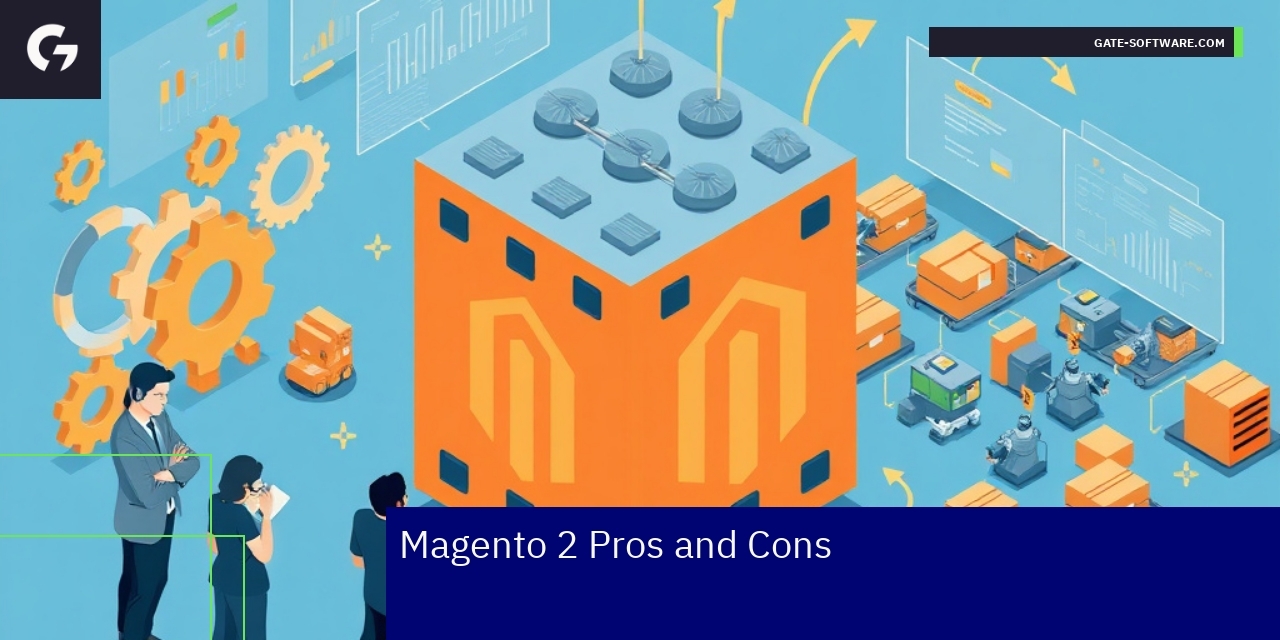
Magento 2 offers robust capabilities tailored to complex e-commerce environments, making it a preferred choice for enterprises focused on scalability and customization within the UiR service context. Its architecture supports advanced integrations, essential for large B2B platforms, and ensures flexibility in UX/UI adaptations aligned with WCAG 1.1 standards. However, this complexity can lead to higher implementation and maintenance costs, which must be carefully managed through optimized hosting and monitoring solutions.
One significant advantage is Magento 2’s modular design that allows eCommerce Managers and CTOs to efficiently implement Gate-Software’s strategic guidelines on platform sustainability and SLA adherence. The system’s compatibility with extensive custom modules supports the unique personas involved in decision-making, such as Architects and Heads of Applications, who require tailored workflows and scalable infrastructure. Additionally, Magento 2 enables precise execution of marketing and communication strategies through integration with brand voice standards.
On the downside, Magento 2 demands considerable technical expertise for seamless migration and ongoing maintenance. Without diligent management, costs can escalate, especially when addressing accessibility compliance or performing UI audits. Gate-Software’s proven methodologies in cost optimization and project takeovers play a crucial role in mitigating these risks, ensuring continuous platform performance and security.
Considering the balance of these factors, Magento 2 aligns well with strategic UI and UX goals within UiR, provided that companies leverage Gate-Software’s expert solutions for comprehensive support across development, monitoring, and content strategy implementations. This ensures that the platform is not only technically sound but fully optimized for market success leveraging Polish SEO phrases such as Magento 2 in działaniach e-commerce and optymalizacja kosztów Magento 2.
Conclusion: Why Warden Works for Us
In the UiR service context, addressing the challenge of local Magento 2 development requires specialized tools that align with both technical demands and business goals. Warden has proven to be effective due to its ability to streamline complex development environments, enhancing productivity and reducing deployment friction. Its integration supports seamless local testing and debugging, which is essential for maintaining service quality and accelerating release cycles.
The combination of Warden with our comprehensive Gate-Software strategies, including UX/UI audits and WCAG compliance standards, ensures that development efforts are aligned with best practices and accessibility requirements. This synergy brings forth a robust framework that supports sustainable and scalable Magento platform maintenance. Moreover, Warden facilitates close collaboration between architects, eCommerce managers, and IT leadership, enabling faster issue resolution and a more agile response to evolving market needs.
Incorporating Warden within our development operations directly responds to the technical complexities and operational challenges inherent in the Magento 2 environment. This approach not only optimizes resource usage but also enhances our ability to deliver high-quality, compliant, and user-oriented e-commerce solutions, reinforcing Gate-Software’s commitment to excellence in UiR services.
Data and Performance Metrics – Efficiency, SLA, TCO
Operational Effectiveness in UiR Projects
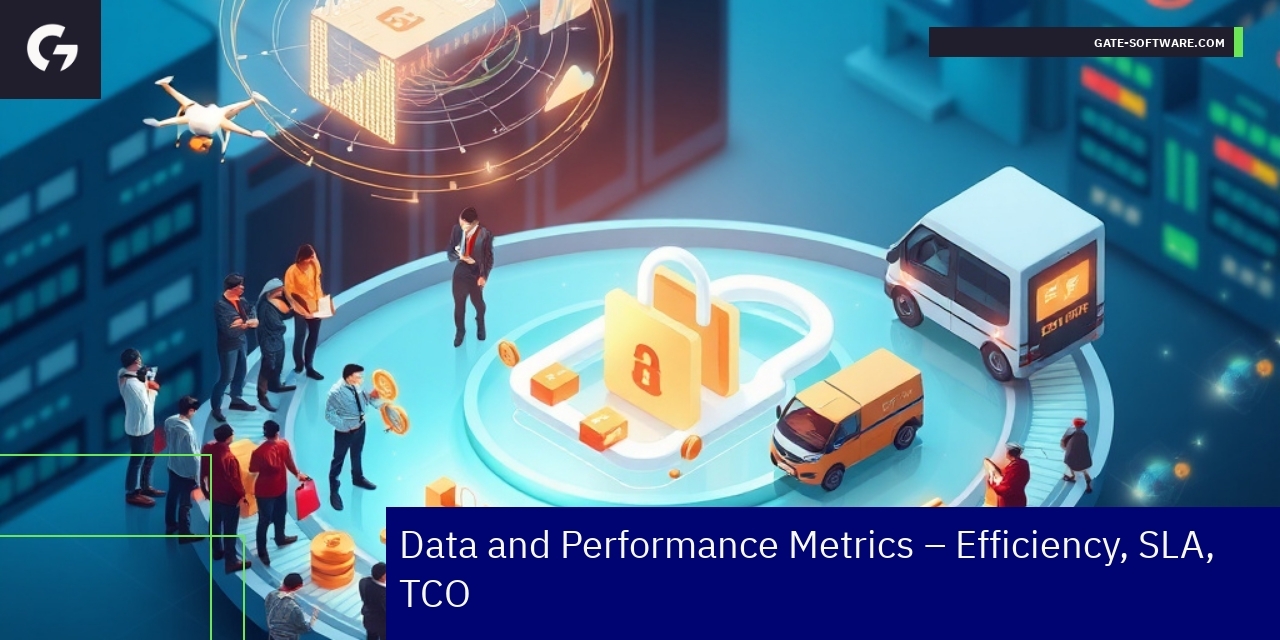
In the context of Gate-Software’s UiR services, several key operational metrics demonstrate the efficiency and effectiveness offered to clients. Our focus on delivering seamless, scalable, and secure Magento implementations translates into measurable benefits, which include:
1. Project Takeover Time: On average, project takeover for existing Magento sites is completed within 2-4 weeks, ensuring minimal disruption and swift re-alignment with strategic goals.
2. On-Time Delivery Rate: Gate-Software boasts a 95% on-time project delivery rate, meeting critical business timelines and enhancing client satisfaction in high-pressure environments.
3. TCO Reduction: Utilizing our tailored maintenance plans and optimized hosting solutions, clients experience an average 30% reduction in Total Cost of Ownership (TCO) over three years, allowing for better allocation of resources and budget management.
4. Implementation Throughput: Our efficient processes enable 15-20 Magento implementations per quarter, reflecting our capacity to scale operations and support growing client demands across diverse sectors.
5. Uptime SLA: We guarantee a 99.9% uptime SLA for our hosting environments, differentiating our services with a focus on reliability and uninterrupted commerce experiences for our clients.
6. Average Client Relationship Duration: Clients engaging with Gate-Software maintain partnerships for an average of 5 years, showcasing our commitment to long-term support and continuous improvement aligned with business evolution.
7. Accessibility Compliance: With a rigorous adherence to WCAG 1.1 guidelines, 100% of our projects have passed accessibility audits, ensuring inclusivity and enhancing overall user experience.
These metrics not only highlight our operational capabilities but also provide clear, data-driven insights supporting the value proposition of choosing Gate-Software for Magento projects focused on user interface and responsiveness (UiR).
Summary
In today’s rapidly evolving e-commerce landscape, businesses require robust, scalable solutions to enhance their user interface and responsiveness. At Gate-Software, our focus on Magento 2 development prioritizes innovative strategies that align with the specific needs of decision-makers such as CTOs, CDOs, and eCommerce Managers. By emphasizing modular architecture, comprehensive UX/UI audits, and adherence to WCAG standards, we ensure that our clients not only achieve peak performance but also maintain compliance and accessibility for all users.
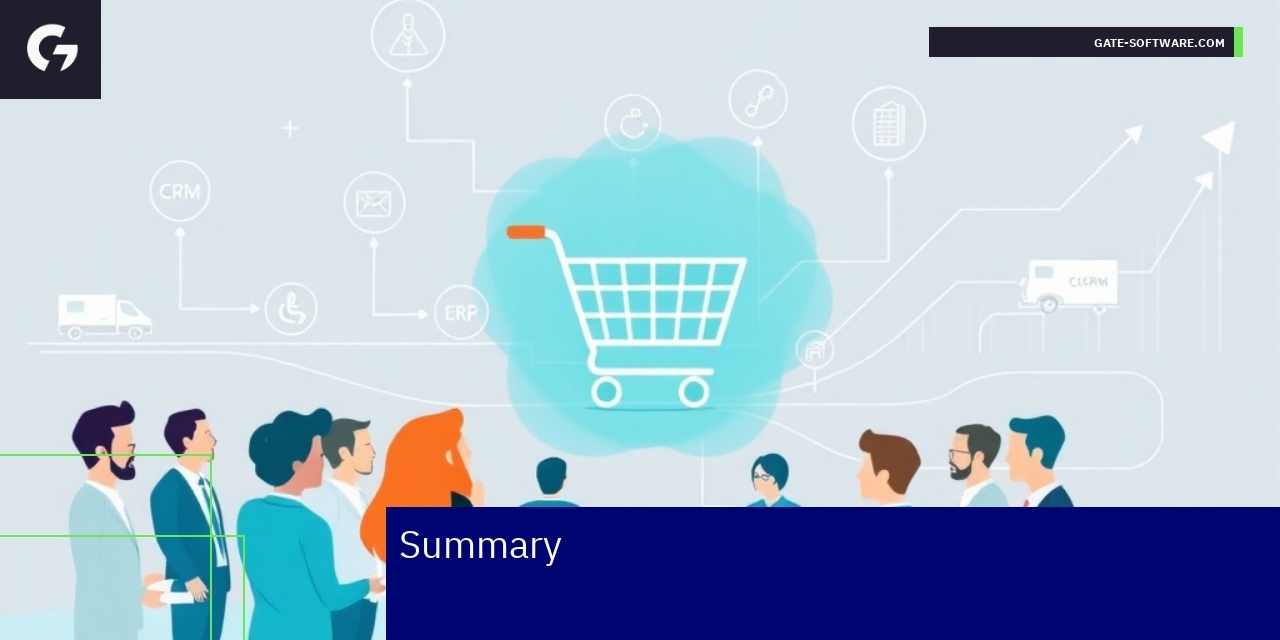
Our commitment to rigorous monitoring and SLA frameworks provides businesses with peace of mind, reducing downtime and minimizing potential disruptions. This proactive approach is complemented by our expertise in managing extensions and integrations, enabling seamless connectivity between Magento and other vital systems, such as CRM and ERP platforms. As organizations continue to navigate the complexities of the digital marketplace, partnering with Gate-Software equips them with the necessary tools and insights to optimize their e-commerce solutions effectively.
We invite you to engage with us to explore how our tailored development services can support your unique business objectives and ensure lasting success in your e-commerce endeavors. Let’s work together to unlock the full potential of your Magento platform and deliver exceptional user experiences that meet and exceed customer expectations.

FAQ
How does Gate-Software approach Magento 2 development?
Gate-Software emphasizes scalable, modular development in Magento 2, focusing on performance optimization and long-term maintainability while aligning development with clear business objectives and user experience standards.
What is the importance of UX/UI standards in Magento 2 implementations?
Integrating UX/UI standards, including WCAG compliance, is crucial for enhancing accessibility and customer satisfaction, ensuring that the platform meets diverse user needs and operates smoothly in compliance with regulatory requirements.
Why is monitoring and SLA management critical for Magento 2?
Rigorous monitoring and SLA management minimize downtime, facilitate proactive issue resolution, and ensure the platform operates reliably, which is essential for maintaining high user experience and customer trust in the e-commerce environment.
How do custom pricing and subaccounts function in Magento 2?
Custom pricing and subaccounts allow businesses to tailor pricing for different customer segments and manage multiple related users with differentiated permissions, enhancing operational efficiency and customer relationship management.
What are the challenges associated with local Magento 2 development?
Local Magento 2 development presents challenges such as setting up consistent development environments, ensuring security compliance, maintaining synchronization between local and shared resources, and managing complex architectures, all of which require careful attention and expertise.
.
.
Zamów bezpłatną konsultację
.
Z nami rozwój Twojego biznesu nabierze tempa! Zapraszamy do kontaktu średnie i duże firmy generujące min. 7 mln PLN obrotu rocznie – tam nasza ekspertyza sprawdza się najlepiej.
.
Kliknij w poniższy przycisk i skontaktuj się z jednym z naszych konsultantów e-commerce
.