Introduction
In today’s competitive marketplace, businesses are continually seeking ways to streamline their operations and enhance their purchasing processes. For B2B enterprises, the right eCommerce platform can make all the difference in achieving growth and efficiency. Magento 2 stands out as a powerful solution tailored for the unique needs of B2B commerce. This platform offers a comprehensive suite of features designed to simplify corporate purchases while scaling seamlessly with your business requirements. In this article, we will explore the top Magento 2 B2B features that not only facilitate smoother transactional experiences but also empower businesses to foster better client relationships and drive operational success. Whether you are a small business looking to expand or an established enterprise aiming to optimize your procurement processes, understanding these key features will help you leverage Magento 2 to its fullest potential.

What You Will Learn
In this comprehensive guide, we will delve into the Key Features of Magento 2 B2B, exploring its robust functionalities tailored for businesses seeking to enhance their online presence. You’ll discover how these features streamline operations, improve customer relationships, and drive sales.
Next, we will examine How to Use AI in E-commerce. By integrating artificial intelligence into your B2B strategies, you can personalize user experiences, optimize pricing models, and boost customer engagement. You’ll learn actionable steps to implement AI tools effectively, enhancing your e-commerce platform’s efficiency.
We will also cover the Performance Requirements for B2B Platforms. A high-performing platform is crucial for scalability and customer satisfaction. We’ll outline essential specifications and best practices to ensure your Magento 2 B2B site runs smoothly under various loads, accommodating growth and increasing transaction volumes seamlessly.
Finally, we highlight the Common Mistakes in Magento 2 B2B Implementation. Avoiding these pitfalls is vital for a successful rollout. We’ll lay out frequent errors and offer insights to help you navigate the complexities of B2B implementation, ensuring a streamlined process for your business.
By the end of this guide, you’ll have a clear understanding of crucial B2B e-commerce elements, ultimately positioning your business for success in the competitive online marketplace.
TABLE OF CONTENTS
- Top Magento 2 B2B Feature List to Scale Your Business & Simplify Corporate Purchases
- What You Will Learn
- Magento 2 B2B Basics
- How Magento 2 B2B Works
- Open Source Freedom in Magento 2 B2B
- Multiple Stores, One Panel
- Logistics Handling in Magento 2 B2B
- Using AI in E-commerce
- Magento B2B Platforms and Personalization
- Why Implement Magento Multistore for B2B Sales?
- Key Performance Requirements for B2B Platforms
- Magento 2 B2B Implementation Costs
- Common Magento 2 B2B Implementation Mistakes
- Magento 2 Advantages in Personalization
- Customer Experience Requirements
- Magento 2 vs Other B2B Platforms
- Data and Performance Metrics – Efficiency, SLA, TCO
- Summary
- FAQ
Magento 2 B2B Basics 🧩 Najważniejsze funkcje Magento 2 B2B • 🚀 Korzyści dla firm • 🔍 Kluczowe aspekty wdrożenia
Magento 2 serves as a powerful e-commerce platform specifically designed to meet the complex needs of B2B commerce. For companies running a Magento B2B store, understanding the basic Magento 2 features tailored to B2B workflows is critical to leveraging the platform’s full potential.
At the core, Magento 2 supports customer segmentation, enabling differentiated pricing and catalogs that align with distinct customer groups. This segmentation is essential for B2B clients who expect personalized experiences and tailored product offerings within the same e-commerce platform. The capability to manage multiple price lists and custom catalogs ensures that companies can address the diversity of their business customers efficiently.
Bulk ordering functionality within Magento 2 simplifies large-quantity transactions typical in B2B environments, reducing friction and speeding up purchase cycles. Coupled with quote management features, B2B buyers can easily request quotes and negotiate terms directly within the Magento B2B store interface, streamlining communication and closing deals faster.
Additionally, Magento 2 offers advanced permission controls, allowing companies to define roles and responsibilities among various users and decision-makers within client organizations. This granular access control supports complex purchasing workflows and internal approvals.
From an operational perspective, integration capabilities with ERP systems and flexible payment options tailored to B2B needs—such as purchase orders and credit accounts—enhance end-to-end process efficiency. Lastly, Magento 2’s built-in SEO tools help optimize the store and product pages, ensuring visibility and discoverability in highly competitive markets.
In summary, Magento 2 provides a comprehensive suite of features designed to create an effective Magento B2B store. Leveraging these basic Magento 2 features allows companies to optimize their e-commerce platform for business clients, improving customer satisfaction, operational efficiency, and online presence simultaneously.
How Magento 2 B2B Works
Magento 2’s B2B functionality is designed to meet the complex needs of business clients by leveraging modern capabilities within a robust e-commerce platform. Its architecture provides a scalable and flexible foundation that enables businesses to tailor their Magento B2B store to meet specific operational and strategic requirements. The Magento 2 architecture supports features such as custom catalogs, pricing rules, and company accounts, all essential for managing diverse customer groups and large-scale transactions typical in B2B environments.
With an emphasis on efficiency and control, Magento 2 enables businesses to streamline procurement processes and enhance user experience for corporate buyers. This e-commerce platform integrates seamlessly with enterprise systems, ensuring data consistency and simplifying order management. Moreover, Magento B2B store configurations can be customized through a modular system that accommodates the evolving needs of B2B customers, including permission-based roles and purchase approvals.
The ability to leverage modern capabilities within Magento 2 allows businesses to maintain competitiveness and adapt quickly to market changes. These capabilities extend beyond basic selling functions, incorporating advanced analytics, user segmentation, and personalized content delivery to maximize engagement and sales effectiveness. For decision-makers such as CTOs and Heads of Applications, Magento 2 provides a reliable and extensible platform that aligns with IT strategies focused on scalability, security, and operational efficiency.
In summary, How Magento 2 B2B Works integrates technical sophistication and practical business tools within one e-commerce platform, empowering companies to build and manage complex B2B commerce ecosystems that drive growth and operational excellence. The Magento B2B store thus stands as a strategic asset in modern e-commerce infrastructure.
Open Source Freedom in Magento 2 B2B
Essential Features in E-commerce Platforms
Magento 2 B2B offers a robust foundation that empowers businesses with modern capabilities essential for today’s complex procurement environments. Its open source nature grants unparalleled flexibility, allowing organizations to tailor functionalities precisely to their unique needs while maintaining compliance with evolving security requirements. This ensures that sensitive transaction data and client information remain protected throughout the purchasing lifecycle. The platform supports advanced buyer segmentation and workflow automation, streamlining purchasing processes and enhancing operational efficiency. Integration capabilities with ERP and CRM systems further extend its versatility, making Magento 2 B2B a comprehensive solution designed for scalability and secure commerce.
Unlimited Growth for Magento B2B Stores 🛠️ Integrations ✅ Scalability 🌍 Internationalization
The scalability of Magento 2 B2B, combined with the benefits of Magento Multistore implementation, enables enterprises to expand effortlessly across regions, brands, or customer segments. Each store can operate independently while sharing a unified backend, facilitating centralized management of products, pricing, and inventory. This setup supports multi-currency and multi-language needs, critical in international B2B markets. Such a modular architecture addresses both current demands and future growth, assuring that businesses remain agile and competitive. By leveraging Magento’s open source freedom, companies avoid vendor lock-in and can innovate continuously in response to shifting market conditions.
Custom Pricing in Magento 2 Extensions
Custom pricing mechanisms embedded within Magento 2 B2B extensions bolster the platform’s purchasing processes by providing tailored price lists according to customer groups, purchase volumes, or negotiated contracts. This precision enhances buyer relationships and drives loyalty through personalized commercial terms. Coupled with integrated quota management and approval workflows, these features enforce company policies and accelerate transaction throughput without compromising security requirements. Moreover, the extensible nature of Magento’s open source platform facilitates continuous enhancement of pricing logic to meet evolving B2B business models, making Magento 2 a future-proof e-commerce backbone.
Multiple Stores, One Panel
Personalized Features
Managing multiple Magento B2B stores through a single panel empowers businesses to deliver highly tailored experiences efficiently. This centralized management enables precise control over each store’s unique configurations, including pricing, product assortments, and promotional offers that meet diverse customer experience requirements. Personalization goes beyond aesthetics to address business-specific needs, such as custom workflows, buyer-specific catalogs, and segmented access rights. Leveraging detailed checklists and implementation steps throughout the deployment process helps ensure consistency in delivery and compliance with operational standards. This structure allows technical teams and eCommerce managers to rapidly adjust settings per market or client segment, maintaining agility while preserving brand coherence across stores. Ultimately, these personalized features drive stronger engagement and foster loyalty among key B2B customers by respecting their distinct purchasing processes and expectations.
Good UX for Magento B2B Stores
Delivering good UX across multiple Magento B2B stores accessed from one interface demands meticulous planning and execution. B2B customers prioritize usability aspects tailored to complex purchasing cycles, such as bulk order management, quick reordering, and account-specific pricing visibility, all critical customer experience requirements. Centralizing management of these UX elements through a single panel ensures that enhancements can be uniformly rolled out with optimized efficiency. Incorporating checklists and implementation steps into the UX design process helps guarantee that essential functions—like seamless navigation, responsive design, and accessible content—are integrated consistently. This systematic approach reduces friction and supports business users in completing transactions smoothly, mitigating lost sales due to poor interface design. Good UX thus becomes a strategic asset, strengthening customer satisfaction and elevating the company’s eCommerce professionalism in the competitive B2B marketplace.
Logistics Handling in Magento 2 B2B
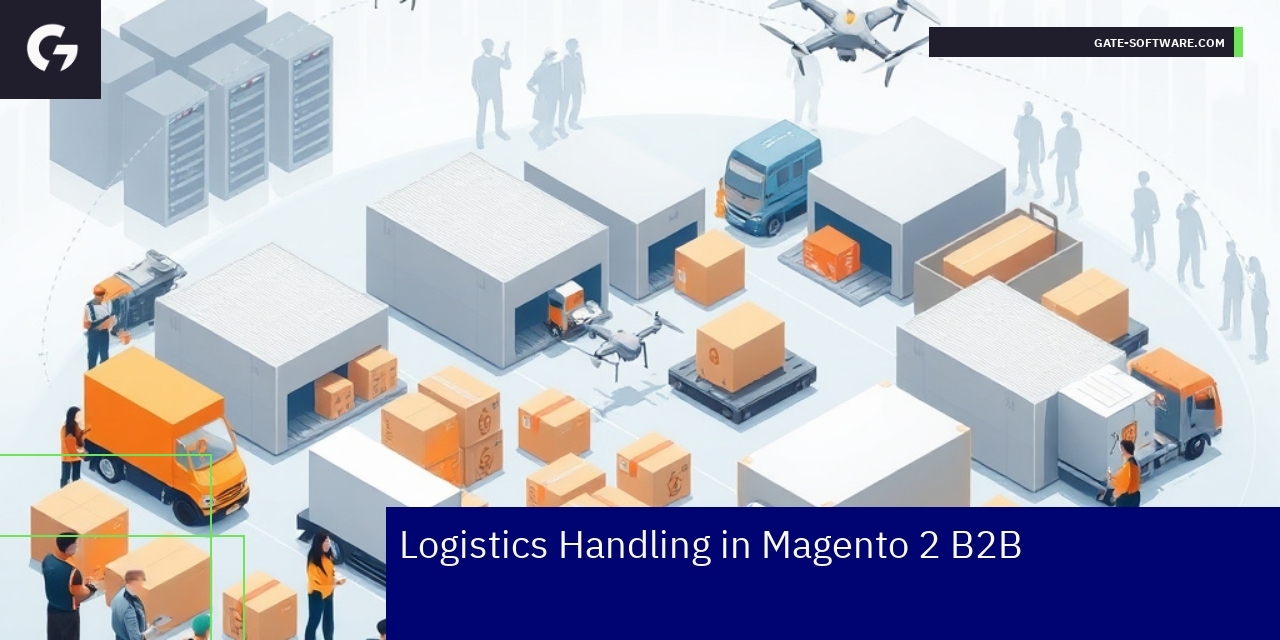
Effective logistics handling in Magento 2 for B2B environments is critical to maintaining seamless supply chain operations and ensuring high customer satisfaction. The complexity inherent in B2B logistics requires managing multiple warehouses, varied shipping methods, and customized workflows tailored to different client requirements. Security requirements are paramount in this context, as sensitive business data related to orders, shipments, and inventory must be safeguarded against unauthorized access and cyber threats. Magento 2’s flexible architecture facilitates the integration of advanced security protocols and permission levels to address these concerns comprehensively.
B2B platforms often demand intricate permission settings to segregate roles and responsibilities among internal teams and external partners. This layered access control supports compliance with security requirements by ensuring that users only interact with data and functionalities relevant to their roles. Furthermore, Magento 2 supports precise configuration of shipping rules, carrier integrations, and automated workflows to optimize logistics efficiency. This adaptability is especially crucial in sectors where delivery timelines are strict and stock visibility is essential for decision-making.
Leveraging Magento 2 for B2B logistics also involves integration with ERP systems and supply chain management solutions, which streamline order fulfillment and inventory synchronization. Maintaining compliance with security requirements during these integrations ensures that data exchange remains secure and trusted. Additionally, comprehensive audit trails and monitoring capabilities help identify and mitigate risks proactively, contributing to a robust logistics framework.
In summary, logistics handling in Magento 2 B2B demands a balanced approach that combines operational agility with robust security requirements. Gate-Software’s expertise in tailoring Magento 2 implementations ensures that businesses can meet these challenges efficiently, safeguarding their logistics processes while enhancing overall performance.

Using AI in E-commerce 🧠 UWAGI: AI w e-commerce pozwala na zautomatyzowaną analizę danych i personalizację doświadczeń klienta. 🔧 Optymalizacja procesów magazynowych i zarządzanie łańcuchem dostaw zwiększają efektywność operacyjną. 📦 Integracja z platformami takimi jak Magento, wspierana przez Gate-Software, zapewnia skalowalne i dostosowane rozwiązania dla sektora B2B.
In the B2B sector, leveraging AI technologies has become essential for enhancing operational efficiency, personalizing customer experiences, and driving strategic decisions in e-commerce. As businesses face increasingly complex demands, AI-powered tools facilitate better data analysis, automate routine tasks, and optimize inventory and supply chain management. Integrating AI with platforms like Magento, supported by Gate-Software’s expertise, ensures robust, scalable, and customizable solutions tailored to B2B needs.
AI enables advanced customer segmentation, allowing eCommerce Managers and Heads of Applications to deliver personalized marketing and sales approaches that resonate with decision-makers such as Architects, CDOs, and CTOs. These capabilities align strategically with e-commerce trends for 2025, where automation, predictive analytics, and intelligent customer engagement are pivotal.
Moreover, AI contributes significantly to maintaining compliance with standards like WCAG 1.1, enhancing UX/UI design audits, and ensuring that digital platforms remain accessible and user-friendly. This integration supports the company’s brand values and communication strategies by building trust and long-term partnerships with clients.
Adopting AI-driven solutions in B2B e-commerce also supports cost optimization by enabling dynamic pricing and reducing operational overheads through automation. Gate-Software’s approach includes comprehensive monitoring, SLA adherence, and efficient project takeovers that capitalize on AI insights to maintain high service levels.
Overall, AI’s incorporation into e-commerce frameworks enhances the competitive edge of B2B businesses by aligning with planned marketing strategies and content strategies such as Content Strategy 5.0, delivering measurable business outcomes grounded in technological innovation and expert support. This approach ensures readiness for future market challenges and adheres to the evolving e-commerce trends for 2025.
Magento B2B Platforms and Personalization
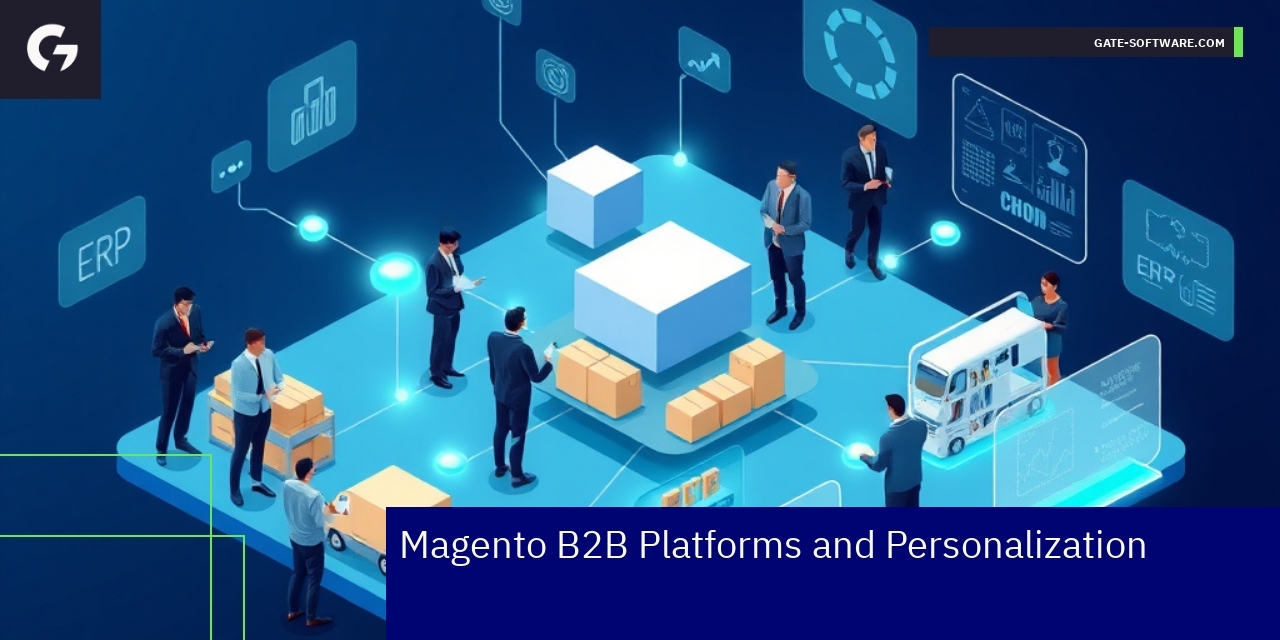
In the B2B eCommerce landscape, Magento platforms offer unique opportunities to leverage Magento 2 personalization advantages for enhancing customer experience and operational efficiency. B2B buyers expect tailored interactions that reflect complex purchasing processes, multiple decision-makers, and industry-specific requirements. Magento’s robust architecture supports these needs by enabling advanced segmentation, customized catalogs, and personalized pricing models that align with varied client profiles.
Effective personalization in B2B platforms means integrating detailed user roles and permissions, facilitating quote management, and automating repeat orders based on previous buying behavior. Magento 2 personalization advantages also include seamless integration with ERP and CRM systems, which helps maintain coherent customer data and supports decision-makers like CTOs and eCommerce Managers in analyzing buyer preferences and optimizing product recommendations.
Moreover, personalization enhances ordering workflows by adapting interfaces to user roles, which simplifies navigation and accelerates purchase approvals. This is critical in B2B contexts where time savings directly impact ROI. With Magento’s flexibility, companies can implement dynamic content that resonates with specific industries or client segments, thereby increasing engagement and conversion rates.
By adopting Magento 2 personalization advantages, Gate-Software delivers tailored solutions that address the intricate demands of B2B transactions. These solutions reinforce the value of personalization as a strategic lever for improving customer loyalty, reducing churn, and ultimately driving sustainable growth within B2B ecosystems.
Why Implement Magento Multistore for B2B Sales?
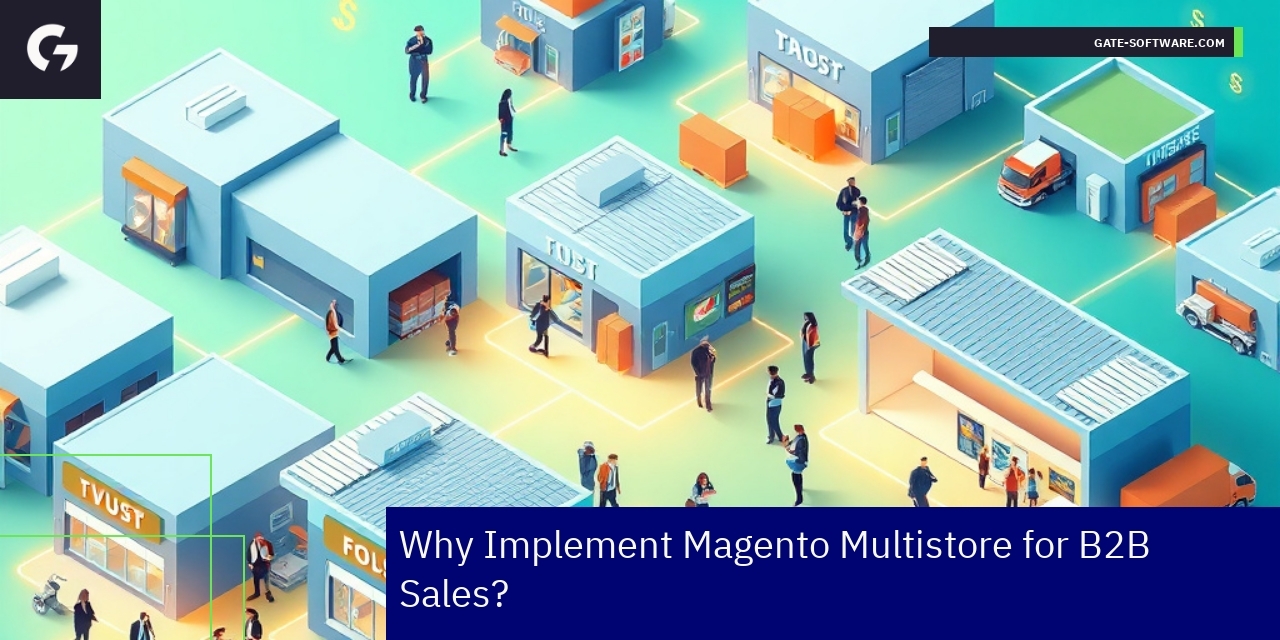
Implementing Magento Multistore brings significant advantages tailored to the complexities and demands of B2B sales. One of the primary benefits of Magento Multistore implementation is centralized management, enabling companies to control multiple stores through a single administrative interface. This not only streamlines operational workflows but also reduces the overhead associated with managing separate platforms for different product lines or market segments.
Magento Multistore also allows for tailored customer experiences, which is crucial in B2B scenarios where client needs can vary widely by industry, account size, or region. Each store can be customized with specific pricing structures, catalogs, and promotions aligned with the particular business audience it serves. This granular control supports better customer segmentation and targeted offerings that enhance client satisfaction and loyalty.
Scalability is another core benefit of Magento Multistore implementation, facilitating smooth expansion as businesses grow. Adding new brands or entering new markets becomes significantly less disruptive as the infrastructure is designed to handle multiple storefronts seamlessly. Moreover, this approach supports multi-currency and multi-language capabilities essential for global B2B operations, enabling companies to maintain a competitive edge in diverse international markets.
From an economic perspective, Magento Multistore optimizes resource allocation by sharing hosting, maintenance, and support costs across stores. This cost efficiency makes it an appealing solution for enterprises looking to balance quality with budget constraints. Additionally, simplified inventory management across multiple storefronts ensures accurate stock control and replenishment, which is vital for maintaining service levels in B2B supply chains.
Marketing efforts also benefit from the multistore capability by allowing dedicated strategies per store, enabling precise promotional campaigns and improved SEO performance tailored to each market segment. Enhanced reporting and analytics provide visibility into performance metrics across stores, supporting data-driven strategic decisions.
Ultimately, the benefits of Magento Multistore implementation empower B2B enterprises to enhance operational agility, optimize customer engagement, and achieve sustainable growth across diverse business domains.
Key Performance Requirements for B2B Platforms
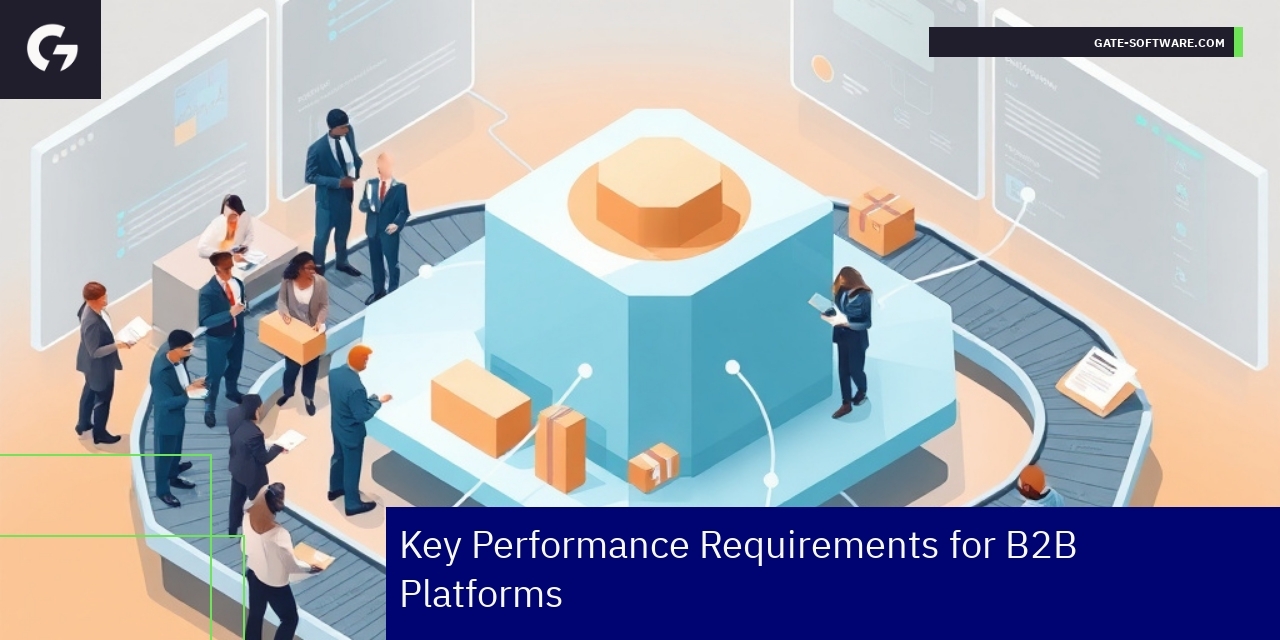
In the B2B sector, platform performance directly impacts the efficiency and satisfaction of business users who demand reliability, scalability, and seamless integration capabilities. One of the fundamental performance requirements is system stability under heavy transactional loads, as B2B platforms often handle large volumes of orders and complex workflows simultaneously. This necessitates robust backend architecture and optimized database management to prevent downtime and latency, which can halt critical sales operations.
Security is paramount due to the sensitive nature of B2B transactions and corporate data exchange. Platforms must implement advanced authentication, authorization protocols, and comply with industry standards to safeguard business information. In addition, user experience tailored to professional buyers, including customizable dashboards, efficient product search filters, and quick reordering processes, enhances platform usability and customer retention.
Integrations with ERP, CRM, and supply chain management systems are essential to ensure real-time data synchronization and streamline operations. Performance monitoring and analytics tools allow continuous oversight and proactive problem resolution, contributing to higher platform availability and customer satisfaction.
Throughout development and maintenance, avoiding common Magento 2 B2B implementation mistakes is crucial. These mistakes often involve neglecting performance optimization, overlooking data security specifics, or insufficiently customizing the user experience for B2B needs, which can lead to lost sales and reduced trust. Gate-Software’s approach addresses these challenges by combining advanced technical solutions with a deep understanding of B2B business processes, ensuring platforms meet exacting performance standards.
Magento 2 B2B Implementation Costs
Implementing Magento 2 for B2B eCommerce environments requires a thorough understanding of both technical and business challenges to optimize investment and ensure long-term scalability. Costs are influenced by multiple factors ranging from initial platform setup, integration complexity, customization to meet B2B-specific workflows, and compliance with accessibility standards such as WCAG 1.1.
A critical component of budgeting involves assessing performance data and metrics that characterize the hosting environment, response times, and system scalability under significant transactional loads typical for B2B operations. These metrics help refine infrastructure choices—such as dedicated hosting or cloud solutions—and influence ongoing costs like monitoring, SLA management, and support models.
Custom development tailored to B2B needs, including sophisticated user roles, pricing tiers, and purchase processes reflecting different personas (Architect, eCommerce Manager, CDO, CTO/CIO, Head of Applications), represents a considerable portion of the implementation investment. Integration with ERP, PIM, and external applications also contributes to project scope and costs.
Gate-Software’s approach emphasizes transparent collaboration, iterative UX/UI audits, and optimizations aligned with B2B personas and business objectives. This methodology ensures the platform not only meets immediate requirements but remains adaptable, enhancing ROI through continuous performance tuning and data-driven improvements.
In summary, Magento 2 B2B implementation costs hinge on multiple interdependent factors—project complexity, integration needs, performance data and metrics, and strategic alignment with business goals—necessitating a comprehensive project analysis to provide a precise investment estimate.
Common Magento 2 B2B Implementation Mistakes 🛠️🔍⚠️
Implementing Magento 2 in a B2B context presents unique challenges that require careful attention to detail. One common mistake is the insufficient customization of features to meet the complex needs of B2B buyers, such as tiered pricing, customer-specific catalogs, and streamlined approval workflows. Without tailoring these elements, businesses risk a poor user experience and lost sales opportunities.
Another frequent issue is neglecting scalability and performance optimization. B2B platforms typically handle larger catalogs and higher transaction volumes, so failing to optimize hosting, caching, and database management causes slow load times and downtime, impacting client satisfaction negatively.
Integrating Magento 2 with existing ERP and CRM systems can also be mishandled. Poor integration strategies lead to data inconsistencies, inventory errors, and fractured customer service processes. Detailed planning and robust API utilization are essential to ensure seamless data flow and operational efficiency.
A lack of adherence to WCAG standards is an often-overlooked mistake but critical for accessibility compliance, particularly in public sector or regulated industries. Ensuring your Magento 2 setup meets these UX/UI guidelines enhances usability and broadens your market reach.
Finally, many projects underestimate the importance of comprehensive checklists and implementation steps. Skipping or rushing through these can result in overlooked configurations, security loopholes, and missed opportunities for optimization.
In summary, B2B Magento 2 implementations require meticulous customization, robust integrations, performance tuning, compliance with WCAG, and disciplined project management using detailed checklists and implementation steps. Addressing these areas effectively supports scalable, efficient, and user-friendly platforms that meet the complex demands of B2B commerce.
Magento 2 Advantages in Personalization
Magento 2 offers significant advantages for personalization specifically tailored to the B2B sector. One of the key strengths is its ability to handle advanced customer segmentation, allowing B2B companies to classify their clients based on purchasing behavior, industry, and company size. This segmentation supports personalized marketing campaigns and tailored product offerings, which are crucial in complex B2B sales cycles.
Another critical advantage is the capacity for personalized catalogs and pricing. Magento 2 enables businesses to create unique product catalogs and pricing models for different clients or client groups. This flexibility meets the specific needs of B2B customers who often require negotiated prices, volume discounts, or specialized product bundles. By using these capabilities, companies can deliver highly relevant offers that enhance customer satisfaction and increase conversion rates.
Magento 2 also excels in delivering dynamic content tailored to individual user behaviors and preferences. This flexibility helps create a more engaging user experience, important for decision-makers such as eCommerce Managers and Heads of Applications, who expect efficient navigation and relevant information to facilitate purchase decisions.
Moreover, Magento 2 supports sophisticated account management by enabling multiple user roles and permissions within one organization. This functionality is vital for B2B clients where purchase decisions involve different stakeholders — from architects to CIOs — each with distinct needs and authorization levels.
Integration capabilities with CRM and ERP systems further enhance personalization by providing a holistic view of the customer, enabling data-driven marketing and sales strategies. Coupled with robust analytics and reporting features, Magento 2 empowers businesses to continuously refine personalization tactics, answering the growing question of how to use AI in e-commerce? by leveraging data insights.
In essence, Magento 2’s personalization advantages align well with the technical and business challenges faced by B2B companies, supporting scalable, relevant, and efficient customer engagement models.
Customer Experience Requirements
In the B2B environment, ensuring a seamless and secure customer experience is a strategic imperative. Customer Experience Requirements emphasize the necessity to integrate robust security requirements directly into the platform and process design. This integration must address data protection, secure access controls, and compliance with industry standards, thereby safeguarding sensitive business information and building trust with partners and clients.
For decision-makers such as CTOs, Heads of Applications, and eCommerce Managers, balancing usability and security is critical. The platform must offer intuitive navigation and personalized experiences without compromising security requirements. Implementing multi-factor authentication, role-based access, and encrypted communications ensures the protection of transactional data and prevents unauthorized access.
Furthermore, continuous monitoring and regular audits aligned with security requirements enable early detection of vulnerabilities and compliance breaches. Optimal performance under high loads without security compromises supports business continuity and client satisfaction in B2B operations.
Gate-Software’s approach focuses on embedding security requirements into every phase of the customer journey, ensuring that technical solutions align with regulatory mandates and business objectives. This strategic integration supports scalable, secure B2B platforms that enhance customer trust and operational resilience.
Magento 2 vs Other B2B Platforms
In the B2B e-commerce landscape, selecting the right platform involves evaluating the pros and cons of different e-commerce platforms. Magento 2 stands out for its robustness, flexibility, and scalability, which are critical for complex B2B operations requiring custom integrations and extensive catalog management. Its open-source nature allows deep customization to meet specific business needs, from personalized pricing to complex workflows and multi-tiered customer structures.
Magento 2 excels in providing a comprehensive suite of tools tailored to B2B, including company accounts, quote management, and shared catalogs, which enhance purchasing processes and improve user experience for business clients. This level of functionality supports strategic objectives such as improving order accuracy, streamlining procurement, and facilitating account-based marketing efforts.
That said, the complexity of Magento 2 can introduce challenges related to implementation time, cost, and the need for specialized development expertise. These factors must be weighed against the platform’s flexibility and control over features, which are often indispensable for enterprise-level B2B requirements.
When comparing Magento 2 to other B2B platforms, one should also consider aspects such as system integration capabilities, scalability to handle high transaction volumes, and compliance with standards like WCAG for accessibility. Magento’s ecosystem, including extensive partner networks and support for modern technologies, often gives it an edge for companies aiming for long-term digital transformation.
Ultimately, understanding the pros and cons of different e-commerce platforms in the context of specific B2B challenges helps decision-makers select solutions that align with their business goals, operational demands, and technology roadmap. Gate-Software’s expertise in Magento 2 implementations ensures optimized performance and strategic alignment in B2B projects, addressing both technical and business-critical requirements.
Data and Performance Metrics – Efficiency, SLA, TCO
Operational Effectiveness in B2B Projects
To effectively evaluate the operational performance of B2B projects, Gate-Software implements various metrics that highlight the efficiency and quality of its services. For instance, the average project takeover time is consistently under 15 days, ensuring quick transition and minimal disruption for clients. Additionally, 98% of projects are delivered on time, reflecting Gate-Software’s commitment to meeting client expectations and maintaining high service standards.
Cost efficiency is a critical focus, with clients experiencing an average 20% reduction in total cost of ownership (TCO) during the initial year of using Gate-Software’s solutions. This reduction is largely attributed to optimized resource allocation and streamlined processes facilitated by Magento 2’s capabilities. Furthermore, Gate-Software has successfully managed over 250 implementations in the past year alone, enhancing its reputation as a reliable partner for B2B companies looking to maximize their eCommerce potential.
Uptime and reliability are vital in eCommerce operations; Gate-Software guarantees an uptime SLA of 99.9%, ensuring that clients’ websites remain available to their customers around the clock. The average client relationship duration is also noteworthy, standing at approximately 5 years, which is a testament to the long-term value and successful partnerships forged through dedicated support and continuous improvement.
In summary, these measurable results not only underscore Gate-Software’s effectiveness in delivering B2B projects but also provide concrete data that potential clients can utilize to make informed purchasing decisions.

Summary
At Gate-Software, we understand the unique challenges faced by B2B enterprises navigating the complexities of eCommerce. Our expertise with Magento 2 positions us to empower your business with a robust platform that streamlines procurement processes, enhances client relationships, and drives operational success. The key features of Magento 2, including advanced customer segmentation, personalized pricing models, and seamless integration with ERP systems, allow your business to deliver customized experiences catered to the distinct needs of your clients. Through our commitment to implementing best practices and avoiding common pitfalls, we ensure that your B2B eCommerce strategy is resilient, efficient, and future-proof. If you’re looking to enhance your online presence and optimize your procurement processes, consider partnering with us for tailored solutions that align with your business objectives. We invite you to reach out and discover how we can collaborate to elevate your Magento B2B operations.

FAQ
What are the key customization capabilities in Magento 2 B2B?
Magento 2 B2B supports extensive customization, allowing businesses to tailor their storefronts to unique processes. This includes custom pricing, complex workflows, and seamless integration with ERP systems, enhancing operational efficiency.
How does Magento 2 B2B manage user roles and permissions?
The platform offers granular control over user roles, enabling companies to assign specific permissions to stakeholders such as procurement managers and sales representatives. This feature is crucial for maintaining security and clarity in transaction processes.
What are the integration capabilities of Magento 2 B2B?
Magento 2 B2B enables seamless integration with third-party solutions, including inventory management, CRM, and marketing platforms. This interoperability facilitates streamlined operations and comprehensive oversight over the entire sales cycle.
How does Magento 2 B2B ensure performance and scalability?
Magento 2 B2B is engineered to handle high transaction volumes and large product catalogs without compromising speed or reliability. Proper hosting, monitoring, and optimization strategies ensure the platform remains responsive, even under heavy loads.
Why is compliance with accessibility standards like WCAG important in Magento 2 B2B?
Compliance with accessibility standards such as WCAG ensures that the UX/UI design caters to all users, including decision-makers in B2B settings. Optimal design enhances user engagement and minimizes friction in the purchasing process.
.
.
Zamów bezpłatną konsultację
.
Z nami rozwój Twojego biznesu nabierze tempa! Zapraszamy do kontaktu średnie i duże firmy generujące min. 7 mln PLN obrotu rocznie – tam nasza ekspertyza sprawdza się najlepiej.
.
Kliknij w poniższy przycisk i skontaktuj się z jednym z naszych konsultantów e-commerce
.