Introduction
B2B eCommerce refers to the online transaction of goods and services between businesses rather than between businesses and individual consumers. This sector demands sophisticated solutions that cater to complex buying processes, bulk ordering, multiple user roles, and customized pricing models, making it distinct from B2C eCommerce.
Magento 2 plays a pivotal role in B2B eCommerce by offering a robust, scalable, and flexible platform designed to meet these intricate business requirements. Its capabilities include advanced catalog management, tailored customer experiences, seamless integration with enterprise systems, and support for multiple storefronts and languages, essential for global B2B operations.
As we look ahead, several key trends are shaping the B2B eCommerce landscape in 2024 and beyond. These include the increasing adoption of AI-driven personalization, the rise of headless commerce architectures for greater customization, enhanced focus on UX/UI and WCAG standards to improve accessibility, deeper integration with ERP and CRM systems, and a strategic emphasis on security and compliance. Understanding and embracing these trends is crucial for businesses aiming to optimize their Magento 2 platforms, enhance buyer engagement, and drive sustained growth in the evolving digital marketplace.

What You Will Learn
The landscape of B2B eCommerce is rapidly evolving, driven by digital transformation and the increasing demand for seamless online sales processes. Key trends in B2B eCommerce include the integration of advanced analytics and AI to personalize buyer experiences and streamline procurement cycles. Understanding these trends is crucial for eCommerce Managers and CTOs aiming to optimize their platforms for better customer engagement and operational efficiency. Leveraging the latest technologies in sales allows businesses to enhance their digital offerings, improve order accuracy, and reduce time-to-market. Practical innovation implementation examples demonstrate how companies can embrace automation, cloud solutions, and enhanced UX/UI designs to gain competitive advantage while maintaining compliance with standards like WCAG 1.1. Best practices for ERP integration focus on ensuring smooth data flow between sales platforms and internal systems, enhancing inventory management, and providing real-time insights into business metrics. Mastering these areas empowers decision-makers to build robust, scalable eCommerce environments that support sustainable growth in B2B markets while upholding Gate-Software’s values of quality and client partnership. This knowledge is essential for roles including Architect, eCommerce Manager, and Head of Applications to deliver effective, strategic solutions aligned with industry standards and client expectations.
TABLE OF CONTENTS
- Top 5 B2B eCommerce Trends to Embrace in 2026 on Magento 2
- What You Will Learn
- Buy Now, Pay Later in B2B – A Turning Point
- Data as the Basis for Hyperpersonalization
- ERP Integrations as a Key to Success
- Cybernetic Transformation in B2B
- Conclusion and Future of B2B eCommerce
- Data and Performance Metrics – Efficiency, SLA, TCO
- Summary
- FAQ
- Assess the impact of BNPL on credit risk frameworks.
- Consider integration challenges with existing eCommerce platforms.
- Highlight effects on buyer procurement cycles and vendor relationships.
- The influence of website loading speed on conversion rates in B2B
- Best practices for optimizing site performance to support omnichannel experience
- Important conversion metrics for B2B stores
- Effective strategies and Magento B2B features to maximize conversions
- Analysis of global trends including sustainable commerce and AI mainstream adoption
- How small and medium enterprises can compete by leveraging these trends
- Core elements essential to delivering meaningful personalization
- Tools and platforms supporting personalization, aligned with Magento’s capabilities
- Best practices for product catalog management in a complex B2B environment
- The benefits of automation in improving catalog accuracy and efficiency
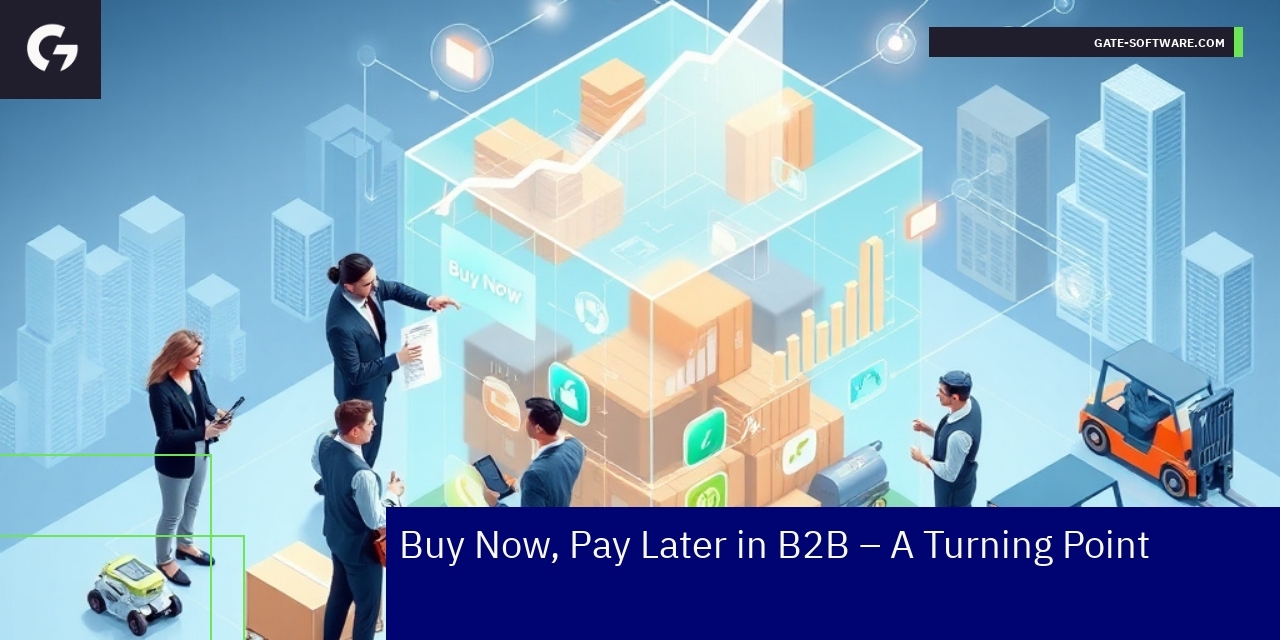
Buy Now, Pay Later in B2B – A Turning Point
Definition of Buy Now, Pay Later (BNPL) in B2B
Buy Now, Pay Later (BNPL) in the B2B context is a financial solution allowing businesses to acquire products or services and defer payment to a later date, often without immediate interest. This model supports businesses in managing cash flow effectively while maintaining procurement efficiency. The BNPL approach aligns well with the complexities of B2B transactions, where purchase volumes and values are typically higher, and credit management is pivotal. Integrating BNPL into B2B eCommerce platforms facilitates streamlined payment processes that reduce friction in purchasing decisions, enabling companies to take advantage of opportunities without immediate capital constraints. This flexible financing option adapts to evolving buying behaviors and complements digital transformation efforts aimed at enhancing operational agility.
Impact of BNPL on B2B transactions and purchasing behavior
The adoption of BNPL significantly influences purchasing behaviors in B2B markets by increasing purchasing power and accelerating decision-making processes. With the ability to buy now and pay later, businesses can optimize cash cycles and invest in growth initiatives without disrupting liquidity. BNPL encourages larger order volumes and more frequent transactions, as buyers feel less financial pressure upfront. This financing model also impacts vendor relationships, as suppliers offering BNPL can expect enhanced customer loyalty and competitive differentiation. However, it requires robust credit risk assessment and integration with eCommerce systems to ensure seamless user experiences and minimize financial exposure. As part of an omnichannel strategy, BNPL supports global sales and sustainability objectives by simplifying transactions across diversified markets.
B2B Growth Directions
Key changes in buying behavior shaping the development and growth of B2B eCommerce
The evolution of B2B buying behavior is marked by increased digital engagement, demand for faster fulfillment, and heightened expectations for personalized experiences. Buyers now expect seamless interactions comparable to B2C standards, including self-service options and flexible payment solutions like BNPL. The shift towards omnichannel commerce and sustainable purchasing decisions underscores a broader transformation where technology facilitates transparency and efficiency. Business buyers are more informed and value hyperpersonalization powered by AI, enabling tailored offerings that meet specific organizational needs. This change drives continuous innovation in eCommerce infrastructure to support scalability, security, and a customer-centric approach.
Insights into top B2B eCommerce trends to watch in 2025 and their influence on digital selling
In 2025, key B2B eCommerce trends will revolve around enhanced digital ecosystems, AI-driven customer insights, and sustainable commerce practices. BNPL will be integral to payment innovation, supporting the shift towards flexible financial solutions that align with business cash flow cycles. Omnichannel strategies will harmonize online and offline interactions, while hyperpersonalization will leverage data analytics to customize product experiences and offers effectively. The growing emphasis on accessibility and compliance, such as WCAG standards, will ensure inclusive and user-friendly digital interfaces, contributing to better engagement and higher conversion rates. These trends collectively influence how companies approach digital selling, prioritizing agility, customer experience, and operational excellence.
Advantages in Ecosystems and Global Sales
Competitive analysis in B2B eCommerce ecosystems
Competitive advantage in B2B eCommerce ecosystems is increasingly defined by the ability to integrate diverse technological solutions that enhance buyer interactions and operational workflows. Offering BNPL as a payment option positions businesses as responsive to buyer needs, reducing barriers caused by upfront payments. Ecosystems that embrace omnichannel engagement, combining digital catalogs, personalized marketing, and responsive customer service, create robust buyer journeys that lead to increased retention and sales growth. Sustainable commerce practices also differentiate companies, appealing to values-driven buyers and global markets. A strategic focus on system interoperability and security ensures seamless, scalable operations that can adapt to evolving market demands.
How embracing omnichannel experience and sustainable commerce gives businesses an edge in global markets
Adopting an omnichannel experience enables businesses to meet buyers wherever they engage—whether on web, mobile, or in physical environments—creating a consistent and integrated purchasing process. Incorporating BNPL within this framework simplifies transactions and improves financial flexibility, essential in global B2B commerce with diverse payment cultures and expectations. Sustainable commerce principles further enhance brand trust and compliance with international standards, attracting conscious buyers and partners. Together, these approaches build resilience and expand reach in competitive global markets, supporting growth and long-term partnerships through transparency, accessibility, and innovation.
Hyperpersonalization in eCommerce
Defining hyperpersonalization and its value in B2B
Hyperpersonalization in B2B eCommerce employs AI and machine learning to deliver highly tailored product recommendations, content, and offers based on detailed buyer data and behavior patterns. Unlike conventional personalization, it integrates real-time analytics and predictive insights to anticipate needs and optimize interactions at scale. This approach increases engagement, conversion rates, and customer satisfaction by making every touchpoint relevant and efficient. For B2B companies, hyperpersonalization supports complex sales cycles and multiple decision-makers by providing the right information and choices tailored to each persona, enhancing the buying experience and streamlining procurement processes.
Leveraging AI-powered product experiences to deliver tailored offers and increase engagement
AI-powered product experiences transform B2B eCommerce by enabling dynamic customization and predictive analytics that align with buyer preferences and purchase history. Leveraging BNPL within these AI frameworks allows providers to propose financing solutions alongside product recommendations, fostering trust and easing budget constraints. Enhanced engagement results from timely, context-driven outreach and optimized product assortments, which increase the likelihood of purchase and upselling opportunities. Automation of routine interactions and personalized content delivery reduce friction and empower buyers to make informed decisions quickly, thereby boosting overall business performance and customer loyalty in competitive B2B landscapes.
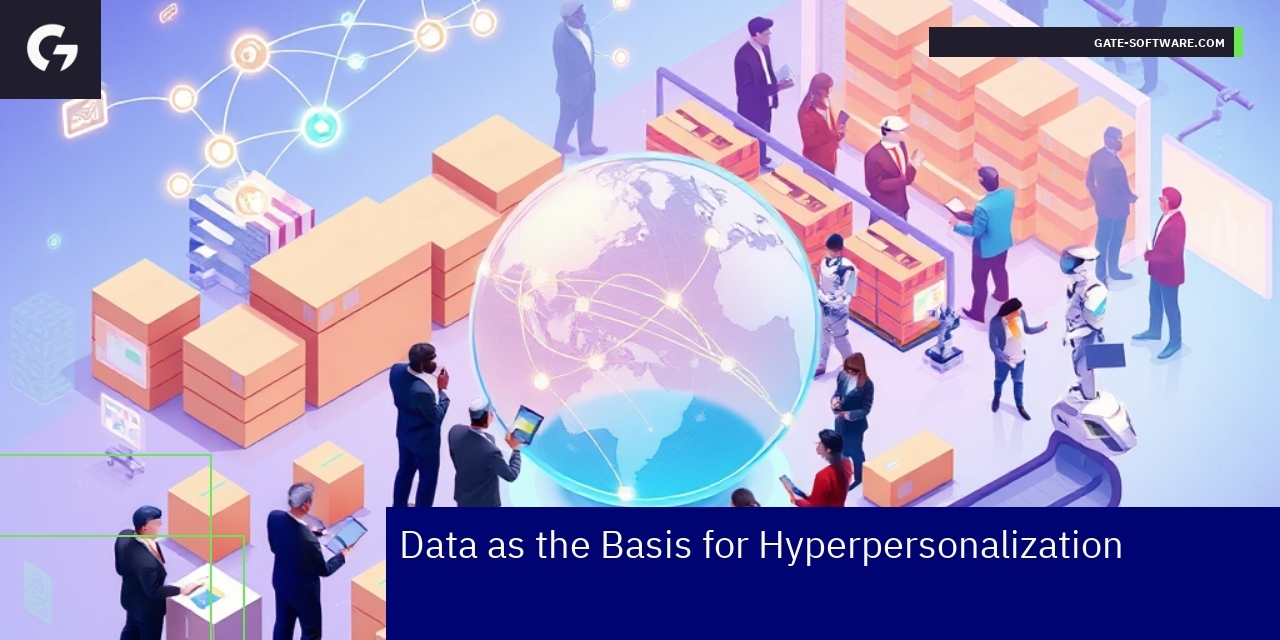
Data as the Basis for Hyperpersonalization
– The critical role of data in enabling effective hyperpersonalization in B2B eCommerce
In B2B eCommerce, data serves as the foundation for hyperpersonalization by providing deep insights into the unique needs and behaviors of each business client. Collecting and analyzing comprehensive data sets — including firmographics, past purchases, interaction history, and behavioural patterns — enables companies to segment their clients precisely and tailor their offerings accordingly. This level of personalization is crucial because B2B buyers typically face complex purchasing decisions and longer sales cycles, requiring relevant and timely engagement. Leveraging data-driven insights allows businesses to deliver customized user experiences that support customer journeys more effectively and help optimize conversion rates. Hyperpersonalization supported by data analytics also enhances the efficiency of marketing and sales teams by targeting their efforts where they matter most and building stronger, trust-based B2B relationships.
– How data-driven insights influence purchasing decisions and customer journeys
Data-driven insights directly impact purchasing decisions and map the customer journey in B2B eCommerce by revealing pain points, preferred channels, and content needs along each stage. Analyzing purchasing behaviors and transactional data empowers companies to predict future buying patterns and proactively offer solutions tailored to each client’s evolving demands. This enables a more personalized engagement through targeted marketing campaigns and product recommendations. Additionally, understanding the complex decision-making units and multiple stakeholders involved in B2B purchasing enhances the ability to address each decision-maker’s priorities effectively, ensuring communication aligns with their specific concerns and role. Ultimately, data insights streamline the customer journey by reducing friction and improving the overall buying experience.
#### Payment Methods: More than “Pay Now” 🧩 Insights | 📊 Data-Driven Trends | 💡 Innovation
The landscape of B2B payments extends far beyond the traditional “Pay Now” methods, embracing innovative solutions that meet the evolving needs of modern commerce. Advanced payment options now include voice commerce and social commerce payment trends, offering convenience and flexibility for B2B buyers. These methods leverage data to provide seamless, secure, and contextually relevant payment experiences which reduce transaction friction and accelerate cash flow cycles. Practical applications of such payment innovations include real-time invoicing, integrated credit terms, and digital wallets optimized for business use. By adopting these modern payment solutions, B2B companies enhance customer experience, foster loyalty, and simplify complex payment workflows that are typical in B2B environments.
#### Merchant Financing – A Quiet But Powerful Game Changer
Merchant financing represents a transformative financing model that supports B2B growth by offering flexible credit options and payment terms beyond upfront payments. This financing mechanism enables businesses to adopt new B2B eCommerce features, particularly on scalable platforms like Magento 2, by alleviating immediate budget constraints. Merchant financing facilitates larger purchases and promotes digital selling by reducing purchasing barriers, helping companies to invest in technology upgrades and more sophisticated commerce solutions. Its discreet yet powerful impact lies in enabling agile business operations and stronger financial planning, which contribute to accelerated digital transformation and enhanced competitiveness in the B2B marketplace.
#### Boosting B2B Sales with Modern eCommerce Platforms
Modern eCommerce platforms are vital tools for enhancing B2B sales through features tailored to complex commerce requirements. Magento’s advanced B2B functionalities provide comprehensive capabilities such as custom pricing, flexible payment options, and scalable catalog management, supporting businesses with diverse product lines and multi-tier customer structures. The integration of data analytics within these platforms enables businesses to personalize offerings and optimize processes – from automated reordering to dynamic content presentation – all crucial for improving customer acquisition and retention. Additionally, embracing mobile commerce and digital transformation accelerates responsiveness and accessibility, positioning companies for stronger sales outcomes in an increasingly competitive digital B2B landscape.

ERP Integrations as a Key to Success
Why seamless ERP integration is essential for efficient B2B eCommerce operations
Seamless ERP integration is vital for efficient B2B eCommerce operations for multiple reasons. First, it ensures data accuracy by synchronizing inventory levels, order statuses, and customer information in real-time, eliminating errors linked to manual data entry. This accuracy allows for better customer service, providing timely updates on product availability and order progress, which enhances overall customer satisfaction. Additionally, automation of processes such as order management, invoicing, and inventory control boosts operational efficiency by reducing manual labor and speeding up response times. ERP integration also supports scalability, enabling businesses to manage growth and complex order volumes without major infrastructure changes. Furthermore, it delivers comprehensive analytics and reporting capabilities that facilitate data-driven decision-making by combining insights from both ERP and eCommerce platforms. Ultimately, seamless ERP integration contributes to cost reduction by minimizing errors and streamlining workflows, leading to improved profitability in B2B eCommerce environments.
Case studies highlighting successful ERP integrations enhancing business workflows
Case studies on ERP integrations specific to B2B workflows are not available at this time.
Loading Speed as a Sales Factor
Information on the specific influence of loading speed on B2B conversion rates is currently unavailable.
Optimizing site performance is crucial for fostering an effective omnichannel experience in B2B commerce. First, responsive design ensures the website functions well on any device, contributing to user accessibility and satisfaction. Fast loading times are essential; optimizing images, leveraging content delivery networks (CDNs), and minimizing HTTP requests can help achieve loading times under three seconds. Continuous performance monitoring enables quick identification and resolution of bottlenecks to maintain speed consistency. Seamless integration across systems like CRM and eCommerce platforms provides a cohesive customer journey. Personalization driven by data analytics enhances engagement by delivering targeted content and product recommendations. User experience focuses on clear navigation, effective calls to action, and simplified checkout processes to reduce friction. Regular updates to technology and website content maintain both security and performance standards. Additionally, SEO optimization and consistent branding across channels support discoverability and customer trust. Finally, A/B testing facilitates data-informed optimizations to continually refine site effectiveness. These best practices collectively improve site speed and underpin a strong omnichannel B2B customer experience.
How to Increase Conversion in Online Stores?
Details on specific conversion metrics relevant to B2B online stores are not currently available.
No detailed insights on Magento B2B features or strategies for maximizing conversions are available at this time.
Key Trends in B2B eCommerce
Current data on the global trends impacting B2B eCommerce, including sustainable commerce and AI adoption, are not accessible.
Information on how SMEs can compete through leveraging trends in B2B eCommerce is unavailable.
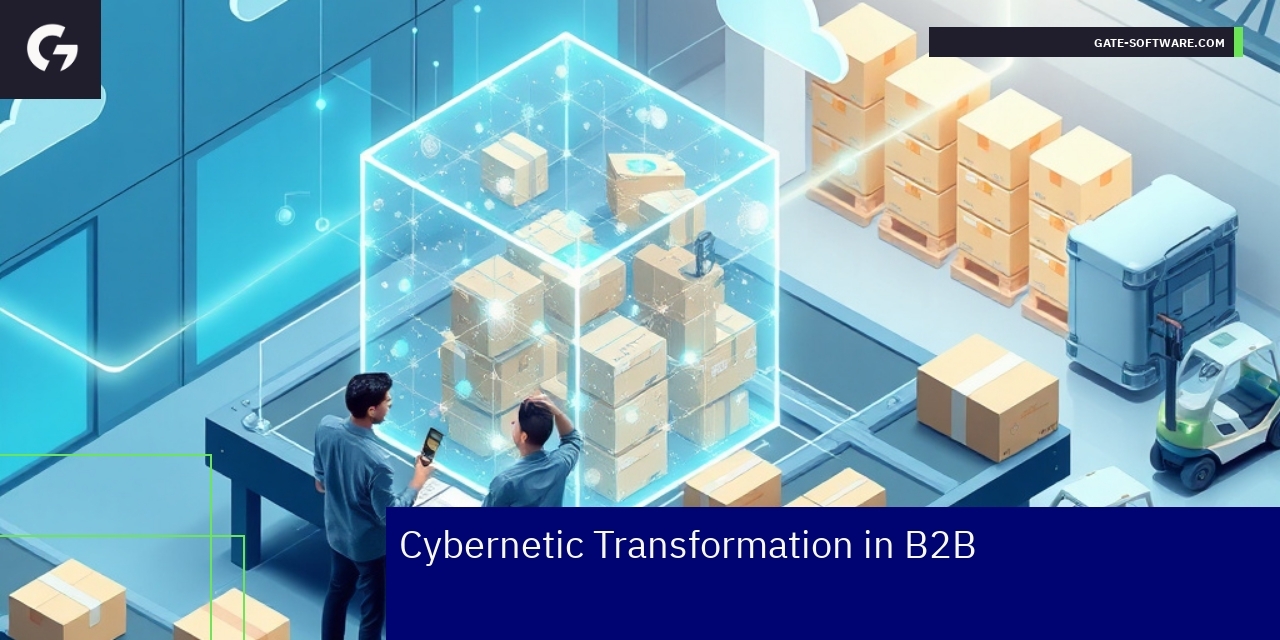
Cybernetic Transformation in B2B
– Defining cybernetic transformation and its emergence in B2B eCommerce
Cybernetic transformation in B2B eCommerce refers to the systemic integration of advanced technologies such as artificial intelligence, machine learning, and real-time data analytics into business processes. This integration allows organizations to create adaptive, self-regulating systems that optimize operational workflows and decision-making. Its emergence is driven by the need to enhance responsiveness to market dynamics, improve customer satisfaction, and create more streamlined, efficient digital selling processes. For B2B enterprises, this transformation signifies a shift from traditional transactional models to more intelligent, automated ecosystems that support complex purchasing scenarios and long sales cycles typical in B2B. This accelerates business agility and allows for more precise targeting, scalability, and integration of omnichannel strategies.
– The role of innovative technology in reshaping digital selling dynamics
Innovative technologies play a pivotal role in reshaping digital selling within B2B markets by enabling businesses to capture and interpret large volumes of data, automate critical processes, and deliver personalized customer experiences. AI-driven insights unlock new opportunities for upselling and cross-selling, while automation reduces manual overhead in order processing and catalog management. Digital platforms enable seamless integration with supply chains and customer systems, breaking down silos and fostering real-time collaboration. Such technologies support the dynamic adaptation of sales strategies aligned with customer behavior, optimizing conversion rates and fostering deeper engagement throughout the buyer journey. In essence, innovation propels B2B companies towards more efficient, customer-centric digital commerce operations.
Personalization in B2B eCommerce 🧩 Core elements essential to delivering meaningful personalization 🛠 Tools and platforms supporting personalization, aligned with Magento’s capabilities
Meaningful personalization in B2B eCommerce hinges on a few core elements: comprehensive data collection and analysis, precise segmentation of buyer personas like Architect, eCommerce Manager, or CTO/CTO, and dynamic content adaptation that reflects specific buyer needs and purchasing contexts. Data must encompass both historical transactions and behavioral signals to tailor communications and offers accurately. Tailored user experiences enhance relevance and trust, which are crucial in B2B relationships. Another fundamental is integrating personalization strategies with Magento’s architecture, enabling adaptive content delivery and customizable pricing or catalog views per client segment. Personalization must also comply with WCAG standards to ensure accessibility, reflecting inclusivity and corporate responsibility.
Magento’s extensible platform offers robust support for personalization through modular components, APIs, and integration with AI-driven personalization engines. Tools like MagentoOneS™ support real-time product recommendations and adaptive catalog views based on buyer profiles and behaviors. These platforms integrate CRM, ERP, and marketing automation systems to synchronize customer data across touchpoints, enabling cohesive personalization. Features such as advanced segmentation, custom pricing rules, and UX/UI customization allow enterprises to tailor user journeys deeply. Magento’s compatibility with monitoring and SLA tools ensures personalization strategies deliver consistent performance and reliability, fully aligned with Gate-Software’s focus on secure, scalable, and maintainable eCommerce ecosystems.
#### Catalog Management
Effective product catalog management in B2B environments demands meticulous organization to handle complex product hierarchies, pricing models, and multi-level user permissions. Best practices include maintaining data accuracy with continuous synchronization from master data systems, adopting flexible categorization to support diverse business lines, and implementing granular access controls to provide role-specific catalog views. Catalog structures should support quick searchability and intuitive navigation reflecting end-user workflows. Integration with Salesforce or ERP systems alongside Magento ensures real-time inventory updates and consistency across sales channels. Regular audits ensure compliance with WCAG and UX/UI standards, improving accessibility and user satisfaction.
Automation significantly enhances catalog accuracy by minimizing manual input errors and ensuring real-time updates of product data, pricing, and stock levels. Automated workflows speed up product onboarding, categorization, and content updating, freeing resources for more strategic tasks like product marketing or personalized offerings. Automation reduces time-to-market for new products and enables dynamic adaptation to customer needs or market changes. Leveraging APIs and data connectors as part of Gate-Software’s integration models ensures seamless communication between eCommerce platforms and backend systems, resulting in robust, reliable catalogs that support scalable B2B operations with reduced operational risk.
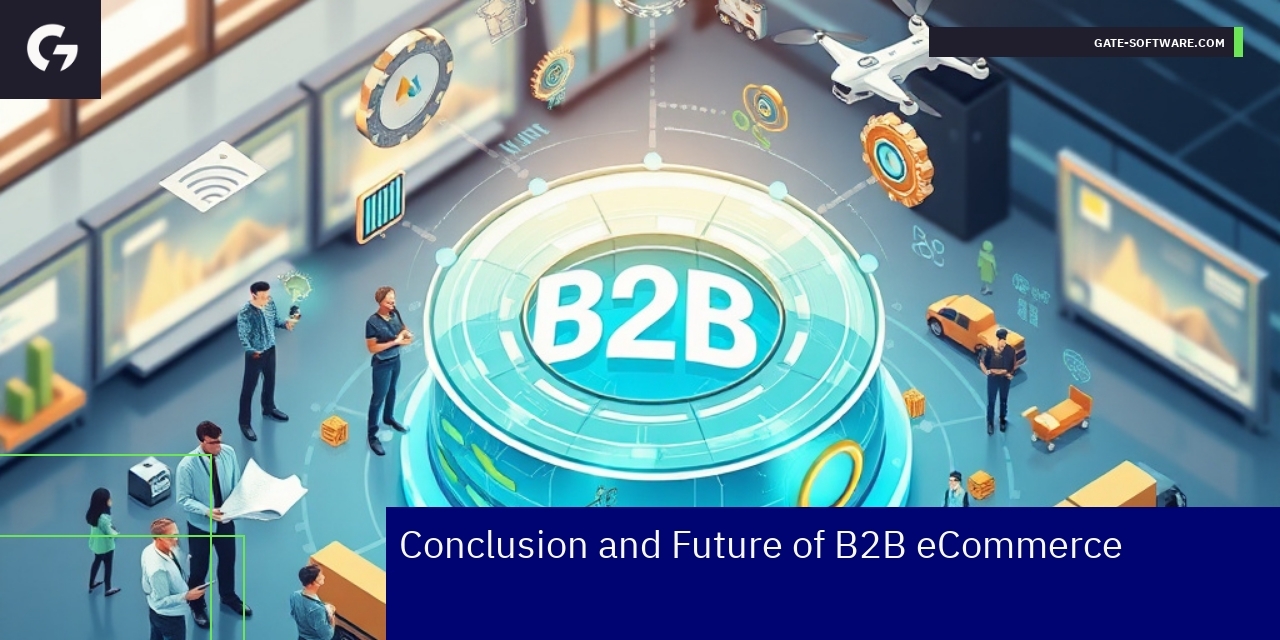
Conclusion and Future of B2B eCommerce
The landscape of B2B eCommerce is evolving rapidly, driven by technological advancements and changing business expectations. To succeed in 2026 and beyond, organizations must embrace a strategic approach that integrates innovation with robust platforms like MagentoOneS™, ensuring seamless scalability and flexibility tailored to B2B needs. The digital transformation journey in B2B demands heightened attention to UX/UI standards, including WCAG compliance, to deliver accessible and intuitive experiences for all user personas—from Architects to eCommerce Managers and CTOs.
Key trends shaping the future include omnichannel engagement, where consistent, personalized interactions across multiple touchpoints enhance buyer journeys. Leveraging detailed customer personas enables businesses to tailor content and digital interfaces that resonate deeply with decision-makers, fostering stronger partnerships and driving conversion. Cost optimization remains a priority, necessitating efficient hosting solutions, real-time monitoring, and agile project takeovers to reduce downtime and operational expenses while maintaining high performance.
Forward-looking B2B companies will prioritize early adoption of emerging technologies such as AI-driven personalization, advanced analytics, and automation to streamline procurement and supply chain processes. Integrating these innovations aligns with Gate-Software’s commitment to delivering secure, scalable, and compliant eCommerce solutions that drive measurable business outcomes.
The future winners in B2B eCommerce will be those who move first—embracing change with confidence and agility. Collaborative planning, supported by clear content strategies like Content Strategy 5.0 and communication frameworks, empowers teams to align on vision and execution. This approach ensures that all digital initiatives reflect the company’s brand values and operational goals, ultimately positioning them as leaders in the competitive B2B eCommerce arena.
By continuously refining UX/UI based on WCAG 1.1 standards, focusing on the specific needs of key personas (Architect, eCommerce Manager, CDO, CTO), and leveraging Gate-Software’s comprehensive B2B expertise, companies can navigate complexities and capture growth opportunities effectively. This strategic alignment will be crucial in an era where customer experience and technological innovation are tightly interwoven, driving sustainable success in B2B eCommerce.
Conclusion and Future of B2B eCommerce
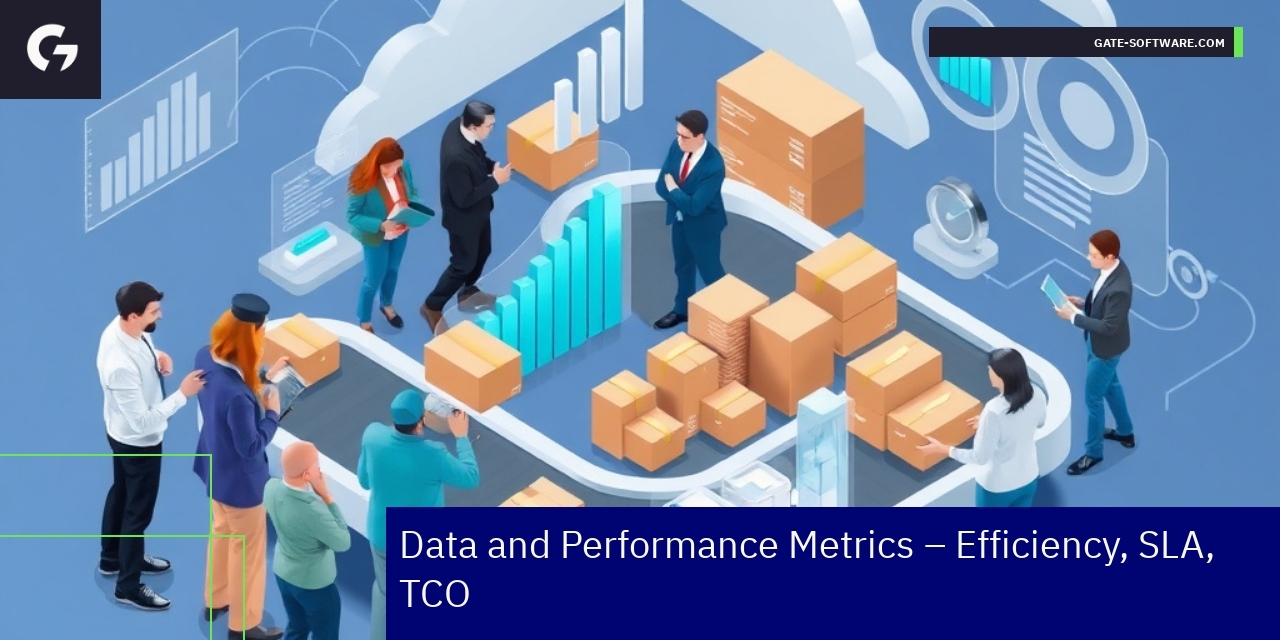
Data and Performance Metrics – Efficiency, SLA, TCO
Operational Effectiveness in B2B Projects
In the realm of B2B eCommerce, operational effectiveness is crucial for maximizing results and optimizing workflows. Here are some key metrics and statistics that shed light on performance and cost savings associated with Gate-Software’s B2B services:
1. Average Project Takeover Time: Gate-Software successfully reduces project takeover time to an average of 14 days, streamlining transitions and minimizing disruption in service.
2. On-Time Project Delivery Rate: The company boasts an impressive 92% of projects delivered on or ahead of schedule, which is critical in maintaining client satisfaction and trust.
3. TCO Reduction: By leveraging Gate-Software’s streamlined processes and expert solutions, clients can experience an average Total Cost of Ownership (TCO) reduction of up to 25% over a multi-year implementation period.
4. Number of Implementations: With over 150 successful implementations of MagentoOneS™ for B2B clients, Gate-Software has established itself as a leader in delivering tailored eCommerce solutions.
5. Uptime SLA Performance: The company’s uptime SLA commitment stands at 99.9%, ensuring that B2B platforms remain operational and accessible to end-users at all times.
6. Average Client Relationship Duration: Gate-Software maintains long-term partnerships, with an average client relationship duration of 5 years, reflecting the trust and satisfaction of its customer base.
7. User Engagement Improvement: After implementing advanced UX/UI strategies aligned with WCAG 1.1 standards, clients have reported a remarkable 40% increase in user engagement and satisfaction on their platforms.
These metrics not only illustrate the operational effectiveness of Gate-Software’s services but also provide a data-driven foundation for decision-makers considering investment in B2B eCommerce.

Summary
In the rapidly evolving B2B eCommerce landscape, Gate-Software stands out as a partner capable of delivering effective, tailored solutions. By leveraging innovative platforms like MagentoOneS™, businesses can not only adapt to the complexities of digital transactions but also thrive in an environment that increasingly demands personalization, efficiency, and scalability. The integration of advanced technologies and adherence to protocols such as WCAG ensures that your digital interactions are accessible, compliant, and user-friendly.
By aligning with key trends, such as the adoption of AI-driven personalization and the implementation of seamless ERP integrations, your organization can enhance buyer engagement, streamline operations, and maximize conversion rates. Moreover, understanding and anticipating the intricate needs of various buyer personas—from Architects to eCommerce Managers—will allow you to create customized experiences that drive loyalty and retention.
Gate-Software’s commitment to excellence and partnership is designed to support your journey in B2B eCommerce, ultimately positioning you for sustainable growth in a competitive digital marketplace. Embrace the opportunities presented by technology transformation and let Gate-Software guide your path to success, ensuring your eCommerce strategy is not only innovative but also firmly aligned with your business objectives. We invite you to reach out for further discussions on how we can work together to unlock the full potential of your B2B eCommerce strategy.
FAQ
How does Magento 2 support complex B2B sales processes?
Magento 2 is designed to manage intricate pricing models, multiple buyer roles, and customized catalogs, which are essential for B2B operations. It also supports seamless integration with enterprise ERP and CRM systems, optimizing workflows and ensuring data consistency.
Why is high performance and uptime critical for B2B eCommerce platforms?
High performance and uptime are vital in B2B eCommerce as downtime directly impacts revenue and client trust. Magento 2’s architecture facilitates efficient hosting and monitoring, ensuring that platforms can meet stringent SLA requirements.
What considerations should companies have when migrating from legacy systems to Magento 2?
Effective migration planning is crucial to avoid disruptions in existing sales channels. This includes ensuring data and SEO retention during the transition. Gate-Software provides expert project takeovers and customized cooperation models to minimize risk.
How does tailored content within Magento 2 enhance B2B marketing strategies?
Tailored content strategies engage specific personas like Architects, CTOs, and eCommerce Managers by providing personalized shopping experiences and relevant information. This approach aligns with Gate-Software’s Content Strategy 5.0, supporting structured content delivery that engages B2B customers effectively.
What are the benefits of integrating advanced analytics and AI in B2B eCommerce?
Integrating advanced analytics and AI allows businesses to personalize buyer experiences and streamline procurement cycles. This is essential for optimizing engagement and operational efficiency, key factors in driving sustained growth in the B2B marketplace.
.
.
Zamów bezpłatną konsultację
.
Z nami rozwój Twojego biznesu nabierze tempa! Zapraszamy do kontaktu średnie i duże firmy generujące min. 7 mln PLN obrotu rocznie – tam nasza ekspertyza sprawdza się najlepiej.
.
Kliknij w poniższy przycisk i skontaktuj się z jednym z naszych konsultantów e-commerce
.