Introduction
In the rapidly evolving e-commerce landscape, Magento 2 remains a robust platform driving digital commerce success. For 2026, the emphasis on development best practices focuses on scalable growth strategies, enhanced user experience (UX/UI), and maintaining high performance within Magento-based systems. Effective UiR (Utrzymanie i Rozwój) practices become crucial in ensuring platform stability and continuous functional upgrades that align with dynamic business needs.
Gate-Software’s approach to Magento 2 development integrates advanced maintenance protocols, agile development methodologies, and proactive monitoring to ensure optimal platform uptime and responsiveness. Key growth strategies emphasize cost optimization, compliance with WCAG accessibility standards, and leveraging data-driven insights to fine-tune user journeys. This strategic orchestration supports not only technical excellence but also business agility, helping CTOs, CDOs, and eCommerce managers deliver superior digital commerce experiences that drive retention and growth.
Leveraging deep expertise in MagentoOneS™, Gate-Software tailors development workflows around modular architecture and scalable infrastructure, fostering seamless integrations and rapid deployment cycles. This ensures that Magento 2 environments remain adaptable to emerging market demands while preserving high security standards and operational efficiency. Ultimately, these best practices underline a partnership model where technical stewardship aligns tightly with strategic business goals for sustained e-commerce success.

What You Will Learn
In an ever-evolving digital landscape, understanding the intricacies of Magento 2 is critical for decision-makers such as CTOs, Heads of Applications, and eCommerce Managers. This comprehensive guide will delve into several essential components of Magento 2 that are vital for high-performing online stores.
Magento 2 is renowned for its robust set of features that empower businesses to create scalable and customized eCommerce solutions. You will discover the essential functionalities, such as advanced SEO capabilities, mobile responsiveness, multi-store support, and enhanced security measures. These features are designed to optimize the user experience, streamline operations, and increase conversion rates, making it imperative for decision-makers to harness this platform effectively.
Understanding the financial implications of deploying Magento 2 is crucial for any organization. This guide breaks down the main implementation costs involved in migrating or adopting the platform. From software licensing fees to hosting, development, and ongoing maintenance expenses, you will gain a thorough cost analysis. This enables informed decisions regarding budget allocations and resource management, ensuring a successful launch without unforeseen financial setbacks.
Performance is a key indicator of an eCommerce platform’s success. This section will cover how Magento 2 stands out in terms of performance optimization. We discuss strategies and best practices to enhance your store’s speed and efficiency, including cache optimization, CDN integration, and code enhancements. Additionally, relevant metrics to monitor for assessing performance ensure decision-making is data-driven and in line with business goals.
While Magento 2 is often associated with large businesses due to its extensive features, it also offers robust support for smaller stores. You will learn how small and medium-sized enterprises can leverage Magento 2 to level the playing field against larger competitors. Insights into scalability options, budget-conscious extensions, and tailored solutions help understand how Magento can serve a diverse range of businesses effectively.
To fully grasp the advantages of utilizing Magento 2, it’s essential to understand what Magento Development entails. This includes the development process, methodologies such as custom development, theme design, and third-party integrations. Choosing the right development approach can significantly impact your store’s success. Collaborating with experienced Magento developers to tailor solutions to your specific business needs is crucial.
By the end of this guide, you will have a solid understanding of the various aspects of Magento 2 crucial for strategic decision-making. From recognizing the key features that enhance store capabilities to understanding associated costs and performance metrics, you will be empowered to harness the full potential of Magento 2 to drive eCommerce success. Whether strategizing for a small business or planning a large-scale deployment, this knowledge enables informed choices that align with organizational objectives.
TABLE OF CONTENTS
- Modern Magento 2 Development Best Practices for 2026: Key Growth Strategies and Tips
- What You Will Learn
- Magento 2 Pros and Cons
- Magento Website Development: Step-by-Step Process
- Performance Data and Metrics – Efficiency, SLA, TCO
- ERP System Integration
- Discount Programs and Promotions
- Flexible Resource Management
- Ensuring Good Hosting
- Magento 2 Modular Architecture
- WCAG Compliance
- Testing and Continuous Optimization
- Adapting the Platform to Changing Needs
- User-Friendly CMS
- Increasing Conversion Rates
- External System Integration
- Data and Performance Metrics – Efficiency, SLA, TCO
- Summary
- FAQ
- Most effective strategies to boost conversions
- Examples of campaigns delivering seamless experiences through frontend design
- Frequently asked questions about Magento 2
- Answers to common concerns
Magento 2 Pros and Cons
Modern approaches to e-commerce
Magento 2 supports modern approaches to e-commerce by offering extensive flexibility and scalability tailored to the needs of dynamic retail environments. This platform allows integration with advanced UX/UI designs that adhere to WCAG standards, essential for creating accessible shopping experiences. Its modular architecture supports seamless customization and extensions, making it suitable for implementing innovative marketing strategies and personalized content delivery. Magento 2 also facilitates omnichannel commerce, enabling businesses to manage multiple sales channels from a unified system, crucial for meeting varied customer expectations. This adaptability aligns well with Gate-Software’s focus on robust e-commerce solutions, ensuring companies can stay competitive and agile in fast-evolving markets.
Applying security best practices and PCI DSS compliance
Security is a core strength of Magento 2, with built-in features that support compliance with PCI DSS standards vital for secure payment processing. The platform emphasizes secure coding practices, regular patching, and updates to mitigate vulnerabilities. Magento 2 allows the implementation of advanced authentication methods, encryption, and secure data storage, which are critical for protecting customer information and maintaining trust. Gate-Software leverages this framework by integrating comprehensive monitoring and hosting solutions that reinforce the security posture of Magento-based platforms. This focus on security is especially relevant in B2B and e-commerce environments, where protecting transaction data and maintaining compliance reduces risk and supports business continuity.
Is Magento 2 Suitable for Small Stores or Only Big Players?
Magento 2 is often viewed as ideal for large enterprises, but it can be a viable solution for smaller stores when their needs justify its advanced capabilities. Smaller businesses benefit from Magento 2’s scalability and rich feature set as they plan growth or require integrations with complex inventory or customer management systems. However, the platform demands considerable technical expertise and resources for proper setup and maintenance, which might be a constraint for some small retailers. Examples of successful use in small and medium businesses demonstrate that with appropriate tailoring and hosted support—such as the Gate-Software SLA and monitoring services—Magento 2 can deliver enterprise-level functionality without excessive overhead. Thus, a careful needs analysis is essential to determine if Magento 2’s investment aligns with business goals, offering both rich features and security compliance for growing e-commerce operations.
Magento Website Development: Step-by-Step Process
– Key steps in Magento 2 implementation
Implementing Magento 2 for a UiR-focused website requires a structured approach that encompasses both technical precision and business alignment. First, deep understanding of client needs and user experience goals is essential to frame project scope. The architecture design should prioritize scalability and performance, selecting appropriate hosting solutions to ensure high availability. Installation and configuration must optimize server environments, PHP, and database settings for Magento’s specifics. Theme and UI development should emphasize intuitive navigation and accessibility, leveraging Magento’s customization capabilities while adhering to UX/UI audits and WCAG standards. Key functionalities tailored to UiR, such as advanced product filtering, dynamic pricing, and seamless checkout flows, must be developed and integrated with third-party services like payment gateways and logistics. Rigorous testing—including functional, performance, and security checks—ensures robustness across devices and browsers. Finally, structured deployment with version control and rollback plans minimizes risks during go-live.
– Common mistakes and how to avoid them
The most frequent challenges in Magento 2 UiR projects stem from undervaluing UX consistency and insufficient testing. Neglecting mobile responsiveness or accessibility compliance undermines the user journey, severely impacting conversion rates. Overlooking performance tuning, especially caching and server optimization, leads to slow page loads causing high bounce rates. Communication gaps between technical teams and business stakeholders can result in scope creep or misaligned objectives. To mitigate these risks, Gate-Software emphasizes comprehensive UX/UI audits pre-launch, strict adherence to WCAG standards, and continuous stakeholder engagement. Proactive performance monitoring and employing automation in testing streamline quality assurance processes. Ensuring scalability through modular development also prepares the site for future growth with reduced risk of technical debt.
## How to Measure Magento 2 Implementation Performance?
##### – Key performance metrics
Measuring the success of Magento 2 implementations involves targeted KPIs aligned with UiR business goals. Conversion rate is paramount, reflecting how well the site turns visitors into customers. Page load time influences user satisfaction and SEO rankings, with an ideal threshold under 3 seconds. Bounce rate measurements help identify navigation or content issues driving visitors away prematurely. Additional metrics include average order value and cart abandonment rates, offering insight into sales funnel effectiveness. Monitoring server response times and traffic load capacity ensures the platform handles peak demands without degradation. Gate-Software integrates these metrics into dashboards for real-time visibility, enabling data-driven decision-making.
##### – Tools for performance analysis
Robust performance analysis leverages tooling such as New Relic for in-depth server and application monitoring, alongside Google Analytics for user behavior insights. Magento’s native tools assist in tracking backend performance and extension health. Automated testing frameworks like PHPUnit validate code quality, while Selenium supports end-to-end UX testing across different browsers and devices. For SEO and page speed, tools like Lighthouse and GTmetrix help identify optimization opportunities. Implementing these tools within continuous integration pipelines ensures ongoing site reliability and responsiveness, crucial for maintaining both user satisfaction and business outcomes in UiR contexts.

Performance Data and Metrics – Efficiency, SLA, TCO
Performance data and metrics are critical pillars for managing and optimizing UiR services effectively. Understanding these metrics allows CTOs, Heads of Applications, and eCommerce Managers to assess system responsiveness, resource utilization, and compliance with agreed service levels (SLA). Efficiency in this context translates to optimal resource use minimizing waste while maximizing output and user satisfaction. SLA monitoring provides an essential framework ensuring that all technical and operational commitments are met consistently, aligning service delivery with business needs.
Total Cost of Ownership (TCO) encompasses the comprehensive financial perspective beyond initial investments, including ongoing maintenance, upgrades, and operational costs tied to the Magento 2 platform and related infrastructure. In practice, gate-software solutions emphasize performance data analytics integrated with SLA adherence to reduce TCO by proactively identifying inefficiencies and areas for cost optimization without compromising service quality.
Comprehensive monitoring frameworks leverage metrics such as request handling times, server availability, error rates, and throughput. For Magento-based e-commerce platforms, strategies focusing on advanced data interpretation support uninterrupted service with minimal downtime or degradation. Implementing these strategies ensures a robust and scalable environment aligning with the business’s evolving needs.
The intelligent use of these performance insights enables precise decision-making and strategic resource allocation, fostering a sustainable platform optimized for business growth. Leveraging Magento 2’s flexibility, combined with Gate-Software’s professional expertise in SLA frameworks and monitoring mechanisms, results in a high-performing e-commerce environment that balances efficiency, reliability, and cost-effectiveness.
ERP System Integration
Benefits of integrating with ERP systems
Integrating Magento 2 with ERP systems brings significant benefits for businesses focused on UiR, particularly those managing complex e-commerce and B2B environments. Such integration ensures real-time data synchronization between the e-commerce platform and backend operations, reducing manual work and errors in order processing, inventory management, and customer data handling. It enhances operational efficiency by streamlining workflows and providing a unified view of business processes. For decision-makers like CTOs and Heads of Applications, ERP integration translates into improved control, visibility, andaccuracy in managing stock levels and fulfillment processes, which directly impacts customer satisfaction and operational costs. Moreover, drawing on Gate-Software’s approach, this integration supports scalability and flexibility, critical for adapting to increasing business demands and maintaining compliance with industry standards such as WCAG 1.1 for accessibility.
Examples of ERP systems compatible with Magento 2
Magento 2’s architecture supports seamless integration with a variety of ERP systems widely used in e-commerce and B2B sectors. Examples include SAP, Microsoft Dynamics, and NetSuite—each offering robust modules that align with the needs of UiR-focused enterprises. These ERP systems facilitate comprehensive management of financials, supply chains, and customer relationships, which are crucial for sustaining competitive advantage. Gate-Software’s expertise highlights that selecting an ERP compatible with Magento 2 ensures secure, bi-directional data exchange, enabling automated updates of product information, pricing, and order statuses. This compatibility underpins effective multi-channel selling strategies and supports the company’s broader Content Strategy 5.0 by enabling consistent, reliable data flow across digital touchpoints, ultimately improving user experience and operational resilience.
## Which Functions Does Magento 2 Offer?
##### Essential platform functionalities
Magento 2 offers a suite of essential platform functionalities tailored to meet the demands of modern UiR applications. These include advanced catalog and inventory management, flexible pricing rules, and comprehensive customer segmentation capabilities. The platform also supports full API accessibility, enabling tight integration with ERP systems and other backend applications. This facilitates automation of business processes and enhances data accuracy. The modularity of Magento 2 empowers eCommerce Managers to customize workflows and extend functionalities without compromising system stability. Gate-Software’s implementation strategy emphasizes leveraging these built-in features to optimize operations, supporting strategic goals such as scalability and cost optimization while adhering to WCAG standards for inclusive design.
##### Modern approaches to store management
Modern store management within Magento 2 focuses on agility, data-driven decision-making, and enhanced customer experiences. The platform enables real-time analytics and monitoring, essential for CIOs and CDOs overseeing digital transformation initiatives. Multi-source inventory management, dynamic content personalization, and flexible checkout solutions empower businesses to respond promptly to market changes and customer expectations. Gate-Software’s consulting approach integrates these features with ERP systems, ensuring consistent data synchronization and operational transparency. Additionally, this synergy supports the brand’s voice and content strategies by maintaining reliable, up-to-date information across all sales channels, strengthening customer trust and engagement while fulfilling strategic communication objectives.

Discount Programs and Promotions
Discount programs and promotions serve as vital tools for enhancing customer engagement and driving sales within UiR-focused e-commerce platforms. Effective leveraging of these programs requires a strategic balance between attractive offers and sustainable business margins. Integrating discount schemes seamlessly into the user experience while maintaining compliance with UX/UI standards ensures that promotional activities contribute positively to brand perception and customer satisfaction.
Companies need to tailor their promotion strategies by analyzing their audience personas such as eCommerce Manager, Architect, and Head of Applications. This targeted approach optimizes the impact of discounts by aligning offers with user expectations and operational capabilities. For instance, dynamic pricing and time-limited promotions can be supported by Magento 2’s robust platform capabilities, enabling real-time updates and managing multi-store environments efficiently.
Successful marketing campaigns often involve multi-channel communication strategies that include social media, email marketing, and platform notifications. Aligning these campaigns with the Gate-Software communication strategy and brand voice ensures consistency and strengthens user trust. Furthermore, adherence to WCAG 1.1 standards in promotion content guarantees accessibility for all user groups, underscoring the company’s commitment to inclusive digital commerce.
By leveraging the combination of technical Magento 2 strengths and Gate-Software’s strategic insights into discount programs and promotions, businesses can enhance their conversion rates and build long-term customer relationships, all while sustaining operational efficiency and compliance.

Flexible Resource Management
How Magento 2 supports resource management?
Magento 2 offers robust mechanisms for flexible resource management that cater specifically to the demands of modern e-commerce platforms. Its modular architecture and support for API-driven integrations allow businesses to allocate resources dynamically based on real-time traffic and user activity. This adaptability ensures optimal performance and scalability, aligning with the strategic goals of CTOs and Heads of Applications to maintain system efficiency. Furthermore, Magento 2’s ability to integrate with advanced monitoring tools enables proactive resource allocation, minimizing downtime and ensuring compliance with SLA requirements. These features help manage server load effectively, providing a seamless shopping experience while supporting strategic objectives such as cost optimization and platform stability, essential for e-commerce managers overseeing high-traffic sales periods.
Practical examples of resource flexibility
In practical scenarios, Magento 2’s resource flexibility facilitates rapid scaling during peak traffic, such as holiday sales or promotional events, without compromising performance. Utilizing cloud hosting models that support horizontal scaling, resources can be increased or decreased automatically based on demand. This approach allows businesses to optimize infrastructure costs while guaranteeing availability. Additionally, feature toggles within Magento 2 enable the activation or deactivation of services in response to user needs or system load, enhancing operational agility. Gate-Software’s expertise in implementing monitoring and alerting protocols further supports resource flexibility, enabling swift response to performance bottlenecks and ensuring the platform adheres to WCAG standards and UX/UI expectations crucial for user satisfaction and compliance.
Magento 2 Hosting Requirements
Magento 2 demands specific hosting environments that provide high availability, strong security, and scalability. Key hosting requirements include support for PHP 7.4 or higher, MySQL 8.0, and Elasticsearch, which are vital for performance and search functionality. A hosting solution must also ensure fast SSD storage, reliable backups, and robust network infrastructure to handle fluctuating traffic loads efficiently. Security provisions such as firewalls, SSL certificates, and regular updates are critical to protect sensitive user data and maintain PCI compliance in B2B and B2C contexts. The hosting environment should also provide comprehensive monitoring and optimization tools for proactive resource management, aligning with Gate-Software’s strategic approach to sustaining platform reliability and performance.
How to choose the right hosting?
Selecting the appropriate hosting for Magento 2 requires evaluating several technical and business criteria. Decision-makers should prioritize hosts offering scalable cloud infrastructure that enables elastic resource allocation tailored to traffic patterns. The hosting provider’s expertise in Magento-specific optimizations, including caching strategies and database performance tuning, is crucial to avoid bottlenecks and ensure a smooth user experience. Additionally, alignment with compliance standards such as PCI-DSS and WCAG 1.1 is essential for legal and accessibility requirements. Services that support proactive monitoring and provide service-level agreements (SLA) guaranteeing uptime and rapid incident response are preferred. Gate-Software’s insights emphasize the importance of collaborative partnership with hosting providers to align hosting capabilities with evolving business needs and technological advancements.

Ensuring Good Hosting
Best practices for hosting selection
Selecting the right hosting service is a foundational step for any Magento 2 e-commerce platform, especially within the UiR service context. Key best practices include prioritizing a hosting provider with proven reliability and uptime guarantees, which directly affect site availability and customer trust. Equally important is ensuring that the hosting supports the scalability demands typical of Magento 2, allowing for seamless growth without performance degradation. Security measures must align with industry standards, including SSL certification, DDoS protection, and proactive monitoring to prevent downtime or breaches. Additionally, the hosting environment should be optimized for Magento 2’s architecture, leveraging caching, content delivery networks (CDNs), and server configurations tuned for the platform’s requirements. Given the technical sophistication required, decision-makers like CTOs and Heads of Applications should also seek providers offering robust support services, including 24/7 expert assistance to resolve potential issues swiftly without disrupting user experience. Integrating these elements assures not only compliance with business continuity strategies but also supports an optimal user journey aligned with the company’s UX/UI guidelines and WCAG standards.
Examples of top hosting providers for Magento 2
Top hosting providers for Magento 2 distinguish themselves through specialized services tailored to the platform’s unique demands. Providers like AWS, Google Cloud, and specialized Magento hosting companies offer managed hosting solutions designed to maximize performance, security, and scalability. These providers implement dedicated Magento configurations, such as fast SSD storage, optimized PHP versions, and full compatibility with Varnish Cache, which enhance page load times critical for conversion optimization. Their service level agreements (SLA) typically include uptime commitments exceeding 99.9%, along with backup solutions and disaster recovery options critical to safeguarding online transactions and data integrity. For enterprises focusing on B2B or complex e-commerce ecosystems, choosing providers with multi-region data centers helps minimize latency and ensures compliance with data sovereignty regulations. Aligning hosting choices with Gate-Software’s strategic focus on cost optimization and operational excellence can be instrumental in maintaining competitive advantages in digital commerce.
Magento 2 vs Other E-Commerce Platforms
Magento 2 is engineered for flexibility, scalability, and robust customization, positioning it uniquely among other e-commerce platforms. It excels in serving complex e-commerce needs, especially where integration with ERP, CRM, and other enterprise systems is vital. Unlike many SaaS-based platforms, Magento 2 offers full control over hosting environments, enabling organizations to tailor infrastructure to specific performance, security, and compliance needs. This advantage directly translates into enhanced UX/UI opportunities compliant with WCAG standards, crucial for broader accessibility. However, this flexibility demands higher technical expertise and resource investments—often necessitating reliable hosting and a competent operations team to manage maintenance, updates, and scalability effectively. For decision-makers, understanding these trade-offs is crucial when balancing in-house control against operational overhead and total cost of ownership, especially in contexts emphasizing B2B transactions and digital transformation strategies.
Comparison with popular platforms
Comparing Magento 2 with other popular e-commerce platforms highlights key distinctions important for strategic hosting decisions. SaaS platforms typically offer ease of use and integrated hosting but limit control over customization and infrastructure tuning. Magento 2’s open-source model empowers greater flexibility but shifts full hosting responsibility to the organization, demanding expert management. This autonomy allows organizations to implement advanced security protocols and performance optimizations aligned with enterprise-level requirements. Additionally, Magento’s extensive marketplace of extensions and integration capabilities surpass many competitors, supporting sophisticated multi-channel retail strategies. For CIOs and CDOs, these factors translate into the necessity for hosting solutions that accommodate rapid innovation and integration, ensuring the underlying infrastructure supports the company’s strategic digital goals without compromising reliability or compliance.
Key differences and similarities
Key differences between Magento 2 and other platforms revolve primarily around hosting control, scalability, and customization. Magento 2 offers unparalleled flexibility in configuring the hosting environment, which is a critical advantage for teams focused on fine-tuning performance and security. Other platforms often bundle hosting but limit the ability to customize the infrastructure to specific business needs or compliance frameworks. Yet, both Magento 2 and popular hosted platforms share common goals, such as maximizing uptime, improving page speed, and maintaining compliance with accessibility standards like WCAG. From a strategic viewpoint, these shared objectives emphasize the importance of selecting or managing hosting environments that support both technical excellence and business agility. Ensuring that hosting integration aligns with Gate-Software’s standards for monitoring, SLA adherence, and cost optimization is essential to fully leverage Magento 2’s potential while mitigating operational risks.
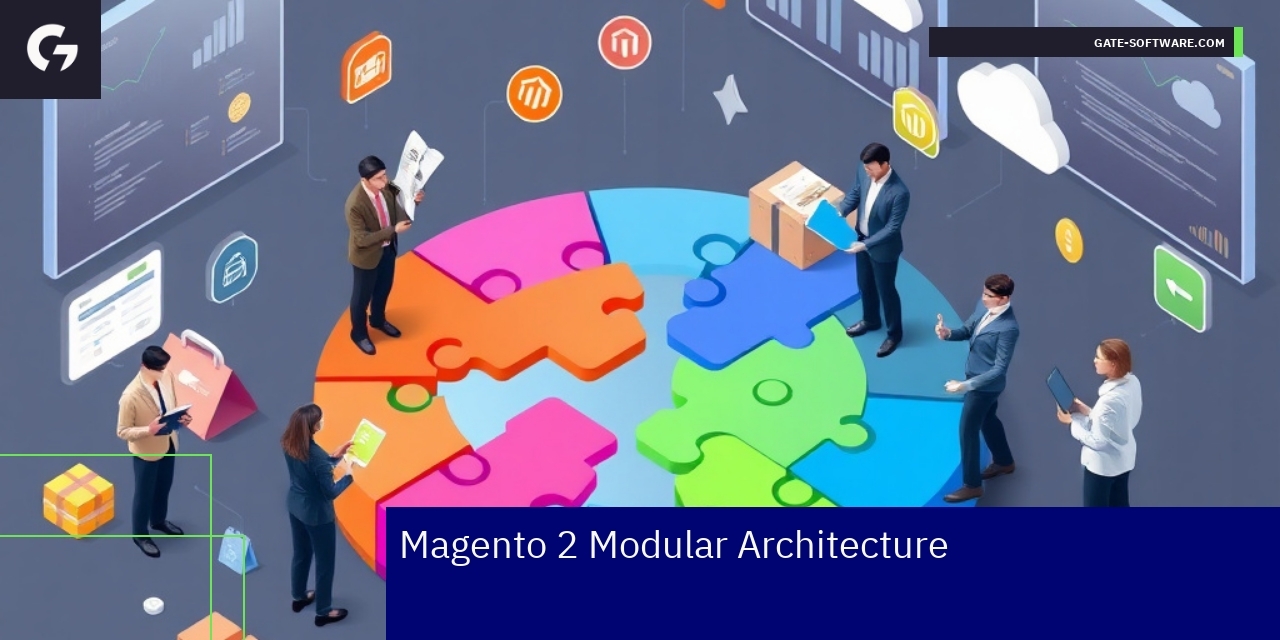
Magento 2 Modular Architecture
How the modular architecture works?
Magento 2’s modular architecture is designed to provide flexibility, scalability, and maintainability by structuring the platform into loosely coupled modules. Each module encapsulates a specific business functionality or feature, allowing teams such as Architects and eCommerce Managers to manage and upgrade parts of the system independently without affecting other components. This approach supports efficient development cycles, enables customization per project needs, and facilitates compliance with standards such as WCAG 1.1 for accessibility. The modular design also integrates well with Gate-Software’s approach to platform monitoring and migrations, ensuring system stability and performance optimization.
Examples of module applications
In practice, Magento 2 modules cover areas like payment processing, product catalog management, user interface enhancements, and third-party integrations—all critical for B2B and e-commerce environments. For example, a dedicated module might manage complex pricing rules for wholesale customers, aligning with B2B strategies and UX/UI best practices outlined in Gate-Software’s guidelines. Another module could focus on SEO optimizations, helping to maintain robust content strategies such as Content Strategy 5.0 and TOYA. The modular setup makes such application straightforward, allowing custom modules to coexist with Magento’s core modules seamlessly, supporting reliable and scalable e-commerce operations.
Magento 2 Pros and Cons
Summary of main advantages and disadvantages
Magento 2 offers significant advantages such as modularity, extensibility, and a strong community ecosystem, which enable tailored e-commerce solutions for diverse business needs. Its modular architecture facilitates easier maintenance, scalability, and faster implementation of new features. However, Magento 2 also demands considerable technical expertise and can have higher initial setup and hosting costs compared to simpler platforms. Performance optimization and compliance with accessibility standards like WCAG 1.1 require ongoing attention, which is addressed through Gate-Software’s monitoring and enhancement services.
When to choose Magento 2?
Organizations should opt for Magento 2 when they require a robust, customizable, and scalable platform capable of supporting complex business models, such as multi-channel sales, B2B operations, or extensive product catalogs. Magento 2 suits companies prioritizing long-term platform stability, extensibility, and adherence to UX/UI and accessibility standards. For businesses aligned with Gate-Software’s values and processes, Magento 2’s modular architecture enables effective cooperation with specialists like CTOs, Heads of Applications, and eCommerce Managers to deliver competitive e-commerce solutions that align with strategic marketing and communication plans.
WCAG Compliance
How to ensure store accessibility?
Ensuring store accessibility in line with WCAG standards requires a comprehensive approach that integrates usability and inclusivity from the earliest development stages. This entails adopting WCAG 1.1 guidelines focusing on perceptibility, operability, and understandability of the interface. Key steps include rigorous UX/UI audits to identify and resolve accessibility barriers, implementing semantic HTML for assistive technologies, and enhancing keyboard navigation to accommodate users with motor impairments. Particular attention should be paid to color contrast and text clarity to benefit those with visual challenges. Gate-Software emphasizes collaboration among architects, eCommerce managers, and developers to embed accessibility into the design and development cycles, ensuring that compliance aligns with customer experience goals and technical feasibility. Employing monitoring tools to continuously assess accessibility and integrating customer feedback loops enhances ongoing compliance and service quality.
Examples of WCAG-compliant implementations
Effective WCAG-compliant implementations draw from best practices such as comprehensive use of ARIA attributes and adherence to semantic site structure that supports screen readers. Gate-Software’s approach includes customized Magento 2 modules tailored for accessibility, ensuring features like alt texts on images, accessible forms, and logical tab order are standard. Real-world examples implemented by the Gate team demonstrate better usability for diverse user personas including those with cognitive and sensory disabilities. Additionally, compliance encompasses WCAG 1.1 requirements, meaning all navigation, content, and interaction points are inclusive and subject to continuous quality assurance. This not only supports legal compliance but enhances user loyalty and SEO performance, integrating business strategy with accessibility goals.
Magento 2 Implementation
Key implementation stages
Magento 2 implementation for WCAG compliance begins with deep analysis and UX/UI audits, focusing on existing barriers and aligning improvements with WCAG 1.1 standards. Early development stages include architecture design that incorporates accessibility principles, followed by iterative development cycles combining frontend adjustments like ARIA roles and backend enhancements for content management flexibility. Integration of automated testing tools and manual validation ensures compliance at every milestone. Throughout, communication between CTOs, architects, and eCommerce managers ensures technical constraints and business priorities align. Gate-Software specializes in this collaborative, phased approach guaranteeing robust compliance and maintainability in Magento 2 environments targeting long-term success.
Magento development best practices for 2026: expert guide
Best practices for Magento development in 2026 emphasize proactive accessibility integration, rooted in the latest WCAG standards including ongoing updates to WCAG 1.1 guidelines. This expert guide advocates for continuous UX/UI optimization, automation of accessibility tests in CI/CD pipelines, and modular coding to simplify updates and audits. It also highlights the importance of enhanced developer training on accessibility and the use of scalable tools for monitoring compliance. By aligning development with Gate-Software’s strategic framework and personas like CDO, CTO, and Head of Applications, the process ensures that accessibility is a fundamental quality attribute rather than an afterthought. This not only meets growing regulatory demands but also drives better business outcomes through inclusive, user-centric digital commerce solutions.
Testing and Continuous Optimization
Ensuring quality through rigorous testing
Ensuring quality through rigorous testing is a cornerstone in UiR service management, especially within complex e-commerce ecosystems like Magento platforms. Rigorous testing involves comprehensive functional, performance, and usability assessments that align with WCAG standards for accessibility and UX/UI guidelines established in Gate-Software’s framework. Key decision-makers, such as Architects and Heads of Applications, leverage automated and manual testing strategies to detect and address potential defects early in the development cycle. This approach mitigates risks tied to platform stability and user experience inconsistencies, ensuring that MagentoOneS™ environments meet SLA commitments and operational readiness standards. Continuous integration pipelines reinforce quality by facilitating frequent deployments with robust rollback options, allowing swift response to production anomalies without extensive downtime. By embedding testing deeply into the development process, Gate-Software supports scalable and resilient solutions that maintain compliance with business needs and technical expectations.
Examples of performance optimization
Performance optimization in UiR services is integral to sustaining high availability and responsiveness of platforms handling B2B and e-commerce traffic. Optimization strategies commonly target front-end rendering efficiencies adhering to UX/UI guidelines to enhance user engagement and conversion rates. Backend improvements focus on database indexing, caching mechanisms, and resource allocation, leveraging Gate-Software’s hosting and monitoring capabilities to identify bottlenecks proactively. Implementation of Magento 2 Migration best practices frequently accompanies performance tuning efforts, addressing challenges such as legacy system data integration and synchronizing complex workflows. Through data-driven monitoring, Architects and eCommerce Managers gain actionable insights that drive incremental improvements, while marketing strategies integrate these technical enhancements to boost digital customer journeys. Such continuous operational tuning aligns with Gate-Software’s commitment to robustness and scalability, ensuring that platforms deliver reliable and fast experiences that meet evolving market demands.
Magento 2 Migration
Migration to Magento 2 represents a critical pillar in UiR service evolution, demanding meticulous planning and execution to preserve business continuity and data integrity. Critical migration steps include comprehensive audits of existing systems, compatibility assessments for extensions, and staging environment validation. Transition strategies emphasize phased rollouts supported by rollback contingencies, mitigating risks associated with cutover events. Gate-Software’s expertise ensures seamless transfer of product catalogs, customer data, and transactional histories, minimizing impacts on SEO and user experience. Architects and CTOs prioritize adherence to WCAG 1.1 standards throughout migration to maintain accessibility compliance. Regular communication between development teams and business stakeholders helps address emergent challenges promptly. Leveraging JPS (One-page plan) methodologies facilitates coordinated project governance, ensuring transparency and alignment with strategic objectives.
Common challenges in migration
Common challenges in Magento 2 Migration for UiR services often stem from data complexity, integration issues, and maintaining performance benchmarks. Legacy system idiosyncrasies frequently complicate the extraction and transformation of data into new schemas. Compatibility constraints among extensions and custom modules require careful evaluation to avoid functionality losses. Moreover, aligning migration timelines with business cycles presents project management hurdles, particularly when coordinated with marketing campaigns or seasonal peaks. Attention to WCAG standards during the migration can uncover unexpected remediation needs, impacting resource allocation. Performance degradation risks during transition phases necessitate proactive monitoring and optimization to sustain user experience quality. Gate-Software’s project takeover strategies and SLA-focused monitoring provide robust safety nets, ensuring swift issue resolution. Clear documentation and training for operational teams post-migration facilitate a smooth shift to upgraded environments, strengthening platform resilience and long-term scalability.
Magento 2 Pros and Cons
📈 Key benefits and advantages of migrating to Magento 2
⚠️ Potential risks and drawbacks to consider
🛠️ Mitigation strategies and best practices
Adapting the Platform to Changing Needs
How to manage the platform flexibly?
Managing a platform flexibly requires a strategic approach that integrates robust architecture with adaptive processes. Emphasizing modular design within systems like MagentoOneS™ supports scalability and straightforward updates, ensuring that evolving business requirements and technological advancements are seamlessly incorporated. Maintenance plans should include proactive monitoring and performance optimization to immediately address emerging issues and maintain high availability. Coordination between eCommerce Managers and Heads of Applications is essential to align operational goals with platform capabilities, ensuring flexible management that supports both rapid deployment of new features and regulatory compliance including adherence to WCAG standards. This agility enables businesses to respond efficiently to market fluctuations and customer expectations without disrupting continuity or user experience.
Examples of adapting to market changes
Adapting to market changes often entails adjustments in user experience, feature sets, and back-end integrations to maintain competitiveness and operational efficiency. For instance, leveraging UX/UI audits can identify areas where the platform may not fully meet evolving client needs or accessibility guidelines, prompting targeted redesigns. Cost optimization strategies can be employed to enhance platform sustainability during fluctuations in market demand. Additionally, migrating to more efficient hosting solutions or upgrading SLAs ensures resilience and uptime even during unexpected load spikes or market disruptions. By aligning these technical adaptations with strategic marketing and communication plans, companies can effectively pivot and seize new business opportunities while maintaining alignment with their core values and brand voice.
Maintenance and Development
Continual maintenance and development are critical for sustaining platform relevancy and growth. Regular updates to security, performance, and compliance frameworks protect against vulnerabilities and regulatory risks, while iterative feature development fosters innovation and competitiveness. Best practices include utilizing detailed SLA monitoring to track system health and proactively address performance bottlenecks. Close collaboration across technical and business teams, including Architects and CTOs, ensures that development efforts prioritize both immediate operational stability and long-term scalability. Employing comprehensive content strategies—as outlined in Content Strategy 5.0—supports consistent messaging and value delivery, which in turn drives customer retention and engagement. Tailored maintenance plans should balance reactive support with planned improvements, streamlining operations and enhancing user satisfaction.
Best practices for ongoing development
Ongoing development demands disciplined project management, clear communication channels, and adaptability to feedback. Implementing agile methodologies and continuous integration/continuous deployment (CI/CD) pipelines accelerates delivery and minimizes risk of downtime. Prioritizing user-centric design informed by WCAG 1.1 standards and persona insights leads to intuitive, accessible interfaces that cater to diverse customer segments. Investing in scalable infrastructure supports seamless handling of growth and feature expansion. Moreover, aligning development milestones with marketing campaigns and brand voice consistency ensures coherent customer experiences. Gate-Software’s structured cooperation models facilitate smooth handovers and knowledge transfer, enhancing development efficiency and quality. Ultimately, these practices empower decision-makers to guide sustained innovation aligned with strategic business objectives.
User-Friendly CMS
CMS features that improve usability
A user-friendly CMS must focus on intuitive interfaces and streamlined workflows that reduce the cognitive load on users such as content editors and managers. Key features include customizable dashboards that present relevant data and tasks concisely, role-based access controls to ensure users have appropriate permissions, and drag-and-drop content editing capabilities that simplify page creation. Integration with WCAG standards ensures accessibility for all users, reflecting compliance and inclusivity aligned with UiR priorities. Efficient content versioning and rollback mechanisms support error recovery and audit trails, critical for enterprise environments. Automated workflows for content approval and publication decrease bottlenecks, enhancing time-to-market. Additionally, seamless integration with e-commerce and B2B platforms like MagentoOneS™ facilitates consistent brand experience and operational efficiency. These features collectively optimize the user experience, meeting the needs of personas such as the Architect, eCommerce Manager, and Head of Applications.
Examples of user-friendly CMS systems
Leading user-friendly CMS systems combine flexible architecture with a focus on UX/UI best practices and WCAG 1.1 compliance, ensuring accessibility and usability across diverse user groups. Systems such as Sitecore, Adobe Experience Manager, and Magento’s integrated content capabilities demonstrate scalable enterprise solutions that align with Gate-Software’s strategic vision, especially in the e-commerce and B2B domains. These platforms support personas like the CDO and CIO/CTO by offering robust APIs for integration, comprehensive analytics for content performance optimization, and support for multi-channel publishing. The strongest CMS systems provide detailed documentation, SLA-backed support, and tools for effective project migration and cost optimization, essential for maintaining uptime and agility in fast-changing market conditions. Gate-Software emphasizes adopting these CMS platforms tailored with specific workflows and customizations to maximize business value and user satisfaction.
Project Rescue
How to efficiently rescue failing projects?
Rescuing failing projects requires immediate technical and strategic intervention to realign objectives and stabilize delivery. Gate-Software leverages detailed audits covering UX/UI, WCAG compliance, infrastructure health, and content strategy to diagnose root causes. Key strategies include refactoring technical debt, optimizing hosting and monitoring, and restructuring workflows to enhance transparency and accountability. Engaging with key personas such as the Architect and Head of Applications ensures alignment with business goals and user needs. Rapidly deploying incremental improvements while maintaining operational continuity minimizes disruption. Clear communication and setting realistic milestones prevent scope creep and regain stakeholder confidence. The use of MagentoOneS™ migration tools or content platform optimizations can accelerate recovery, driving immediate improvements in performance, usability, and content management efficiency.
Successful project turnaround examples
Successful turnarounds share a common pattern of precise diagnosis, collaborative stakeholder engagement, and iterative delivery of high-impact fixes. For example, a Gate-Software case involved reversing project delays caused by poorly integrated CMS workflows by implementing a WCAG-compliant content approval system and enhanced role-based security. This restored user confidence and accelerated content publishing cycles. Another turnaround centered on migrating a legacy platform to MagentoOneS™ combined with tailored hosting and monitoring, achieving cost optimization and improved platform stability. Documented success factors include leveraging detailed UX/UI audits, adhering to SLA frameworks, and enabling strong governance structures. These examples demonstrate how focused interventions aligned with Gate-Software’s values and strategic guidance ensure sustainable project success.

Increasing Conversion Rates
Effective conversion rate optimization under the UiR service hinges on deeply understanding user behavior and implementing targeted frontend enhancements. Strategies such as personalized content delivery, seamless UX/UI alignment with WCAG standards, and dynamic adaptation of content to personas like the eCommerce Manager or Architect drive meaningful engagement. Leveraging MagentoOneS™ capabilities for smooth performance and integrating real-time monitoring for uptime and responsiveness further reduce friction in customer journeys. Clear call-to-actions, minimal loading times, and accessible design not only meet compliance but enhance trust and user satisfaction, directly influencing lead generation and sales metrics.
Campaigns grounded in flawless frontend design incorporate tailored UX principles aligned with Gate-Software’s brand voice and communication strategies. For instance, eCommerce platforms optimized for mobile and desktop, incorporating intuitive navigation and highly visible promotional elements, create frictionless shopping experiences. Integration of WCAG 1.1 standards ensures accessibility, broadening audience reach while supporting conversion objectives. Ongoing iterative testing driven by Magento 2 data analytics enables continuous refinement of layouts and interfaces, satisfying both end users and business stakeholders. These data-driven campaigns manifest as increased product discovery rates, improved checkout processes, and ultimately higher conversion rates.
Magento Implementations – FAQ
Common queries include Magento 2’s scalability to accommodate business growth, hosting and monitoring best practices to ensure uptime, and integration capabilities with third-party marketing tools. Clients often ask how MagentoOneS™ and Gate-Software SLA support minimize downtime and how to optimize cost without sacrificing performance. Questions on WCAG compliance and how Magento modules incorporate UX audits are also frequent, reflecting growing demand for accessibility and user-centric design.
Gate-Software addresses these concerns by implementing robust Magento 2 environments with scalable architecture and proactive SLA-driven monitoring. Cost optimization is achieved through tailored hosting models and performance tuning. The company’s multidisciplinary teams ensure compliance with WCAG standards and deliver frontend improvements based on UX/UI audits. MagentoOneS™ platform features seamless update processes and security enhancements, enabling reliable and secure commerce operations while facilitating quick responses to evolving market demands.
External System Integration
What external systems can be integrated?
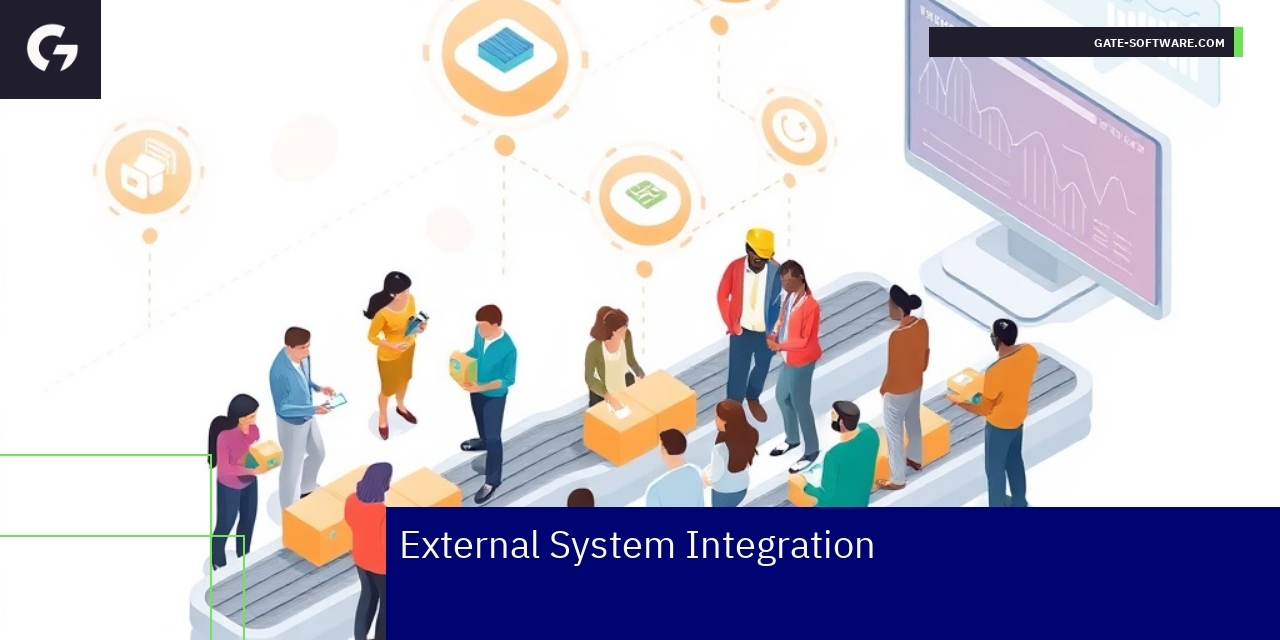
In the UiR context, integrating external systems with platforms like Magento 2 demands careful orchestration to balance robust functionality and seamless user experience. Typical integrations include ERP systems, CRM platforms, payment gateways, and logistics solutions. These integrations ensure real-time data synchronization, improved operational efficiency, and enhanced customer journey consistency. For decision-makers such as CTOs and Heads of Applications, considering compliance with WCAG standards and optimizing UX/UI during integration is crucial. Gate-Software’s strategic approach emphasizes minimizing disruptions while maximizing interoperability, aligning with core values of reliability and partnership.
Examples of successful integrations
Successful integrations often stem from projects where Magento 2 was extended to connect with tools like SAP ERP for inventory and order management or Salesforce CRM for customer insights. In one case, Gate-Software implemented monitoring and hosting services alongside MagentoOneS™ solutions, facilitating stable data flow and system health. These projects highlight not only technical proficiency but also adherence to SLA standards and agile cooperation models. Leveraging social media and content strategies further supports marketing and communication goals post-integration, ensuring that technical achievements translate into measurable business value.
Summary
The key takeaways emphasize the strategic value of external system integration in UiR, focusing on enhancing Magento 2 capabilities via ERP, CRM, and logistics systems. Following implementation, continuous monitoring, content strategy adaptation, and adherence to WCAG and UX/UI standards ensure sustained operational excellence. Gate-Software’s expertise in these areas provides a clear roadmap for future-proofing e-commerce platforms while supporting ongoing marketing and communication efforts. The next steps after Magento 2 deployment involve optimizing integrations to reinforce scalability, security, and user engagement.
Data and Performance Metrics – Efficiency, SLA, TCO
Operational Effectiveness in UiR Projects
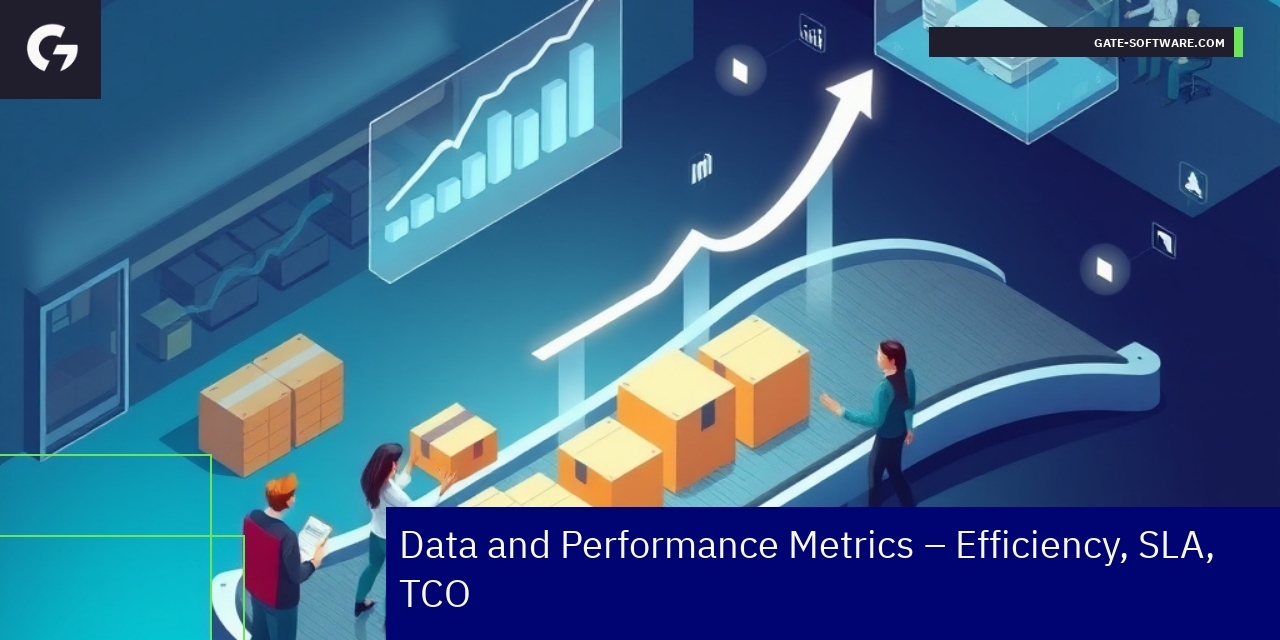
Operational excellence within UiR services at Gate-Software is backed by numerous metrics that articulate the impact of our methodologies. Average project takeover time is approximately 2 weeks, ensuring a swift transition to active management and optimization of client platforms. Our commitment to timely delivery is reflected in the statistic that 95% of projects are delivered on or before schedule, illustrating our efficiency in project execution.
Cost management is a pivotal aspect of our service; clients typically experience an average Total Cost of Ownership (TCO) reduction of about 30% once migrating to MagentoOneS™ through effective resource allocation and streamlined processes. With more than 150 successful Magento implementations executed in the past year alone, our experience allows for tailored solutions that drive performance and reliability.
In terms of system performance, we maintain a Service Level Agreement (SLA) that guarantees 99.9% uptime, a critical metric for e-commerce platforms that require constant availability. Our average client relationship duration extends beyond 5 years, indicating strong partnerships and satisfaction with our services.
Finally, performance metrics demonstrate that clients utilizing our optimized Magento solutions report a 20% average increase in site speed, substantially reducing bounce rates and enhancing user engagement. These figures collectively underline Gate-Software’s strategic emphasis on efficiency, reliability, and cost-effectiveness, making a compelling case for decision-makers considering our UiR services.

Summary
As you’ve explored in this article, the strategic implementation of Magento 2, combined with Gate-Software’s comprehensive approach to UiR (Utrzymanie i Rozwój), provides significant advantages for your business. With our focus on maintaining high performance, ensuring operational efficiency, and compliance with WCAG standards, we empower decision-makers like CTOs, CDOs, and eCommerce Managers to enhance user experiences, optimize costs, and achieve scalable growth. Our meticulous attention to everything from ERP integration to performance monitoring guarantees that your Magento platform remains robust and adaptive in today’s fast-paced e-commerce landscape. We invite you to consider how Gate-Software can become a trusted partner in navigating your digital journey, ensuring that your Magento 2 environment not only meets but exceeds business objectives while fostering innovation and sustained success.

FAQ
What are the key benefits of using Magento 2 for e-commerce?
Magento 2 offers significant advantages such as modular architecture, extensive scalability, and robust customization options, allowing businesses to create tailored solutions that meet diverse operational needs while ensuring compliance with WCAG accessibility standards.
How does Gate-Software ensure compliance with WCAG standards?
Gate-Software emphasizes rigorous UX/UI audits, adherence to WCAG 1.1 guidelines, and the integration of accessibility features in Magento development, ensuring that all digital commerce solutions are inclusive and meet legal accessibility requirements.
What external systems can be integrated with Magento 2?
Magento 2 can seamlessly integrate with various external systems, including ERP systems like SAP, CRM platforms such as Salesforce, payment gateways, and logistics solutions, enhancing operational efficiency and ensuring real-time data synchronization.
How can businesses optimize their costs when implementing Magento 2?
Cost optimization can be achieved through tailored hosting solutions, proactive performance tuning, and by leveraging Gate-Software’s SLA-driven monitoring to minimize downtime and resource wastage during Magento 2 implementation.
Why is performance monitoring critical for Magento 2 implementations?
Performance monitoring is essential as it ensures that the platform remains responsive, supports high availability during peak demands, and adheres to agreed service levels (SLA), ultimately enhancing user satisfaction and driving conversion rates.
.
.
Zamów bezpłatną konsultację
.
Z nami rozwój Twojego biznesu nabierze tempa! Zapraszamy do kontaktu średnie i duże firmy generujące min. 7 mln PLN obrotu rocznie – tam nasza ekspertyza sprawdza się najlepiej.
.
Kliknij w poniższy przycisk i skontaktuj się z jednym z naszych konsultantów e-commerce
.