Introduction
Integrating ERP systems with Magento presents a strategic opportunity for B2B companies to optimize their operational efficiency, enhance data accuracy, and improve customer experiences. This integration supports seamless synchronization between front-end sales processes and back-end business operations, crucial for scaling e-commerce activities in complex B2B environments.
Key business benefits include real-time inventory management, streamlined order processing, and automated financial reporting, all of which reduce manual workload and minimize human errors. Moreover, aligning ERP with Magento facilitates personalized sales workflows tailored to diverse customer segments, a critical advantage in B2B commerce where transaction complexity and order customization are significant.
Despite these advantages, the integration process involves multiple challenges. Ensuring data consistency across disparate systems demands robust middleware and meticulous mapping of business rules. Addressing latency and maintaining system uptime are essential to avoid operational disruptions. Furthermore, adherence to WCAG standards and UX/UI optimization remain vital to provide accessible and user-friendly interfaces for diverse user personas including Architects, eCommerce Managers, and CTOs.
Best practices advocated by Gate-Software emphasize thorough requirements analysis, iterative testing, and continuous monitoring aligned with SLA commitments. Leveraging MagentoOneS™ frameworks and employing expert migration and maintenance strategies ensure stable, scalable ERP-Magento ecosystems that align with evolving business needs and digital transformation goals. Such a comprehensive approach empowers decision-makers to maximize ROI while maintaining compliance with industry standards and internal brand values.
TABLE OF CONTENTS
-
-
- Magento ERP Integration: Key Business Benefits, Challenges, and Best Practices
- ERP Integration Basics
- Benefits of Magento ERP Integration
- B2B Challenges in ERP Integration
- Integration with PIM Systems
- ERP Systems Integration
- Integration with OMS Systems
- Key Processes for Effective Magento Integration
- Examples and Case Studies
- ERP Integration Comparisons
- Checklists and Steps for Success
- Common Integration Mistakes to Avoid
- Alternatives to Magento ERP Integration
- Data and Performance Metrics – Efficiency, SLA, TCO
- Summary
- FAQ
-
ERP Integration Basics
ERP integration is a critical element for B2B companies aiming to streamline operations and enhance data consistency across their e-commerce platforms. Understanding the core components of ERP systems and their integration is essential for CTOs, Heads of Applications, and eCommerce Managers who oversee complex B2B infrastructures.
ERP systems centralize business processes by unifying finance, supply chain, inventory management, and customer data. This centralization enables real-time visibility and operational efficiency, crucial in B2B settings where transaction volumes and process complexity are significant. The key functions of ERP systems include automating procurement workflows, managing order fulfillment, and providing comprehensive reporting and analytics that inform strategic business decisions.
The importance of ERP integration in e-commerce lies in its ability to facilitate seamless data exchange between the online sales platform and back-end systems. Effective integration supports accurate stock levels, pricing updates, and order statuses, ensuring that customer interactions are based on reliable information. This integration also reduces manual data entry errors, accelerates processing times, and enhances customer satisfaction—factors vital in maintaining competitive advantage in B2B markets.
For Gate-Software, delivering tailored ERP integration solutions means addressing these unique challenges through scalable architectures and robust APIs. This ensures not only technical compatibility but also alignment with business goals, compliance standards, and long-term scalability, all while maintaining user experience consistency and adhering to WCAG standards.
In summary, mastering ERP Integration Basics is foundational for B2B enterprises seeking operational excellence and superior client service through integrated digital ecosystems. Implementing Gate-Software’s strategic approaches guarantees optimized workflows, reduced costs, and enhanced decision-making capabilities critical for sustained growth in B2B e-commerce.
Benefits of Magento ERP Integration
Magento ERP integration delivers substantial benefits for B2B enterprises aiming to optimize their operations and technological ecosystems. It enhances operational efficiency by automating key workflows, reducing manual data entry, and minimizing errors throughout order management, invoicing, and inventory control processes. Central to B2B environments, this automation ensures faster turnaround times and improves overall customer satisfaction, which is critical in complex purchasing scenarios.
Streamlined business processes are another crucial advantage. By synchronizing data between Magento and ERP systems, businesses eliminate duplicate efforts and foster seamless communication between sales, procurement, and finance teams. This integration supports standardized workflows and transparent visibility into transaction statuses, enabling better decision-making and agile responses to market demands or supply chain disruptions.
Centralized data management through Magento ERP integration consolidates disparate information sources into a unified platform. This centralization facilitates real-time data access that is essential for maintaining up-to-date product information, pricing, and stock levels. Accurate, consistent data across all channels boosts the effectiveness of marketing strategies and campaign execution, aligns with WCAG compliance goals, and strengthens overall governance. Employing such integration aligns with Gate-Software’s commitment to delivering robust, scalable, and efficient e-commerce solutions tailored for B2B clients.
Integration Challenges and Solutions 🧩 | 🚀 | 🔍
B2B Challenges in ERP Integration
Integrating ERP systems in a B2B environment presents a range of complex challenges that demand strategic planning and technical precision. One of the foremost challenges is ensuring robust data security. Handling sensitive transactional data across multiple partners necessitates comprehensive security frameworks to prevent data breaches and maintain trust. Effective encryption, access controls, and ongoing monitoring are essential components to safeguard data integrity and confidentiality throughout integration processes.
Compliance requirements further complicate ERP integration in B2B contexts. With varying regional and industry regulations, such as GDPR or sector-specific mandates, businesses must ensure their ERP solutions meet all legal standards. Non-compliance can lead to substantial penalties and damage to reputation. Thus, integrating ERP systems must include thorough compliance checks, audit trails, and mechanisms to adapt rapidly to changing regulations.
Migrating from other systems is another significant challenge. Legacy ERP systems or disparate platforms may employ incompatible data schemas or outdated protocols. Successful migration demands meticulous data mapping, validation, and cleansing to avoid data loss or corruption. Moreover, preserving business continuity during migration and minimizing downtime is critical. This often involves phased rollouts, parallel operations, and fallback planning to reduce operational risk.
Navigating these challenges requires a partnership-oriented approach focusing on scalable, secure, and compliant ERP integration tailored to B2B needs. Gate-Software emphasizes a structured methodology that integrates WCAG-compliant UX/UI audits, SLA-backed hosting, and continuous monitoring, enabling seamless transitions while optimizing total cost and operational performance. Utilizing insights from personas such as Architects and Heads of Applications ensures that technical and business perspectives align, enhancing integration success in the demanding B2B landscape.
Integration with PIM Systems
Benefits of PIM Integration
Integrating PIM systems with Magento ERP and e-commerce platforms offers significant advantages for B2B businesses. Centralized product data management becomes a core benefit, ensuring product data consistency across channels and systems. This consistency is crucial in avoiding errors and discrepancies that affect customer experience and order accuracy. The integration leads to substantial time savings by automating data flows between Magento and ERP systems, reducing manual entry and accelerating product updates. Supply chain optimization is enhanced through accurate and timely product information, enabling better inventory control and fulfillment processes. Furthermore, Magento B2B benefits strongly from such integration by delivering tailored, reliable product information that supports complex pricing and customer segmentation. Overall, Magento integration with PIM enhances operational efficiency and customer satisfaction.
Challenges with PIM Integration
Despite the clear benefits, integrating PIM with Magento ERP is not without challenges. One of the primary hurdles is the migration from other technologies and legacy systems, which requires meticulous data conversion and planning Magento ERP integration to avoid disruptions. Establishing a robust data exchange infrastructure between Magento and ERP systems can be complex, demanding seamless synchronization and real-time updates while maintaining security and compliance without surprises. Security considerations are paramount, ensuring sensitive data is protected during integration and ongoing operations. In addition, successful Magento ERP integration often relies on thorough IT team consultation to align technical capabilities and business requirements. Addressing these challenges proactively is essential for a smooth implementation.
E-commerce Platforms and PIM
E-commerce platforms like Magento play a pivotal role in the effective use of PIM systems within B2B markets. The integration supports a unified product data environment that backs seamless customer interactions and transactional accuracy. Planning Magento ERP integration includes assessing platform capabilities and tailoring workflows reflecting Magento B2B benefits such as customizable catalogs and pricing structures. The synergy between Magento and PIM enables more agile responses to market demands and improves overall product data quality. This integrated setup strengthens the entire data exchange infrastructure between Magento and ERP, contributing to enhanced supply chain optimization and better management of complex product lines. Ultimately, this results in more efficient operations and enriched buyer experiences in B2B e-commerce.
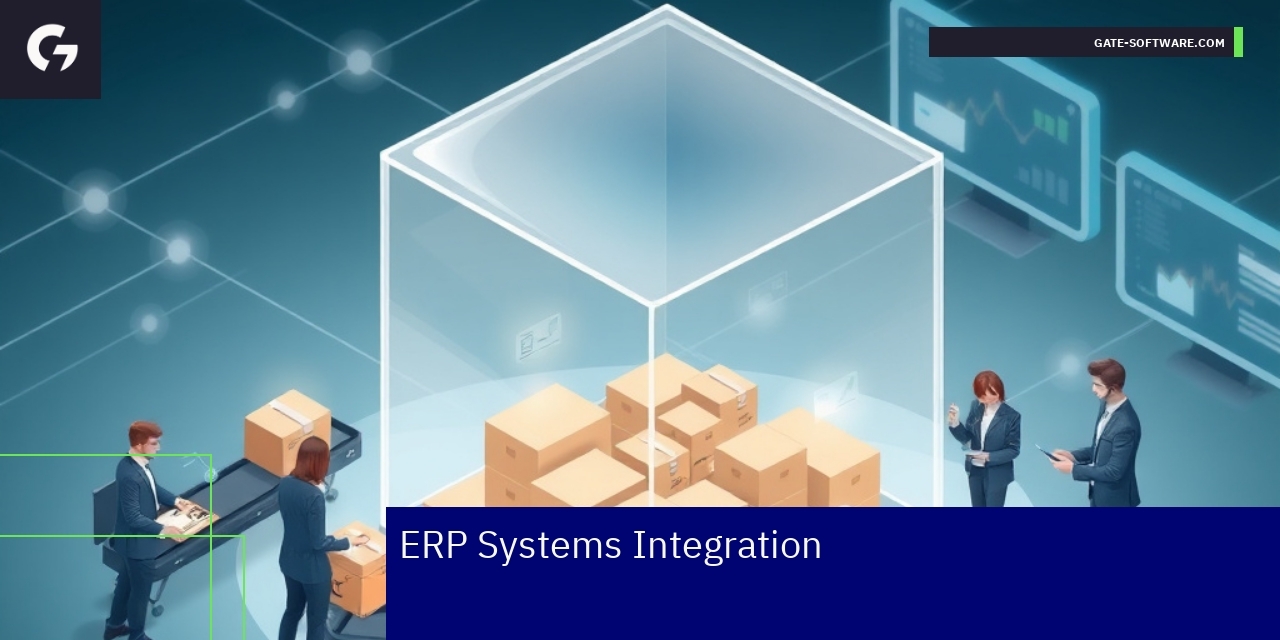
ERP Systems Integration
Role of ERP in Magento Integration
ERP systems are fundamental in bridging critical business functions with the e-commerce platform Magento, enabling a seamless flow and synchronization of data. Centralized product data management through ERP integration ensures consistent, accurate information across Magento storefront and backend operations. This integration supports a robust data exchange infrastructure between Magento and ERP, allowing automatic financial data synchronization, which minimizes errors and delays in accounting. For B2B enterprises, this synergy enhances operational control and responsiveness, aligning sales, inventory, and customer data in real time. Importantly, ERP systems contribute to security and compliance without surprises by enforcing regulatory and data governance standards within integrated processes.
Goals and Benefits of ERP Integration
The primary goals of integrating ERP with Magento in a B2B context revolve around improving business operations and achieving measurable time savings. Benefits of Magento ERP integration include enhanced process automation that reduces manual workload and accelerates order processing cycles. Integration consulting is often crucial to tailor the solution and address specific infrastructure needs, mitigating the challenges of Magento ERP integration, such as system complexity and data consistency issues. The synergy created enables centralized oversight and improved decision-making, improving the scalability of e-commerce platforms. Additionally, automatic financial data synchronization supports accurate and timely reporting, further reinforcing operational efficiency and compliance standards.
Supply Chain Optimization with ERP
Optimizing the supply chain is a key advantage delivered by ERP integration within Magento B2B environments. Through an integrated system, businesses gain visibility into inventory levels, supplier communications, and demand trends, enabling proactive management and reducing stockouts or overstock situations. The data exchange infrastructure between Magento and ERP ensures real-time updates and seamless coordination of logistics and procurement activities. As a result, supply chain operations become more agile and cost-effective, contributing directly to better customer satisfaction. Example integrations with quick results demonstrate how systematic ERP adoption can yield immediate improvements in supply chain responsiveness and inventory turnover, underscoring the strategic Magento B2B benefits.
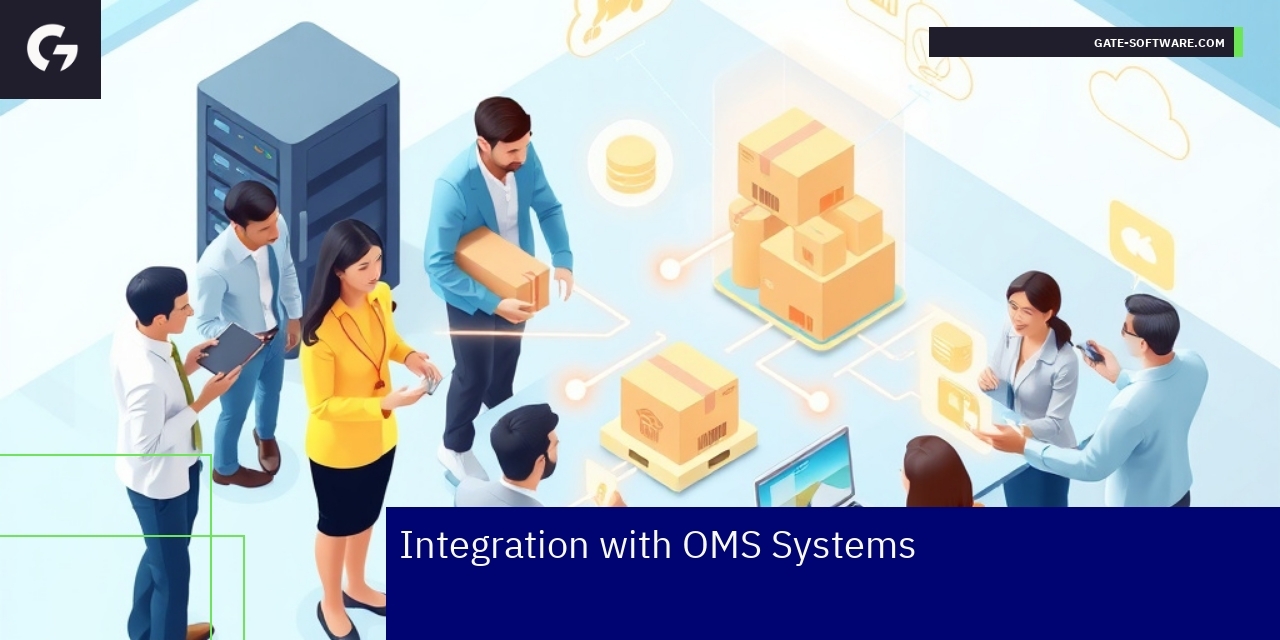
Integration with OMS Systems
Example OMS Integration Scenarios
In B2B, ensuring seamless data exchange infrastructure between Magento and ERP or OMS is critical for operational efficiency. Typical scenarios include synchronizing order statuses, stock levels, and customer data in real-time. This integration eliminates manual data entry, reducing errors and delays. ERP systems connected with Magento ERP integration facilitate automatic financial data synchronization, crucial for accurate invoicing and reporting without surprises. Coordinating these complex workflows requires IT team consultation to tailor solutions for unique business processes, delivering time savings and improved customer service.
Product Data Consistency in OMS
Maintaining product data consistency is paramount in an integrated ecosystem. Centralized product data management through Magento integration with OMS ensures all sales channels reflect accurate pricing, availability, and specifications. This consistency supports B2B buyer confidence and reduces disputes related to order fulfillment. Integration challenges of Magento ERP integration can stem from disparate data formats and legacy system constraints, but thorough IT team consultation helps establish standards that align business and technical needs. Reliable synchronization also enhances security and compliance without surprises by maintaining accurate audit trails.
Magento B2B Benefits in OMS Integration
The benefits of Magento ERP integration for B2B e-commerce platforms extend beyond operational automation. Streamlining processes through Magento integration with OMS optimizes inventory control and improves order accuracy, directly influencing customer satisfaction. ERP systems play a pivotal role in managing complex B2B workflows, automating procurement, and financing tasks via automatic financial data synchronization. Proper integration fosters robust data exchange infrastructure between Magento and ERP, empowering businesses with real-time visibility and strategic insights. These advantages, coupled with security and compliance without surprises, position Magento as a key enabler for scalable B2B growth.
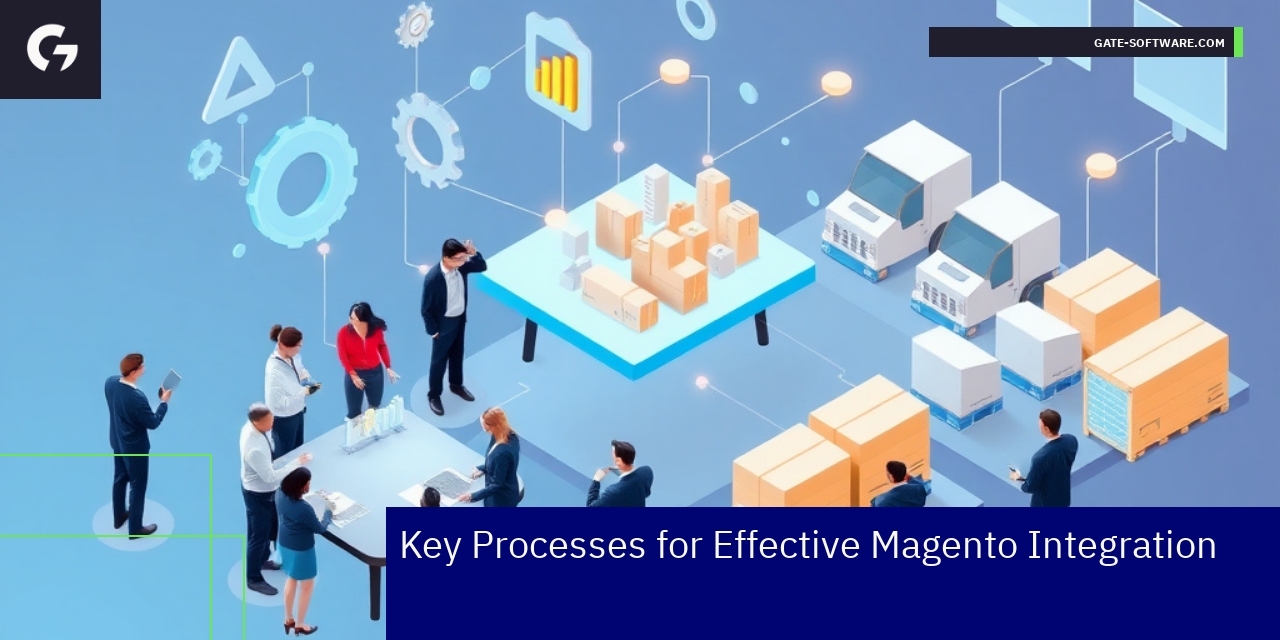
Key Processes for Effective Magento Integration
Pre-Implementation Analysis and Tool Selection
A comprehensive pre-implementation analysis is crucial when integrating Magento for B2B e-commerce platforms. This stage involves evaluating your existing ERP systems and business workflows to pinpoint integration needs and objectives. Selecting the right tools requires a strategic approach that balances scalability, compatibility, and support for centralized product data management. During this phase, consulting experts in integration can provide insights into technical challenges of Magento ERP integration and avoid unforeseen complications. Understanding the benefits of Magento ERP integration at this point ensures that the project aligns with broader business goals such as automatic financial data synchronization and seamless connection between the e-commerce platform and backend systems. Proper selection of tools and establishing clear integration goals helps mitigate common challenges and lays a foundation for a smooth system implementation.
System Implementation and Testing 🧠 UWAGI: 🔧
The implementation and testing phase translates pre-implementation plans into executable action within the Magento e-commerce platform and connected ERP systems. This stage includes configuring and deploying the integration modules that enable real-time data exchange, automatic financial data synchronization, and centralized product data management, all critical for B2B operations. Rigorous testing addresses common challenges of Magento ERP integration, such as data mismatch, security vulnerabilities, and compliance risks, ensuring that security and compliance without surprises are fully upheld. Testing scenarios must verify data integrity and process workflows to validate that ERP systems and Magento work in harmony. Integration consulting can facilitate troubleshooting and optimize configurations. Only through meticulous testing and adjustment can organizations secure a robust integration that supports growing business demands.
Time Savings Through Integration
A well-executed Magento ERP integration delivers significant time savings by automating data flows and eliminating redundant manual processes. For B2B companies, this translates into faster order processing, improved inventory accuracy, and enhanced financial reporting accuracy благодаря automatic financial data synchronization. By centralizing product data management, teams gain easier access and control, reducing delays in product updates and distribution. Moreover, integration ensures security and compliance without surprises, meaning that sensitive business data is handled according to regulatory standards with minimal risk. The benefits of Magento ERP integration extend beyond operational efficiency, enabling decision-makers to focus on strategic growth while trusting the e-commerce platform infrastructure to run smoothly. These time savings justify the upfront investment in integration consulting, pre-implementation analysis, and thorough testing.

Examples and Case Studies
Successful integration projects in B2B environments often hinge on clear alignment between technical capabilities and business objectives. At Gate-Software, projects leveraging MagentoOneS™ showcase comprehensive approaches to seamless platform migration and integration, ensuring minimal downtime and maximum data consistency. These initiatives exemplify the importance of precise SLA adherence and robust hosting and monitoring frameworks that secure operational continuity. Key challenges typically revolve around syncing disparate legacy systems with modern eCommerce platforms, where Gate-Software’s expertise in API-driven integrations reduces complexity and accelerates implementation.
In reviewing experiences from other companies, key takeaways include prioritizing user experience in line with WCAG 1.1 standards to maintain accessibility compliance while optimizing UX/UI for decision-makers such as Architects and Heads of Applications. Tailored communication strategies ensure cross-departmental alignment, critical for successful rollout and adoption. Moreover, cost optimization remains a central focus, particularly when integrating B2B sales channels into existing infrastructure. Firms consistently benefit from Gate-Software’s structured cooperation models and phased project takeovers, enabling scalable growth without disrupting ongoing operations.
In sum, Gate-Software’s B2B-focused case studies emphasize strategic planning, technical precision, and stakeholder engagement as pillars for successful integration projects, ensuring long-term value from digital transformation efforts. Integrating these elements naturally supports sustainable business development within competitive marketplaces.
ERP Integration Comparisons
Integrating ERP systems within B2B environments presents a critical path for enhancing operational efficiency, data consistency, and strategic decision-making. Comparing different ERP systems requires a careful evaluation of their compatibility with existing infrastructure, scalability to accommodate business growth, and alignment with specific industry needs. Key factors include the ease of integration with eCommerce platforms such as MagentoOneS™, compliance with WCAG standards for accessible interfaces, and support for robust SLA monitoring and hosting services.
A thorough pros and cons analysis reveals that while some ERP systems excel in customization and flexibility, others may offer superior out-of-the-box functionalities or cost optimization advantages. For B2B companies, the ability to maintain seamless data flow between procurement, inventory management, sales, and customer relationship modules is paramount. This ensures a real-time, unified view of business operations, which aids CTOs, Heads of Applications, and eCommerce Managers in making informed decisions.
Furthermore, Gate-Software’s approach emphasizes minimizing integration risks by leveraging proven cooperation models and migration strategies tailored to the B2B segment. These tactics include comprehensive UX/UI audits ensuring compliance with WCAG 1.1 standards, which enhance user experience across platforms. The integration’s success ultimately contributes to business continuity, better resource allocation, and competitive advantage in the eCommerce landscape. Integrating ERP effectively, while considering these dimensions, supports enterprise growth and sustains the strategic vision outlined in Content Strategy 5.0 and TOYA frameworks.

Checklists and Steps for Success
In the B2B landscape, successful integration and operational excellence start with clear, methodical processes addressing both technical and business needs. For decision-makers such as CTOs, Heads of Applications, and eCommerce Managers, having a structured approach ensures smooth platform performance and scalability.
A critical preparatory phase involves aligning IT infrastructure with business requirements. This includes assessing the current environment and defining objectives around Magento platform optimization, cost optimization strategies, and compliance with WCAG standards. Essential pre-integration steps encompass thorough audits—covering UX/UI and accessibility—to identify areas requiring enhancement before migration or upgrading efforts.
Moreover, a robust IT team checklist focuses on securing SLA commitments, ensuring hosting and monitoring setups are resilient and scalable, and establishing clear roles aligned with project takeover procedures. Gate-Software’s strategies emphasize ongoing collaboration between architects and application managers, fostering environments where e-commerce operations are agile and poised for growth. Integrating these measures systematically not only mitigates risks but also bolsters the overall performance of B2B digital commerce platforms.
Throughout these processes, maintaining seamless communication and leveraging Gate-Software’s extensive experience in MagentoOneS™, social media strategies, and content frameworks supports achieving durable digital transformation objectives, catering effectively to key personas like CDOs and eCommerce Managers. This holistic approach addresses real-world challenges, ensuring that technical execution aligns with strategic business goals.
Checklists and Steps for Success

Common Integration Mistakes to Avoid
In B2B integration projects, avoiding common mistakes is crucial for ensuring seamless connectivity and operational efficiency. A frequent pitfall is insufficient planning and unclear requirements, which often lead to scope creep and integration mismatches. It is essential to have well-defined objectives aligned with business goals and technical constraints.
Another common mistake is neglecting the complexity of legacy systems. Many B2B platforms rely on established but aging infrastructure, and underestimating the effort required to integrate these can cause delays and increased costs. Effective integration demands thorough analysis of existing systems, data formats, and communication protocols.
Additionally, security oversights pose significant risks. B2B integrations often involve sensitive transactional and customer data, so implementing robust authentication, authorization, and encryption methods is non-negotiable to protect against breaches and ensure compliance.
Performance bottlenecks are also prevalent when integration solutions are not optimized for scalability and responsiveness. Incorporating efficient data handling and error recovery mechanisms can prevent downtime and maintain seamless operations.
Finally, inadequate monitoring and maintenance strategies frequently undermine long-term integration success. Establishing proactive monitoring, clear SLA agreements, and regular updates ensures stability and adaptability as business needs evolve.
Addressing these challenges effectively not only reduces risks but also enhances the value of integration initiatives within B2B ecosystems, leveraging Gate-Software’s expertise in Magento platform support, UX/UI standards, and cost optimization. Integrating according to these principles ensures reliable, secure, and scalable B2B solutions that align with client expectations and strategic goals.
Alternatives to Magento ERP Integration
In the B2B e-commerce environment, integrating ERP systems with platforms like Magento presents specific challenges, including data synchronization, real-time inventory management, and complex order processing workflows. As an alternative to direct Magento ERP integration, businesses can explore several approaches that enhance operational efficiency while addressing these challenges.
One viable alternative is the adoption of middleware solutions that act as intermediaries between Magento and ERP systems. These platforms facilitate seamless data exchange, translating and mapping information to ensure consistency across sales, inventory, and accounting modules. Middleware often supports scalable integration, enabling businesses to customize workflows according to their unique B2B requirements without compromising system stability.
Another approach is using API-driven integrations focused on modular and microservices architectures. By leveraging RESTful APIs, businesses can create bespoke connectors between Magento and ERP systems, ensuring real-time synchronization and improved data accuracy. This method supports flexibility and easier maintenance, granting IT teams greater control over integration points and allowing for gradual enhancements as business needs evolve.
Additionally, cloud-based integration platforms as a service (iPaaS) offer scalable and secure mechanisms to link Magento with various ERP solutions. These platforms provide pre-built connectors, monitoring tools, and data transformation capabilities that simplify the integration process and reduce time-to-value. For B2B operations, iPaaS can support complex business logic and compliance requirements while facilitating high availability and disaster recovery.
Each alternative must also consider the critical aspects of UX/UI standard compliance and the WCAG 1.1 guidelines, ensuring that integration solutions support usability and accessibility for key personas such as Architects, eCommerce Managers, and CTOs. Gate-Software’s expertise in these areas supports tailored implementations that align with strategic business objectives and technological frameworks.
By embracing flexible, scalable alternatives to direct Magento ERP integration, B2B enterprises can optimize their workflows, enhance data consistency, and maintain compliance with strategic standards, all while supporting their digital transformation roadmaps effectively.
Data and Performance Metrics – Efficiency, SLA, TCO
Operational Effectiveness in B2B Projects
In the realm of B2B projects, quantifiable data plays a pivotal role in demonstrating operational effectiveness and strategic advantages offered by Gate-Software. By focusing on specific metrics, decision-makers can understand how integration and management services contribute to overall efficiency and cost-effectiveness.
- Average Time to Project Takeover: Gate-Software typically completes the transition for new projects within 2 weeks, ensuring minimal disruption and swift integration of new systems.
- Percentage of Projects Delivered on Time: Gate-Software has a robust track record with 95% of projects meeting their deadlines, emphasizing strong project management practices and commitment to client satisfaction.
- Average Total Cost of Ownership (TCO) Reduction: Clients experience an average 20% reduction in TCO after adopting Gate-Software’s integrated solutions, underscoring the value generated through enhanced operational efficiencies and cost management.
- Number of Implementations: Over the past year, Gate-Software successfully executed 50 B2B implementations, showcasing its comprehensive expertise in facilitating ERP-Magento integration across various sectors.
- Uptime SLA: Gate-Software guarantees an uptime of 99.9%, ensuring that client systems remain operational and reliable, which is critical for maintaining business continuity.
- Average Client Relationship Duration: The average engagement with clients lasts over 3 years, illustrating the trust and satisfaction that businesses have in Gate-Software’s services and solutions.
These metrics not only reflect Gate-Software’s commitment to operational excellence but also provide valuable insights for potential clients evaluating the impact of these services on their B2B operations.
Summary
In today’s competitive B2B landscape, integrating ERP systems with Magento is not just an operational necessity; it is a strategic advantage that can drive efficiencies and improve client satisfaction. By automating workflows and ensuring real-time data synchronization, businesses can significantly reduce manual errors and enhance operational efficiency, leading to faster order processing and better inventory management. Gate-Software’s expertise in this area allows companies to navigate the complexities associated with integration, including compliance with WCAG standards and the provision of a user-friendly experience tailored to various stakeholders like Architects and eCommerce Managers.
Moreover, the collaboration with Gate-Software ensures that your business benefits from a tailored approach to challenges, leveraging insights from past projects and implementation practices that have proven successful. Our commitment to adhering to SLA standards relieves clients of the burden of ongoing management, allowing them to focus on strategic growth. By choosing to work with Gate-Software, B2B companies are not merely upgrading their systems; they are empowering their business processes, enriching customer interactions, and positioning themselves for sustainable success in an ever-evolving marketplace.
We invite you to reach out for a consultation to explore how our proven frameworks and innovative strategies can be employed to enhance your e-commerce operations while ensuring a seamless integration experience. Let’s embark on this journey towards operational excellence together.
FAQ
How does integrating ERP systems with Magento benefit B2B companies?
Integrating ERP systems with Magento helps B2B companies optimize operational efficiency by automating key workflows, enhancing data accuracy, and improving customer experiences through real-time inventory management and streamlined order processing.
What challenges do B2B companies face during ERP integration with Magento?
B2B companies often encounter challenges such as ensuring data consistency, addressing security concerns, navigating compliance with regulations, and managing the complexities of migrating from legacy systems during the ERP integration process.
Why is compliance with WCAG standards important in ERP and Magento integration?
Compliance with WCAG standards is crucial to provide accessible and user-friendly interfaces for diverse user personas, including Architects, eCommerce Managers, and CTOs, ensuring that all users can engage effectively with the integrated system.
How can Gate-Software’s best practices enhance ERP-Magento integration?
Gate-Software’s best practices emphasize thorough requirements analysis, iterative testing, and continuous monitoring, which help ensure a stable and scalable ERP-Magento ecosystem that meets evolving business needs and maximizes ROI.
What role does centralized product data management play in Magento ERP integration?
Centralized product data management fosters consistency and accuracy across all sales channels, enhances inventory control, and supports tailored customer experiences, which are essential for maintaining competitiveness in the complex B2B environment.
.
.
Zamów bezpłatną konsultację
.
Z nami rozwój Twojego biznesu nabierze tempa! Zapraszamy do kontaktu średnie i duże firmy generujące min. 7 mln PLN obrotu rocznie – tam nasza ekspertyza sprawdza się najlepiej.
.
Kliknij w poniższy przycisk i skontaktuj się z jednym z naszych konsultantów e-commerce
.