Introduction
Effective ERP integration within Magento 2 is a fundamental pillar for achieving operational excellence in B2B e-commerce. In complex B2B environments, where transactions involve high volumes, multiple stakeholders, and intricate processes, seamless synchronization between the e-commerce platform and enterprise resource planning systems ensures data consistency, real-time inventory management, and streamlined order processing. This integration is vital not only for improving internal efficiency but also for delivering a superior customer experience tailored to the demanding standards of B2B clients.
At Gate-Software, we recognize that Magento 2 ERP integration addresses core technical and business challenges faced by CTOs, CDOs, eCommerce Managers, and Heads of Applications. Such challenges include aligning sales workflows with supply chain operations, maintaining data accuracy, reducing manual interventions, and enabling scalable growth. Our approach leverages best practices in system interoperability, data security, and customized API development to connect MagentoOneS™ platforms with various ERPs while ensuring compliance with industry standards and responsiveness to UX/UI needs.
The result is a robust infrastructure that supports precision in order fulfillment, financial reporting, and marketing strategies, all critical to cultivating long-term B2B partnerships and optimizing customer lifetime value. This introduction sets the stage for a deeper exploration of how Magento 2 ERP integration can become a decisive competitive advantage in your B2B e-commerce strategy.
TABLE OF CONTENTS
- Magento 2 ERP Integration – The Key to Success in B2B E-commerce
- ERP and Magento Integration Basics
- Goals and Benefits of Magento ERP Integration
- The Role of ERP Systems in B2B Operations
- Consulting for Effective Integration
- Data Exchange Infrastructure Between Magento and ERP
- Key Processes of Seamless Magento Integration
- ERP Systems Comparison
- Checklists and Steps for Successful Integration
- Common ERP Integration Mistakes
- Alternatives to ERP Integration with Magento
- Data and Performance Metrics – Efficiency, SLA, TCO
- Summary
- FAQ
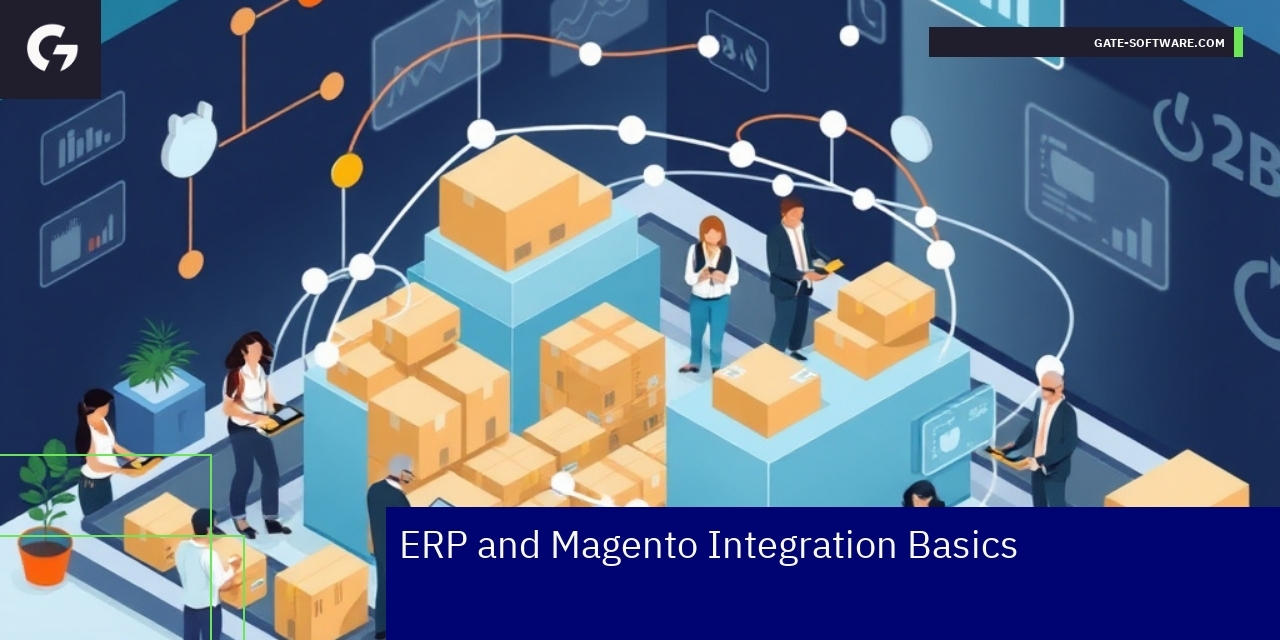
ERP and Magento Integration Basics 🧩 Integracja systemów ERP i Magento 🚀 Kluczowe korzyści dla B2B e-commerce
ERP (Enterprise Resource Planning) systems serve as the backbone for managing core business processes in B2B e-commerce, including finance, supply chain, inventory, and order management. In e-commerce, ERP plays a pivotal role by centralizing data and automating workflows, which significantly enhances operational efficiency and customer satisfaction. Integrating ERP with Magento ensures real-time synchronization of critical data such as inventory levels, customer information, and order statuses. This integration minimizes errors, reduces manual efforts, and speeds up order fulfillment cycles. For B2B operations, where transaction volumes are high and customized pricing or contracts are common, ERP integration is vital for maintaining consistency and accuracy across all business touchpoints. Furthermore, ERP systems support strategic decision-making through comprehensive analytics drawn from consolidated data streams, enabling businesses to optimize inventory and forecast demand effectively.
Magento’s key functions for B2B reinforce this workflow by providing robust tools tailored to complex commercial requirements. Its catalog management capabilities allow detailed product configurations, bulk pricing options, and custom attribute management, ensuring that product offerings meet diverse customer needs. Magento excels in customer segmentation, enabling differentiated pricing, and access control based on predefined business client profiles, which aligns with B2B transactional models. Order and quote management modules facilitate handling of large-volume transactions and customized proposals, critical for negotiation and contract-based sales. The platform supports multi-user accounts to accommodate various decision-makers within an organization, which streamlines the purchasing process. With flexible pricing structures such as tiered pricing and contract-specific discounts, Magento addresses the intricacies of B2B commerce. When integrated with ERP, these features are enhanced by seamless data flow and operational coherence, ultimately driving efficiency and scalability for B2B enterprises leveraging digital commerce.
Goals and Benefits of Magento ERP Integration 📈 ⚙️ 🚀
The integration of ERP systems with Magento in B2B environments enables automation, centralized product data management, efficient customer management (CRM), and precise reporting and analytics. This approach supports businesses in streamlining operations and improving overall efficiency.
Integrating Magento with ERP systems in B2B contexts facilitates automation across multiple processes. Automation reduces manual data entry, minimizes errors, and accelerates workflows such as order processing, inventory updates, and invoicing. This directly improves operational efficiency and shortens customer response times, which is critical for maintaining competitive advantage.
Centralized product data management is another fundamental benefit. Synchronizing product information between Magento and ERP ensures that all sales channels display consistent and accurate product details, pricing, and availability. This reduces data discrepancies, enhances customer trust, and fosters seamless customer experiences.
In addition, efficient customer management (CRM) is enabled by integrating customer data from Magento with ERP systems. This unified data view improves the ability to manage client relationships, track purchasing behaviors, and tailor services to key business accounts, which is essential in B2B sales where personalized service and complex purchasing processes dominate.
Finally, precise reporting and analytics empower business leaders with actionable insights by aggregating data from Magento and ERP platforms. Enhanced visibility into sales trends, inventory levels, and customer performance supports data-driven decisions, strategic planning, and ongoing optimization of business processes.
Overall, Magento ERP integration in B2B environments addresses the core technical and business challenges companies face today, enabling scalable growth, improved data accuracy, and superior client management, aligning closely with Gate-Software’s solutions for B2B digital commerce.
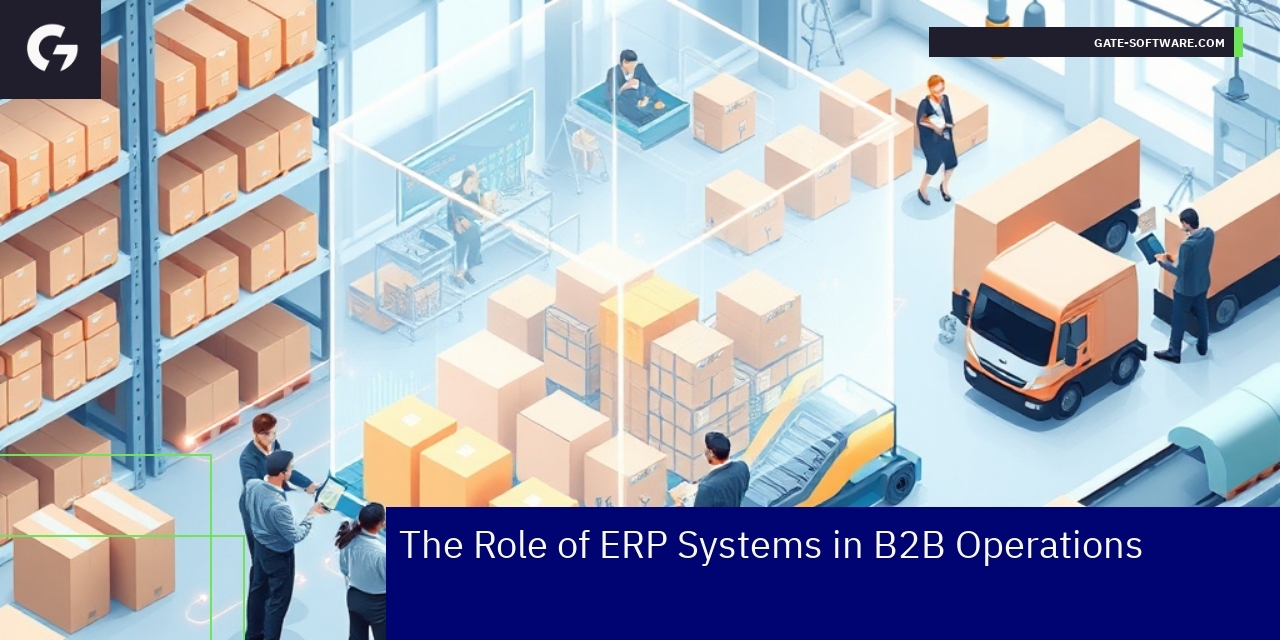
The Role of ERP Systems in B2B Operations
ERP systems play a critical role in B2B by enabling automation, maintaining inventory accuracy, and optimizing the supply chain. Integrating ERP with Magento ensures consistent stock levels and smooth order processing, which enhances customer satisfaction.
In B2B operations, ERP systems act as the backbone for centralized data management, allowing businesses to unify their sales, finance, and inventory processes under a single platform. This centralization is vital for maintaining inventory accuracy, which directly impacts order fulfillment and customer trust. Automation through ERP reduces manual errors and speeds up routine tasks such as order processing and invoicing, leading to increased operational efficiency and reduced costs.
The supply chain optimization enabled by ERP solutions helps businesses anticipate demand fluctuations and manage stock levels proactively, preventing both overstock and stockouts. Integration with e-commerce platforms like Magento is especially crucial in B2B contexts where complex product catalogs and personalized pricing demand seamless synchronization. This integration streamlines data flow between sales channels and ERP systems, ensuring real-time updates on inventory and order statuses.
From a strategic standpoint, ERP systems empower B2B decision-makers by providing comprehensive reporting and analytics. These insights enable the optimization of procurement, supplier management, and logistics, further enhancing supply chain resilience. Additionally, ERP-supported automation frees up human resources to focus on higher-value activities, such as customer relationship management and business growth initiatives.
In summary, ERP systems are indispensable in B2B environments for driving automation, ensuring inventory accuracy, and optimizing supply chains. Their integration with platforms like Magento enhances operational cohesiveness, contributing to improved customer satisfaction and sustainable business growth.

Consulting for Effective Integration
Consulting services in ERP systems and B2B integration are essential for businesses seeking to optimize their workflows through automation strategies. These consultations, often provided as free consultation and quotations, allow companies to tailor solutions precisely to their operational needs. For organizations integrating Magento with ERP platforms, expert advice significantly enhances project success by aligning technical implementation with business goals. Through careful evaluation of existing processes and system capabilities, consultants identify integration points that maximize efficiency and reduce manual interventions. This strategic approach not only streamlines data flow between e-commerce and internal systems but also improves overall decision-making and responsiveness to market demands. Leveraging professional consulting ensures that integration projects overcome common challenges such as data inconsistencies, system incompatibilities, and scalability concerns. Ultimately, these services contribute to a smoother transition towards a unified digital ecosystem that supports growth and competitive advantage in the B2B sector.
Consulting for Effective Integration
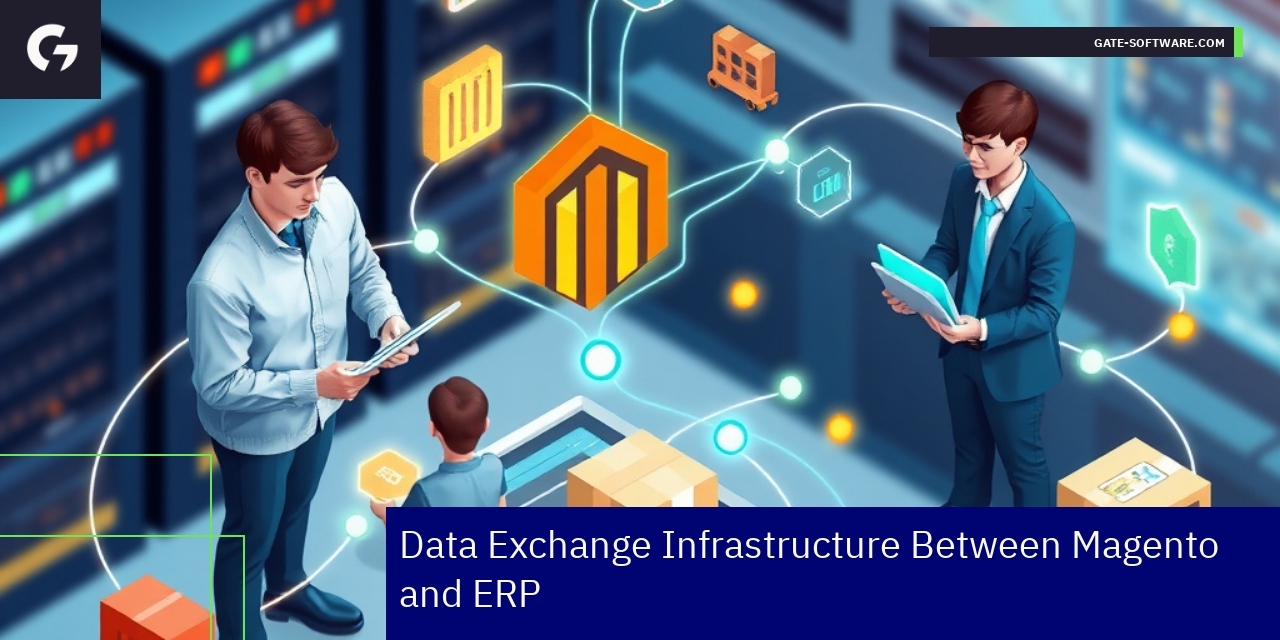
Data Exchange Infrastructure Between Magento and ERP
Pre-Implementation Analysis
A thorough pre-implementation analysis is essential when establishing data exchange infrastructure between ERP systems and Magento for B2B operations. This analysis involves evaluating the technical capabilities of the ERP system and aligning them with specific B2B requirements to ensure compatibility. Advanced customer management (CRM) tools play a crucial role in this phase by helping to gather detailed insights into business processes and customer data flows. The goal is to design an optimal integration strategy that supports seamless data transfer and maintains accuracy. Careful consideration of automatic synchronization of financial data supports real-time updates, which is critical for maintaining up-to-date and accurate information across platforms. This step lays a solid foundation for successful ERP and Magento integration by reducing risks and streamlining workflows.
Choosing the Right Tools
Choosing the right tools for integration between Magento and ERP systems requires a focused assessment of ERP capabilities combined with the specific needs of B2B operations. Compatibility is a key factor to ensure that systems can communicate effectively without data losses or errors. Integration with Subiekt Nexo and other ERP solutions should be evaluated for seamless connection to Magento’s e-commerce platform. This approach guarantees continuous data exchange and supports processes such as inventory management, order processing, and customer account synchronization. The selected tools should also automate key tasks to minimize manual input, thus enhancing operational efficiency and reducing errors in financial data synchronization.
Starting the Work
Starting the work on Magento ERP integration for B2B demands a clear focus on ERP systems compatibility and automation. Following established best practices is crucial to kickstart the project smoothly and effectively. This phase includes setting up initial configurations, testing data exchange processes, and ensuring automatic synchronization of financial data operates as intended. Continuous monitoring and fine-tuning help in addressing potential issues early and maintaining system reliability. A robust data exchange infrastructure enables real-time updates, which is vital for B2B companies relying on accurate and up-to-date business information to make informed decisions and improve customer satisfaction.
Key Processes of Seamless Magento Integration
Implementation and Testing
The implementation and testing phase is crucial for successful deployment of ERP systems in B2B environments. This phase focuses on automating essential workflows to enhance operational efficiency and reduce manual errors. Emphasizing detailed reporting allows stakeholders to validate the integration’s effectiveness continuously. By aligning Magento with existing business processes, companies can ensure that B2B transactions flow smoothly with minimal disruption. The combination of thorough testing and precise implementation safeguards data accuracy and boost user confidence in the integrated platform.
Magento Integration with Other Systems
Magento’s integration capability extends to various business platforms such as Subiekt GT, facilitating a seamless exchange of data across systems. This flexibility in connecting with other ERP systems is vital in B2B automation, where efficient inventory and order management drive competitive advantages. The integration supports consistent reporting and real-time synchronization of product and customer data, ensuring reliability in operations. Such integrations expand Magento’s potential as a central hub for consolidating diverse B2B processes while fostering agility in dynamic markets.
Integration Architecture Explained
The architecture behind Magento and ERP systems integration is designed to support comprehensive automation and maintain strict inventory consistency. By aligning technological frameworks across platforms, businesses achieve unified data flows essential for optimal B2B operations. This robust architecture supports complex workflows, including order processing, product catalog management, and customer segmentation, all fully synchronized between Magento and other systems. Ensuring scalable and secure integration foundations empowers ongoing operational excellence and simplifies future enhancements or expansions.
ERP Systems Comparison
SAP ERP vs Comarch ERP
Key differences and applications between SAP ERP and Comarch ERP highlight which solution best fits specific B2B and Magento integration scenarios.
SAP ERP and Comarch ERP serve distinct roles in the B2B landscape with integration to Magento platforms. SAP ERP offers robust scalability and enterprise-grade features, ideal for large-scale B2B operations requiring comprehensive resource planning across international markets. It supports complex supply chains, advanced production planning, and extensive financial management. This makes SAP ERP a preferred choice for enterprises needing deep integration with Magento for synchronizing inventory, orders, and customer data, ensuring seamless backend operations aligned with e-commerce demands.
Comarch ERP, meanwhile, is tailored for mid-sized B2B companies seeking flexible and cost-effective solutions. Its integration capabilities with Magento focus on enhancing order management, catalog synchronization, and customer relationship workflows. Comarch ERP supports efficient B2B trading processes with user-friendly interfaces that simplify operational control. For B2B firms leveraging Magento, Comarch ERP ensures an agile response to market changes while maintaining compliance with industry regulations and enabling personalized customer experiences.
Subiekt GT vs Symfonia
A detailed analysis of features and benefits helps choose between Subiekt GT and Symfonia for ERP-driven Magento operations.
Subiekt GT and Symfonia ERP solutions provide practical choices for small to medium B2B businesses integrating with Magento. Subiekt GT focuses on straightforward sales, inventory, and invoicing functionalities, delivering quick setup and ease of use. This solution supports Magento-powered B2B sales by streamlining order processing and stock updates, ideal for companies prioritizing efficiency and cost management without sacrificing essential features.
Symfonia ERP offers a broader suite with improved financial control, reporting, and compliance management. Its integration with Magento facilitates precise synchronization of financial data, customer accounts, and product pricing strategies. For B2B companies emphasizing fiscal governance and data transparency, Symfonia delivers a reliable system supporting Magento e-commerce business models with enhanced analytical tools and user access controls.
Both Subiekt GT and Symfonia fit different operational scopes within B2B Magento ecosystems, helping decision-makers tailor ERP strategies aligned with their business size, compliance needs, and growth ambitions.

Checklists and Steps for Successful Integration
Successful integration of Magento with ERP systems in B2B environments demands meticulous planning and execution to achieve seamless automation and operational efficiency. Key steps begin with a thorough requirements analysis, focusing on aligning business processes with the ERP and eCommerce platforms. Understanding the specific needs of B2B workflows, such as complex order management and customer hierarchies, ensures that integrations support these unique conditions effectively.
Next, defining clear data synchronization rules is critical. This includes determining which data points—such as inventory levels, product information, pricing, and customer data—must be exchanged between systems and establishing the frequency and method of this synchronization. Attention to data accuracy and consistency prevents common pitfalls like stock discrepancies or order errors.
Security and compliance must be embedded in the integration architecture. Given that B2B transactions often involve sensitive commercial information, implementing robust authentication, encryption, and adherence to standards like WCAG 1.1 for accessibility ensures regulatory compliance and user inclusivity.
Testing forms a vital checklist item, covering unit, integration, and UAT phases. These tests verify that the Magento ERP integration functions reliably under real-world conditions, supports B2B automation workflows, and meets the expectations of key stakeholders such as eCommerce Managers and Architects.
Finally, post-integration monitoring and maintenance guarantee ongoing performance and quick resolution of emerging issues. Leveraging Gate-Software’s expertise in monitoring and SLA management supports this stability, providing continuous value to B2B operations.
Incorporating these steps into a cohesive checklist ensures a structured approach to Magento ERP integration, enhancing B2B automation and delivering measurable business benefits without compromising on quality or security.
Checklists and Steps for Successful Integration ⬜ Requirements Analysis ⬜ Data Synchronization ⬜ Security & Compliance ⬜ Testing ⬜ Monitoring & Maintenance
Common ERP Integration Mistakes 🛠️⚠️📊
Integrating ERP systems with Magento in B2B environments presents unique challenges that require careful attention and expertise. One common mistake is underestimating the complexity of synchronizing product data across platforms. Incomplete or inconsistent data synchronization leads to discrepancies in inventory levels, pricing, and order statuses, which can disrupt B2B sales processes and impact customer satisfaction. Ensuring that the ERP system and Magento share a unified data model tailored to B2B needs is crucial for smooth operations.
Another frequent issue is inadequate handling of the business-specific workflows inherent in B2B transactions, such as managing complex pricing rules, volume discounts, and credit limits. Many integrations fail to replicate these workflows accurately in Magento, leading to errors and inefficiencies. It’s essential to customize the integration layers to respect these business rules to maintain compliance and operational effectiveness.
Performance and scalability problems also arise from poorly designed integrations that do not scale with transaction volume or catalog size typical in B2B scenarios. Overlooking these factors can cause slowdowns, timeouts, and failures during peak loads. It is vital to architect solutions with future growth in mind, including reliable hosting, monitoring, and cost optimization strategies.
Additionally, many projects neglect the importance of user experience and accessibility standards such as WCAG 1.1 in the ERP-Magento interface. This oversight can reduce usability for key personas like eCommerce Managers and Architects responsible for daily operations. Continuous audits and adherence to UX/UI guidelines ensure that integrations support business users effectively.
Finally, lack of communication and alignment between technical teams (Architect, CTO/CIO) and business stakeholders often leads to missed requirements and delays. Gate-Software emphasizes partnership-based collaboration, leveraging comprehensive project takeover models and SLA agreements to mitigate these risks and deliver integrated solutions that align with B2B business strategies.
Alternatives to ERP Integration with Magento
Exploring alternatives to direct ERP integration with Magento opens up valuable routes to enhance B2B e-commerce operations beyond conventional methods. For B2B enterprises, solutions like middleware platforms, API-driven workflows, and specialized data synchronization tools offer considerable advantages in flexibility and scalability. Middleware can act as an intermediary, bridging Magento with diverse ERP systems without necessitating deep internal customizations. This approach reduces implementation complexity and allows for quicker adaptation to changes in business processes or technology upgrades.
API-driven workflows leverage Magento’s robust APIs to handle data exchange more dynamically, supporting real-time updates of inventory, pricing, and order statuses. This is especially relevant in B2B contexts where automation and accurate data flow are critical for maintaining competitive supply chains and customer satisfaction. Additionally, modular data syncing solutions focusing on key transactional data enable more manageable and incremental integration approaches, mitigating risks associated with full ERP system reliance.
These alternatives highlight the strategic importance of the complete Magento ERP integration guide: how to connect Magento 2 to any ERP as a foundational resource. Through seamless automation tailored for B2B e-commerce, companies can optimize operations, minimize manual errors, and scale efficiently. Choosing the right integration architecture and tools directly impacts business agility, cost-effectiveness, and long-term sustainability in the evolving e-commerce landscape.
Data and Performance Metrics – Efficiency, SLA, TCO
Operational Effectiveness in B2B Projects
In the realm of B2B services offered by Gate-Software, several key metrics illustrate operational effectiveness and contribute to informed decision-making. Firstly, the average project takeover time is approximately 3 weeks, allowing businesses to transition smoothly to integrated solutions. Moreover, 95% of projects are successfully delivered on time, demonstrating the company’s commitment to reliability and deadlines.
When it comes to cost management, clients have experienced an average Total Cost of Ownership (TCO) reduction of about 20% following the integration of ERP systems with Magento. This significant decrease not only reflects efficient resource usage but also highlights the economic benefits of automation and streamlined processes.
In terms of implementations, Gate-Software has successfully executed over 150 ERP integrations with Magento across various industries, showcasing its expertise and scalability in managing complex projects. Additionally, the uptime Service Level Agreement (SLA) stands at 99.9%, ensuring that operational disruptions are minimal, which is critical for maintaining business continuity in a B2B context.
Lastly, the average client relationship duration is approximately 5 years, indicating a strong focus on long-term partnerships and customer satisfaction. This metric reinforces the effectiveness of Gate-Software’s approach to client engagement and service delivery, positioning it as a trusted ally in the B2B e-commerce landscape.

Summary
In today’s competitive B2B landscape, effective ERP integration with Magento 2 stands as a cornerstone for operational excellence and enhanced customer satisfaction. Gate-Software excels in providing tailored integration solutions that address the unique challenges faced by B2B enterprises, such as complex workflows, data accuracy, and real-time inventory management. By automating key processes and ensuring seamless data synchronization, we empower businesses to reduce manual workloads, minimize errors, and shorten response times, ultimately enhancing their competitive edge.
Our expertise in matching ERP capabilities with Magento allows for an agile and scalable infrastructure, which adapts to the evolving demands of the market while maintaining compliance and security standards. This results in a robust framework that not only streamlines operations but also fosters long-term relationships with clients and partners. As you consider the strategic advantages of integrating ERP with Magento, we invite you to explore how Gate-Software can facilitate your journey towards achieving unparalleled efficiency and growth in your B2B operations. We look forward to the opportunity of partnering with you and helping you realize the full potential of your e-commerce strategy.

FAQ
How does ERP integration enhance B2B e-commerce operations?
ERP integration streamlines business operations by ensuring seamless data flow between systems, enabling real-time inventory updates, automating order processing, and synchronizing customer information. This leads to improved operational efficiency and enhanced customer satisfaction.
What are the main technical considerations for integrating ERP with Magento?
The primary technical considerations include ensuring compatibility between the ERP system and Magento, maintaining data integrity, and implementing secure communication channels. It’s crucial for the integration to support specific B2B requirements like pricing tiers and customer segmentation.
Why is data accuracy vital in B2B ERP integration?
Data accuracy is essential as it directly impacts order fulfillment, inventory management, and customer trust. Inaccurate data can lead to order errors and discrepancies, which can affect customer satisfaction and operational efficiency.
How can businesses ensure successful Magento ERP integration?
To ensure successful integration, businesses should conduct a thorough requirements analysis, define clear data synchronization rules, prioritize security and compliance, and carry out comprehensive testing. Ongoing monitoring and maintenance are also critical for sustaining performance.
What advantages does Gate-Software provide in B2B ERP integration?
Gate-Software offers expertise in B2B integration and automation, helping businesses leverage their ERP systems along with Magento. This partnership focuses on building scalable, secure, and future-proof solutions that align with strategic business goals in the B2B e-commerce landscape.
.
.
Zamów bezpłatną konsultację
.
Z nami rozwój Twojego biznesu nabierze tempa! Zapraszamy do kontaktu średnie i duże firmy generujące min. 7 mln PLN obrotu rocznie – tam nasza ekspertyza sprawdza się najlepiej.
.
Kliknij w poniższy przycisk i skontaktuj się z jednym z naszych konsultantów e-commerce
.