Introduction
In Magento 2 development and maintenance, understanding and avoiding common pitfalls is essential for ensuring platform stability, scalability, and optimal performance. Many businesses face challenges due to improper implementation, insufficient testing, or poor maintenance practices, which can lead to increased costs, system downtime, and degraded user experiences. This section provides a foundational overview aimed at CzTOs, CDOs, eCommerce Managers, and Heads of Applications who are responsible for overseeing Magento platforms. By adopting a strategic approach to development and maintenance processes, grounded in best practices and supported by Gate-Software’s comprehensive expertise, organizations can effectively mitigate risks, improve operational efficiency, and achieve sustainable growth in their e-commerce ventures.

What You Will Learn
In managing Magento 2 platforms within the UiR service scope, understanding the most common mistakes with Magento 2 websites and how to avoid them is critical. Typical pitfalls include neglecting regular updates, insufficient attention to platform security, and overlooking performance optimization. Addressing these challenges proactively reduces downtime and protects sensitive data. Integrating proper UX/UI standards and compliance with WCAG 1.1 guidelines ensures enhanced accessibility and user satisfaction, which directly contributes to improved conversion rates and customer loyalty. Utilizing Gate-Software’s expertise, decision-makers like CTOs and Heads of Applications gain insights into strategic maintenance practices that align with business growth objectives.
Effective management of Magento 2 also involves adopting best practices and robust tools suited for platform administration. This encompasses automated monitoring, systematic backups, and optimized deployment workflows capable of minimizing operational risks. Employing analytics and performance tracking tools helps eCommerce Managers and architects make data-driven decisions, enhancing platform scalability and stability. Tools are selected based on compatibility with Gate-Software’s SLA commitments and support for customized integrations essential for B2B and eCommerce environments.
When it comes to troubleshooting technical issues, the ability to diagnose and resolve problems quickly is paramount. Common issues often relate to module conflicts, database inconsistencies, or API integration failures. A structured approach based on log analysis, error monitoring, and version control simplifies problem identification and rectification. This reduces disruption to business operations and helps maintain compliance with service level agreements. Gate-Software’s collaborative service model supports seamless handover and knowledge retention, ensuring sustained platform reliability.
Finally, the benefits of regular platform maintenance cannot be overstated. Proactive updates and patch management prevent vulnerabilities and compatibility issues, conserving both time and costs in the long term. Maintenance also enhances site speed, security, and regulatory compliance, thereby supporting continuous customer engagement and retention. For decision-makers, aligning maintenance schedules with strategic business cycles ensures that Magento 2 implementations remain agile and responsive to market demands, solidifying competitive advantage.
Throughout these themes, the integration of SEO phrases such as Magento 2, Magento 2 websites, platform maintenance, and troubleshooting technical issues is essential for optimizing visibility and reinforcing Gate-Software’s positioning as a trusted provider in UiR services.
TABLE OF CONTENTS
-
-
- Magento 2 Development and Maintenance: How to Avoid Common Mistakes
- What You Will Learn
- Mistake No. 1 – CSS Cache Problems
- Mistake No. 2 – Running Out of Disk Space
- Mistake No. 3 – Security Issues
- Mistake No. 4 – Outdated Software
- Mistake No. 5 – Configuration Issues
- Technical Threats
- Best Update Practices
- Magento 2 vs. Other E-Commerce Platforms
- Benefits of Maintaining Magento 2
- Risks of Skipping Maintenance
- Does Magento 2 Support Include Security Updates?
- Data and Performance Metrics – Efficiency
- SLA
- TCO
- Summary
- FAQ
-
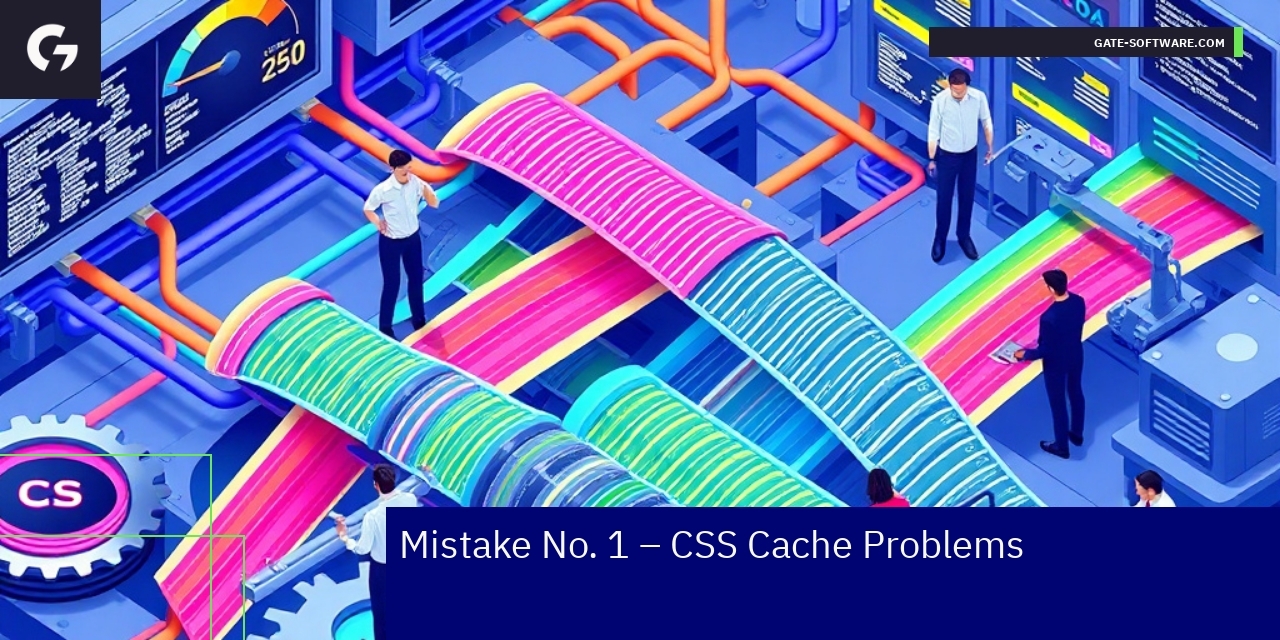
Mistake No. 1 – CSS Cache Problems [Root Cause Analysis] [Impact Assessment] [Mitigation Strategies]
CSS cache issues represent a common source of errors in Magento that can significantly impact both frontend performance and backend operations. Failing to properly manage CSS cache can lead to stale styles being served to users, causing UI inconsistencies and negative experiences. From a UiR perspective, this mistake often triggers a cascade of technical problems including inefficient troubleshooting processes and increased risk of complications during routine updates or deployments.
One underlying cause frequently observed is running out of disk space, which disrupts cache writes and forces the system into unstable states. This scarcity can exacerbate security issues as incomplete cache clearing sometimes leaves outdated, vulnerable versions accessible. To minimize such risks, proactive monitoring of storage usage alongside cache management is critical.
Troubleshooting CSS cache issues requires a disciplined approach: identifying cache layers, verifying invalidation triggers, and confirming proper regeneration after changes. This reduces the incidence of errors in Magento and streamlines maintenance efforts. Emphasizing automation for cache clearing within deployment pipelines aids in avoiding complications brought by human error or oversight. Ultimately, avoiding mismanagement of CSS cache not only enhances page load speed and user satisfaction but also fortifies platform stability and security—a key strategic goal in sustaining robust Magento environments under UiR service frameworks.
Mistake No. 4 – Outdated Software
Outdated software is a critical source of errors in Magento that can lead to significant technical problems and operational downtime. Neglecting regular updates compromises system security, stability, and performance, making troubleshooting more complex and time-consuming. In the context of Magento 2 and UiR service operations, maintaining the latest software versions is indispensable for avoiding complications that arise from deprecated libraries, incompatibilities with modern extensions, and vulnerabilities to cyber threats.
Technical teams managing Magento platforms must adhere to best update practices that include a structured update schedule, thorough testing on staging environments, and clear rollback procedures. This disciplined approach facilitates proactive detection and resolution of potential disruptions before impacting live commerce activities. Moreover, keeping Magento 2 current leverages new features and performance improvements, enhancing user experiences and supporting compliance with evolving standards.
Prolonged use of outdated software perpetuates recurring errors in Magento and extends troubleshooting cycles, increasing operational costs and risking customer satisfaction. Therefore, ensuring timely updates while integrating them smoothly into the release pipeline is a strategic measure for avoiding complications. The benefits of maintaining Magento 2 through systematic updates are clear: streamlined workflows, reduced technical problems, and a resilient platform aligned with business growth objectives.
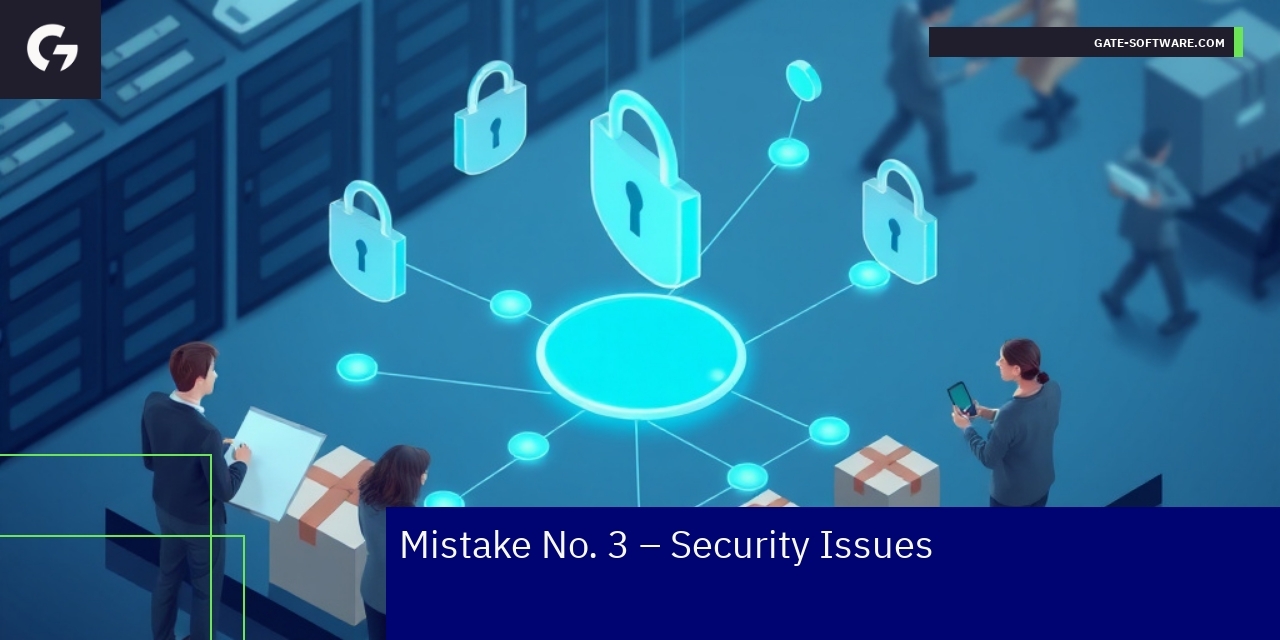
Mistake No. 3 – Security Issues 🛡️🔍
Security issues in the UiR service context often stem from unresolved errors in Magento that open doors to technical threats. These technical problems can compromise the integrity and availability of the eCommerce platform, leading to significant business risks. Addressing security issues effectively requires a thorough approach to troubleshooting, focusing on identifying vulnerable points before they escalate into more severe complications.
One common pitfall is neglecting early detection of these errors in Magento, which can result in prolonged exposure to attacks. Businesses must implement continuous monitoring systems to quickly spot and resolve technical problems. Effective attack protection is not just about reacting to incidents but also about proactively avoiding complications by adhering to best practices in both coding and infrastructure.
Troubleshooting security-related issues demands deep expertise and a well-structured process. For instance, vulnerabilities in third-party extensions or misconfigurations can be sources of technical threats that evade standard checks. Therefore, audits and security reviews should be integral parts of maintaining a Magento platform to prevent these technical problems from causing disruptions.
Moreover, avoiding complications means incorporating security into the development lifecycle, ensuring that every update or new feature is assessed for potential risks. This proactive stance minimizes the chances of errors in Magento that could lead to security breaches. Gate-Software’s approach to managing these challenges emphasizes building resilient systems with layered security measures and thorough diagnostics to ensure robust protection against evolving threats.
Risks of Skipping Maintenance 🛠️⚠️🔒
Skipping regular maintenance in Magento environments poses significant risks that can severely impact system stability and business continuity. Errors in Magento often increase when maintenance is neglected, as outdated components or unresolved bugs accumulate, leading to system crashes or degraded functionality. Without timely troubleshooting, these issues may escalate, causing prolonged downtimes that directly affect user experience and sales.
Technical problems become more frequent in environments lacking robust maintenance processes. Neglecting updates and patches makes the platform vulnerable to security breaches and performance bottlenecks. Effective attack protection depends heavily on continuous monitoring and prompt remediation of discovered vulnerabilities; therefore, skipping maintenance exposes the system to avoidable risks and potential data loss.
Avoiding complications requires proactive management, including regular audits and performance checks that identify bottlenecks before they affect operations. Monitoring is crucial—why is performance monitoring essential in Magento 2 maintenance? It ensures the platform runs efficiently, detects anomalies early, and supports swift troubleshooting. Comprehensive maintenance reduces the risk of escalating errors in Magento, minimizes technical problems, and upholds service reliability.
In summary, risks of skipping maintenance extend beyond mere functionality issues—they compromise security, performance, and business reputation. Investing in consistent maintenance and timely troubleshooting is key to avoiding complications and ensuring effective attack protection while keeping Magento platforms stable and responsive.
Mistake No. 5 – Configuration Issues
Configuration issues are among the most critical challenges in maintaining a robust Magento platform, often leading to persistent errors in Magento that can degrade performance, disrupt user experience, and increase operational risks. Such technical problems usually stem from improper setups, overlooked dependencies, or incompatible extensions, which significantly complicate troubleshooting efforts. The risks of skipping maintenance amplify these issues, as outdated configurations can become incompatible with system upgrades or security patches.
Ignoring configuration issues not only affects functionality but also escalates the complexity of resolving technical problems down the line. Effective troubleshooting requires systematic identification of misconfigurations and a thorough understanding of dependencies within the Magento environment. This is where professional Magento 2 technical support becomes essential. The scope of what does Magento 2 technical support cover? extends to analyzing configuration settings, ensuring compliance with best practices, and deploying corrective measures that prevent recurrence of errors in Magento.
Proactively addressing configuration issues supports avoiding complications that might otherwise cause downtime or loss of data integrity. Gate-Software’s expertise emphasizes continuous monitoring and preventive maintenance to mitigate risks of skipping maintenance. Such disciplined management reduces the frequency and impact of technical problems, providing a stable and scalable platform for e-commerce growth. By recognizing and resolving configuration issues proactively, businesses minimize the impact of errors in Magento and sustain efficient troubleshooting processes aligned with operational objectives.
Technical Threats
Technical threats in the context of UiR services often arise from complexities related to platform configuration, integration, and maintenance. One common issue is encountering various errors in Magento during platform upgrades or migration tasks. These errors can stem from incorrect system settings, incompatible extensions, or misconfigured server environments. Addressing these requires thorough troubleshooting, closely analyzing logs, and applying patches or custom fixes to ensure stable operation.
Another significant concern is technical problems related to how Magento interacts with external systems, especially when changing or adding domains. Knowing how to configure Magento 2 with a new domain correctly is crucial to avoid disruptions in service and SEO ranking drops. This configuration process includes updating URLs, SSL certificates, and verifying cache and session management settings. Proper handling of these steps is essential for avoiding complications in live environments.
Many organizations seek clarity on do you offer a Magento 2 technical audit before support starts? Such audits are integral in identifying existing weaknesses, upcoming technical threats, and optimization opportunities. Through formal audits, potential errors in Magento are proactively spotted to reduce downtime and technical problems.
Avoiding complications goes beyond reactive troubleshooting; it demands preventive strategies such as monitoring system health, setting up alerts for performance degradation, and continuous updates aligned with official Magento releases. With methodical technical oversight, technical threats can be managed effectively, ensuring a resilient, responsive Magento environment that supports business growth and digital transformation goals.

Best Update Practices
In the realm of UiR, adhering to best update practices is crucial to ensure system stability and efficiency. When managing updates, it is essential to anticipate and address common errors in Magento that may arise during the process. Understanding the nature of these technical problems can significantly reduce downtime and improve system reliability.
Effective troubleshooting strategies must be employed proactively to detect and resolve issues swiftly. This approach not only minimizes operational disruption but also aids in avoiding complications that can escalate into more severe system malfunctions. Integrating a structured update protocol facilitates seamless transitions between software versions and helps maintain optimal platform performance.
Collaboration during Magento 2 support plays a vital role in managing updates effectively. Clear communication between all stakeholders ensures that potential errors in Magento are identified early, and technical problems are addressed collaboratively. Moreover, discussing whether the scope of Magento 2 support can be extended during cooperation allows adjustment of resources to meet evolving needs, providing a more adaptive and responsive support framework.
Ultimately, best update practices involve a comprehensive approach combining technical expertise, structured troubleshooting, and strategic collaboration. This triad supports sustained system health, maximizes uptime, and safeguards against the risks associated with updates, all while aligning with the specific challenges and requirements of Magento platforms within UiR services.
Magento 2 vs. Other E-Commerce Platforms
When evaluating Magento 2 vs. other e-commerce platforms, a critical dimension is handling errors in Magento and technical problems that arise in complex environments. Magento 2, while robust and flexible, demands rigorous troubleshooting procedures to avoid complications that can disrupt business continuity and customer experience. Effective troubleshooting is not merely reactive but should be integrated within operational workflows to minimize downtime and maintain SLA commitments.
Performance data and metrics play a pivotal role in assessing efficiency across platforms. Magento 2’s architecture allows detailed monitoring of performance indicators, enabling teams to proactively address bottlenecks and optimize resource usage. This data-centric approach supports efficiency gains that directly influence the total cost of ownership (TCO) by preventing unnecessary expenditures on overprovisioning or reactive fixes.
From the perspective of service level agreements (SLA), Magento 2 can be tailored to meet stringent uptime and response time guarantees, but this requires dedicated expertise and well-structured support processes. The challenges related to errors in Magento and technical problems emphasize the necessity of experienced teams that understand the platform’s intricacies and have systems in place for swift troubleshooting. Avoiding complications is further supported by automation in monitoring and deployment, ensuring that minor issues do not escalate into costly failures.
In summary, Magento 2 vs. other e-commerce platforms presents a trade-off between flexibility and complexity. The key to leveraging its advantages lies in comprehensive troubleshooting mechanisms, precise performance tracking, and alignment with well-defined SLA parameters to optimize TCO, ensuring operational efficiency and sustained business performance.
Benefits of Maintaining Magento 2 [Security] [Performance] [Troubleshooting] [UiR]
Maintaining Magento 2 plays a critical role in ensuring the stability, security, and performance of your eCommerce platform, particularly within the UiR (User Interface and Response) domain. Regular maintenance helps proactively identify errors in Magento and technical problems that could otherwise disrupt your operations or degrade user experience. Through consistent troubleshooting efforts, it is possible to detect and resolve such issues early, effectively avoiding complications that may escalate into costly downtime or operational failures.
One of the primary benefits of maintaining Magento 2 lies in sustaining optimal system performance and securing the environment against vulnerabilities. Skipping maintenance introduces considerable risks of security breaches and degradation of platform responsiveness, which inevitably impacts customer interaction and business continuity. Importantly, does Magento 2 support include security updates? Yes, it does — these essential updates are delivered to protect against emerging threats and ensure compliance with evolving standards.
Moreover, continued upkeep allows your technical teams to address errors in Magento without delay, reducing the impact of technical problems. This leads to better troubleshooting cycles and fewer disruptions. Avoiding complications through regular inspections and patching prevents latent issues from becoming critical. Consequently, businesses benefit from more reliable platform operations, enhanced user satisfaction, and reduced operational risks.
In conclusion, the benefits of maintaining Magento 2 manifest in improved security, seamless troubleshooting capabilities, and minimized errors in Magento. For decision-makers focused on UiR, the commitment to thorough maintenance not only mitigates the risks of skipping maintenance but also upholds the integrity and effectiveness of their eCommerce ecosystems.
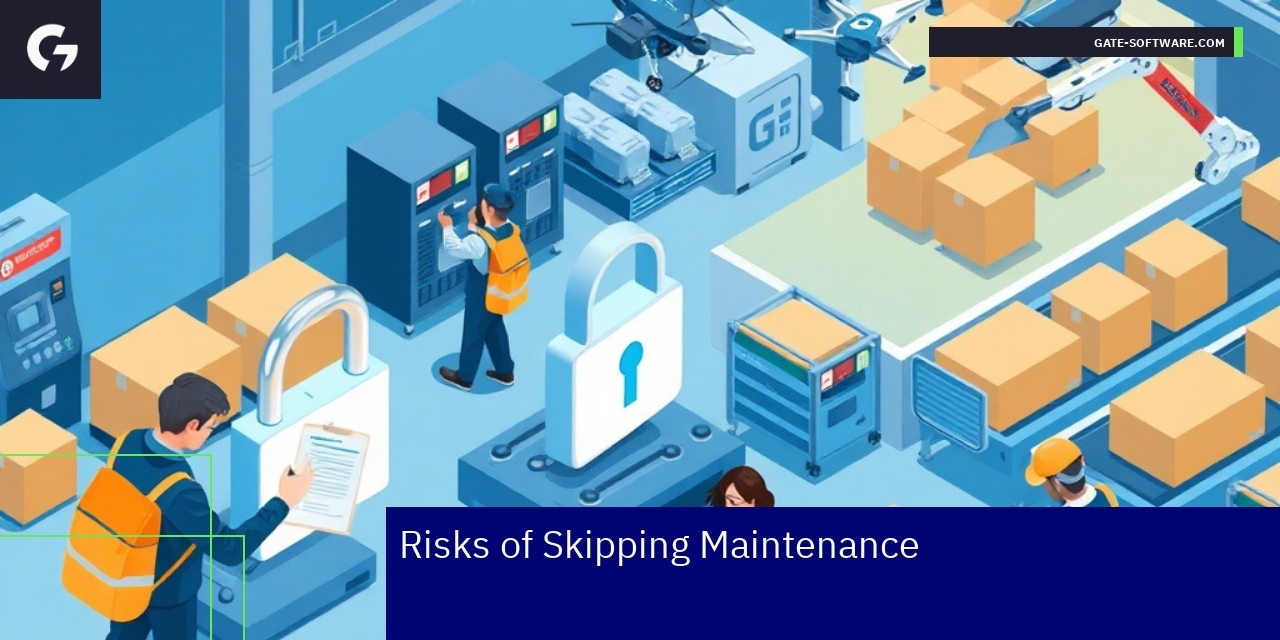
Risks of Skipping Maintenance 🛠️⚠️🔒
Skipping regular maintenance in Magento environments poses significant risks that can severely impact system stability and business continuity. Errors in Magento often increase when maintenance is neglected, as outdated components or unresolved bugs accumulate, leading to system crashes or degraded functionality. Without timely troubleshooting, these issues may escalate, causing prolonged downtimes that directly affect user experience and sales.
Technical problems become more frequent in environments lacking robust maintenance processes. Neglecting updates and patches makes the platform vulnerable to security breaches and performance bottlenecks. Effective attack protection depends heavily on continuous monitoring and prompt remediation of discovered vulnerabilities; therefore, skipping maintenance exposes the system to avoidable risks and potential data loss.
Avoiding complications requires proactive management, including regular audits and performance checks that identify bottlenecks before they affect operations. Monitoring is crucial—why is performance monitoring essential in Magento 2 maintenance? It ensures the platform runs efficiently, detects anomalies early, and supports swift troubleshooting. Comprehensive maintenance reduces the risk of escalating errors in Magento, minimizes technical problems, and upholds service reliability.
In summary, risks of skipping maintenance extend beyond mere functionality issues—they compromise security, performance, and business reputation. Investing in consistent maintenance and timely troubleshooting is key to avoiding complications and ensuring effective attack protection while keeping Magento platforms stable and responsive.
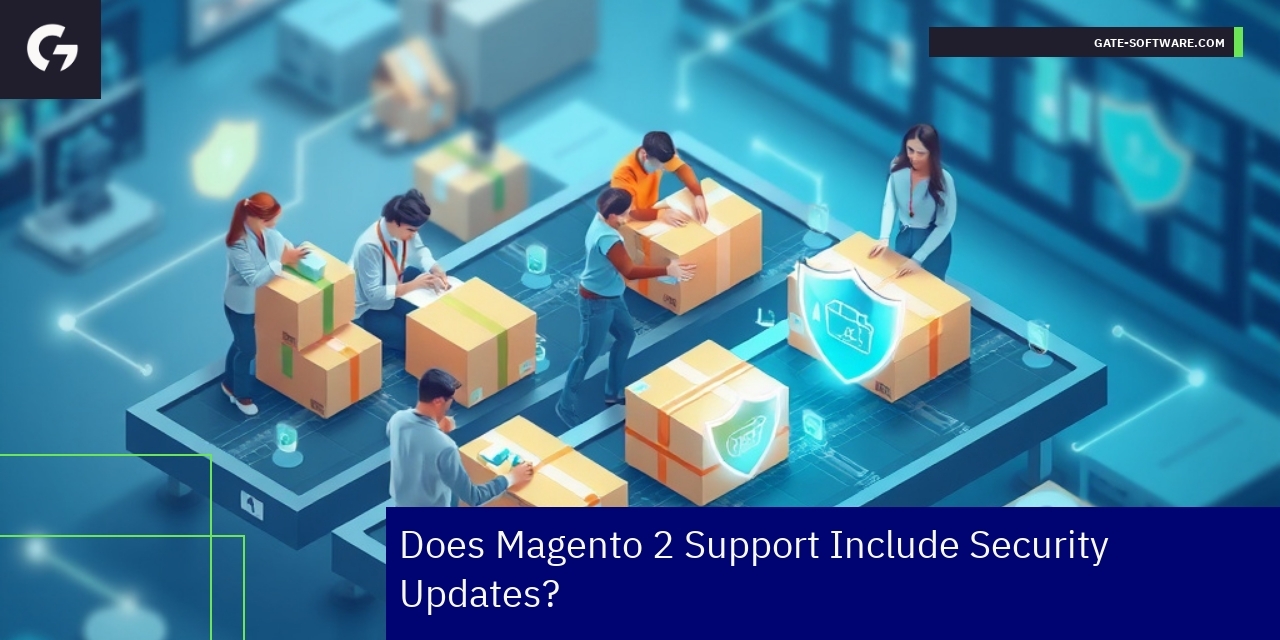
Does Magento 2 Support Include Security Updates?
Yes, Magento 2 support does include security updates, which are essential for maintaining the integrity and safety of your eCommerce platform. Regular security patches address vulnerabilities that could otherwise lead to significant risks, including data breaches and compromised customer trust. Understanding what is included in Magento 2 support helps in avoiding complications that arise from outdated or unsecured software.
Errors in Magento often stem from missed updates or unaddressed technical problems, making troubleshooting challenging without proper support. The update process is not only about adding new features but also about reinforcing security, fixing bugs, and preventing common Magento development mistakes. What is the Magento 2 update process and why is it important? It’s a structured series of releases and patches designed to keep the platform robust and secure. Neglecting these updates can lead to recurring errors in Magento and more complex technical problems that hinder stable operations.
By incorporating security updates within the Magento 2 support package, businesses can significantly reduce risks and enhance system resilience. Avoiding complications related to security gaps means your IT and eCommerce teams can focus on optimization instead of firefighting. Effective troubleshooting relies on having the latest security patches applied to minimize vulnerabilities that could mask deeper technical problems.
In summary, Magento 2 support includes vital security updates alongside maintenance and technical assistance. Staying current with these updates is a best practice that prevents many typical errors in Magento and supports long-term platform health, helping organizations avoid costly downtime and reputational damage.

Data and Performance Metrics – Efficiency, SLA, TCO
Operational Effectiveness in UiR Projects
In the context of Gate-Software’s UiR services, operational effectiveness is quantifiable through several key metrics that reflect the performance and impact of our strategies on Magento 2 projects. One significant metric is the average project takeover time, which stands at approximately 15 days. This swift turnaround enables our clients to resume operations with minimal disruption.
Additionally, our focus on timely delivery has resulted in an impressive 92% of projects being delivered on schedule. This reliability enhances client satisfaction and supports continuous business operations, which is crucial for eCommerce success.
When it comes to operational costs, Gate-Software has achieved an average Total Cost of Ownership (TCO) reduction of 20% for our clients. This reduction is achieved through optimized resource allocation and proactive management practices that minimize unnecessary expenditures.
In terms of our service levels, Gate-Software maintains a robust uptime SLA of 99.8%. This high availability ensures that our clients’ platforms remain operational during peak traffic periods, enhancing user experience and trust.
Moreover, our commitment to building long-term relationships with clients is reflected in the average client relationship duration, which currently stands at 3.5 years. This longevity allows us to understand client needs deeply and provide tailored solutions that contribute to their growth.
Lastly, the number of successful Magento implementations we have completed exceeds 150, showcasing our extensive experience and expertise in this domain, which empowers clients to leverage Magento 2’s capabilities effectively.
These metrics highlight our operational effectiveness and dedication to delivering high-quality services that drive success for our clients in the dynamic world of eCommerce.

Summary
In conclusion, maintaining a robust Magento 2 platform is critical for ensuring optimal performance, security, and reliability within your eCommerce operations. By leveraging Gate-Software’s extensive expertise, decision-makers like CTOs and Heads of Applications can effectively mitigate the risks associated with common pitfalls and technical challenges. The proactive strategies highlighted throughout this article underscore the importance of embracing best practices in development, troubleshooting, and regular maintenance to drive sustainable growth and customer satisfaction. We invite you to explore how collaboration with Gate-Software can enhance your Magento 2 experiences and enable your business to thrive in a competitive market. For further inquiries or to discuss your specific needs, please feel free to reach out to us.

FAQ
What are the common pitfalls in Magento 2 development and maintenance?
Common pitfalls include neglecting regular updates, insufficient attention to platform security, and overlooking performance optimization, which can lead to increased downtime and degraded user experiences.
Why is regular maintenance critical for Magento 2?
Regular maintenance is essential as it helps proactively identify and resolve errors, enhances security, improves system performance, and ultimately supports a positive user experience, preventing costly downtimes.
How can I avoid running out of disk space in Magento?
To avoid running out of disk space, regularly audit server storage, manage outdated software, and implement automated log rotation policies to control log file growth effectively.
What is included in Magento 2 support regarding security?
Magento 2 support includes essential security updates that protect against vulnerabilities and ensure compliance with evolving standards, helping to maintain the integrity of your eCommerce platform.
How does Gate-Software assist in maintaining Magento 2?
Gate-Software provides comprehensive expertise and strategic maintenance practices that align with business growth objectives, helping to mitigate risks, improve operational efficiency, and achieve sustainable growth.
.
.
Zamów bezpłatną konsultację
.
Z nami rozwój Twojego biznesu nabierze tempa! Zapraszamy do kontaktu średnie i duże firmy generujące min. 7 mln PLN obrotu rocznie – tam nasza ekspertyza sprawdza się najlepiej.
.
Kliknij w poniższy przycisk i skontaktuj się z jednym z naszych konsultantów e-commerce
.