Introduction
Scaling a B2B eCommerce business using Magento 2 requires a strategic approach that addresses both technical and business challenges unique to B2B environments. Magento 2 offers a flexible and powerful platform tailored to meet the complex requirements of B2B operations, including managing large product catalogs, complex pricing structures, and custom workflows.
Effective scaling strategies focus on leveraging MagentoOneS™ for optimized platform performance, ensuring robust uptime through SLA-backed hosting and continuous monitoring. Implementing tailored UX/UI designs aligned with WCAG standards enhances usability for business clients, leading to better engagement and satisfaction. Additionally, integrating with internal systems and APIs ensures seamless data flow and operational efficiency.
Gate-Software’s expert approach emphasizes comprehensive migration paths, cost optimization, and continuous development (Utrzymanie i Rozwój) to keep your Magento 2 B2B platform agile and competitive. By addressing core personas such as the Architect, eCommerce Manager, and Head of Applications, these strategies align technology with business goals, supporting growth and scalability in complex B2B marketplaces.
TABLE OF CONTENTS
-
-
- Magento 2 B2B: Strategies To Scale Your B2B eCommerce Business Using Magento 2
- Why Do Many B2B Companies Fail to Grow?
- Step 2.1: Choosing and Implementing a CRM
- Step 2.2: Building a Sales Pipeline
- Step 2.3: Automating Processes
- Leveraging Modern Technologies
- Data and Performance Metrics – Efficiency, SLA, TCO
- Summary
- FAQ
-

Why Do Many B2B Companies Fail to Grow?
Step 1.1: Define Your Ideal Customer Profile (ICP)
Effective Magento 2 implementation for B2B starts with precise solutions tailored to business needs. Many B2B companies fail to grow because they have unclear communication strategies with partners and lack a well-defined Ideal Customer Profile (ICP). Defining the ICP is crucial for establishing a clear e-commerce strategy, enabling companies to focus their resources effectively and understand client needs deeply. This clarity facilitates optimized engagements, making sales processes more predictable and scalable. When businesses neglect this foundation, they often face challenges in targeting the right segments and communicating value propositions effectively, hindering sales growth and resource allocation.
[Strategic Alignment] [Customer Segmentation] [Resource Optimization]
Step 1.2: Build an Irresistible Value Proposition (UVP)
A critical barrier to growth is an unconvincing or poorly optimized Value Proposition. To boost sales in your B2B Magento 2 store, it is essential to build a UVP that resonates with business clients by addressing cost optimization and supporting flexible business structures. This tailored UVP reflects the specific pain points and expectations of B2B customers, aligning with their complex decision-making processes and long sales cycles. Without a compelling UVP, companies struggle to differentiate themselves, which stagnates sales growth and undermines trust with key decision-makers such as eCommerce Managers and CTOs.
Step 1.3: Competitor Analysis – 3C Framework
Applying the 3C Framework—analyzing Company, Customers, and Competitors—is a proven strategy embedded in successful Magento 2 B2B implementations. Yet, many businesses falter due to insufficiencies before full implementation, especially inadequate testing and validation phases. Such oversights lead to underperformance in sales growth and inability to surpass set goals. Thorough competitor analysis combined with iterative testing ensures that Magento management aligns well with the evolving B2B market demands, thereby enabling sustained growth despite complex multi-level challenges.
Why Is Systematization Crucial?
Sustainable growth in B2B sales requires overcoming multi-layered challenges by ensuring clear and consistent communication strategies with business partners. Systematizing business processes using Magento management tools is key to establish operational efficiency and scalability. It allows companies to coordinate diverse stakeholder expectations ranging from Architects to Heads of Applications effectively. The structured approach reduces friction in sales cycles, improves cost management, and ensures compliance with WCAG standards, which collectively drive better business outcomes. Failure to systematize processes often results in fragmented efforts, lost sales opportunities, and stalled growth trajectories in B2B environments.
Step 2.1: Choosing and Implementing a CRM
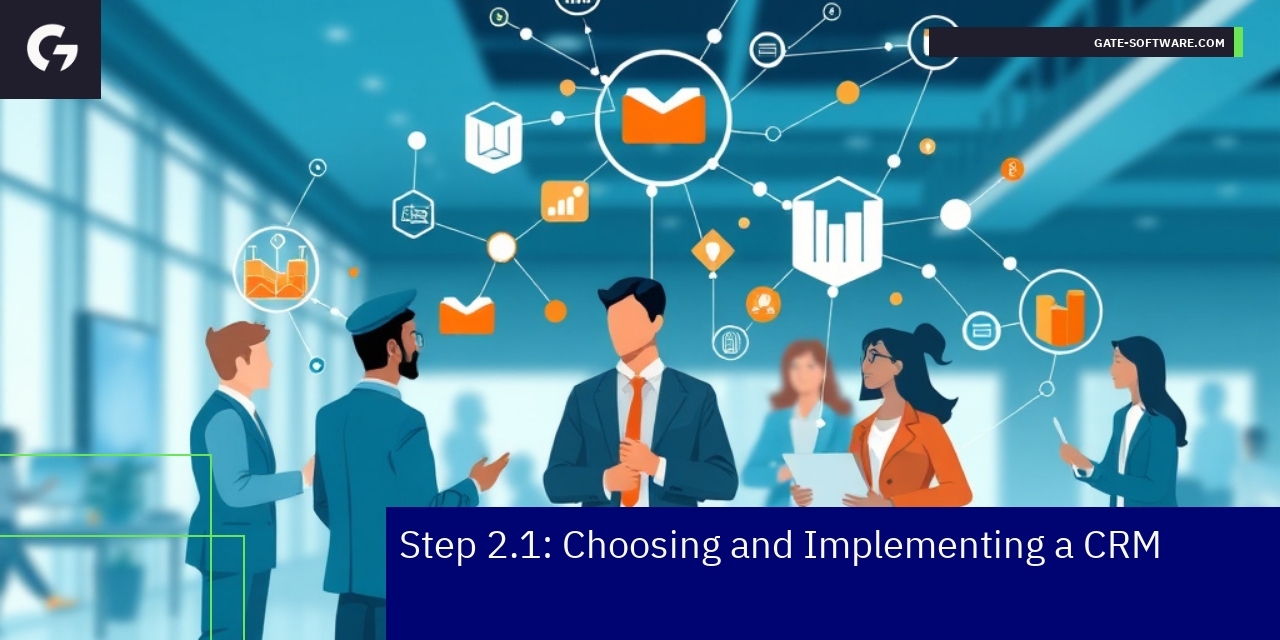
Selecting and rolling out a CRM tailored for Magento scalability supports flexible business solutions and simplifies management, powering your e-commerce growth. In the B2B context, choosing the right CRM system is critical to addressing complex sales processes, managing long-term client relationships, and integrating with existing IT ecosystems. A CRM must provide seamless integration capabilities with Magento, offering scalability to accommodate growing data volumes and transactional complexity typical in B2B commerce.
Implementing a CRM involves aligning it with your business workflows and ensuring that it supports multi-tiered account management, custom pricing, and advanced reporting. These features enable you to efficiently nurture leads, track sales pipelines, and deliver personalized customer experiences. The CRM should also offer robust API connectivity to integrate with other internal systems such as ERP, marketing automation, and analytics platforms, ensuring data consistency and operational efficiency.
From a technical perspective, attention to data security, compliance, and user access control is paramount. The system should also support automation for routine tasks to reduce manual overhead, allowing your teams to focus on strategic activities. Combined with a UX/UI approach that facilitates user adoption, the right CRM becomes a foundational tool, driving your Magento-powered e-commerce growth with reliable management and insightful analytics tailored to B2B needs.

Step 2.2: Building a Sales Pipeline
Integrating systems like Subiekt with your e-commerce platform enhances your sales pipeline. This alignment is vital for a winning B2B e-commerce strategy in Magento environments.
Building a robust B2B sales pipeline requires seamless integration between sales management systems and your e-commerce infrastructure. Leveraging Subiekt alongside Magento enables automated workflows, real-time inventory updates, and streamlined order processing, which reduce manual errors and accelerate sales cycles. This synchronization ensures that sales teams and eCommerce managers have consistent, accurate data, essential for forecasting and customer relationship management.
In B2B contexts, where sales cycles are typically longer and more complex, having a transparent, efficient sales pipeline increases visibility into lead progression and decision points. Integrating Subiekt allows key stakeholders such as Architects, Heads of Applications, and CTOs to oversee critical metrics, optimizing processes from initial contact to contract closure. This also supports compliance with company-wide standards on UX/UI and platform performance aligned with WCAG 1.1 guidelines.
Moreover, aligning systems facilitates adaptability in multi-channel marketing and communication strategies, helping implement Gate-Software’s content strategy while maintaining brand consistency. The result is a resilient sales pipeline that supports scalable growth and strengthens buyer-seller relationships within B2B ecosystems. Integrating systems like Subiekt with your e-commerce platform is therefore not only an operational enhancement but a strategic advantage essential for winning in competitive B2B Magento marketplaces.
Step 2.3: Automating Processes
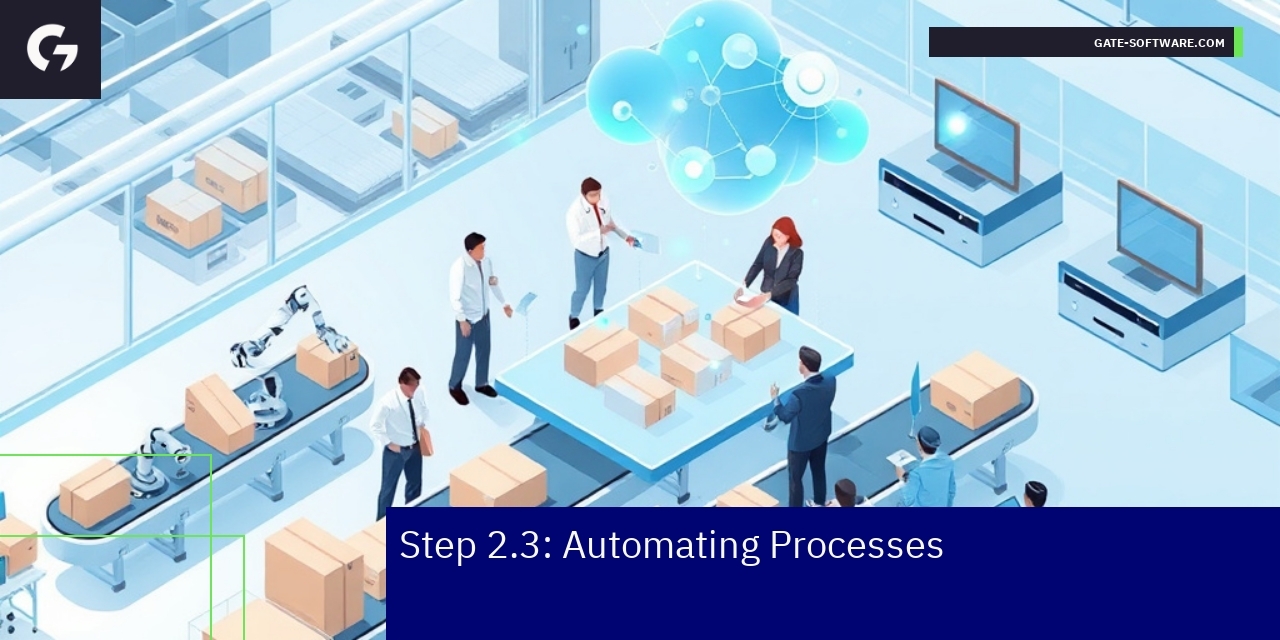
Automation plays a crucial role in driving B2B sales growth by optimizing operational costs and minimizing manual tasks. Leveraging Magento’s built-in automation capabilities allows businesses to achieve more with fewer resources, streamlining processes such as order management, customer segmentation, and personalized marketing. Efficient integration with external systems further enhances productivity, enabling seamless data flow and reducing human errors.
A scalable business model is essential for sustainable B2B growth. Magento’s flexible architecture supports this by allowing customization that aligns with evolving business requirements and sales strategies. This adaptability is complemented by methodologies that promote proven sales growth, empowering companies to expand their reach and improve customer satisfaction while maintaining operational efficiency.
Implementing automation in B2B environments addresses specific technical and business challenges, such as complex pricing rules, multi-tiered customer relationships, and compliance with industry standards. By relying on Gate-Software’s expertise in MagentoOneS™, hosting, monitoring, and SLA management, businesses can ensure stable and secure environments that support continuous process automation and enhanced UX/UI standards.
Ultimately, combining technological innovation with strategic process automation fosters a competitive advantage, helping B2B enterprises not only reduce costs but also accelerate decision-making and improve the overall customer experience—key factors for long-term success in digital commerce.
Leveraging Modern Technologies
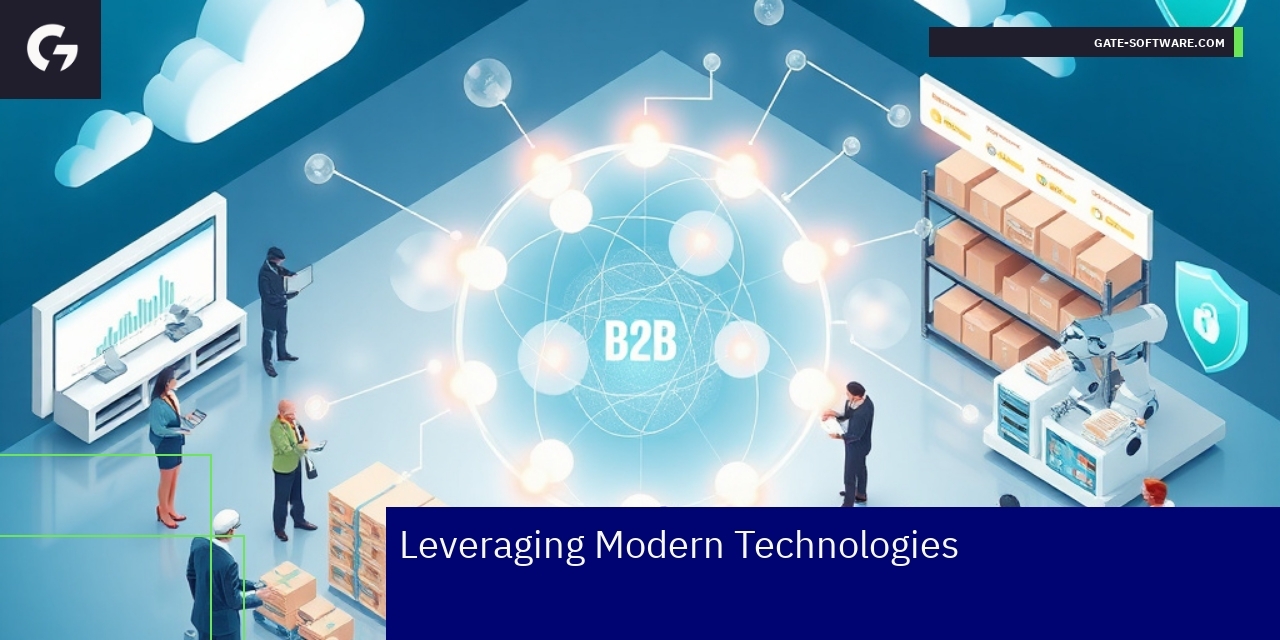
Utilizing modern technology solutions within Magento 2 directly impacts business outcomes—discover what these innovations deliver in measurable results. In the B2B sector, leveraging modern technologies is pivotal for optimizing digital commerce platforms, ensuring scalability, and enhancing customer experience through sophisticated integrations and compliance with standards like WCAG 1.1. Magento 2’s flexible architecture allows seamless incorporation of advanced tools such as AI-driven analytics, automated workflows, and personalized content delivery, all of which contribute to increasing conversion rates and operational efficiency. These innovations support key stakeholders—CDO, CTO, eCommerce Managers, and Architects—in aligning technological capabilities with strategic business objectives while meeting the distinct demands of B2B clients.
Comparing B2B Business Models
-
- Traditional Model vs. E-commerce Model
- Benefits and Risks of Each Model
Understanding the differences between traditional and e-commerce B2B business models is vital for implementing Magento 2 solutions effectively. Traditional models often rely on manual processes and fragmented data, leading to inefficiencies, while e-commerce models offer streamlined digital workflows, enhanced data visibility, and customer-centric approaches. However, transitioning to an e-commerce model requires addressing risks such as system integration challenges and ensuring secure contract management. Leveraging Magento 2’s B2B functionalities like company account structures, custom pricing, and quote management mitigates these risks and capitalizes on the benefits, driving measurable growth in B2B sales channels.
Checklists and Pitfalls to Avoid
-
- Essential Steps for Effective Implementation
- Common Mistakes in B2B Strategies
Successful implementation of B2B e-commerce platforms demands a structured approach. Essential steps include thorough UX/UI audits, adherence to WCAG 1.1 guidelines for accessibility, and continuous monitoring and SLA management to maintain uptime and performance. Common pitfalls in B2B strategies include neglecting stakeholder alignment, underestimating complexity in integrations, and insufficient focus on personalizing the user journey. Gate-Software’s expertise ensures comprehensive checklists guide clients through these processes, minimizing risks and delivering impactful, measurable business results.
FAQ – Frequently Asked Questions
-
- What Are the Key Success Factors in B2B?
- Which Technologies Support E-commerce Growth?
Key success factors in B2B include robust technology infrastructure, alignment with business goals, and a strong focus on user experience reflecting client personas such as eCommerce Manager and Architect. Technologies that support growth encompass cloud hosting, AI analytics, and agile development methodologies suited for Magento 2 environments. Addressing these factors ensures sustainable expansion and digital transformation in B2B markets.
Summary
- Key conclusions and recommendations for B2B companies implementing Magento 2
In summary, leveraging modern technologies within the Magento 2 platform is a strategic imperative for B2B companies aiming for scalable growth and operational excellence. Adopting an e-commerce business model facilitates efficiency and customer engagement, while meticulous implementation addressing UX, accessibility, and SLA requirements avoids common pitfalls. Gate-Software’s comprehensive B2B knowledge base and solution portfolio empower decision-makers to realize measurable business outcomes driven by technology innovation.
Data and Performance Metrics – Efficiency, SLA, TCO
Operational Effectiveness in B2B Projects
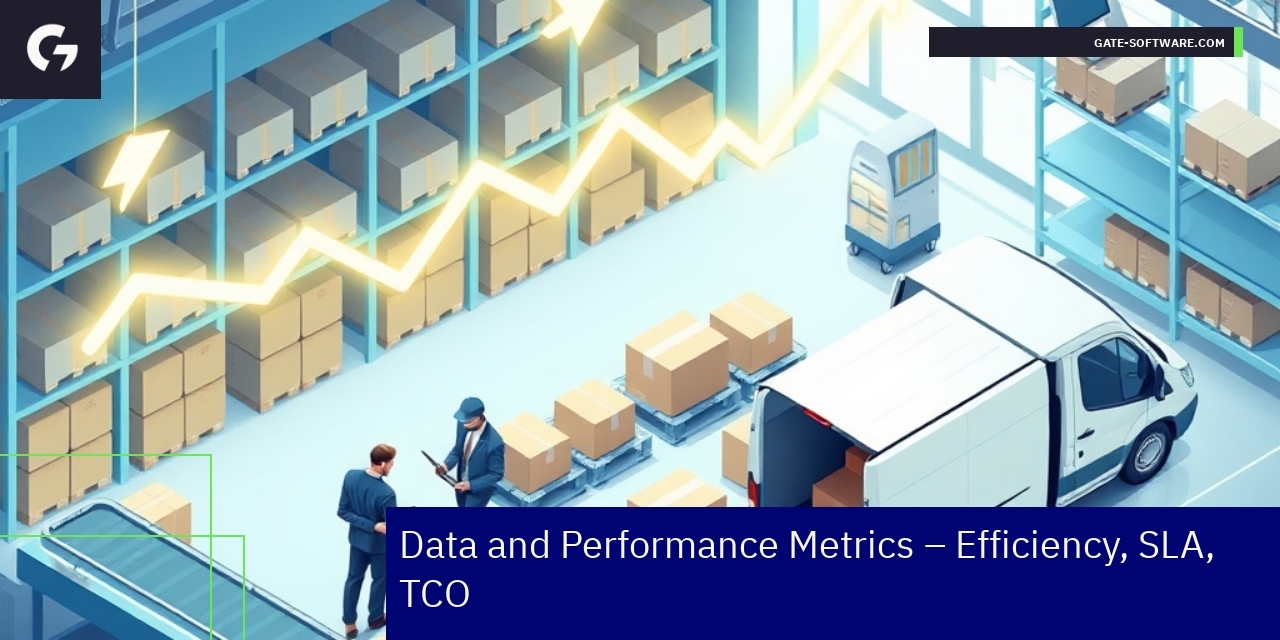
When evaluating the operational effectiveness of B2B projects at Gate-Software, several key metrics stand out. One notable statistic is the average project takeover time, which typically averages around 4 weeks for smooth transitions to MagentoOneS™. This efficient timeline ensures minimal disruption for clients as they shift their platforms.
Moreover, Gate-Software prides itself on a 95% on-time project delivery rate, a testament to our robust project management practices and adherence to established timelines. In terms of cost management, clients often report an average Total Cost of Ownership (TCO) reduction of 30% following the implementation of our solutions, highlighting significant financial benefits alongside technical enhancements.
For operational reliability, Gate-Software guarantees a 99.9% uptime SLA, which is critical for B2B operations needing sustained availability. This commitment ensures that our clients can rely on their e-commerce systems without fear of prolonged downtimes that could impact sales and customer satisfaction.
The level of service we provide is sustained by our strategic focus on client relationships, with an average relationship duration of 5 years. This long-term partnership approach allows us to continually adapt our offerings to the evolving needs of our clients, ensuring that they remain competitive in dynamic B2B marketplaces.
Finally, over the past year, Gate-Software has successfully completed 150+ B2B project implementations, encompassing various industries and showcasing our versatility and expertise in the Magento ecosystem. This volume of work underscores our capacity to deliver tailored solutions that align with the specific demands of our clients’ business models.
These metrics collectively illustrate Gate-Software’s commitment to providing measurable results that enhance operational efficiency and drive growth for our B2B clients.

Summary
In conclusion, as a B2B company navigating the complexities of eCommerce using Magento 2, you have the opportunity to harness cutting-edge technologies and innovative strategies to drive substantial growth. Gate-Software stands ready to support you in this journey, leveraging our expertise in MagentoOneS™ and tailored solutions that align with your business objectives. By focusing on critical areas such as refining your Ideal Customer Profile, optimizing your Value Proposition, and implementing robust CRM and sales pipeline strategies, you can overcome common pitfalls that hinder sales growth. Additionally, our emphasis on systematization, process automation, and adherence to WCAG standards ensures that your operations are not only efficient but also compliant and customer-centric. We invite you to explore how our services can empower your business to achieve sustainable growth, improve customer satisfaction, and exceed performance expectations in the competitive B2B landscape. Let’s collaborate to unlock the full potential of your Magento 2 platform and set a solid foundation for future success.

FAQ
What are the key success factors in B2B?
Key success factors in B2B include a robust technology infrastructure, alignment with business goals, and a strong focus on user experience that reflects client personas such as eCommerce Managers and Architects.
Why is systematization crucial for B2B growth?
Systematization is essential for B2B growth as it ensures clear and consistent communication strategies, operational efficiency, and scalability, helping businesses effectively manage complex sales processes and stakeholder expectations.
How does integrating modern technologies impact B2B eCommerce?
Integrating modern technologies within Magento 2 directly enhances business outcomes by optimizing digital commerce platforms, ensuring scalability, and improving customer experience through sophisticated integrations and compliance with industry standards.
What role does CRM play in B2B eCommerce success?
A CRM tailored for Magento supports flexible business solutions, manages long-term client relationships, and ensures seamless integration with existing IT systems, enabling efficient lead nurturing and personalized customer experiences essential for B2B eCommerce success.
How can companies build an irresistible value proposition (UVP) for B2B?
Building an irresistible UVP involves creating a value proposition that addresses cost optimization and aligns with the specific pain points and expectations of B2B customers, thus differentiating the company and enhancing trust with key decision-makers.
FAQ
.
.
Zamów bezpłatną konsultację
.
Z nami rozwój Twojego biznesu nabierze tempa! Zapraszamy do kontaktu średnie i duże firmy generujące min. 7 mln PLN obrotu rocznie – tam nasza ekspertyza sprawdza się najlepiej.
.
Kliknij w poniższy przycisk i skontaktuj się z jednym z naszych konsultantów e-commerce
.