Introduction
Scaling a B2B eCommerce business using Magento 2 requires a strategic approach that aligns with both technical capabilities and business objectives. Magento 2 stands out as a flexible and robust platform tailored to meet the complex needs of B2B enterprises, enabling seamless integration, customization, and scalability.
At the core of successful B2B scaling strategies is a deep understanding of client personas such as Architects, eCommerce Managers, CDOs, CIOs/CTOs, and Heads of Applications. Tailoring the Magento 2 environment to support key workflows—including contract management, pricing visibility, customer segmentation, and multi-tiered approvals—ensures operational efficiency and enhances user experience (UX/UI).
Moreover, adherence to accessibility standards like WCAG 1.1 guarantees inclusivity, broadening the market reach while maintaining legal and ethical responsibilities. Gate-Software’s approach emphasizes personalized customer journeys powered by advanced MagentoOneS™ architecture combined with effective hosting, monitoring, and SLA management to optimize cost and performance.
This introduction paves the way for exploring detailed strategies for Magento 2 B2B deployments that integrate marketing, technical, and user experience factors to drive sustainable growth and operational excellence in B2B eCommerce.
TABLE OF CONTENTS
- Magento 2 B2B: Strategies To Scale Your B2B eCommerce Business Using Magento 2
- Magento 2 B2B Basics
- Magento Sales Analysis in Practice
- B2B Online Store: Key Features
- E-commerce Case Studies for Inspiration
- Advanced ERP Integrations
- Dynamic Pricing in Magento 2
- Magento B2B in Practice
- Marketing and SEO Support
- B2B E-commerce Success Examples
- Magento 2 Implementation Pros & Cons
- Functional Requirements
- Performance Requirements
- Data and Performance Metrics – Efficiency, SLA, TCO
- Summary
- FAQ
- Key takeaways from the article highlight the necessity of aligning performance requirements with business buyer expectations in B2B commerce.
- The future of Magento 2 in B2B commerce points toward continuous optimization and integration flexibility to sustain superior e-commerce experience and platform scalability.
- Readers are encouraged to explore Magento optimization strategies and B2B platform enhancements further to ensure competitive advantage and operational excellence.
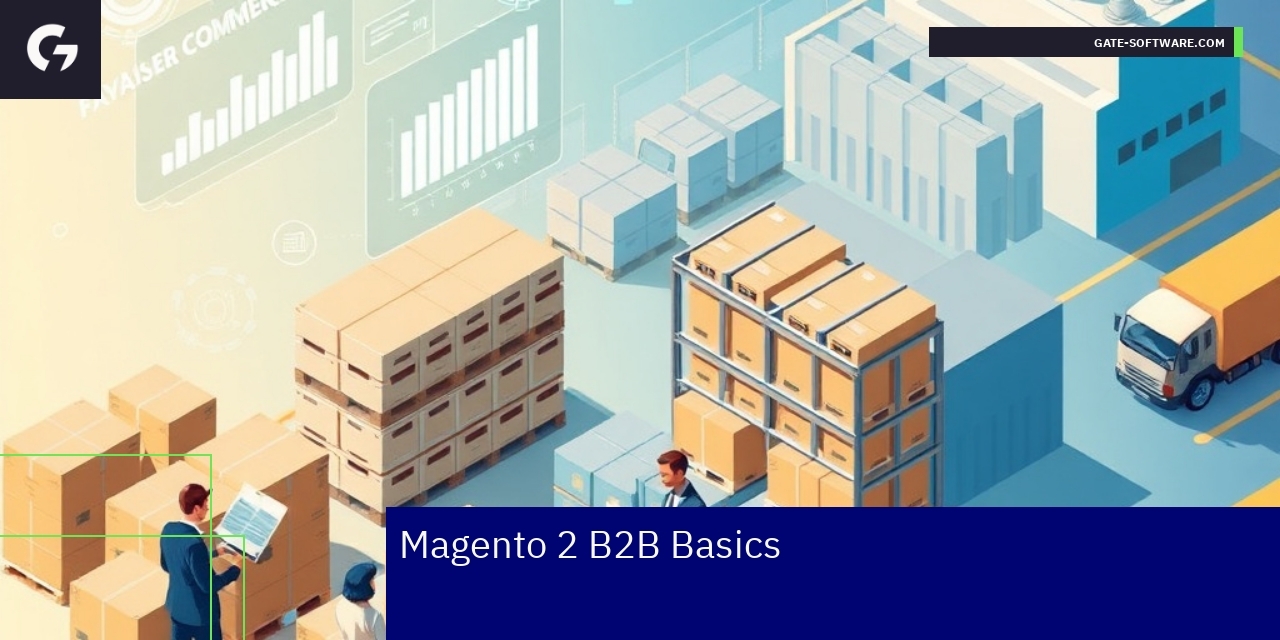
Magento 2 B2B Basics
Magento 2 B2B is a specialized extension of the Magento platform designed to address the complex needs of business-to-business commerce. Unlike standard retail platforms, Magento 2 B2B supports features essential for B2B operations such as flexible pricing structures, bulk ordering, multi-user account management, and tailored payment options. These capabilities enable companies to serve business clients who require personalized contracts, negotiated terms, and efficient order workflows.
A key distinction between B2B and B2C lies in their customer relationships and sales dynamics. B2B transactions often involve larger volumes, longer decision cycles, and multiple stakeholders, while B2C focuses on individual consumers making quicker purchases. Magento 2 B2B accommodates this by enabling customizable catalogs and pricing, supporting user roles and permissions, and streamlining approval processes, which are scarce in typical B2C environments.
Magento 2’s architecture is especially suited for B2B because it offers scalability and flexibility that align with enterprise-grade requirements. Its integration capabilities with ERP, CRM, and other business systems ensure seamless data flow and operational efficiency. Additionally, features like quote management and advanced reporting empower businesses to optimize sales processes and maintain strong client relationships. For organizations aiming to elevate their B2B eCommerce, Magento 2 delivers a robust platform that balances technical complexity with business needs, supporting growth and competitive advantage while respecting industry-specific challenges and workflows.

Magento Sales Analysis in Practice
Business Buyer in Sales Analysis
In B2B commerce, recognizing the unique profile of the business buyer is fundamental for precise sales analysis. This buyer operates with specific procurement criteria and longer decision cycles compared to retail consumers. Sales data must thus be dissected with attention to business buyer segments, purchase volumes, and contract specifics. Accurate profiling of the business buyer enables targeted analytics that reveal actionable insights on buying patterns, seasonal flux, and client needs — essential for refining sales strategies. Integrating these metrics enhances the reliability of sales forecasts and creates a foundation for bespoke e-commerce solutions tailored to business buyers.
E-commerce Experience and Sales
The e-commerce experience is a critical touchpoint affecting the purchasing journey of the business buyer. Unlike consumer retail, B2B transactions often involve complex product configurations and multiple stakeholders. A streamlined e-commerce experience reduces friction by providing clear product data, personalized offers, and seamless navigation, all of which improve engagement and conversion rates. Optimizing the e-commerce experience not only elevates customer satisfaction but also builds trust with business buyers, encouraging repeat purchases. For e-commerce managers, prioritizing user-centric design and fast, secure platforms directly correlates with stronger sales outcomes and long-term client relationships.
Magento Optimization for Better Results 📝 Key Considerations ✅ Best Practices
Magento optimization is pivotal for enhancing both the technical and commercial performance of B2B e-commerce platforms. With its robust architecture, Magento supports complex product catalogs and layered pricing structures that meet business buyer demands. Magento optimization involves refining backend processes for faster load times, enhancing UI for intuitive client journeys, and integrating advanced analytics for continuous improvement. Focused enhancements aligned with the needs of the business buyer translate to a superior e-commerce experience. By leveraging Magento optimization, organizations ensure their platform remains scalable and competitive, ultimately driving higher sales and improved customer loyalty.

B2B Online Store: Key Features
B2B Platform as Foundation
A robust B2B platform serves as the essential foundation for any successful online store targeting business buyers. Such a platform must ensure seamless integration with existing enterprise systems and support complex pricing structures and contract management. Leveraging advanced Magento optimization techniques enables the platform to handle high transaction volumes while maintaining performance and scalability. The platform’s architecture should prioritize security and compliance with industry standards to build trust with business buyers. Furthermore, an effective B2B platform facilitates personalized experiences, adapting content and offers based on customer segments and purchasing histories. This tailored approach significantly enhances the e-commerce experience, driving higher engagement and conversion rates among professional clientele.
Self-Service Tools for Business Buyers 🧠 UWAGI: 🔧
Empowering the business buyer with self-service tools is critical in streamlining procurement processes and improving customer satisfaction. These tools include features such as order tracking, repeat ordering, bulk purchasing options, and flexible payment terms. A well-designed B2B platform integrates these capabilities directly into the user interface, providing intuitive navigation and reducing dependency on sales representatives. Magento optimization plays a key role here by enabling responsive design and fast loading times, ensuring a smooth e-commerce experience across devices. Additionally, providing comprehensive dashboards allows business buyers to analyze their purchasing patterns and manage budgets effectively. Such self-service functionalities reduce operational costs and enhance the overall efficiency of B2B transactions.
User-Friendly CMS for Improved Service
A user-friendly Content Management System (CMS) is vital to maintain dynamic and engaging content tailored for business buyers on a B2B platform. The CMS must support easy updates to product catalogs, promotional materials, and technical documentation without requiring extensive IT support. By integrating Magento optimization features, the CMS can deliver fast, consistent content rendering that enriches the e-commerce experience and aids decision-making processes. Clear, navigable content aligned with the needs of business buyers ensures they find relevant information quickly, fostering trust and loyalty. Moreover, a CMS that supports multiple user roles and permissions enables efficient collaboration between marketing, sales, and product teams, ultimately enhancing the service quality provided through the B2B platform.

E-commerce Case Studies for Inspiration
Business Buyer Success Stories
In the B2B e-commerce landscape, business buyer success stories highlight the impact of tailored digital experiences on purchasing decisions and long-term partnerships. Successful companies design platforms that address the specific needs of business buyers, such as personalized pricing, streamlined bulk ordering, and dedicated account management. By integrating complex workflows and clear communication channels, these platforms improve operational efficiency and customer satisfaction. Business buyers increasingly expect smooth interactions that blend B2B-specific requirements with intuitive interfaces, reinforcing loyalty and repeat business. Such case studies prove that understanding the business buyer’s journey and challenges is essential to building effective e-commerce ecosystems that support decision-making and procurement processes.
E-commerce Experience in Practice
Delivering an outstanding e-commerce experience is pivotal to meeting the expectations of business buyers in B2B markets. Practical implementations demonstrate that enhancing usability, mobile responsiveness, and personalized content drives engagement and conversions. E-commerce experience improvements often focus on reducing friction in navigation, optimizing search functions, and offering tailored recommendations based on buyer behavior. In B2B scenarios, providing detailed product information, transparent logistics data, and flexible payment options enriches the experience further. Case studies show that companies investing strategically in e-commerce experience increase not only customer retention but also average order values, contributing to sustained growth. These insights are vital for eCommerce Managers and Heads of Applications aiming to align digital platforms with business buyer needs.
Magento Optimization in Case Studies
Magento optimization emerges as a critical factor in successful B2B e-commerce cases, enabling platforms to handle complex catalogs and high transaction volumes efficiently. Case studies illustrate how Magento’s extensibility supports customization tailored to business buyers, such as configurable products, tiered pricing, and advanced inventory management. Optimization efforts focus on enhancing site performance, including faster loading times and scalable hosting solutions, to ensure smooth e-commerce experience even during peak demand. Magento optimization also encompasses compliance with WCAG standards, ensuring accessible design for all users. By leveraging Magento’s robust features, companies improve operational workflows, reduce cart abandonment, and increase conversion rates. These case studies provide valuable lessons for CTOs and Architects designing scalable, resilient digital commerce platforms focused on business buyers.
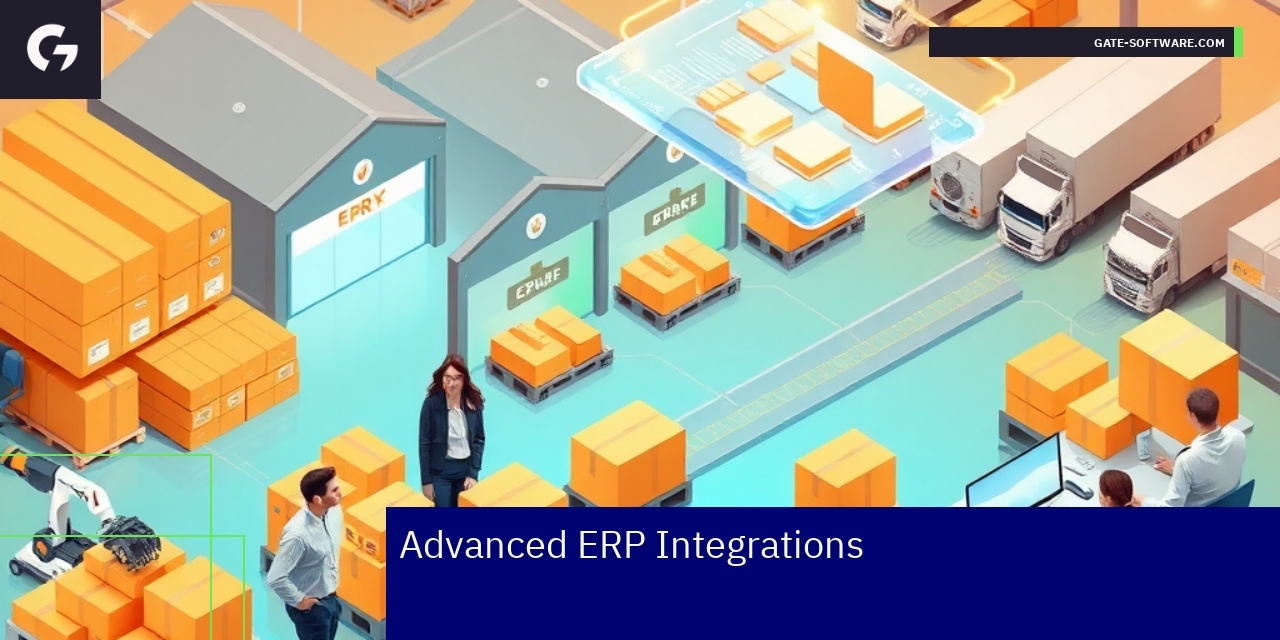
Advanced ERP Integrations
Managing Multiple Stores on a B2B Platform
Managing multiple stores within a B2B platform requires robust ERP integrations that centralize operations while maintaining accuracy in inventory and order management. By synchronizing data across all stores, businesses can ensure real-time updates on stock levels, pricing, and customer orders, which is critical to delivering a seamless e-commerce experience. This integration enables business buyers to access consistent product catalogs and reliable order tracking across different stores, enhancing trust and loyalty. Additionally, effective ERP systems optimize backend workflows by automating procurement and fulfillment processes, reducing manual errors and operational costs. For B2B platforms, this centralized management is essential for scaling and adapting quickly to market demands without compromising Magento optimization or business buyer satisfaction.
Comprehensive Integrations for Business Buyers 🧠 UWAGI:
Comprehensive ERP integrations play a pivotal role in delivering a tailored e-commerce experience to business buyers. Seamless connections between ERP, CRM, and financial systems enable transparent communication and personalized purchasing workflows that reflect the complexity of B2B sales cycles. Business buyers expect efficient quote management, flexible pricing, and order history insights directly within the B2B platform. By integrating these features, companies empower their customers with autonomy while maintaining control over processes. Furthermore, Magento optimization ensures that the platform runs smoothly under heavy transactional loads and supports advanced features such as multi-tier pricing and custom catalogs. These integrations significantly elevate the professional purchasing experience required by business buyers, reinforcing long-term partnerships.
Data Rotation in E-commerce
Effective data rotation strategies supported by ERP integrations are fundamental for maintaining relevant and actionable insights within B2B e-commerce environments. Continuous updating and analyzing transactional and behavioral data from the B2B platform enable companies to react swiftly to changing market conditions and customer needs. This dynamic data flow facilitates optimized Magento performance by ensuring that marketing, sales, and inventory data remain accurate and up-to-date. Business buyers benefit from this through improved product recommendations, stock availability notifications, and efficient order processing. As data rotation advances, enterprises can refine segmentation and targeting strategies, thereby enhancing the overall e-commerce experience and aligning tightly with the expectations of B2B buyers.

Dynamic Pricing in Magento 2
Custom Prices for Business Buyers
In B2B environments, dynamic pricing in Magento 2 allows for precise customization of prices tailored to each business buyer’s specific needs. This flexibility plays a critical role in enhancing the e-commerce experience by ensuring prices reflect the volume, contract agreements, or customer segmentation strategies used within a company. Magento optimization must account for diverse price lists and tiered pricing models that accommodate different buyer profiles, enabling personalized offers that drive loyalty and increase sales efficiency. Robust integration of pricing rules and catalog management ensures that each business buyer sees relevant pricing, eliminating confusion and improving the overall purchasing process.
SEO Optimization for Pricing
Optimizing SEO within Magento 2 pricing structures is key to attracting the right business buyers by improving product discoverability and relevance in search engines. Careful Magento optimization involves embedding strategic keywords such as business buyer, e-commerce experience, and Magento optimization into product descriptions, pricing metadata, and content associated with pricing strategies. This targeted approach helps drive qualified traffic from decision-makers searching for scalable e-commerce platforms that support dynamic pricing models. Enhanced SEO practices in pricing also improve the site’s indexing and ranking, supporting long-term visibility and reducing acquisition costs in complex B2B purchasing journeys.
Mobile-First Approach in E-commerce
A mobile-first design philosophy is essential to optimize the e-commerce experience for business buyers using a variety of devices in their purchasing process. Magento 2 supports responsive designs that prioritize seamless interaction and accessibility on smartphones and tablets, which aligns with growing B2B trends where buyers demand swift and intuitive mobile access to pricing and product information. Incorporating Magento optimization techniques ensures that dynamic pricing features render correctly and efficiently across all devices, supporting tasks from price comparison to order placement on the go. This approach not only strengthens customer satisfaction but also contributes to increased conversion rates in B2B channels where decision-makers often operate remotely or in the field.

Magento B2B in Practice
Business Buyer as Priority
In the B2B landscape, the business buyer takes center stage, requiring solutions that cater specifically to their complex purchasing processes and decision-making criteria. Magento optimization plays a crucial role in tailoring the platform to meet these needs, ensuring seamless navigation, personalized pricing, and streamlined order management. Prioritizing the business buyer enhances e-commerce experience by reducing friction points commonly encountered in B2B transactions, such as approval workflows and bulk order handling. Understanding the unique requirements of business buyers allows Magento platforms to offer targeted features like quick reorder, quote requests, and multi-user account management, which collectively foster an efficient purchasing environment essential for B2B success.
Marketing and SEO Support
Effective marketing and SEO strategies are foundational to driving B2B engagement on Magento platforms. Leveraging Magento optimization techniques specifically geared towards B2B improves search visibility and attracts relevant business buyer personas through tailored content and optimized product listings. Integrating SEO best practices ensures that the e-commerce experience is aligned with both the technical parameters of search algorithms and the expectations of sophisticated buyers. This dual focus enables businesses to position themselves competitively in niche markets, where decision-makers demand precise information and easy access to comprehensive product data, thus significantly enhancing the Magento platform’s role as a business growth enabler.
Pros and Cons of Magento 2 Implementation
Implementing Magento 2 in a B2B context offers substantial benefits, including extensive customization options, robust scalability, and enhanced Magento optimization tools that cater to complex business buyer needs. Its modular architecture supports integration with various enterprise systems, improving the overall e-commerce experience through seamless data exchange and automation. However, the implementation demands significant technical expertise and resource investment, which can pose challenges for companies without dedicated development teams. Performance tuning and maintaining WCAG compliance add layers of complexity but are critical for sustaining a competitive edge. Balancing these pros and cons is essential for decision-makers seeking to leverage Magento 2 as a scalable platform that effectively addresses B2B market requirements while optimizing operational efficiency.

Marketing and SEO Support
E-commerce Experience and SEO
In the competitive landscape of B2B commerce, delivering a tailored e-commerce experience is essential to attract and retain the business buyer. Understanding the unique requirements and purchase behaviors of business buyers allows companies to design seamless digital journeys. Integrating SEO optimizations with a deep focus on target_phrases relevant to B2B sectors enhances the visibility of platforms. Strategic content aligned with the business buyer’s intent, combined with technical SEO, ensures that digital assets rank well, capturing qualified leads and fostering trust. Prioritizing e-commerce experience optimizations is therefore a critical step in meeting the evolving expectations of professional buyers.
Magento Optimization for Visibility
Magento stands out as a versatile B2B platform that supports sophisticated Magento optimization to improve search rankings and user engagement. Leveraging Magento’s rich functionality enables businesses to refine product TAXONOMY, speed, and metadata structure to meet SEO best practices. Magento optimization focuses on enhancing crawlability and indexing by search engines, which directly impacts how readily a business buyer can discover your offerings. Furthermore, Magento’s flexibility supports personalized content delivery, which caters to specific segments within B2B audiences, ensuring that the right target_phrases appear prominently across the site, ultimately driving more relevant traffic and conversions.
B2B Platform and Marketing Strategies
A successful B2B platform requires a strategic alignment between technology and marketing to effectively reach business buyers. Employing targeted marketing strategies that integrate SEO with content marketing, lead nurturing, and digital campaigns is key. Utilizing data-driven insights allows businesses to tailor messaging and campaign parameters around target_phrases that resonate with their B2B audience. This comprehensive approach maximizes engagement and supports the Magento optimization efforts of the platform itself. By embedding marketing tactics into the B2B platform, companies can amplify visibility, foster stronger relationships, and streamline the customer journey from discovery to purchase for the business buyer.

B2B E-commerce Success Examples
Business Buyer as Success Key
Understanding the business buyer is fundamental to achieving success in B2B e-commerce. Business buyers differ significantly from retail consumers; they rely heavily on detailed product information, streamlined procurement processes, and strong vendor relationships. By focusing on the unique needs and decision drivers of the business buyer, companies can tailor their platforms to increase conversion rates and customer retention. Integrating personalized B2B buyer journeys enhances the e-commerce experience, ensuring buyers find exactly what they need quickly and confidently. The role of business buyers in the purchasing process emphasizes the importance of a robust Magento optimization strategy that supports complex pricing structures, bulk ordering, and account management features aligned with corporate requirements.
Market Inspirations from E-commerce
Market inspirations drawn from successful B2B e-commerce implementations provide valuable insights into improving the overall e-commerce experience. Companies leveraging best practices in UX/UI design, integration with ERP systems, and data-driven marketing strategies have seen marked improvements in buyer engagement and sales metrics. By analyzing diverse sector-specific needs and the behavior of the business buyer, organizations can craft strategies that reflect real market demands. Additionally, employing Magento optimization techniques such as customized workflows, optimized catalog structures, and responsive design enhances the competitive edge. These inspirations also highlight the importance of accessibility and compliance standards, ensuring all users benefit from a seamless and inclusive e-commerce experience.
Magento Optimization in Success Stories
Magento optimization plays a crucial role in the success of B2B e-commerce platforms by providing the flexibility and scalability required in today’s complex marketplaces. Successful case studies demonstrate that tailored Magento solutions—addressing integration with legacy systems, improving site speed, and customizing checkout processes—lead to significant improvements in conversion and customer satisfaction. Effective Magento optimization not only enhances the e-commerce experience for business buyers but also supports back-end operations essential for order accuracy and timely fulfillment. Continuous performance monitoring and updates ensure that the platform evolves with changing business needs, maintaining competitive advantages and delivering consistent value to both sellers and business buyers.
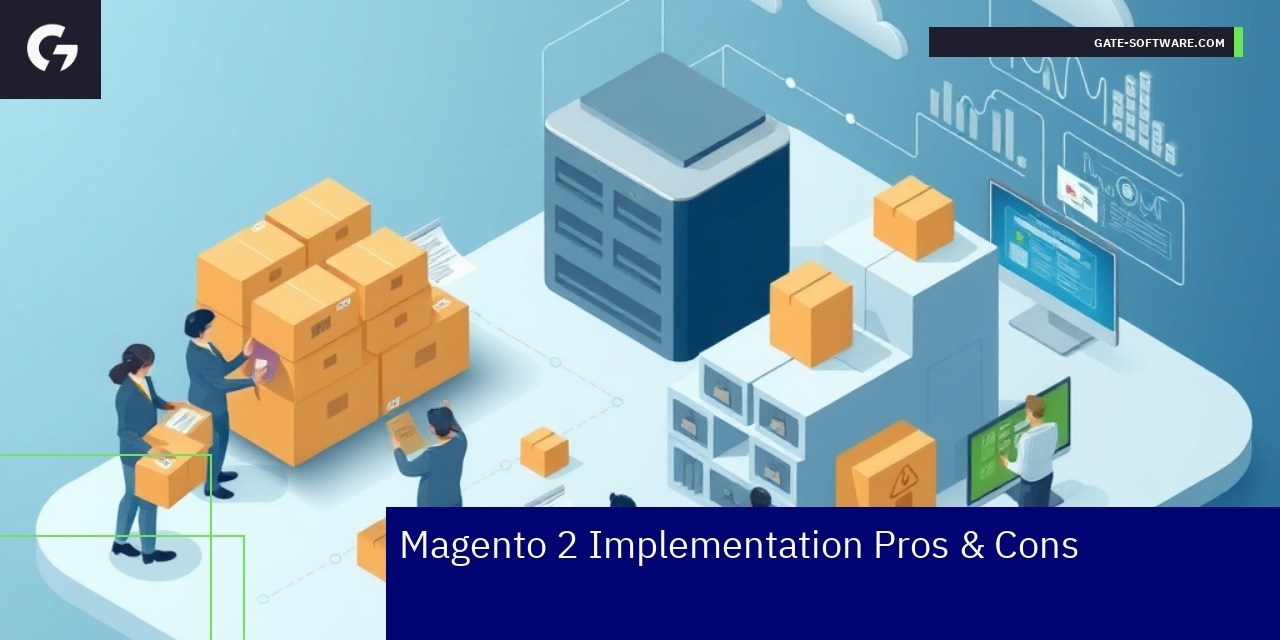
Magento 2 Implementation Pros & Cons
B2B Platform and Business Decisions
When selecting a B2B platform like Magento 2, business buyers face critical decisions that influence long-term success. Magento 2 offers advanced capabilities tailored to the nuanced needs of B2B commerce, such as complex pricing structures, customized catalogs, and streamlined workflows for repeat and bulk orders. These features support business buyers in managing large-volume transactions efficiently. However, implementing Magento 2 requires substantial upfront investment in time and resources to tailor the platform to specific B2B requirements. Strategic business decisions must consider the scalability of the platform alongside integration with existing enterprise systems. Ultimately, the choice of Magento 2 as a B2B platform hinges on aligning technology capabilities with business goals while maintaining flexibility for future growth.
E-commerce Experience and Platform Choice
The quality of the e-commerce experience directly affects customer retention and satisfaction, making platform choice pivotal. Magento 2 excels in delivering a customizable and seamless e-commerce experience, which is critical for business buyers accustomed to complex purchasing processes. Its modular architecture allows for extensive personalization of the user interface, catering to specific buyer personas and operational workflows. That said, the complexity of Magento can introduce challenges during implementation, requiring expertise to align the platform closely with the buyer journey. Optimizing UI/UX within Magento 2 ensures that the platform supports intuitive product discovery, simplified ordering, and efficient account management—all crucial for positive e-commerce experience in a B2B context.
Magento Optimization as Success Factor
Magento optimization is essential to ensure the platform performs at peak levels and meets the evolving demands of business buyers. Efficient Magento optimization focuses on enhancing load times, reducing system bottlenecks, and improving responsiveness, which directly impacts the e-commerce experience. Performance tuning, including advanced caching strategies and database indexing, reduces latency for B2B platform users who often process large, complex transactions. Additionally, addressing SEO with specific target_phrases supports discoverability and aligns with digital marketing strategies. Magento optimization is not just technical fine-tuning but a strategic enabler, allowing companies to leverage the platform’s full potential and secure competitive advantage in the B2B e-commerce landscape.

Functional Requirements
Business Buyer and System Needs
In B2B environments, addressing the specific needs of the business buyer is paramount. These buyers require comprehensive functionalities that support complex purchasing processes, including multi-level approvals, customized pricing, and contract management integrated within the e-commerce platform. The system must be capable of handling bulk orders and facilitating negotiations while providing clear insight into order statuses and logistics. This ensures that the business buyer’s experience is streamlined and efficient, reducing friction in the procurement process. Moreover, data security and compliance capabilities are critical, as B2B buyers often handle sensitive company information. Integrating these functionalities enhances the overall e-commerce experience, positioning the platform as a reliable partner in B2B transactions.
E-commerce Experience and Features
A robust e-commerce experience tailored for B2B must incorporate seamless navigation, personalized content, and responsive support functionalities. Features such as tailored catalogs, flexible payment options, and real-time inventory management significantly impact business buyer satisfaction. Additionally, the platform should offer easy integration with other enterprise systems like ERP and CRM to ensure data consistency and operational efficiency. Accessibility compliance and UX/UI best practices also play a crucial role in delivering an inclusive and efficient user journey. By emphasizing these elements, the system supports the complex requirements of B2B purchasing while fostering trust and loyalty through a comprehensive and user-centric e-commerce experience.
Magento Optimization and Requirements
Magento optimization in the B2B context involves leveraging its modular and scalable architecture to meet enterprise-level requirements. Key focuses include improving system performance to handle large catalogs and high transaction volumes, ensuring MagentoOneS™ compatibility, and optimizing hosting and infrastructure for minimal downtime. Custom development based on Magento’s framework enables integration of specific B2B features such as buyer roles and permissions, pricing workflows, and SLA management. Monitoring and analytics tools are essential to continuously enhance the platform’s responsiveness and user satisfaction. Proper Magento optimization not only elevates the e-commerce experience but also underpins efficient operations aligned with business buyers’ expectations and the evolving market demands.
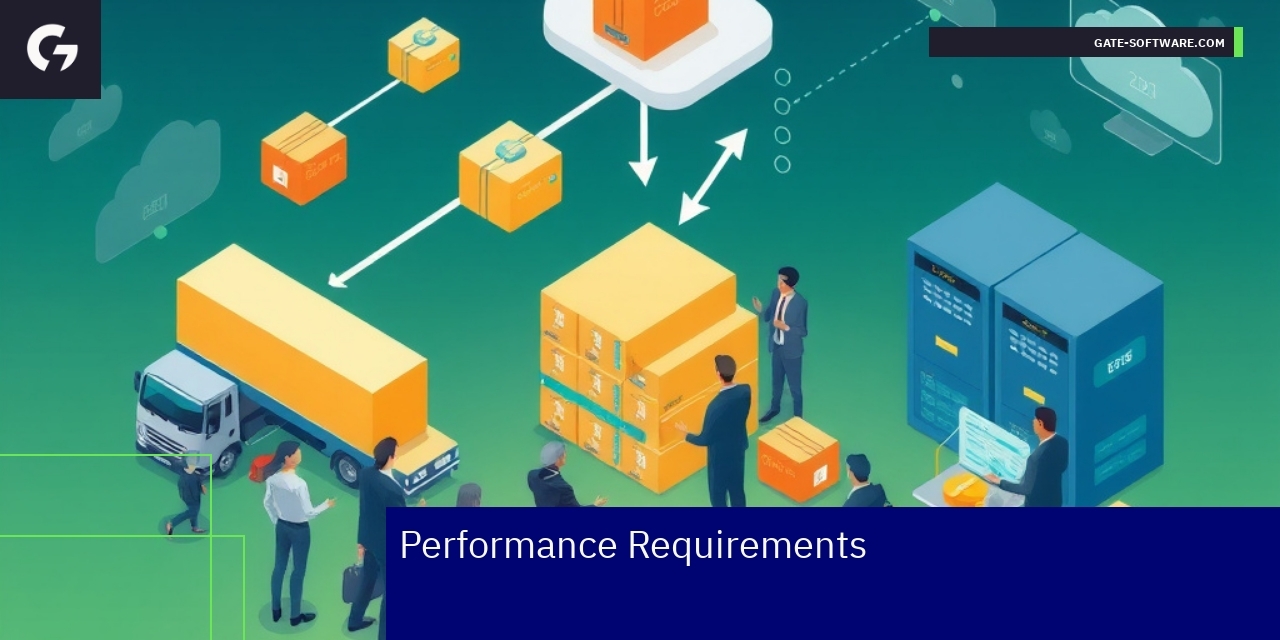
Performance Requirements
B2B Platform and System Performance
In the context of a B2B platform, ensuring robust system performance is critical for meeting the expectations of the business buyer. A B2B platform must handle high volumes of transactions and complex pricing structures typical of business procurement processes. Optimizing server response times and scalability directly impacts the overall e-commerce experience, as delays or downtime can disrupt procurement workflows and reduce buyer satisfaction. Magento optimization plays a pivotal role here, as Magento’s architecture needs fine-tuning to support rapid data processing, integration with ERP systems, and seamless handling of customer-specific catalogs. A high-performance B2B platform ensures that the business buyer interacts with a reliable, responsive interface, which strengthens trust and encourages repeat business.
E-commerce Experience and Speed
Delivering an exceptional e-commerce experience hinges on speed and usability, which are vital to keep the business buyer engaged. B2B purchasers expect intuitive navigation, quick search results, and fast checkout processes tailored to their purchasing cycles. Any lag negatively affects the e-commerce experience, potentially driving customers to competitors. With Magento optimization, specialized performance enhancements such as caching strategies, optimized database queries, and frontend load minimization improve site speed significantly. Leveraging these Magento-focused improvements guarantees that the B2B platform remains competitive by providing seamless, efficient transactional paths aligned with the technical expectations of business buyers who prioritize both reliability and speed.
Magento Optimization for Better Performance 🚀⚙️📈
Magento optimization is the cornerstone of delivering superior performance in B2B e-commerce environments. Tailoring Magento configurations and upgrading infrastructure to support high concurrency and large data sets ensures that the platform can meet the complex needs of the business buyer. Enhancements focused on backend efficiency, such as refining indexing processes and optimizing API calls, reduce latency and improve the e-commerce experience. Additionally, Magento’s extensibility allows integration of custom modules aligned with specific B2B workflows, further improving platform responsiveness. Consistent Magento optimization efforts translate into a scalable B2B platform that supports evolving business demands without compromising speed or reliability.
—
Summary

Data and Performance Metrics – Efficiency, SLA, TCO
Operational Effectiveness in B2B Projects
In evaluating the operational effectiveness of B2B projects, various measurable metrics provide insight into performance and reliability. For instance, Gate-Software has achieved a project takeover time averaging only 14 days, enabling clients to switch to our services with minimal disruption. Additionally, an impressive 92% of projects are delivered on time, reflecting our commitment to meeting deadlines and enhancing client satisfaction.
When it comes to total cost of ownership (TCO), companies utilizing Gate-Software’s solutions typically report an average reduction of 20% over three years, largely attributed to optimized processes and efficient resource allocation. Since our inception, we have successfully completed over 150 B2B implementations, showcasing our robust capacity to handle diverse client needs.
Our commitment to service reliability is underscored by an uptime Service Level Agreement (SLA) of 99.9%, ensuring that clients experience minimal downtime which is crucial for maintaining operational continuity. Furthermore, the average duration of client relationships at Gate-Software is approximately 5 years, indicative of the trust and reliability we build through our services.
These metrics play an essential role in decision-making, providing data-driven credibility that supports purchasing decisions and reinforces the value of our B2B solutions.

Summary
As you navigate the complexities of B2B eCommerce, aligning your strategic goals with the capabilities of Magento 2 becomes paramount. The insights shared underscore the critical need for systems that accommodate the nuanced demands of business buyers, from personalized pricing structures to seamless integration with existing operational frameworks. Gate-Software stands ready to enhance your Magento experience, providing tailored optimization strategies that not only meet but exceed the expectations of your clients. By investing in a robust B2B platform built on Magento’s powerful architecture, you position your business for sustained growth and operational excellence in a competitive landscape. We invite you to engage with us further to explore how our expertise can align with your specific needs, ensuring your B2B operations thrive in the eCommerce space.

FAQ
How does Magento 2 support the specific needs of B2B commerce?
Magento 2 offers features such as flexible pricing structures, bulk ordering, multi-user account management, and custom payment options tailored to meet the complex requirements of B2B transactions.
What are the key benefits of using Magento optimization in B2B eCommerce?
Magento optimization enhances site performance, improves load times, and supports complex catalog structures, directly impacting user experience and ultimately driving higher sales and customer loyalty.
Why is understanding the business buyer critical in B2B sales analysis?
Recognizing the unique profile of the business buyer allows for targeted analytics and strategies, revealing actionable insights that optimize sales processes and cater to their specific procurement needs.
How do comprehensive ERP integrations enhance B2B platforms?
ERP integrations centralize operations, ensuring real-time updates and efficient management of inventory, pricing, and customer orders, which leads to a seamless eCommerce experience for business buyers.
What role does a user-friendly CMS play in a B2B platform?
A user-friendly CMS enables easy updates to product catalogs and promotional materials, enhances content dynamism, and supports multiple user roles, thereby improving the overall service quality for business buyers.
.
.
Zamów bezpłatną konsultację
.
Z nami rozwój Twojego biznesu nabierze tempa! Zapraszamy do kontaktu średnie i duże firmy generujące min. 7 mln PLN obrotu rocznie – tam nasza ekspertyza sprawdza się najlepiej.
.
Kliknij w poniższy przycisk i skontaktuj się z jednym z naszych konsultantów e-commerce
.