Introduction
Magento 2 B2B edition delivers a comprehensive e-commerce platform tailored to the unique requirements of business-to-business commerce. It addresses complex procurement processes, multiple buyer roles, and extensive product catalogs with high efficiency and scalability. For CTOs, CDOs, and eCommerce Managers, Magento 2 B2B facilitates seamless integration with existing ERP and CRM systems, enabling real-time synchronization of inventory, pricing, and customer data.
This platform supports advanced pricing models including tiered pricing, price lists, and customer-specific discounts, which are essential for B2B sales strategies. Furthermore, Magento 2 B2B enhances the purchasing experience with company accounts allowing multiple buyers per organization with role-based permissions—optimizing order workflows and approval processes.
In addition to performance and scalability, Magento 2 B2B also incorporates UX/UI best practices alongside WCAG compliance, ensuring accessibility and an intuitive experience for diverse user personas. Gate-Software’s expertise in maintaining and evolving MagentoOneS™ platforms guarantees robust SLA-backed hosting, monitoring, and continuous optimization tailored for B2B e-commerce needs.
This combination of features and strategic support forms the foundation for a flexible, secure, and efficient B2B e-commerce solution designed to meet the demands of modern enterprises.
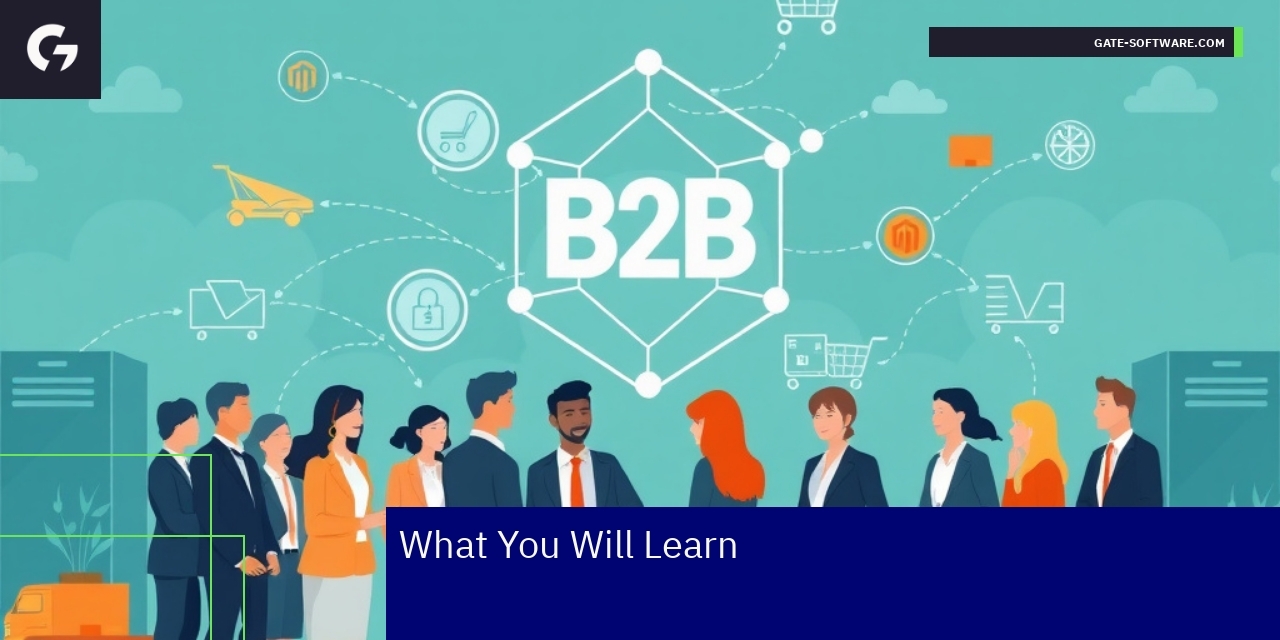
What You Will Learn
In the realm of B2B e-commerce, particularly with platforms like Magento 2, understanding the foundational aspects and nuances is crucial for successful implementation and optimization. This section outlines the essential learnings that will equip you with the knowledge to leverage Magento 2 B2B solutions effectively. Below, we will delve into the key features of Magento 2 B2B, strategies for optimization, impacts of integrations, common pitfalls during implementation, and highlight successful case studies.
Key Features of Magento 2 B2B
Magento 2 B2B introduces a robust suite of features tailored for business-to-business transactions. Key features include the ability to manage multiple companies under one account, allowing for a streamlined purchasing process that enhances collaboration among different departments. Additionally, custom pricing and personalized catalogs enable businesses to offer varied purchasing experiences for different clients, which is a significant differentiator in competitive markets. The shared shopping cart feature further allows teams to collaborate on purchases, ensuring that multiple stakeholders can contribute to the buying process efficiently.
How to Optimize Your B2B Store
Optimizing your B2B store requires a multi-faceted approach. Begin by leveraging Magento 2’s advanced search capabilities, which improve the user experience and enhance product discoverability. Employing tools such as Magento’s custom catalog rules enables effective segmentation and ensures that the right products are shown to the right customers. Additionally, performance optimization is essential; this includes optimizing server response times, utilizing caching mechanisms, and ensuring that the website is mobile-responsive. Creating a seamless checkout experience is also vital, as B2B transactions often involve higher order values and multiple approval layers. Simplifying this process can lead to higher conversion rates and improved customer satisfaction.
Impact of Integrations on Performance
Integrations play a pivotal role in the performance of Magento 2 B2B stores. The impact of tools such as ERP, CRM, and inventory management systems cannot be underestimated. Integrating these systems allows for real-time data synchronization, which ensures that product availability and pricing are always accurate, significantly enhancing the customer experience. Furthermore, robust API connections between Magento and other platforms can streamline operational processes, reducing manual errors and improving efficiency. It’s crucial to ensure that these integrations are well-planned and executed to prevent any potential slowdowns or disruptions during peak operational times.
Common Implementation Mistakes
One of the most common mistakes during the implementation of Magento 2 B2B solutions is underestimating the importance of proper planning and documentation. This can lead to insufficient testing and a lack of clarity in business requirements, ultimately resulting in a system that does not meet user expectations. Another significant error is neglecting user training. As B2B environments often involve various stakeholders, ensuring that all users are comfortable with the platform is essential. Additionally, failing to consider future scalability can hinder opportunities for growth. It’s vital to build a foundation that can evolve alongside your business needs, accommodating future integrations and functionality expansions.
Successful Magento 2 B2B Implementations
Learning from successful Magento 2 B2B implementations provides valuable insights into best practices and innovative strategies. For instance, case studies in the Gate-Software Knowledge Base showcase businesses that have harnessed the power of Magento 2 for effective inventory management, leading to a noticeable reduction in operational costs. Companies have also effectively utilized Magento’s built-in analytics to track customer behavior, allowing them to tailor their marketing efforts more precisely and resulting in increased sales. These implementations highlight the importance of a strategic approach that involves thorough research, collaboration across teams, and a commitment to continuous improvement.
In conclusion, understanding these key aspects of Magento 2 B2B environments can significantly enhance your ability to navigate the complexities of B2B e-commerce. Whether you’re focused on leveraging new technologies or refining existing processes, being aware of these challenges and opportunities will better equip you to drive success in the B2B landscape.
TABLE OF CONTENTS
-
-
- Key Features of Magento 2 B2B: Essential e-Commerce Solutions
- What You Will Learn
- Magento 2 Basics
- Open Source Freedom in B2B
- Multi-Store, Single Panel Management
- Access Restrictions in Magento 2
- Boosting Magento 2 Performance
- How to Install a Magento 2 Module
- Alternatives to Magento 2 for B2B
- Magento 2 B2B Implementation Cases
- Comparing Magento 2 with Other B2B Platforms
- Implementation Checklists
- Data and Performance Metrics – Efficiency
- SLA
- TCO
- Summary
- FAQ
-
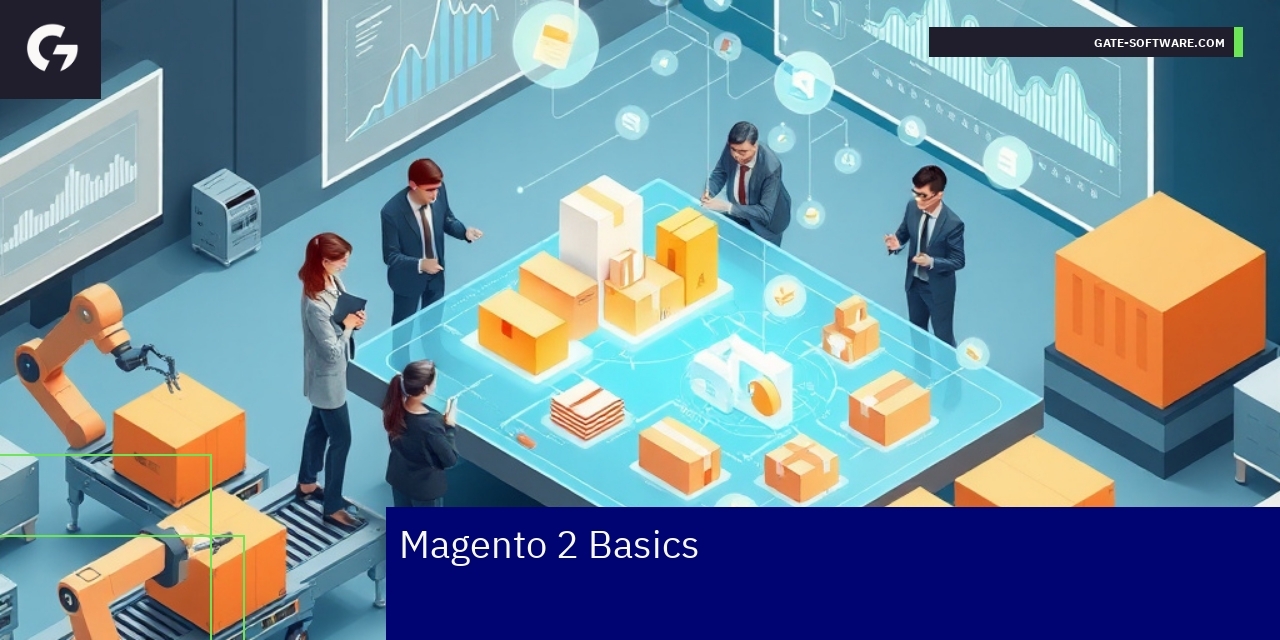
Magento 2 Basics
Magento 2 is a leading platforma B2B designed to address the specific requirements of B2B e-commerce environments. Its architektura systemu is built to support scalable and flexible implementations tailored for complex business needs. The platform offers podstawowe funkcje Magento 2 such as company accounts, allowing enterprises to manage multiple buyers under one organization seamlessly. This capability enhances control over purchasing processes and streamlines operations in a multi-user environment.
In addition, Magento 2 includes requisition lists and purchase order approvals which are critical for maintaining governance and compliance in B2B transactions. These funkcje enable precise management of procurement workflows, reducing errors and improving purchase efficiency. The modular nature of Magento 2’s architektura systemu also allows for integration with existing ERP and inventory management systems, reinforcing its position as a comprehensive e-commerce solution for B2B.
By leveraging these podstawowe funkcje Magento 2, companies can build a robust online storefront optimized for B2B buyers. This setup facilitates advanced pricing logic, custom catalogs, and tailored checkout experiences suited for business clients. Overall, Magento 2’s e-commerce capabilities provide a scalable, secure, and efficient platforma B2B foundation that supports growth and operational excellence in digital B2B commerce.

Open Source Freedom in B2B
Essential Features for Your Business
The open source nature of Magento empowers B2B companies with extensive freedom and flexibility in tailoring rozwiązania e-commerce to their specific needs. This freedom is critical for managing a platform B2B environment where indywidualne cenniki, różne poziomy uprawnień, and niestandardowe ceny play a vital role in delivering dobre UX. Leveraging integrations Magento 2 allows for seamless connection of various systems, enabling intelligent management of zamówieniami and supporting complex pricing models such as negocjacyjne oferty cenowe. This high degree of customization ensures an indywidualne podejście do klientów, essential in B2B relationships.
Unlimited Growth with Magento
Magento’s open source architecture grants scalability that meets the expanding demands of a B2B business, facilitating the management of growing catalogs and services crucial for Magento w biznesie. The platform supports różne możliwości płatności that accommodate diverse customer needs and market requirements. Its adaptability ensures that businesses can continuously evolve without compromising performance or stability, making it an ideal solution for companies focused on long-term growth and scalable solutions.
Custom Pricing Options 🛠️ ⚙️ 💡
One of Magento’s strengths for B2B is the ability to customize pricing strategies extensively. Companies can design indywidualne cenniki and implement niestandardowe ceny that reflect complex commercial agreements. The platform supports sophisticated features like negocjacyjne oferty cenowe and shared catalogs that foster a personalized buying experience while maintaining operational efficiency. These capabilities help provide dobre UX through clear and flexible pricing mechanisms and enhance customer satisfaction by supporting differentiated pricing models and customer-specific deals.)

Multi-Store, Single Panel Management
With Magento 2, managing multiple stores through a single panel becomes efficient. This setup supports bulk product addition to cart, streamlines purchase order approvals, and offers report & analytics for better monitoring. Combined with an intuitive UX, it enables smooth order management across several storefronts. Smart integrations Magento 2 facilitate bezproblemowe zarządzanie inventory and order workflows, crucial for handling woluminy B2B effectively. These rozwiązania e-commerce support seamless coordination of different sales channels under one platform B2B environment, enhancing wsparcie sprzedaży and operational control.
Exclusive Features for You
Magento provides exclusive company accounts and quick order features, ensuring flexible and secure różne poziomy uprawnień for users. Niestandardowe ceny can be set per customer group or even individual accounts to accommodate diverse business agreements. Requisition lists and quick ordering capabilities promote szybkie zamawianie, simplifying complex purchasing processes. This granularity in permissions and pricing guarantees that team members access only relevant data, boosting efficiency and control in managing large order volumes typical for platforma B2B scenarios.
Good UX as Key to Success 🧠🔧📦
A good UX is central to enhancing the overall doświadczenie w kontakcie ze sklepem. Magento 2’s design can be tailored to ensure intuitive navigation, reducing friction during order placement and approval processes. Streamlined checkout flows and clear status updates help maintain customer satisfaction, contributing to retention and business growth. Implementing best practices for dobry UX also supports faster decision-making and fewer errors, critical for B2B clients who prioritize efficiency and reliability in e-commerce interactions.
B2B Logistics Support
Magento integrations extend to inventory management and complex order workflows essential for B2B logistics. Intelligent order management, tied with sales support mechanisms, streamlines handling large woluminy B2B by automating approvals and stock updates. This integration supports szybkie zamawianie alongside real-time reporting, enabling businesses to respond promptly to market demands. Such comprehensive capabilities reflect Gate-Software’s commitment to delivering stable and scalable rozwiązania e-commerce tailored for sophisticated B2B operations.
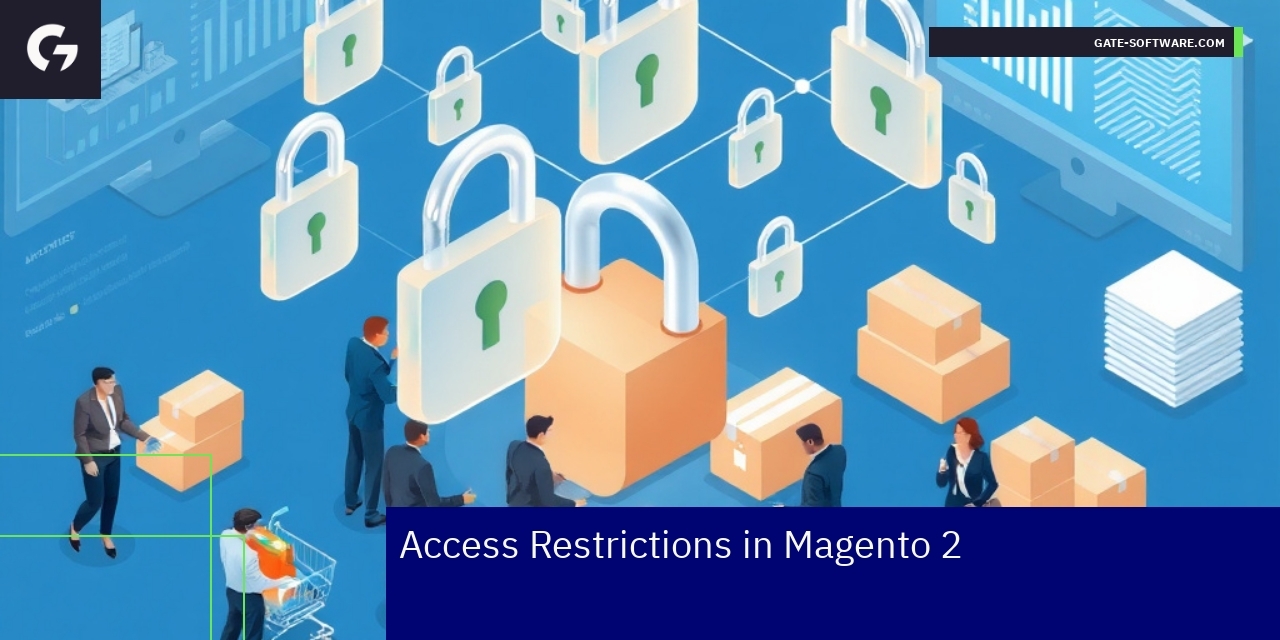
Access Restrictions in Magento 2
Access restrictions allow you to precisely control user roles within the Magento 2 ecosystem. Managing requisition lists, purchase order approvals, and report & analytics ensures a secure, business-friendly environment that supports complex B2B workflows. Implementing robust access controls is essential for any platform B2B environment, enabling tailored user experiences that align with wymagania funkcjonalne and safeguard sensitive information. Integrations Magento 2 facilitate these controls by enabling seamless synchronization across systems to support intelligent order management workflows, quick order processes, and niestandardowe ceny management, all of which contribute to dobre UX and wsparcie sprzedaży.
FAQ Support for Users
Providing a thorough FAQ section enhances understanding and smooths the quick order process for B2B clients. It offers clear guidance on the platform’s functionalities and troubleshooting queries that arise from solutions e-commerce usage. This support helps align the system dla biznesu needs with user expectations, ensuring that intelligent zarządzanie zamówieniami is not hampered by common user errors or confusion. Well-crafted FAQs contribute to dobre UX by reducing friction and speeding up access to critical information, thereby bolstering the overall support network for sales teams and improving customer satisfaction.
How Magento 2 Implementations Boost B2B Sales
Effective Magento 2 integrations strengthen B2B sales by delivering customized wholesale displays, negotiable quotes, and seamless workflows. These capabilities empower businesses to offer niestandardowe ceny and personalized offers while maintaining control over access restrictions. Such integracje Magento 2 deepen engagement and promote loyalty by providing a fleksible, efficient platform B2B buyers trust. Resolving complex wymagania funkcjonalne related to order processing and pricing through tailored e-commerce solutions directly impacts sprzedaż growth and enhances wsparcie sprzedaży with tools designed for the B2B environment.
How B2B Store Optimization Affects Sales
Optimizing a B2B platform includes streamlining processes like quick order placement and refining intelligent zarządzanie zamówieniami workflows. These actions enhance user efficiency and satisfaction, contributing to dobre UX and higher conversion rates. Implementing access restrictions ensures that users interact only with the components and data relevant to their roles, improving security and simplifying the vendor’s operations within the platform B2B context. This approach supports the sales team with intuitive, role-appropriate tools that drive better results. By focusing on wymagania funkcjonalne and integrations Magento 2 capabilities, companies create scalable, effective systems dla biznesu that accelerate sprzedaż growth and customer retention.

Boosting Magento 2 Performance
Benefits and Risks of Magento 2 Deployment
Magento 2 offers advanced rozwiązania e-commerce that empower platforma B2B operations with features such as niestandardowe ceny and intelligent order management systems. These capabilities allow businesses to handle szybkie zamówienie processes efficiently while ensuring dobre UX for users navigating complex product catalogs and pricing models. However, successful Magento 2 deployment requires careful consideration of wymagania funkcjonalne to avoid risks such as order processing interruptions or pricing inconsistencies, which can undermine platform stability and client trust. Proper integracje Magento 2 are essential to synchronize workflows and manage woluminy B2B effectively, ensuring the system remains responsive and scalable for growing business demands.
Why Invest in B2B Store Optimization?
Optimizing B2B stores on Magento 2 presents a strategic opportunity to enhance zarządzanie zapytaniami ofertowymi, enabling more tailored and dynamic responses to customer inquiries. Leveraging Magento’s strengths in integrating complex pricing structures and managing large transaction volumes, companies can deliver szybkie zamówienie solutions while maintaining dobre UX standards that customers expect. This investment not only boosts operational efficiency but also reinforces Magento w biznesie as a robust platform supporting intelligent commerce practices. By focusing on these capability enhancements, businesses can foster stronger client relationships and realize significant commercial benefits.
Common Magento 2 B2B Implementation Errors 🧠 UWAGI:
🔧 Nie twórz nagłówków od nowa – nie zmieniaj tytułów ani nie dodawaj znaczników takich jak “H3”, “H4”, numeracja, ani żadnych dodatkowych oznaczeń.
🔧 Nie modyfikuj żadnych innych fragmentów – tylko dodaj boxy na końcu konkretnego H3.
📦 FORMAT ODPOWIEDZI:
Many B2B implementation failures arise from insufficient attention to integracje Magento 2, which leads to fragmented workflows and suboptimal order lifecycle management. Neglecting the specific wymagania funkcjonalne associated with woluminy B2B can result in performance bottlenecks, compromising szybkie zamówienie functionality and overall platform stability. Furthermore, poor UX design diminishes user satisfaction and obstructs efficient zarządzanie zapytaniami ofertowymi. Ensuring that Magento 2 deployments address these challenges through tailored rozwiązania e-commerce supports a płynne i efektywne experience and safeguards revenue streams by aligning technical capabilities with business processes.

How to Install a Magento 2 Module
Installing Magento 2 modules involves managing dependencies effectively to ensure seamless integration of new B2B features such as purchase order approvals and bulk product addition to cart.
Managing Module Dependencies
Proper dependency management guarantees that order processing, quick order features, and system stability remain intact throughout module updates or new feature installations.
Installing a Magento 2 module in a B2B environment requires more than just simple deployment; it demands meticulous dependency management and integration planning. These modules often provide critical functionalities, such as rozwiązania e-commerce tailored for B2B operations, including bulk product addition to cart and intelligent order approval workflows. Ensuring correct zarządzanie zależnościami modułów is vital to prevent conflicts that could disrupt Magento w biznesie processes. By maintaining this dependency oversight, businesses can enable szybkie zamawianie capabilities crucial for optimizing order throughput and system dla biznesu reliability. Additionally, careful integration supports seamless system performance and allows scalable enhancements, such as verbetered integracje Magento 2 to expand platform B2B capabilities without compromising existing features. This holistic approach to module installation integrates new functionalities while sustaining a robust, scalable infrastructure that aligns with your evolving e-commerce and marketplace requirements.
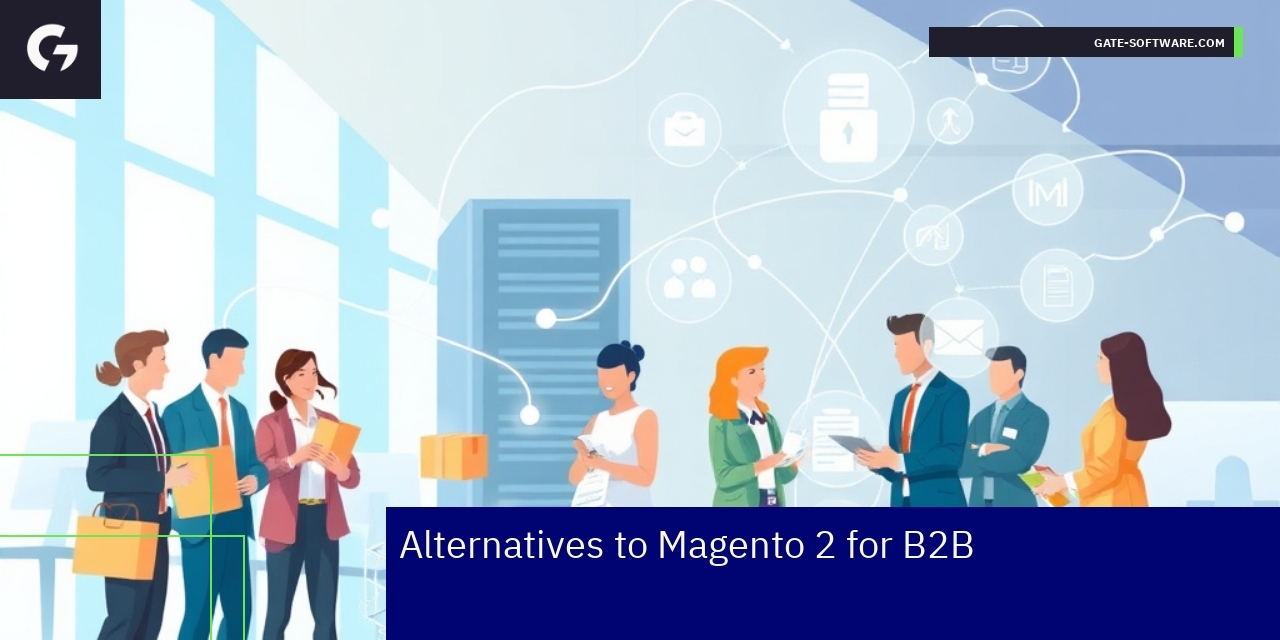
Alternatives to Magento 2 for B2B
For businesses operating in the B2B segment, choosing the right platformy e-commerce involves careful porównanie rozwiązań tailored to specific market needs. Magento 2 is renowned for its robust capabilities in managing company accounts, price customization, and advanced requisition list features that cater directly to complex B2B workflows. However, exploring alternatives can uncover options that provide benefits in ease of setup, integration flexibility, or cost structures that might better align with certain operational models.
One of the critical considerations in this landscape is how each platform handles personalized pricing and customer segmentation, essential for B2B clients demanding differentiated offers based on volumes, contract terms, or industry sectors. Magento 2’s comprehensive feature set supports these complex requirements, but alternatives might excel in streamlined user management or more intuitive supplier and buyer interaction interfaces.
When conducting a porównanie rozwiązań, decision-makers must also evaluate zalety i wady concerning scalability, customization capabilities, and compliance with technical standards like WCAG for accessibility, ensuring platforms meet both regulatory and user experience expectations. Additionally, the ability to integrate seamlessly with ERP and CRM systems is paramount, impacting operational efficiency and data coherence across business functions.
Ultimately, selecting between Magento 2 and its alternatives requires balancing the depth of B2B-specific functions against implementation complexity and total cost of ownership. Understanding each platform’s strategic fit within an enterprise’s digital ecosystem is crucial for fostering agile and scalable e-commerce environments that drive long-term B2B relationships and growth.
Magento 2 B2B Implementation Cases
Magento 2 has proven to be a transformative platform for B2B enterprises seeking to enhance their digital commerce capabilities. Numerous studia przypadków reveal how companies have leveraged Magento 2’s sophisticated pricing features to tailor offers and discounts dynamically, which directly impacts client retention and acquisition. These successes w branży highlight the importance of flexible pricing engines capable of accommodating diverse contract terms and volume-based incentives typical in B2B transactions.
Another critical business challenge addressed through Magento 2 implementations involves streamlining purchase order approvals. Analysis of wdrożeń indicates that automation of approval workflows reduces procurement cycle times and increases accuracy, greatly improving customer satisfaction. Gate-Software’s expertise in integrating tailored solutions for these processes supports operational efficiency and ensures compliance with client-specific policies.
Moreover, the platform’s reorder and refund functionalities are engineered to meet the specialized needs of B2B customers, allowing repeat orders to be processed swiftly and refunds managed transparently. These features contribute to enhanced buyer experience, a pivotal factor in sustaining long-term partnerships, as demonstrated in detailed studia przypadków. Altogether, Magento 2’s capacity to address these technical and organizational necessities underpins the sukcesy w branży and provides a strong basis for continuous operational improvement in B2B e-commerce.
Comparing Magento 2 with Other B2B Platforms
Magento 2 stands out in the B2B sector by delivering advanced purchasing capabilities tailored to meet the complex needs of business clients. One of its key strengths lies in the ability to offer customized wholesale displays and shared catalogs, which enable businesses to segment their customers and present distinct product selections and pricing structures based on specific agreements or roles. This granular level of control is essential in B2B transactions where pricing negotiation and client-specific offers are the norms.
When evaluating Magento vs Shopify and Magento vs WooCommerce, Magento’s superior access restriction mechanisms emerge as a critical functional diferenсe. Unlike Shopify and WooCommerce, which tend to offer more generic access controls, Magento 2 provides precise permissions management. This allows companies to control who sees what products and pricing, ensuring compliance with contractual terms and protecting sensitive business data.
Furthermore, Magento 2 offers robust bulk product addition to cart features that streamline the purchasing process for B2B buyers who often order large volumes. This contrasts with the more limited cart functionality in Shopify and WooCommerce, where adding multiple products individually can hinder efficiency and user experience.
The różnice funkcjonalne between Magento 2 and other platforms become clear when considering scalability and customization. Magento 2 supports extensive customization opportunities that fit complex workflows and integration needs typical in B2B environments, such as ERP and CRM synchronization. This flexibility is vital for enterprises aiming to maintain agility and consistency across their digital commerce operations.
In summary, Magento 2’s capabilities in customized wholesale presentation, shared catalogs, access restrictions, and bulk additions make it a highly suited platform for B2B businesses. These features translate into enhanced buyer experiences, operational control, and scalability that align with the technical and business demands governing B2B commerce.

Implementation Checklists
A proper Magento 2 B2B implementation checklist encompasses several critical stages to ensure a successful launch and continuous operational efficiency. Key kroki do sukcesu start with thorough wymagania przed wdrożeniem, including defining company account structures tailored to your business model. Establishing clear approval workflows for purchase orders is essential to maintain control over procurement, while setting up negotiable quotes enables personalized pricing negotiations, a crucial element in B2B commerce. Integration of recommended Magento 2 B2B extensions enhances platform capabilities, addresses unique business needs, and supports seamless communication between buyers and sellers.
Employing najlepsze praktyki involves rigorous testing of configured functionalities before going live. This includes verifying user roles and permissions, optimizing UX/UI elements per WCAG standards for accessibility, and ensuring the platform supports complex pricing and catalog rules specific to B2B scenarios. Leveraging insights from kluczowe wnioski drawn from previous implementations helps anticipate potential bottlenecks and optimize workflows from the start.
Looking ahead, the przyszłość Magento 2 w B2B focuses on continuous enhancements in personalization, AI-driven recommendations, and improved integration with ERP and CRM systems to streamline operations. Therefore, rekomendacje dla przedsiębiorców include investing in ongoing performance monitoring, adaptive customization, and aligning technologic upgrades with evolving business processes. This strategic approach enables businesses to not only meet current market demands but also remain agile and competitive in the dynamic B2B e-commerce landscape.

Data and Performance Metrics – Efficiency, SLA, TCO
Operational Effectiveness in B2B Projects
Gate-Software has established a robust framework for operational effectiveness within its B2B services, reflected in several key metrics that provide insight into the performance of its Magento 2 solutions. One notable statistic is the average project takeover time, which is approximately 4 weeks, demonstrating an efficient transition for businesses switching to or implementing Magento 2 B2B solutions.
Moreover, Gate-Software boasts an impressive 94% of projects delivered on time, showcasing the company’s commitment to maintaining high operational standards and meeting customer deadlines consistently. This reliability is echoed in their uptime SLA, which stands at an industry-leading 99.9%, ensuring that clients experience minimal downtime and sustained e-commerce performance.
In terms of cost management, businesses have experienced an average TCO reduction of up to 30% when migrating to Magento 2 B2B under the guidance of Gate-Software, thanks to optimized processes and advanced operational strategies. Furthermore, Gate-Software has successfully facilitated over 150 implementations of Magento 2 B2B, reflecting a wealth of experience and expertise in the field.
Additionally, the average client relationship duration exceeds 5 years, indicating strong satisfaction and continued partnerships with clients as they evolve their e-commerce strategies. These metrics underscore the value provided by Gate-Software in the B2B landscape, supporting companies in enhancing efficiency, reducing costs, and driving growth through tailored Magento solutions.

Summary
In conclusion, implementing Magento 2 B2B provides businesses with a powerful e-commerce solution that meets the complex demands of the B2B landscape. With features designed to streamline purchasing processes and optimize workflows, companies can leverage advanced pricing models and user management capabilities to enhance collaboration and drive efficiency. Gate-Software’s expertise ensures that these tools are effectively integrated and maintained, supporting seamless operations and growth. As you navigate the evolving e-commerce environment, consider how a robust platform like Magento 2, coupled with strategic support from Gate-Software, can empower your business to meet and exceed the expectations of modern B2B clients. We invite you to explore these possibilities further and reach out for more information or collaboration opportunities tailored to your specific needs.

FAQ
How does Magento 2 B2B cater to complex procurement processes?
Magento 2 B2B is designed to handle complex procurement processes by allowing businesses to manage multiple buyer roles, company accounts, and extensive product catalogs efficiently. This ensures streamlined order workflows and simplifies the purchasing process among various stakeholders.
What are the key features of Magento 2 B2B?
Key features of Magento 2 B2B include custom pricing, personalized catalogs, shared shopping carts, and role-based permissions, which enhance collaboration and optimize the purchasing experience for businesses by accommodating specific client needs.
Why is integration with ERP and CRM systems important for Magento 2 B2B?
Integration with ERP and CRM systems is crucial for real-time data synchronization, which ensures accurate inventory, pricing, and customer information. This improves the efficiency of business operations and enhances the overall customer experience.
How can businesses optimize their B2B store on Magento 2?
Businesses can optimize their B2B store by leveraging advanced search capabilities, utilizing custom catalog rules for effective segmentation, enhancing performance through caching mechanisms, and creating a seamless checkout process tailored to the needs of B2B transactions.
What common implementation mistakes should be avoided with Magento 2 B2B?
Common implementation mistakes include insufficient planning, neglecting user training, and failing to account for future scalability. Proper documentation, thorough testing, and ensuring users are comfortable with the platform are essential for a successful deployment.
.
.
Zamów bezpłatną konsultację
.
Z nami rozwój Twojego biznesu nabierze tempa! Zapraszamy do kontaktu średnie i duże firmy generujące min. 7 mln PLN obrotu rocznie – tam nasza ekspertyza sprawdza się najlepiej.
.
Kliknij w poniższy przycisk i skontaktuj się z jednym z naszych konsultantów e-commerce
.