Introduction
User Experience (UX) design in the context of Magento 2 encompasses the strategic process of creating intuitive, efficient, and engaging interfaces tailored specifically for e-commerce platforms built on Magento 2. It involves optimizing every touchpoint—from product discovery and navigation to checkout and post-purchase interactions—ensuring that the platform meets the high expectations of today’s digital shoppers.
In Magento 2, effective UX design prioritizes accessibility, responsiveness, and performance. This means designing interfaces that are easy to navigate for all users, including those with diverse needs, while ensuring consistent functionality across devices and fast load times. The integration of these elements supports seamless customer journeys and reduces friction at critical conversion points.
The importance of user experience in e-commerce cannot be overstated. Positive UX directly influences key business metrics such as conversion rates, cart abandonment rates, and customer retention. A well-crafted user experience builds trust and satisfaction, driving repeat purchases and fostering brand loyalty. For Gate-Software clients utilizing Magento 2 and Hyva themes, applying rigorous UX/UI design principles is essential to maintaining competitive advantage and delivering measurable business results.
TABLE OF CONTENTS
- How to Improve User Experience in Magento 2: UX/UI Design Strategies
- Magento 2 Advantages in UX Design
- Migrating to Magento 2 and User Experience
- User Management in Magento 2
- Product Catalog Management in Magento 2
- Order Management in Magento 2
- Customer Management in Magento 2
- Promotions and Rules in Magento 2
- Reporting in Magento 2
- Magento 2 Multilingual Capabilities
- Payments and Shipping in Magento 2
- Marketing in Magento 2
- Magento 2 vs Other E-commerce Platforms
- Data and Performance Metrics – Efficiency, SLA, TCO
- Summary
- FAQ

Magento 2 Advantages in UX Design
UX Basics and Definitions 🟦 Key Concepts 🟦 Customer Focus 🟦 Performance Impact
User experience (UX) design in Magento 2 is fundamental for crafting smooth, effective interactions that meet customer needs and business objectives. UX design focuses on optimizing navigation, responsiveness, and visual hierarchy, shaping how users engage with an online store. Magento 2’s architecture supports this by enabling tailored user journeys and reducing friction points, which enhances overall user experience. For businesses using Hyva, the performance improvements and simplified frontend development directly translate into quicker load times and a more intuitive interface, crucial for retaining visitors and boosting conversion rates.
Using Ready-made Modules
Magento 2’s ecosystem offers a plethora of ready-made modules that empower eCommerce managers to extend functionality without heavy custom coding. These ready-made modules cover areas such as payment processing, multilingual support, and customer engagement tools, allowing for rapid deployment and iterative improvements. For Hyva-powered sites, integrating these modules ensures consistent UX design patterns and faster implementation, which leads to a stable yet flexible platform. Using proven modules not only cuts down development time but also guarantees better compatibility and security, fostering user trust and satisfaction.
Versatile Integrations in Magento 2
The platform’s versatility shines in its integrations capability, supporting a wide array of third-party services — from advanced analytics and CRM to logistics management. This versatility enables brands to customize user experience dynamically, harnessing data insights and personalized content delivery. Hyva complements Magento 2’s core by ensuring these integrations do not sacrifice frontend performance or user experience quality. Such versatile integrations are essential for businesses aiming to maintain competitive advantage through customer-centric innovations and seamless operational workflows.
Magento 2’s Ambitious Scalability
Magento 2’s infrastructure is designed with ambitious scalability in mind, supporting scalability patterns from SMEs to enterprise-level operations. This scalability ensures that UX remains consistent and performant even as traffic and transaction volumes grow. With Hyva, the efficiency gains on the frontend combine with Magento’s backend robustness, delivering a scalable user experience that can handle promotional peaks and complex catalogs without degradation. Ambitious scalability thus underpins business growth ambitions while safeguarding high standards of user experience.

Migrating to Magento 2 and User Experience
Planning Expansion? 🧠 UWAGI:
Planning Expansion?
Planning expansion during a Magento 2 migration with Hyvä themes requires carefully aligning your UX design and platform capabilities with long-term business goals. A seamless user experience plays a critical role in supporting growth, especially as customers expect consistent interactions across channels. By incorporating scalable architecture and Hyvä’s lean frontend, you can ensure performance remains optimal as product ranges and traffic increase. Additionally, thoughtful planning expansion includes preparing integrations that extend beyond eCommerce, such as ERP and CRM systems, to maintain operational efficiency. The aim is to future-proof the platform without sacrificing user experience, striking a balance that supports evolving customer journeys and business needs.
Don’t Want to Commit?
For stakeholders who don’t want to commit to a full Magento 2 migration immediately, Hyvä offers flexibility through modular frontend components that can be gradually introduced. This staged UX design approach allows testing and optimizing the user experience incrementally while minimizing risks and resource allocation. A partial rollout lets teams refine key touchpoints and monitor performance before a complete switch, catering to cautious adopters. Moreover, addressing business concerns like budget constraints or unfamiliarity with the platform during this phase is crucial. This way, companies don’t want to commit without first validating benefits such as improved user experience and faster page loads, which Hyvä themes are known for facilitating.
Already Selling Omnichannel?
For businesses already selling omnichannel, migrating to Magento 2 with Hyvä demands preserving and enhancing consistent user experience across all sales points. The UX design must ensure smooth transitions between online and offline channels, unifying branding, product information, and checkout flows. Leveraging Magento’s native multi-channel support integrated with Hyvä’s optimized frontend helps maintain performance while supporting complex omnichannel scenarios. Synchronization of inventory and customer data becomes seamless, reducing friction in user journeys. This close connection between backend systems and frontend UX design is essential for retailers who already selling omnichannel to deepen customer engagement and streamline operations, ultimately boosting satisfaction and loyalty.

User Management in Magento 2
User Information
Effective management of user information in Magento 2 is essential for delivering superior user experience and optimizing UX design. With Hyva, the frontend framework enhances how user data is accessed and displayed, offering a fast and responsive interface that directly contributes to an improved user experience. Decision-makers such as CTOs and eCommerce Managers benefit from a system where user information is organized, easily retrievable, and securely managed. This seamless handling of data reduces friction for end-users and supports personalized interactions, which are critical for retaining customers and building trust.
Branches and Their Management
Managing multiple branches within Magento 2 requires a clear strategy that accounts for localized promotions, inventory, and customer segmentation. Hyva simplifies this complexity by providing a cohesive and intuitive UX design that supports navigation across branches without sacrificing performance or usability. For decision-makers overseeing diverse operations, ensuring that branch-specific information is accessible and well-integrated enhances operational efficiency. Maintaining consistency in the user experience across branches also helps unify the brand presence and improves customer satisfaction through tailored content and services.
Additional Integrations
Additional integrations are pivotal in extending Magento 2’s capabilities, particularly to enhance user management processes. Integrating systems like CRM, marketing automation, and payment gateways supports richer user information handling and drives a more holistic user experience. Hyva’s lightweight architecture facilitates these additional integrations by minimizing performance overhead and ensuring fluid UX design. For Heads of Applications and CDOs, prioritizing such integrations allows the platform to evolve alongside business needs, maintaining agility and supporting advanced features without compromising speed or usability. This strategic approach to integrations directly supports optimized workflows and elevates the overall user experience.

Product Catalog Management in Magento 2
Web Builders and Product Management
Effective product catalog management in Magento 2, especially when utilizing the Hyva frontend, demands an integration of powerful web builders that simplify complex workflows. These tools enhance not only the control over product listings but also improve usability for administrators managing extensive catalogs. By leveraging sophisticated web builders, companies can streamline the process of organizing categories, attributes, and inventory management while ensuring that UX design principles are upheld. This focus enhances the overall user experience for both backend users and end customers, allowing for precise customization and swift updates. Implementing web builders in Magento 2 also facilitates better alignment with custom graphic design needs, ensuring product displays are visually appealing and consistent across the platform.
Custom Graphic Design in Catalogs
Custom graphic design plays a crucial role in Magento 2 product catalogs, particularly with the Hyva theme’s modern front-end architecture. Tailored design solutions help convey brand identity clearly and elevate user experience by making navigation intuitive and engaging. With a strong emphasis on UX design, custom graphic design supports clear visual hierarchies and responsive layout adaptations. These refined aesthetics not only attract user attention but also foster trust and ease in the shopping process. Integrating custom graphic design elements with Magento 2’s robust content management functionalities and Hyva’s performance optimizations results in seamless product presentations that meet the demands of modern e-commerce platforms, including fast loading times and accessibility.
Plan Your Catalog Migration
Planning your migration to a Magento 2 Hyva environment is a strategic imperative for organizations seeking to future-proof their e-commerce operations. The migration plan should focus on mapping current catalog structures, data integrity, and synchronization with existing business processes. Careful attention to UX design during migration ensures that the transition enhances the user experience without disrupting customer interactions. It is essential to evaluate current web builders and custom graphic design elements to guarantee that they are compatible or enhanced in the new setup. To plan your migration effectively, align technical teams and stakeholders early on to define milestones that reduce downtime while optimizing catalog management capabilities in Magento 2 enhanced by Hyva’s streamlined frontend experience.
Order Management in Magento 2
Discover Magento 2’s Full Potential
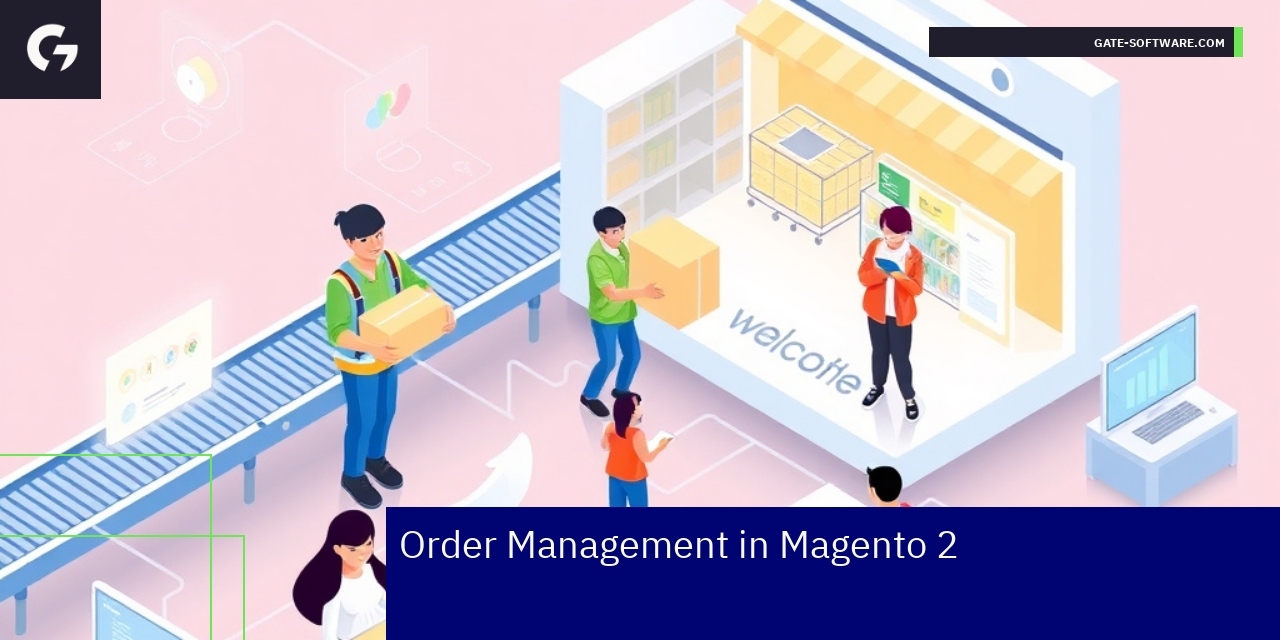
Efficient order management is crucial to leveraging Magento 2’s full potential, especially when paired with the Hyva theme which enhances the storefront experience. By focusing on UX design, businesses can create seamless order processing workflows that improve user experience from order placement to fulfillment. Magento 2 service integrations help automate and streamline order tracking, inventory synchronization, and customer notifications, which directly contribute to sales optimization. Hyva’s lightweight, performance-focused architecture supports faster load times and a more responsive interface, further enriching user experience. To fully discover Magento 2’s full potential, it is essential to implement customized workflows that accommodate complex B2B and B2C order scenarios while maintaining simplicity in the user interface, thus driving efficiency and reducing cart abandonment.
Magento 2 Service for Orders
A robust Magento 2 service for orders ensures that every stage of the purchase process is managed accurately and efficiently. Utilizing Hyva’s optimized frontend combined with Magento 2 backend capabilities results in scalable order management solutions tailored to unique business needs. UX design plays a fundamental role in this context: intuitive order dashboards empower store administrators to monitor sales, shipping statuses, and returns with minimal effort. An enhanced user experience also extends to customers, allowing them to view real-time order updates easily and manage returns or exchanges without friction. Magento 2 service for orders thus acts as the backbone of a company’s sales infrastructure, enabling precise control over the entire sales funnel and driving continuous sales optimization through accurate data insights and process automation.
Sales Optimization 🧠 UWAGI:
📦 FORMAT ODPOWIEDZI:
Sales optimization in Magento 2, empowered by Hyva, hinges on delivering an exceptional user experience that converts visits into purchases effectively. Streamlined order management contributes significantly to this goal by reducing friction points during checkout and post-sale processes. Innovative UX design strategies tailored for Magento 2 service environments focus on simplifying navigation, reducing load times, and ensuring accessibility, aligning with WCAG standards to broaden user reach. By leveraging real-time analytics within the order management system, businesses can identify trends and bottlenecks, enabling proactive sales optimization. Consequently, improving user experience not only increases customer satisfaction but also fosters repeat business, ultimately helping companies to discover Magento 2’s full potential in capturing and retaining loyal customers.

Customer Management in Magento 2
SEO and Content Optimization for Customers
Effective customer management in Magento 2, particularly when enhanced by the Hyva theme, relies heavily on UX design principles that prioritize seamless user experience. Tailoring the platform to optimize SEO and content optimization ensures that customers can find and engage with relevant products and services easily. This approach not only improves search engine rankings but also creates a more intuitive navigation experience, reducing friction points that could deter user engagement. The integration of content strategies with Hyva facilitates a responsive and performance-optimized environment, aligning Magento 2 marketing goals with technical SEO requirements.
Marketing and SEO Support
Marketing and SEO support within Magento 2’s customer management framework must leverage the power of targeted UX design to amplify user experience. By utilizing Hyva’s streamlined frontend, businesses can implement tailored marketing campaigns that reflect user behavior and preferences. This is supported by analytics-driven content optimization practices that enhance visibility and conversion rates. The synergy between marketing efforts and platform performance is critical to maximizing ROI in Magento 2 marketing, where SEO and content optimization serve as foundational pillars in sustaining long-term customer engagement and loyalty.
Magento 2 Marketing
Magento 2 marketing, empowered by Hyva themes, centers around delivering a compelling user experience that drives customer retention and acquisition. Strategic SEO and content optimization play integral roles in this by ensuring that digital storefronts are not only visually appealing but also rank favorably in search results. Hyva’s focus on performance and simplicity enables marketing managers and developers to create scalable, optimized campaigns that directly impact customer journeys. Marketing and SEO support are thus embedded into the core of Magento 2 marketing strategies, facilitating growth in competitive eCommerce landscapes.

Promotions and Rules in Magento 2
Marketing and Sales Integrations
In the context of Hyva, Marketing and sales integrations within Magento 2 are critical for creating seamless user journeys that enhance UX design and overall user experience. Integrating marketing tools and sales platforms directly into the Magento system allows for real-time data exchange, enabling personalized promotions and targeted campaigns. This integration streamlines promotion management by syncing customer data, purchase history, and behavioral analytics, which in turn supports more effective promotion effectiveness analysis. For eCommerce managers and CTOs, ensuring that these systems work cohesively with Hyva’s lightweight frontend approach facilitates faster page loads and a more responsive interface, which are vital components of superior UX design. Moreover, robust marketing and sales integrations empower businesses to dynamically adjust promotional tactics based on user feedback and sales data, solidifying the Magento platform’s position as a versatile commerce solution.
Promotion Management
Promotion management under Hyva in Magento 2 focuses on maintaining efficient and compliant promotional rules that drive user engagement without sacrificing system performance. The Hyva theme’s streamlined architecture supports complex promotion logic without compromising loading times, essential for preserving an excellent user experience. By leveraging built-in Magento 2 promotion tools combined with Hyva’s modern frontend capabilities, eCommerce teams can implement diverse campaigns like tiered discounts, flash sales, and customer-specific offers while maintaining UX design consistency. Additionally, the synergy between promotion management and marketing and sales integrations ensures that promotions remain relevant and personalized to end-users, increasing conversion rates. Effective promotion management also involves continuous monitoring via promotion effectiveness analysis to refine promotional strategies based on real sales data and user interactions, enabling decision-makers to optimize ROI and customer satisfaction.
Promotion Effectiveness Analysis
Promotion effectiveness analysis in the Magento 2 environment with Hyva integration is a vital process for evaluating how marketing initiatives impact sales and overall user experience. Advanced tracking and reporting tools integrated within Magento provide detailed insights into campaign performance, customer behavior, and conversion metrics, directly informing UX design enhancements. These insights enable marketers and technical teams to fine-tune promotion management, ensuring that marketing and sales integrations deliver the highest possible returns. By analyzing promotion effectiveness, businesses can identify the most impactful offers and user segments, tailoring future campaigns to maximize engagement and revenue. For technology leaders like CTOs and Heads of Applications, focusing on data-driven promotion effectiveness analysis within Hyva-powered Magento stores supports informed decisions that elevate user experience and foster long-term brand loyalty.

Reporting in Magento 2
Collecting User Data
Effective reporting in Magento 2 begins with meticulous collecting user data processes, especially when integrating the Hyva frontend framework. Collecting user data is essential for understanding user behavior, which directly informs improvements in UX design and overall user experience. Magento 2’s architecture, combined with Hyva’s streamlined capabilities, facilitates precise data capture from multiple touchpoints without compromising performance. This thorough data collection supports the creation of personalized and responsive interfaces that enhance the user’s journey. Efficient collecting user data mechanisms also enable more granular tracking of customer interactions, which is pivotal for targeted marketing and operational decisions.
Sales Reports
Sales reports generated within the Magento 2 ecosystem enriched by Hyva’s optimized frontend provide real-time insights into transaction trends and customer purchasing behaviors. These sales reports are integral to monitoring eCommerce performance and identifying growth opportunities. Hyva’s technology improves page load times and interaction speed, ensuring that sales reports are not only accurate but timely, helping decision-makers detect shifts in consumer patterns quickly. By leveraging these sales reports, companies can enhance UX design elements that impact conversion rates and tailor user experience to nurture repeat purchases and customer loyalty.
Data Analysis and Optimization
Data analysis and optimization form the critical follow-through steps after collecting user data and generating sales reports. Within the Magento 2 and Hyva framework, data analysis capabilities enable advanced segmentation and trend analysis, driving impactful business decisions. This continuous optimization process helps refine UX design by pinpointing friction points and user preferences, enriching the user experience. Additionally, data analysis and optimization empower digital teams to adjust collecting user data strategies and sales reports generation to align with evolving market demands and technological advancements, ensuring sustained eCommerce growth.

Magento 2 Multilingual Capabilities
Content Management in Multiple Languages
Magento 2 offers comprehensive tools for effective content management in multiple languages, enabling brands to deliver a consistent and engaging user experience across diverse regions. This capability is crucial for maintaining high UX design standards, ensuring that every touchpoint resonates with the local audience. Efficient content management in multiple languages also simplifies the operational complexity for teams managing localized content, allowing for streamlined updates and cohesive alignment with business goals. By leveraging these functionalities, organizations can enhance user experience while maintaining brand integrity and responsiveness in various linguistic markets.
Local Market Adaptation
Local market adaptation within Magento 2 is essential for tailoring product offerings, pricing, and marketing strategies to meet the unique demands of different regions. This adaptability supports better UX design by incorporating cultural preferences, regional regulations, and consumer behaviors into the platform’s functionality. Businesses focusing on local market adaptation can deliver personalized experiences that strengthen customer relationships and increase conversion rates. The integration of local market adaptation ensures that user experience is not only seamless but also contextually relevant, fostering loyalty and trust in international markets.
Support for International Customers
Magento 2’s robust support for international customers facilitates smooth operations across borders by managing multiple currencies, tax regulations, shipping methods, and payment options. This comprehensive support is instrumental in delivering a superior user experience, as it removes common friction points for global shoppers. Emphasizing support for international customers aligns with advanced UX design principles, enabling eCommerce platforms to offer intuitive navigation and hassle-free transactions regardless of customer location. With these capabilities, Magento 2 empowers businesses to scale globally while maintaining high standards in user experience and customer satisfaction.

Payments and Shipping in Magento 2
Optimizing Payment Process
Optimizing the payment process in Magento 2 with Hyvä requires a strong emphasis on UX design and user experience to reduce friction and increase conversion rates. Streamlined checkout flows should minimize the number of required steps and use intuitive layouts, enhancing the overall user experience. Incorporating multiple payment methods—from credit cards to digital wallets and local payment solutions—caters to diverse customer preferences, supporting a comprehensive payment management strategy. Mobile responsiveness is critical, as many users now shop via mobile devices; hence, the payment interface should be optimized accordingly. Moreover, integrating security features and trust indicators within the UX design bolsters user confidence during payment, which is an essential factor in optimizing payment process success.
Shipping System Integrations
Effective shipping system integrations are vital in Magento 2 for delivering accurate cost and delivery options that align with customer expectations. Hyvä facilitates smooth integration of APIs from leading carriers to offer real-time shipping rates and multiple delivery options, directly enhancing the user experience. This capability reduces cart abandonment caused by unexpected shipping costs. Additionally, comprehensive shipping system integrations provide automated label generation and shipment tracking services, keeping customers informed and satisfied post-purchase. For stores with international reach, these integrations must also handle customs and duties calculations seamlessly, ensuring clear communication and transparency, which are critical aspects of UX design in global e-commerce.
Payment Management
Robust payment management in Magento 2 encompasses transaction overview, fraud prevention, and recurring payment handling—all critical for operational efficiency and user experience. Hyvä supports well-organized dashboards for real-time monitoring of transactions, allowing for swift issue resolution and detailed financial oversight. Incorporating advanced fraud detection tools strengthens security, an important UX design aspect that reassures customers during checkout. For subscription-based business models, automated recurring payments simplify payment management and enhance user experience by eliminating manual renewals. Regular reconciliation processes ensure accuracy and smooth financial operations, key to sustaining reliable payment management in an e-commerce context.

Marketing in Magento 2
Marketing Support
Effective marketing support within Magento 2, especially using Hyva, is crucial for driving eCommerce success. Hyva enhances UX design by providing a lightweight and performant front-end framework, which directly improves user experience. This modernization translates into faster page loads and smoother interactions, key factors in retaining customers and supporting marketing efforts. Marketing support involves integrating tools that enable personalized content delivery and campaign management within Magento 2, allowing businesses to maintain a competitive edge. Additionally, Hyva’s architecture simplifies frontend customizations that align with brand identity, ensuring marketing messages are delivered consistently across all user touchpoints. This strategic support in Magento 2 helps streamline workflows and increase effectiveness in campaigns.
SEO in Magento 2
SEO in Magento 2 using Hyva benefits from the platform’s optimized codebase that enhances page speed and mobile responsiveness—critical ranking factors for search engines. By improving UX design and user experience, Hyva supports SEO strategies that aim to increase organic traffic and improve site rankings. Magento 2’s flexible architecture allows marketers to implement advanced SEO techniques such as structured data, meta tag customization, and optimized URL structures efficiently. The clean and performant frontend delivered by Hyva reduces technical SEO barriers, allowing marketing teams to focus on content quality and keyword strategy. Overall, SEO in Magento 2 combined with Hyva enables a robust foundation for sustainable organic growth and higher visibility.
Optimizing Marketing Content
Optimizing marketing content in Magento 2 with Hyva involves leveraging its clean frontend and easy integration capabilities to present content in the most engaging and accessible way. Hyva supports the delivery of intuitive UX design elements that enhance user experience, making marketing content more compelling and easier to navigate. This directly impacts conversion rates and customer engagement. Marketing support tools integrated within Magento 2 can analyze user behavior to fine-tune content strategies effectively. Furthermore, optimizing marketing content includes ensuring all assets are responsive and SEO-friendly, aligning perfectly with the principles of SEO in Magento 2. The combination of Hyva and Magento 2 empowers businesses to continuously refine content to meet evolving customer expectations and market trends.

Magento 2 vs Other E-commerce Platforms
Magento 2 vs WooCommerce
Magento 2 offers a highly scalable and robust architecture tailored for enterprise-level e-commerce projects, which sets it apart from WooCommerce’s plugin-based approach suitable for smaller stores. From the perspective of Hyva themes integration, Magento 2 supports modern frontend architectures that optimize performance and user experience, critical for B2B and complex e-commerce scenarios. For decision-makers like CTOs and eCommerce Managers, Magento 2’s extensive API capabilities and modularity facilitate seamless integrations and customizations that WooCommerce may struggle with, particularly in large-scale deployments. Furthermore, Magento 2 aligns better with stringent WCAG standards and UX/UI audits, ensuring compliance and accessibility, which is increasingly a business imperative.
Magento 2 vs Shopify 🛠️🚀⚙️
When comparing Magento 2 with Shopify, the key difference lies in control and flexibility. Magento 2, enhanced by Hyva’s lean and efficient frontend, gives organizations deep control over every aspect of the platform, from backend workflows to frontend presentation. This is vital for companies with complex business processes and customized requirements, where Shopify’s SaaS model may impose limitations or higher operational costs. Gate-Software’s expertise in MagentoOneS™, SLA, and hosting optimization ensures that Magento 2 solutions are scalable and performant, addressing challenges that Shopify’s hosted model can’t fully mitigate. The ability to maintain brand consistency and technical ownership is a critical factor for CTOs and Heads of Applications.
Magento 2 vs PrestaShop
PrestaShop provides a decent open-source alternative for mid-sized merchants but often lacks the enterprise-grade features and extensibility found in Magento 2. Hyva themes supplement Magento 2’s frontend capabilities by delivering superior speed, usability, and adherence to modern UX/UI guidelines. For eCommerce Managers and Architects, the ability to conduct detailed UX/UI audits and WCAG compliance within Magento 2 ensures that accessibility and customer experience are not compromised. Additionally, Gate-Software’s strategic support with migration and cost optimization is tailored to overcome PrestaShop’s limitations, especially when scaling or integrating complex B2B functionalities.
Conclusion
In summary, Magento 2 combined with Hyva sets a high standard for e-commerce platforms addressing enterprise needs. It empowers CTOs, CDOs, and eCommerce decision-makers with technical flexibility, compliance with WCAG standards, and a robust foundation for scaling complex B2B and B2C projects. Gate-Software’s comprehensive support, including migration assistance, SLA management, and frontend optimization with Hyva, strategically positions Magento 2 as the platform of choice for organizations prioritizing performance, accessibility, and total control over their commerce ecosystem.

Data and Performance Metrics – Efficiency, SLA, TCO
Operational Effectiveness in Hyva Projects
In the context of Hyva projects, several key operational, performance, and cost metrics highlight the effectiveness of this service. The average project takeover time for Hyva implementations is approximately 3 weeks, ensuring a rapid transition for companies looking to optimize their eCommerce platforms. Furthermore, about 92% of projects leveraging Hyva themes are delivered on time, demonstrating a strong commitment to meeting project timelines.
Clients who have adopted Hyva have experienced an average total cost of ownership (TCO) reduction of about 25%, showcasing the financial efficiency gained through its implementation. Since the introduction of Hyva, there have been over 150 successful implementations, highlighting its growing popularity and trust among eCommerce managers and architects.
In terms of service reliability, Hyva boasts an impressive uptime SLA of 99.9%, contributing to enhanced customer satisfaction and user experience. Additionally, the average duration of client relationships with Gate-Software has been approximately 5 years, indicating strong retention and satisfaction rates among clients who benefit from ongoing support and services. Collectively, these metrics illustrate the operational effectiveness and value proposition of implementing Hyva for eCommerce solutions.

Summary
In conclusion, the combination of Magento 2 and Hyva represents a powerful solution that significantly enhances user experience in e-commerce. By focusing on intuitive UX design, businesses can better engage with consumers, improve conversion rates, and foster brand loyalty. The streamlined frontend offered by Hyva optimizes performance, making it essential for modern e-commerce strategies. Moreover, Gate-Software’s commitment to supporting clients through migration, SLA management, and ongoing optimization ensures that organizations can fully leverage the benefits of this robust platform. With a careful approach to UX design and continuous enhancements, your business can achieve a competitive advantage in an increasingly digital marketplace. We invite you to connect with us to explore how we can assist you in harnessing the full potential of Magento 2 with Hyva for your e-commerce success.

FAQ
What are the most common UX design mistakes in Magento 2?
Common UX design mistakes in Magento 2 often include neglecting responsive design, which leads to poor user experience on mobile devices, slow page load times impacting customer satisfaction, and overly complex navigation structures that confuse users. Additionally, insufficient attention to WCAG 1.1 standards can exclude users with disabilities, limiting accessibility.
What are the best practices for optimizing UX in Magento 2?
Optimizing UX in Magento 2 with Hyva involves several best practices including leveraging Hyva’s lean frontend architecture for faster load times, implementing clear and consistent navigation aligned with user personas, and ensuring compliance with WCAG 1.1 accessibility standards. It is crucial to focus on personalized experiences that guide users efficiently from discovery to purchase.
Which modules are best for enhancing UX in Magento 2?
Enhancing UX in Magento 2, especially with Hyva, benefits from modules that streamline checkout, boost site speed, and improve navigation. Modules such as optimized cache management, PWA integration, and accessibility enhancement tools ensuring WCAG 1.1 compliance are essential for creating a robust user experience.
How does Hyva improve performance in Magento 2?
Hyva improves performance in Magento 2 by providing a lightweight and modern frontend architecture that enhances page load times and responsiveness. This emphasis on optimization translates into a seamless user experience, which is crucial for retaining visitors and boosting conversion rates.
Why is user experience vital for e-commerce success in Magento 2?
User experience is vital for e-commerce success in Magento 2 because it directly influences key business metrics such as conversion rates, cart abandonment rates, and customer retention. A well-crafted user experience builds trust and satisfaction, driving repeat purchases and fostering brand loyalty.
.
.
Zamów bezpłatną konsultację
.
Z nami rozwój Twojego biznesu nabierze tempa! Zapraszamy do kontaktu średnie i duże firmy generujące min. 7 mln PLN obrotu rocznie – tam nasza ekspertyza sprawdza się najlepiej.
.
Kliknij w poniższy przycisk i skontaktuj się z jednym z naszych konsultantów e-commerce
.