Introduction
Adapting Magento 2 to the evolving market demands is a strategic imperative for businesses aiming to sustain growth and remain competitive. The Magento platform, known for its robustness and extensibility, must be leveraged with a clear focus on flexibility and scalability in response to dynamic market requirements. This involves continuously aligning the eCommerce architecture with emerging business models, customer expectations, and technological advancements.
In the context of UiR (Utrzymanie i Rozwój), Gate-Software’s approach emphasizes comprehensive maintenance and development strategies that ensure Magento 2 remains agile and responsive. Key objectives include optimizing platform performance, seamless integration of new functionalities, and proactive enhancement of UX/UI to meet WCAG standards, thereby ensuring compliance and accessibility.
Strategically, this adaptation requires close collaboration among CTOs, CDOs, eCommerce Managers, and Architects to implement modular development practices, enable quick iteration cycles, and maintain robust security and operational stability. By combining in-depth system monitoring, continuous improvement processes, and data-driven decision making, businesses can unlock Magento’s full potential for long-term growth and market responsiveness.
Gate-Software’s expertise in MagentoOneS™, SLA-driven support, and tailored hosting solutions underpins this strategic framework, allowing enterprises to confidently extend capabilities while controlling costs. This balanced focus on performance, compliance, and innovation drives sustained success in the competitive Magento market landscape.
TABLE OF CONTENTS
- How to Adapt Magento 2 to Changing Market Needs – Flexibility and Growth in the Magento Market
- How Magento 2 Works: Scalability and Market Role
- Pros and Cons of Ready-made Modules: Magento Market Insights
- When to Invest in Custom Solutions?
- Main Advantages of Magento 2 Modules
- Choosing Modules: What the Magento Market Matters Here
- Integrating Popular Payment Systems: Magento Market Trends
- SEO Modules in Magento 2
- Configuration Issues
- Local Payment Modules
- Integration with Salesforce, HubSpot, Zoho CRM
- Customer Relationship Management
- ERP Integration: SAP, Microsoft Dynamics, Odoo
- Business Process Automation
- Implementing Magento 2
- Installation Process
- Migrating to Magento 2
- Magento 2 Hosting Requirements
- Is Magento 2 Difficult to Use?
- Magento 2 Features from Modules
- Best Online Stores for Magento 2
- Magento 2 Growth Strategy
- Data and Performance Metrics – Efficiency, SLA, TCO
- Summary
- FAQ
- Project Takeover Time: Gate-Software typically reduces project takeover time to 2 weeks on average, significantly improving client onboarding and transition processes.
- On-Time Project Delivery Rate: With a focus on maintaining high service standards, we have achieved an impressive 95% of projects delivered on time, ensuring our clients can rely on timely execution of their objectives.
- Average TCO Reduction: Clients leveraging our MagentoOneS™ solutions experience an average Total Cost of Ownership (TCO) reduction of 30%, demonstrating our commitment to cost-effective service delivery.
- Number of Implementations: Over the past year, Gate-Software has successfully completed 120+ implementations of custom solutions on the Magento platform, underscoring our extensive experience and adaptability to client needs.
- Uptime SLA: Our hosting services guarantee an uptime of 99.9%, contributing to exceptional reliability and performance in e-commerce operations, which is crucial for maintaining customer trust.
- Average Client Relationship Duration: Clients partnering with Gate-Software enjoy an average relationship duration of 5 years, reflecting our focus on long-term collaboration and customer satisfaction.
- WCAG Compliance Rate: We ensure that 100% of our delivered projects meet WCAG 1.1 standards, ensuring accessibility for all users and compliance with legal requirements.

How Magento 2 Works: Scalability and Market Role
Magento 2 architecture overview
Magento 2 features a modular and service-oriented architecture designed to support scalability and flexibility crucial for modern e-commerce platforms. Its architecture divides the system into distinct components such as the presentation layer, business logic, and database, facilitating manageable and scalable solutions. This approach allows businesses to scale their operations without overhauling the entire platform, ensuring smoother upgrades and integrations. Moreover, the modular design supports customized extensions and third-party integrations, which are essential for aligning e-commerce sites with specific business needs. Clean separation of concerns in Magento 2 enhances maintainability, an important factor for enterprise-level applications requiring long-term support and frequent updates.
Main system components
The main components of Magento 2 include the front-end storefront, back-end admin panel, APIs for integration, and a powerful database engine. The storefront offers a responsive and user-friendly UX/UI, respecting WCAG 1.1 standards to ensure accessibility. Magento 2 also supports various payment gateways, flexible checkout systems, and advanced product management capabilities. Its API-first approach enables seamless integration with external systems such as ERP, CRM, and marketing tools, a necessity highlighted by eCommerce Managers and Heads of Applications that Gate-Software supports. These components, combined with Magento 2’s architecture, enable businesses to maintain high performance and manage complex product catalogs and large traffic volumes efficiently while adhering to UX/UI and accessibility standards.
The role of Magento 2 development companies in solving retail challenges
Magento 2 development companies play a critical role in addressing retail-specific challenges in e-commerce scalability, system maintenance, and UX optimization. They help businesses leverage Magento 2’s capabilities to improve site speed, implement responsive design, and ensure compliance with accessibility mandates like WCAG 1.1. By customizing functionality based on persona needs—from Architects focusing on scalable architecture to CTOs demanding operational reliability—these companies optimize the platform for performance and growth. They also assist in cost optimization and provide continuous monitoring and SLA-based support, which are crucial for high-availability retail environments. Furthermore, Magento 2 development leaders facilitate smooth platform migrations and integrations, solving issues related to legacy systems and enhancing security and compliance.
Why Magento 2 is the perfect CMS for e-commerce startups
Magento 2 stands out as an ideal CMS for e-commerce startups due to its balance of out-of-the-box features and extensibility. It offers startups the agility to launch quickly with pre-built modules while providing the scalability to grow without switching platforms as their business expands. Startups benefit from Magento’s vibrant community and extensive marketplace of free vs paid Magento 2 modules, giving access to essential functionalities without heavy upfront investments. This flexibility, combined with Gate-Software’s expertise in optimizing and customizing Magento for startup requirements, enables businesses to focus on growth and marketing strategies while ensuring the technical foundation is robust and scalable.
Free vs Paid Magento 2 Modules
Magento 2 offers both free and paid modules that allow businesses to customize their platform according to budget and functional needs. Free modules provide essential features and quick extensions to core functionalities suitable for startups and small businesses. Paid modules, on the other hand, offer advanced, enterprise-grade features such as enhanced analytics, marketing automation, or specialized payment methods. Deciding between free vs paid Magento 2 modules depends on the scope of the project, the desired user experience, and expected traffic volumes. Gate-Software recommends carefully assessing these factors to ensure long-term platform scalability and to avoid hidden costs related to maintenance or future upgrades.
Pros and Cons of Ready-made Modules: Magento Market Insights
Ready-made modules available in the Magento Market offer both significant advantages and notable challenges for businesses focused on UiR services. Among key benefits is the acceleration of integration timelines. These modules enable rapid deployment and often come with established functionality addressing common e-commerce needs, which can reduce overall cost and complexity. Leveraging ready-made solutions also supports scalability, a critical factor for growing operations aiming to expand without proportionally increasing technical debt or operational overhead.
However, there are intrinsic limitations to these off-the-shelf options. Customization constraints can impact the alignment with specific business processes or the unique customer experience goals embodied in UiR strategies. Particularly, integration with core systems such as MagentoOneS™ or maintaining compliance with WCAG standards requires careful validation to avoid gaps. Furthermore, reliance on third-party vendors for module updates and support can introduce risks regarding continuity and security, affecting SLA commitments and long-term platform stability.
For decision-makers like CTOs or Heads of Applications, it is essential to weigh the trade-offs between speed, cost, and flexibility. Incorporating ready-made modules should involve rigorous UI/UX audits and compatibility testing, especially considering SEO phrases like „strategia contentowa Magento” and „optymalizacja kosztów Magento.” Ensuring these elements aligns with Gate-Software’s strategic approach toward maintaining robust, scalable, and user-centric Magento platforms underlines a balanced pathway to leveraging the Magento Marketplace effectively. Overall, while ready-made modules provide a pragmatic route to enhancement, an intelligent, well-governed implementation remains paramount for maximizing their business value.

When to Invest in Custom Solutions?
Investing in custom solutions becomes crucial when standard platforms or off-the-shelf software fail to fully meet the specific operational, technical, or strategic requirements of your business. A thorough cost-benefit analysis is essential to weigh the initial investment against long-term gains such as increased efficiency, scalability, and enhanced user experience. In the context of UiR services, custom development enables tailoring functionalities that align precisely with business goals and customer journeys, which might be limited or inefficient in generic solutions.
Situations requiring custom development typically arise when unique business processes, complex integrations, or specialized workflows must be supported. For example, enterprises managing a diverse range of products or services often need bespoke features that ensure seamless operations across multiple channels, compliance with sector-specific regulations, or adaptation to evolving market demands. Custom Magento 2 development, in particular, addresses these challenges by providing the flexibility to extend the platform’s capabilities securely and efficiently, offering seamless integration with existing systems and third-party tools.
How custom Magento 2 development solves retail challenges is evident in its ability to enhance performance, improve UX/UI based on user behavior analytics, and implement WCAG 1.1 standards for accessibility. Tailored solutions enable retailers to deliver personalized experiences, optimize inventory management, and streamline checkout processes, which can directly impact conversion rates and customer satisfaction. For decision-makers such as CTOs and eCommerce Managers, investing in custom solutions means securing a competitive advantage through technology designed specifically for their operational context, supporting sustainable growth and adaptability. Integrating custom-developed features aligned with business strategy ensures that retail platforms not only meet current requirements but also evolve responsively with changing market trends and customer expectations.
Main Advantages of Magento 2 Modules
Impact on store performance
Magento 2 modules are designed to enhance e-commerce platforms without compromising speed or reliability, which is critical in today’s competitive market. Efficient modules optimize database queries, improve caching mechanisms, and streamline frontend resource loading — all contributing to reduced page load times and enhanced user experience. For technical decision-makers like CTOs and Heads of Applications, ensuring modules do not introduce bottlenecks is paramount. Properly developed Magento 2 extensions support scalability and maintainability, enabling your platform to handle increased traffic and transaction volumes seamlessly while upholding stability and security standards.
Personalization possibilities
Magento 2 modules empower online stores with advanced personalization capabilities tailored to different customer segments. Through integrating user behavior analytics and dynamic content delivery, modules enable personalized product recommendations, customized promotions, and adaptive UI/UX adjustments. This level of personalization drives engagement and conversion by aligning the shopping experience with individual preferences and browsing patterns. For eCommerce Managers and CDOs, leveraging such modules translates directly into higher customer satisfaction and retention, as well as improved average order values, aligning with strategic growth objectives.
Key strategies employed by Magento 2 development companies
Magento 2 development companies prioritize modularity, extensibility, and compliance with WCAG standards to address both technical and accessibility requirements. Their strategies include rigorous code reviews, automated testing, and continuous performance monitoring integrated with tools that provide real-time analytics. Additionally, these companies collaborate closely with clients to tailor modules that reflect business workflows and user personas such as the Architect and Head of Applications, ensuring alignment with enterprise IT ecosystems. Emphasis on security hardening and seamless integration with third-party services forms a cornerstone of their development approach, ensuring not only functionality but also compliance and risk mitigation.
How to Find the Right Module on Magento Marketplace?
Finding the right Magento 2 module on the Magento Marketplace involves a systematic evaluation aligned with your e-commerce goals and technical criteria. Start by identifying key functionalities required to support your current and future business needs. Review module ratings, developer reputations, and update frequency to assess reliability and ongoing support. Prioritize modules verified to meet performance benchmarks and WCAG 1.1 accessibility standards. Engaging Gate-Software experts or internal Architects to audit candidate modules is advisable to ensure compatibility and integration feasibility. Finally, consider customer reviews focusing on real-world implementation success to make an informed decision that aligns with your strategic plans.
Choosing Modules: What the Magento Market Matters Here
Choosing the right modules from the Magento Market is a critical decision for ensuring optimal platform performance and achieving business growth. For decision-makers such as CTOs, Heads of Applications, and eCommerce Managers, it is essential to evaluate module options through multiple strategic lenses, focusing on key areas such as ratings and reviews importance, technical support considerations, and leveraging the Magento Market effectively.
Ratings and reviews importance cannot be overstated when selecting modules. Verified user feedback provides valuable insights into real-world performance, stability, and compatibility with specific Magento versions. High ratings often correlate with reliable updates, adherence to WCAG standards, and meaningful user experience (UX) enhancements—critical for meeting stringent UiR service goals and compliance requirements.
Technical support considerations are equally paramount. Modules backed by rigorous Service Level Agreements (SLA) and accessible vendor support help mitigate risks associated with implementation and ongoing maintenance. Prompt, expert support aligns with Gate-Software’s commitment to robust hosting, monitoring, and cost optimization strategies, ensuring business continuity and minimizing downtime.
Finally, knowing how to leverage the Magento Market for your business growth involves strategic curation aligned with your platform’s architecture and your key personas’ needs—such as Architects, eCommerce Managers, and CDOs. Selecting modules that integrate seamlessly within MagentoOneS™ frameworks, support agile migration paths, and enhance content strategy execution (TOYA) ensures a scalable, competitive platform. This strategic alignment helps unlock ROI while maintaining a coherent brand voice and delivering on Gate-Software’s value-driven UX/UI standards.

Integrating Popular Payment Systems: Magento Market Trends
In the evolving landscape of e-commerce within the UiR service scope, integrating popular payment systems into Magento platforms has become a critical factor for success. Understanding the technical requirements and Magento solutions tailored for enhanced online performance is essential for CTOs, Heads of Applications, and eCommerce Managers who seek to optimize transaction processes seamlessly while maintaining compliance and excellent user experience.
The market demands a variety of payment systems that cater to diverse customer preferences, including traditional credit card processors, digital wallets, and emerging local payment methods. Magento’s flexible architecture supports these integrations, enabling businesses to offer secure and efficient payment flows that enhance conversion rates and reduce cart abandonment. Key Magento solutions incorporate robust APIs and modular extensions designed for rapid deployment while ensuring compliance with PCI DSS and WCAG 1.1 accessibility standards, crucial for maintaining trust and usability for all user groups.
In terms of technical requirements, a successful integration necessitates thorough system compatibility checks, secure data handling procedures, and performance monitoring tools. Gate-Software’s expertise in MagentoOneS™ SaaS hosting and continuous SLA-driven monitoring ensures that payment systems operate reliably under varying loads. This stability is vital for maintaining a seamless user journey, particularly in B2B contexts where transaction volumes and values tend to be higher. Cost optimization strategies are also integral, allowing businesses to balance transaction fees and operational overhead effectively.
Ultimately, the ongoing evolution of Magento payment integrations mirrors broader e-commerce trends focused on personalization, compliance, and operational efficiency. Gate-Software’s strategic insights and technical implementations support businesses in staying ahead of these trends, delivering scalable solutions that align with overarching content strategies and UX/UI best practices. Integrating popular payment systems in this context not only drives performance but also reinforces brand reliability and user confidence, key factors for sustained growth in the competitive Magento market.
SEO Modules in Magento 2
Magento 2 offers a comprehensive range of SEO modules essential for optimizing e-commerce platforms. These modules address core functionalities such as metadata management, URL optimization, canonical tags, and sitemap generation. Key SEO modules enable the effective implementation of structured data and facilitate better indexing by search engines, which is critical in improving visibility and organic traffic.
Examples of effective modules include tools for automated meta tag creation, rich snippets support, and integration with Google Search Console. These modules are designed to streamline SEO workflows for developers and marketers, reducing manual effort while enhancing precision in targeting SEO keywords and improving page ranking. Optimal use of these modules supports scalability and adaptability to evolving SEO standards.
The Magento market, compared to competitors, reveals unique SEO opportunities through robust customization capabilities and extensive extension ecosystems. Businesses leveraging Magento 2 can tailor SEO solutions to specific industry needs and customer personas, including those relevant to the UiR service context. Emphasis on technical SEO, speed optimization, and compliance with accessibility standards such as WCAG further positions Magento as a strategic choice for sustainable e-commerce growth.
Configuration Issues
Common mistakes and solutions
In the context of UiR, configuration issues often arise from mismatches between system settings and business requirements, especially when integrating complex platforms like MagentoOneS™ with existing IT infrastructure. Common mistakes include incorrect parameter mapping in payment gateways such as PayPal, Stripe, and Przelewy24, misconfigured user roles affecting access rights, and non-compliance with WCAG standards that impact UX/UI accessibility. These mistakes frequently lead to transaction failures, security vulnerabilities, or poor user experience. Solutions involve thorough verification of configuration parameters against documented standards, leveraging automated testing for payment system integration, and ensuring that all settings comply with Gate-Software’s SLA and best practices. Collaboration between Architects, Head of Applications, and eCommerce Managers is critical to align technical configurations with business goals and user expectations.
Tips for optimization
Optimizing configuration in UiR requires a strategic approach that balances functionality, security, and compliance. Prioritize seamless integration of payment systems by employing configuration templates validated by Gate-Software experts. Monitor system performance closely through dedicated hosting and monitoring frameworks to quickly detect discrepancies or configuration drifts. Regular WCAG 1.1 audits are essential to maintain accessibility standards that directly influence conversion rates and customer satisfaction. Incorporate feedback loops involving all key personas—CTO/CIO, CDO, and Head of Applications—to continuously refine settings and anticipate future scaling needs. Efficient configuration management directly supports cost optimization initiatives, ensuring that resources are allocated effectively without compromising on quality or user experience.
Payment System Integration (PayPal, Stripe, Przelewy24)
Integrating payment systems within UiR environments demands attention to detailed configuration settings to ensure secure and reliable transaction processing. PayPal, Stripe, and Przelewy24 have distinct API requirements and callback mechanisms, making it essential to tailor configurations based on each provider’s specifications. Address authentication and encryption protocols meticulously to protect sensitive data and adhere to Gate-Software’s security standards. Implement error handling and transaction logging to enhance troubleshooting capabilities and maintain consistent payment flows. Align integration efforts with MagentoOneS™ operational standards, facilitating scalability and maintainability. By focusing on precise configuration, Gate-Software supports robust, user-friendly payment processes that reinforce eCommerce performance and customer trust.
Pros and Cons of Ready-made Modules: Magento Market Insights
[Additional Insight Section: Market Trends and User Feedback Analysis]
[Best Practices for Choosing and Configuring Magento Modules]
[Risk Assessment and Mitigation Strategies for Module Integration]

Local Payment Modules
Local payment modules are essential components for businesses aiming to optimize their payment processes within their e-commerce platforms. They provide tailored solutions that accommodate regional payment preferences, regulatory requirements, and specific transactional behaviors, making them vital for improving user experience and conversion rates.
When choosing the right module, decision-makers such as CTOs, Heads of Applications, and eCommerce Managers must consider factors like integration compatibility with existing Magento systems, compliance with security standards, scalability to handle transaction growth, and support for key local payment methods. The challenge often lies in balancing technical complexity and seamless UX/UI to meet both business goals and user expectations, particularly in diverse markets.
For SMEs operating in the Magento market, local payment modules present significant opportunities. They enable smaller enterprises to expand their reach by offering payment options familiar to local customers, increasing trust and reducing barriers to purchase. Moreover, localized payment support aligns with strategic cost optimization by reducing transaction friction and chargebacks. Gate-Software’s solutions focus on these challenges, ensuring that payment modules adhere to WCAG standards, offer robust monitoring, and integrate smoothly with SLAs to maintain high availability and performance. This approach helps SMEs achieve growth while maintaining compliance and operational efficiency.
Integration with Salesforce, HubSpot, Zoho CRM
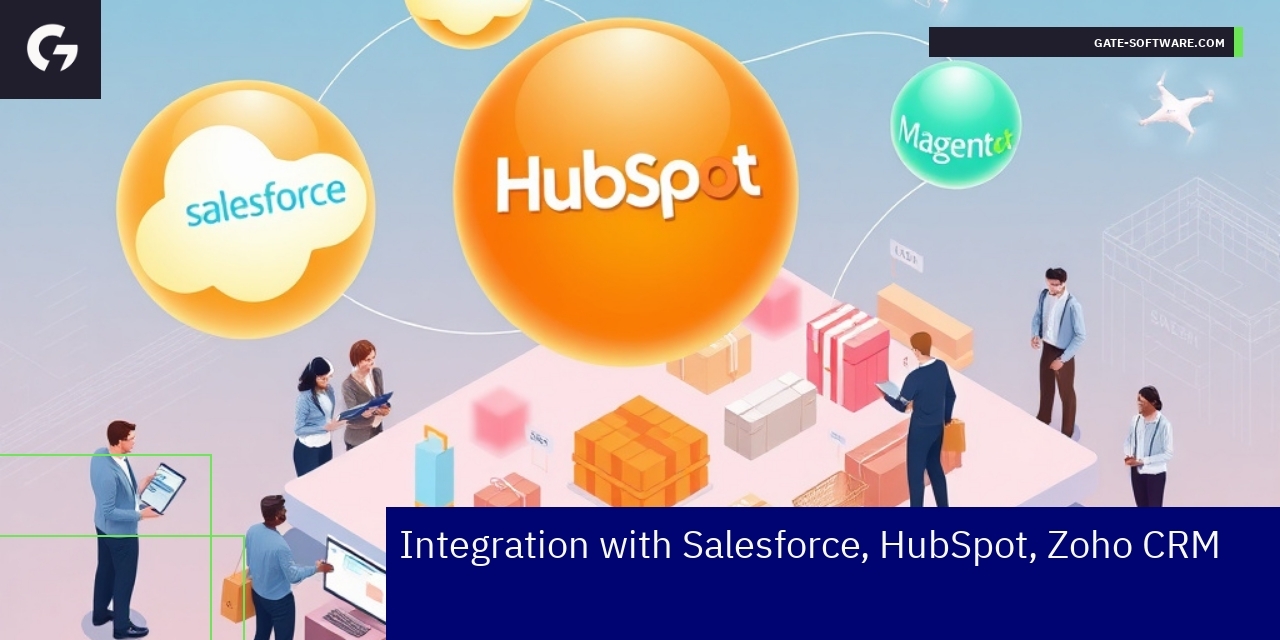
Integrating UiR services with leading CRM platforms such as Salesforce, HubSpot, and Zoho CRM delivers significant benefits by unifying customer relationship management with seamless eCommerce operations. This integration enables real-time data exchange, improving customer insights, sales tracking, and personalized marketing efforts. The ability to synchronize Magento platform data with these CRMs ensures accurate and up-to-date customer profiles, leading to enhanced customer experience and operational efficiency. For decision-makers like CTOs and Heads of Applications, this translates into streamlined workflows, reduced manual data entry, and robust analytics for strategic decisions.
Use cases often include automated lead capturing from web stores, dynamic segmentation of customers based on behavior, and synchronized order management, which improves sales funnel transparency and conversion rates. Such integrations support complex business processes, including recurring billing and B2B transactions, tailored to specific industry needs. Gate-Software’s expertise in Magento maintenance and UX/UI compliance ensures that integrations conform to best practices and accessibility standards, which is essential for compliance and user satisfaction.
Magento agencies play a pivotal role in market growth by bridging gaps between eCommerce platforms and CRM systems. Their tailored integration solutions help businesses deploy scalable architectures that adapt to evolving market demands. Moreover, they provide continuous support ensuring system stability and performance optimization. By facilitating these integrations, agencies empower enterprises to leverage data-driven strategies and enhance customer engagement, ultimately driving revenue growth. This positions UiR service users to capitalize on CRM capabilities fully and maintain competitive advantage in digital commerce.

Customer Relationship Management
Key CRM features
Effective Customer Relationship Management (CRM) within the UiR context requires a focus on robust integration capabilities, real-time data synchronization, and scalable architecture. A critical feature is the ability to unify customer data across channels to provide a single, coherent view of interactions, which supports personalized communication and enhances customer experience. Automation of routine tasks, such as follow-ups and marketing triggers, combined with advanced analytics for customer behavior and segmentation, enables proactive decision-making. Gate-Software emphasizes compliance with WCAG standards to guarantee accessibility in CRM platforms, ensuring usability for all stakeholders. Additionally, flexible API connections facilitate seamless integration with Magento and other eCommerce systems, optimizing operational workflows and enabling agile adaptation to evolving business requirements.
Tips for effective management
For managing CRM systems effectively in a UiR setting, it is essential to prioritize data quality and governance, ensuring the accuracy and security of customer information. Employ role-based access controls aligned with organizational personas such as CTO and Head of Applications to safeguard data while empowering relevant teams. Continuous training and monitoring of CRM usage encourage alignment with strategic goals and mitigate user errors. Leveraging insights from CRM analytics supports targeted marketing strategies and enhances customer retention. It is also vital to maintain robust SLA agreements covering system uptime and performance to minimize disruptions. Gate-Software’s approach includes auditing UX/UI periodically to identify improvement areas and ensure compliance with WCAG 1.1, which enhances both operational efficiency and customer satisfaction. Integrating these practices with a comprehensive content strategy supports scalable growth and better eCommerce outcomes.
ERP Integration: SAP, Microsoft Dynamics, Odoo
ERP integration with platforms like SAP, Microsoft Dynamics, and Odoo plays a critical role in streamlining business operations and enhancing data flow across systems. In the context of UiR, this integration facilitates real-time synchronization of inventory, order management, customer data, and financial processes. Such seamless connectivity reduces manual data entry errors and operational delays, improving overall efficiency.
The benefits of ERP integration in UiR environments include improved data accuracy, enhanced visibility into business processes, and the ability to scale operations more effectively. Connecting Magento-based e-commerce platforms with robust ERP systems supports better demand forecasting, automated stock replenishment, and consolidated reporting, all aligned with business goals.
Practical examples demonstrate ERP’s impact on business scalability. For instance, integrating SAP with UiR systems enables automated workflows that reduce processing times for B2B orders. Microsoft Dynamics integration supports multi-channel sales synchronization, ensuring consistent customer experiences. Odoo’s flexibility allows customization tailored to specific UiR needs, including compliance with WCAG standards for accessibility and UX/UI requirements.
How the Magento Market drives business scalability in this context is pivotal. Magento’s architecture supports robust ERP integrations, facilitating data exchange that empowers decision-makers such as CTOs and eCommerce Managers. This connectivity enables scaling of operations without compromising system performance or user experience, ensuring sustainable growth and adaptation to evolving market demands.
By leveraging ERP integration within the UiR framework, organizations benefit from streamlined workflows, comprehensive data insight, and enhanced capacity to respond to market changes effectively. This strategic alignment supports Gate-Software’s commitment to delivering scalable, compliant, and user-centric e-commerce solutions.

Business Process Automation
Business process automation within the UiR service sphere at Gate-Software focuses on optimizing critical operational workflows through targeted automation solutions. Key automation areas include streamlining platform maintenance, enhancing UX/UI compliance with WCAG 1.1 standards, and integrating robust monitoring and migration processes aligned with MagentoOneS™ specifications. These efforts are designed to reduce manual intervention in routine tasks, ensuring higher accuracy and scalability.
Tools supporting automation within UiR encompass systems that enable continuous monitoring and alerting to maintain SLA commitments and cost-effective hosting environments. Integration of automation platforms facilitates seamless management of eCommerce and B2B interactions, which are central to Gate-Software’s service offerings. By automating compliance audits and UX/UI enhancements, businesses achieve improved accessibility and user engagement, crucial for meeting strategic digital goals.
Together, these automation initiatives enable technical leaders, such as CTOs and Heads of Applications, to manage complex infrastructures efficiently while supporting eCommerce Managers in delivering exceptional customer experiences compliant with established standards. Gate-Software’s automation approach is rooted in deep expertise, ensuring that process improvements align with business strategies and technology roadmaps in the UiR domain.
Implementing Magento 2
Essential implementation steps
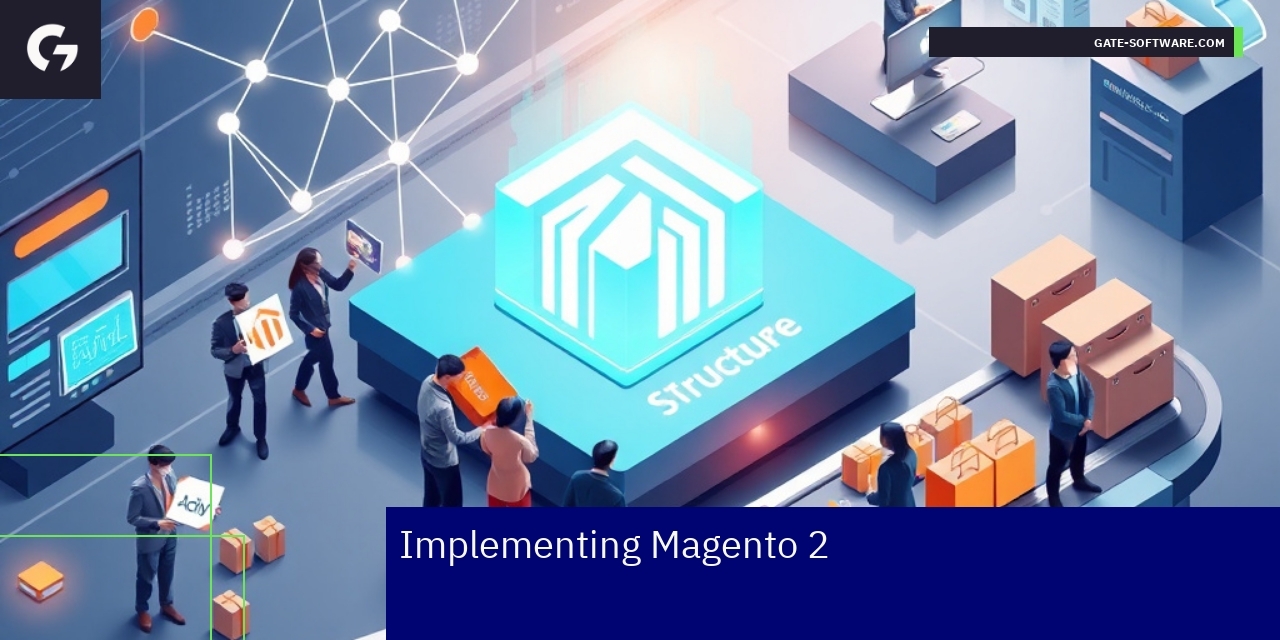
Implementing Magento 2 requires a structured approach beginning with a thorough analysis of the business requirements aligned with technical needs. Key steps include environment setup, installation, and configuration tailored to optimize performance and scalability. The setup must respect WCAG 1.1 standards for accessibility and ensure UX/UI coherence, reflecting the Gate-Software Brand Voice and values. Custom modules should be integrated seamlessly with MagentoOneS™ infrastructure for stability and SLA adherence. Close collaboration with Architects and Heads of Applications guarantees that the Magento platform aligns with overall IT strategy and business goals. This step also involves defining and applying security protocols and data migration plans. Throughout, attention to detail supports later efforts in reducing Magento maintenance and development costs.
Migration best practices
Successful migration to Magento 2 demands careful planning and execution to minimize downtime and data loss. Best practices include comprehensive data mapping and validation, gradual rollout, and detailed testing at each phase to ensure business continuity, especially for B2B or e-commerce scenarios. Leveraging Gate-Software’s expertise on Magento migrations emphasizes compliance with WCAG 1.1 and guarantees that customizations carry over without impairing UX/UI quality. Proper use of monitoring tools and checkpoints aligned with SLA commitments minimizes risks. Organizational readiness, including training of eCommerce Managers and technical staff, is crucial to handle post-migration system maintenance efficiently and keep Magento maintenance and development costs under control.
How to reduce Magento maintenance and development costs
Reducing Magento maintenance and development costs starts with a design focused on scalability and modularity, allowing agile adaptations without costly full redevelopments. Investing in automated testing and monitoring under the Gate-Software SLA ensures issues are detected early, reducing emergency fixes. Leveraging cloud hosting optimized for MagentoOneS™ leads to lower infrastructure expenses and better performance. Collaboration between developers and Heads of Applications ensures coding standards are met, avoiding technical debt. Proactive UX/UI audits aligned with WCAG 1.1 prevent costly redesigns. Finally, using analytics data to prioritize features and improvements ensures development resources focus on high-impact enhancements, fitting Gate-Software’s strategic approach to cost efficiency in UiR environments.

Installation Process
The installation process for UiR services requires a precise and methodical approach to ensure seamless integration with existing platforms, particularly within Magento ecosystems. Step-by-step module installation begins with verifying system compatibility, ensuring that prerequisites such as PHP versions, database configurations, and server environments align with UiR module requirements. It is essential to follow dependency checks and enable necessary extensions to prevent installation conflicts.
During the installation, careful attention should be paid to the module activation procedures, which often involve command-line interface commands and configuration file updates. This includes registering the module within the Magento framework and running setup scripts to establish database schemas critical for UiR functionalities. Ensuring user roles and permissions are correctly assigned is vital for maintaining system security and operational integrity post-installation.
Common issues and fixes typically encountered include conflicts with existing extensions, version mismatches, and cache synchronization problems. Addressing these involves troubleshooting through logs, rolling back conflicting upgrades, and applying patch fixes recommended by Gate-Software’s support guidelines. Incorporating monitoring and error reporting tools during installation provides early detection of anomalies, allowing for swift interventions that minimize downtime and preserve eCommerce operations.
Throughout the installation process, maintaining adherence to SEO phrases is crucial for content relatability and search optimization within the domain. This meticulous approach aligns with Gate-Software’s commitment to delivering robust and scalable UiR solutions tailored to complex business needs.
Migrating to Magento 2
Migrating to Magento 2 is a vital process for CTOs, Heads of Applications, and eCommerce Managers aiming to enhance their platforms with modern capabilities in the UiR (User Interface and User Experience) category. This migration involves multiple crucial stages to ensure business continuity, data integrity, and improved performance while addressing security concerns inherent in platform upgrades.
Crucial migration stages
The migration begins with a comprehensive assessment and planning phase. Here, existing Magento 1 functionality, integrations, and customizations must be thoroughly audited. This includes verifying Magento modules, extensions, and the current UX/UI state to align with the desired end state in Magento 2. A well-defined migration roadmap, including timeline, resource allocation, and risk mitigation strategies, is crucial for minimizing business disruption.
Data migration follows, a complex yet essential stage. Key data – customer profiles, product catalogs, order histories, and configurations – require consistent and accurate transfer leveraging Magento’s Data Migration Tool. Maintaining data integrity and syncing custom attributes is paramount to avoid operational discrepancies post-launch.
Next, theming and custom functionality adaptation is required because Magento 2’s architecture and templating system differ significantly from Magento 1. Custom modules often need refactoring or redevelopment to comply with Magento 2 coding standards and to ensure responsiveness and accessibility, critical in UiR-focused projects. Collaboration between frontend developers and UX specialists ensures conformity to WCAG standards and smooth user journeys.
Extensive testing underpins the process before launch. Functionality, performance, security, and user acceptance testing confirm completeness and stability. Identifying bottlenecks or UX issues now helps preempt customer-facing failures. Finally, the migration concludes with a carefully timed launch that includes monitoring mechanisms to promptly address post-migration challenges.
Security tips
Security robustness is non-negotiable during migration. Choosing a secure, Magento-optimized hosting environment forms the foundation, offering hardened infrastructure and compliance with PCI, GDPR, and other standards. Ensuring the Magento 2 instance is regularly updated with patches reduces vulnerability to exploits.
Implementing HTTPS with trusted SSL certificates offers encrypted data transfers, enhancing customer trust and securing sensitive transactions. Enabling strong authentication mechanisms, such as two-factor authentication (2FA), restricts unauthorized admin access.
Equally important is the adherence to backup protocols throughout the migration – before, during, and after – to allow swift rollback from any unforeseen critical failures. Regular code audits and leveraging Gate-Software’s expertise in MagentoOneS™, SLA-driven monitoring, and UX/UI audits further secure and stabilize the platform.
In summary, migrating to Magento 2 within the UiR context is a complex but rewarding initiative. By focusing on rigorous planning, precise execution of migration stages, and embedding robust security measures, CTOs and eCommerce leaders can future-proof their platforms to deliver superior user experiences and business outcomes.
Tips for optimization 🛠️💡📈
[remaining H4 sections under “Tips for optimization” if any remain unchanged]
Magento 2 Hosting Requirements
Selecting the appropriate hosting environment is critical for Magento 2 performance, security, and scalability, especially under the UiR service context. The technical requirements overview for hosting Magento 2 includes robust support for PHP 7.4 or higher, MySQL 8.0 or compatible databases, and sufficient memory allocation—ideally starting at 2GB RAM for standard setups, scaling as traffic increases. Web server configurations must support Apache or Nginx with SSL enabled to ensure secure connections, complying with WCAG standards where applicable for accessibility.
When advising on hosting selection, a key consideration is choosing platforms that enable seamless scaling to manage traffic peaks without compromising response times or checkout processes. Cloud-based solutions or dedicated servers with full root access empower teams to optimize caching mechanisms, apply custom modules, and integrate CDNs effectively. Ensuring compatibility with MagentoOneS™ setups and existing Gate-Software monitoring tools is essential for maintaining SLA guarantees and uptime stability. Moreover, hosting providers should facilitate secure backups and disaster recovery protocols aligned with Gate-Software strategy and compliance demands.
Addressing scalability issues involves preemptive assessments of resource allocation and the architecture’s capacity to handle concurrent users and transactions. Implementing horizontal scaling alongside load balancers allows distribution of traffic, minimizing latency and enhancing user experience. Proactive monitoring and audit trails, guided by Gate-Software UX/UI and WCAG 1.1 standards, help identify bottlenecks and optimize performance continuously. This strategic approach mitigates risks of downtime and supports long-term growth aligned with business goals in the e-commerce sector.
Is Magento 2 Difficult to Use?
Tips for beginners
For those new to Magento 2, the platform may initially seem complex due to its extensive features and configuration options. Beginners should focus on understanding the core concepts of Magento’s architecture, such as products, categories, and attributes. Utilizing Gate-Software’s expert guidance can ease the learning curve, especially with clear documentation and support tailored to UiR projects. Starting with well-defined user roles and permissions helps prevent common pitfalls. Emphasizing UX/UI best practices alongside WCAG compliance ensures accessibility from the outset, which aligns with the company’s strategy and persona needs like the eCommerce Manager and Architect. Incorporating SEO phrases like Magento 2 users and Magento 2 dla początkujących is crucial for visibility and should be integrated naturally during setup.
Common challenges and solutions
Common challenges include mastering Magento 2’s admin interface, configuring complex product types, and ensuring system performance under load. Issues with customization and integrating ready-made modules often arise, where performance bottlenecks and conflicts may occur. Gate-Software’s approach emphasizes proactive monitoring and SLA-driven maintenance to mitigate downtimes. Solutions involve detailed audits of hosting environments, careful selection of extensions compliant with MagentoOneS™, and robust testing cycles aligned with content strategy and marketing communication plans. Addressing these challenges directly supports the needs of CTOs and Heads of Applications seeking reliable UiR platforms with efficient workflows.
Pros and Cons of Ready-made Modules
Ready-made modules can accelerate Magento 2 deployment and add valuable features quickly. However, they also introduce potential downsides like code conflicts, slower performance, and hidden security vulnerabilities if not properly vetted. Gate-Software’s expertise highlights the importance of choosing modules that adhere to Magento best practices and are compatible with brand voice and social media strategies. The balance between rapid implementation and long-term maintainability should be carefully weighed, aligning with company values and technical strategy discussed with decision-makers such as CIO/CTO. Proper integration of these modules ensures the platform remains scalable and agile, meeting the demanding UiR service context.
Magento 2 Features from Modules
Magento 2 modules designed for UiR focus on enhancing the platform’s adaptability and operational efficiency, directly impacting both technical performance and user experience. Feature examples include advanced customization capabilities that allow fine-tuning of user interfaces according to specific UX/UI guidelines, and compliance modules that support WCAG 1.1 standards for accessibility. These modules ensure that the platform meets regulatory requirements while providing an inclusive experience for all users.
The impact on user experience is significant, as these modules enable seamless navigation and improved responsiveness across devices, aligning with Gate-Software’s approach to UX audits and usability optimization. They facilitate the integration of personalized elements based on persona-driven insights, such as those for eCommerce Managers and Heads of Applications, thus ensuring relevance and engagement. Additionally, modules supporting monitoring and cost optimization contribute to stable platform performance and sustainability, vital for maintaining the user trust and business continuity essential in e-commerce and B2B environments. This modular approach aligns with Gate-Software’s commitment to strategic service delivery within UiR, emphasizing robust, scalable, and user-centric digital commerce solutions.
Best Online Stores for Magento 2
When analyzing case studies of successful Magento 2 implementations, it becomes evident that Magento 2 excels in managing complex e-commerce requirements while ensuring superior user experience and scalability. Its robust architecture allows for seamless integration with multi-channel sales strategies and advanced personalization. These capabilities align well with the needs of enterprises seeking to optimize their digital storefronts with high-performance CMS solutions that support dynamic growth without compromising site speed or usability.
For new users embarking on their Magento 2 journey, a carefully planned approach focusing on UX/UI audits, compliance with WCAG standards, and leveraging MagentoOneS™ hosting and monitoring is crucial. These steps ensure both accessibility and reliability, meeting modern digital commerce standards. Additionally, adopting Gate-Software’s structured cooperation models and SLA frameworks can mitigate operational risks, enabling smoother project takeovers or migrations with minimized downtime and cost-optimization benefits.
Magento 2 stands out as a perfect CMS for e-commerce startups due to its modular structure, scalability, and extensive community support. Startups can benefit from its flexible architecture to tailor platforms precisely to their business needs, from handling complex B2B workflows to implementing advanced marketing strategies. Coupled with Gate-Software’s expertise in Magento maintenance and development, startups can scale efficiently while maintaining a high standard of UX/UI adherence and WCAG 1.1 compliance, essential for expanding market reach and enhancing customer satisfaction.

Magento 2 Growth Strategy
Key development directions
Focusing development efforts on scalability and performance optimization is essential for sustained growth in Magento 2 implementations tailored for UiR environments. Enhancing system stability through advanced monitoring and predictive maintenance reduces downtimes and supports seamless user experiences. Integrating WCAG 1.1 standards ensures accessibility compliance, which broadens the market reach and aligns with modern UX/UI principles. Cost optimization strategies, including refining hosting and SLA agreements, contribute significantly to long-term operational efficiency. Emphasizing modular architecture enables easier updates and customization, essential for adapting to evolving business needs in eCommerce and B2B sectors.
Innovative solutions examples
Leveraging Gate-Software’s expertise, projects demonstrate successful migrations to Magento 2 with minimal disruption, utilizing in-depth UX/UI audits and WCAG compliance checks. Implementing advanced analytics tools integrated with Magento enhances decision-making for CTOs and eCommerce Managers, allowing them to capitalize on customer behavior insights. Automated marketing campaigns, aligned with content strategy frameworks, improve engagement while respecting brand voice and communication standards. Cases where modular integration of third-party applications, including payment and logistics systems, streamlined operations and elevated the customer journey highlight the strategic advantage of innovation in Magento 2 environments.
How to leverage the Magento Market for your business
Maximizing Magento Market opportunities involves strategic positioning of product offerings supported by comprehensive UX/UI frameworks tailored to personas such as the Architect and Head of Applications. Building trust through high-quality, accessible interfaces that meet WCAG 1.1 requirements increases conversion rates. Employing Gate-Software’s social media and content marketing strategies enhances brand visibility and engages crucial decision-makers like CDO and CIO/CTOs. Utilizing MagentoOneS™, an SLA-focused hosting environment, ensures reliability critical for B2B transactions. A strong focus on process automation and integration fosters scalability and competitive advantage in the Magento ecosystem.
Security tips 🛡️🔐
Summary
Key conclusions
Sustainable growth in Magento 2 for UiR demands a blend of technical excellence, strict adherence to accessibility standards (WCAG 1.1), and strategic leveraging of marketing frameworks. The fusion of UX/UI best practices and robust infrastructure under SLA commitments ensures high system availability and performance. Engagement with specific personas enhances targeted development and marketing actions, supporting scalable business models.
Recommendations for continued growth and optimization
Maintain commitment to continuous UX/UI and WCAG audits to comply with evolving standards while optimizing cost and performance. Prioritize system modularity for rapid adaptation and incorporate advanced analytics to drive business decisions. Strengthen communication strategies aligning brand voice with social media efforts to amplify market presence. Leverage Gate-Software’s expertise in hosting, monitoring, and migration services to ensure seamless scalability and operational resilience in Magento 2 environments.
Data and Performance Metrics – Efficiency, SLA, TCO
Operational Effectiveness in UiR Projects
In the realm of UiR services at Gate-Software, we emphasize a data-driven approach that showcases measurable performance metrics to enhance business decision-making. The following operational metrics offer insight into the effectiveness of our services:
This data encapsulates our operational effectiveness and commitment to delivering high-quality services within the UiR framework, enabling stakeholders to gauge the impact of our initiatives quantitatively.

Summary
In conclusion, the journey toward sustainable growth with Magento 2 under UiR services is a multifaceted endeavor that requires a strategic blend of technical proficiency, adherence to WCAG 1.1 accessibility standards, and effective utilization of marketing frameworks. By merging best practices in UX/UI design with a solid infrastructure backed by stringent SLA commitments, businesses can achieve high system availability and enhanced performance. The engagement with specific decision-maker personas—ranging from Architects to eCommerce Managers—further refines development objectives and marketing strategies, ensuring they are finely tuned to meet the organization’s needs.
Looking ahead, continuous dedication to UX/UI improvement and ongoing WCAG audits will be essential to stay compliant with evolving standards while optimizing both cost and performance. Emphasizing a modular approach in system design facilitates rapid adaptation to market changes, while integrating advanced analytics will empower informed business decisions. Strengthening communication around brand voice in conjunction with social media strategies can significantly amplify market presence. By leveraging Gate-Software’s expertise in hosting, monitoring, and migration services, enterprises can ensure that they are equipped to scale effectively and maintain operational resilience in the dynamic landscape of Magento 2 environments. Engaging with Gate-Software opens avenues for collaboration that promise to not only enhance the technological backbone of your eCommerce platform but also drive strategic growth and innovation.

FAQ
How does Gate-Software ensure Magento 2 compliance with WCAG standards?
Gate-Software employs proactive enhancement strategies focused on UX/UI to ensure that Magento 2 platforms adhere to WCAG 1.1 standards. This involves continuous monitoring, user behavior analytics, and regular compliance audits.
What are the key benefits of customizing Magento 2 modules for businesses?
Customizing Magento 2 modules allows businesses to tailor functionalities that align closely with their specific operational needs and customer journeys. This flexibility enables enhanced user experiences, improved performance, and better scalability for evolving market demands.
Why is collaboration between CTOs, CDOs, and eCommerce Managers critical in Magento 2 development?
Collaboration among these roles is vital to implement effective modular development practices and ensure that business strategies align with technology capabilities. This teamwork enhances the agility of the platform, supports quick iteration cycles, and maintains robust security and operational stability.
What factors should businesses consider when choosing ready-made Magento 2 modules?
Businesses should assess the performance benchmarks, compliance with WCAG standards, integration capabilities, and developer support for ready-made modules. Evaluating customer reviews and ensuring compatibility with their existing systems are also crucial for successful implementation.
How does Gate-Software help businesses optimize Magento 2 performance and reduce costs?
Gate-Software leverages its expertise in MagentoOneS™ and SLA-driven support to provide tailored hosting solutions, continuous monitoring, and proactive maintenance. This strategic approach ensures robust performance while controlling costs, ultimately leading to sustained business growth.
.
.
Zamów bezpłatną konsultację
.
Z nami rozwój Twojego biznesu nabierze tempa! Zapraszamy do kontaktu średnie i duże firmy generujące min. 7 mln PLN obrotu rocznie – tam nasza ekspertyza sprawdza się najlepiej.
.
Kliknij w poniższy przycisk i skontaktuj się z jednym z naszych konsultantów e-commerce
.