Introduction
Magento 2 offers advanced capabilities tailored for B2B retailers seeking to implement a robust omnichannel strategy that integrates multiple sales channels into a seamless customer experience. This platform supports complex B2B requirements such as custom pricing, flexible catalog management, and extensive integration possibilities with ERP, CRM, and other backend systems that enable real-time data synchronization across channels. Leveraging Magento 2’s modular architecture and extensible API framework, retailers can orchestrate consistent branding, stock availability, and personalized offers whether customers engage via online storefronts, physical stores, or mobile applications.
From a UX/UI perspective, Magento 2 facilitates the creation of adaptive and accessible user interfaces compliant with WCAG standards, ensuring usability across diverse devices and environments. This aligns with Gate-Software’s emphasis on providing inclusive, compliant digital experiences that cater to the needs of B2B personas such as eCommerce Managers, Architects, and CTOs. Additionally, Magento 2’s support for centralized order management empowers efficient handling of orders from various channels, improving operational transparency and reducing friction in fulfillment processes.
By integrating analytics and marketing automation tools within the Magento ecosystem, retailers can better understand customer behavior and tailor communication strategies accordingly. This data-driven approach to omnichannel management is critical for optimizing customer journeys and driving long-term B2B relationships. Thus, Magento 2 functions as a strategic enabler for retailers aiming to unify their digital and physical presence while meeting the complex demands of B2B commerce environments.
TABLE OF CONTENTS
- How Does Magento 2 Allow Retailers to Create an Effective Omnichannel Strategy?
- What Is the Omnichannel Retail Approach?
- Why Is Omnichannel Critical for B2B?
- Key Advantages of Building a Successful Omnichannel Strategy with Magento 2
- Why You Need A Unified Magento 2 eCommerce Platform
- How to Optimize Magento 2 for an Omnichannel Commerce Retail Strategy?
- Real-World Examples of Businesses That Successfully Implemented Omnichannel on Magento 2 Storefront
- Maintaining and Developing the eCommerce Platform
- Alternatives to Omnichannel Strategy
- Benefits and Risks of Omnichannel
- Data and Performance Metrics – Efficiency, SLA, TCO
- Summary
- FAQ
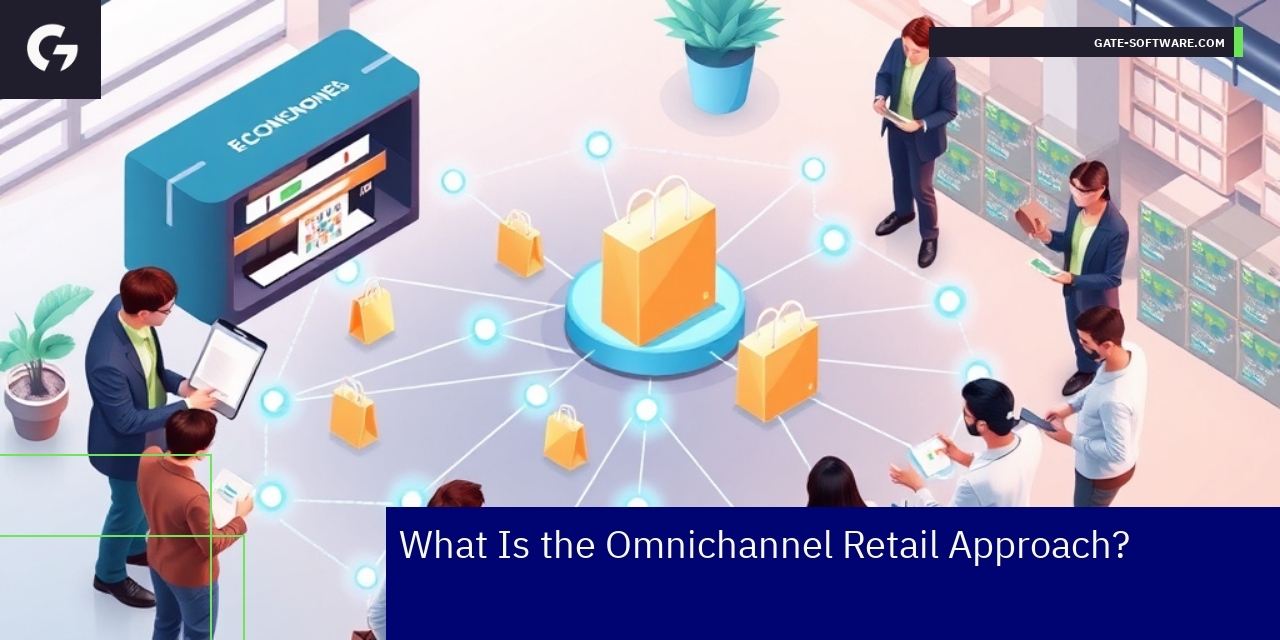
What Is the Omnichannel Retail Approach?
The omnichannel retail approach entails creating an integrated and seamless shopping experience for customers across all channels, whether physical stores, e-commerce platforms, mobile applications, or social media. This approach ensures that customer data and preferences are synchronized across every touchpoint, enabling a unified and personalized interaction regardless of where the client engages with the brand.
In the B2B context, the omnichannel strategy addresses the complexity of business customer journeys by integrating various sales and communication channels, including direct sales, digital platforms like Magento-based e-commerce, webinars, and customer service portals. This integration allows decision-makers such as CTOs, Heads of Applications, and eCommerce Managers to oversee coherent customer interactions and optimize operational efficiency. It supports consistent access to product information, order histories, and support, thereby enabling better account management and nurturing long-term partnerships.
The critical distinction between omnichannel and multichannel lies in the degree of channel integration. Multichannel involves multiple sales or communication channels operating independently, which can lead to fragmented customer experiences and duplicated efforts. In contrast, the omnichannel approach unifies all channels in a coordinated manner, providing a seamless transition and centralized data management that empower B2B customers with a frictionless, effective purchasing process.
Implementing omnichannel retail in B2B requires addressing key technical and business challenges such as data synchronization, user experience optimization (including compliance with standards like WCAG 1.1), and aligning IT infrastructure with business goals. Gate-Software’s expertise in Magento platform maintenance, UX/UI audits, and custom integrations plays a vital role in supporting these needs, ensuring that enterprises can deliver consistent brand experiences and meet the specific demands of B2B environments while preserving strategic communication and marketing efforts.
By leveraging omnichannel strategies, B2B firms can enhance sales effectiveness, improve customer satisfaction, and streamline operations — all critical factors for sustained success in a competitive digital marketplace.
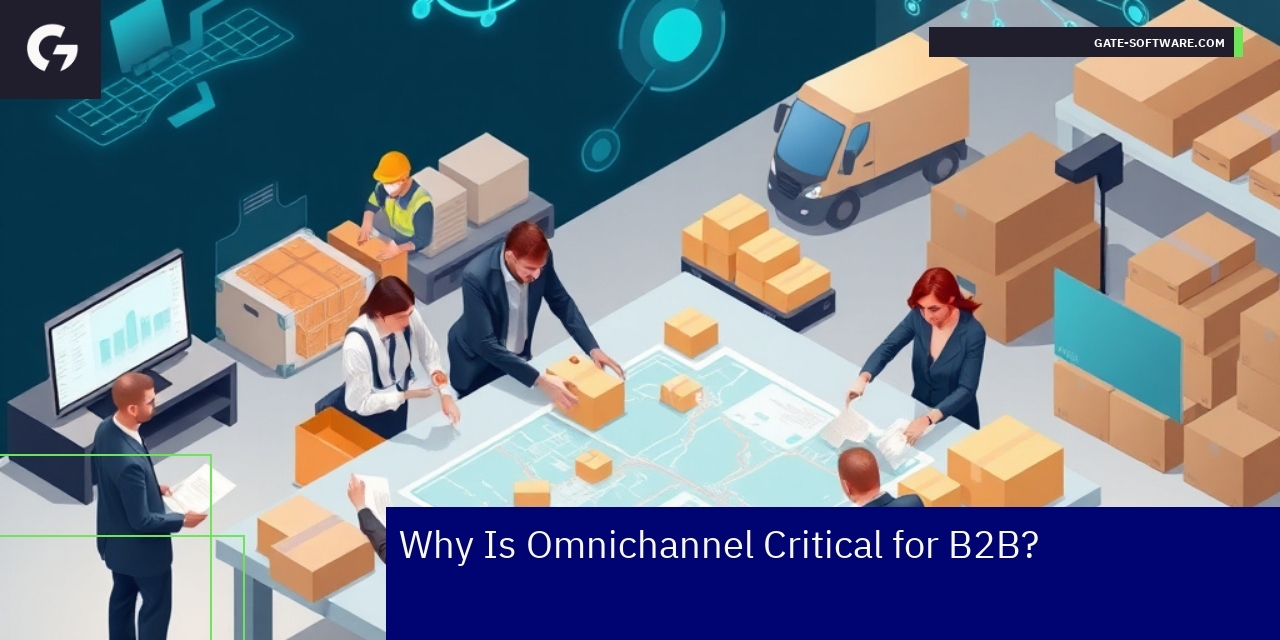
Why Is Omnichannel Critical for B2B?
In the B2B sector, adopting an omnichannel strategy is essential to meet the specific demands of business clients and to ensure a seamless customer experience across multiple touchpoints. Importance for customer experience lies in the ability to provide a consistent, personalized engagement whether the client interacts via digital platforms, direct sales teams, or customer support. This alignment reduces friction, enhances usability, and strengthens the professional relationship by respecting the buyer’s journey at every stage.
Impact on loyalty and retention is significant because B2B customers value reliability, transparency, and efficiency. An omnichannel approach allows companies to gather and utilize comprehensive customer data, enabling tailored communications and proactive support. It creates a unified brand presence that builds trust and fosters long-term partnerships, which are crucial in B2B markets where contract renewals and upsells form the backbone of revenue. Moreover, delivering consistency across channels minimizes the risk of discrepancies that can erode customer confidence, thus directly supporting the goals of loyalty and retention.
Key Advantages of Building a Successful Omnichannel Strategy with Magento 2
High Performance in B2B Sales
Building a Magento 2 omnichannel strategy offers significant advantages in driving high performance in B2B sales. The platform supports robust scalability and customization that meet the complex needs of B2B buyers, enabling companies to efficiently handle large order volumes and diverse customer requirements. Magento 2 omnichannel strategy facilitates seamless customer experiences across multiple touchpoints, ensuring consistency whether customers engage via web, mobile, or offline channels. This is critical in B2B e-commerce where purchasing decisions are made by multiple stakeholders and require detailed product information and flexible pricing models. Additionally, the ability to integrate with existing enterprise systems strengthens operational efficiency and data flow, which directly supports how to increase B2B sales. With advantages of Magento Multistore capabilities, businesses can manage multiple brands or regional stores under a unified system, providing tailored experiences that align with customer segments and market specifics. Understanding how much does Magento cost is essential when planning these omnichannel implementations, ensuring investments align with expected returns and scalability needs.
Effective Purchasing Through Integrations
🛠️ Streamlined Order Processing | 🔗 ERP/CRM Sync | 📊 Real-Time Data
One of the key drivers of success in omnichannel in B2B e-commerce is the effective purchasing experience enabled through seamless system integration. Magento 2 supports additional integrations with ERP, CRM, and custom platforms that streamline order processing, inventory management, and customer data synchronization. Such integrations reduce friction and errors in purchasing workflows, which is vital in B2B where contracts, bulk orders, and custom pricing frequently occur. These integrations support B2B platform personalization by enabling dynamic pricing, customer-specific catalogs, and tailored product recommendations, enhancing buyer satisfaction and loyalty. The strategic focus on how to increase B2B sales also benefits from smooth workflows and real-time data visibility into fulfillment and delivery statuses. Companies leveraging a Magento 2 omnichannel strategy often see improved operational agility and competitive edge through these advanced integrations. Moreover, omnichannel implementation examples consistently demonstrate how integrated systems foster better collaboration between sales, logistics, and customer service teams, resulting in more effective purchase journeys.
Customer Flexibility
Customer flexibility is a pivotal advantage of building a Magento 2 omnichannel strategy for B2B businesses. Buyers in this segment expect a high degree of customization and control over their purchasing process, including options for multiple payment methods, contract-based purchasing, and flexible delivery schedules. Magento 2 omnichannel strategy supports these needs by enabling diversified touchpoints that can adapt to individual client workflows and preferences, reinforcing customer loyalty and satisfaction. Personalized experiences, powered by B2B platform personalization features, allow businesses to deliver relevant content, pricing, and promotions aligned with each buyer’s profile. This level of flexibility is also instrumental in starting DTC sales initiatives for manufacturers entering direct markets without losing their traditional B2B clientele. Additionally, system integration plays a crucial role in ensuring that customer data and preferences are consistent and accessible across channels, enabling responsive service and efficient problem resolution. Omnichannel implementation examples in B2B consistently highlight the importance of delivering flexible, unified customer experiences that meet the high standards of modern B2B buyers, ultimately driving growth and revenue.

Why You Need A Unified Magento 2 eCommerce Platform
Growth Without Limits
A unified Magento 2 eCommerce platform offers B2B businesses the scalability required for sustained growth. As companies expand product lines and client bases, Magento 2 provides a Flexible and Scalable Software environment that easily adapts to increasing complexities without performance loss. This architecture supports omnichannel in B2B e-commerce by enabling seamless integration across multiple sales and communication channels, which is critical to maintaining competitiveness. Moreover, the platform’s robust infrastructure complements B2B e-commerce Implementation efforts by providing a stable foundation for complex pricing models, bulk ordering, and customer-specific catalogs, essential for how to increase B2B sales effectively. Utilizing Magento 2 ensures that growth is not hindered by technical limitations or operational bottlenecks.
Magento 2 Multistore Option
The Magento 2 Multistore Option allows B2B organizations to manage several storefronts from one backend, facilitating an efficient omnichannel in B2B e-commerce approach. This capability supports segmentation by geography, customer segment, or product variety, enhancing both user experience and operational efficiency. Such multistore flexibility aligns with Magento 2 omnichannel strategy goals by ensuring consistency in branding and customer experience across channels while adapting to local market requirements. This strategic approach to B2B e-commerce Implementation helps streamline workflows, reduce administrative overhead, and improve how to increase B2B sales by addressing diverse client needs simultaneously.
Secure Purchasing Processes
Data Security is fundamental in B2B transactions where sensitive information and large orders are standard. Magento 2’s advanced security features protect transaction integrity and customer data, minimizing risks related to breaches or fraud. Secure Purchasing Processes encourage customer trust, safeguarding not only the business reputation but also compliance with industry regulations. In the context of omnichannel in B2B e-commerce, ensuring security across all touchpoints is crucial. Integrating robust security protocols during Testing, Launch, and Promotion phases guarantees that both backend operations and customer interactions meet the highest standards of protection, supporting seamless, safe omnichannel implementation examples that businesses can rely on for sustainable growth.

How to Optimize Magento 2 for an Omnichannel Commerce Retail Strategy?
Marketing and SEO in Omnichannel
Optimizing Magento 2 for an omnichannel in B2B e-commerce requires a holistic Marketing and SEO approach that ensures consistency and discoverability across all touchpoints. Integrating Magento 2 omnichannel strategy means leveraging PIM Systems to centralize product information, enabling seamless updates and uniform content delivery. This enhances both user experience and SEO performance by maintaining up-to-date, rich content synchronized with Marketing and SEO objectives. A well-executed Magento 2 omnichannel strategy also incorporates SEO-friendly URLs, metadata, and schema markup tailored for B2B buying journeys. Testing plays a critical role in verifying that all digital assets work harmoniously across channels, supporting Navigation Standards in B2B Stores and preserving seamless user flows, which in turn drives better engagement and how to increase B2B sales effectively.
Pre-Implementation Analysis as a Success Factor 🧩 📊 🔍
A thorough Pre-Implementation Analysis forms the foundation of a successful Magento 2 omnichannel strategy. This stage involves deep assessment of current sales workflows, customer personas, and technical infrastructure. Tailoring omnichannel implementation examples to fit the specific needs of B2B businesses allows identifying gaps and opportunities for system integration, especially where PIM Systems can streamline product data dissemination across sales channels. Integrating analytics in the pre-implementation phase supports continuous Testing of processes to prevent friction in the buyer’s journey. Emphasizing Navigation Standards in B2B Stores here ensures a cohesive and intuitive customer experience, which is vital for how to increase B2B sales. Careful planning through analysis guarantees the Magento 2 omnichannel strategy aligns with broader Marketing and SEO goals, maximizing ROI on digital investments.
Managing Multiple B2B Stores
Managing multiple B2B stores in Magento 2 demands a robust omnichannel implementation that supports scalability and customization per market segment while maintaining centralized control. Leveraging Magento 2’s multi-store architecture allows deploying tailored product assortments supported by integrated PIM Systems to synchronize product data. This setup is essential for preserving Navigation Standards in B2B Stores across diverse customer bases, which directly affects how to increase B2B sales by catering to specific buyer personas. Consistent application of Marketing and SEO best practices across all storefronts enhances brand visibility and supports the overarching Magento 2 omnichannel strategy. Regular Testing of each store’s ecosystem ensures seamless customer experiences and identifiers for optimization opportunities, exemplifying successful omnichannel implementation examples in B2B e-commerce.

Real-World Examples of Businesses That Successfully Implemented Omnichannel on Magento 2 Storefront
System Integration in eCommerce
Successful omnichannel strategies in B2B e-commerce require seamless system integration to unify various sales channels. Businesses that have implemented Magento 2 omnichannel strategy often focus on integrating ERP, CRM, and inventory management systems to enable real-time data flow. This Additional Integrations process ensures consistent product information and customer data across platforms, enhancing the buying experience while addressing Data Security requirements crucial in B2B environments. Effective system integration supports Process Automation, reducing manual interventions and errors, thereby streamlining daily Magento 2 Frontend Development activities. Companies utilizing such integrated systems report a significant boost in efficiency and a clearer path on how to increase B2B sales across multiple touchpoints, proving the value of a well-orchestrated omnichannel in B2B e-commerce.
Sales Process Automation 🛠️🔐📈
Automation of sales processes plays a pivotal role in driving the success of Magento 2 omnichannel strategy. By automating repetitive tasks such as order processing, customer segmentation, and personalized offers, businesses achieve not only operational efficiency but also improved customer engagement. Automation tools are especially beneficial in supporting omnichannel implementation examples that facilitate consistent communication across channels, enhancing buyer journeys and boosting performance metrics. These systems leverage comprehensive data to optimize workflows and reinforce Data Security protocols, which are top priorities in B2B commerce. Additionally, automation accelerates daily Magento 2 Frontend Development cycles by freeing up resources to focus on strategic enhancements, creating scalable solutions tailored to how to increase B2B sales sustainably and effectively.
Strategy Testing and Launch
Testing and launching a Magento 2 omnichannel strategy requires a methodical approach grounded in iterative improvements and market feedback. Businesses that have successfully executed omnichannel implementation examples emphasize the importance of pilot phases, where additional integrations and Process Automation workflows are validated in real-world scenarios. This stage is crucial for ironing out technical challenges and ensuring that Data Security measures meet regulatory standards, especially in complex B2B settings. Daily Magento 2 Frontend Development teams play a critical role in adapting interfaces and functionalities based on user insights to optimize the customer experience. Continuous monitoring and agile response mechanisms embedded in these strategies ensure companies stay aligned with how to increase B2B sales while maintaining seamless omnichannel in B2B e-commerce engagement.
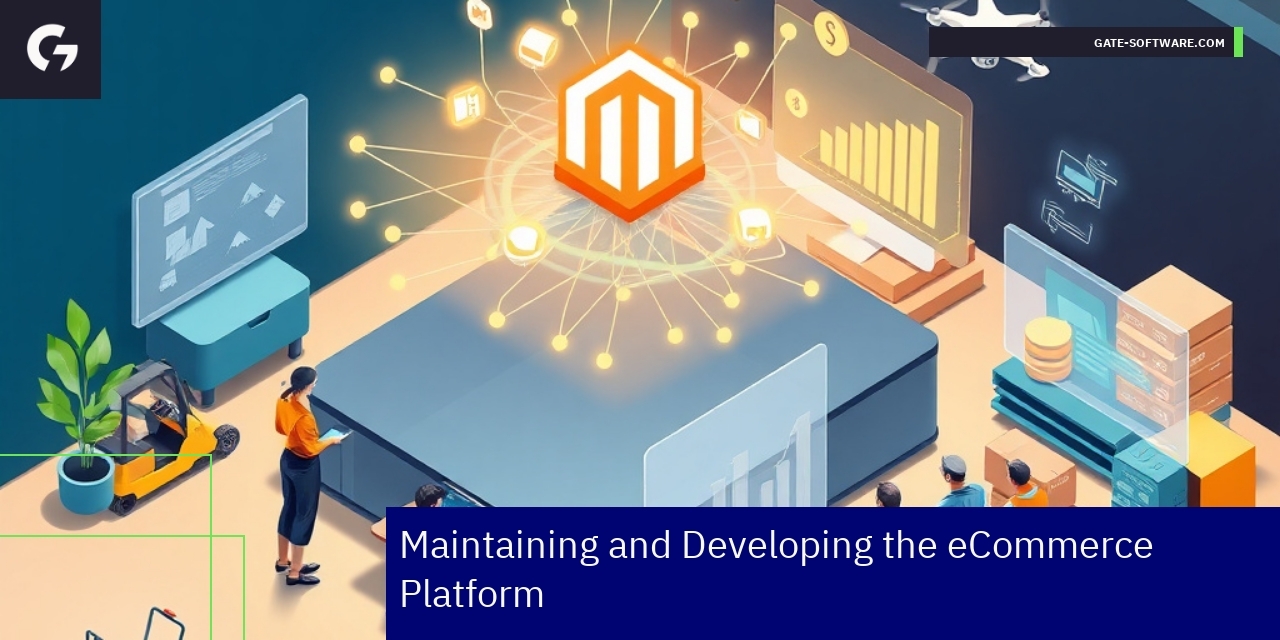
Maintaining and Developing the eCommerce Platform
Daily Magento 2 Frontend Development
Daily Magento 2 Frontend Development is crucial for maintaining a responsive and efficient Magento 2 omnichannel strategy. Regular updates and improvements enhance user experience, ensuring seamless ecommerce interactions across multiple channels. This proactive approach supports businesses aiming to increase B2B sales by optimizing performance, reducing downtime, and adapting to user behavior trends. Magento Experts play a key role in this process, continuously applying best practices and incorporating security updates that protect sensitive customer and transactional data. Implementing a thorough Pre-Implementation Analysis before adding new features helps mitigate risks and tailor the platform to evolving business needs. Successful omnichannel implementation examples demonstrate how robust frontend maintenance underpins scalable and flexible B2B ecommerce ecosystems.
Magento Experts as Support 🛠️🔒📈
Engaging Magento Experts ensures that Maintenance and Development tasks are executed with precision and a deep understanding of the B2B ecommerce landscape. Experts contribute strategic guidance for integrating advanced functionalities aligned with the Magento 2 omnichannel strategy. Their expertise in security safeguards the platform from potential threats, reinforcing customer trust essential for increasing B2B sales. Furthermore, Magento Experts assist in continuous monitoring and iterative enhancements, enabling businesses to respond rapidly to market changes and customer demands. They support omnichannel implementation examples by ensuring each channel consistently delivers quality experiences, thereby enhancing overall platform reliability and operational efficiency.
Budget Control in B2B Projects
Effective Budget Control in B2B Projects is fundamental for sustaining the long-term Maintenance and Development of ecommerce platforms. Overseeing resources ensures that investments in Magento 2 omnichannel strategy deliver tangible results, such as improved user experience and measurable growth in B2B sales. Budget transparency helps prioritize critical areas like security and Pre-Implementation Analysis to avoid costly post-launch issues. Successful omnichannel implementation examples underline the importance of aligning budget allocation with strategic goals. Employing Magento Experts optimizes costs associated with customizations and integrations, ensuring that the platform remains scalable and aligned with evolving business objectives while maintaining a secure operation environment.
Alternatives to Omnichannel Strategy
In the B2B sector, while omnichannel strategies are widely recognized for their ability to unify customer experiences across multiple touchpoints, there are noteworthy alternatives that address unique business challenges and operational requirements. Other approaches to B2B e-commerce focus on tailoring customer engagement and operational workflows to optimize efficiency and responsiveness in complex sales environments.
One alternative approach is the integration of a channel-specific strategy, where each sales and communication channel is optimized independently, allowing businesses to fine-tune their digital presence according to channel characteristics and customer preferences. This method often emphasizes deeper technical customization and process automation per channel, enhancing the precision of targeting and service delivery without the overhead of synchronizing every channel simultaneously. It aligns well with B2B’s complex buyer journeys requiring detailed product specifications and personalized negotiations.
Another viable model is the platform-centric approach which centralizes all B2B transactions through a robust digital platform, bypassing fragmented customer touchpoints. This can improve data consistency, streamline order management, and reduce operational complexity. Platforms like Magento tailored for B2B enable scalable integrations, WCAG-compliant UX/UI designs, and extensive SLA-based support frameworks that are critical in maintaining business continuity and platform reliability.
Comparing omnichannel with these models highlights key differences: omnichannel prioritizes seamless unified experiences across all touchpoints, which is ideal for customer retention and brand consistency (including SEO phrases such as UX/UI audits and WCAG standards). Conversely, channel-specific and platform-centric strategies focus on operational efficiency, technical integration, and customization depth, meeting the real technical and business challenges faced by B2B enterprises.
Ultimately, the choice between an omnichannel strategy and its alternatives depends on the organization’s specific service focus, technological capabilities, and long-term business goals, where solutions like Gate-Software’s comprehensive B2B expertise in Magento platform maintenance and digital strategy can ensure alignment and successful implementation.
Benefits and Risks of Omnichannel
– Potential advantages of implementation
An omnichannel strategy in B2B environments enables organizations to create a seamless and integrated customer journey across various platforms. This approach significantly improves customer satisfaction by ensuring consistent access to information and services, aligning well with B2B expectations for reliability and responsiveness. Leveraging omnichannel capabilities contributes to enhanced sales opportunities as businesses can engage decision-makers like eCommerce Managers and CTOs through preferred communication channels. Additionally, omnichannel facilitates deeper customer insights by aggregating data from multiple touchpoints, empowering strategists to tailor interactions and optimize marketing plans effectively. From an operational perspective, integrating omnichannel workflows can increase productivity and streamline processes, minimizing friction for both clients and internal teams. The ability to maintain brand consistency across digital touchpoints also strengthens trust and recognition in competitive B2B markets.
– Possible risks and challenges
Implementing an omnichannel strategy in B2B presents several challenges that require careful management. The technological complexity of integrating diverse platforms, such as Magento-based solutions and communication tools, can lead to costly and time-consuming deployments. Organizations risk inconsistent messaging if collaboration across departments and channels is insufficient, potentially damaging key relationships with stakeholders like Architekts or Heads of Applications. Operational costs may rise due to the need for continuous maintenance and monitoring of multifaceted systems. Data silos can emerge if integration is incomplete, undermining the very advantage of comprehensive customer insights. Lastly, B2B clients may experience decision fatigue if overwhelmed by too many engagement points or options, which can negatively affect conversion rates and long-term loyalty. Addressing these risks with clear governance, alignment of technical standards (including WCAG compliance), and structured content strategies is essential for successful omnichannel adoption.
Data and Performance Metrics – Efficiency, SLA, TCO
Operational Effectiveness in B2B Projects
In evaluating the operational effectiveness of Gate-Software’s B2B services, several key performance metrics emerge that provide insight into their capabilities and impact on client outcomes.
Gate-Software ensures a project takeover time averaging just 4 weeks, allowing clients to experience quick transitions and minimal disruption in service continuity. An impressive 92% of projects are completed on schedule, showcasing the reliability and commitment to timely delivery inherent in Gate-Software’s methodology.
Moreover, organizations leveraging Gate-Software’s expertise realize an average reduction in Total Cost of Ownership (TCO) of about 18% within the first year of service implementation. This cost efficiency is achieved through optimized operations and tailored solutions that align closely with business needs.
Over the past year, Gate-Software has successfully executed 25 major implementations, further demonstrating their capability to handle complex B2B requirements and scaling as needed. The robustness of their infrastructure is reflected in their uptime Service Level Agreement (SLA), which maintains an exceptional 99.9% uptime, ensuring that B2B operations remain constantly available.
Client relationships at Gate-Software are characterized by longevity; the average client relationship duration stands at 3.5 years, indicative of the trust and satisfaction that businesses find in their partnerships. This longevity not only underscores the effectiveness of the services provided but also highlights the importance of Gate-Software’s commitment to fostering strong, strategic relationships with its clients.
By analyzing these metrics, B2B decision-makers can ascertain not only the efficiency of Gate-Software’s operations but also the tangible benefits realized through its specialized services. These data points significantly contribute to informed purchasing decisions in the competitive e-commerce landscape.
Summary
In conclusion, implementing a robust omnichannel strategy using Magento 2 can significantly enhance B2B operations by creating seamless cross-channel experiences that cater to the unique demands of business customers. The advanced capabilities of Magento 2 empower retailers to manage complex requirements such as custom pricing, flexible catalog management, and real-time data synchronization, which are crucial for addressing multiple customer touchpoints effectively. By leveraging data-driven insights and operational analytics, businesses can improve customer engagement, streamline purchasing processes, and foster long-term relationships with clients. The importance of consistency in branding and communication is amplified in B2B environments, where trust and reliability are paramount. At Gate-Software, we understand these dynamics and are committed to helping you achieve operational excellence and sustainable growth through tailored Magento solutions. We invite you to reach out for a partnership that aligns with your business goals and enhances your B2B strategy.
Summary
FAQ
What is the importance of an omnichannel strategy in B2B?
An omnichannel strategy is crucial in B2B as it ensures a seamless customer experience across multiple touchpoints. This integration improves communication, reduces friction in the purchasing process, and enables personalized engagement, which are essential for building trust and long-term relationships with clients.
How does Magento 2 support B2B businesses in implementing omnichannel strategies?
Magento 2 provides a robust platform with advanced capabilities such as custom pricing, flexible catalog management, and extensive integration options with ERP and CRM systems. This enables real-time data synchronization, ensuring that branding, offers, and inventory are consistent across all sales channels.
Why is customer flexibility significant in B2B purchasing processes?
Customer flexibility is vital as B2B buyers expect options that cater to their specific needs, such as varied payment methods and tailored catalogs. Supporting these preferences enhances customer satisfaction, loyalty, and the overall purchasing experience, which is key to driving sales growth.
How can B2B businesses optimize Magento 2 for an omnichannel approach?
B2B businesses can optimize Magento 2 by ensuring a holistic marketing and SEO strategy, integrating PIM systems for consistent product information, conducting thorough pre-implementation analyses to identify gaps, and leveraging analytics to refine communication strategies in alignment with customer expectations.
What are the potential risks associated with omnichannel implementation in B2B?
The risks include technological complexities in integrating various platforms, the possibility of inconsistent messaging across channels, rising operational costs due to maintenance of multifaceted systems, and the emergence of data silos that undermine comprehensive customer insights. Proper governance and alignment of technical standards are essential to address these challenges.
.
.
Zamów bezpłatną konsultację
.
Z nami rozwój Twojego biznesu nabierze tempa! Zapraszamy do kontaktu średnie i duże firmy generujące min. 7 mln PLN obrotu rocznie – tam nasza ekspertyza sprawdza się najlepiej.
.
Kliknij w poniższy przycisk i skontaktuj się z jednym z naszych konsultantów e-commerce
.