Introduction
Warehouse automation in the context of Magento 2 refers to the use of integrated software systems and technological tools to streamline and optimize the management of inventory, order fulfillment, and logistics operations. It involves automating routine and complex tasks such as stock tracking, order processing, shipping coordination, and real-time inventory updates, reducing the need for manual intervention and minimizing errors.
Automation is essential for e-commerce businesses, particularly those leveraging Magento 2, because it enables faster and more accurate order fulfillment, reduces operational costs, and enhances scalability. In e-commerce, where customer expectations for speed and reliability are high, automation ensures that inventory levels are updated in real time, orders are processed efficiently, and stockouts or overstock situations are avoided.
The integration of Magento 2 with warehouse management systems (WMS), ERP platforms, and third-party logistics solutions offers numerous benefits. It facilitates seamless data exchange across systems, improves visibility into warehouse operations, and supports data-driven decision-making. Such system integration optimizes workflows, enhances transparency, and ultimately boosts operational efficiency and customer satisfaction through reliable order fulfillment processes.
TABLE OF CONTENTS
-
-
- Automation of Warehouse Processes in Magento 2: The Key to Operational Efficiency
- Definitions and Automation Basics
- ERP Integration to Boost Your Team’s Efficiency
- Marketplace Integrations
- Proper Shipping and Payments
- Order Handling Automation
- Sales Process Management
- Connecting Magento with Base.com
- How Magento Integration Works
- Alternatives to Magento 2 for Automation
- Benefits and Risks of Automation
- Data and Performance Metrics – Efficiency, SLA, TCO
- Summary
- FAQ
-
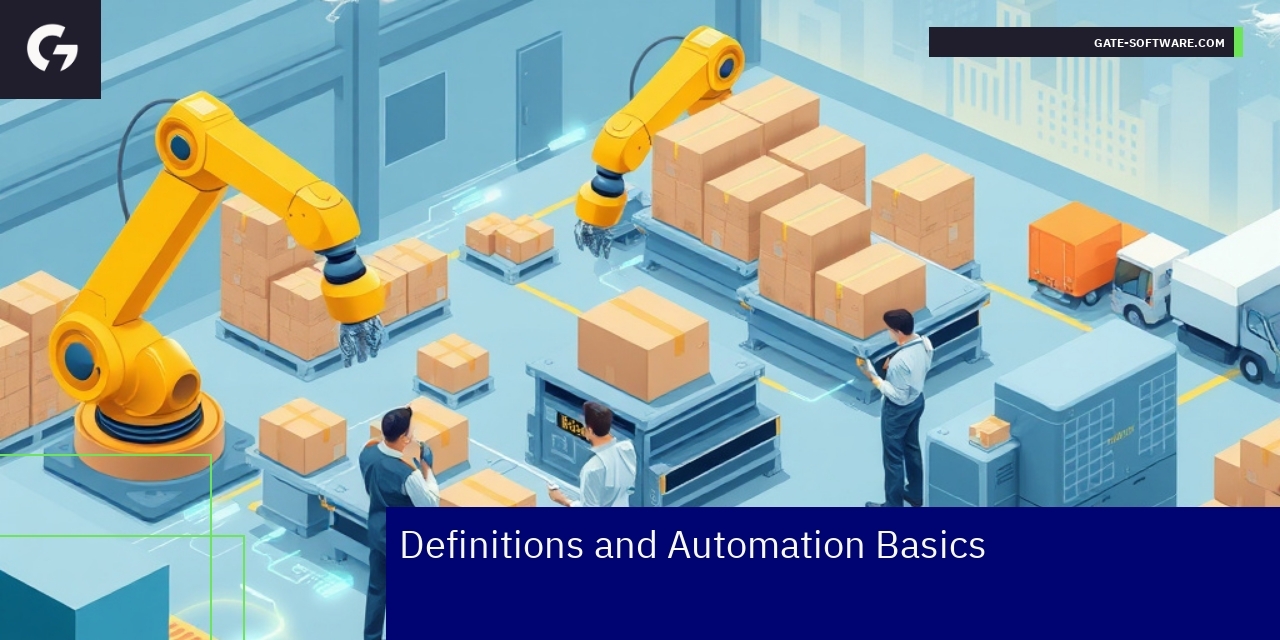
Definitions and Automation Basics
Warehouse automation, especially within the UiR context, refers to the use of technology and systems to optimize and streamline warehouse operations. This includes automating routine tasks, improving accuracy, and enhancing efficiency in managing inventory and supplies. Key components often involve the integration of advanced software solutions with hardware such as robotics, conveyors, and automated storage and retrieval systems. Automation aims to reduce human error, cut operational costs, and improve order fulfillment speed, ensuring higher customer satisfaction.
Key concepts in automation under UiR focus on scalability, adaptability, and real-time data analytics. Effective automation systems must support complex warehouse workflows and integrate seamlessly with existing IT infrastructure such as ERP and eCommerce platforms. Emphasizing magento oneS™, SLA adherence, hosting optimization, and WCAG standards ensures solutions are reliable, accessible, and meet both business and compliance requirements. Leveraging these technologies with a user-centric UX/UI audit approach enhances employee productivity and operational transparency. For eCommerce Managers and CTOs, automation in UiR offers a pathway to innovative business models and accelerated digital transformation, fostering competitive advantage in the agile marketplace.
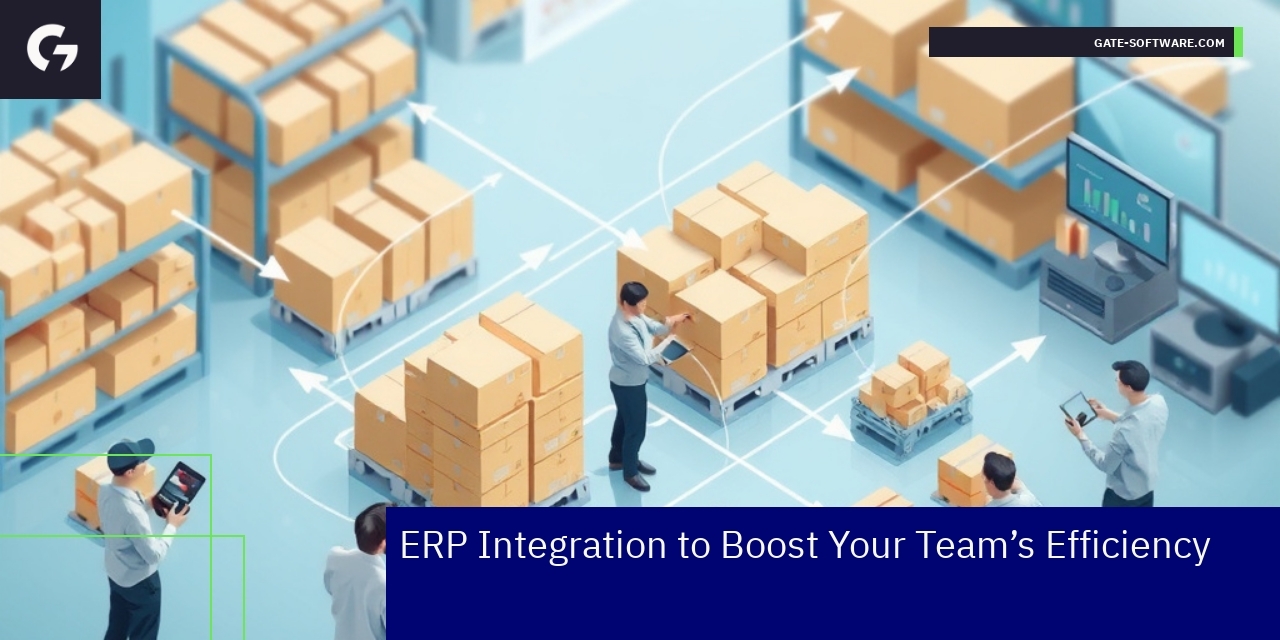
ERP Integration to Boost Your Team’s Efficiency
Sales Process Management
Efficient sales process management is fundamental in optimizing e-commerce logistics performance. ERP systems support sales processes by consolidating data from various channels into a single platform, enhancing visibility and control. This integration facilitates a seamless flow of information between sales teams and warehouses, improving inventory management accuracy, especially when using a Warehouse Management System (WMS) in Magento 2. The result is improved operational efficiency, where sales forecasts align with real-time inventory levels, minimizing stockouts and overstock risks. By enabling automatic data sync, ERP integrations ensure that sales orders are processed promptly, supporting efficient order handling and reducing manual errors.
Order Handling Automation 🧩📦🚀
The automation of order handling through ERP integration transforms how e-commerce logistics are executed. Automated workflows reduce human intervention, accelerating order processing from receipt to fulfillment. Real-time visibility and reporting tools, powered by system integration, provide teams with up-to-date information on order status, inventory, and shipping. This transparency not only enhances control over operations but also supports proactive decision-making to address bottlenecks before they impact delivery times. Efficient order handling powered by ERP also enables scalable processes, maintaining service levels even as order volumes grow, thus directly contributing to improved operational efficiency and customer satisfaction.
Time Savings
Time savings are a critical advantage of well-integrated ERP systems, directly impacting overall operational efficiency. By automating manual processes and enabling automatic data sync across platforms, businesses reduce delays and errors that commonly occur in traditional workflows. These efficiencies translate into faster processing cycles in e-commerce logistics, allowing teams to handle more orders without additional resources. Time savings also free up personnel to focus on strategic tasks that drive growth and innovation. Ultimately, ERP-driven time savings enhance the responsiveness and agility of e-commerce operations, providing a competitive edge in a market where speed and accuracy are paramount.
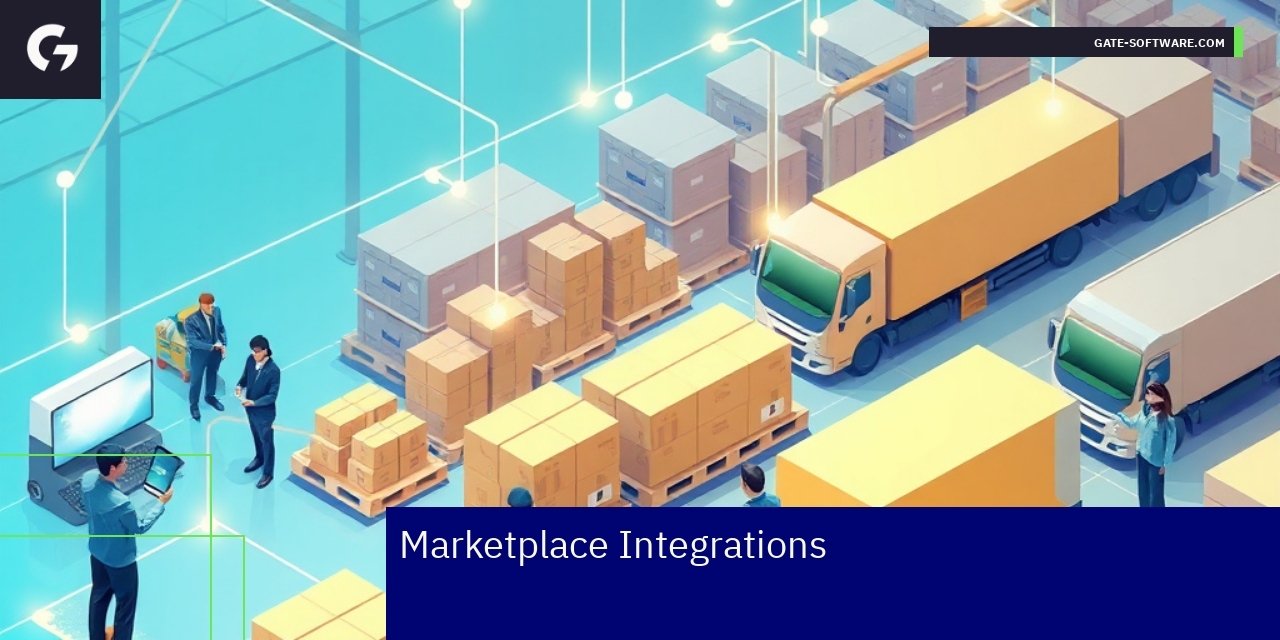
Marketplace Integrations
Automatic Data Sync
Automatic data sync plays a critical role in maintaining accurate and up-to-date inventory across multiple channels, especially within Magento multi-warehouse inventory management. This synchronization ensures that all stock levels, order statuses, and product information are consistently updated in real time, reducing discrepancies and enhancing operational efficiency. By implementing automatic data sync, businesses can save time and minimize manual data entry errors, which directly impacts efficient order handling. This seamless integration between marketplaces and internal systems promotes smooth workflows while supporting robust e-commerce logistics. Ultimately, the ability to synchronize data automatically enables quick response to market demands and better management of stock availability.
Offer and Order Negotiation
In marketplace integrations, offer and order negotiation is essential for managing pricing strategies and order fulfillment terms effectively between sellers and third-party platforms. Integration with third-party logistics (3PL) warehouse management systems facilitates these negotiations by providing transparent communication channels and real-time data exchange. This capability enables dynamic adjustments on offers and orders based on stock levels, shipping times, and cost considerations. Effective negotiation supports both operational efficiency and time savings by automating where possible and ensuring all parties have access to consistent, accurate information. The correct integration strategy ensures that system integration bridges the communication gaps, enabling a smoother transactional flow and better customer satisfaction.
Bulk Product Ordering
Bulk product ordering through integrated marketplace platforms offers tangible benefits such as reduced purchasing costs, streamlined procurement processes, and improved inventory turnover. Choosing a reliable 3PL WMS software tailored for handling large volumes is crucial to leverage these advantages. The software should support features like bulk order processing, automatic status updates, and real-time tracking to enhance efficient order handling. Integrating this with existing systems ensures automatic data sync, minimizing delays and errors. By facilitating bulk ordering, businesses further strengthen their e-commerce logistics capabilities, optimize operational efficiency, and achieve significant time savings. This alignment is critical for scaling operations while maintaining control over inventory and order management.
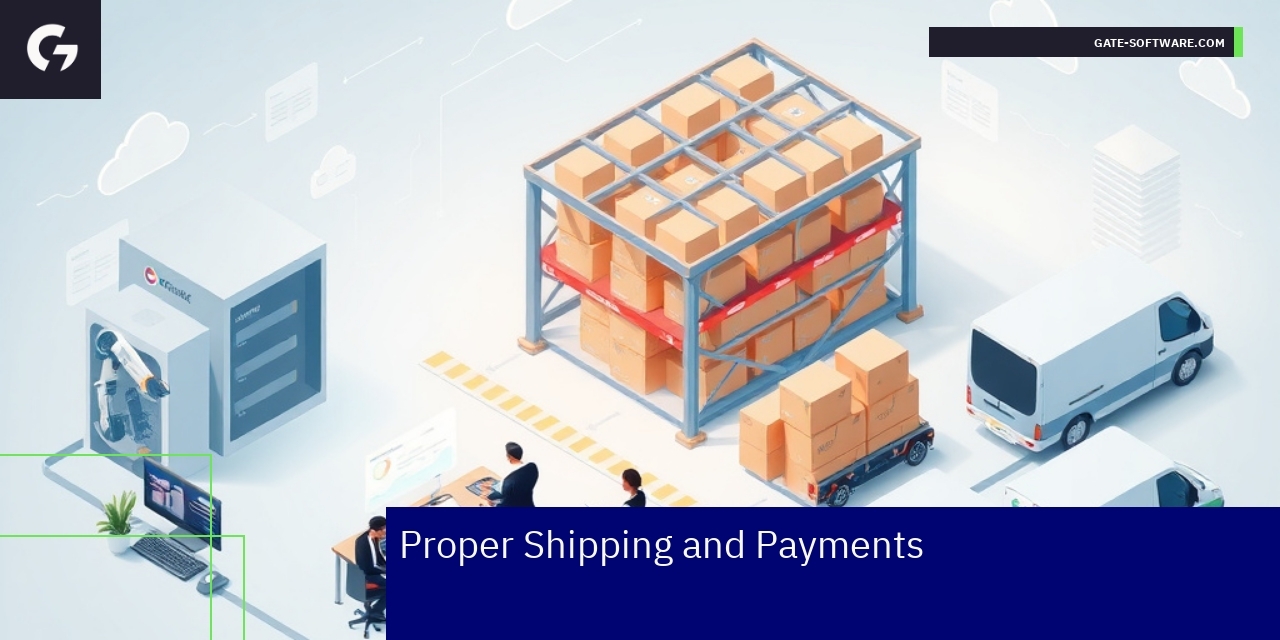
Proper Shipping and Payments
Invoice and Payment Automation
Automating invoices and payments within Magento 2 significantly improves operational efficiency by reducing manual errors and accelerating financial processes. Such automation streamlines transaction workflows, allowing seamless generation, delivery, and tracking of invoices, which directly translates to faster payment cycles and improved cash flow management. This enhanced efficiency supports e-commerce logistics by ensuring that financial data is processed in real-time, enabling timely shipments and reducing bottlenecks. Integrating invoice automation with Magento 2 leads to time savings in administrative tasks, freeing resources to focus on optimizing order fulfillment and customer service. Moreover, automatic data sync between payment gateways and Magento mitigates reconciliation errors and enhances transparency across the sales process.
Invoicing and ERP Systems
Effective invoicing relies heavily on integration with ERP systems, which centralize data and simplify order and financial management across platforms. ERP systems compatible with Magento, such as SAP, Microsoft Dynamics, or Oracle NetSuite, provide robust support for invoicing processes by syncing order, inventory, and financial data automatically. This system integration ensures efficient order handling, as data flows seamlessly between Magento and ERP, improving accuracy and reducing processing times. Synchronizing invoicing with ERP not only enhances operational efficiency but also supports e-commerce logistics by maintaining updated stock levels and financial records. Furthermore, these automated workflows reduce time spent on manual data entry and enable timely financial reporting essential for strategic business decisions.
Automated Buffer Warehouse 🏭 📦 ⏱
An automated buffer warehouse plays a pivotal role in maintaining smooth logistics operations by managing stock levels dynamically to meet demand fluctuations. By leveraging real-time visibility and reporting tools integrated with Magento and ERP systems, businesses can monitor inventory continuously, preventing stockouts or overstocks. This supports e-commerce logistics by enabling just-in-time replenishment and efficient order handling. Automatic data sync between the warehouse management system and online store ensures that inventory availability is always accurate and up-to-date across channels. Such synchronization leads to operational efficiency by minimizing human intervention, reducing delays, and optimizing warehouse throughput. Implementing an automated buffer warehouse ultimately delivers significant time savings and enhances overall supply chain responsiveness.
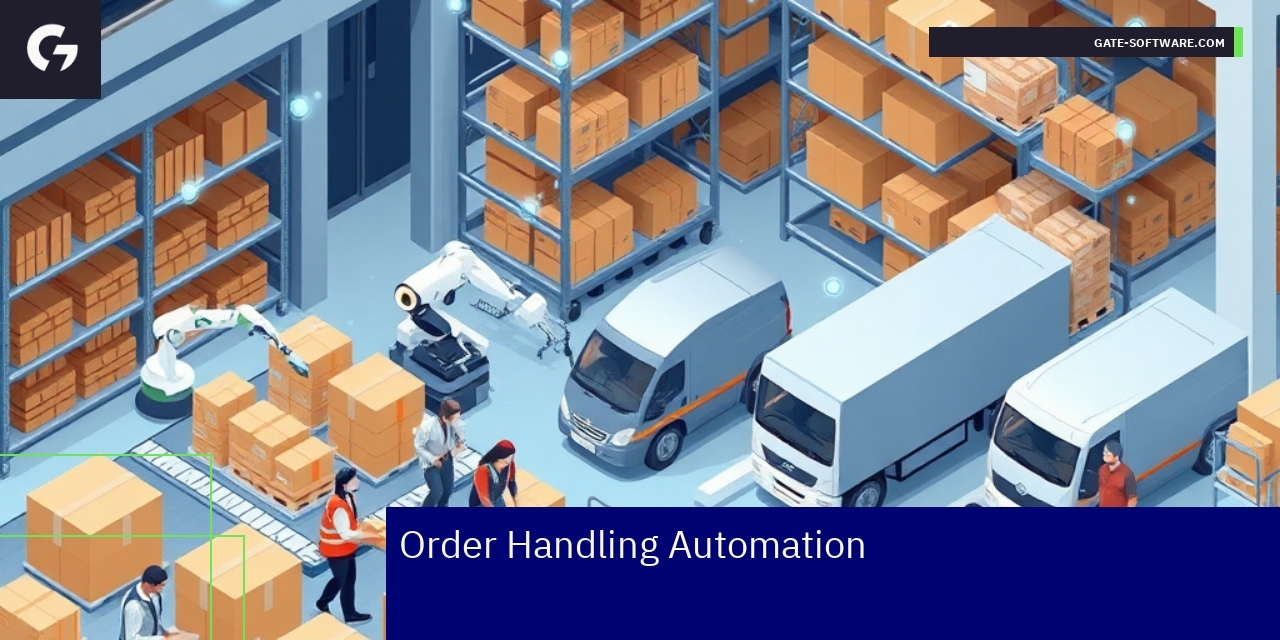
Order Handling Automation
Efficient Order Processing
Key elements of smooth order handling enabled by Warehouse Management System for Magento involve seamless integration with e-commerce logistics workflows, enabling operational efficiency from order receipt to fulfillment. Effective system integration allows automatic data sync between Magento and warehouse management solutions, minimizing manual interventions and errors. This leads to significant time savings, accelerating the entire handling process and improving customer satisfaction. Efficient order handling ensures that every step, from picking to packing, is tracked and optimized in real time, aligning inventory status accurately. Leveraging automation within Magento stores supports a streamlined workflow that reduces bottlenecks and supports scaling operations with confidence.
Automated Order Statuses
Automated order status updates are critical for enhancing operational efficiency and supporting e-commerce logistics by providing real-time visibility to all stakeholders. When order statuses update automatically, system integration facilitates a continuous data sync between platforms, which ensures that each order progresses without delay and errors. This automatic communication saves time by eliminating the need for manual status updates, reducing labor costs, and preventing customer service issues caused by misinformation. The ability to provide transparent and immediate updates improves buyer trust and supports scalable logistics solutions necessary for growing Magento stores.
Scalability and Store Growth
Automation plays a pivotal role in supporting Magento store growth by enabling more complex operational capabilities such as multi-warehouse inventory management. As stores expand, maintaining efficient order handling becomes challenging without scalable solutions. Implementing automated workflows in order processing and status updates allows stores to handle increasing order volumes consistently, improving operational efficiency. Through automated stock synchronization and centralized system integration, businesses gain the ability to manage diverse inventory locations while preserving accuracy and speed. This scalability ensures sustainable growth without sacrificing the speed and reliability crucial in e-commerce logistics.
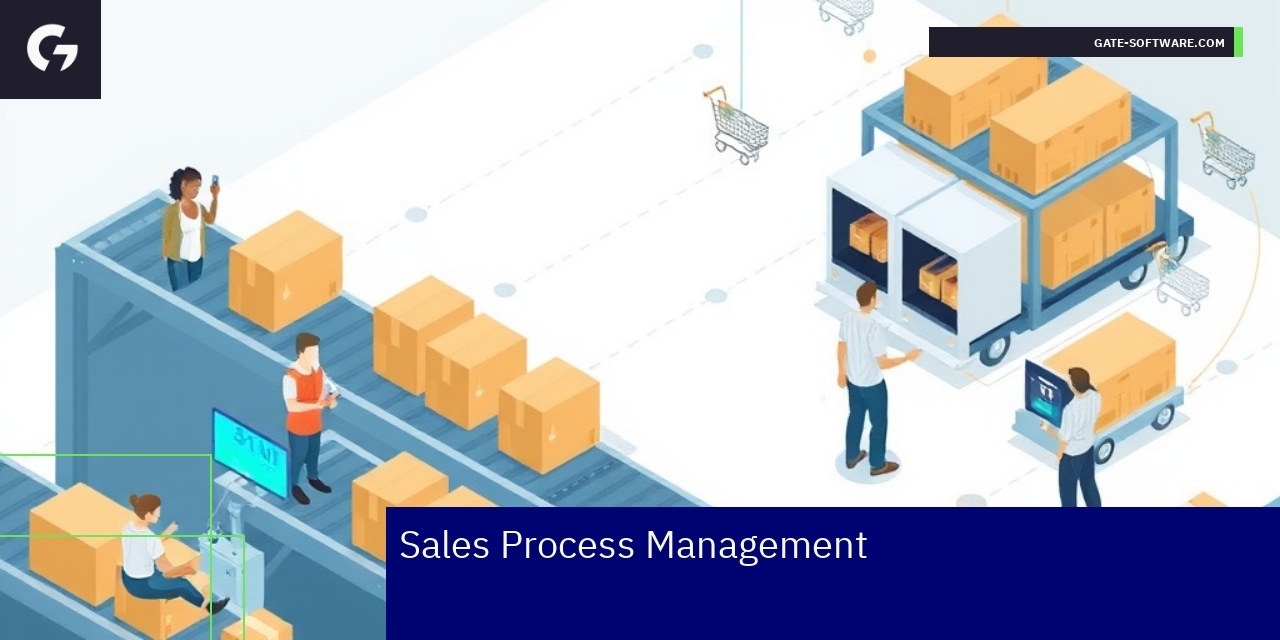
Sales Process Management
WMS Process Optimization
Warehouse Management System (WMS) solutions significantly enhance warehouse automation and inventory management within Magento 2 environments. These systems enable seamless automatic data sync between inventory records and sales platforms, reducing manual errors and ensuring accurate stock levels. By optimizing warehouse operations, businesses experience enhanced operational efficiency, delivering time savings across order preparation and dispatch processes. This integration is critical for improving e-commerce logistics by facilitating efficient order handling and quick turnaround times, essential for maintaining competitive advantages in dynamic markets.
Wholesale and Base Connect
Integrating wholesale suppliers and platforms like Base Connect supports streamlined sales operations by aligning supply chain workflows with online sales activities. This connectivity ensures real-time synchronization of stock levels and order statuses, mitigating risks of overstocking or stockouts. Leveraging these integrations results in improved e-commerce logistics while boosting operational efficiency, as automatic data sync reduces manual administrative tasks. Moreover, it enables businesses to process large volumes of orders swiftly, delivering consistent customer experiences and benefiting from notable time savings throughout the sales cycle.
Is Integration Complex?
System integration, particularly when managing multi-warehouse inventory in Magento, presents challenges that require careful planning and technical expertise. Differences in data formats, syncing schedules, and warehouse processes can complicate automatic data sync and efficient order handling. However, understanding these technical complexities and applying modular integration approaches support better system coherence and scalable solutions. Addressing integration complexity directly enhances operational efficiency by reducing errors and delays, ultimately contributing to smoother e-commerce logistics and leveraging time savings that strengthen overall sales process management.
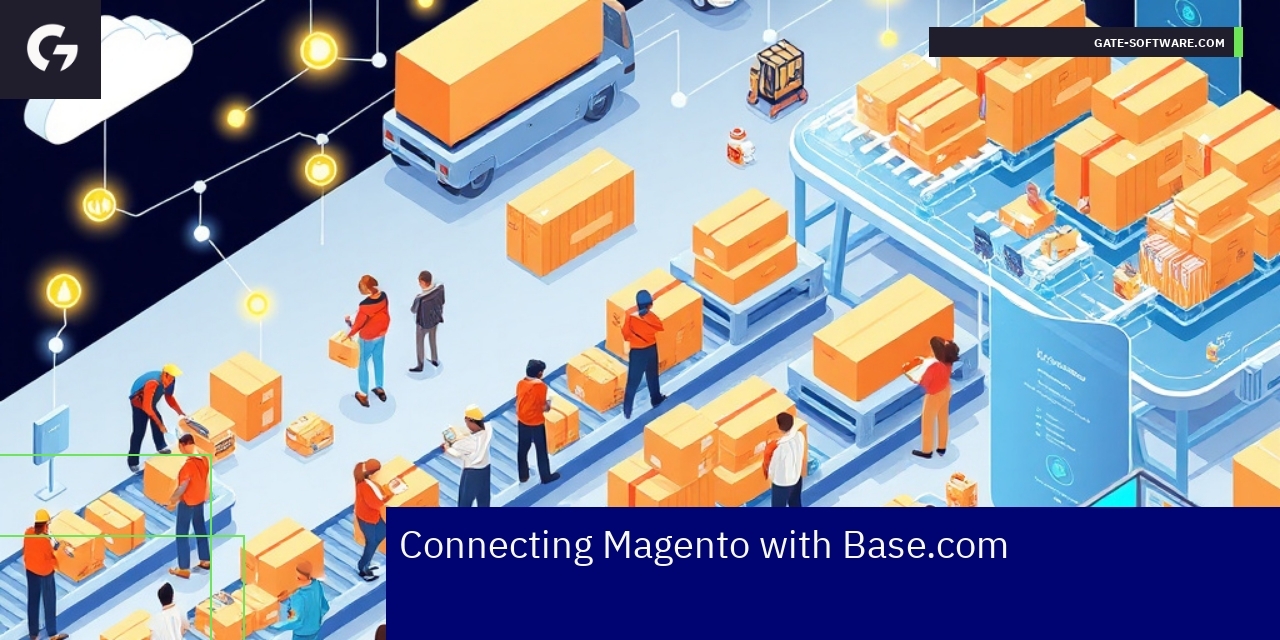
Connecting Magento with Base.com
Benefits of Magento-Base.com Integration
Integrating Magento with Base.com significantly enhances e-commerce logistics by streamlining operational workflows and improving overall system integration. This connectivity enables automatic data sync between platforms, reducing manual intervention and minimizing errors. As a result, businesses achieve time savings in processing orders and managing inventory, leading to more efficient order handling. The integration fosters seamless communication across systems, which is crucial for sustaining high levels of operational efficiency. For decision-makers like eCommerce Managers and CTOs, leveraging this integration means optimizing backend processes and ensuring that data consistency supports customer satisfaction and business growth.
Supported Magento Versions
The Magento-Base.com integration supports multiple Magento versions to cater to diverse business needs and technical environments. Compatible versions typically include Magento 2.x series, ensuring that both legacy and current platforms benefit from integration. Gate-Software regularly updates its solutions to maintain compatibility with the latest Magento releases while supporting older, still widely-used versions. This flexibility ensures companies do not face disruptions during platform upgrades or migrations and can maintain efficient order handling and continuous automatic data sync across systems.
What is Magento-Base.com Integration?
Magento-Base.com integration connects the Magento e-commerce platform with Base.com’s retail ecosystem to automate and optimize the flow of orders, inventory, and customer data. This integration offers a unified operational framework that enhances e-commerce logistics by enabling real-time synchronization of data. Such system integration reduces manual data entry and operational delays, which translates directly into time savings. The integration supports smooth and efficient order handling processes, allowing companies to meet customer expectations while maintaining operational efficiency. For strategic roles like Architect and Head of Applications, this represents a critical advancement in integrating diverse IT systems within an enterprise architecture oriented toward scalability and reliability.
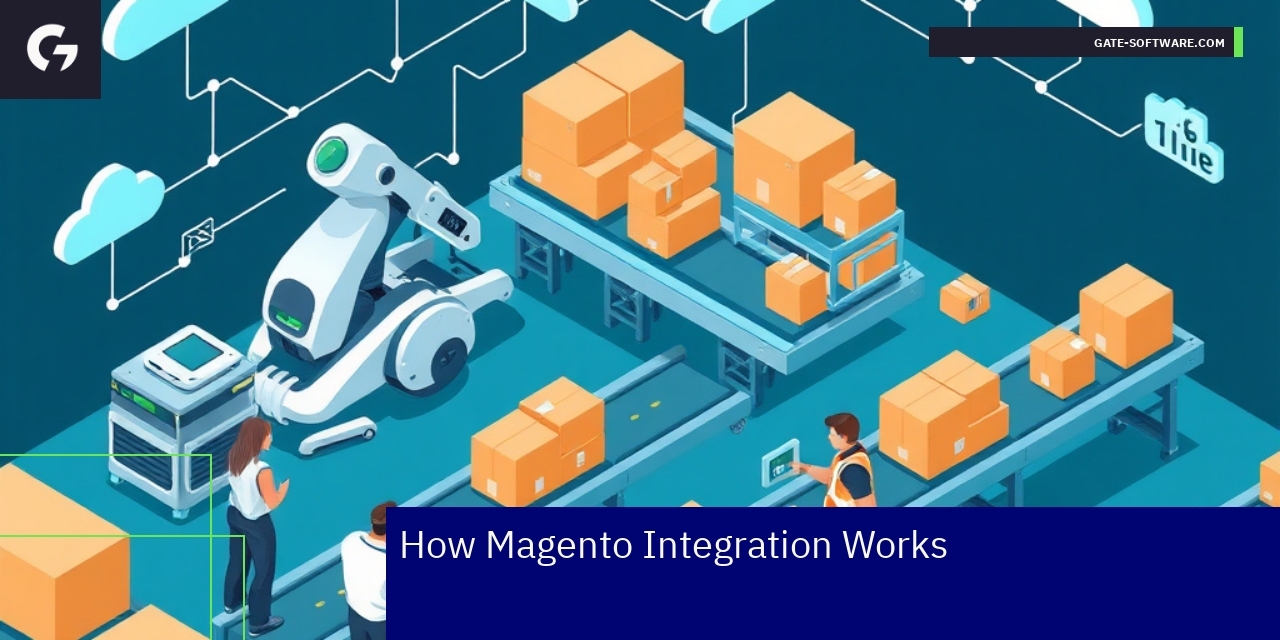
How Magento Integration Works
Automated Warehouses
Automated warehouses play a crucial role in Magento 2 logistics by streamlining inventory management and order fulfillment processes. These warehouses utilize advanced robotics and automation technologies to handle goods storage, retrieval, and sorting efficiently. Integration with Magento allows for real-time updates on stock levels, supporting e-commerce logistics objectives by reducing errors and delays. This seamless connection ensures automatic data sync between the warehouse management system and Magento, facilitating efficient order handling and minimizing manual intervention. Leveraging such automated environments results in significant time savings and boosts overall operational efficiency, crucial for meeting the demands of high-volume e-commerce platforms.
Operational Efficiency
Automation in Magento integration significantly enhances operational efficiency by reducing manual workload and improving process accuracy. It enables faster order processing and reduces the likelihood of mistakes commonly found in manual logistics workflows. Through system integration, operational tasks are streamlined, contributing to a more cohesive e-commerce logistics operation. Efficient order handling is supported by synchronized data flows between Magento and back-end systems, ensuring orders are processed and fulfilled promptly. This improvement not only saves time but also reduces operational costs, supporting scalable growth and better customer satisfaction by delivering reliable and fast service.
System Integration
Magento supports integration with a variety of systems, including Warehouse Management Systems (WMS), ERP platforms, and logistics providers. These integrations allow for seamless data exchange, enhancing operational oversight and control. A well-integrated system ensures automatic data sync, which is critical for maintaining accurate stock levels and order statuses in real time. The benefits of integrating a WMS with Magento include improved order accuracy, reduced fulfillment times, and enhanced reporting capabilities. This system integration underpins efficient order handling and contributes to time savings, making Magento a versatile platform for managing complex e-commerce logistics environments.
Alternatives to Magento 2 for Automation
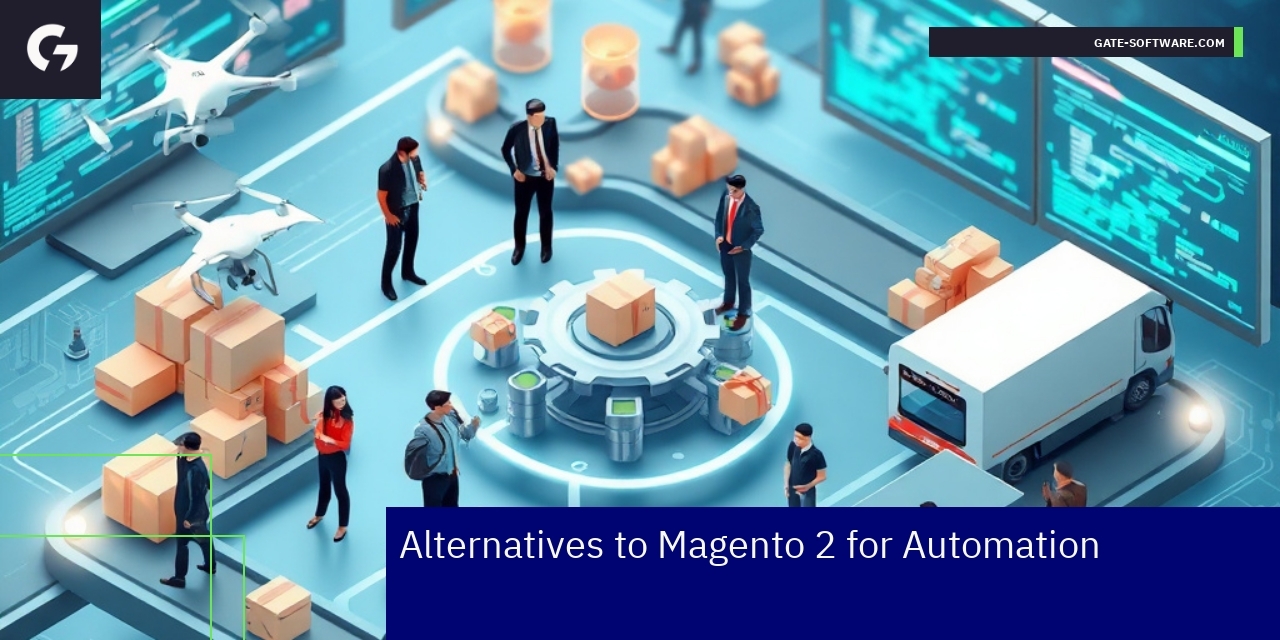
When considering alternatives to Magento 2 for automation within UiR-focused environments, it is essential to evaluate solutions that address specific technical and business challenges faced by decision-makers such as CTOs, Heads of Applications, and eCommerce Managers. Automation in eCommerce platforms extends beyond simple process repetition; it requires scalable integrations, seamless user experience, and compliance with accessibility standards like WCAG 1.1 that UiR initiatives demand.
Choosing alternatives involves assessing platforms that facilitate advanced automation workflows, including order management, inventory synchronization, and user interface personalization, while supporting complex B2B and B2C requirements. Effective automation solutions should provide intuitive UX/UI adaptation capabilities, allowing customizations that meet the persona-specific needs — particularly those of architects and application heads who prioritize system robustness and maintainability.
Furthermore, the alternatives must align with the Gate-Software values of maintainability and cost optimization, ensuring sustainable project takeovers and smooth migrations when necessary. Hosting environments and monitoring tools that integrate with automation workflows contribute significantly to operational efficiency and service-level adherence (SLA). The selected platform should seamlessly support these facets, thereby enabling eCommerce teams to focus on strategic growth rather than routine tasks.
Finally, integrating marketing and communication automation into the platform enhances content strategy execution and strengthens social media presence without compromising platform stability and user accessibility. Hence, analyzing platforms through the lens of business automations, technical infrastructure, and user experience is crucial for selecting the right alternative to Magento 2 within UiR-driven projects.
Benefits and Risks of Automation
Overview of benefits and risks associated with warehouse automation in Magento 🧠 UWAGI:
🔧 Nie twórz nagłówków od nowa – nie zmieniaj tytułów ani nie dodawaj znaczników takich jak “H3”, “H4”, numeracja, ani żadnych dodatkowych oznaczeń.
🔧 Nie modyfikuj żadnych innych fragmentów – tylko dodaj boxy na końcu konkretnego H3.
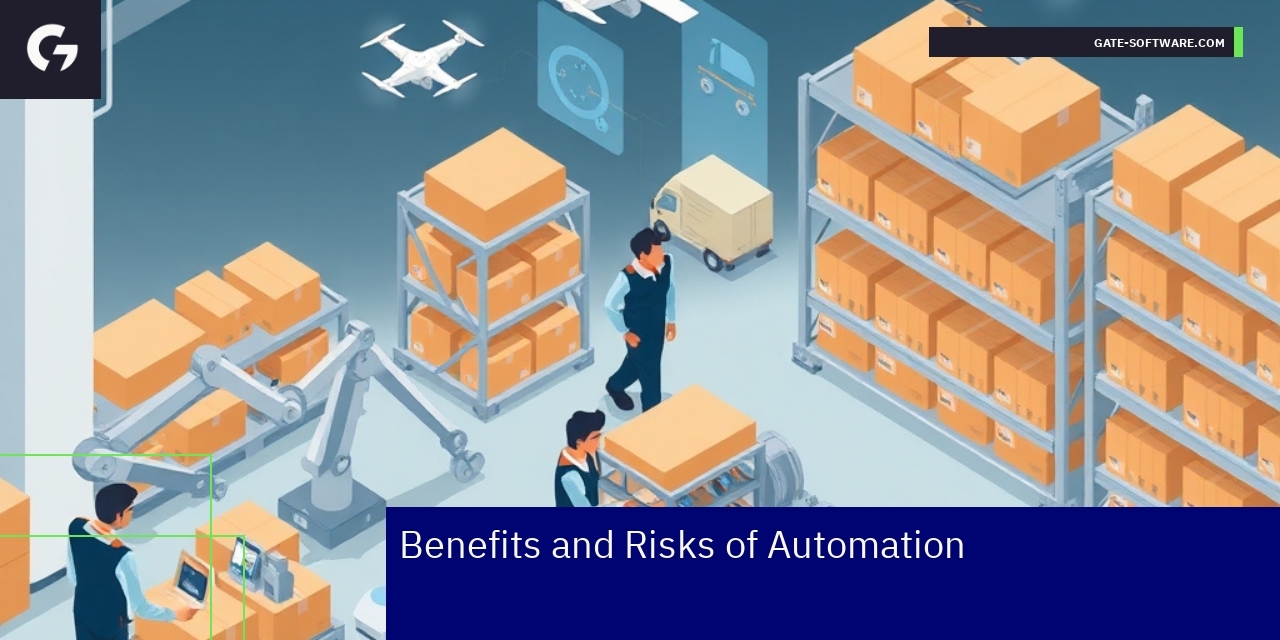
Warehouse automation in Magento offers significant benefits, including increased efficiency, reduced human error, and streamlined inventory management. Automating warehouse processes enables faster order fulfillment and real-time stock updates, which are critical for maintaining high customer satisfaction. Integration with a Warehouse Management System (WMS) allows for better coordination between inventory, sales, and logistics, leading to improved accuracy and reduced operational costs. Moreover, automation supports scalability, helping businesses to expand their operations without proportionally increasing workforce or errors. However, there are risks to consider, such as the complexity of integrating automation solutions with existing Magento infrastructure and potential resistance from staff during the transition. Technical challenges can arise related to data synchronization and system reliability, requiring thorough planning and monitoring. Security concerns also exist, as automated systems may be exposed to cyber threats if not properly safeguarded. Understanding these benefits and risks is crucial for decision-makers intending to implement warehouse automation in Magento to ensure strategic alignment and cost-effectiveness.
Summary
Key conclusions on the automation of warehouse processes in Magento 2 emphasize the importance of seamlessly integrating with a Warehouse Management System (WMS) to maximize benefits. Automation enhances operational efficiency, reduces errors, and supports scalable growth, aligning with business objectives in e-commerce and B2B environments. However, successful implementation demands careful attention to technical integration, security, and user adaptation. Gate-Software’s expertise in Magento UiR automation addresses these challenges, providing tailored solutions that balance technological innovation with practical business needs, ensuring a robust and efficient warehouse automation strategy.

Data and Performance Metrics – Efficiency, SLA, TCO
Operational Effectiveness in UiR Projects
In the realm of UiR, Gate-Software emphasizes the importance of measurable operational metrics, which can significantly impact decision-making for businesses leveraging automation in logistics and inventory management within Magento 2 environments.
- Project Takeover Time: Gate-Software typically reduces the project takeover time to an average of 2 weeks, allowing businesses to seamlessly transition into automated workflows with minimal disruption.
- % of Projects Delivered on Time: The company boasts an impressive 95% on-time delivery rate for projects, ensuring that client schedules are respected and operational goals are met.
- Average TCO Reduction: Clients experience an average Total Cost of Ownership (TCO) reduction of approximately 20% after implementing UiR solutions, which enhances financial performance through lower operational costs.
- Number of Implementations: Since its inception, Gate-Software has successfully implemented over 150 UiR solutions, showcasing its extensive experience in enhancing operational efficiency through automation.
- Uptime SLA: The company delivers an uptime Service Level Agreement (SLA) of 99.9%, providing assurance to clients that their automated systems will remain reliable and accessible.
- Average Client Relationship Duration: Gate-Software enjoys a robust average client relationship duration of 5 years, indicating strong client satisfaction and trust in its services.
- Reduction in Manual Errors: Automation through UiR has led to a significant 30% reduction in manual errors, thereby enhancing accuracy in inventory management and logistics operations.
These metrics not only highlight Gate-Software’s commitment to operational excellence but also serve to reassure decision-makers of the tangible benefits associated with investing in UiR solutions within their Magento environments.
Summary
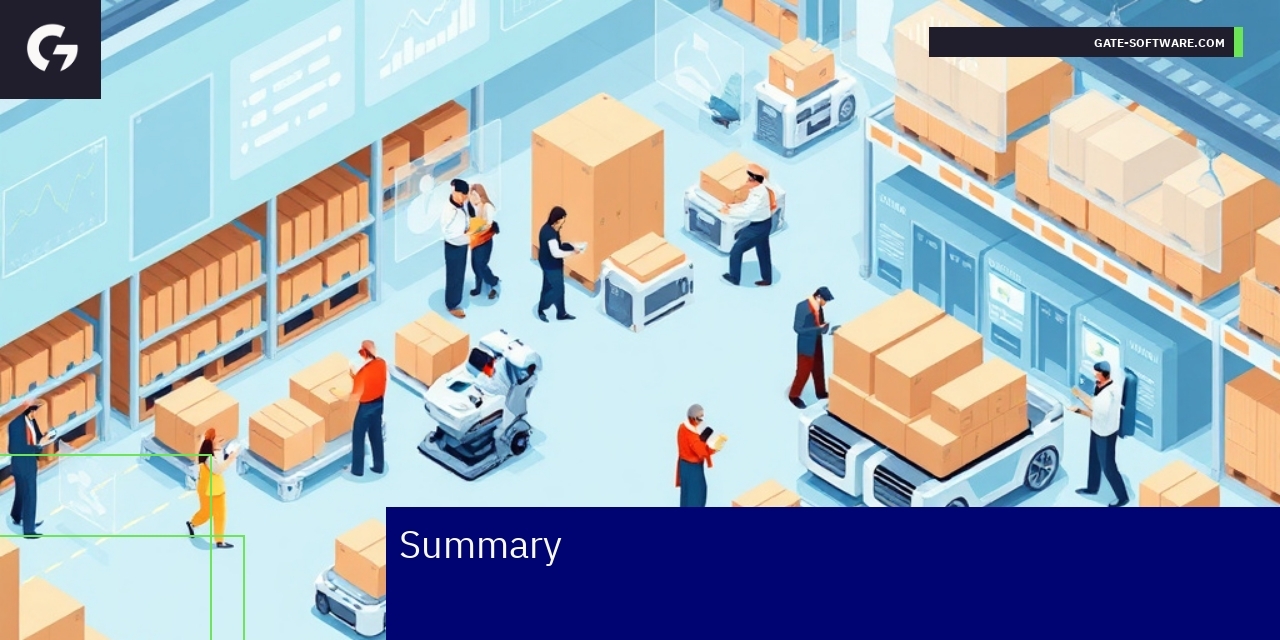
In conclusion, the automation of warehouse processes in Magento 2 presents a transformative opportunity for businesses aiming to enhance efficiency, reduce operational costs, and improve customer satisfaction. By seamlessly integrating with Warehouse Management Systems (WMS) and leveraging advanced technologies, organizations can streamline their inventory management and order fulfillment processes. This leads to significant time savings and minimizes errors that can disrupt logistics operations. However, it is essential to approach this transition with careful planning to address potential complexities in system integration and ensure proper user adaptation. Gate-Software’s expertise in Magento UiR automation provides a robust framework for navigating these challenges, delivering tailored solutions that meet both current operational demands and future growth aspirations. Embracing these innovations positions businesses at the forefront of e-commerce, allowing them to maintain a competitive edge in a rapidly evolving marketplace. We invite you to explore how our services can support your automation journey, fostering collaboration to achieve your business goals.

FAQ
How does warehouse automation improve order fulfillment in Magento 2?
Warehouse automation streamlines inventory management and order processing by reducing manual intervention and minimizing errors. It enables real-time inventory updates and efficient workflows, ensuring faster and more accurate order fulfillment, which enhances customer satisfaction.
What role does ERP integration play in warehouse automation?
ERP integration consolidates data across platforms, enhancing visibility and control over inventory and sales processes. This enables automatic data sync, improving operational efficiency and reducing the risks of stockouts and overstocks, ultimately supporting effective order handling.
Why is real-time data synchronization important in e-commerce logistics?
Real-time data synchronization is crucial for maintaining accurate stock levels and ensuring timely order processing. It allows businesses to respond quickly to market demands, reducing discrepancies and enhancing overall operational efficiency in e-commerce logistics.
What are the risks associated with implementing warehouse automation?
Risks include the complexity of integrating automation solutions with existing systems, potential staff resistance to change, and security vulnerabilities. Proper planning, monitoring, and adequate training can help mitigate these risks during the transition to automated workflows.
How can businesses ensure scalability while automating warehouse processes in Magento?
Businesses can ensure scalability by implementing automated workflows that handle increasing order volumes efficiently. This involves leveraging integrated systems like WMS, allowing for seamless stock synchronization and optimized logistics, which supports growth without sacrificing operational accuracy.
.
.
Zamów bezpłatną konsultację
.
Z nami rozwój Twojego biznesu nabierze tempa! Zapraszamy do kontaktu średnie i duże firmy generujące min. 7 mln PLN obrotu rocznie – tam nasza ekspertyza sprawdza się najlepiej.
.
Kliknij w poniższy przycisk i skontaktuj się z jednym z naszych konsultantów e-commerce
.