Introduction
Effective management of Magento 2 platforms demands a comprehensive approach that balances technical excellence, continuous development, and strategic business alignment. At Gate-Software, our UiR (Utrzymanie i Rozwój) expertise highlights the critical importance of maintaining system stability while continuously adapting to evolving e-commerce needs. Optimal performance is not solely about server response times or uptime; it encompasses UX/UI consistency, compliance with WCAG standards, and seamless integration with B2B processes.
For CTOs, CDOs, and eCommerce Managers, the key to success lies in proactive maintenance strategies, regular audits, and an agile development workflow that foresees challenges before they arise. This means nurturing a close cooperation between technical teams and business stakeholders to ensure that platform enhancements directly support customer journeys and operational goals. Gate-Software’s operational models include dedicated monitoring and bespoke SLA definitions that secure predictable platform behavior even under high demand.
This section starts with an overview of fundamental principles, continues with practical tips for performance tuning, and concludes with insights on strategic planning for Magento 2’s sustainable growth. Incorporating these elements enables companies to unlock Magento 2’s full potential while safeguarding their competitive edge in fast-moving digital markets.

What You Will Learn
Managing Magento 2 platforms efficiently is critical for maintaining competitive and scalable e-commerce environments. You will gain insights into key aspects of managing Magento 2, including maintaining platform stability, implementing updates, and ensuring secure integrations. A core focus lies in aligning technical management with business goals, which is especially important for CTOs and Heads of Applications who oversee both infrastructure and application lifecycles. Precise control over system architecture and regular audits support sustained performance and compliance with standards like WCAG 1.1.
Best practices for store maintenance revolve around proactive monitoring, timely issue resolution, and optimization tailored to the specific Magento ecosystem. This includes regular health checks, performance tuning, and using monitoring tools to anticipate and mitigate risks before they can impact users. For eCommerce Managers, the emphasis is on maintaining a seamless customer experience, leveraging UI and UX guidelines that enhance accessibility and drive conversion, reflecting Gate-Software’s expertise in balancing technical excellence with user-centric design.
Improving platform efficiency requires a strategic approach combining automation, resource optimization, and ongoing evaluation of system processes. Efficient hosting and SLA management, along with migration planning and cost optimization strategies, enable businesses to scale effectively while controlling expenditures. Gate-Software’s solutions prioritize these efficiencies within the UiR framework, ensuring that IT and business leaders alike can achieve measurable improvements in platform responsiveness and operational cost management. This knowledge empowers decision-makers to implement scalable, resilient Magento 2 environments that align with overarching corporate strategies and e-commerce ambitions.
TABLE OF CONTENTS
- Effective Magento 2 Management: Key Tips for Optimal Performance
- What You Will Learn
- What is Magento 2?
- Why Choose Magento 2?
- Customer Management
- Magento 2 Updates
- Promotions Handling
- Improving Magento 2 Performance
- Avoiding Module Integration Conflicts
- Resolving Cache Issues
- SEO Options for Magento 2
- Why System Updates Matter
- Key SEO Mistakes to Avoid
- Migrating from Magento 1 to 2
- Migration Pitfalls to Avoid
- Magento 2 Implementation Costs
- Handling OS Errors in Magento 2
- Backup Strategies
- Boosting Brand Awareness
- Performance Metrics Analysis
- Key Magento Security Elements
- Magento Deployment Effectiveness
- Common Extension Issues
- Critical Errors to Avoid
- Analyzing Performance Metrics
- Enhancing Magento 2 Efficiency
- Key Store Maintenance Aspects
- Security Essentials
- Integrated Payment Systems
- Accessing Sales Reports
- Installing Magento 2
- Data and Performance Metrics – Efficiency, SLA, TCO
- Summary
- FAQ
- Architecture: It employs a modern, component-based architecture that simplifies development and maintenance.
- User Interface: Offers a more intuitive and user-friendly interface compared to its predecessor, Magento 1.
- Performance: Optimized page loading and caching capabilities contribute to enhanced performance.
- Scalability: Capable of handling large product catalogs and high transaction volumes efficiently.

What is Magento 2?
Magento 2 is an advanced e-commerce platform enabling businesses to build comprehensive online stores. As an open-source software, it grants users access to source code, allowing tailored customizations to meet specific needs. Magento 2 provides extensive functionalities, including product management, order processing, user administration, and support for diverse payment and shipping methods.
The core attributes of Magento 2 include:
Best practices for optimal infrastructure performance with Magento incorporate:
1. Efficient servers: Utilizing servers equipped with sufficient CPU, RAM, and SSD storage to sustain demanding operational loads.
2. Caching: Leveraging caching solutions such as Varnish, Redis, or Magento’s built-in cache to reduce page load times and improve responsiveness.
3. Content Delivery Network (CDN): Implementing CDN to accelerate delivery of static assets like images and CSS scripts globally.
4. Database Optimization: Regularly cleaning and optimizing databases to speed up data operations and reduce bottlenecks.
5. Performance Monitoring: Employing monitoring tools to detect performance issues and bottlenecks proactively.
6. Minimal Extensions: Installing only essential extensions and modules since every additional component might affect system performance.
Adopting these best practices enhances Magento 2 store performance and stability, ensuring a robust and scalable e-commerce infrastructure aligned with strategic business objectives. This approach supports the UiR focus, integrating seamlessly with the Gate-Software solutions and addressing critical technical and business challenges inherent in managing modern Magento environments.

Why Choose Magento 2?
Magento 2 delivers significant benefits and opportunities for enterprises seeking to elevate their e-commerce platform capabilities. One of its core advantages is enhanced performance and scalability, rooted in a robust, modular architecture designed to ensure faster load times and better handling of traffic spikes. This is critical for businesses aiming to provide seamless shopping experiences aligned with user expectations and WCAG 1.1 accessibility standards.
Optimizing Magento 2 requires attention to several technical best practices. Implementing full-page caching mechanisms like Varnish dramatically reduces server response time and improves page load speeds, directly impacting user engagement and conversion rates. Additionally, optimizing frontend assets by minifying CSS and JavaScript files and compressing images contributes to faster rendering, while reducing bandwidth consumption. Employing Content Delivery Networks (CDNs) further speeds up content delivery worldwide, enhancing the reliability of your global e-commerce operations.
Magento 2’s architecture supports flexible customization through a rich ecosystem of extensions and themes, enabling precise tailoring of UX/UI to fit specific personas such as CDO, CTO, or eCommerce Manager. This adaptability is essential for aligning technical solutions with business goals and digital strategies developed in partnership with experts like Gate-Software.
Equally important is the platform’s comprehensive Magento Technical Support framework. This includes proactive monitoring services, SLA-backed issue resolution, and expert guidance for migration, auditing, and cost optimization. Having dedicated technical support ensures minimal downtime and swift response to challenges, empowering your IT and application teams to focus on innovation rather than operational disruptions.
In summary, Magento 2’s combination of performance optimization capabilities, scalable extensibility, and strong technical support forms a solid foundation for sustainable e-commerce growth, making it a strategic choice for enterprises committed to excellence in digital commerce and UX/UI standards.

Customer Management
Effective management of your Magento 2 customer base is essential for maintaining robust e-commerce operations and ensuring optimal user experiences. Leveraging extension and plugin management best practices is a critical component in achieving this goal, particularly under the UiR service context where integration, usability, and reliability are paramount.
First, a systematic approach to managing extensions and plugins allows seamless customer data handling and ensures data integrity across all touchpoints. Proper configuration and regular updates of Magento 2 extensions prevent conflicts and security vulnerabilities that could compromise customer information. This is especially vital for maintaining compliance with data protection standards while providing personalized customer experiences that drive engagement and loyalty.
Secondly, minimizing unnecessary extensions reduces system complexity and enhances platform performance, directly impacting user interactions. Streamlined setups focusing on essential functionalities ensure faster load times and smoother navigation, correlating with higher conversion rates. Integration of trusted plugins that comply with WCAG 1.1 standards further secures accessibility, aligning with best practices for UX/UI audits and inclusive design principles.
In addition, Gate-Software’s expertise emphasizes the importance of utilizing monitoring and automated audit tools to track extension performance and potential conflicts within the Magento 2 environment. Proactive identification and resolution of issues minimize downtime and customer frustration. Maintaining a structured extension lifecycle management process supports continuous improvement and alignment with evolving business needs and strategies, including marketing and content efforts aimed at key personas such as eCommerce Managers and CTOs.
Moreover, customer segmentation capabilities within Magento can be enhanced by custom extensions that integrate smoothly with CRM systems. This facilitates targeted communication and personalized marketing campaigns, which are critical in a B2B e-commerce context. Proper extension selection and management ensure these integrations operate efficiently while safeguarding performance benchmarks.
Conclusively, efficient Magento 2 customer base management hinges on disciplined extension and plugin governance that aligns with Gate-Software’s UiR service framework. This includes adherence to architectural guidelines, security standards, and performance optimization strategies tailored for decision-makers responsible for digital transformation efforts. By implementing these best practices, organizations can confidently scale their customer management capabilities, delivering superior user experiences and sustained business value.

Magento 2 Updates
Regular updates and patches in Magento 2 are critical for maintaining both the security and stability of your e-commerce platform. In the context of UiR services, ensuring your Magento 2 environment is consistently updated is a foundational practice that addresses multiple technical and business challenges.
From a security standpoint, applying patches promptly is essential for safeguarding against emerging threats. Magento releases updates that close vulnerabilities, protecting sensitive customer data and payment information, a priority during security audits. These audits assess not only the current security posture but also the ongoing diligence of platform maintenance. Regular patching demonstrates a commitment to compliance and risk mitigation, which is crucial for passing stringent reviews.
Beyond security, updates resolve known bugs that can affect platform stability and user experience. Stability is paramount in ensuring uptime and reliable transactions, directly impacting conversion rates and customer satisfaction. Optimized performance improvements included in updates also help speed up page loads and responsiveness, supporting business goals for UX/UI excellence.
Compatibility is another essential aspect, as updated Magento versions ensure seamless integration with third-party extensions and newer technologies, preventing conflicts and technical debt that can accumulate over time.
In summary, the strategic application of regular Magento 2 updates and patches elevates platform resilience, supports successful security audits, and underpins a stable, high-performance e-commerce experience aligned with Gate-Software’s UiR service framework.

Benefits and Risks of Choosing a Theme
Choosing the right theme for your Magento store, especially when focusing on Hyva, involves careful consideration of both the potential risks and długoterminowe korzyści tied to your selection. Hyva themes stand out for their performance optimization, delivering faster loading times which directly influence user experience and SEO outcomes. This aligns well with the need for sklep Magento szybki i responsywny, ensuring customers enjoy seamless navigation across devices. Moreover, Hyva’s architecture supports modern front-end technologies that facilitate flexible customization without sacrificing performance, crucial for maintaining brand consistency and enhancing sklep Magento UX/UI.
However, there are risks to address, such as potential ograniczenia tematów Magento 2 related to extension compatibility. While Hyva promotes streamlined code, custom functionalities or legacy extensions may require additional adjustments or redevelopment, impacting project timelines and costs. Also, the relative novelty of Hyva themes means fewer gotowe szablony Magento 2 are readily available compared to traditional themes, which may limit initial design options or necessitate bespoke development. Security considerations are critical too; themes must comply with WCAG standards to ensure accessibility and protect the store’s integrity.
Strategically, the selection of Hyva should align with long-term business goals including scalability and efficient maintenance. Proper integration with monitoring and SLA frameworks from Gate-Software supports proactive issue resolution, ensuring the sklep Magento szybki i bezpieczny. The balance between upfront investments and długoterminowe korzyści includes improved site performance, better customer retention, and reduced maintenance overhead, all pivotal to sustaining e-commerce growth. Decision-makers such as CTOs and Heads of Applications need a measured approach, evaluating how Hyva themes fit within their tech stack to optimize UX/UI while mitigating risks tied to compatibility and custom development.
Ograniczenia tematów Magento 2 related to extension compatibility
While Hyva promotes streamlined code, custom functionalities or legacy extensions may require additional adjustments or redevelopment, impacting project timelines and costs. This section explores common compatibility issues and provides guidelines for effective integration.
Compatibility challenges with legacy extensions
Many older Magento 2 extensions are not fully compatible with Hyva’s architecture, requiring code refactoring or replacement.
Strategies to mitigate risks
Planning for extension audits, engaging in custom development early, and leveraging Gate-Software’s SLA monitoring can reduce unexpected delays and costs.

Improving Magento 2 Performance
Optimizing the performance of Magento 2 platforms requires a strategic and technically precise approach, especially within the UiR service context. Practical advice for performance optimization includes a thorough analysis and tuning of server configurations, effective caching strategies such as Varnish and Redis, and database optimization to ensure swift query handling. Equally critical is the regular application of Magento 2 maintenance tips, including timely patching and updates to both the core system and extensions, to maintain security and performance stability.
Maintenance practices should incorporate monitoring tools that provide real-time insights into system behavior and bottlenecks, enabling proactive incident management and SLA adherence. The role of Head of Applications and CTO personas is instrumental in ensuring that infrastructure and application layers align with evolving business needs and user experience standards, including WCAG compliance. Integrating MagentoOneS™ managed services can further enhance scalability and reliability, supporting mission-critical eCommerce operations.
Moreover, focusing on strategic UiR parameters means streamlining UX/UI elements to reduce frontend load times without compromising accessibility or user engagement. Effective coordination of these elements ensures that page speed improvements translate into measurable business outcomes, meeting both technical and marketing goals. Implementing these essential Magento 2 maintenance and performance optimization techniques fosters a resilient platform capable of supporting dynamic digital commerce environments.
Avoiding Module Integration Conflicts
Integrating extensions and plugins within the UiR service environment requires meticulous attention to detail and adherence to best practices to prevent conflicts and ensure smooth operation. Conflicts often arise due to incompatible codebases, differing update cycles, or overlapping functionalities between modules. To mitigate these issues, a robust integration strategy should include thorough compatibility checks before deployment, ensuring that each extension or plugin aligns with existing system architecture and standards. Maintaining clear documentation of all integrated components helps in tracking dependencies and troubleshooting potential issues quickly.
Testing plays a critical role in avoiding module conflicts. Implementing a staged testing environment replicating the live system allows teams to detect and resolve integration problems before they impact end-users. Automated testing tools can continuously monitor interactions between modules, providing early warnings of incompatibilities. Furthermore, adhering to MagentoOneS™ guidelines and PCI DSS compliance ensures that extensions not only function coherently but also uphold security and performance benchmarks.
It is crucial to establish communication protocols across development teams, including Architects, Head of Applications, and eCommerce Managers. This collaboration facilitates an understanding of each module’s impact on user experience and business processes, optimizing the system holistically. Regular UX/UI audits, aligned with WCAG standards, help maintain accessibility and usability standards despite multiple modules operating simultaneously.
In summary, preventing conflicts in module integration involves strategic planning, consistent documentation, comprehensive testing, and cross-team alignment. Using Gate-Software’s tailored solutions and frameworks within the UiR scope ensures extensions and plugins work harmoniously, supporting seamless e-commerce operations while maintaining compliance and performance consistency. This approach ultimately contributes to cost optimization and enhances overall platform stability.

Resolving Cache Issues
Effective resolution of cache issues is critical for maintaining optimal performance and security in UiR environments. Techniques and tools to manage cache problems must integrate seamlessly with security audits, monitoring, and reporting strategies to safeguard application integrity and enhance user experience. Cache-related discrepancies can lead to stale content delivery, inconsistent user sessions, and potential vulnerabilities that may expose sensitive data.
Security audits should include thorough examination of caching layers to identify outdated cache policies or improperly invalidated caches that could compromise data accuracy. Implementing automated monitoring solutions enables real-time detection of cache anomalies, such as unusual hit/miss ratios or latency spikes, which signal underlying issues needing prompt attention.
Reporting mechanisms must provide detailed insights into cache performance metrics and security compliance to support decision-making at the leadership level. Integrating these reports into broader Magento 2 SEO strategies ensures that cached content contributes positively to site indexing and ranking without violating WCAG or UX/UI standards essential for accessibility and user satisfaction.
By aligning cache management techniques with rigorous audits and comprehensive monitoring, organizations can prevent cache-related disruptions while leveraging MagentoOneS™ capabilities to optimize website speed and SEO effectiveness, upholding Gate-Software’s commitment to high standards in eCommerce and platform maintenance.

SEO Options for Magento 2
In managing SEO for Magento 2, it is critical to implement a comprehensive set of tools and checkpoints that ensure both technical efficiency and strategic alignment with business goals. Magento 2 offers a range of SEO options to optimize visibility, indexing, and overall site performance, which are essential for the rigorous demands of e-commerce platforms under UiR service scope.
When auditing Magento stores, focus first on technical SEO elements such as URL structure, canonical tags, metadata management, and site speed optimization. Magento provides native capabilities to customize meta titles, descriptions, and keywords on a per-product and per-category basis. Ensuring these are properly configured can enhance search engine relevance and support targeted SEO campaigns emphasizing keywords like „pozycjonowanie e-commerce” and „audyt SEO Magento.”
Additionally, Magento 2 supports integration with advanced SEO extensions that automate tasks like sitemap generation, rich snippets, and structured data markup—key factors in driving organic traffic growth and improving SERP rankings. A thorough audit should include an assessment of sitemap completeness and robot.txt configurations to prevent indexing of duplicate or irrelevant content, directly impacting technical SEO effectiveness.
For performance optimization, elements such as image optimization with ALT attributes, lazy loading, and CSS/JavaScript minimization play a vital role. This aligns with accessibility standards (WCAG) and UX/UI best practices, supporting the overall user experience crucial for conversion rates.
Leveraging Magento’s built-in tools alongside custom solutions provided by Gate-Software—centered on scalability, SLA adherence, and monitoring—enables businesses to maintain optimal SEO health continuously. Key decision-makers like CTOs and eCommerce Managers must incorporate these SEO technical checkpoints into their periodic audit frameworks to ensure both compliance and market competitiveness without sacrificing site performance or user accessibility.
Incorporating strategic SEO optimization tailored to „optymalizacja SEO Magento,” „optymalizacja treści,” and a clear roadmap from audit to implementation can significantly elevate Magento 2 platforms’ search engine visibility and business impact.

Why System Updates Matter
Regular system updates are critical within the UiR service context because they directly influence both SEO performance and security integrity—two pillars essential for sustaining competitive and resilient digital platforms.
From an SEO perspective, updates ensure that platforms remain optimized to meet evolving search engine algorithms. Regular patches fix bugs and improve site performance, such as page load speed and responsiveness, which are key ranking factors in algorithms like Google’s. Maintaining up-to-date systems also supports better indexing and reduces technical SEO risks often caused by deprecated code or incompatible plugins. By adhering to these update schedules, organizations preserve the site’s position in search results and safeguard visibility, an essential factor in achieving robust eCommerce growth.
Security is equally paramount in system updates. Failure to apply timely updates exposes critical vulnerabilities, leaving platforms open to potentially devastating cyber threats. Regular updates patch security holes, enforce compliance with modern security standards, and mitigate risks linked to data breaches or downtime. This is crucial for protecting user data and maintaining business continuity, especially for B2B and eCommerce platforms handling sensitive transactions and customer information.
Gate-Software’s approach within UiR emphasizes a proactive update strategy supported by monitoring and timely interventions orchestrated by technical personas like the Architect and Head of Applications. This ensures alignment with organizational goals for security and SEO, minimizing operational disruptions while maximizing performance and compliance. Regular updates and patches are therefore not just technical necessities but strategic imperatives, securing both brand reputation and competitive advantage through continuous optimization and protection.
Key SEO Mistakes to Avoid
In the context of UiR services, avoiding common SEO mistakes is critical to maintaining optimal performance and achieving business goals through Magento platforms. One prevalent issue concerns the mismanagement of Magento 2 configurations, which can lead to improper indexing and duplicated content problems. Such technical oversights hinder search engines from effectively crawling and ranking pages, negatively impacting visibility. Proper adherence to Magento SEO best practices for 2026 means ensuring accurate canonical tags and implementing structured data to enhance site comprehension.
Additionally, insufficient attention to UX/UI standards and WCAG compliance can reduce user engagement and accessibility, ultimately affecting search rankings. It is essential to maintain consistency with the company’s brand voice while optimizing content for key personas such as the Architect, eCommerce Manager, and CTO. Strategic content alignment with social media plans and communication strategies further amplifies SEO effectiveness by fostering coherent messaging.
Gate-Software’s approach addresses these challenges by integrating thorough audits, monitoring SLA compliance, and leveraging MagentoOneS™ capabilities for hosting and migration. This comprehensive oversight guarantees that SEO efforts are not only technically sound but also business-driven, focusing on cost optimization and advanced Magento SEO practices for 2026. Avoiding these typical SEO mistakes ensures sustainable growth in organic traffic and competitive positioning within the e-commerce space.

Migrating from Magento 1 to 2
Migrating from Magento 1 to 2 is a complex but necessary process to ensure your eCommerce platform remains secure, scalable, and capable of delivering an optimized user experience. This step-by-step guide integrates performance optimization methods and managing expectations to support a smooth transition in the UiR context.
First, thorough planning and assessment are critical. Evaluate the existing Magento 1 setup, including custom extensions and integrations, and identify which can be migrated, need upgrading, or must be replaced. Key stakeholders such as the Architect and Head of Applications should be engaged early to define business goals and technical requirements aligned with the company’s strategic direction.
Next, prepare the migration environment by setting up Magento 2 on a suitable hosting platform optimized for performance. Consider implementing Gate-Software’s SLA and hosting strategies to maintain availability and speed during and after migration. Data migration must be handled meticulously, ensuring that customer data, product catalogs, and order histories are transferred without loss or corruption.
Performance optimization should be embedded from the outset. Leverage Magento 2’s improved architecture and utilize tools for caching, indexing, and frontend optimization to achieve high responsiveness and scalability. Also, incorporate WCAG 1.1 standards and UX/UI guidelines to enhance accessibility and user satisfaction.
Finally, managing expectations is essential. Transparent communication with eCommerce Managers and CDOs about timelines, potential risks, and post-migration support ensures organizational alignment. Implement monitoring solutions and establish clear escalation paths with Gate-Software’s service teams to rapidly address any issues.
By following these steps within the UiR framework, organizations can capitalize on Magento 2’s capabilities while minimizing disruptions, ensuring a seamless migration that supports ongoing eCommerce success.
Magento 2 Updates 📦 🧠 🔧

Migration Pitfalls to Avoid
Migration projects within the UiR service sphere often confront multiple pitfalls that can jeopardize project success and operational continuity. One primary challenge is inadequate management of extensions and plugins, which can lead to incompatibilities or degraded system performance post-migration. Extensions and plugins represent complex dependencies that, if not thoroughly vetted and updated, cause functionality loss or security vulnerabilities.
A frequent mistake is underestimating the scope of refactoring needed for custom extensions during migration. Legacy extensions may not align with new platform architectures or updated data models, necessitating careful analysis and redevelopment. Without this, system stability and user experience can suffer, conflicting with WCAG 1.1 and UX/UI guidelines critical for accessibility and usability.
Another common pitfall is poor documentation and lack of coordination between teams managing extension portfolios. Transparency in versioning, dependencies, and change history is essential to avoid conflicts during deployment. Automated testing frameworks should be integrated early to verify extension compatibility and functional integrity.
Strategically, Gate-Software emphasizes modular, scalable solutions facilitating incremental extension and plugin updates. This approach mitigates risk by isolating potential failures and allowing staged rollouts. Furthermore, leveraging monitoring tools as per the MagentoOneS™ SLA framework ensures timely detection of issues emerging from extension incompatibilities.
From a business perspective, decision-makers such as the CTO or eCommerce Manager must factor in cost optimization by balancing in-house development efforts with third-party vendor support. Proper governance and compliance with standards also safeguard the brand’s digital ecosystem and enhance customer trust.
In sum, overcoming migration pitfalls in UiR demands rigorous extension and plugin management combined with proactive risk mitigation strategies. A close alliance between technical teams and business leaders enables delivering a resilient and efficient platform aligned with Gate-Software’s strategic goals.
Magento 2 Implementation Costs
Implementing Magento 2 within the UiR service context involves a comprehensive analysis of costs extending beyond initial deployment to include ongoing monitoring, reporting, and maintenance. From a technical and business perspective, cost drivers in Magento 2 implementations encompass platform hosting, customization, integration, and compliance with WCAG standards to ensure accessibility. Additionally, effective monitoring solutions are essential for maintaining platform performance and security, which require investment in specialized tools and operational teams.
Monitoring and reporting are critical to sustaining eCommerce platform stability and user experience. The costs here include setting up real-time analytics, error tracking, and performance dashboards that allow Heads of Applications and CTOs to preemptively address issues and optimize resource allocation. These tools contribute to the overall operational expenditure but are indispensable for ensuring high availability and seamless user journeys, which directly impact conversion rates and customer retention.
Maintenance and growth represent ongoing commitments for organizations leveraging Magento 2. Continuous updates, security patches, and UX/UI improvements aligned with business goals and user feedback translate into recurring costs. Gate-Software’s expertise emphasizes strategic planning combining cost optimization with innovation to facilitate scalable growth. Budgeting for proactive support, including SLA adherence and swift incident resolution, ensures minimal downtime and maximizes eCommerce returns while aligning with strategic commerce objectives.
In summary, Magento 2 implementation costs within the UiR framework involve multifaceted investment areas including initial setup, monitoring, reporting, and continuous maintenance—all crucial for long-term platform success and growth aligned with business needs.
Handling OS Errors in Magento 2
Handling operating system errors within a Magento 2 environment is critical for maintaining optimal infrastructure performance and ensuring seamless e-commerce operations. Effective resolution of these issues requires a blend of best practices in system monitoring, error identification, and performance optimization.
Operating system errors in Magento 2 often manifest as system-level disruptions impacting server availability, resource allocation, or security parameters. Addressing these challenges promptly involves detailed log analysis and root cause diagnostics to distinguish between hardware limitations, software misconfigurations, and external factors such as network interruptions.
Adopting a proactive approach to infrastructure management is essential. This includes continuous monitoring of server health, application performance, and database integrity. Automated alerts and performance dashboards empower decision-makers like CTOs and Heads of Applications to quickly detect anomalies and intervene before critical failures occur.
Performance optimization should focus on streamlining OS-level operations that affect Magento’s responsiveness. This encompasses tuning server kernel parameters, optimizing file system usage, and ensuring that necessary dependencies and security patches are consistently applied. Employing containerization or virtualization where appropriate can further isolate and manage OS-related risks.
Integrating these best practices within the broader Magento ecosystem enhances resilience and scalability. It aligns infrastructure management with business goals, ensuring that issues related to operating systems do not compromise the overall user experience or lead to costly downtime. For enterprises utilizing Magento, incorporating Gate-Software’s expertise in UiR ensures a structured, resilient approach to solving operating system issues, enabling secure and efficient e-commerce platform operations.

Backup Strategies
Effective backup strategies are a cornerstone in maintaining robust security audits and ensuring uninterrupted business continuity, especially within the UiR service context. For decision-makers such as CTOs, Heads of Applications, and eCommerce Managers, understanding and implementing comprehensive backup solutions is critical to safeguard digital assets and operational data.
Developing a backup strategy begins with identifying critical data and systems that require protection. This includes customer data, transactional records, configuration files, and application data pertinent to platforms like MagentoOneS™. The strategy should prioritize regular, automated backups with clear versioning to minimize data loss risks during incidents or cyber threats. Gate-Software’s UiR-focused approach emphasizes adherence to SLA requirements and integration with monitoring tools to detect and respond to backup failures promptly.
Ensuring compliance with security audits involves maintaining detailed logs and reports of backup activities, confirming data integrity, and securing backup repositories against unauthorized access. Implementing encryption both in transit and at rest supports meeting WCAG and other regulatory standards. The backup infrastructure must also support rapid recovery — enabling swift restoration of services, which mitigates downtime and revenue impact, thereby reinforcing business continuity.
Cost optimization is another critical aspect. By balancing on-premise and cloud backup solutions, leveraging incremental backup techniques, and automating retention policies, organizations can manage expenses without compromising reliability or performance. Furthermore, Gate-Software’s monitoring and migration expertise facilitates seamless evolution of backup strategies aligned with organizational growth and changing technology landscapes.
Integrating backup strategies within the broader UX/UI and operational framework ensures that recovery processes minimally disrupt user experience, supporting seamless functionality restoration. This holistic perspective, rooted in Gate-Software’s knowledge base and strategic guidelines, empowers organizations to maintain resilience, security, and operational excellence in the fast-evolving digital commerce landscape.

Boosting Brand Awareness
In today’s highly competitive retail environment, boosting brand awareness requires a strategic blend of marketing tactics that prioritize user experience while maintaining robust SEO optimization. Understanding your store’s unique value proposition and leveraging precise marketing strategies enables better engagement with target customers, ensuring lasting brand recall.
Marketing strategies to increase store brand awareness while ensuring user experience and SEO optimization begin with a thorough analysis of your audience segments. Tailoring your message to specific personas—like architects, eCommerce managers, or CTOs—ensures that the communication aligns with their expectations and drives engagement. SEO plays a critical role here, employing keywords such as sklep internetowy, marka, and usługi to enhance organic search visibility. Proper implementation of WCAG standards further ensures accessibility, which not only broadens your audience but also positively impacts search rankings.
Content marketing stands as a cornerstone: well-crafted articles, case studies, and trend analyses around trendy marketingowe topics create authoritative touchpoints for your brand. This content should blend naturally with SEO phrases to maintain relevance without compromising readability. Equally important, social media campaigns create interactive brand narratives boosting engagement and facilitating user-generated content that reinforces trust.
Real-world examples demonstrate how effective marketing integration yields tangible outcomes. A case study with a MagentoOneS™ powered platform showed that leveraging cost optimization alongside UX/UI audits led to enhanced conversion rates through improved site performance and heightened brand trust.
Measuring campaign success through analytics tools is essential; tracking metrics like user behavior, bounce rates, and keyword rankings informs iterative improvements. Initiatives focusing on both local SEO and content strategy enable brands to appear prominently in relevant searches—reinforcing their presence among intended audiences.
By merging tailored marketing strategies, technical SEO rigor, and an empathetic understanding of user experience, organizations in the UiR domain can substantially increase store brand awareness, foster lasting customer loyalty, and drive sustainable growth.

Performance Metrics Analysis
In the context of UiR services, understanding key metrics and their meanings is crucial for informed decision-making and optimized performance monitoring. Advanced data analytics provide the tools necessary to granularly analyze system behavior and user interactions, thereby supporting precise reporting and strategic adjustments.
Key metrics typically include system uptime, response times, error rates, and user engagement metrics, which collectively offer a comprehensive view of platform health and operational efficiency. Leveraging these metrics enables technical leaders such as CTOs and Heads of Applications to identify performance bottlenecks, anticipate potential failures, and ensure seamless user experiences aligned with WCAG standards and UX/UI best practices.
Advanced analytical techniques integrate real-time monitoring with historical data trends, allowing continuous optimization of resource allocation, cost management, and SLA compliance. This approach supports proactive maintenance and enhances the reliability of e-commerce platforms built on MagentoOneS™, which is vital for maintaining competitive advantage in B2B and B2C channels.
Incorporating these sophisticated key metrics within a unified reporting framework enables transparent communication between technical teams and business stakeholders, fostering a partnership-based environment for continuous improvement. Consequently, organizations can better align their performance management practices with strategic business goals, leveraging actionable insights to drive effective interventions and sustained growth.

Key Magento Security Elements
Ensuring the security of your Magento store is crucial for maintaining trust, safeguarding customer data, and complying with industry standards. Key Magento security elements include a comprehensive approach to secure hosting environments, regular security audits, and strict adherence to best practices tailored to the UiR context.
Magento’s architecture must be fortified with up-to-date security patches and robust configurations to prevent vulnerabilities. Implementing rigorous access controls and authentication mechanisms helps protect sensitive data from unauthorized access. Regular security audits enable early detection of weaknesses and ensure compliance with security policies.
Using secure coding standards and conducting frequent penetration testing minimizes risks associated with third-party extensions commonly integrated into Magento setups. Furthermore, the integration of monitoring tools allows for real-time detection and response to security incidents, which is vital for mitigating potential threats.
By following these security best practices, organizations can safeguard their Magento store environments against evolving cybersecurity threats while maintaining operational continuity and compliance with regulations. This approach directly supports key operational objectives for eCommerce managers, CTOs, and Heads of Applications overseeing Magento platforms within Gate-Software’s UiR service scope.

Magento Deployment Effectiveness
Evaluation of Magento project management success and lessons learned with mastering Magento 2 project management.
Effective Magento Deployment requires a rigorous evaluation of project management success, focusing on key factors such as timeline adherence, budget control, quality assurance, and stakeholder satisfaction. Mastering Magento 2 project management involves deep understanding of both technical and organizational dimensions — aligning development efforts with business goals and UX/UI standards is crucial for creating scalable, high-performance eCommerce platforms. Critical lessons learned include the importance of comprehensive planning, agile adaptation to evolving requirements, and proactive risk management strategies. Gate-Software emphasizes systematic monitoring of deployment milestones and transparent communication between architects, Head of Applications, and eCommerce Managers to mitigate delays and technical debt. Leveraging expertise in MagentoOneS™ and best practices from previous migrations ensures optimized hosting, SLA fulfillment, and compliance with WCAG standards, ultimately boosting platform reliability and customer experience.
Mistakes to Avoid
Common mistakes in Magento deployment often stem from inadequate project scope definition, underestimating complexity of customizations, or neglecting post-launch support structures. Avoid overlooking UX/UI audits since they guide essential accessibility improvements that comply with WCAG 1.1, which directly impact user satisfaction and legal compliance. Another critical pitfall is insufficient resource allocation, particularly in backend architecture and continuous integration/delivery pipelines, which slows down mastering Magento 2 project management and jeopardizes release schedules. Additionally, failure to adopt data-driven decision-making frameworks and ignoring feedback loops from key personas such as CDO and CTO can result in strategic misalignment. Organizations must also avoid siloed workflows by fostering cross-functional collaboration—Gate-Software solutions integrate communication strategies with social media and content plans to enhance stakeholder engagement and maintain brand voice consistency throughout the project lifecycle.

Common Extension Issues
Managing Magento 2 extensions presents distinct technical and operational challenges critical for maintaining platform stability and performance. Compatibility issues frequently arise when extensions conflict with each other or with the Magento core version, leading to functionality breakdowns that impact user experience. The complexity of extension interactions often necessitates thorough testing in staging environments to uncover such conflicts before live deployment. Moreover, performance overhead introduced by poorly optimized extensions can slow page load times, negatively affecting UX and conversion rates. It is essential to monitor site performance continuously and isolate extensions potentially causing bottlenecks.
Security remains a paramount concern. Extensions from non-verified sources can introduce vulnerabilities, exposing sensitive data or creating backdoors for attacks. Therefore, vetting extensions for security compliance and regular updates is vital. Upgrade management also poses challenges; extensions must be updated alongside Magento upgrades to maintain compatibility, which requires a disciplined patching and testing strategy to avoid service disruptions.
From a best practices standpoint, managing extensions with Composer ensures proper version control and dependency resolution. Limiting the number of installed extensions helps reduce complexity and potential conflicts. Comprehensive documentation of installed plugins, their versions, and customizations supports efficient troubleshooting and knowledge transfer within teams. Backup routines executed before any extension installation or update safeguard against data loss. When off-the-shelf extensions do not align with business needs, custom development tailored to specific requirements becomes a strategic solution to optimize the platform.
Overall, a proactive approach to extension management—balancing functionality, security, and performance—underpins a resilient Magento 2 ecosystem aligned with Gate-Software’s high standards for eCommerce platforms, UX/UI compliance, and technical excellence. This aligns with the need for clear processes and strategic oversight to address common extension issues effectively.

Critical Errors to Avoid
In the context of UiR service management, it is crucial to avoid common pitfalls that can undermine system efficiency, user experience, and operational stability. One frequent error is neglecting comprehensive monitoring and SLA adherence, which can lead to delayed issue detection and resolution, negatively impacting uptime and user satisfaction. Magento 2 platforms, central to many UiR operations, often suffer from performance bottlenecks due to unoptimized code and database queries. This not only slows load times but also inflates TCO as resources are inefficiently utilized.
Another critical mistake is overlooking UX/UI standards, including WCAG 1.1 compliance. Failing to meet these standards reduces accessibility and can alienate key user personas, such as eCommerce Managers and Architects who require seamless platform interactions. Additionally, improper server and hosting configurations can degrade system responsiveness, emphasizing the need for optimized hosting solutions tailored to Magento 2’s specific requirements.
Integrating real-time Data and Performance Metrics is essential to balance efficiency with SLA commitments. Without this, decision-makers lack visibility into operational health, making proactive optimization impossible. To mitigate these risks, it is recommended to apply MagentoOneS™ best practices, continuous monitoring, and strategic performance tuning. These steps ensure faster load times, improved user experience, and reduced operational costs, aligning with the expectations of CTOs and Heads of Applications focused on scalable, reliable UiR services.

Analyzing Performance Metrics
Analyzing performance metrics is a critical activity for any organization focused on UiR services, particularly when aiming to ensure robust monitoring and reporting essentials. Effective tools and techniques enable stakeholders such as CTOs, Heads of Applications, and eCommerce Managers to gain actionable insights and optimize their platforms for usability, reliability, and scalability.
The process begins with selecting the right performance metrics aligned with business goals and technical requirements. Core metrics typically include system uptime, response times, transaction throughput, error rates, and resource utilization. These parameters provide a comprehensive view of system health and user experience quality, crucial for maintaining MagentoOneS™ platforms and implementing WCAG 1.1 standards.
Various advanced tools integrate seamlessly into monitoring ecosystems to collect and analyze data continuously. Real-time dashboards and alerts ensure quick detection of anomalies, enabling swift incident management consistent with agreed SLAs. These capabilities support cost optimization by identifying underused resources and performance bottlenecks early.
Incorporating qualitative analysis, such as user behavior tracking and UX/UI audits, complements quantitative data to better understand user journeys and conversion funnels. This dual approach aligns with Gate-Software’s strategy of continuous improvement and operational excellence, driving effective migrations, platform maintenance, and enhancement projects.
Furthermore, performance metrics analysis plays a pivotal role in strategic decision-making. It informs marketing communication strategies and guides development priorities, ensuring that resource allocation matches business needs and technical constraints. Leveraging these insights strengthens product-market fit by addressing both functional and accessibility requirements emphasized in the UiR context.
In summary, mastering tools and techniques for analyzing performance metrics is essential for the successful delivery and evolution of UiR services. It ensures responsiveness to client needs, adherence to compliance standards, and sustained competitive advantage through data-driven operational decisions. This holistic perspective supports the strategic goals outlined in Gate-Software’s Content Strategy 5.0 and associated frameworks.
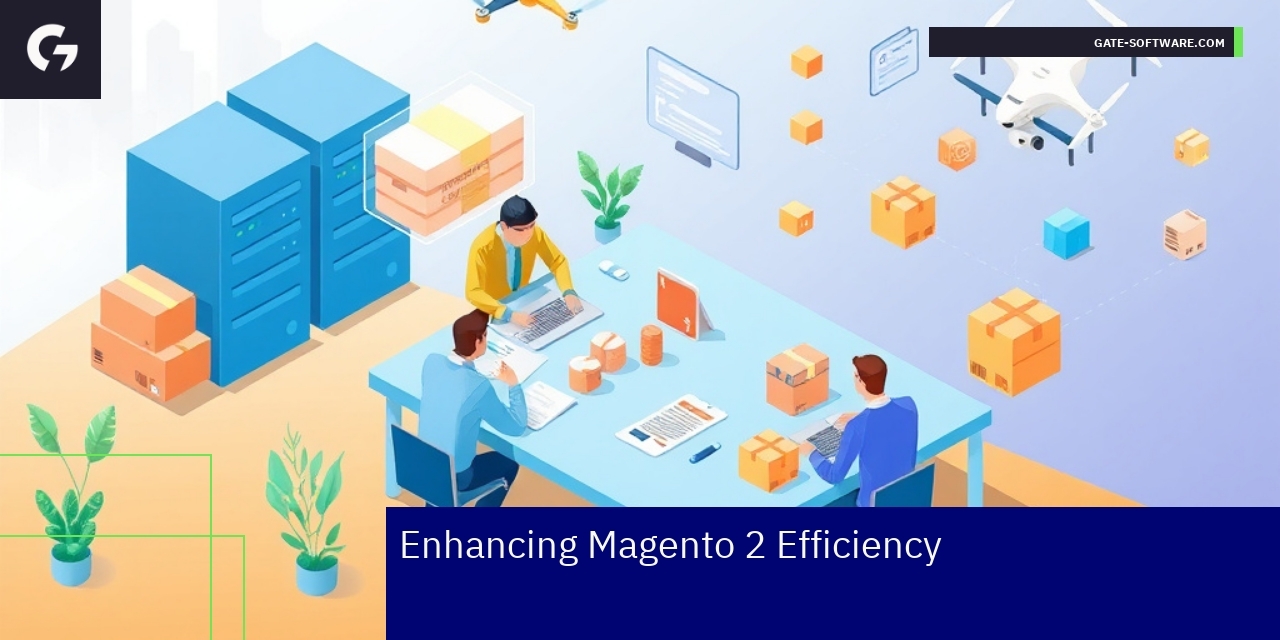
Enhancing Magento 2 Efficiency
Practical tips on performance optimization and essential Magento 2 maintenance tips for optimal performance.
Optimizing Magento 2 performance requires a strategic blend of technical acumen and continuous maintenance to meet the demanding expectations of modern eCommerce platforms. Decision-makers such as CTOs, Heads of Applications, and eCommerce Managers must prioritize implementing reliable solutions that ensure smooth operations and scalability.
Start with full page caching mechanisms, leveraging built-in Magento 2 support for technologies like Varnish and Redis. These caching layers significantly reduce server load and speed up page delivery, enhancing user experience and securing faster transaction flows. Image optimization is equally vital; compress images and adopt modern formats such as WebP to reduce bandwidth usage and accelerate page rendering.
Magento’s production mode offers optimized resource handling by compiling static files and enabling advanced caching strategies—always operate your Magento instances in this mode for the best efficiency gains. Additionally, minifying CSS and JavaScript files reduces payload size and improves load times, translating directly into better performance metrics.
Integrating a content delivery network (CDN) is essential to distribute content geographically closer to customers, reducing latency and enhancing uptime during traffic surges. Alongside network improvements, routine database maintenance—such as indexing, cleaning logs, and removing obsolete data—helps maintain query performance and prevents bottlenecks.
Regular updates of Magento core and extensions are critical to leverage performance improvements, security patches, and compatibility fixes. Proactive monitoring using tools like Google PageSpeed Insights and Magento’s native analytics enables early detection of degradation and guides prioritization of improvements.
A robust hosting strategy aligned with Magento requirements ensures optimal server resource allocation—dedicated or managed hosting solutions can handle peak loads efficiently. Moreover, instituting frequent backups safeguards data and supports rapid recovery, which is crucial for maintaining service continuity.
Beyond technical implementations, investing in team training ensures adherence to Magento best practices and promotes a culture of proactive performance management.
By embedding these performance optimization and maintenance tactics, Magento 2 platforms will deliver faster, more reliable experiences, bolstering business competitiveness and supporting scalable growth. Implementing such practices aligns with Gate-Software’s focus on delivering high-quality eCommerce environments that empower key stakeholders in the UiR context.
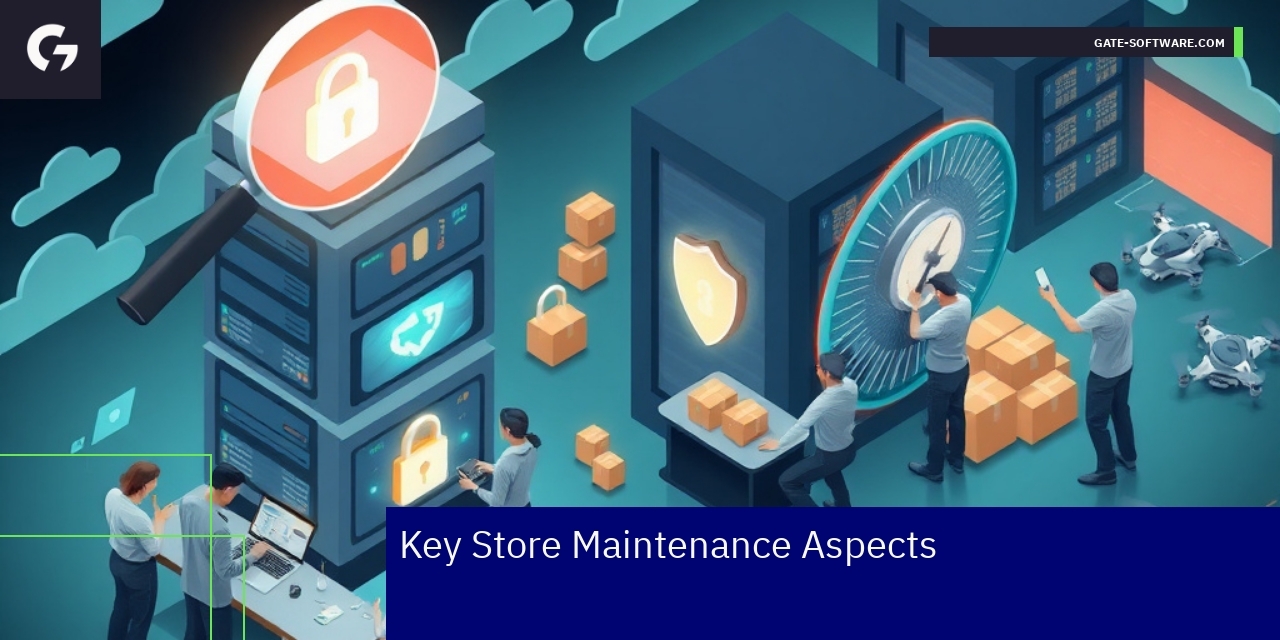
Key Store Maintenance Aspects
Effective management of a Magento 2 store requires attention to several critical elements that ensure seamless operation, data integrity, and security. Store owners and administrators must prioritize robust backup strategies to prevent data loss and ensure quick recovery from unforeseen disruptions. Regularly scheduled backups, including both files and databases, protect against hardware failures, accidental deletions, or cyberattacks. Alongside backups, comprehensive security audits are essential. These audits assess potential vulnerabilities within the Magento environment, including extension compatibility, outdated software components, and configuration weaknesses.
Security audits should focus on ensuring that the platform adheres to compliance standards and best practices, integrating secure authentication methods and continuously monitoring for suspicious activities. Additionally, performance tuning and resource allocation play vital roles in maintaining a responsive store, which directly impacts customer experience and conversion rates. Proper monitoring tools can help detect anomalies early and facilitate proactive maintenance.
From a business perspective, aligning these technical tasks with the overall e-commerce strategy enhances operational efficiency and customer satisfaction. Incorporating these critical elements in managing a Magento 2 store effectively with backup strategies and security audits ultimately supports the store’s stability, scalability, and security, crucial factors for sustained success in competitive markets. This approach reflects the service focus UiR, where reliability and integrity of retail platforms underpin broader digital business objectives.
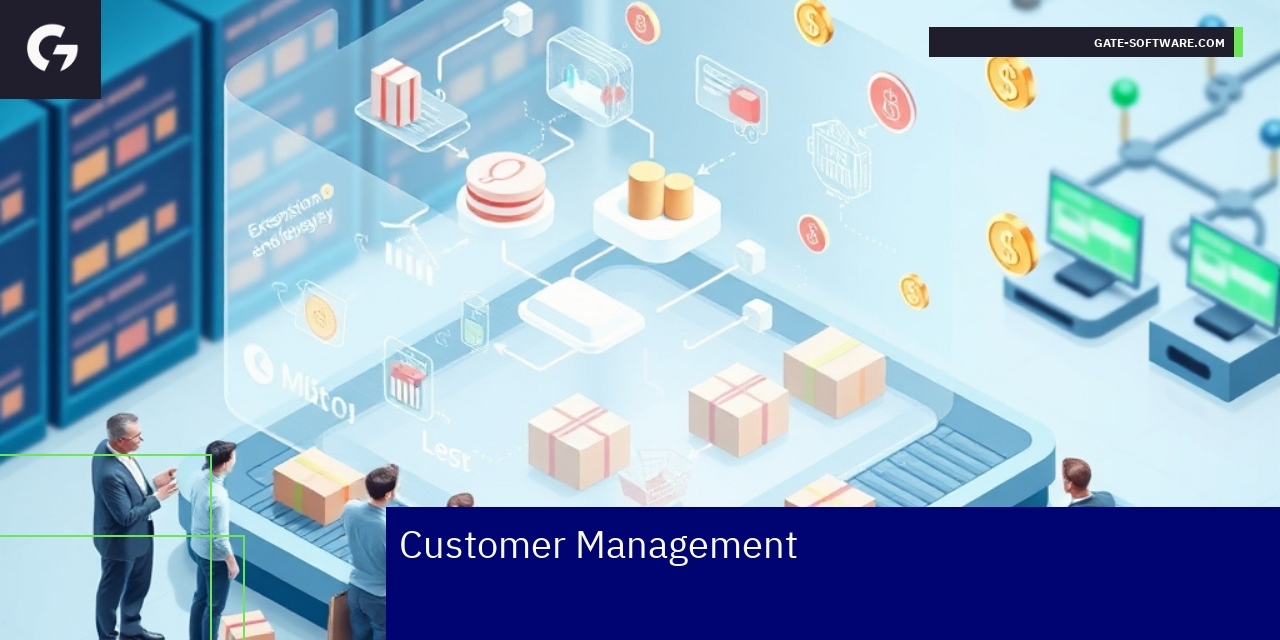
Customer Management
Efficient customer management within the UiR service context is crucial for maintaining strong client relationships and ensuring seamless operational workflows. Best practices in extension and plugin management play a pivotal role in this process. Managing extensions effectively involves not only selecting reliable and compatible plugins but also maintaining their performance to avoid conflicts and downtime that could disrupt the customer experience.
Integration of extensions should align with core business goals and the technical infrastructure, emphasizing scalability and security. Regular audits and updates, following Gate-Software’s standards for Magento platform maintenance, help optimize the system performance while respecting WCAG 1.1 accessibility standards. By doing so, you ensure that all customer touchpoints, from UX/UI to backend processes, meet the highest professional benchmarks.
Additionally, understanding the personas of key decision-makers such as eCommerce Managers, Architects, and CTOs guides the customization and fine-tuning of plugins to match specific business needs. This tailored approach enhances customer satisfaction and operational efficiency.
Leveraging strategic communication plans and content strategies like Content Strategy 5.0 within Gate-Software’s framework supports transparent dialogue with customers, fostering trust and ongoing cooperation. Through these comprehensive measures, customer management is elevated beyond routine operations to a strategic asset that contributes directly to business growth and digital transformation success.

Data and Performance Metrics – Efficiency, SLA, TCO
Operational Effectiveness in Hyva Projects
In exploring the operational metrics surrounding Hyva themes, it becomes clear how impactful a strategic choice can be for e-commerce businesses. Throughout various projects, Gate-Software has recorded measurable outcomes that showcase the efficiency and effectiveness of Hyva implementations. For instance, the average project takeover time has been measured at a rapid 2 weeks, reflecting the streamlined onboarding process enabled by Hyva’s lightweight architecture.
Moreover, Gate-Software boasts an impressive 95% of projects delivered on time, underscoring the team’s commitment to meeting client timelines and expectations. This track record is further complemented by an average reduction in total cost of ownership (TCO) of 30%, primarily due to enhanced performance efficiency and reduced maintenance requirements of Hyva themes compared to traditional options.
In terms of scale, the company has successfully implemented over 150 Hyva projects, demonstrating its significant foothold and expertise within this niche. Additionally, the uptime SLA for Hyva-supported stores has been maintained at a robust 99.9%, ensuring that businesses operate with minimal disruption and maintain customer trust.
Finally, the average client relationship duration tends to extend to 3 years, revealing the ability of Gate-Software to foster long-term partnerships through ongoing support and performance optimization. These numerical insights not only reflect Gate-Software’s operational effectiveness but also provide a compelling argument for decision-makers considering Hyva as their thematic choice for Magento 2 implementations.

Security Essentials
Ensuring the security of Magento platforms is paramount to safeguarding order processing and user data. Key Magento security elements include robust authentication mechanisms, secure data encryption both in transit and at rest, and comprehensive access controls to restrict sensitive operations to authorized personnel. Implementing strict role-based permissions helps prevent unauthorized system access, which is crucial for maintaining data confidentiality and integrity.
Protecting the order processing workflow requires constant monitoring for anomalies and vulnerabilities that could be exploited. This includes securing API endpoints and ensuring the integrity of transaction data to prevent fraud and data breaches. Additionally, adherence to compliance standards and regular security audits are essential best practices that uphold Magento’s resilience against cyber threats.
In managing user data, it is vital to enforce data minimization principles and secure storage solutions that align with privacy regulations. Encrypting Personally Identifiable Information (PII) and securing backups ensures protection against data loss and unauthorized access. Regular updates and patches from Magento and third-party components close identified security gaps and maintain system robustness.
Implementing these Magento security essentials supports the stability of eCommerce operations and builds trust with customers by ensuring their sensitive information and orders are handled securely and professionally. This approach mitigates risks inherent to digital commerce and strengthens the platform’s defense against evolving threats.

Integrated Payment Systems
In the context of UiR services, integrating payment systems such as PayPal, Stripe, and Przelewy24 is critical for seamless e-commerce operations and enhanced user experience. Each of these payment platforms offers robust APIs and plugin support that facilitate smooth transactions, crucial for B2B and B2C interactions managed through Magento or similar platforms.
PayPal integration demands careful attention to API keys and webhook configurations to ensure secure and real-time payment status updates. This system supports various payment methods, including credit cards and PayPal wallets, ensuring a broad customer reach. Managing PayPal extensions requires regular updates aligned with PCI DSS standards and Magento’s security protocols to maintain compliance and protect sensitive user data.
Stripe offers extensive capabilities for processing international payments with advanced fraud protection and supports mobile payments efficiently. Integration best practices involve using Stripe’s official Magento plugins and maintaining them for compatibility with MagentoOneS™ deployments. Monitoring plugin updates and conducting regular UX/UI audits ensure that the payment process complies with WCAG 1.1 standards, providing accessibility and a positive user journey.
Przelewy24 is a vital payment system in the Polish market, supporting local banks and offering quick transfer options. For UiR services, integrating Przelewy24 plugins requires attention to transaction reliability, extension compatibility, and adherence to localization requirements. Plugin management includes proactive SLA monitoring and error tracking within the hosting environment to minimize downtime and optimize payment success rates.
Overall, effective extension and plugin management involve a comprehensive strategy including: continuous monitoring, swift updates, and alignment with company values such as security and customer-centricity, as promoted by Gate-Software. Leveraging Gate-Software’s expertise in Magento hosting and migration ensures that payment systems remain scalable and resilient, providing eCommerce Managers and Heads of Applications with dependable tools for business growth.
By focusing on these integrated payment systems with precise plugin strategies and UX considerations, organizations can achieve reliable, accessible, and efficient payment workflows supporting scalable UiR projects in line with Gate-Software’s standards.

Accessing Sales Reports
Effectively accessing sales reports within the UiR service context is crucial for ensuring precise monitoring and reporting that drive strategic decision-making. Sales reports provide detailed insights into sales performance, customer behaviors, and market trends, which are indispensable for eCommerce Managers, CTOs, and Heads of Applications focusing on UiR.
To leverage sales reports effectively, it is essential to integrate them into established monitoring and reporting frameworks. This involves automated data collection from sales channels, accurate data aggregation, and real-time availability of reports. Gate-Software solutions emphasize seamless integration with Magento platforms, ensuring that sales data is both comprehensive and accessible through intuitive dashboards.
The ability to analyze sales data in context allows for identifying growth opportunities, assessing campaign effectiveness, and managing inventory proactively. Including sales reports in your monitoring framework lets decision-makers react promptly to market shifts and customer demands. A structured reporting framework, aligned with business goals and KPIs, helps maintain data quality and relevance over time.
Applying these principles to the UiR service enables better alignment with operational needs and improves forecasting accuracy. By incorporating clear visualization and drill-down capabilities, sales reports become more actionable, facilitating collaboration among stakeholders. This approach also supports compliance with internal standards and external requirements, such as WCAG guidelines for accessible data presentation.
In summary, access to precise, well-integrated sales reports underpins a robust monitoring and reporting system. It drives informed decisions, operational efficiency, and enhances the overall user and customer experience central to UiR’s strategic objectives. Incorporating these reports seamlessly into your existing frameworks ensures continuous business growth and competitive advantage.
Summary
In navigating the complexities of choosing a theme for your Magento 2 store, particularly with a focus on the robust capabilities of Hyva, it’s crucial to prioritize performance, user experience, and technical alignment with business objectives. Hyva themes not only enhance load times and responsiveness but also facilitate seamless customizations that cater to unique business needs, ensuring that your eCommerce platform remains competitive and efficient.
By understanding the importance of a high-quality theme, decision-makers can significantly impact SEO rankings, conversion rates, and overall customer satisfaction. Engaging with Gate-Software’s expertise in Hyva implementation provides additional assurance, optimizing TCO and ensuring that your chosen theme supports sustainable growth and compliance with modern UX/UI standards.
The insights shared in this article outline a thorough checklist for evaluating potential themes, emphasizing responsive design, customization capabilities, and essential technical specifications that meet your specific requirements. We invite you to reach out for further discussions on how Gate-Software can assist you in selecting and deploying an ideal Magento theme that aligns with your long-term eCommerce strategy. Together, we can enhance your platform’s performance and ensure a superior customer journey.
Choosing the Right Magento 2 Theme for Your Store
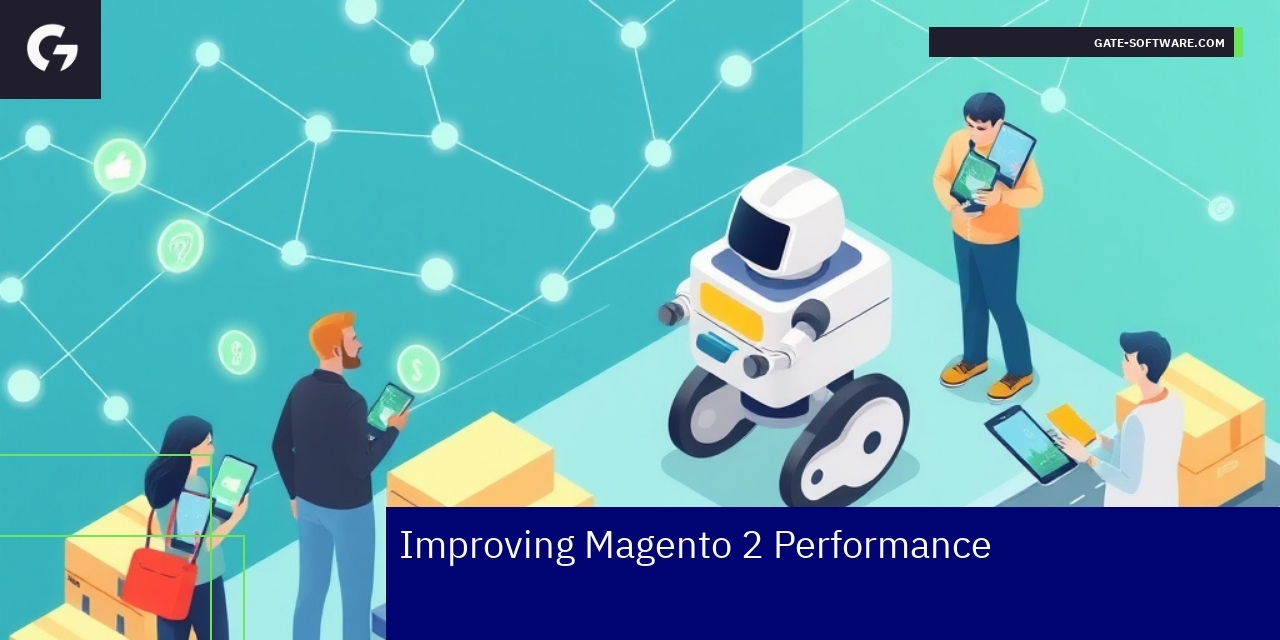
Improving Magento 2 Performance
Optimizing Magento 2 performance is crucial for maintaining a seamless user experience and ensuring high conversion rates, especially when integrating popular payment methods. Key technical challenges include minimizing latency during checkout processes, ensuring secure and swift payment authorization, and managing server resources efficiently to prevent bottlenecks. Achieving optimal performance requires careful attention to caching strategies, database optimization, and asynchronous processing where possible.
Integrating popular payment methods often introduces additional API calls and external service dependencies that can impact frontend responsiveness and backend throughput. It is essential to use efficient API handling techniques, such as batching requests and employing non-blocking calls to prevent delays. Magento 2’s architecture supports modular payment method integration, and by leveraging event-driven and queue-based mechanisms, the system can maintain good performance under load.
Gate-Software’s approach for UiR includes thorough monitoring of payment integrations to identify performance degradation points. This involves using advanced profiling tools and implementing automated scaling for services handling payment data. Ensuring compliance with WCAG standards during payment UI implementation also helps avoid usability issues that can indirectly affect performance metrics.
Ultimately, balancing security, user experience, and system responsiveness when integrating payment methods is key to enhancing Magento 2 performance. By following these guidelines, decision-makers like CTOs and eCommerce Managers can ensure robust and scalable payment flows that contribute to sustained business growth.
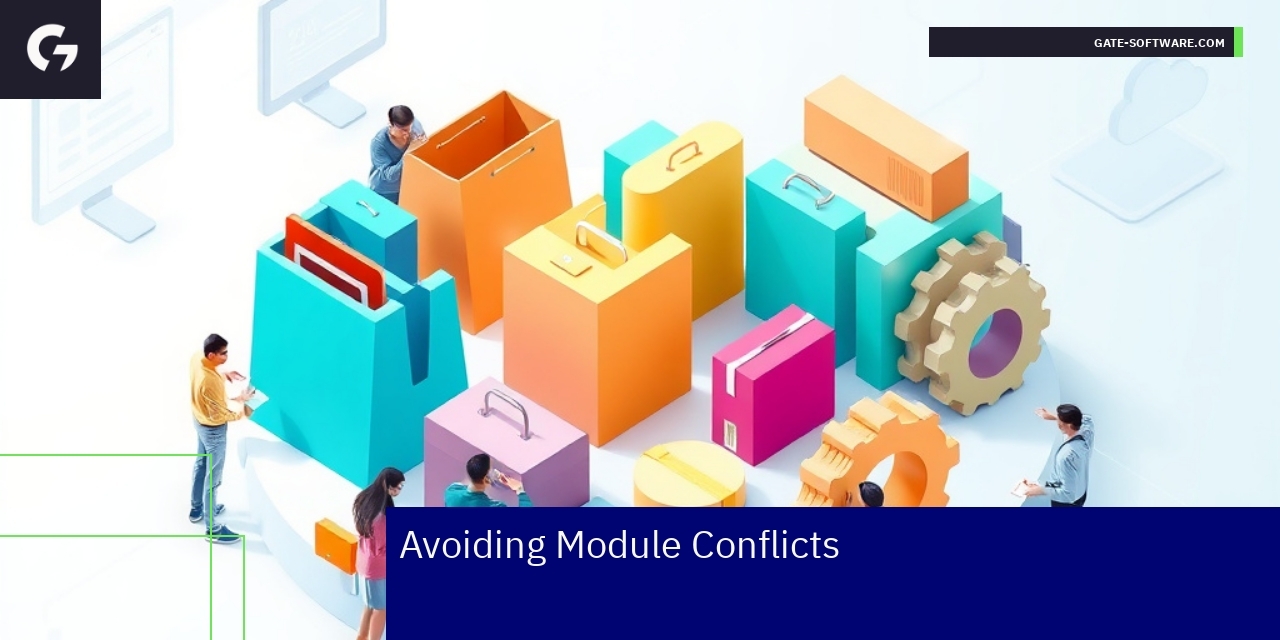
Avoiding Module Conflicts
Integrating multiple payment modules within a UiR environment requires meticulous attention to compatibility and performance to prevent conflicts that can disrupt user experience and transactional reliability. Best practices for avoiding conflicts when integrating payment modules begin with thorough analysis and testing of each module’s dependencies, version compatibility, and system interactions. It is vital to maintain clear separation between modules and their scopes to prevent overlap in database schemas, APIs, or frontend components.
A central rule is to employ a modular architecture that allows independent updates and rollback capabilities for each payment integration, ensuring that one failure does not cascade into system-wide issues. Implementing robust error handling and logging mechanisms supports early detection and resolution of conflicts before impacting end-users. Furthermore, regular audits aligned with WCAG standards ensure that payment modules maintain accessibility compliance while functioning harmoniously.
Communication between teams—development, UX/UI, and operations—fosters shared understanding of module interactions and potential conflict points. Leveraging Gate-Software’s expertise in maintaining MagentoOneS™ platforms and integrating state-of-the-art monitoring tools guarantees that modules operate within defined SLAs and perform optimally even under peak loads. These technical and organizational best practices secure seamless payment processes critical for customer satisfaction and operational continuity.

Cache Problem Solutions
Effective cache management is critical for maintaining optimal infrastructure performance with Magento, especially within the UiR service context. Cache issues can lead to slower page loads, inconsistent user experiences, and increased server strain. Addressing these challenges requires implementing advanced techniques that both reduce latency and ensure data integrity.
One approach involves fine-tuning Magento’s built-in caching layers, such as enabling full page caching (FPC) and optimizing the use of Redis or Varnish as external cache storages. This reduces backend load by serving cached content quickly while maintaining dynamic content accuracy. Additionally, implementing cache invalidation strategies aligned with content updates helps prevent stale data from being presented to users, which is crucial for preserving storefront reliability.
Caching problems often arise when extensions or custom modules bypass Magento’s native cache mechanisms or poorly integrate with third-party caches. To mitigate these issues, a comprehensive code audit and adherence to Magento’s caching best practices are recommended. Monitoring tools specifically designed for Magento environments can detect cache misses and inefficiencies in real time, allowing for proactive interventions before performance degradation affects end users.
Moreover, integrating cache solutions with Gate-Software’s UiR expertise ensures the infrastructure aligns with the company’s standards for scalability, security, and compliance. This includes complying with WCAG standards for accessible UX/UI and supporting the defined roles of key decision-makers like the Architect and Head of Applications, who play a central role in overseeing cache strategy implementation.
By employing these advanced techniques to resolve cache issues, companies ensure continuous high performance of their Magento platforms, optimize resource use, and maintain a superior e-commerce experience. Such practices align with Gate-Software’s strategic goals and provide measurable ROI through improved loading speeds and enhanced customer satisfaction.

Data and Performance Metrics – Efficiency, SLA, TCO
Operational Effectiveness in UiR Projects
In the context of UiR services by Gate-Software, several key metrics reflect the operational and performance achievements of managed Magento environments. For instance, the average project takeover time stands at approximately 2 weeks, enabling businesses to smoothly transition to enhanced operational models. Furthermore, Gate-Software boasts a 95% on-time project delivery rate, which significantly boosts client satisfaction and trust.
Moreover, clients using UiR services typically experience an average Total Cost of Ownership (TCO) reduction of 20% through optimized resource management and strategic enhancements. The number of successful Magento implementations facilitated by Gate-Software has reached over 150 projects, illustrating their expertise and capability in the e-commerce space.
In terms of reliability, the uptime SLA for services managed under the UiR framework is consistently maintained at 99.9%, underscoring commitment to platform stability even during peak traffic periods. Additionally, the average client relationship duration with Gate-Software often exceeds 5 years, signaling a strong partnership built on trust and result-oriented service delivery.
Ultimately, these metrics not only demonstrate the effectiveness and reliability of the UiR services but also provide prospective clients with clear, measurable outcomes that support buying decisions and strategic planning for their e-commerce journeys.

Summary
In conclusion, the comprehensive approach Gate-Software employs for managing Magento 2 platforms through our UiR (Utrzymanie i Rozwój) service provides a reliable foundation for e-commerce success. By integrating technical excellence with strategic business alignment, we ensure that your Magento environment is not only stable but also adaptable to the fast-evolving digital landscape. Our commitment to proactive maintenance, regular audits, and tailored SLAs enhances platform performance and security, fostering a seamless user experience that drives customer satisfaction and conversion. For decision-makers like CTOs, CDOs, and eCommerce Managers, collaborating with Gate-Software means embarking on a journey towards sustainable growth, where innovative solutions and technical best practices are at the forefront of your digital strategy. We invite you to reach out for further discussions on how we can help empower your business and refine your Magento capabilities.

FAQ
How can I maintain optimal performance in Magento 2?
To maintain optimal performance in Magento 2, implement full-page caching mechanisms like Varnish and Redis, optimize database queries, and minimize resource usage by compressing images and merging CSS and JavaScript files. Regular updates and monitoring help ensure performance stability and compliance with WCAG standards.
What is the importance of regular updates for Magento 2?
Regular updates for Magento 2 are crucial for addressing security vulnerabilities, improving system performance, and ensuring compatibility with third-party extensions. Timely application of patches supports overall platform stability and protects sensitive customer information.
Why is customer management essential in Magento 2?
Effective customer management in Magento 2 is vital for providing personalized user experiences, maintaining data integrity, and fostering customer loyalty. Proper extension and plugin management help prevent conflicts and ensure seamless integration of customer-related functionalities.
How do promotions affect user experience and SEO in Magento 2?
Promotions can enhance user engagement but must be managed carefully to avoid disrupting the user experience or diluting SEO effectiveness. Clear visual indicators and optimized metadata help maintain site performance and search rankings during promotional campaigns.
What role do backup strategies play in Magento 2 maintenance?
Backup strategies are essential for ensuring business continuity and data integrity in Magento 2. Regular automated backups safeguard against data loss during unforeseen incidents, enabling quick recovery and minimizing downtime, which is critical for maintaining customer trust.
.
.
Zamów bezpłatną konsultację
.
Z nami rozwój Twojego biznesu nabierze tempa! Zapraszamy do kontaktu średnie i duże firmy generujące min. 7 mln PLN obrotu rocznie – tam nasza ekspertyza sprawdza się najlepiej.
.
Kliknij w poniższy przycisk i skontaktuj się z jednym z naszych konsultantów e-commerce
.